
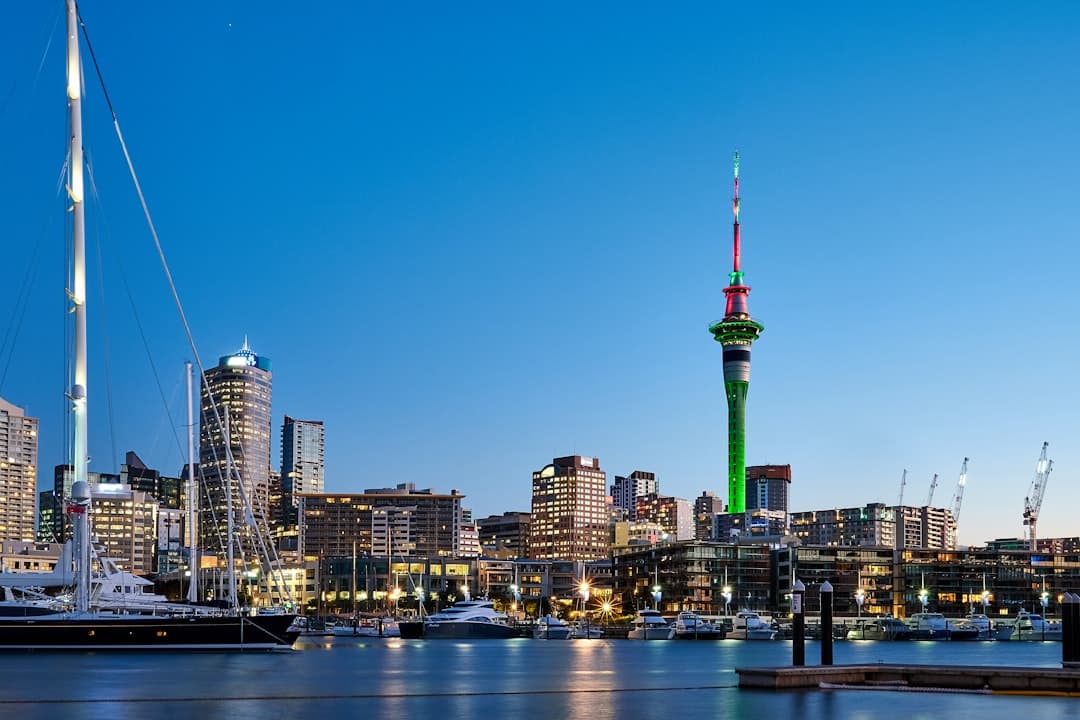
One Tree Hill
Auckland / One Tree Hill

One Tree Hill

A volcanic cone above Auckland with a storied Māori past and sweeping 360-degree views.

🏛️ Sights & Landmarks🌿 Nature & Outdoors
🌿 Relaxing👨‍👩‍👧 Family-friendly🎭 Cultural🌹 Romantic

One Tree Hill — known in te reo Māori as Maungakiekie — is one of Auckland's most significant volcanic cones and a deeply important site in Māori history. The hill sits at the heart of Cornwall Park, a sprawling 220-acre public parkland in the southern suburbs, and was once one of the largest pā (fortified settlements) in New Zealand, home to thousands of people before European colonisation. The obelisk near the summit is a memorial to the Māori people, commissioned by Sir John Logan Campbell — the Scottish merchant who donated the land to the city in 1901 — and it stands as a quietly powerful reminder of that history.

The experience here is genuinely layered. You can drive or walk to the top, where the views stretch across the Waitemata and Manukau Harbours, the Hauraki Gulf islands, and central Auckland's skyline. The terraced slopes of the ancient pā are still visible, and grazing sheep add a distinctly pastoral quality that feels incongruous — and charming — for a major city. The lone pine that gave the hill its English name is gone, felled by activists in 2000 after years of protest, and no replacement tree currently stands at the summit; the story of that absence is worth knowing before you go.

Cornwall Park surrounds the base and is a lovely place to extend the visit — there's a historic homestead called Acacia Cottage (Auckland's oldest surviving building), a visitor centre inside the Huia Lodge, and plenty of flat grassy space for a picnic. Come early morning for golden light and fewer crowds, and keep an eye on the sheep, who have no concept of personal space.

Local Tips

  1. 1

    You can drive most of the way up via the inner road through Cornwall Park, which saves the climb — useful if you're short on time or visiting with young kids or older travellers.

  2. 2

    The Huia Lodge visitor centre at the base has good interpretive displays about the site's Māori history and the geology of Auckland's volcanic field — worth 15 minutes of your time.

  3. 3

    Don't miss Acacia Cottage near the entrance — it's easy to walk past, but it's the oldest surviving building in Auckland and quietly remarkable.

  4. 4

    The sheep are free-roaming and completely unbothered by visitors; don't try to feed them, and watch where you step on the grassy slopes.

When to Go

Best times
Summer (December–February)

Long days, warm weather, and clear skies make for the best summit views. Early mornings are especially beautiful and less crowded before the heat builds.

Early morning (any season)

The light is softer, the sheep are active, and you'll often have the summit largely to yourself before day-trippers arrive.

Try to avoid
Winter (June–August)

The hill can be cold, windy, and sometimes shrouded in low cloud, which can obscure the views entirely. Rain makes the paths slippery.

Why Visit

01

The 360-degree views from the summit take in two harbours, volcanic cones across the city, and the islands of the Hauraki Gulf — one of Auckland's best panoramas.

02

The site carries centuries of Māori history as a major fortified settlement, with ancient earthwork terraces still clearly visible on the slopes.

03

Cornwall Park at the base is one of the city's most beautiful green spaces — great for a picnic, a wander, and an unhurried morning away from the tourist circuit.