
All Places
1,073 places around the world
1,073 places
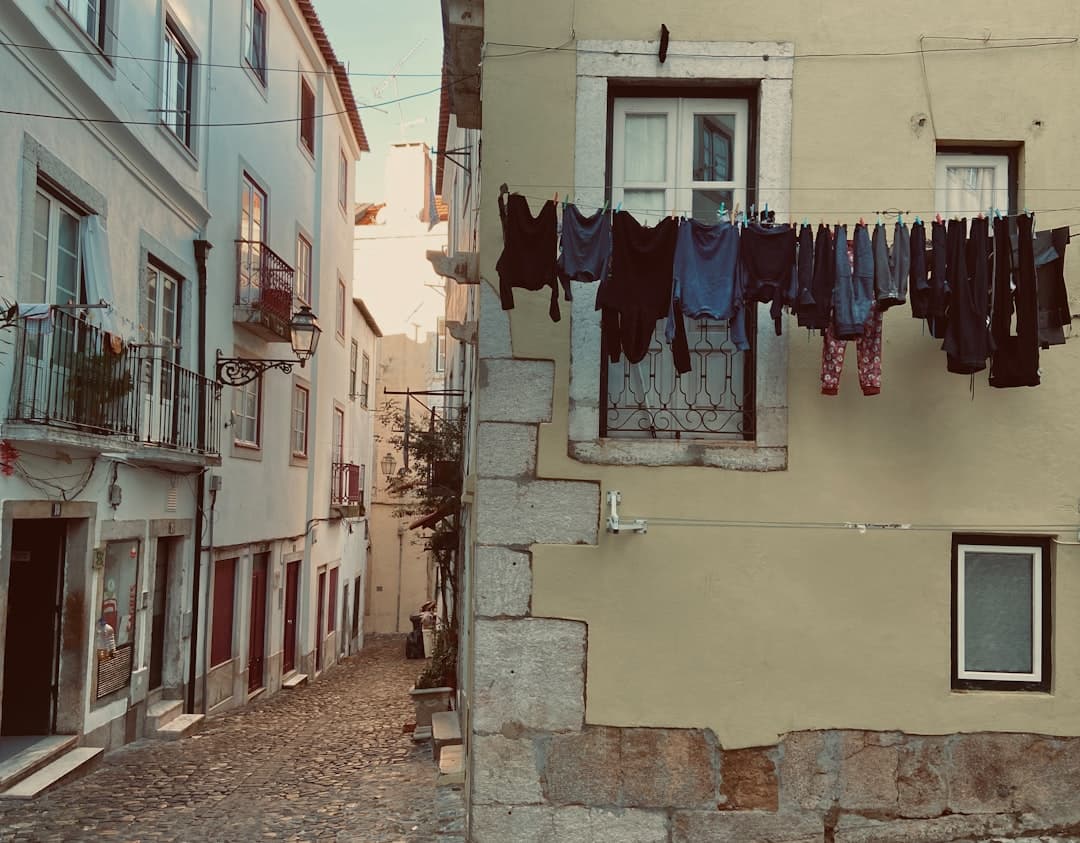
25 de Abril Bridge
The Ponte 25 de Abril is one of Europe's most recognisable bridges — a sweeping, rust-red suspension bridge that spans the Tagus River, connecting Lisbon to the town of Almada on the south bank. Built in 1966 and originally named after dictator Salazar, it was renamed after the Carnation Revolution of April 25, 1974, the bloodless coup that ended nearly five decades of authoritarian rule in Portugal. That date is sacred in Lisbon, and the bridge carries the memory of it. The resemblance to San Francisco's Golden Gate is no accident — both were built by the same American company, the American Bridge Company, using a similar design language. Most visitors experience the bridge from a distance, whether from the hilltop Cristo Rei statue on the Almada side (an excellent vantage point), from the Alfama waterfront, or from the Belém district where you can watch traffic flow overhead while wandering between the Jerónimos Monastery and the Tower of Belém. But the bridge itself also has a lower deck that was added in 1999 to carry the Fertagus rail line, giving it two tiers of traffic — road above, trains below. Driving across it is genuinely thrilling, especially at dusk when the city lights up behind you. There's no pedestrian crossing on the bridge itself — you can't walk across it — so if you want to get close, your best bets are the Almada riverbank near Cacilhas (reached by a short ferry from Cais do Sodré), or the Miradouro de Santo Amaro in Alcântara, which sits almost directly beneath the bridge's Lisbon-side towers and offers arguably the best up-close view in the city. Sunset from Santo Amaro, with the bridge glowing orange above you, is something you won't forget.
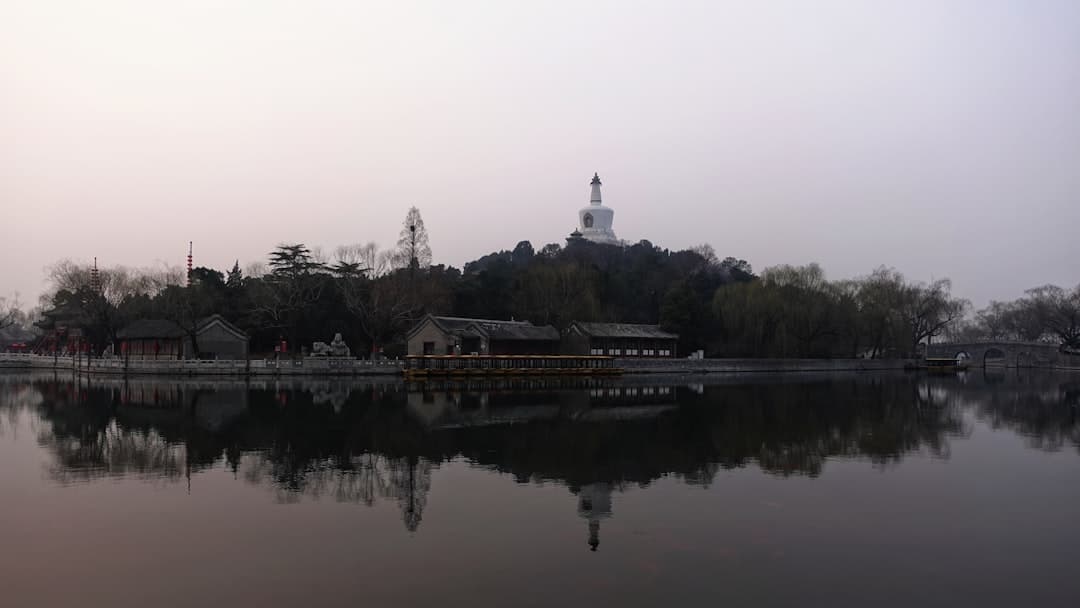
798 Art District
The 798 Art District is a sprawling complex of repurposed Bauhaus-style factory buildings in northeast Beijing that became the unlikely center of China's contemporary art scene in the early 2000s. The district takes its name from Factory 798, originally part of a massive state-owned military electronics complex built with East German assistance in the 1950s. As the factories wound down production in the 1990s, artists and designers moved in, drawn by the cheap rents and vast industrial spaces. By the mid-2000s it had become internationally recognized, with galleries, studios, and cultural institutions occupying the old assembly halls and machine shops. Walking through 798 today feels like navigating a living museum of contemporary Chinese and international art — but one with proper coffee and bookshops. Flagship spaces like Pace Beijing, Ullens Center for Contemporary Art (UCCA), and Tang Contemporary Art anchor the district alongside hundreds of smaller galleries, artist studios, design shops, and sculpture gardens. The architecture itself is part of the draw: you're wandering through cathedral-ceilinged Bauhaus halls with original slogans from the Mao era still stenciled on the brick walls, while oversized contemporary sculptures sit in the courtyards outside. Go on a weekday if you can — weekends bring large crowds and it can feel more like a tourist market than an art district. The best strategy is to pick one or two anchor exhibitions you actually want to see and let yourself drift between them. UCCA is consistently the highest-quality institution for major shows. The district is large enough that a half-day is comfortable, but serious gallery-goers can easily fill a full day. Many galleries close on Mondays, so plan accordingly.
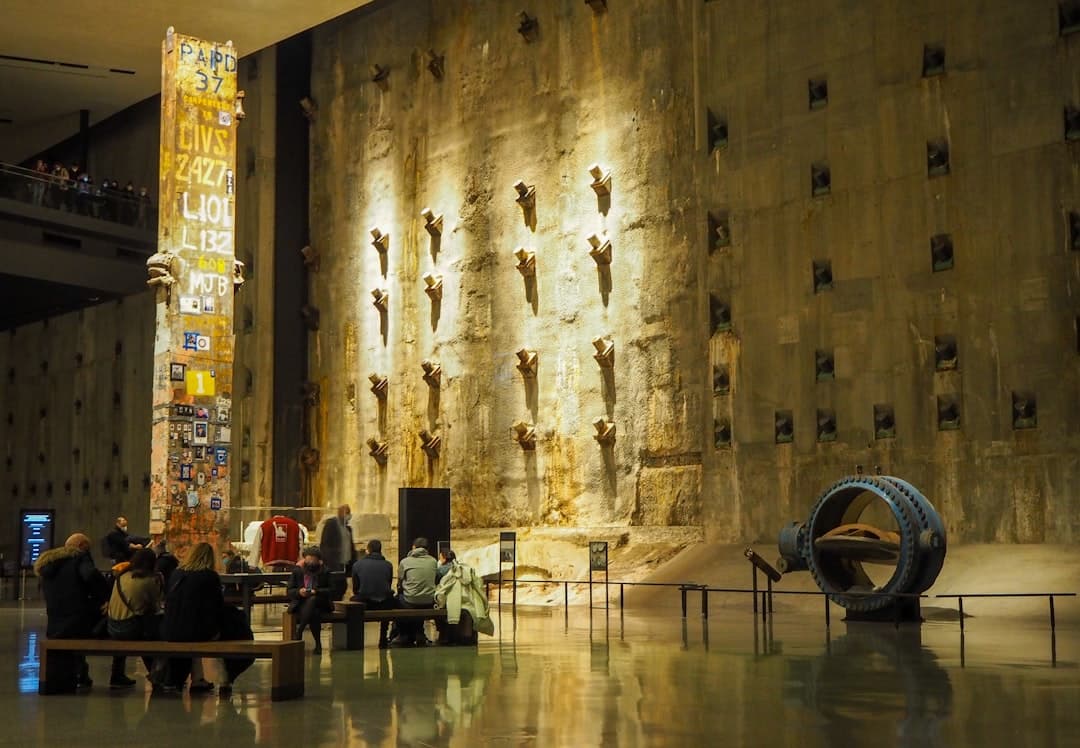
9/11 Memorial & Museum
The 9/11 Memorial & Museum occupies the footprint of the original World Trade Center in Lower Manhattan, built on the site where the Twin Towers once stood. It exists to remember the nearly 3,000 people killed in the September 11, 2001 attacks and the 1993 World Trade Center bombing, and to help visitors understand what happened, why it mattered, and how the world changed in its wake. The outdoor memorial — two massive reflecting pools set into the exact footprints of the fallen towers, with the names of every victim carved into their bronze parapets — is free and open to the public. The underground museum requires a ticket, and it's a far more immersive and emotionally demanding experience. Inside the museum, you descend below street level into what was once the bedrock of the towers. The exhibitions are extensive and carefully curated: you'll see recovered artifacts including a battered fire truck, twisted steel columns, and the Last Column removed from the site in 2002. The historical exhibition walks through the events of the day with audio, video, and survivor testimony. There's also a memorial exhibition where each victim is given a dedicated space — a photograph, a recorded voice, a small biography. It's quietly devastating and genuinely important. Allow more time than you think you'll need. Buy tickets in advance — walk-up availability exists but the museum draws large crowds, especially in summer and around September 11. Tuesday closures are common for maintenance; always check before you go. The memorial plaza is open even when the museum is closed, and on a clear day the view of One World Trade rising above the pools is remarkable in its own right. First responders and victims' family members receive free admission to the museum — it's worth knowing that the space is designed with them equally in mind.
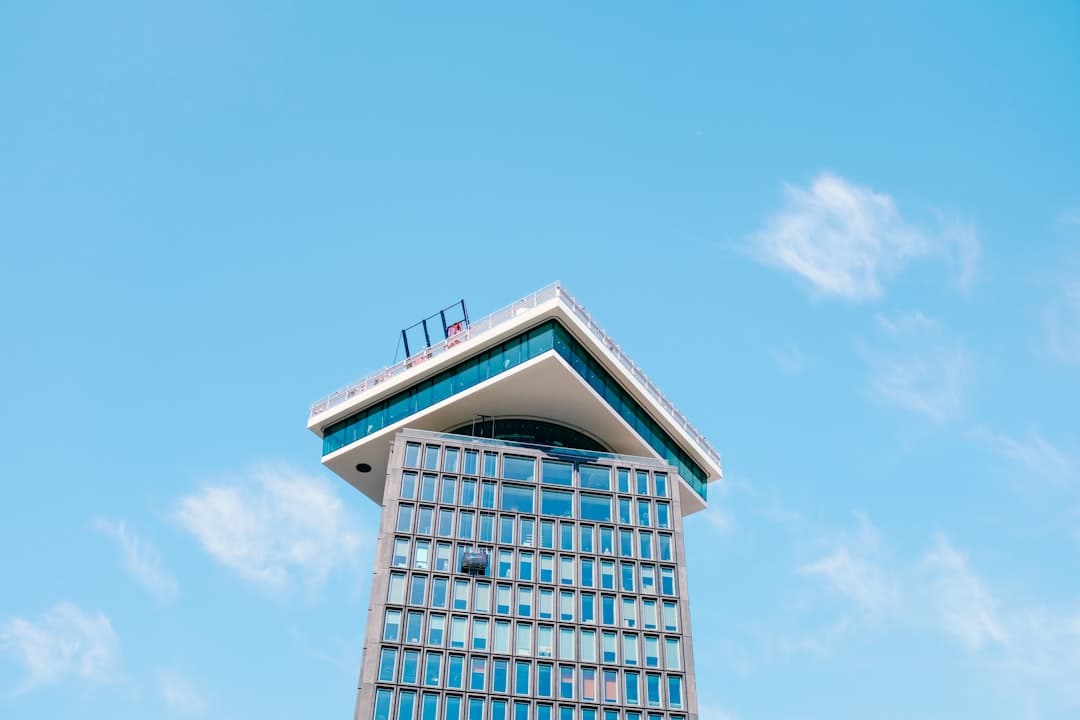
A'dam Lookout
The A'dam Lookout sits on top of the A'dam Tower, a former Shell oil company headquarters that now anchors Amsterdam Noord's creative district. At 22 stories tall, it offers one of the best panoramic views in the city — stretching across the IJ waterway, the historic canal ring, and the flat Dutch landscape beyond. It opened in 2016 as part of a broader reinvention of the area north of Centraal Station, and it quickly became one of Amsterdam's most visited attractions. The main draw is the open-air rooftop observation deck, which gives you unobstructed views in every direction. You can pick out the Rijksmuseum, the Westerkerk tower, and the full sweep of the harbor from up here. But the signature feature is 'Over the Edge' — two swing seats mounted on the roof's edge that arc out 100 meters above the street. It's genuinely terrifying in the best possible way. There's also a lower observation level with glass floors and telescopes, plus a rotating restaurant and cocktail bar called Moon, which does a full revolution every 40 minutes. Getting here is easier than most visitors expect — a free ferry from behind Centraal Station gets you across the IJ in about five minutes. The tower sits right at the ferry dock. Skip the ground-floor restaurant and head straight up; queues for the swing can get long on weekends so arriving early or pre-booking the swing experience separately is worth doing. The view at dusk, when the canal lights come on across the water, is particularly good.
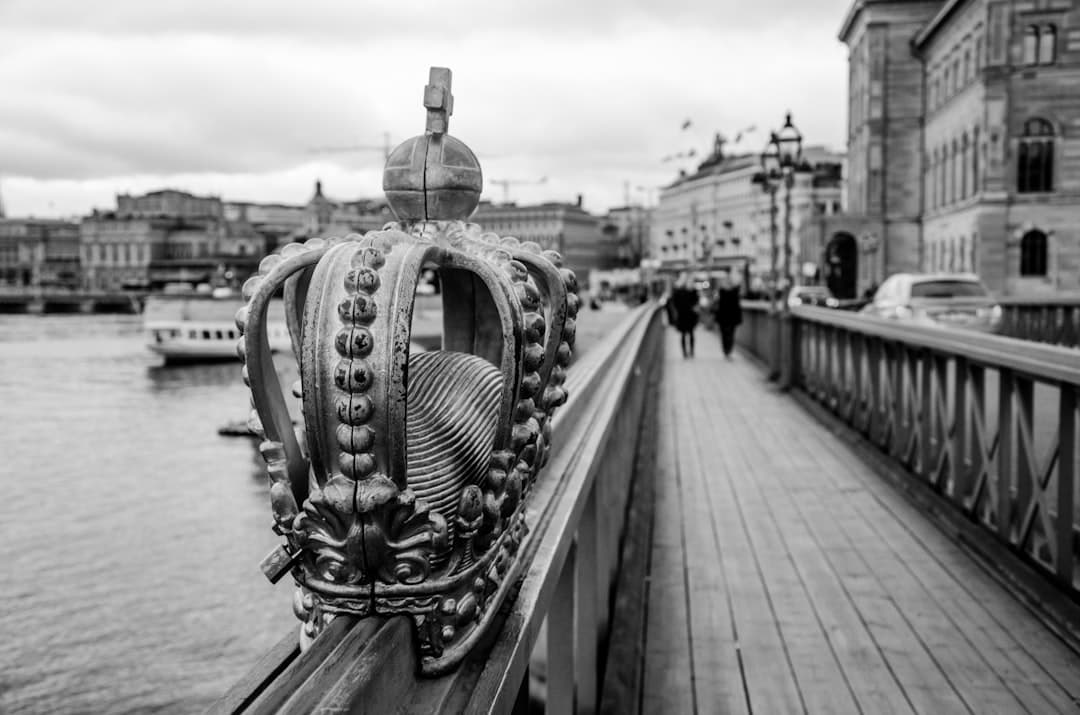
ABBA Museum
The ABBA Museum opened in 2013 on Djurgården — Stockholm's museum island — and quickly became one of Sweden's most visited attractions. It's dedicated entirely to ABBA, the four-piece group that conquered the world in the 1970s with songs like Waterloo, Dancing Queen, and Mamma Mia, and whose influence on pop music has never really faded. This isn't just a room full of gold records and glass cases; it's a full-scale interactive experience built in close collaboration with the band members themselves, who donated costumes, instruments, personal letters, and memorabilia. Agnetha, Björn, Benny, and Anni-Frid are genuinely invested in what happens here. Inside, you move through themed rooms tracing the band's rise from Swedish schlager singers to global superstars. The highlights are hands-on: you can step into a replica recording studio, take the stage as a holographic fifth member of ABBA, try on replica costumes, test your dance moves in a dedicated booth, or sit at Benny Andersson's actual piano — which is connected to his home, so if the phone on it rings, it might actually be him calling. The costume collection is extraordinary, showcasing the sequined jumpsuits and platform boots that became as iconic as the music itself. The museum shares a building with the Swedish Music Hall of Fame, so your ticket gets you into both. Djurgården is a green, car-free island that's easy to reach by tram (lines 7 from Norrmalmstorg) or ferry from Slussen, and it's surrounded by other major attractions including Vasa Museum and Skansen. Go on a weekday if you can — weekend queues at the hologram stage and the costume rooms can be significant, and the experience genuinely rewards taking your time.
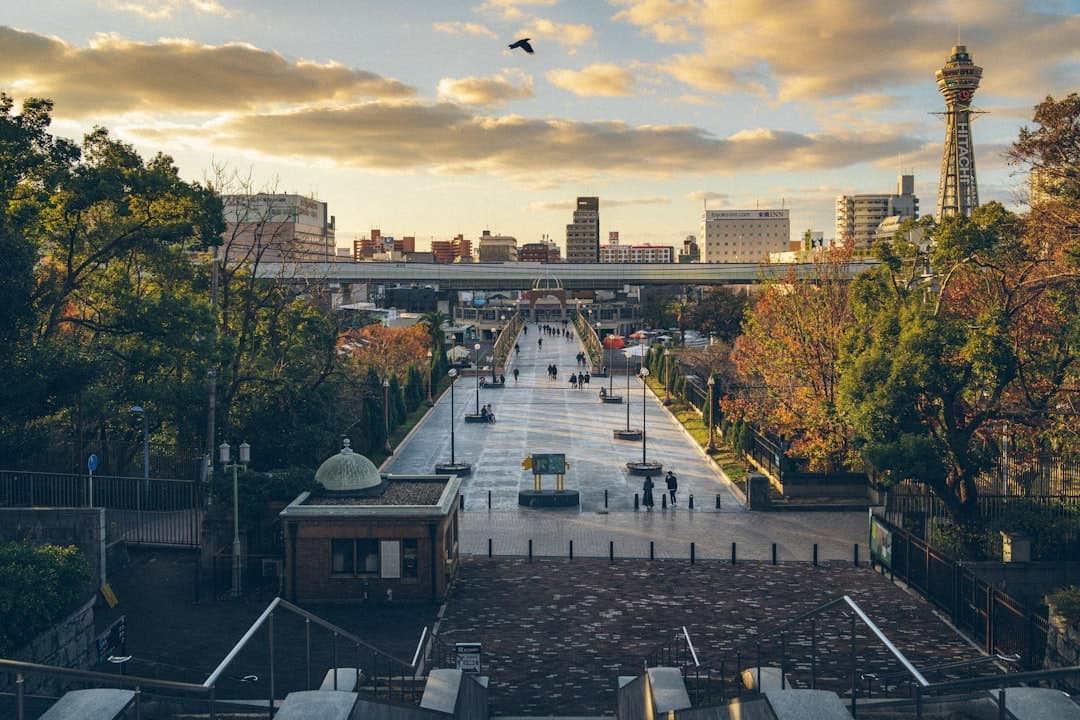
Abeno Harukas
Abeno Harukas is Japan's second-tallest skyscraper (as of recent rankings, after Toranomon Hills Mori Tower in Tokyo), standing 300 meters above the Abeno district in southern Osaka. Completed in 2014, it's a genuine mixed-use tower — there's a department store (Kintetsu Department Store), a hotel (Marriott), an art museum, and at the very top, a 360-degree observation deck called Harukas 300. The name comes from an old Japanese word meaning 'to brighten' or 'to clear the view,' which feels apt when you're looking out over the entire Kinki region on a clear day. It sits directly above Tennoji and Osaka Abenobashi stations, making it one of the most accessible major attractions in the city. The main draw for most visitors is Harukas 300, spread across floors 58 to 60. The observation experience is legitimately impressive — the top floor has an outdoor walkway where you can feel the wind and look straight down at the streets below, which gives it a visceral edge over fully enclosed decks. On a clear day you can see all the way to Awaji Island and the Rokko Mountains. Below the observation floors, the Abeno Harukas Art Museum on floors 16 and 17 rotates serious exhibitions, often featuring major retrospectives of Japanese and international artists. The department store floors below are thoroughly Osaka — lots of food, fashion, and an excellent basement depachika (food hall) worth exploring in its own right. Timing matters here. Sunset is the sweet spot: arrive about an hour before dusk to watch the city transition from golden hour to full night illumination, which transforms the view entirely. Weekday afternoons are noticeably quieter than weekends. If you're combining this with a visit to Tennoji Zoo or Tennoji Park — both right next door — you can easily build a half-day around the whole Abeno area, which is a more local, less touristy part of Osaka than Dotonbori or Shinsaibashi.
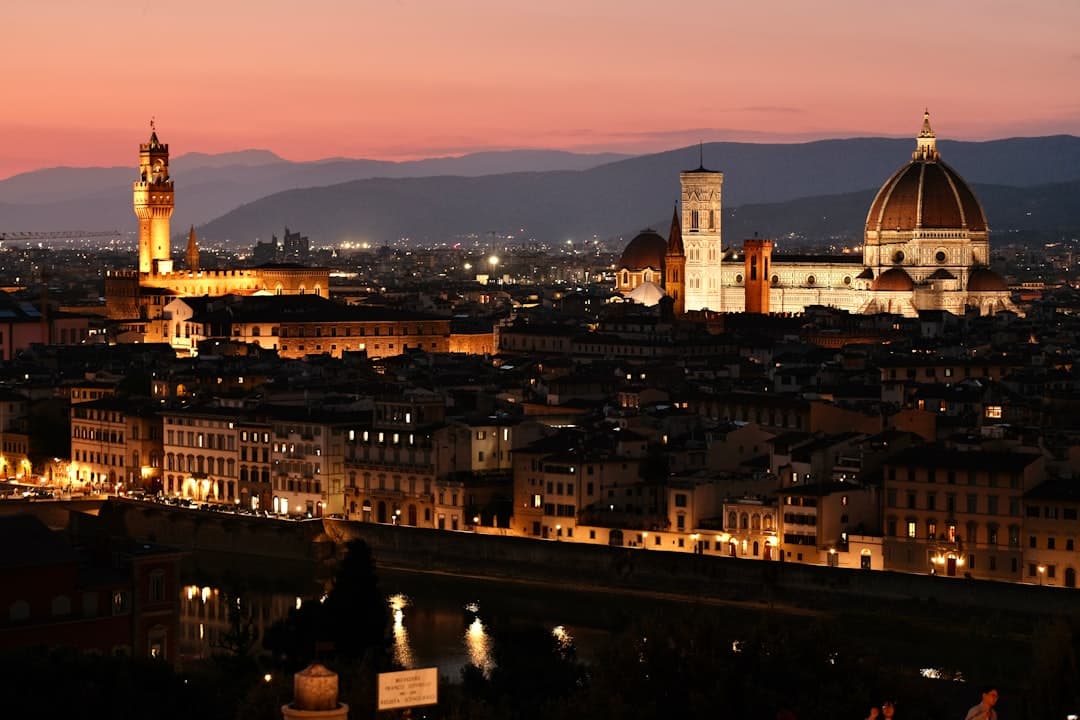
Accademia Gallery
The Galleria dell'Accademia is a state museum in central Florence that houses one of the most famous sculptures in the world: Michelangelo's David, completed in 1504. The original statue — all 5.17 metres and 5,660 kilograms of Carrara marble — stands at the end of a long skylit hall called the Tribune, and seeing it in person is a genuinely different experience from any photograph. The museum was founded in 1784 under the Grand Duke Pietro Leopoldo as a teaching collection for the adjacent Academy of Fine Arts, which is why the building still buzzes with art students today. The David gets all the attention, but the Accademia has more going on than a single statue. Along the corridor leading to the Tribune, you'll find Michelangelo's unfinished 'Prisoners' (also called the Slaves) — four extraordinary figures that appear to be emerging from or struggling against the stone. They were intended for the tomb of Pope Julius II and were never completed, which makes them, in a strange way, more haunting than the finished work. The museum also holds a solid collection of Florentine Gothic and Renaissance painting, Byzantine icons, and a room dedicated to plaster casts, which is far more interesting than it sounds. Book ahead — this is one of the most visited museums in Italy, and the queues without a reservation can stretch for hours, especially in summer. Tuesday mornings are typically quieter than weekend afternoons. The museum is compact enough to do thoroughly in about two hours, so don't rush past the Prisoners trying to get to the David first: walk the whole corridor slowly, then let the statue reveal itself at the end.
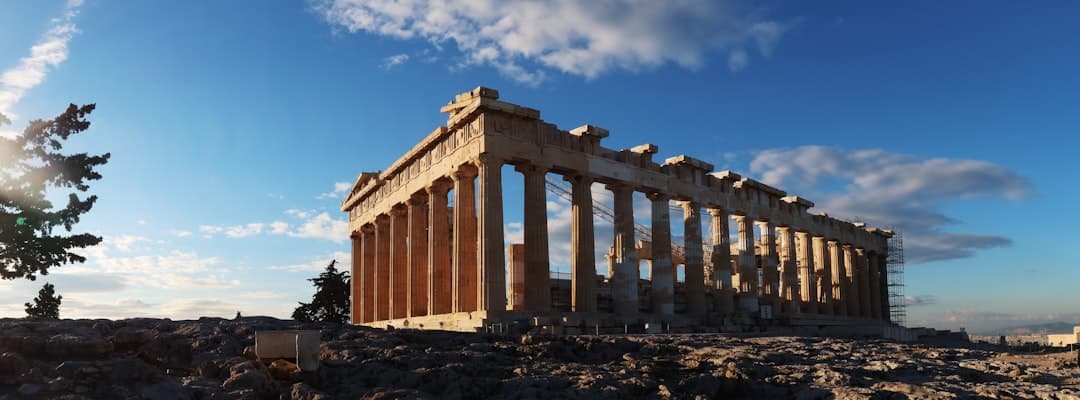
Acropolis
The Acropolis is a flat-topped limestone hill rising 150 metres above Athens, crowned by a cluster of ancient monuments that have shaped art, architecture, and democracy for millennia. The centrepiece is the Parthenon — a temple dedicated to the goddess Athena, completed in 432 BCE under the leadership of Pericles and the artistic direction of the sculptor Pheidias. It remains one of the most influential buildings ever constructed, a touchstone for architecture from ancient Rome to the U.S. Capitol. The site also includes the Erechtheion, with its famous Porch of the Caryatids — columns carved as draped female figures — as well as the Temple of Athena Nike and the grand gateway known as the Propylaea. Visiting means climbing the hill via the Beule Gate and walking among ruins that are simultaneously fragile and monumental. You'll see the Parthenon up close — note that ongoing restoration work by the Acropolis Restoration Service has been running since the 1970s, so scaffolding is often present on parts of the structure, but this doesn't diminish the experience. The views from the top are extraordinary in every direction: the ancient Agora below, the Temple of Hephaestus, the Theatre of Dionysus on the southern slope (one of the world's first theatres), and the city of Athens sprawling to every horizon. Allow time to explore the southern slope separately, where the Odeon of Herodes Atticus still hosts live performances today. Timing is everything here. The site opens at 8am and the first two hours — before the tour groups arrive in force — are significantly more peaceful. Tickets can be purchased as a combined ticket covering the Acropolis and several other ancient sites including the Ancient Agora, the Roman Agora, and Kerameikos, which represents excellent value. The Acropolis Museum, a world-class modern museum at the base of the hill, is best visited after the site itself — it houses the original Caryatid figures (the ones on the Erechtheion are replicas) and provides crucial context for everything you've just seen.
Acropolis Museum
The Acropolis Museum sits at the foot of the rocky hill it celebrates, purpose-built in 2009 to house the surviving sculptures and artifacts from the Parthenon and the broader Acropolis site. It's one of the most important archaeology museums in the world — not because of size, but because of focus and ambition. The building was designed by Swiss-American architect Bernard Tschumi with a deliberate axis aligned to the Parthenon itself, so the top-floor Parthenon Gallery is oriented exactly as the original temple was. The museum is also, quietly, a political statement: Greece built it partly to strengthen its case for the return of the Elgin Marbles, roughly half of the Parthenon's surviving frieze, which have been held in the British Museum since the early 19th century. Gaps in the frieze displays are left intentionally empty, waiting. You move through three main levels. The ground floor Archaic Gallery introduces you to the kore and kouros statues — stiff, smiling figures that feel almost Egyptian — before the collection opens up to the extraordinary Caryatids on the middle floor, the six draped female figures that once held up the porch of the Erechtheion. Five are here (one is in London). The top floor is the payoff: a continuous wraparound gallery of the Parthenon frieze, metopes, and pediment sculptures, arranged in sequence so you can walk the full narrative. Half the panels are original marble; the rest are white plaster casts representing what's missing or abroad. It's haunting and magnificent in equal measure. Crucially, the Parthenon itself is visible through the floor-to-ceiling glass walls the whole time. Friday evenings are the insider move — the museum stays open until 10pm, the crowds thin considerably after 7pm, and the Parthenon is lit up dramatically outside. The ground floor is built over an active archaeological excavation visible through glass floors, which adds a strange, layered thrill even before you reach the main galleries. Skip the audio guide if you're pressed for time and buy the excellent printed guide instead — it's cheaper and you can take it home. The rooftop restaurant has genuine views of the Acropolis and is worth a coffee even if you skip the meal.
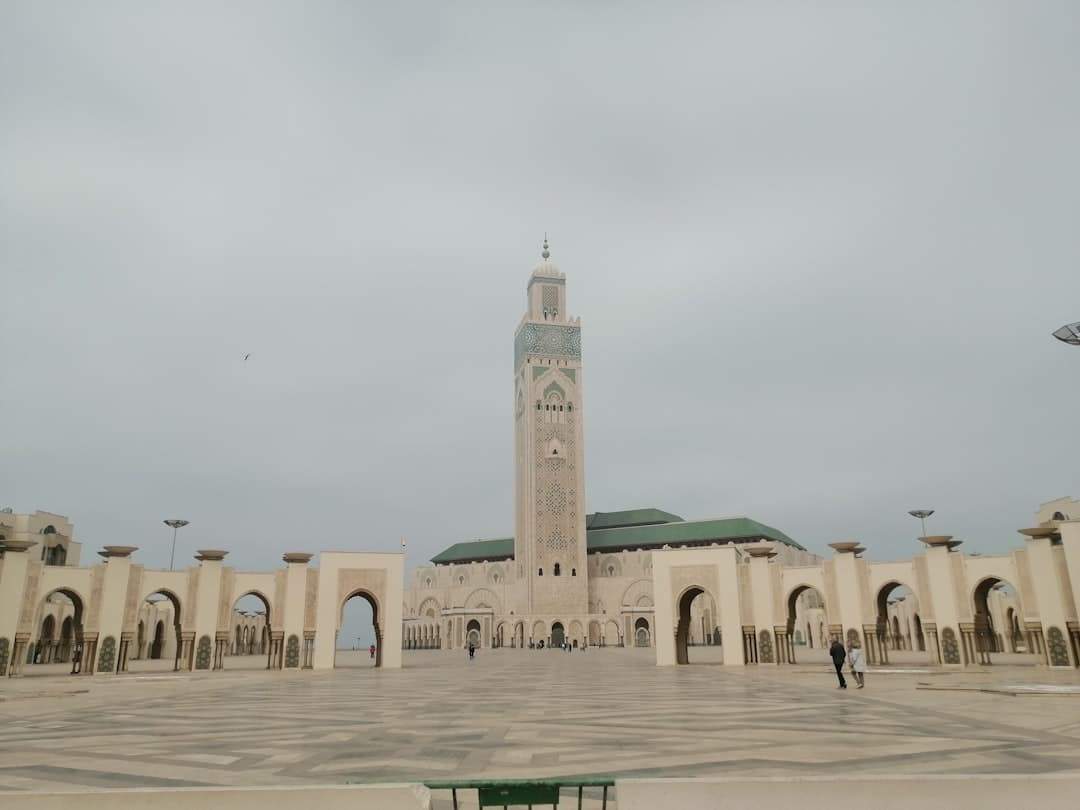
Ain Diab Beach
Ain Diab is the coastal strip that stretches along Casablanca's western edge, hugging the Atlantic for several kilometers. It's the city's primary beach district — the place where Casablancans actually go to unwind, swim, and socialize, rather than a tourist destination invented for visitors. The Boulevard de l'Océan Atlantique runs parallel to the shore, lined with beach clubs, seafood restaurants, cafés, and nightlife venues, making it as much a social scene as a place to swim. The beach itself is broad and sandy, though the Atlantic here has a reputation for strong currents, so swimming requires some awareness. The real experience at Ain Diab is the rhythm of the place: beach clubs (known locally as clubs nautiques or plages privées) rent sun loungers and umbrellas, serve food and drinks, and host the kind of easy afternoon socializing that Moroccans have perfected. In summer especially, the promenade fills with families, couples, and groups of friends well into the evening. The Hassan II Mosque, one of the largest mosques in the world, is visible to the north, its minaret rising above the Atlantic — a remarkable backdrop. Ain Diab rewards a relaxed, unhurried approach. The public beach sections are free, but paying for access to one of the private beach clubs gets you a proper setup with shade, showers, and often a restaurant. Weekend afternoons are lively and local — exactly the time to come if you want to see Casablanca at ease rather than at work. Avoid the hottest summer midday hours and come late afternoon when the light is golden and the energy picks up.

Akihabara
Akihabara — nicknamed 'Akiba' by locals — is a dense, neon-lit district in central Tokyo that built its reputation on electronics but has evolved into the global capital of anime, manga, and gaming culture. Starting as a black-market electronics hub after World War II, it became the place where Japanese consumers went to buy components, gadgets, and appliances before the big-box stores existed elsewhere. Today it's something far more layered: a pilgrimage site for fans of Japanese pop culture from every corner of the world, stacked alongside serious electronics retailing that still draws engineers and hobbyists. Walking through Akihabara means navigating multiple floors of multi-story shops selling everything from vintage Famicom cartridges and rare action figures to the latest GPUs and soldering kits. Stores like Yodobashi Camera (one of the largest electronics retailers in Japan, with a massive flagship here), Animate, and Mandarake dominate the main drag of Chuo-dori, but the real magic is in the side streets: narrow lanes of specialty shops where a single store might sell only resistors and capacitors, while the next sells exclusively doujinshi (self-published manga). Maid cafes — where staff dress in French maid costumes and treat customers like household guests — are genuinely part of the fabric here, not a gimmick. The multi-floor AKB48 theater above a Don Quijote store is an institution. The best approach is to give yourself time to get lost rather than work a checklist. Come on a Sunday afternoon when Chuo-dori is closed to traffic and becomes a pedestrian boulevard — it's one of the few times you can actually stop and look up at the building facades without being swept away. Prices on electronics are competitive but not always the cheapest in Tokyo; for that, check Yodobashi carefully against online Japanese retailers. Most shops run late, closing around 8 or 9pm, and the district stays lively well into the evening.
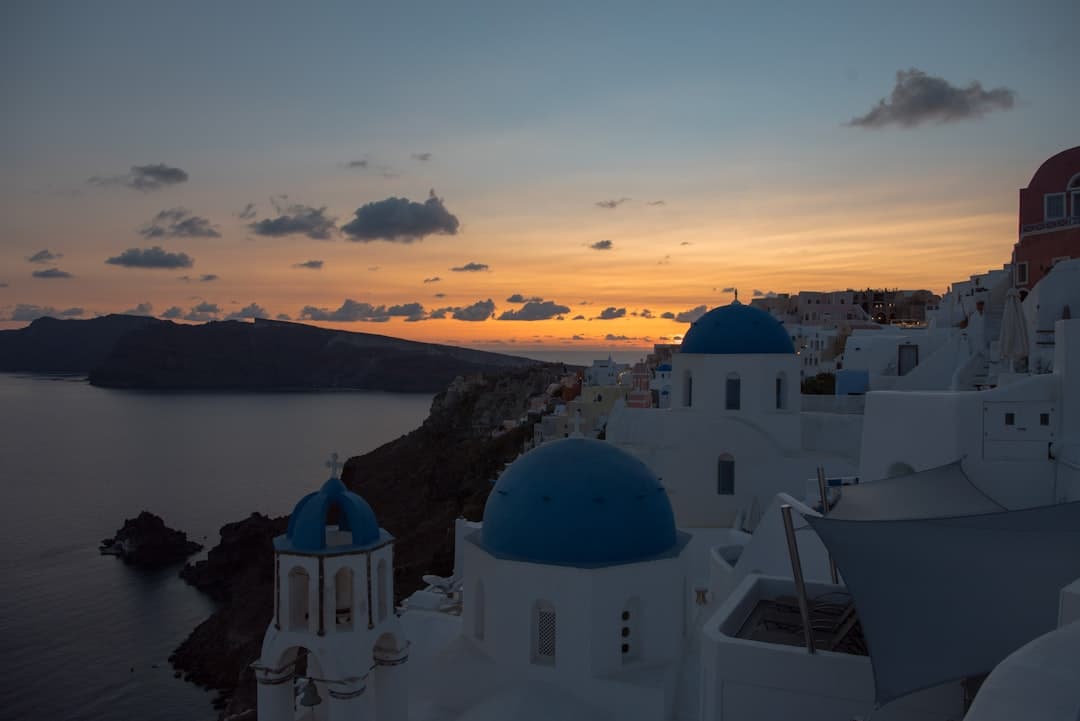
Akrotiri Archaeological Site
Around 3,600 years ago, a catastrophic volcanic eruption buried a thriving Aegean city under meters of ash and pumice — preserving it so completely that when archaeologists began excavating in the 1960s, they found multi-story buildings still standing, sophisticated frescoes still vivid on walls, and a civilization so advanced it's thought by some scholars to have inspired the legend of Atlantis. Akrotiri, on the southern tip of Santorini, is the Minoan-era settlement that survived by being entombed. It predates the Greek world as most people picture it and offers a rare window into Bronze Age life in the Aegean — not ruins in the romantic, broken-column sense, but actual streets, staircases, and rooms you can look into. The site is sheltered under a vast modern canopy, which means you're walking elevated walkways above the excavated city, peering down into streets and buildings that were sealed under ash for millennia. You'll see massive storage jars called pithoi still standing in storage rooms, the remnants of furniture and household objects, and — most dramatically — the Ghost Houses, whose upper floors are astonishingly intact. The famous Akrotiri frescoes (including the iconic Spring Fresco and the Boxing Children) have been moved to the National Archaeological Museum in Athens and the Museum of Prehistoric Thera in Fira, so what you see on-site is the architecture and spatial context rather than the painted walls, but it's no less astonishing for that. The site is small enough to cover in under two hours but dense enough that an audio guide or guided tour adds enormous value — the visual context without explanation can feel confusing. Arrive when it opens at 8:30am to beat the cruise ship crowds that descend midmorning. Tuesday closures are a known frustration for travelers on tight schedules, so plan around that. The village of Akrotiri nearby has the Red Beach a short walk away, making this a logical half-day combination if you're in the south of the island.
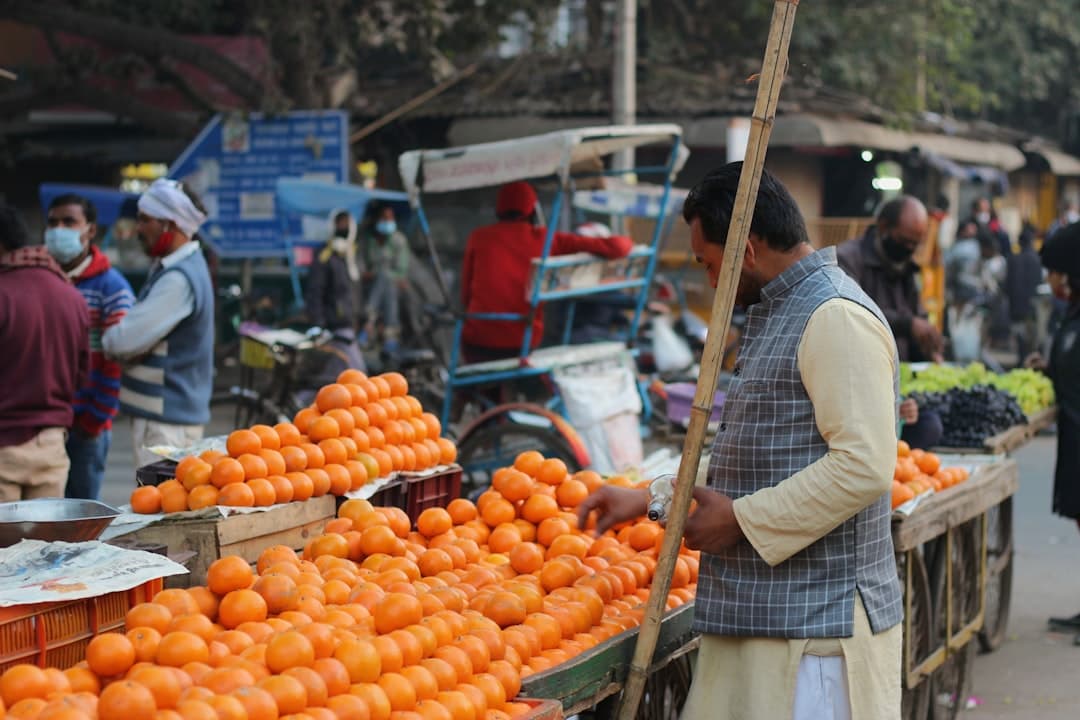
Akshardham Temple
Akshardham is a massive Hindu temple complex on the eastern bank of the Yamuna River, built by the BAPS Swaminarayan organization and inaugurated in 2005. It was created in honor of Pramukh Swami Maharaj, the spiritual leader of the movement, and holds a Guinness World Record as the world's largest comprehensive Hindu temple. What makes it extraordinary isn't just its scale — it's that the central monument was built entirely without steel, using pink Rajasthani sandstone and Italian marble, carved by over 8,000 craftspeople following ancient Vastu and Pancharatna architectural principles. The result looks like it belongs to a different millennium, not a building that opened in the 21st century. A visit here is genuinely full-day territory if you do it properly. The central monument — a 43-metre-high shikhara covered in 234 intricately carved pillars and nearly 20,000 figures of deities, saints, and animals — is the obvious centrepiece and takes time to absorb properly. Beyond it, the complex includes Sahaj Anand Water Show (an evening fountain show with light, fire, and water), the Neelkanth Darshan film shown in an IMAX-style dome, and Sanskruti Vihar, a boat ride through 10,000 years of Indian history. The gardens and ghats along the Yamuna are worth lingering in too, particularly around sunset. A few things first-time visitors don't always know: photography is not permitted inside the complex at all — phones and cameras must be deposited at the entrance lockers, which is also where you'll leave bags, leather items, and food. The temple is closed on Mondays. Arrive early to beat the queues that build through the day, especially on weekends. The water show runs in the evening and is separately ticketed — if you want to see it, factor that into your timing and don't plan to leave by 6pm.
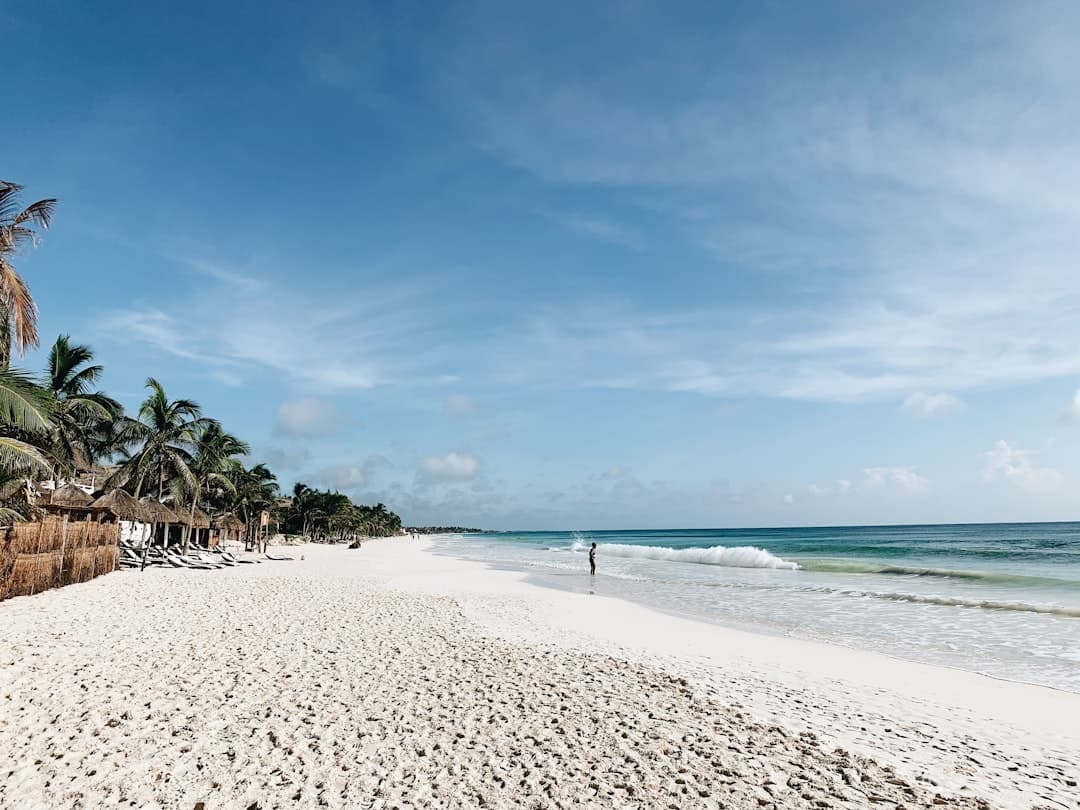
Aktun-Chen
Aktun-Chen is a privately operated natural park sitting just off the main Cancún–Tulum highway near Akumal, protecting one of the Yucatán Peninsula's most impressive accessible cave systems. The name means 'cave with an underground river inside' in Mayan, and the geology delivers on that promise — stalactites and stalagmites that have been forming for millions of years, some reaching extraordinary sizes, fill chambers that descend around 35 meters below the jungle floor. Unlike the more famous cenotes closer to Tulum town, this park combines the cave exploration with a natural cenote swim and a zip-line canopy tour, making it a genuinely full activity rather than a quick dip. The signature experience is the guided cave walk, which winds through roughly 600 meters of lit passageways past formations with names like the Cathedral and the Shark's Fin — dramatic calcite columns and curtains of rock that genuinely earn their theatrical nicknames. The cenote attached to the cave system is a gorgeous turquoise pool, partially open to the sky and sheltered by roots and rock, where you can swim after the cave tour. The park also has a small zoo featuring local wildlife including spider monkeys and coatis, and a zip-line circuit through the jungle canopy if you want to extend the day. Aktun-Chen sits closer to Akumal than to Tulum town, at Km 107 on the highway — easy to reach by rental car or colectivo. Because it's a private park with managed entry, it never gets as crushingly crowded as the Dos Ojos or Gran Cenote circuit. Go on a weekday morning to get the cave almost to yourself. The cenote water temperature stays around 24°C year-round, so the swim is always refreshing regardless of season. Life jackets are provided for the cenote, and the cave walk requires closed-toe shoes — sandals won't get you in.
Al Fanar Restaurant
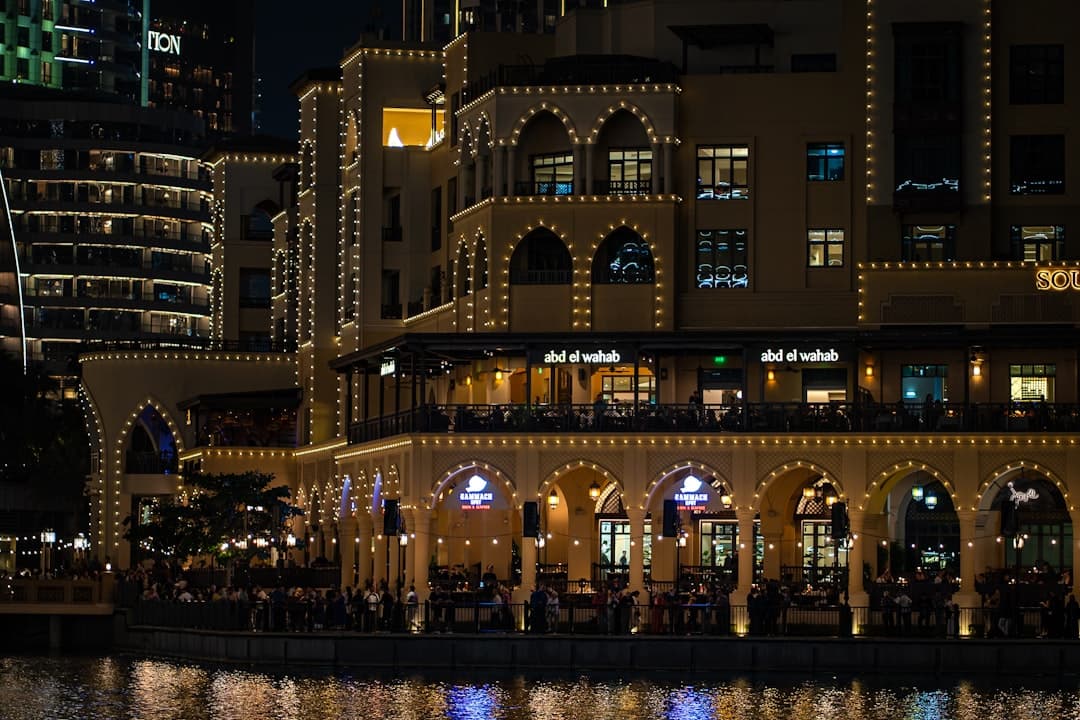
Al Fanar is one of Dubai's most recognized destinations for traditional Emirati cuisine — the kind of food that most visitors never get to try because it rarely appears on hotel menus or in tourist-facing restaurants. The name means 'lighthouse' in Arabic, and the restaurant leans into that identity with a nostalgic, pearl-diving-era aesthetic that references old Gulf coastal life. It's not a gimmick — the food itself is the main event, with dishes rooted in the flavors of the UAE's pre-oil past: slow-cooked lamb, dried limes, rose water, saffron, and the aromatic spice blends that define Khaleeji cooking. Coming here, you'll want to order the harees (a slow-cooked wheat and meat porridge that sounds simple but tastes deeply comforting), the machboos (the Emirati equivalent of a spiced rice dish with meat or seafood), and the luqaimat for dessert — small golden dumplings drizzled with date syrup and sesame that are absolutely addictive. The restaurant serves breakfast too, and the Emirati breakfast spread of balaleet (sweet vermicelli with eggs), chebab pancakes, and karak chai is genuinely special and hard to find elsewhere in the city. The Festival City setting means the dining area opens toward the creek, giving you pleasant views. Al Fanar draws a real mix of Emiratis, expats, and curious visitors, which says something — it's not a tourist trap dressed up in local costume. Come on a weekend morning for breakfast when the pace is slower and the food feels most authentic. Lunch and dinner can get busy, especially on Thursday and Friday evenings. Reservations are a good idea for dinner, though breakfast and lunch are generally more walk-in friendly.
Al Wakra Souq
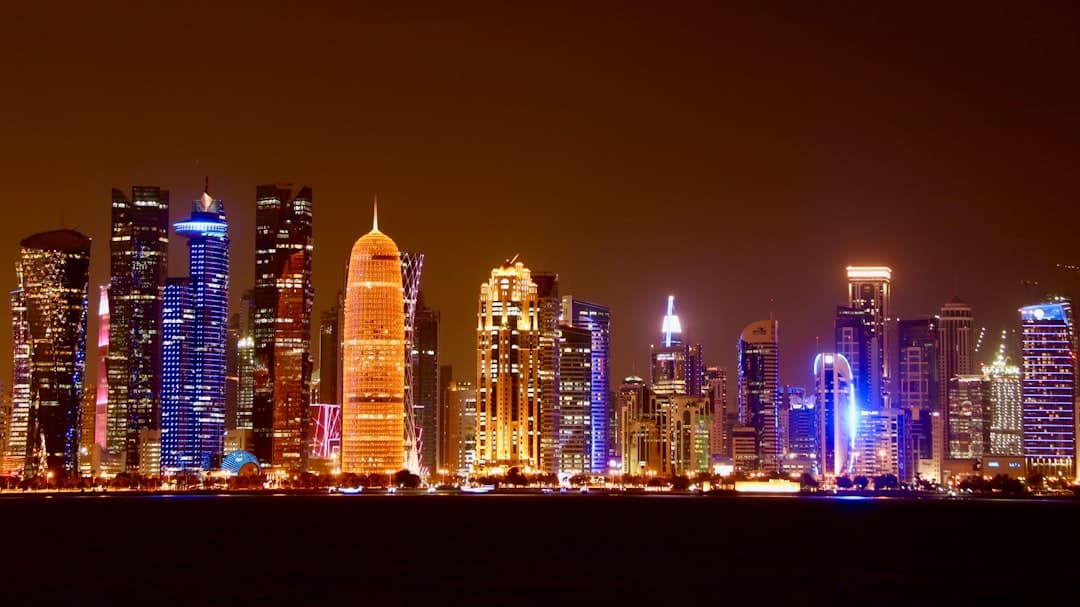
Al Wakra Souq sits about 15 kilometres south of central Doha in the historic coastal town of Al Wakra, one of Qatar's oldest settlements. Unlike the more famous Souq Waqif in central Doha, which was largely reconstructed for tourism, Al Wakra's souq feels genuinely rooted in its surroundings — a careful restoration of a former pearl-diving and fishing community that retains real neighbourhood character. The waterfront setting, traditional Qatari architecture with wooden lattice screens and coral-stone walls, and the adjacent dhow harbour give it a sense of place that's harder to find in the capital's flashier attractions. Walking through the souq, you'll find a compact labyrinth of whitewashed lanes lined with small shops selling spices, textiles, handicrafts, and everyday goods. The covered walkways and shaded arcades make it navigable even in warmer months. The corniche promenade that runs alongside the old harbour is a highlight in its own right — fishing boats still dock here, and the whole scene feels more like a living community than a heritage display. Several small cafes and restaurants serve traditional Qatari food and strong kahwa coffee, and it's easy to fall into a slow, unhurried rhythm. Al Wakra is most enjoyable in the cooler months from October through April, when you can spend real time outside on the corniche. Come in the late afternoon to catch the golden light on the white facades and stay into the evening when locals gather and the souq comes alive. It's a manageable day trip from Doha by taxi or rideshare, and crowds are noticeably lighter here than at Souq Waqif — which is precisely its appeal.
Al-Anbariyya Mosque
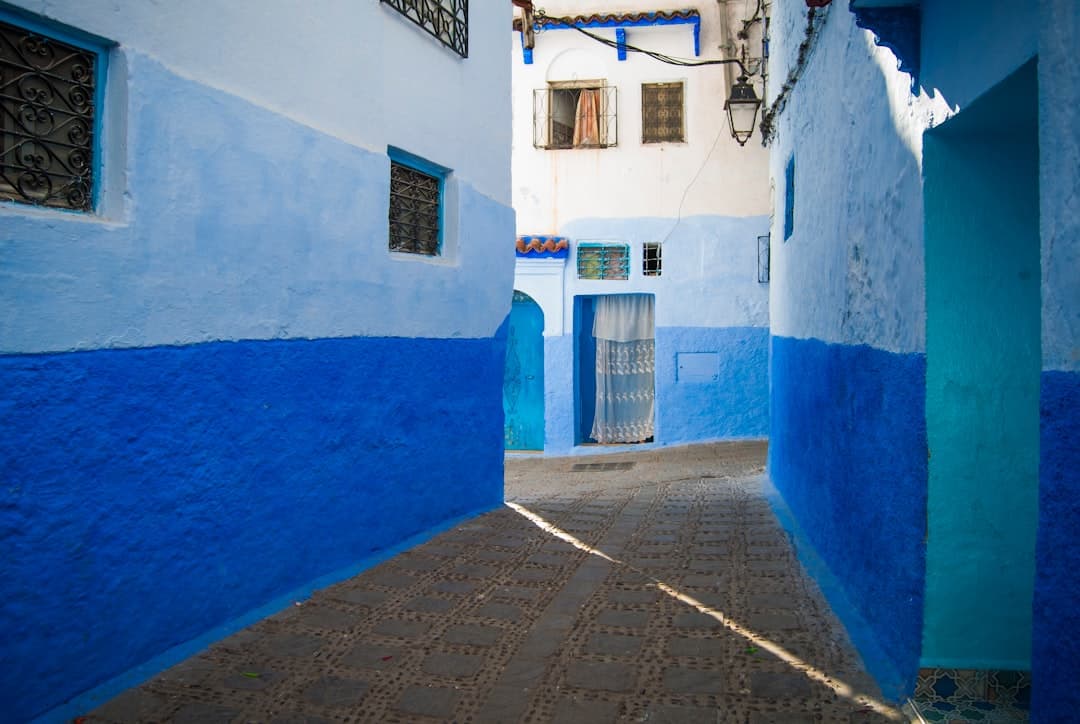
Al-Anbariyya Mosque sits in the Al Suqya district of Medina, close to the site of the old Hejaz Railway station — the famous Ottoman-era line that once connected Damascus to Medina and played a central role in the history of the Arabian Peninsula. The mosque itself is an Ottoman-period structure, and its name and surroundings reflect that layer of Medina's history that often gets overlooked amid the dominant focus on the Prophet's Mosque. For anyone with an interest in the city's layered past, this area offers a rare glimpse into the late 19th and early 20th century story of Medina. A visit here is quiet and reflective by nature. The mosque is a functioning place of worship, and non-Muslim visitors should be aware that access to the interior may be restricted. The surrounding area, however, retains some of the atmosphere of old Medina — the railway heritage and the Ottoman architectural presence give it a different character from the intensely developed central zones near Al-Masjid an-Nabawi. It's worth walking the area slowly and taking in the historical layers rather than treating this as a quick photo stop. This part of Medina is accessible but not heavily touristed, and that's part of the appeal. It sits on Omar ibn al-Khattab Road, a major artery, so getting here is straightforward. Visit outside of the five daily prayer times if you want to observe the exterior and surroundings without disrupting worshippers, and note that Medina has strict access rules — the city's sacred zones are restricted to Muslims only, and visitors should be clear on the applicable regulations before planning any itinerary here.
Al-Azhar Mosque
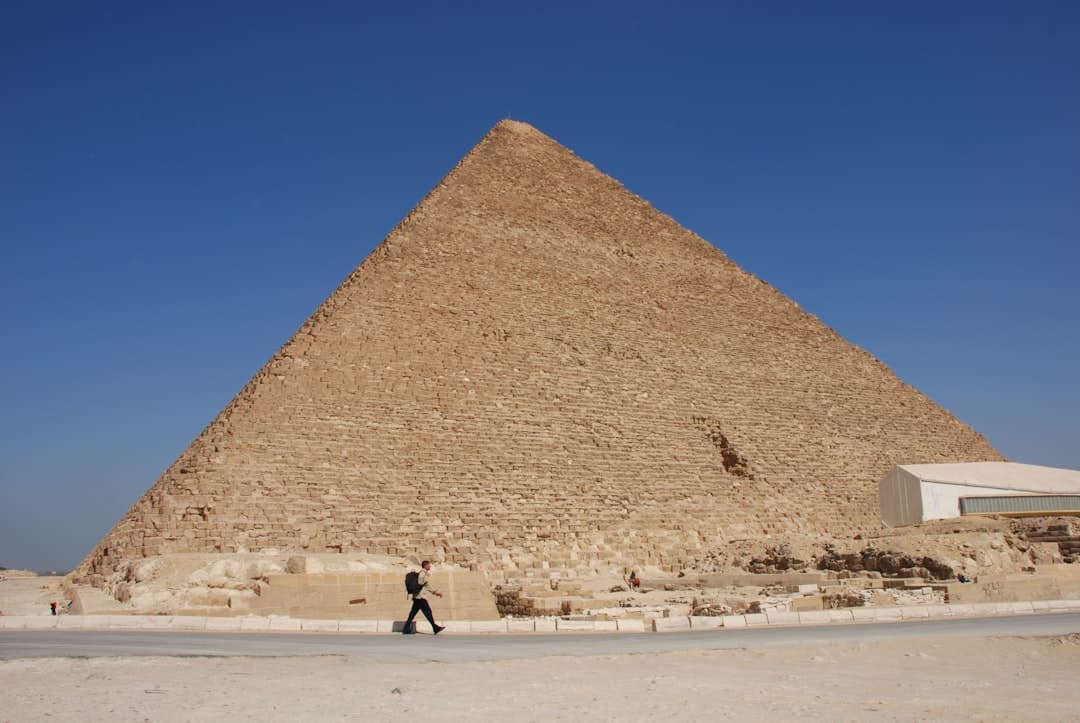
Al-Azhar Mosque is one of the most important buildings in the Islamic world — a place of worship, scholarship, and continuous human activity since 970 AD. Founded by the Fatimid dynasty shortly after they established Cairo, it became the seat of Al-Azhar University, widely recognized as the oldest continuously operating university on earth. For over a millennium, students from across Africa, the Middle East, and Asia have come here to study Islamic law, theology, and Arabic — a tradition that continues today. Understanding this dual identity as both a working mosque and the spiritual heart of Sunni Islam's most prestigious institution is what separates a meaningful visit from a surface-level one. Visiting Al-Azhar is an immersive architectural and spiritual experience. The mosque's exterior is a layered palimpsest of Islamic history — minarets added across different dynasties stand side by side, each in a distinct style, from the original Fatimid simplicity to later Mamluk ornamentation. Inside, you'll pass through the Gate of the Barbers (where students traditionally got their first haircut before beginning study), into a vast, shaded courtyard flooded with light, and then into the prayer hall with its forest of marble columns. Students still sit cross-legged on the floor, reading or memorizing texts, giving the place a living quality that no museum can replicate. The air smells of old stone and incense, and the call to prayer here carries a particular resonance. Non-Muslim visitors are warmly welcomed outside of prayer times, and the experience costs nothing. The mosque sits in the middle of Islamic Cairo, steps from Khan el-Khalili bazaar, which makes it easy to combine with a broader exploration of the old city. Robes are provided at the entrance for those who need to cover up, though bringing your own modest clothing shows respect and is more comfortable. The Friday midday prayer draws enormous crowds — spectacular to witness but not the time to explore quietly. Aim for a weekday morning if you want space to absorb the details.
Al-Baqi Cemetery
Al-Baqi, also known as Jannat al-Baqi (Garden of Heaven), is one of the oldest and most significant Islamic cemeteries in the world. Located directly southeast of the Prophet's Mosque (Masjid al-Nabawi) in Medina, it holds the graves of many of the Prophet Muhammad's closest companions, wives, children, and descendants. For Muslims making the pilgrimage to Medina, visiting Al-Baqi carries deep spiritual weight — it is a place of remembrance, grief, and gratitude, and praying for the dead here is considered a particular blessing. The cemetery is an open, walled expanse of sandy ground with simple, unmarked graves stretching as far as the eye can see. The graves are deliberately unadorned — a reflection of Islamic tradition that discourages elaborate tomb-building. Despite this austerity, the atmosphere is profoundly moving. Pilgrims stand quietly at the perimeter and along the pathways, reciting prayers for the dead. The site is open to visitors during specific windows — typically early morning and late afternoon — and access is managed by Saudi religious authorities. Non-Muslims are not permitted to enter. The cemetery has a complicated modern history. In 1925, many of its domed mausoleums and decorated tombs — including those over the graves of the Prophet's family — were demolished by the Saudi government following the Wahhabi position that such structures encourage idolatry. This remains a sensitive point for many Muslims, particularly Shia communities, who have long called for the tombs to be restored. Knowing this history gives the stark landscape an added layer of meaning. Visit in the early morning window if possible — the light is softer, crowds are slightly thinner, and the spiritual atmosphere before the day fully wakes up is something genuinely hard to describe.
Al-Husseini Mosque
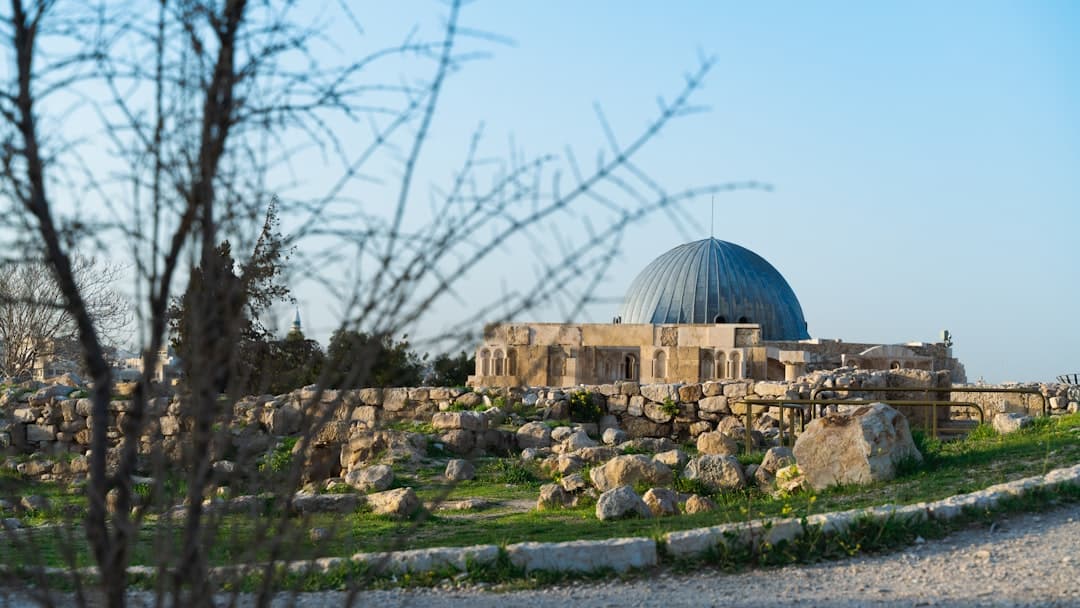
The Al-Husseini Mosque sits at the geographic and spiritual center of downtown Amman — the area locals call Al-Balad — and has been the city's most important place of Muslim worship for a century. Built in 1924 by King Abdullah I on the site of an even older Ottoman-era mosque, it's a compact but commanding structure with distinctive pink-and-white striped stonework and two minarets that you'll hear long before you see them. For a city that has reinvented itself so many times, this mosque is one of its few constants. Non-Muslim visitors are welcome outside of prayer times, which is less common in the region than you might expect and makes this a genuinely accessible cultural stop. Inside, the prayer hall is simple and serene — cool stone floors, high ceilings, natural light filtering through arched windows. The real experience, though, is as much about the surroundings as the building itself. The mosque opens directly onto the chaos and color of the downtown souks: spice sellers, gold merchants, fruit stalls, and the constant honk of traffic. Standing on the mosque's front steps, you're at the crossroads of everything Amman was and still is. The best time to visit is mid-morning on a weekday, when the call to prayer isn't drawing crowds and the surrounding market is in full swing. Dress modestly — covered shoulders and legs for both men and women, and women should bring a headscarf. Shoes come off at the entrance. If you can time your visit to hear the call to prayer echo off the surrounding stone buildings, do it — it's one of those Amman moments that stays with you.
Al-Madinah Museum
The Al-Madinah Museum is a dedicated cultural institution in one of Islam's holiest cities, offering visitors a rare chance to explore the deep history of Medina beyond the mosque and the pilgrimage circuit. The museum traces the city's story from pre-Islamic times through the era of the Prophet Muhammad and into the Ottoman period and modern Saudi state, using artifacts, archival photographs, manuscripts, and scale models to bring centuries of history to life. For many visitors who come to Medina primarily for religious reasons, the museum offers essential context that makes the entire city feel more alive and legible. Inside, you can expect well-organized galleries covering the geography and ancient trade routes of the Hejaz region, the founding of the first Islamic community in Medina, and the city's evolving urban fabric over the centuries. Highlights typically include historical maps, examples of traditional Medinan crafts and material culture, and photographic documentation of the city before its dramatic twentieth-century transformation — images that are particularly striking given how much of historic Medina has been demolished or rebuilt in recent decades. The museum fills a real gap for anyone curious about what this city looked like and how it functioned before modernity arrived. The museum is located in the Al-Mabuth district, not far from the Prophet's Mosque, making it a natural complement to a visit to the Haram area. Friday closures are standard in Saudi Arabia, so plan accordingly. The museum tends to be quieter than the major religious sites, which makes it a genuinely pleasant respite — unhurried, air-conditioned, and thoughtfully presented. Non-Muslim visitors are not permitted in central Medina, so this is a space for Muslim visitors seeking to deepen their connection to the city's history.
Al-Masjid an-Nabawi
Al-Masjid an-Nabawi — the Prophet's Mosque — is one of the most significant religious sites on earth. Founded by the Prophet Muhammad himself in 622 CE after his migration from Mecca to Medina, it was originally a simple structure built alongside his home. Over fourteen centuries it has been expanded repeatedly, most dramatically under the Saudi government in the 20th and 21st centuries, until it now covers nearly 400,000 square metres and can accommodate over a million worshippers at once. For Muslims, visiting this mosque — particularly during Hajj or Umrah — carries immense spiritual weight. Non-Muslims are not permitted to enter. For the Muslim visitor, the experience is unlike anything else. The vast prayer hall is cool, marble-floored, and perpetually filled with the sound of Quranic recitation. The green dome that appears on every postcard marks the location of the Prophet's tomb, and the Rawdah al-Sharifah — the area between the tomb and the pulpit — is described in hadith as a garden of paradise, drawing enormous crowds who wait patiently for a chance to pray there. Outside, the retractable umbrella canopies that shade the vast open plazas have become an icon of modern Medina. The call to prayer here carries a particular gravity. Prayer times bring the biggest crowds, particularly Fajr (dawn) and after Jumu'ah (Friday midday prayer). Arriving early gives you space to settle and absorb the atmosphere without the crush. The Rawdah has separate visiting times for men and women, and the women's schedule can be more restrictive — check timings carefully before your visit. The surrounding area is packed with hotels, many connected directly to the mosque complex, which makes the logistics straightforward. Zamzam water is freely available throughout.
Albert Cuyp Market
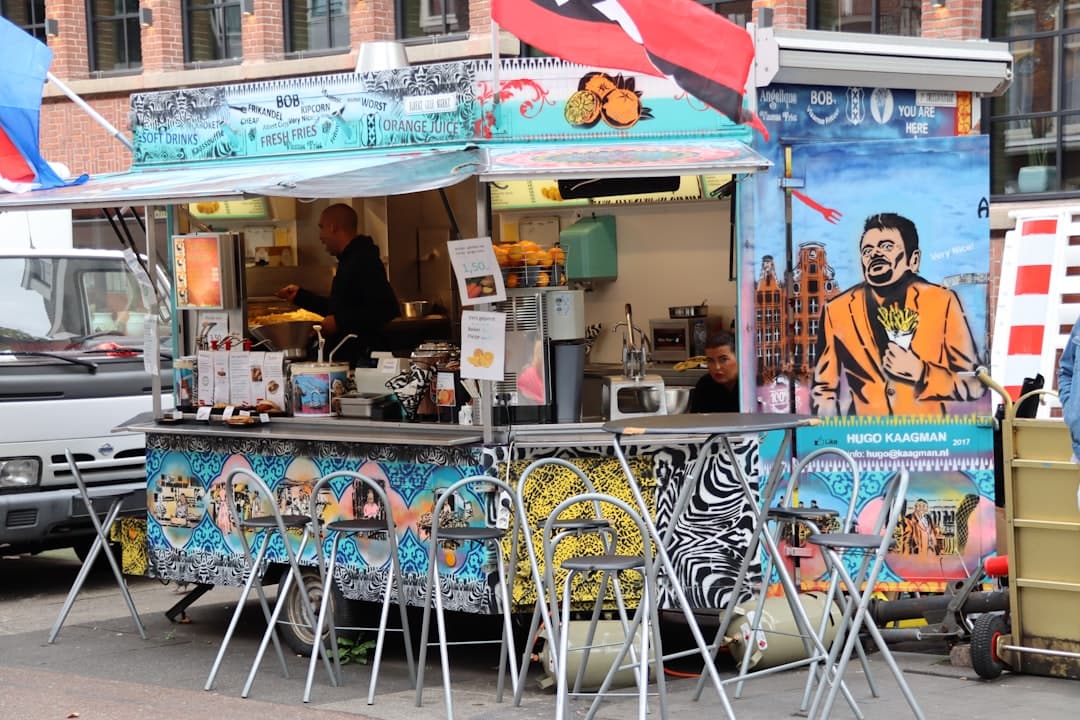
The Albert Cuyp Market is Amsterdam's largest and most beloved outdoor market, stretching nearly a kilometre along Albert Cuypstraat in the lively De Pijp district. It's been running six days a week since 1905 and draws somewhere between 20,000 and 30,000 visitors on busy days — locals doing their weekly shop alongside tourists who've heard this is the real Amsterdam, not the performative version sold on the canals. With around 300 stalls, it covers everything from fresh stroopwafels and raw herring to bolts of fabric, cheap electronics, flowers, and Dutch cheese wheels the size of small tyres. Walking the market is a full sensory experience. You'll smell the oliebollen and frying fish before you see them. Vendors shout prices in Dutch, stalls overflow with seasonal produce, and the whole thing feels genuinely lived-in rather than curated for visitors. The surrounding streets are lined with independent cafés and shops that have grown up around the market's foot traffic — it's worth ducking into Brouwerij Troost on Cornelis Troostplein nearby for a post-market beer, or grabbing a broodje haring (raw herring sandwich) from one of the fish stalls and eating it standing up like everyone else does. The market runs Monday through Saturday, 9:30am to 5pm, and is completely free to browse. Saturday is the busiest day and has the most atmosphere but also the most crowds — if you want elbow room, a weekday morning is ideal. It's a 10-minute walk from the Heineken Experience and close to the Rijksmuseum, so it fits naturally into a day in the south of the city. Cash is handy for street food stalls, though many vendors now accept card.
Albert Hall Museum
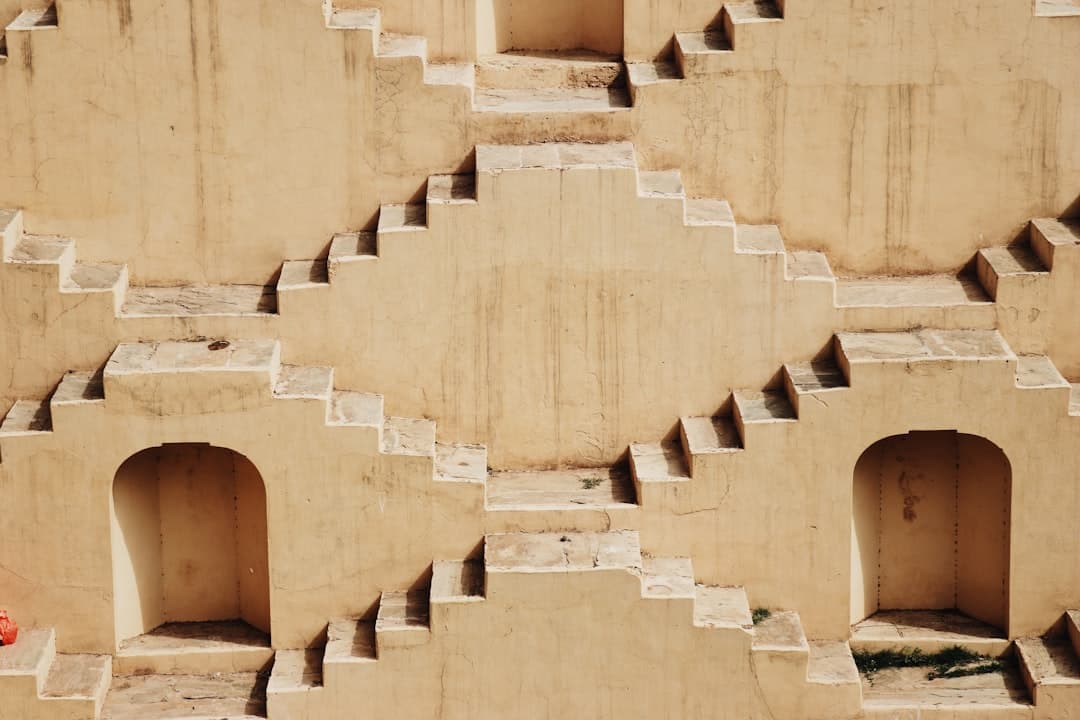
The Albert Hall Museum is Jaipur's oldest and most important museum, housed in a stunning building that looks more like a Mughal palace than a civic institution. Completed in 1887 and named after King Edward VII (then Prince of Wales, who laid its foundation stone during his 1876 visit to India), the building was designed by Sir Samuel Swinton Jacob in the Indo-Saracenic style — a Victorian-era hybrid that blends Mughal arches, Rajput carved stonework, and British symmetry into something genuinely breathtaking. It sits at the southern entrance to Ram Niwas Garden, a gracious public park that Maharaja Ram Singh II created for the people of Jaipur, and the combination of building and setting makes arriving here feel like a proper event. Inside, the collection spans an enormous range: Egyptian mummies (yes, really — Jaipur acquired one in 1876), Gandhara sculptures, Mughal miniature paintings, decorative carpets, weapons, coins, crystal works, and a celebrated gallery of clay models depicting trades and crafts from across the Indian subcontinent. The building's architecture is as much an exhibit as anything in the cases — look up at the ornate ceilings and carved galleries as you move through. The museum is spread across two floors, and it rewards slow looking rather than a quick march-through. The Persian garden carpet on display is one of the finest examples outside Iran. Come in the early evening if you can — the building is illuminated after dark and becomes genuinely magical from the outside, one of Jaipur's most photographed night views. Ticket prices are very affordable by international standards, though foreign visitors pay a higher rate than Indian nationals. The museum is walkable from the old city and makes a natural pair with a stroll through Ram Niwas Garden. Audio guides are available and worth picking up given how little English signage accompanies some of the older displays.