
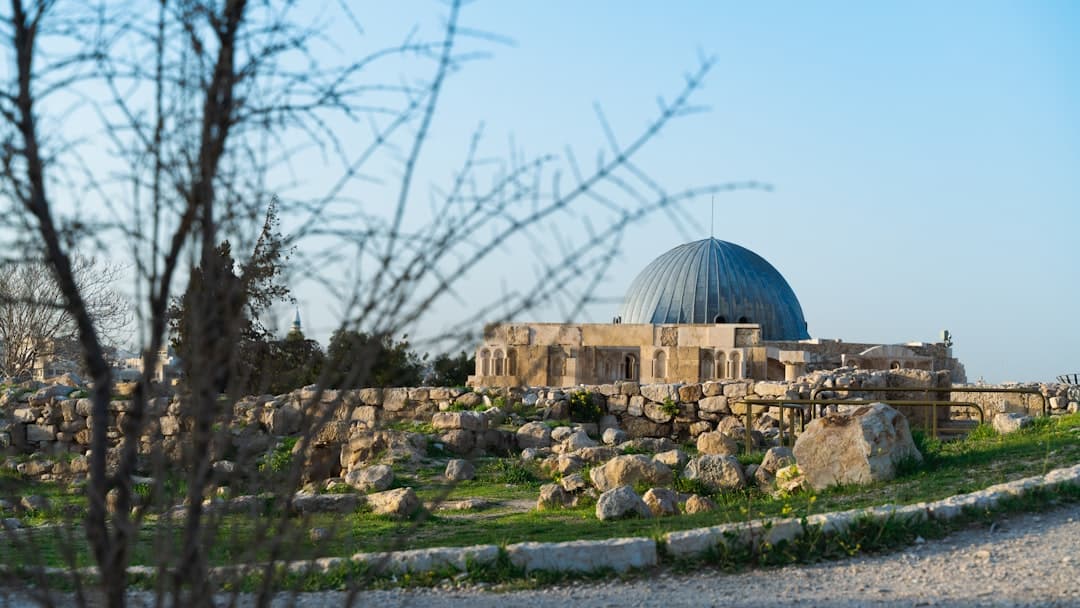
Al-Husseini Mosque
Amman / Al-Husseini Mosque

Al-Husseini Mosque

Amman's oldest active mosque, anchoring the heart of the old city since 1924.

🏛️ Sights & Landmarks🎭 Arts & Entertainment
👨‍👩‍👧 Family-friendly🎭 Cultural

The Al-Husseini Mosque sits at the geographic and spiritual center of downtown Amman — the area locals call Al-Balad — and has been the city's most important place of Muslim worship for a century. Built in 1924 by King Abdullah I on the site of an even older Ottoman-era mosque, it's a compact but commanding structure with distinctive pink-and-white striped stonework and two minarets that you'll hear long before you see them. For a city that has reinvented itself so many times, this mosque is one of its few constants.

Non-Muslim visitors are welcome outside of prayer times, which is less common in the region than you might expect and makes this a genuinely accessible cultural stop. Inside, the prayer hall is simple and serene — cool stone floors, high ceilings, natural light filtering through arched windows. The real experience, though, is as much about the surroundings as the building itself. The mosque opens directly onto the chaos and color of the downtown souks: spice sellers, gold merchants, fruit stalls, and the constant honk of traffic. Standing on the mosque's front steps, you're at the crossroads of everything Amman was and still is.

The best time to visit is mid-morning on a weekday, when the call to prayer isn't drawing crowds and the surrounding market is in full swing. Dress modestly — covered shoulders and legs for both men and women, and women should bring a headscarf. Shoes come off at the entrance. If you can time your visit to hear the call to prayer echo off the surrounding stone buildings, do it — it's one of those Amman moments that stays with you.

Local Tips

  1. 1

    The mosque is a two-minute walk from the Roman Theatre and Hashemite Plaza — combine them into a single downtown loop rather than making separate trips.

  2. 2

    The steps of the mosque's main entrance are a favorite spot for locals to sit and watch the world go by — don't rush off, linger a few minutes and absorb the scene.

  3. 3

    Spare headscarves are sometimes available at the entrance for women who don't have one, but it's far better to bring your own rather than rely on this.

  4. 4

    King Talal Street right outside is packed with traditional sweet shops and juice bars — the knafeh and fresh pomegranate juice from the nearby stalls are as much a part of the visit as the mosque itself.

When to Go

Best times
Ramadan evenings

The area around the mosque comes alive after iftar with food stalls, families, and a festive energy that's unlike any other time of year — one of Amman's most memorable street experiences.

Try to avoid
Summer (June–August)

Amman's downtown is intense in the midday summer heat; visit early morning before 9am or late afternoon when temperatures ease and the market crowds thin slightly.

Friday midday

Friday prayers draw large crowds and access for non-Muslim visitors is restricted around the main prayer hour — plan around this or expect to wait outside.

Why Visit

01

One of Jordan's most historically significant mosques, built by the founder of the Hashemite Kingdom — it's a living piece of the country's origin story.

02

Non-Muslim visitors are genuinely welcome outside prayer times, making it a rare chance to step inside one of the region's active mosques.

03

It sits at the dead center of Amman's old downtown market district, so a visit here anchors an exploration of the city's most atmospheric and walkable neighborhood.