
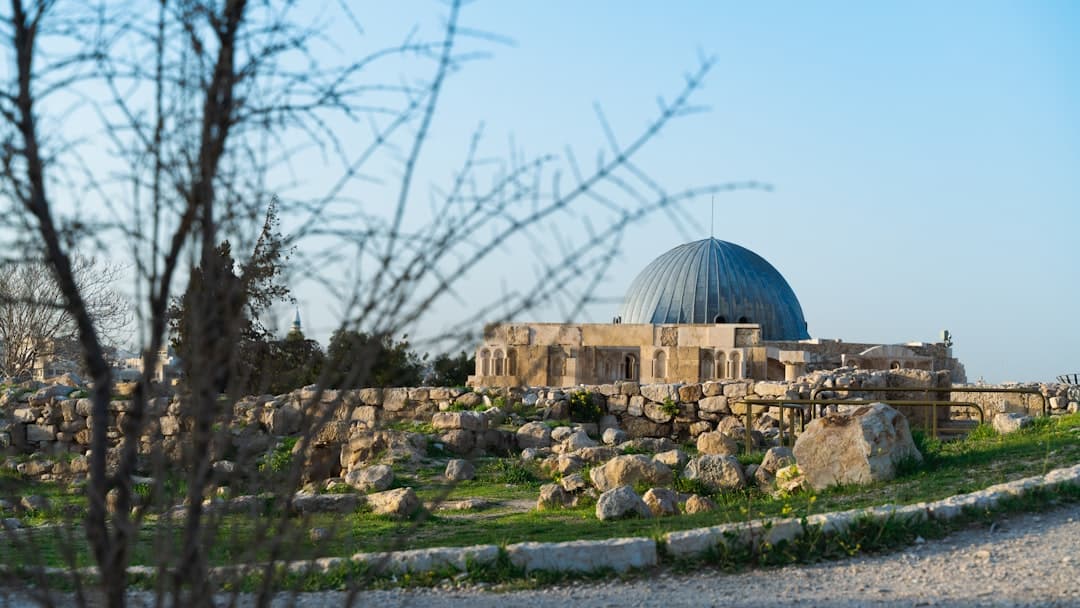
Jordan Museum
Jordan's national museum holds one of the oldest human statues ever found.
The Jordan Museum is the country's flagship national museum, opened in 2014 in the heart of Amman's Ras al-Ain district. It was built to bring together Jordan's extraordinary archaeological heritage under one roof — a serious effort to tell the story of human civilization on this land from the Stone Age through the Islamic period. Jordan sits at one of the great crossroads of human history, and this museum makes a genuine, well-funded case for why that matters.
The experience is anchored by the collection, which ranges from Neolithic plaster statues found at Ain Ghazal — some of the oldest large-scale human figures ever discovered, dating back around 9,000 years — to Dead Sea Scrolls fragments, Nabataean artifacts from Petra, and Byzantine mosaics. The displays are modern, well-lit, and bilingual in Arabic and English. You move through galleries roughly chronologically, with good interpretive text that doesn't talk down to you. The Dead Sea Scrolls section alone is worth the trip; Jordan holds legitimate claim to part of this collection and the context provided here is more nuanced than what you'll get elsewhere.
The museum is located close to the Roman Theatre and the Hashemite Plaza, so it pairs well with a walk through downtown Amman. Admission is very affordable by any standard. Tuesday closures are easy to miss — double-check before you go. Friday hours are shorter and start later, so morning arrivals should plan accordingly. A gift shop sells quality reproductions and books on Jordanian history that are genuinely hard to find elsewhere.