
All Places
1,073 places around the world
1,073 places · page 45 of 45
White City (Bauhaus Architecture)
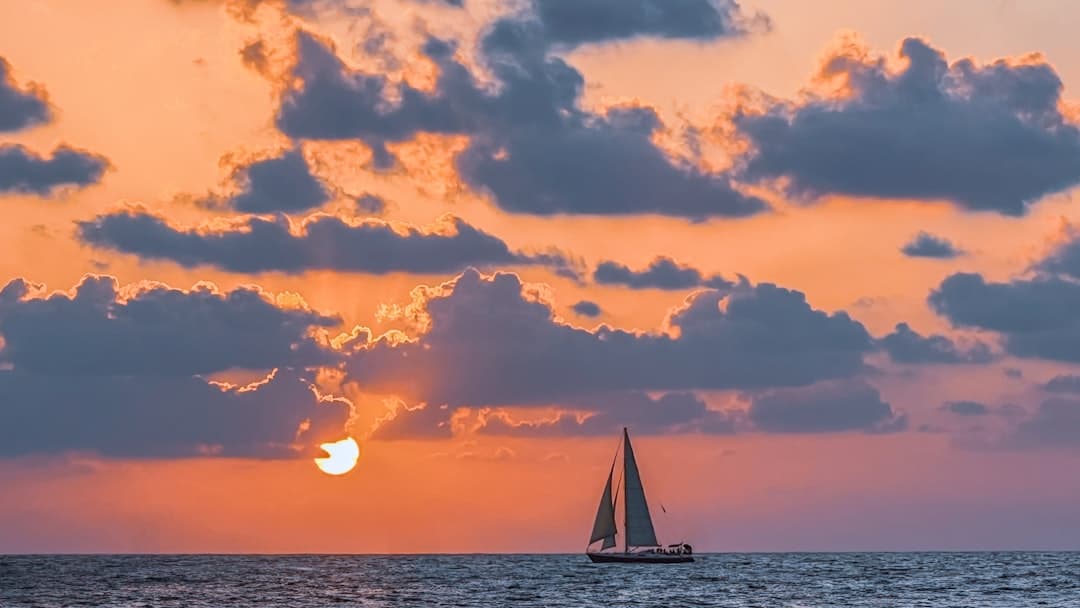
Tel Aviv's White City is a UNESCO World Heritage Site comprising roughly 4,000 buildings constructed in the Bauhaus and International Style during the 1930s and 1940s. When Jewish architects trained at the Bauhaus school in Germany fled the rise of Nazism, many landed in Tel Aviv and applied everything they'd learned — flat roofs, ribbon windows, pilotis (stilts that raise buildings off the ground to allow air circulation), and clean geometric lines — to a booming young city in the Mediterranean heat. The result is the single largest collection of this architectural style anywhere on earth, and unlike many heritage sites, people actually live and work in these buildings today. Walking the White City is an exercise in looking up, slowing down, and noticing details. The area fans out from Dizengoff Square — a central hub with a famous (and somewhat controversial) brutalist fountain by artist Yaacov Agam — and extends through streets like Rothschild Boulevard, Gordon Street, and Bialik Square. You'll see buildings with curved balconies designed to catch sea breezes, thermometer windows that ventilate without direct sunlight, and facades that once gleamed white but have aged into lovely shades of cream and sand. The Bauhaus Center on Dizengoff Street runs excellent walking tours and has a small museum dedicated to the history of the movement and its Tel Aviv chapter. The address listed is the Bauhaus Center, which is your best starting point — pick up a map, book a guided tour, or browse their collection of architecture books and prints. Friday afternoons see the city quiet down ahead of Shabbat, and Saturday the Bauhaus Center itself is closed, so aim for a weekday morning when the light is good and the streets aren't yet too hot. The White City isn't a single attraction with a fence around it — it's a living neighborhood, and the pleasure is in wandering.
Whitney Museum of American Art
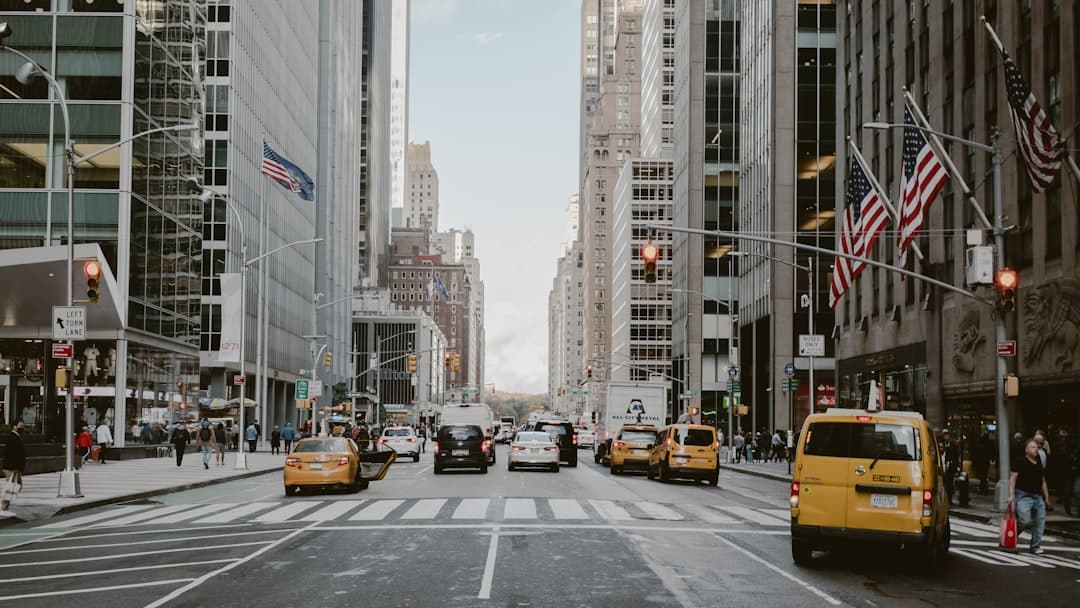
The Whitney Museum of American Art is the United States' premier institution dedicated exclusively to American art from the 20th and 21st centuries. Founded by sculptor and collector Gertrude Vanderbilt Whitney in 1930, the museum holds one of the most significant collections of American art in the world — over 25,000 works spanning painting, sculpture, photography, film, and new media. It moved to its current Renzo Piano-designed building on Gansevoort Street in 2015, a move that transformed it from an Upper East Side institution into a cultural anchor of Lower Manhattan's most dynamic neighborhood. Inside, the experience is genuinely exhilarating. The building itself is worth the visit — Piano's angular steel-and-glass structure steps back in irregular terraces, and the expansive outdoor decks offer some of the best views in the city: the Hudson River to the west, the High Line threading north, and the Manhattan skyline in all directions. The permanent collection rotates regularly, so you'll encounter Edward Hopper's lonely diners and late-night offices, Georgia O'Keeffe's saturated forms, and a deep archive of work by Jasper Johns, Alexander Calder, and Jean-Michel Basquiat. The Whitney Biennial — held every two years — is the most talked-about survey of contemporary American art in the country, and a genuine cultural event. Friday evenings are the insider move: the museum stays open until 10pm and admission is pay-what-you-wish after 7pm, making it one of the best-value art experiences in New York. The ground-floor Untitled restaurant, run by celebrated chef Danny Meyer's Union Square Hospitality Group, is genuinely good — not just museum-cafeteria-good, but actually worth going to. Come on a weekday morning to beat crowds, and don't skip the outdoor terraces, which most visitors rush past.
Wieliczka Salt Mine
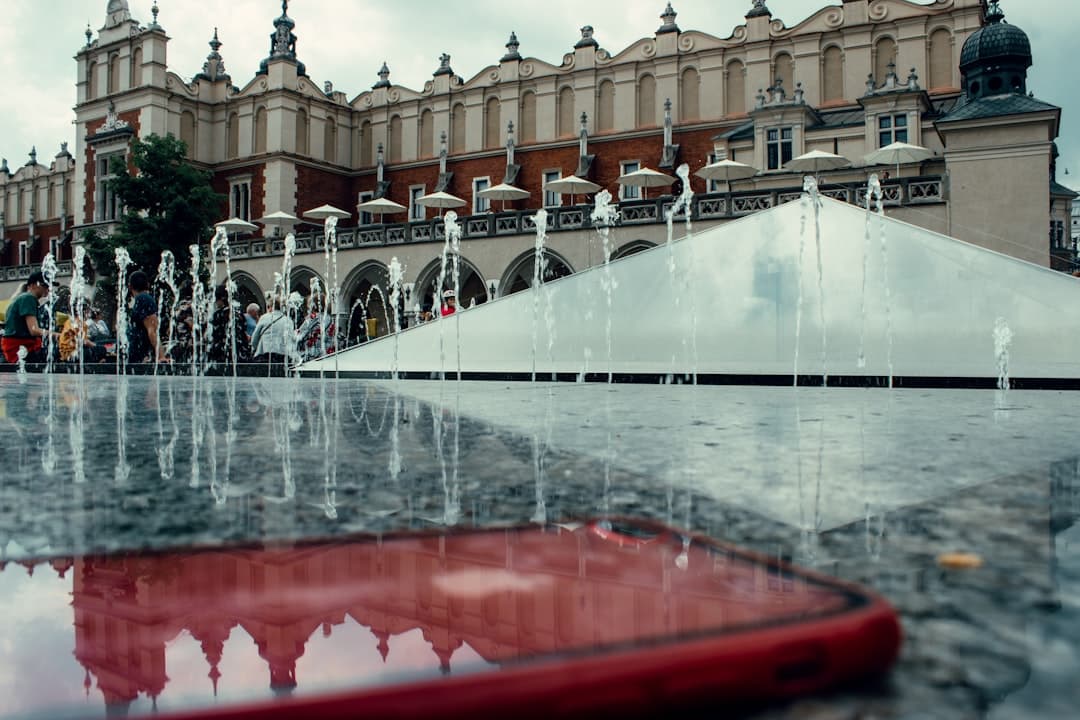
The Wieliczka Salt Mine is one of the most extraordinary places in Europe — a working mine turned world heritage site that stretches over 300 kilometres of tunnels across nine levels, descending to nearly 330 metres below the surface. Salt has been extracted here continuously since the 13th century, making it one of the world's oldest operating industrial sites. UNESCO added it to its first-ever World Heritage List in 1978, and it's not hard to see why: generations of miners, working by hand over hundreds of years, transformed their workplace into an underground world of chapels, sculptures, lakes, and ballrooms — all carved from salt. The standard tourist route — the Miners' Route — takes you through roughly 3.5 kilometres of the mine across three levels, descending to about 135 metres. You'll pass through dozens of chambers filled with salt-crystal chandeliers, bas-relief carvings of Polish kings and miners' legends, and statues of everyone from Copernicus to Pope John Paul II. The centrepiece is the Chapel of St. Kinga, a jaw-dropping space roughly the size of a large church, with altarpieces, floor tiles, and even a salt-crystal replica of Leonardo da Vinci's Last Supper — all carved by miners in their spare time over decades. The underground lake in the Weimar Chamber glows an eerie green. It sounds kitsch; it isn't. Wieliczka is about 15 kilometres southeast of Kraków's Old Town — easily reachable by minibus from near the main train station (Kraków Główny) in around 30 minutes, or by commuter rail. Tours are guided only, and groups move at a set pace, so you can't linger as long as you'd like in the best chambers. Book tickets in advance — this is one of Poland's most visited attractions and summer queues can be brutal. The mine stays at a constant 14°C year-round, which feels refreshing in July and genuinely cold in December.
Willis Tower Skydeck
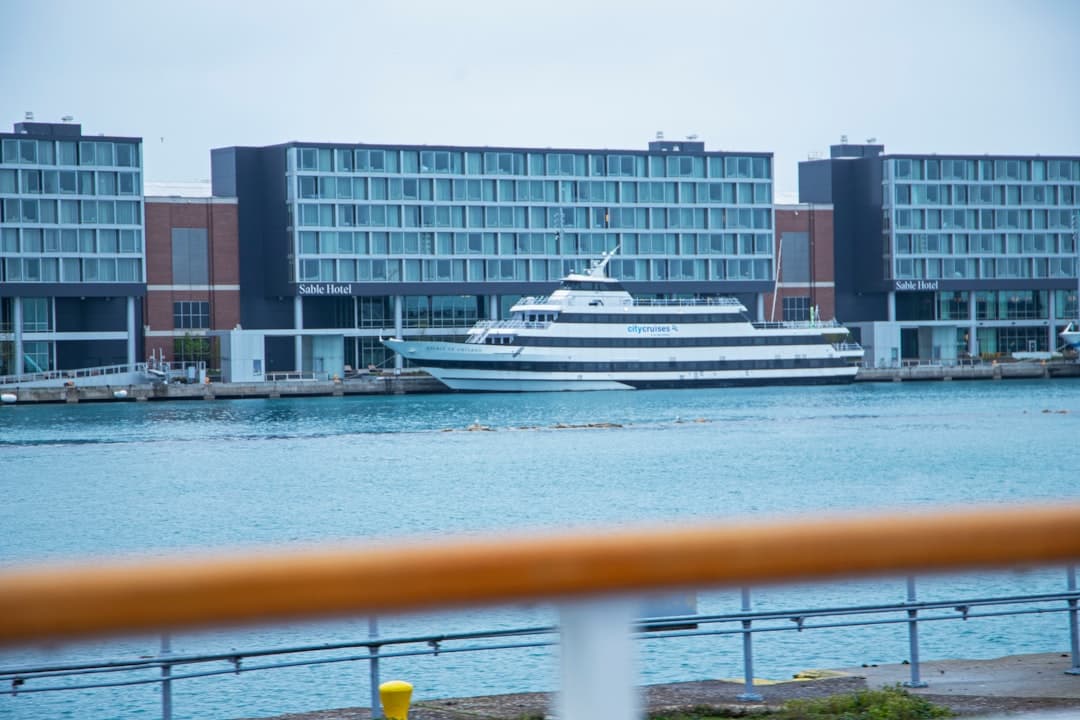
The Willis Tower Skydeck sits on the 103rd floor of what was once the tallest building in the world — a title it held from 1973 until 1998. Still the tallest building in the Western Hemisphere for a stretch, it remains the tallest in Chicago at 1,451 feet, and one of the defining landmarks of the American Midwest. For most visitors, standing here is a genuine orientation moment: the city's grid, the curve of Lake Michigan, and on a clear day, the outlines of Indiana, Wisconsin, and Michigan all resolve into a single sweeping picture. The main draw beyond the view is the Ledge — a series of glass-floored balconies that extend four feet out from the 103rd floor, suspended over Wacker Drive more than a thousand feet below. It's theatrical and a little terrifying, and the reactions people have on it — frozen in place, laughing uncontrollably, flat-out refusing to step on — are half the entertainment. The Skydeck itself wraps around the floor with telescopes, historical exhibits about the tower's construction, and skyline interpretation panels that help you name what you're looking at. Tickets are purchased in advance online or on-site, but buying ahead is strongly recommended — walk-up lines on busy days can stretch well past an hour, and timed-entry slots sell out, especially on weekends and in summer. The experience typically runs 45 minutes to an hour and a half. Evening visits offer a different kind of spectacle: the city lights spread to the horizon and the lake goes black, and the crowds thin out compared to the midday rush. Early morning on a weekday is the closest thing to a quiet visit you'll get.
Wong Tai Sin Temple
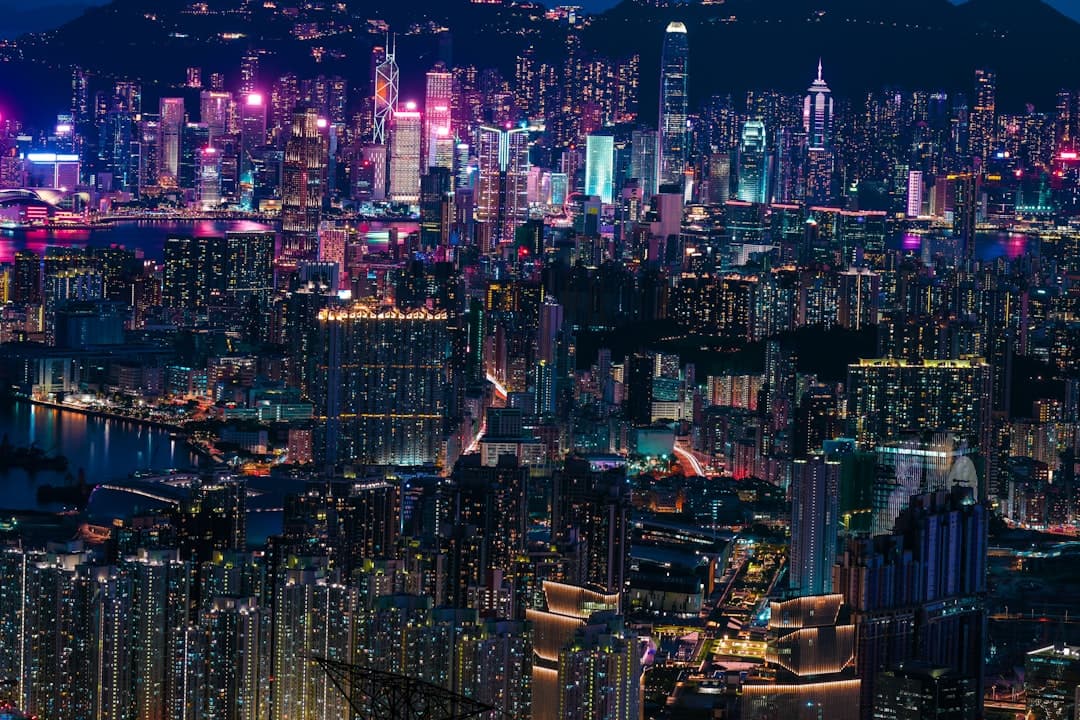
Wong Tai Sin Temple is one of Hong Kong's most beloved religious sites — a sprawling, vibrant Taoist complex in Kowloon dedicated to the deity Wong Tai Sin, a shepherd-turned-immortal said to have the power to grant any wish. Built in its current form in 1973 on a site that has housed the shrine since 1921, the temple draws an extraordinary mix of devoted worshippers and curious visitors, all coexisting in a way that feels genuinely alive rather than performative. On any given morning, the air is thick with incense smoke, and the forecourt is full of people shaking bamboo fortune sticks — a traditional divination practice called kau cim — with a focused intensity that makes it clear this is serious business, not a photo op. The main hall, painted in vivid red, gold, and yellow, is dedicated to Wong Tai Sin himself, flanked by side shrines to Buddhist and Confucian figures — reflecting Hong Kong's characteristically syncretic spiritual life. Behind the main complex, the Good Wish Garden offers a calmer, more classical Chinese garden setting with pavilions and rockeries. Around the perimeter, dozens of fortune tellers operate from small booths, ready to interpret your kau cim results in Cantonese, Mandarin, or English. The whole complex covers several acres and rewards slow exploration. The temple is directly accessible from Wong Tai Sin MTR station — it's almost comically convenient for such a spiritually significant place. Come early on weekday mornings for a more contemplative experience; weekends and Chinese holidays like Lunar New Year draw enormous, incense-choked crowds that can be overwhelming but are also spectacular in their own way. Admission to the main temple is free, though the Good Wish Garden charges a small fee. Respectful behavior is expected — this is an actively used place of worship, not a museum.

Xochimilco
Xochimilco is a borough in the far south of Mexico City built on a network of canals and artificial islands — chinampas — that date back to the Aztec empire. Long before Mexico City existed, the Xochimilca people engineered this landscape by layering vegetation and lake sediment into fertile growing plots, creating a floating agricultural system that fed Tenochtitlan. Today it's a UNESCO World Heritage Site, one of the last surviving traces of the pre-Hispanic lacustrine world that once covered the Valley of Mexico. The main experience is hiring a trajinera — a flat-bottomed wooden boat, painted in bright colors and typically bearing a woman's name on an arched flower crown — and drifting through the canals for a few hours. On weekends especially, the waterways fill with other boats: mariachi groups rowing up alongside to serenade you, vendors paddling coolers full of beer and micheladas, women offering quesadillas and tamales from floating kitchens. There are quieter ecological zones away from the tourist embarcaderos where you can see herons, egrets, and remnant chinampa farming still in practice. And if you're brave, you can visit Isla de las Muñecas — the Island of the Dolls — a famously eerie chinampa covered in deteriorating dolls hung by a caretaker who believed they housed the spirit of a drowned girl. Xochimilco is genuinely festive chaos on Saturday and Sunday afternoons, when Mexico City families descend with coolers, speakers, and a serious commitment to a good time. Come on a weekday or early Sunday morning if you want a more peaceful experience. The main embarcadero is at Embarcadero Nuevo Nativitas, and boats are rented by the hour — prices are regulated but always negotiate gently and confirm what's included. Budget around two to three hours minimum, longer if you plan to eat and explore.
Yangmingshan National Park
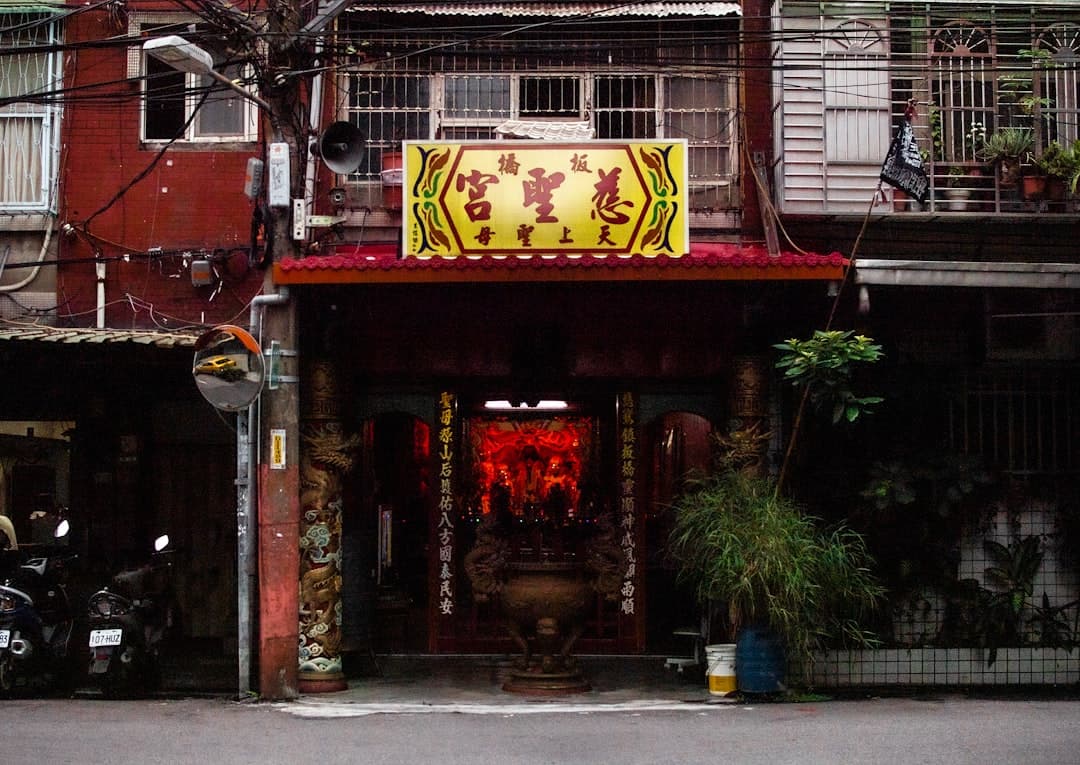
Yangmingshan National Park sits on a volcanic mountain range at the northern edge of Taipei, covering roughly 114 square kilometers of calderas, sulfur vents, hot spring streams, and forested hiking trails. It's a functioning volcanic landscape — not dormant scenery — and the combination of geothermal activity, high-altitude grasslands, and extraordinary biodiversity makes it unlike any other urban escape in Asia. The park was designated a national park in 1985, though the area has been a recreational retreat for Taipei residents since the Japanese colonial era. The experience here shifts dramatically by season. In late winter and early spring — typically February through March — cherry blossoms and calla lilies blanket the hillsides around Zhuzihu (Bamboo Lake), and the park becomes genuinely spectacular. In summer, subtropical forest keeps the trails cool compared to the city below. The main attractions include Qixingshan (Seven Star Mountain), the highest peak in Taipei at 1,120 meters, with a clear trail to a panoramic summit; Xiaoyoukeng, an active fumarole field where sulfurous steam vents from pale yellow fissures in the earth; and Lengshuikeng, a natural hot spring area where you can soak your feet in public pools for free. The iconic Datunshan area and the former Grass Mountain Chateau — a Japanese-era guesthouse used by Chiang Kai-shek — add historical texture. Most visitors come on weekends, which means the bus routes from Taipei Main Station and Jiantan MRT can get crowded. The park operates a dedicated shuttle bus system (Red 5, S15, S16 lines) that's the most practical way to move between trailheads. Weekday mornings are noticeably quieter and the light is better for photography. If you're coming for the spring flowers at Zhuzihu, get there early — the calla lily fields are privately farmed and charge a small entry fee, but they're absolutely worth it.
Yoyogi Park
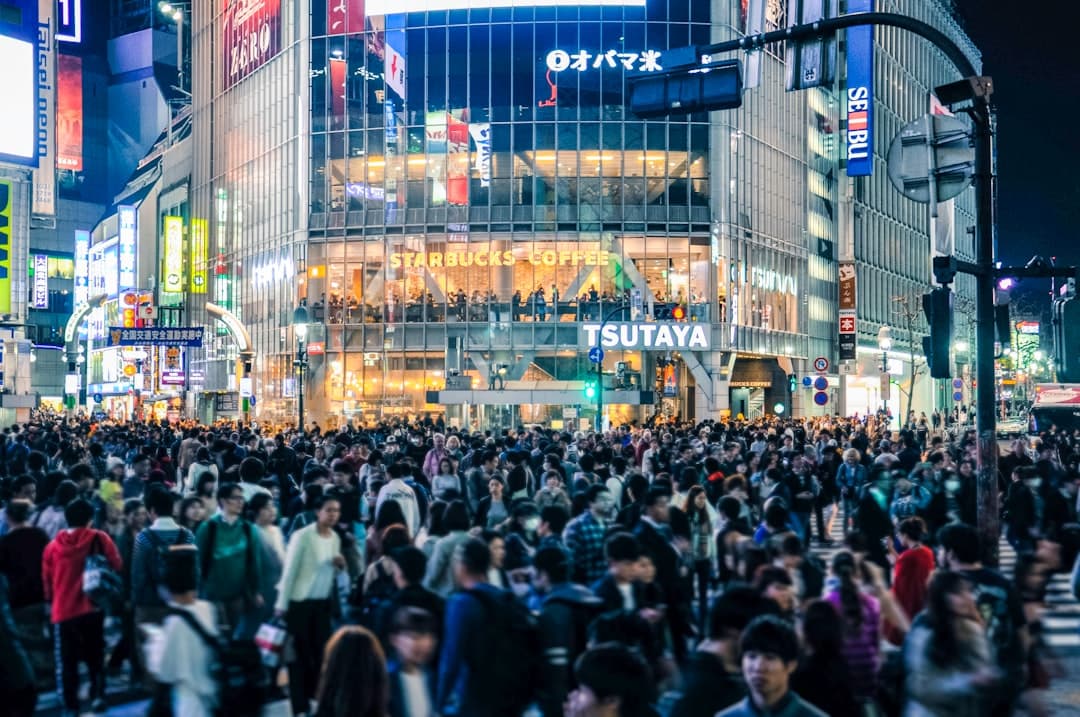
Yoyogi Park is one of Tokyo's largest and most beloved public parks — a 54-hectare expanse of open lawns, wooded paths, and fountains tucked between the shrine-quiet streets of Harajuku and the busy hub of Shinjuku. Built on the site of the old Yoyogi military parade ground and later the Olympic Village for the 1964 Tokyo Games, it was opened to the public in 1967 and has been a beloved democratic space ever since — somewhere that genuinely belongs to everyone, from office workers on lunch breaks to families with toddlers to amateur musicians who set up speakers and dance for the pure pleasure of it. On any given weekend the park reveals Tokyo at its most relaxed and human. Wide grassy lawns invite picnics and frisbee. Joggers circle the perimeter paths. Cyclists weave through the tree-lined avenues. In the 1980s Yoyogi became famous as the gathering place for Tokyo's rockabilly scene — young men in pompadours and leather jackets dancing to vintage American rock — and while that crowd is smaller now, you can still spot them near the Harajuku Gate on Sundays. Cherry blossoms transform the park into a sea of pink in late March and early April, drawing enormous crowds for hanami (flower-viewing) parties that spill across every available patch of grass. In autumn the ginkgo and zelkova trees turn gold. The park sits right next to Meiji Jingu Shrine, so it's easy to combine both in a single visit — a walk from the grand torii gate through the forested shrine precinct and then out into the open park is one of Tokyo's great free half-days. Harajuku's Takeshita Street is a five-minute walk away for shopping and street food. Enter from the Harajuku station side for the easiest access, and on weekends arrive before noon if you want a good spot on the central lawn.
Yu Garden
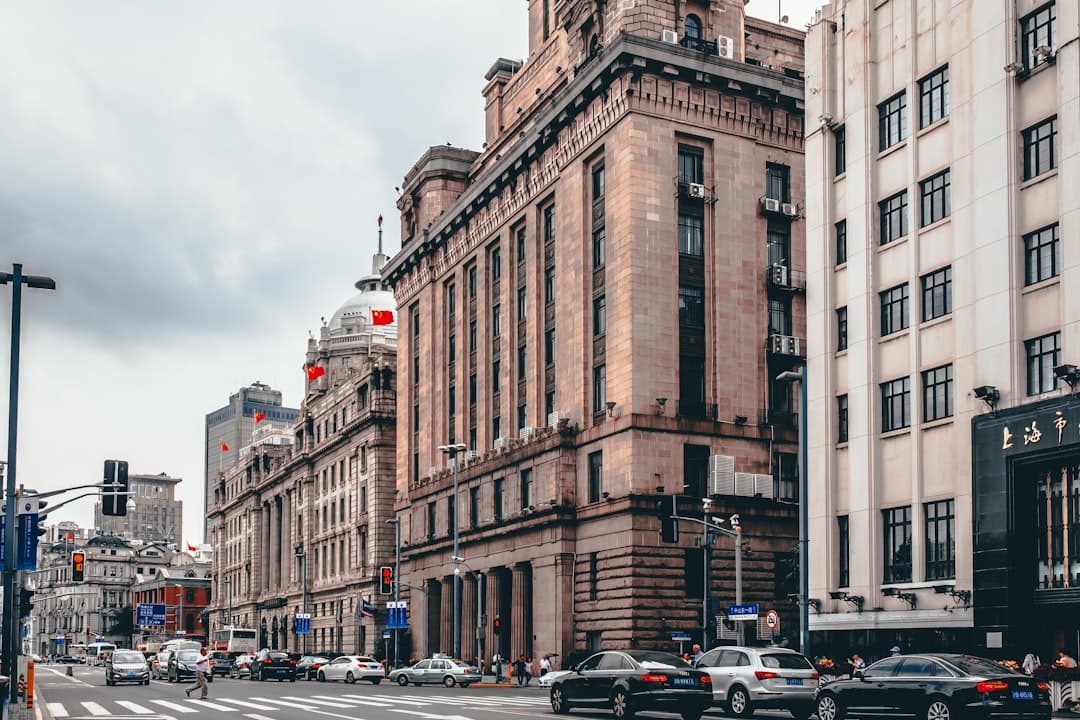
Yu Garden is a meticulously designed classical Chinese garden built during the Ming Dynasty in the 16th century by a government official named Pan Yunduan as a private retreat for his parents. Covering about five acres, it represents one of the finest surviving examples of traditional Jiangnan garden design — a style that uses ornamental rocks, koi ponds, covered walkways, pavilions, and carefully arranged plantings to create a feeling of vast natural landscape within a compact, walled space. Despite sitting in the middle of one of Shanghai's busiest tourist districts, stepping through the garden's entrance gate genuinely transports you somewhere quieter and older. Inside, you move through a series of interconnected courtyards and garden rooms, each with its own character. The Exquisite Jade Rock — a 3.3-meter-tall piece of Taihu limestone riddled with holes, considered one of the great stones of Chinese garden history — is a centerpiece that serious garden enthusiasts travel specifically to see. Zigzag bridges over carp ponds, dragon-topped walls, and the Grand Rockery (one of the oldest surviving rockeries in the Yangtze Delta region) give the space a layered, almost theatrical quality. It takes time to slow down enough to appreciate the design logic, but once you do, it clicks. The garden closes on Mondays and shuts at 4:30 PM other days, so plan accordingly — arriving right at opening on a Tuesday or Wednesday morning is genuinely the best way to beat the crowds. The surrounding bazaar is worth a wander afterward, particularly for the soup dumplings at Nanxiang Mantou Dian, a century-old institution with a location right on the zigzag bridge plaza. Skip the overpriced souvenir shops and head instead to the smaller streets like Fangbang Middle Road for a more authentic slice of the Old City.
Zhujiajiao Water Town
Zhujiajiao is an ancient water town in Shanghai's Qingpu District, built along a network of rivers and canals that have been the lifeblood of commerce and community here since the Song Dynasty. It's often called the 'Venice of Shanghai,' though that comparison undersells it — this is genuinely old China, with whitewashed stone buildings, arched stone bridges, and narrow lanes that have barely changed in centuries. The town reached its commercial peak during the Ming and Qing dynasties and remains one of the best-preserved examples of traditional Jiangnan water-town architecture anywhere near a major Chinese city. Walking through Zhujiajiao means crossing ancient humpback bridges — Fangsheng Bridge, the largest in the region with five arches and a history stretching back to 1571, is the centerpiece — ducking into ancestral halls, browsing temple incense smoke, and watching gondola-style wooden boats drift through the canals. You can hire a boat for a slow tour of the waterways, sample local snacks like zongzi (sticky rice dumplings) and smoked tofu from vendors along North Street, and visit the City God Temple or the Catholic Church of Ascension, an unexpected colonial-era landmark sitting right on the canal. The whole town is compact enough to wander freely but layered enough to reward genuine exploration. Arrive early — by 9am if you can — because tour groups from central Shanghai begin flooding in by mid-morning on weekends, and the narrow lanes get crowded fast. Weekday visits are significantly calmer. The entrance to the scenic area is free, though some individual attractions charge a small fee. Stay long enough to have lunch at one of the canal-side restaurants on Xijing Street, where the food is better and the crowds thinner than on the main North Street strip.
Zurich Zoo
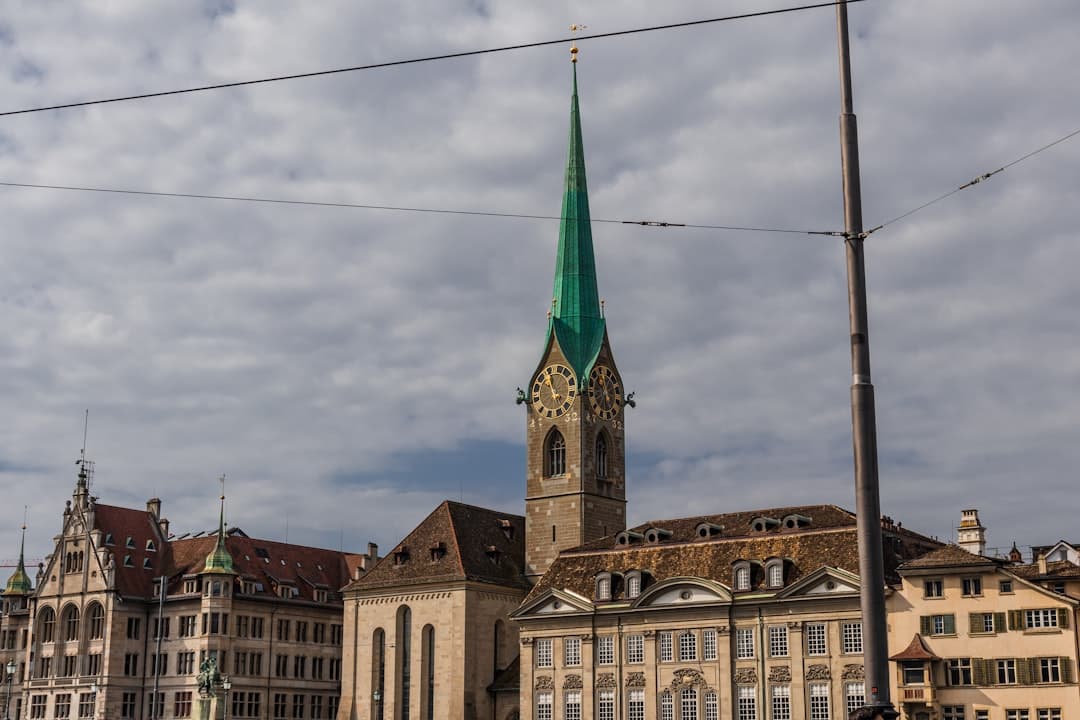
Zurich Zoo isn't just a place to see animals — it's one of the most thoughtfully designed wildlife parks in Europe, with a strong reputation for conservation, welfare, and habitat-led enclosures. Founded in 1929 and set across a wooded hillside in the Zürichberg district, it's home to around 380 species and has long been at the forefront of modern zoo philosophy. This is the kind of place that takes its role seriously, and it shows in how the animals are kept and how the spaces are designed. The zoo's crown jewel is the Masoala Rainforest Hall, an enormous glass dome that recreates a Madagascan rainforest ecosystem — free-roaming lemurs, birds, and reptiles moving through dense tropical vegetation while you wander the paths below. It's genuinely immersive in a way that surprises most visitors. Beyond that, you'll find a walk-through aviary, a purpose-built elephant park with a multi-generational herd, and strong populations of big cats, snow leopards, gorillas, and Asian elephants. The Lewa Savanna section, opened in 2020, brings together giraffes, rhinos, zebras, and meerkats in a sprawling African landscape that's one of the best of its kind in Central Europe. The zoo sits on a hillside, so expect some uphill walking — sturdy shoes help. Allow at least half a day, more if you have kids in tow. Tram 6 from the city centre drops you almost at the entrance, making it very easy to reach without a car. Midweek visits are notably quieter than weekends, and the zoo gets busy in summer — arriving when it opens at 9am gets you the most peaceful experience with animals that tend to be more active in the cooler morning hours.
Zócalo
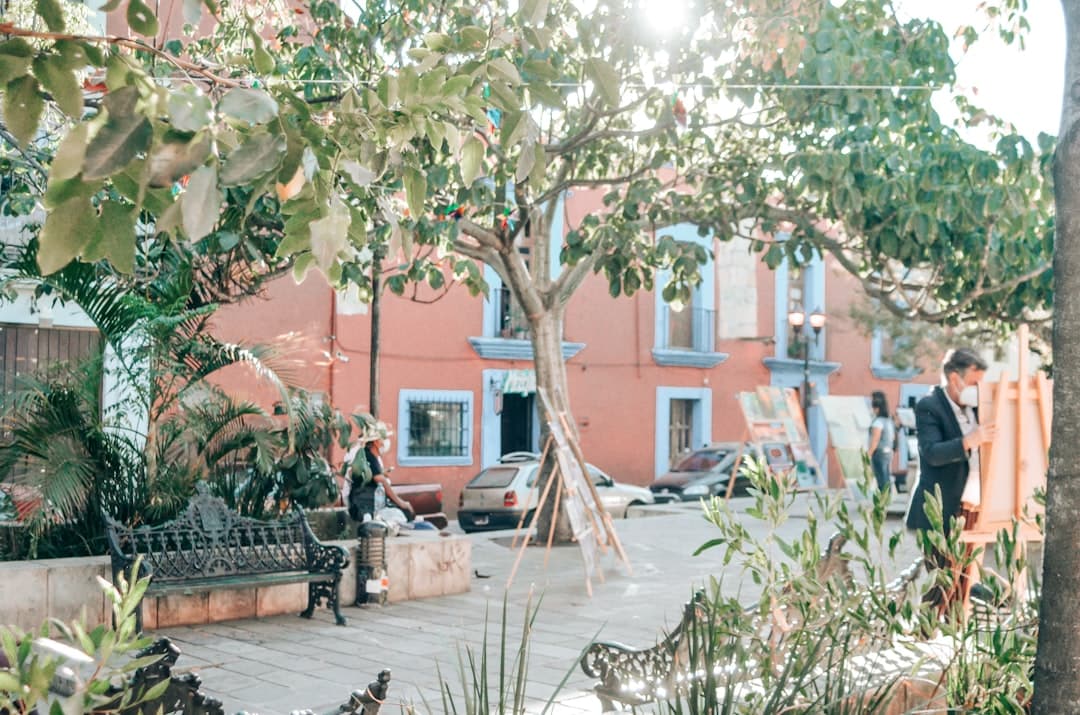
The Zócalo is Oaxaca's main plaza — a colonial-era square ringed by arcaded portales, shaded by enormous laurel trees, and anchored at one end by the city's 16th-century cathedral. It has functioned as the social and civic center of Oaxacan life for centuries, and it remains exactly that today. This isn't a museum piece preserved for tourists; it's a genuinely lived-in public space where locals read newspapers over coffee, politicians make speeches, street vendors hawk chapulines (toasted grasshoppers), and brass bands show up without warning. On any given visit you might drift past marimba musicians setting up in the bandstand, watch a protest march dissolve into an impromptu dance, or simply sink into one of the wrought-iron chairs at a portal café and spend an hour watching the whole spectacle. The cathedral of Our Lady of the Assumption — its earthquake-proof twin towers a distinctive feature of Oaxacan baroque — faces the square and is worth stepping inside for its ornate gilded interior. The Palacio de Gobierno on the south side contains a striking mural by Arturo García Bustos depicting Oaxacan history, which you can walk in off the street and see for free. The Zócalo is at its most alive in the evenings, especially on weekends, when the cafés under the portales fill up and the square becomes a slow-moving parade of families, couples, and vendors. Resist the temptation to rush through — the whole point is to linger. The café tables along the portales are slightly tourist-priced, but you're paying for front-row seats to one of Mexico's great public squares. Come in the morning for a quieter, more local feel; come at night for the full theatrical version.
Zócalo
The Zócalo — officially the Plaza de la Constitución — is one of the largest public squares in the world and the geographic and spiritual center of Mexico City. It sits on the ruins of Tenochtitlan, the Aztec capital, and is flanked by two of the most historically loaded buildings in the Americas: the Metropolitan Cathedral, built over 240 years beginning in 1573, and the National Palace, which houses Diego Rivera's sweeping mural panorama of Mexican history. Everything that has shaped this country — conquest, independence, revolution, democracy — has played out in and around this square. A visit here is genuinely overwhelming in the best way. You can walk across the vast stone expanse, watch the enormous Mexican flag that flies at its center get ceremonially lowered at sunset, peer into the excavated ruins of the Templo Mayor just off the northeast corner, and then duck into the cathedral, whose baroque interior is one of the most ornate spaces in Latin America. The National Palace is free to enter and Rivera's murals alone justify the visit — they are extraordinary works of political art painted across hundreds of square meters. The square itself hosts everything from political protests to massive concerts to the enormous Christmas ice rink that appears each December. Come early in the morning if you want the square without the crowds — the flag-raising ceremony at dawn draws the dedicated few, and the light is spectacular. Street vendors sell everything from elotes to fresh-squeezed juice along the perimeter. Be aware that political demonstrations happen frequently and can close off parts of the square, though they're rarely disruptive to visitors and are themselves part of the living history of this place. The nearest Metro stop is Zócalo on Line 2, and it drops you directly into the square.
teamLab Botanical Garden Osaka
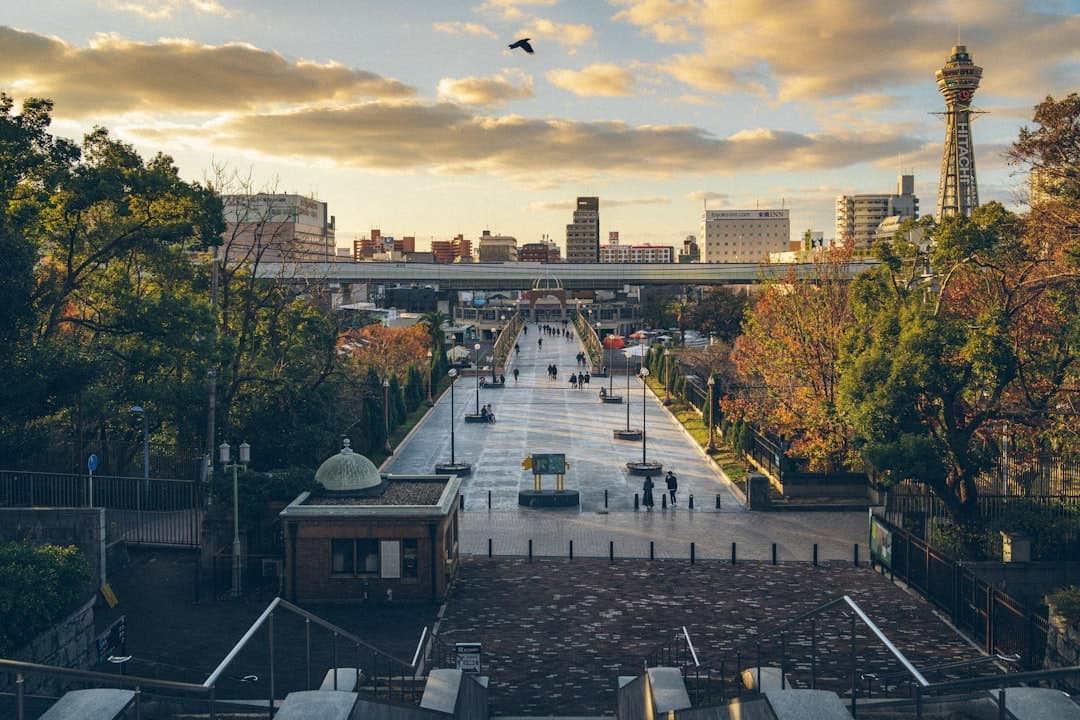
teamLab Botanical Garden Osaka is a permanent nighttime digital art experience set inside the historic Nagai Botanical Garden in Higashisumiyoshi, a quieter residential ward south of central Osaka. teamLab — the Tokyo-based art collective behind some of the world's most talked-about immersive exhibitions — has installed interactive light and sound works throughout the actual garden grounds, meaning you're walking among real trees, flowers, and ponds that have been woven into the artwork itself. Unlike a pop-up exhibition in a warehouse, the natural environment is the canvas, and the result feels genuinely different across seasons as the plants bloom, wither, and change. Visitors move through the garden at their own pace after dark, encountering works that respond to touch, proximity, and movement. Flowers on the ground might bloom and scatter when you step near them; trees pulse with light that reacts to the wind or to other visitors nearby; reflections in ponds shift and evolve. There's no single path or sequence — you wander, which makes the experience feel more meditative than a conventional gallery visit. The works are designed as part of an interconnected ecosystem, so what you do in one area can ripple into another part of the garden. Tickets must be purchased in advance online, and the experience is strictly an evening one — entry starts at 7:30 PM, which means you're always visiting after dark regardless of the season. Wear comfortable shoes you don't mind getting slightly dirty; the garden paths are natural and can be uneven. This is a genuinely popular attraction that draws both international visitors and Osaka locals, so weekends fill up fast. If you can, a weeknight visit in spring or autumn offers the most atmospheric conditions — cherry blossoms or autumn foliage lit from within is something you won't forget quickly.
teamLab Planets
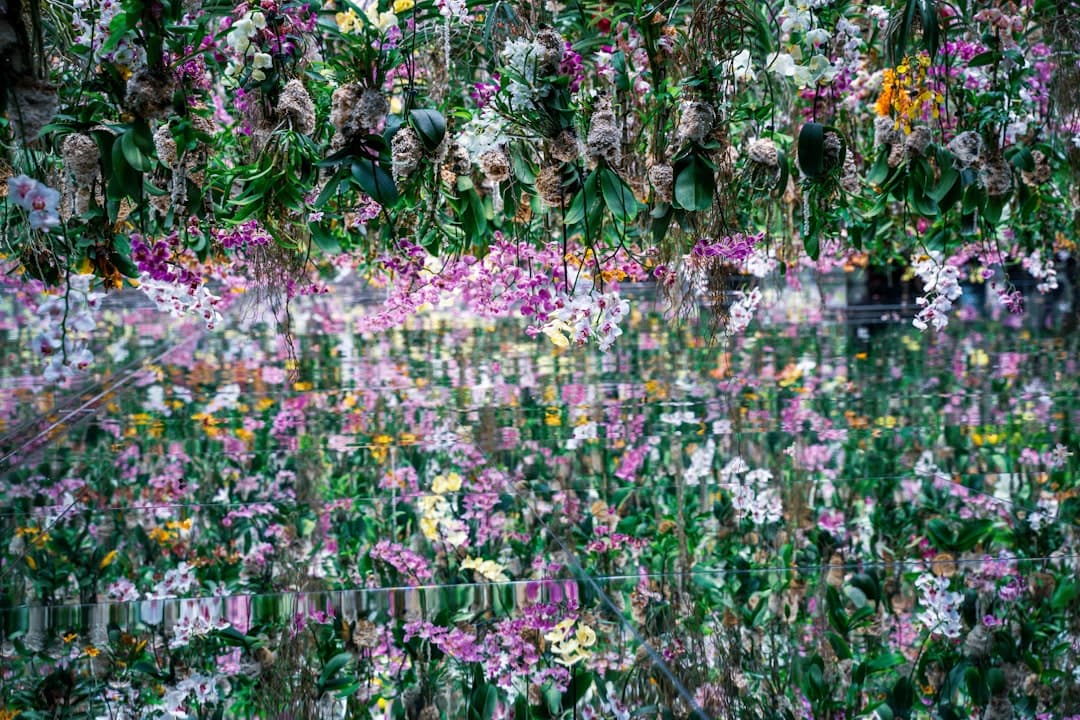
teamLab Planets is an immersive digital art museum in Toyosu, created by the Tokyo-based art collective teamLab. It opened in 2018 as a temporary installation and proved so popular it has remained open ever since, becoming one of Tokyo's most visited cultural experiences. The concept is simple but profound: you don't just look at the art, you walk through it, and the art reacts to your presence. It's technology and nature and aesthetics fused into something that genuinely defies easy description. The experience unfolds across a series of large-scale installations spread across four main spaces. You remove your shoes and socks at the entrance and wade through a shallow pool of water covered in projected koi that scatter when you step near them. From there you move through a forest of hanging orchids, a room where your body becomes a surface for projected flowers, a vast mirrored infinity room filled with floating light spheres, and more. Each room is designed to make the boundary between your body and the artwork disappear. The collective calls it 'body immersive' — it's not a screen you stand in front of, it's an environment you become part of. Practically speaking, Planets is smaller than teamLab's other Tokyo venue, Borderless in Azabudai Hills, which means the journey through it is more focused and easier to manage, typically taking 60 to 90 minutes. Timed entry tickets are essential — this place sells out days or weeks in advance, especially on weekends. The Toyosu location is well served by the Yurikamome line and the Tokyo Metro Yurakucho line, and there's a growing cluster of good food options nearby at Toyosu Market and the surrounding area. Go at opening time or on a weekday evening if you want thinner crowds and better photos.

Árbær Open Air Museum
Árbær Open Air Museum is a collection of more than 20 historic buildings relocated from across Iceland and reassembled on the eastern outskirts of Reykjavík to preserve everyday Icelandic life as it was lived from the 18th century through the mid-20th century. It's run by the Reykjavík City Museum and sits on the site of an old farm — Árbær itself — which gives the whole place an organic, lived-in quality rather than the sterile feel of a purpose-built heritage park. This is one of the few places in Iceland where you can genuinely get a sense of how ordinary people survived the long winters, the volcanic landscape, and the slow pace of rural and urban life before the country modernized with remarkable speed in the postwar decades. Walking around the site, you move between turf-roofed farmhouses, a timber townhouse from old Reykjavík, a church, a smithy, and various outbuildings — each furnished with authentic period objects. In summer, staff in period costume bring the place to life with demonstrations of traditional crafts and old domestic routines. The original Árbær farmhouse forms the core of the complex, and the church on site is still occasionally used for weddings. Seasonal events, particularly around Christmas and midsummer, draw both locals and visitors and are worth timing a trip around if you can. The opening hours listed online are almost certainly wrong — the museum operates summer hours (roughly June through August, open daily) and more limited winter hours, so check before you go. It sits in the Árbær neighborhood, a short drive or bus ride from the city center, and is rarely crowded. Admission is modest, and the relaxed pace means it pairs well with a visit to the nearby Elliðaár river valley for a full half-day out of the tourist center of Reykjavík.
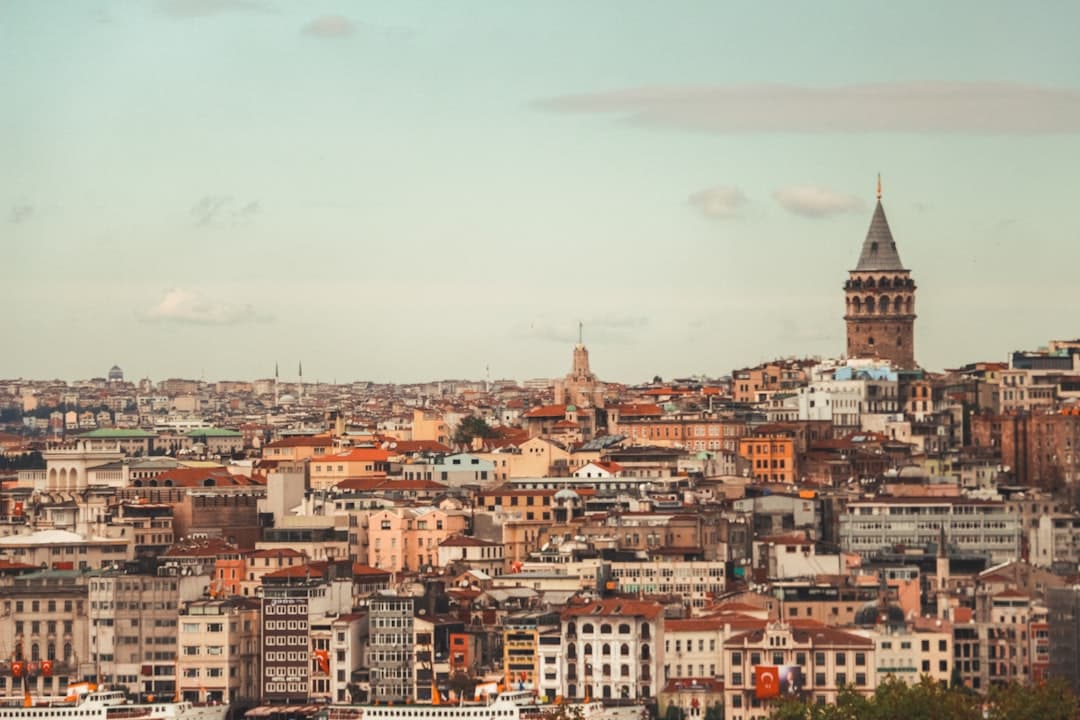
İstiklal Caddesi
İstiklal Caddesi — Independence Avenue — is a 1.4-kilometre pedestrian street running through the heart of Beyoğlu, the historic European-influenced district on Istanbul's northern bank of the Golden Horn. Once the grand boulevard of Ottoman-era embassies and fin-de-siècle apartment buildings, it became the cultural and commercial center of modern Istanbul and still draws millions of visitors each year. The street is lined with 19th-century neoclassical and Art Nouveau buildings that now house everything from global chain stores to independent bookshops, art galleries, and some of the city's most beloved meyhanes — the traditional Turkish taverns where people eat meze and drink rakı late into the night. Walking İstiklal is an experience in sensory overload, in the best possible way. A vintage red tram still trundles up and down the center of the street, more icon than transport at this point. Side alleys branch off into a labyrinth of passages — the historic Çiçek Pasajı flower market, the Balık Pazarı fish market, the covered arcade of Avrupa Pasajı — each one hiding a different Istanbul. Street musicians play everywhere, the smell of freshly baked simit mingles with roasting chestnuts in winter, and the evening crowd is a genuine cross-section of the city: students, families, tourists, and regulars who've been coming here for decades. The street runs from Taksim Square at its northern end — anchored by the Republic Monument — down to the historic Tünel funicular terminus, one of the world's oldest underground railways, at its southern end. The southern stretch toward Galata tends to be quieter and more interesting than the heavily commercialized northern section near Taksim. Come in the evening when the street reaches full energy, avoid Saturday afternoons if you're crowd-averse, and save time to duck into the side streets — Nevizade Sokak for meyhane dining, Asmalımescit neighborhood for a more local bar scene.