
Zócalo
Oaxaca / Zócalo

Zócalo

The beating heart of Oaxaca, where daily life plays out in perpetual motion.

🏛️ Sights & Landmarks🍽️ Food & Drink🎭 Arts & Entertainment🏘️ Neighborhoods
🌿 Relaxing👨‍👩‍👧 Family-friendly🎭 Cultural🌹 Romantic

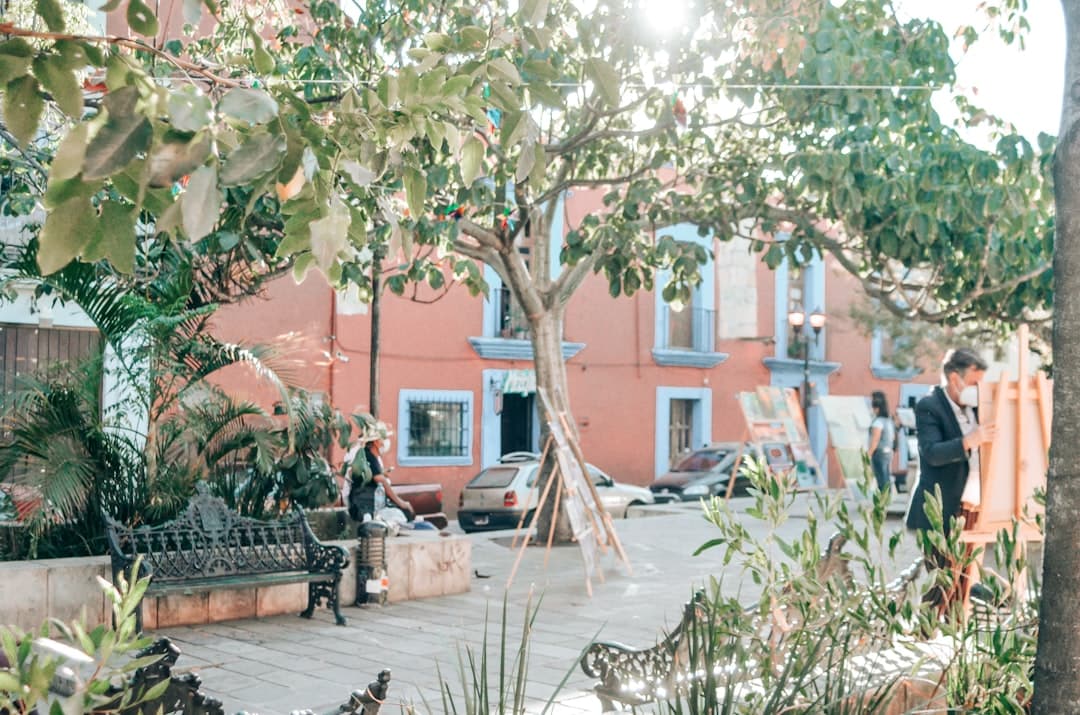
The Zócalo is Oaxaca's main plaza — a colonial-era square ringed by arcaded portales, shaded by enormous laurel trees, and anchored at one end by the city's 16th-century cathedral. It has functioned as the social and civic center of Oaxacan life for centuries, and it remains exactly that today. This isn't a museum piece preserved for tourists; it's a genuinely lived-in public space where locals read newspapers over coffee, politicians make speeches, street vendors hawk chapulines (toasted grasshoppers), and brass bands show up without warning.

On any given visit you might drift past marimba musicians setting up in the bandstand, watch a protest march dissolve into an impromptu dance, or simply sink into one of the wrought-iron chairs at a portal café and spend an hour watching the whole spectacle. The cathedral of Our Lady of the Assumption — its earthquake-proof twin towers a distinctive feature of Oaxacan baroque — faces the square and is worth stepping inside for its ornate gilded interior. The Palacio de Gobierno on the south side contains a striking mural by Arturo García Bustos depicting Oaxacan history, which you can walk in off the street and see for free.

The Zócalo is at its most alive in the evenings, especially on weekends, when the cafés under the portales fill up and the square becomes a slow-moving parade of families, couples, and vendors. Resist the temptation to rush through — the whole point is to linger. The café tables along the portales are slightly tourist-priced, but you're paying for front-row seats to one of Mexico's great public squares. Come in the morning for a quieter, more local feel; come at night for the full theatrical version.

Local Tips

  1. 1

    Skip the café chairs right at the plaza's edge and instead grab a seat slightly deeper under the portales — you get the same view with more shade and slightly better prices.

  2. 2

    The Palacio de Gobierno is almost always open during daytime hours and the García Bustos mural inside is free — walk straight in, nobody will stop you.

  3. 3

    Street vendors selling chapulines (roasted grasshoppers) are everywhere around the Zócalo. They're a genuine Oaxacan staple, not a gimmick — try the chile-lime variety if you're curious.

  4. 4

    Morning visits before 9am offer a completely different, calmer Zócalo — locals exercising, vendors setting up, the cathedral bells ringing. Worth seeing even if you come back later in the day.

When to Go

Best times
Late October – early November

Día de los Muertos transforms the Zócalo into an extraordinary cultural event with altars, processions, and celebrations. One of the best places in Mexico to experience it.

Guelaguetza (late July)

Oaxaca's biggest annual festival brings intense crowds and festivity to the Zócalo area. Spectacular atmosphere but expect the square to be packed and hotels to be booked months out.

Weekend evenings year-round

The Zócalo is at its most vibrant — bands play, families promenade, and the portal cafés buzz. The definitive Oaxacan experience.

Try to avoid
Midday, December–April

Dry season afternoons can be hot and the square loses its shade quickly. Morning or evening visits are far more comfortable.

Why Visit

01

It's the social core of one of Mexico's most celebrated cities — understanding Oaxaca means spending real time here, not just passing through.

02

The surrounding arcades shelter free street performances, political theatre, and incredible people-watching that you can't manufacture or schedule.

03

The Palacio de Gobierno's sweeping historical mural is a hidden gem most visitors walk past — it's free, accessible, and genuinely stunning.