
All Places
1,073 places around the world
1,073 places · page 44 of 45
Vittoriano
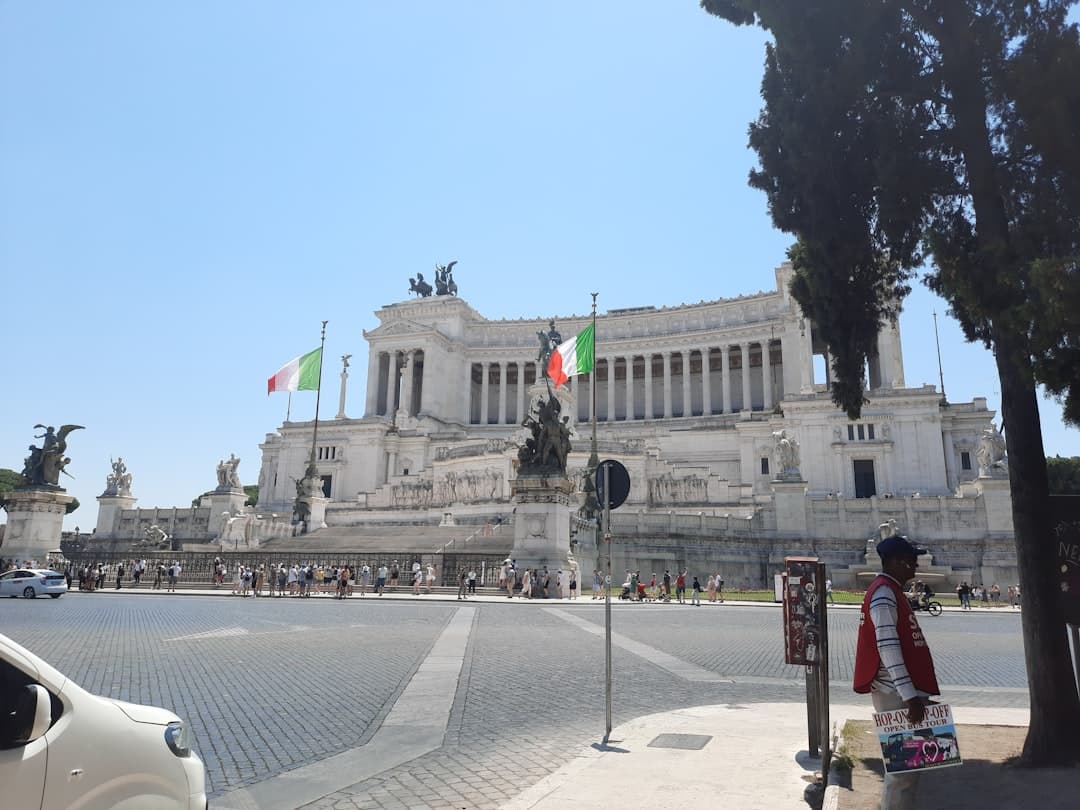
The Vittoriano — officially the Altare della Patria, or Altar of the Fatherland — is the colossal white marble monument dominating Piazza Venezia at the heart of Rome. Built between 1885 and 1935 to honor Italy's first king, Vittorio Emanuele II, and the unification of the Italian state, it was controversial from the start: an entire medieval hilltop neighborhood was demolished to make way for it, and Romans have never quite forgiven it. They call it the 'wedding cake' or the 'typewriter,' and for decades it was fashionably dismissed. But the mockery has softened into something closer to grudging affection, and visitors almost universally love it. Inside, the monument houses the Tomb of the Unknown Soldier — guarded around the clock and genuinely moving — along with the Museo Centrale del Risorgimento, which tells the story of Italian unification through documents, paintings, and artifacts. The real draws, though, are the views. The monument is free to enter and free to climb on foot up through the terraces and colonnades. At the very top, a paid glass elevator — the Ascensore Panoramico — whisks you to the roof for a 360-degree panorama over Rome that is, without exaggeration, one of the finest urban views in Europe. The Forum, the Palatine Hill, the Pantheon, St. Peter's dome: it's all there, spread out like a map of Western civilization. Because most tourists either don't realize you can go to the top or assume the elevator is overpriced and skip it, the upper terrace is often surprisingly uncrowded even when the piazza below is heaving. The elevator costs a few euros and is absolutely worth it. Come in the late afternoon when the light softens over the rooftops, stay until the city starts to glow, and you'll understand why Romans have come around on the old typewriter.
Vondelpark
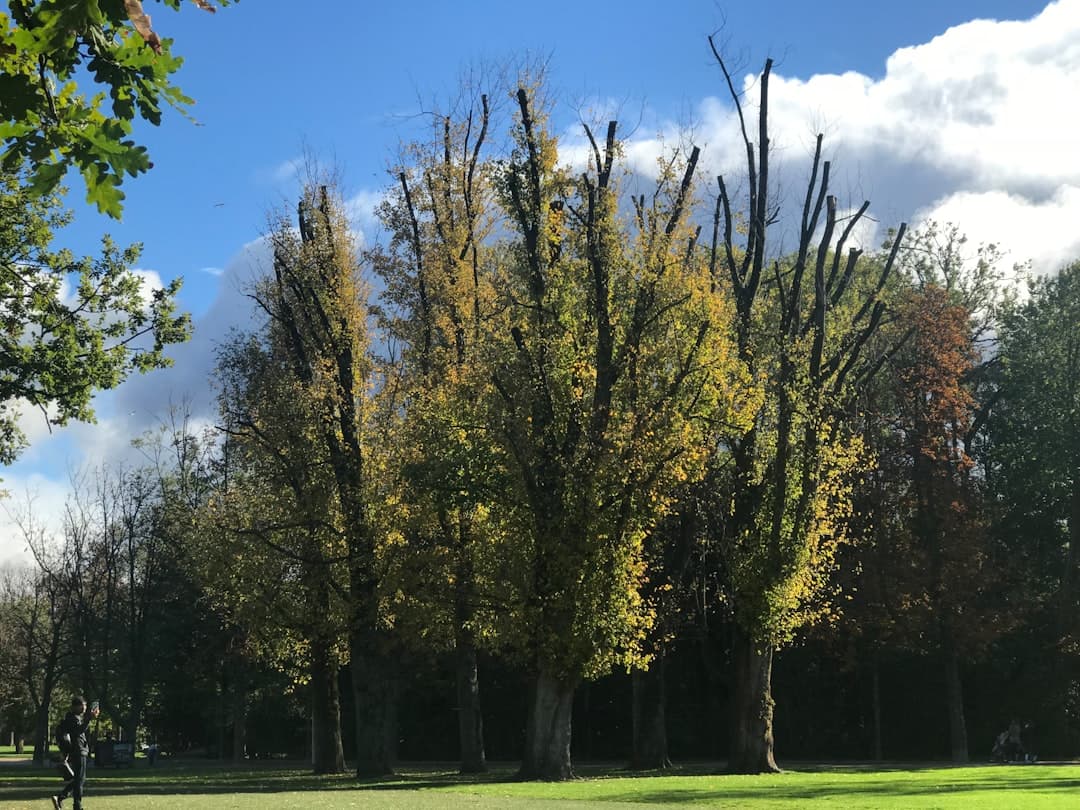
Vondelpark is Amsterdam's most famous public park — a 47-hectare green lung in the heart of the city that has been a gathering place for locals since it opened in 1865. Named after the Dutch playwright Joost van den Vondel, it was designed in the English landscape style by Jan David Zocher and his son Louis Paul, with meandering paths, ponds, and open lawns that feel deliberately unhurried. In the 1970s it became a countercultural hub — a legal place to camp and congregate — and that free-spirited energy has never entirely left. Today it's a UNESCO-recognized monument and the most visited park in the Netherlands. On any given day, Vondelpark is a living cross-section of Amsterdam life. Families push prams along the bike paths, students sprawl on the grass with books and beers, inline skaters tear past on Friday evenings for the legendary Friday Night Skate that starts here, and musicians set up near the bandstand for impromptu sets. The open-air theater, the Vondelpark Openluchttheater, runs free performances throughout summer — comedy, dance, music — and is one of the city's great hidden pleasures. There are a handful of cafés and restaurants inside the park, including the grand Vondelpark3 and the ever-popular 't Blauwe Theehuis, a striking 1930s flying-saucer-shaped pavilion that serves as a terrace café. The park sits in the Oud-Zuid district, just southwest of Leidseplein, so it's easy to combine with a visit to the Rijksmuseum or the Van Gogh Museum, both a short walk away. It's free to enter, open around the clock, and genuinely used by locals every single day — not a tourist attraction that happens to have trees, but a real neighborhood park that tourists are welcome to join.
Vyšehrad
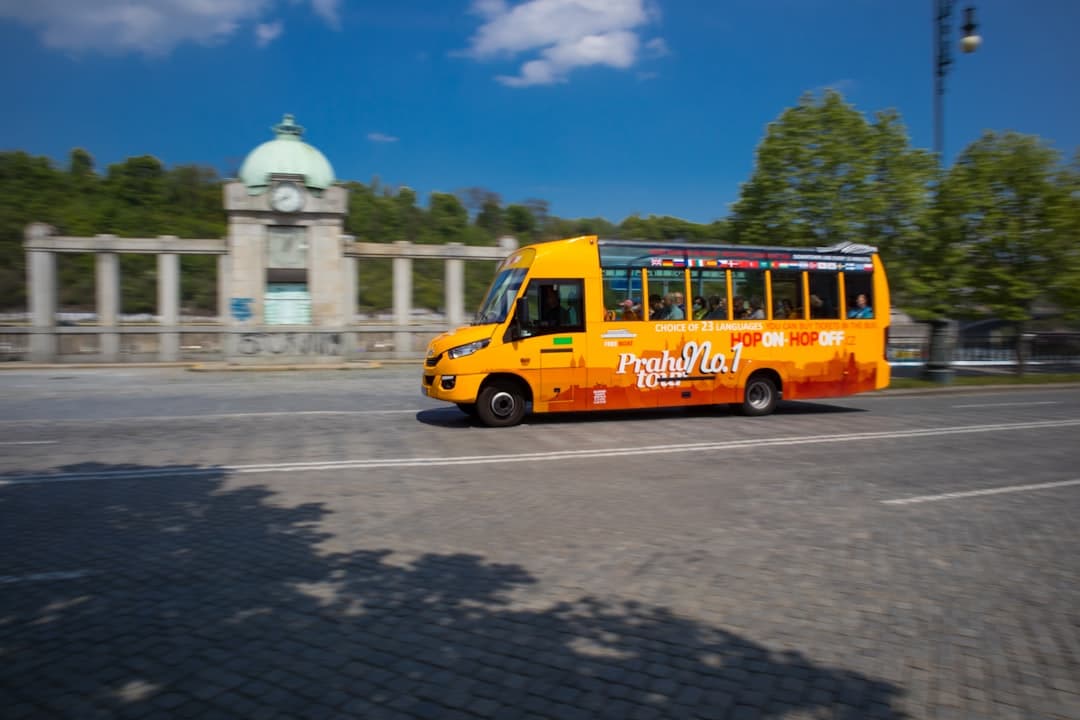
Vyšehrad is a historic fortified complex sitting on a rocky promontory above the Vltava River, about two kilometres south of the Old Town. According to Czech legend, this is where the Přemyslid dynasty — the founding royal family of Bohemia — first established their seat of power, predating Prague Castle itself. Whether or not the mythological claims hold up to archaeology, the site has been central to Czech national identity for over a thousand years, and that weight is palpable the moment you walk through its gates. The complex is large enough to spend a leisurely afternoon exploring. The centrepiece is the neo-Gothic Basilica of St Peter and St Paul, with its distinctive twin spires visible from much of Prague. Right beside it is the Vyšehrad Cemetery, one of the most remarkable burial grounds in Europe — a walled garden filled with elaborate tombstones and a grand communal grave called the Slavín, where more than 600 of the Czech nation's most celebrated artists, writers, and musicians are buried, including Antonín Dvořák and Bedřich Smetana. The old brick ramparts offer wide-open views across the river and back toward the city. Scattered around the grounds are four large bronze statues depicting figures from Czech myth — fierce, dramatic, and often overlooked by visitors rushing to the basilica. Because Vyšehrad sits well outside the main tourist circuit, it draws a fraction of the crowds that pack Prague Castle or Charles Bridge. Locals come here to walk dogs, read on the grass, and have a quiet beer at the small café near the south gate. The grounds are free to enter and open around the clock — the basilica and the cemetery charge a small admission fee. It's one of those places that rewards visitors who simply wander without a plan.
Wadi Rum
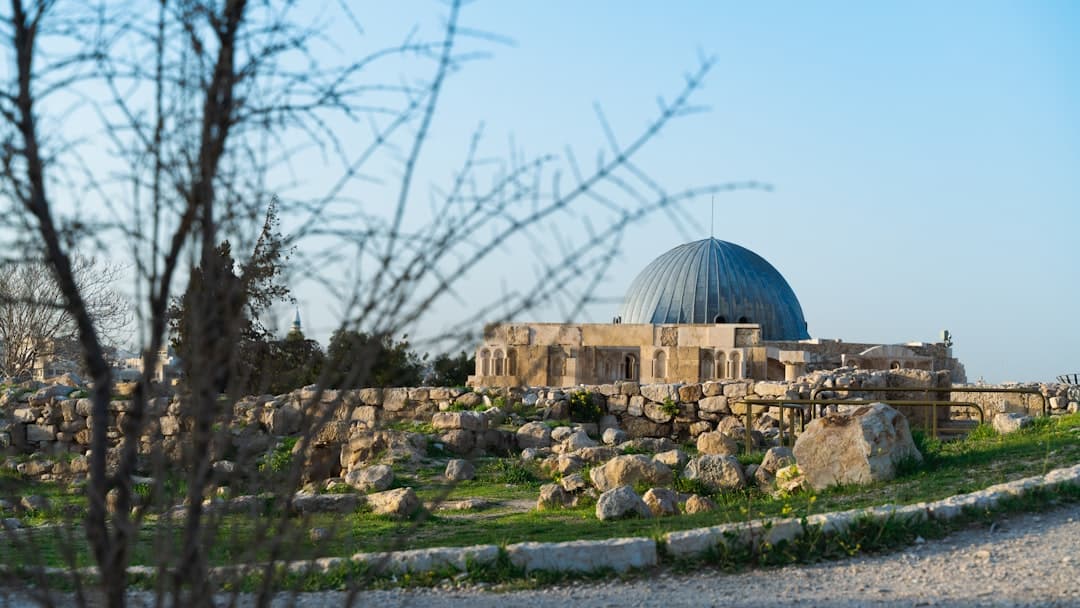
Wadi Rum is a vast protected desert valley in southern Jordan, roughly 60 kilometers east of Aqaba and about four hours south of Amman. It's one of the most visually arresting landscapes on the planet — a 720-square-kilometer wilderness of towering sandstone mountains, rose-red dunes, ancient rock inscriptions, and open sky so dark at night it feels like standing inside a planetarium. The Bedouin people have called this desert home for millennia, and it remains a place where human history and raw geology exist side by side. Visitors explore Wadi Rum by jeep safari, camel, or on foot, weaving between formations like Jebel Khazali — a narrow canyon whose walls are covered in Nabataean and Thamudic rock art — and Lawrence's Spring, named for T.E. Lawrence, who camped here during the Arab Revolt and wrote about it in Seven Pillars of Wisdom. The light changes everything: at dawn the rock glows amber and copper, at midday it bleaches to ochre and pink, and at sunset the whole desert seems to catch fire. Staying overnight in a Bedouin camp — whether a simple canvas tent or one of the bubble-domed glamping pods now scattered across the valley — means you'll see that transformation unfold twice and fall asleep under stars undiminished by light pollution. The village of Rum, where the visitor center is located, is your entry point. From here, licensed Bedouin guides take you into the protected area — independent driving is not permitted beyond certain zones. Book your tour operator in advance; Wadi Rum is popular year-round and the best camps and guides fill up fast. Operators like Rum Stars and Wadi Rum Nomads have strong reputations, and the Bedouin guides themselves are genuinely knowledgeable about the desert's ecology and history. Prices for jeep tours are negotiable and typically cheaper when arranged through your accommodation in Aqaba or Amman rather than on arrival.
Waiheke Island
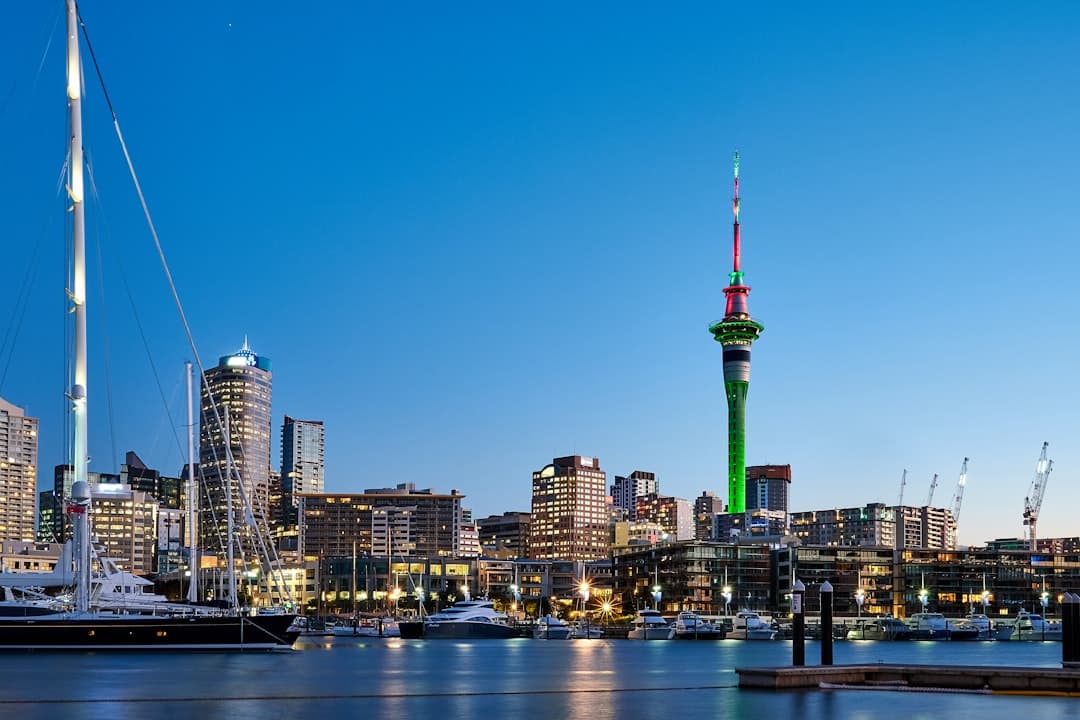
Waiheke Island sits in the Hauraki Gulf, a 35-minute ferry ride from Auckland's downtown terminal, and it feels like a completely different world. What was once a quiet bohemian retreat for artists and back-to-the-landers has evolved into one of New Zealand's most celebrated wine destinations, home to dozens of boutique wineries producing outstanding Bordeaux-style reds and crisp rosés. At roughly 92 square kilometres, it's large enough to spend several days on, but compact enough to explore in a single full day if you plan well. Most visitors spend their time moving between the island's acclaimed cellar doors — Stonyridge, Mudbrick, Cable Bay, and Man O' War among them — stopping for long lunches on vineyard terraces with sweeping views over the gulf. But Waiheke rewards those who look beyond the wine trail. The island has a string of beautiful beaches, from the sheltered calm of Palm Beach to the wilder, less-visited Oneroa, as well as bush walks, a thriving arts scene, and an olive oil trail. The town of Oneroa is the main hub, with good cafes, galleries, and independent shops lining its main street. The ferry departs from Auckland's Pier 2 and the Fullers360 service runs frequently throughout the day — buy a day return and you're set. Once on the island, a hop-on hop-off bus loops the main attractions and wineries, or you can hire a car or e-bike for more flexibility. Weekend crowds in summer can be intense, especially at the more famous wineries, so either book lunch well in advance or visit midweek if you can. The island has a genuinely local feel that's easy to tap into if you get off the tourist circuit even slightly.
Walled City
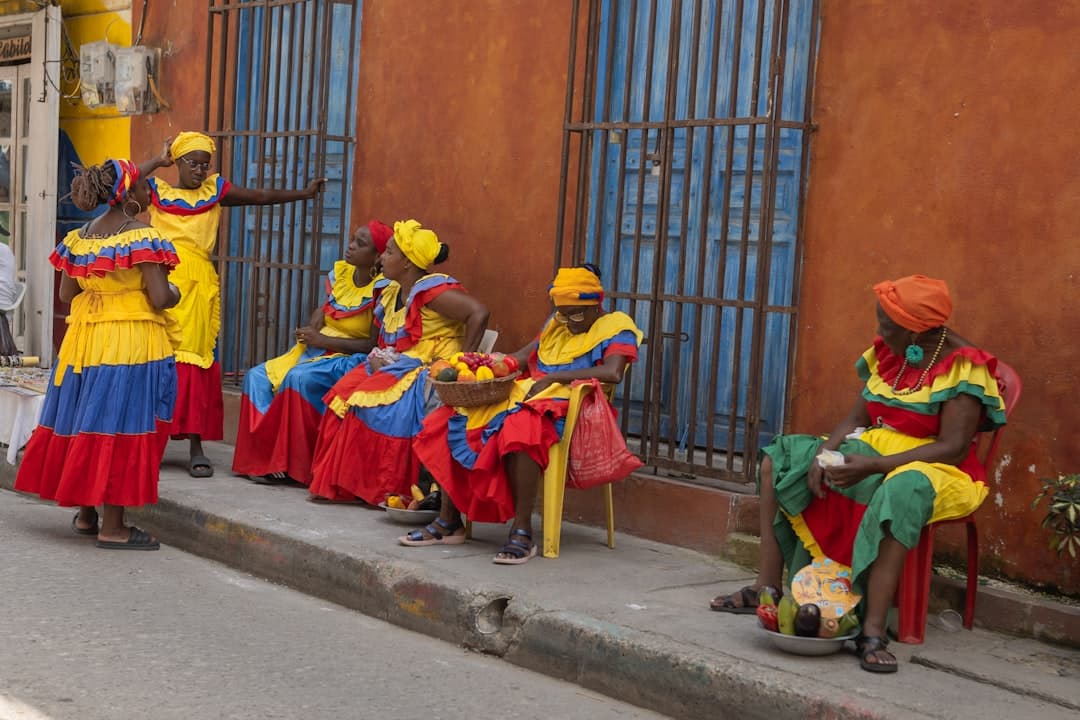
Cartagena's Walled City — known locally as the Ciudad Amurallada — is a UNESCO World Heritage Site and one of the best-preserved colonial fortifications in the Americas. Built by the Spanish beginning in the late 16th century to protect one of their most valuable ports from pirates and rival empires, the walls and bastions you walk today are largely intact. The city they enclose is a living neighborhood, not a museum piece — people actually live here, businesses operate, and the streets pulse with noise and color at all hours. Walking the Walled City means wandering a dense grid of narrow streets lined with mansions painted in ochre, coral, and turquoise, their balconies overflowing with bougainvillea. The city divides into three distinct barrios: El Centro, the busiest and most commercial; San Diego, quieter and more residential with good restaurants and boutique hotels; and Getsemaní, just outside the walls but spiritually part of the same story — the historically working-class neighborhood that has become Cartagena's most interesting place to eat and drink. You can walk the top of the walls themselves, particularly the stretch near the Baluarte de Santo Domingo, and the views over the Caribbean are genuinely spectacular at sunset. The address given is near the Serrezuela entertainment complex and the San Diego gate, which is a good entry point if you're coming from the north. The entire perimeter wall is about 11 kilometers long, though most visitors focus on a smaller circuit. Mornings are cooler and calmer; by midday the heat is serious and the tour groups are thick. Come back in the evening — the whole city transforms after dark, with street food vendors, live music drifting out of doorways, and the walls lit up gold.

Walt Disney World
Walt Disney World is a 25,000-acre resort in central Florida — roughly the size of San Francisco — that opened in October 1971 and became the defining template for the modern theme park experience. Built by Walt Disney's company after the original Disneyland in California proved too small and surrounded by development, it was designed from the start as a self-contained world: four major theme parks, two water parks, a massive entertainment and shopping district, and dozens of hotels, all connected by an elaborate internal transit system. It draws roughly 58 million visitors a year, making it the most visited theme park destination on the planet. The resort is anchored by four distinct parks. Magic Kingdom is the classic: the castle, the pirates, the haunted mansion, the fireworks. EPCOT blends future-forward technology pavilions with a permanent world's fair of international culture zones. Hollywood Studios is where you'll find the immersive Star Wars: Galaxy's Edge land and the best thrill rides on property. Animal Kingdom is a genuinely impressive zoological park layered with themed lands, including the extraordinary Pandora — The World of Avatar. Beyond the parks, Disney Springs offers restaurants, shopping, and entertainment without requiring a park ticket. The insider reality is that Disney World rewards planning obsessively. The Lightning Lane system (Disney's paid skip-the-line service) has replaced the old FastPass, and without a strategy you'll spend more time queuing than experiencing. Arrive before the gates open, head immediately to the marquee attractions, and use the My Disney Experience app to monitor wait times in real time. The week between Christmas and New Year's is the most crowded stretch of the year — avoid it unless the crowds are part of the appeal. January through early February and late August through September offer the best balance of manageable crowds and full operations.
Walter Peak High Country Farm
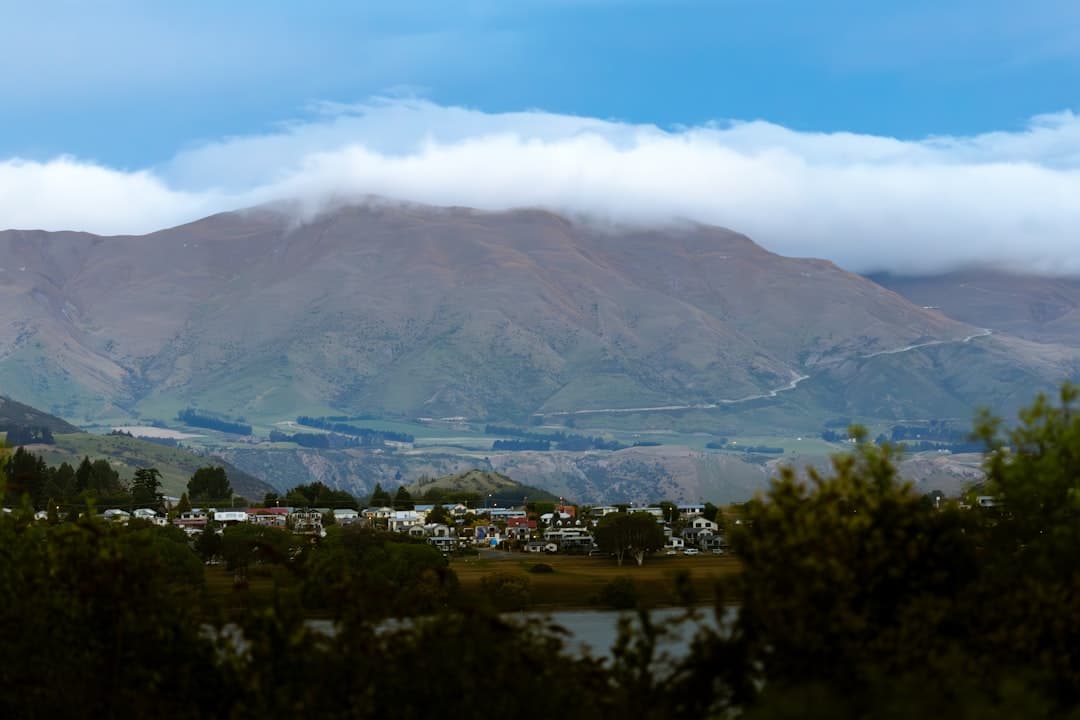
Walter Peak High Country Farm sits on the western shore of Lake Wakatipu, accessible only by water — which is part of what makes it so special. The farm has been running merino sheep and red deer on the rugged Remarkables-facing slopes for over a century, and today it operates as one of Queenstown's most beloved experiences, combining genuine pastoral heritage with one of the most dramatic lake-and-mountain backdrops anywhere in New Zealand. The journey there is half the experience: you cross the lake aboard the TSS Earnslaw, a coal-fired twin-screw steamship that has been plying these waters since 1912. Once at the farm, you're met with sheepdog trials, sheep shearing demonstrations, hand-feeding farm animals, and horse trekking options that push further into the high country. The Colonel's Homestead — a beautifully restored Victorian farmhouse — serves buffet lunches and dinners with produce largely sourced from the surrounding region. Evening cruises are particularly atmospheric: the Earnslaw's engine room glows orange, the Remarkables turn pink at dusk, and dinner inside the homestead feels genuinely celebratory. It's a polished operation, but not a theme park — the animals, the land, and the farm work are real. The booking is handled through Real Journeys (now part of Railcruising/Real NZ), and packages typically bundle the Earnslaw crossing with the farm visit. Go for the evening dinner cruise if you can — it's a step up from the daytime version and the golden-hour light on the lake is hard to beat. Families with young children will find the farm demonstrations especially engaging, but couples who book the dinner cruise will leave feeling like they had a genuinely romantic evening in the backcountry.
War Museum Cambodia
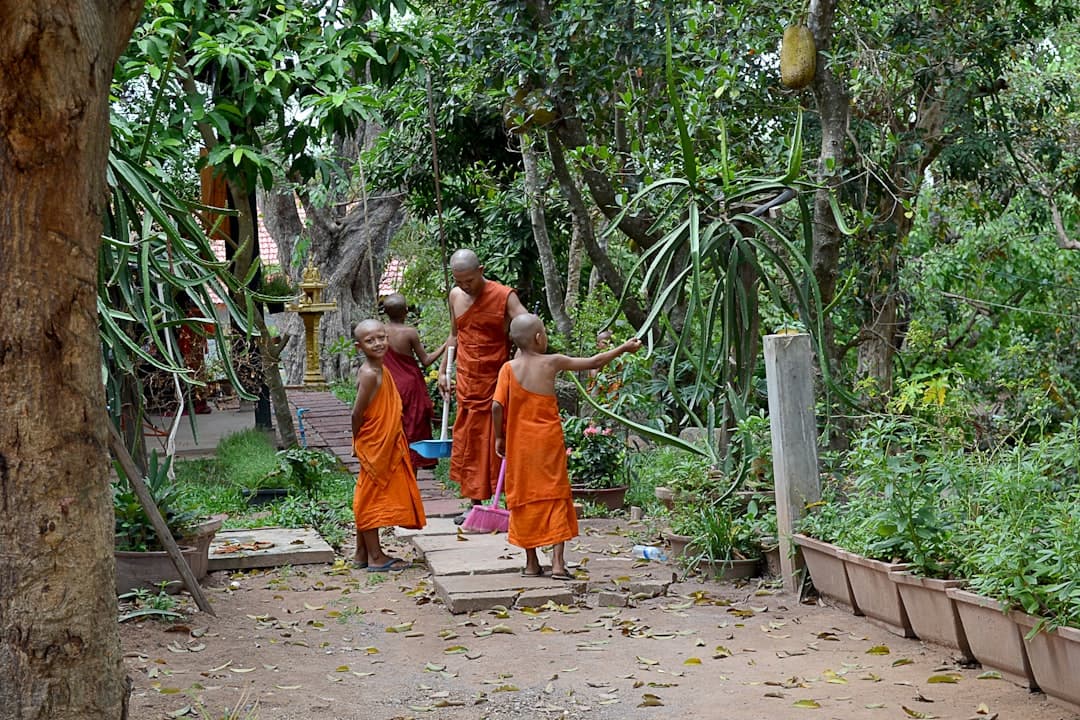
The War Museum Cambodia in Siem Reap is one of the most sobering and important stops in a country still reckoning with decades of conflict. It covers the full arc of modern Cambodian warfare — from the Vietnam War era through the Khmer Rouge genocide of the 1970s and the subsequent civil war that didn't truly end until the late 1990s. Unlike a conventional indoor museum, much of the collection is spread across an open outdoor space, giving the exhibits an immediacy that glass cases and placards rarely achieve. The centerpiece is the sprawling collection of military hardware — tanks, artillery pieces, helicopters, armored vehicles, and racks of landmines and unexploded ordnance stretching across the grounds. You can walk right up to a T-54 tank or examine the guts of a decommissioned helicopter. But what sets this place apart from a simple weapons display is the human dimension: the museum employs Cambodian veterans and landmine survivors as guides, many of whom are missing limbs and lived through the conflicts on display. Their first-hand accounts transform what could be a dry military exhibit into something genuinely affecting. Sit with one of these guides for even ten minutes and you'll leave with a completely different understanding of what Cambodia went through. The museum is located just north of the city center, a short tuk-tuk ride from the main tourist strip. Entry is inexpensive and the ticket price goes directly toward supporting the guides and their families — a meaningful reason to tip generously and not try to haggle the admission down. Give yourself more time than you think you'll need: it's easy to get absorbed in conversation with the guides, and the exhibits reward slow attention.
War Photo Limited
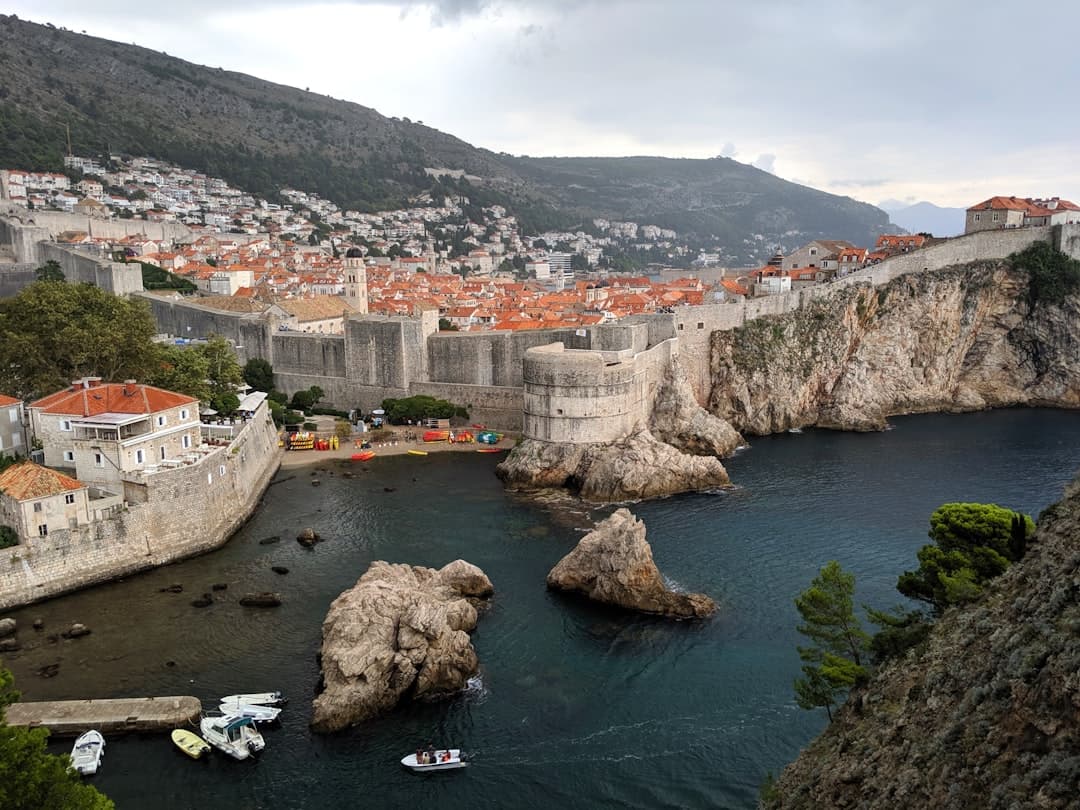
War Photo Limited is a permanent photography gallery in Dubrovnik's Old Town dedicated entirely to documentary and war photography. Founded in 2003 by New Zealand photojournalist Wade Goddard, who himself covered the Balkans conflicts of the 1990s, the gallery exists to show what war actually looks like — not the sanitised version, but the human cost in full. It's a serious, deliberately uncomfortable space, and that's exactly the point. In a city that was itself shelled during the 1991–1992 Siege of Dubrovnik, the location is not accidental. The gallery occupies two floors and rotates thematic exhibitions from some of the world's leading photojournalists, covering conflicts from the Balkans to the Middle East, Africa, and beyond. There is almost always a permanent exhibition on the former Yugoslavia wars alongside the rotating shows. The images are large-format, carefully curated, and often quietly devastating. You move through at your own pace — there's no audio guide, no interactive element. Just photographs, captions, and the weight of what you're looking at. This is not a place for everyone, and it knows it. If you're in Dubrovnik for the beaches and Game of Thrones walking tours, you might walk past without a second glance — and that would be a loss. For anyone interested in journalism, human rights, history, or photography as an art form, it's one of the most significant small galleries in the Adriatic region. Visit in the late afternoon when the cruise ship crowds have thinned, and give yourself more time than you think you'll need.
War Remnants Museum
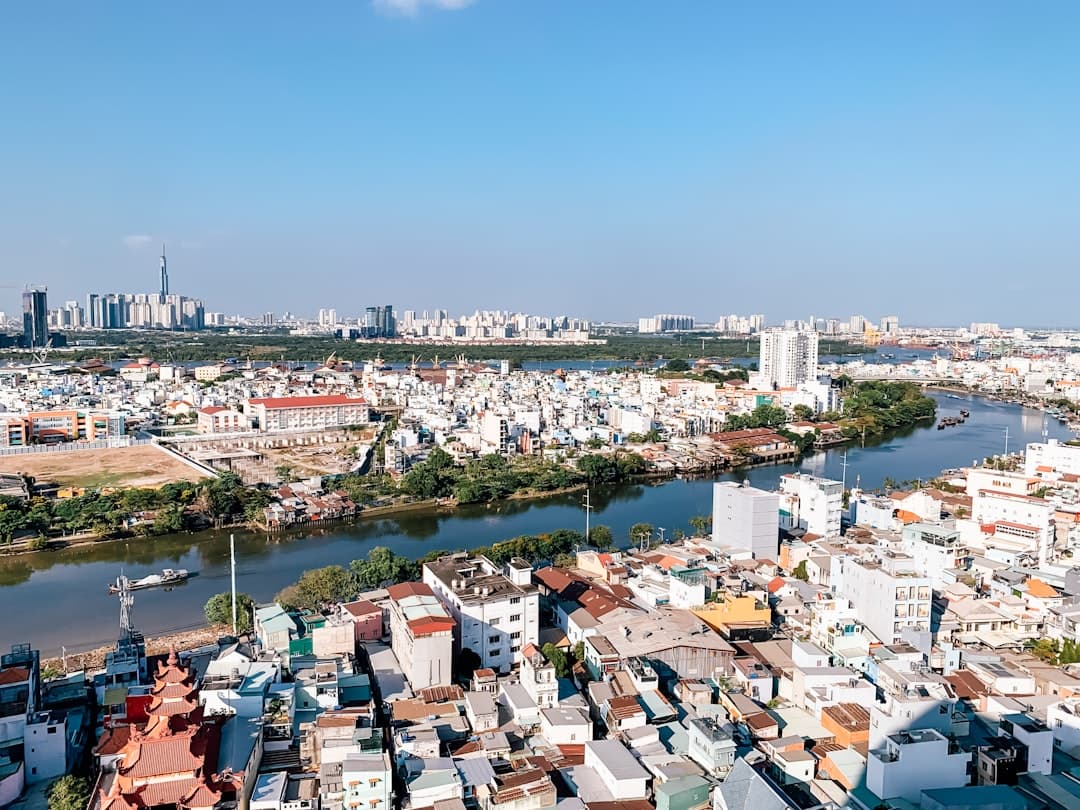
The War Remnants Museum is one of Southeast Asia's most powerful and sobering cultural institutions — a place that documents the Vietnam War (known here as the American War) almost entirely from the Vietnamese perspective. Opened in 1975 in a former US Information Service building, it has since grown into the country's most-visited museum, drawing over half a million visitors a year. It is not a comfortable experience, and it is not meant to be. The museum's three floors and outdoor courtyard take you through one of the most contested and documented conflicts of the 20th century using photographs, weapons, military hardware, and firsthand testimonies. The outdoor compound is lined with captured American aircraft, tanks, and artillery pieces you can walk among. Inside, the galleries cover everything from international opposition to the war to the devastating effects of Agent Orange — a floor dedicated entirely to that subject is among the most emotionally difficult rooms in any museum in the world. The Pulitzer Prize-winning photography on display, including work by photographers like Nick Ut and Eddie Adams, is extraordinary. Go early — the museum opens at 7:30am and the crowds build quickly by mid-morning, especially with tour groups. The Agent Orange gallery in particular deserves quiet time and a clear head. Budget at least two hours, though many people find themselves staying longer. The entrance fee is modest and the signage is bilingual in Vietnamese and English throughout. Vendors outside sell books and prints — the official museum shop inside has more curated material.
Washington Square Park
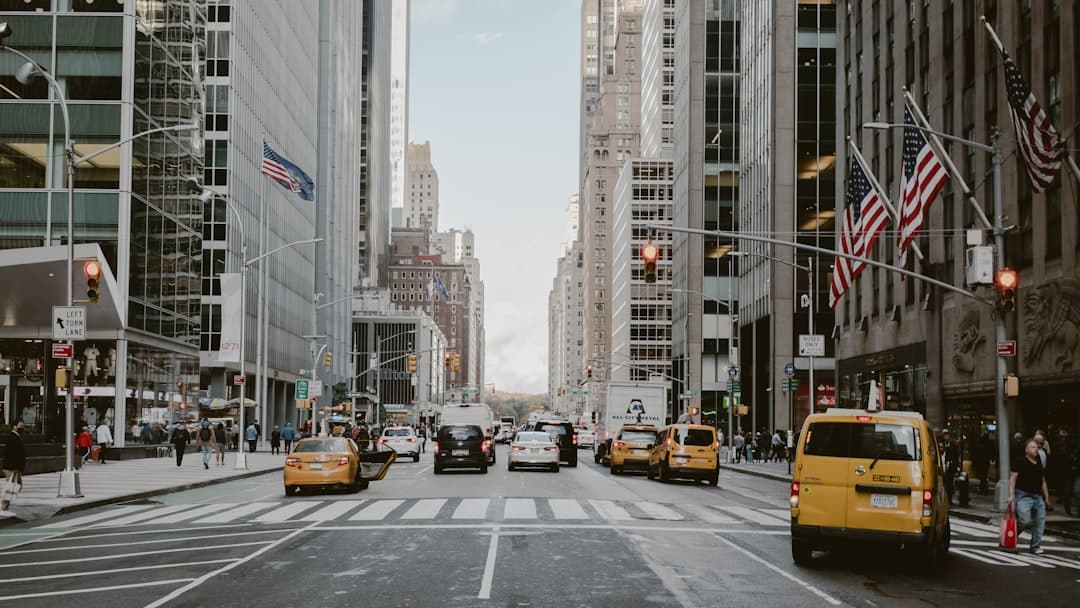
Washington Square Park is a 9.75-acre public square in the heart of Greenwich Village, one of New York City's most storied and culturally rich neighborhoods. It sits at the foot of Fifth Avenue, anchored by a triumphal marble arch built in 1892 to commemorate the centennial of George Washington's inauguration. The park has been a gathering place for artists, activists, students, and everyday New Yorkers for well over a century — it's where the Beat Generation rubbed shoulders with folk singers, where Bob Dylan played early shows, and where protesters have gathered for causes ranging from civil rights to Vietnam to recent social justice movements. NYU surrounds it on multiple sides, giving it a perpetual campus energy that somehow coexists with everything else. On any given visit you'll find the central fountain — a popular summer hangout where people wade in defiance of posted signs — ringed by a rotating cast of chess players at the park's permanent tables, street musicians of every genre, skateboarders, dog walkers, and people simply sprawled on the grass eating lunch. The arch is the obvious photo stop, but slow down and you'll notice the park's quieter corners: the dog run, the playgrounds, the old men who've been playing chess here for decades. In warmer months the whole place hums with an impromptu street-fair energy that no curated attraction can replicate. The park is free and open late, which makes it unusually accessible. Weekday mornings are calm and almost meditative — good for a quiet sit with coffee. Weekend afternoons are peak chaos in the best sense, especially in spring and summer. The surrounding blocks of MacDougal Street, Bleecker Street, and West 4th are loaded with cafes, bars, and restaurants if you want to extend your visit into the neighborhood. Be aware that the park has seen increased police presence and curfew enforcement in recent years after late-night disturbances became a recurring issue.
Wat Arun
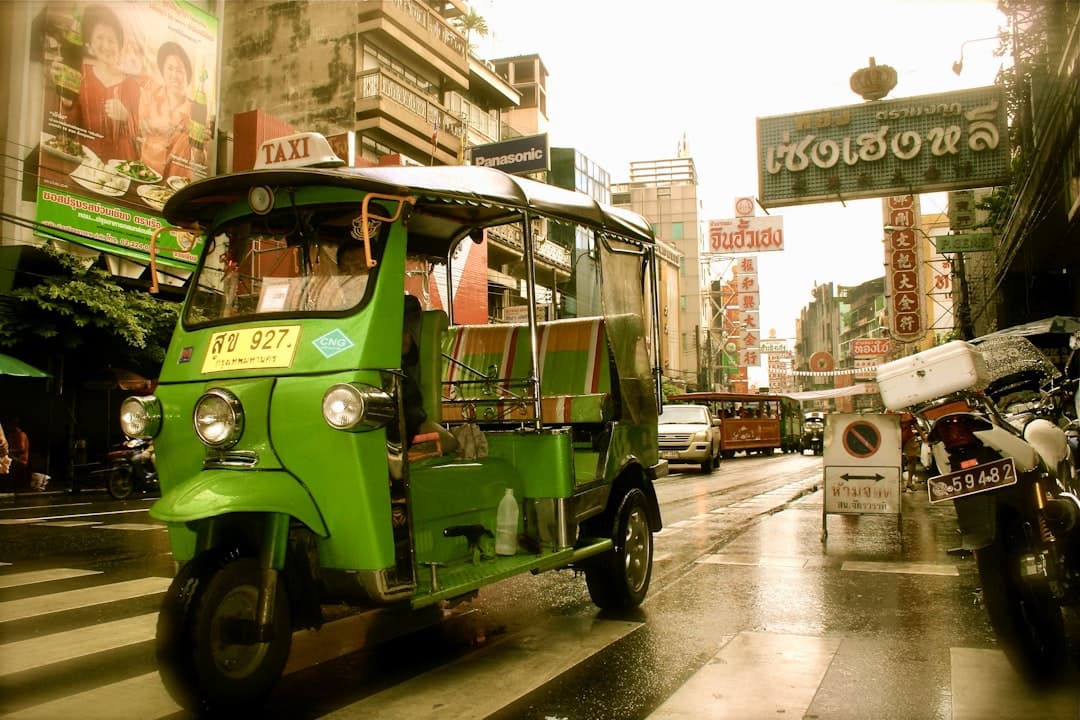
Wat Arun — the Temple of Dawn — is one of Bangkok's most recognizable landmarks, sitting on the west bank of the Chao Phraya River directly opposite Wat Pho. It dates back to the Ayutthaya period and served briefly as the royal temple during the Thonburi era under King Taksin, housing the revered Emerald Buddha before it was moved across the river to Wat Phra Kaew. The central prang (spire) stands around 70 meters tall and is covered in an intricate mosaic of colorful Chinese porcelain fragments — a technique that gives the temple an almost otherworldly shimmer in the sunlight. Visiting means climbing the steep, narrow steps of the central prang for a view across the river toward the Grand Palace and Wat Pho — it's a genuine physical challenge and genuinely rewarding. The surrounding complex includes smaller prangs, guardian figures, and a working Buddhist temple with resident monks, so this isn't just a photo stop. In the late afternoon, the sun hits the porcelain at an angle that makes the whole structure glow gold and green; from the opposite bank at dusk, the silhouette against the sky is the image that ends up in every Bangkok travel shot. Wat Arun sits in the Bangkok Yai district on the Thonburi side of the river, which keeps it slightly removed from the busiest tourist corridors. The easiest way to arrive is by cross-river ferry from Tha Tien Pier (Pier N8), a two-minute ride that costs just a few baht. Admission is 100 baht. Go early morning to avoid both the heat and the tour groups, or time a late-afternoon visit and then linger on the pier for sunset before taking the ferry back.
Wat Chalong
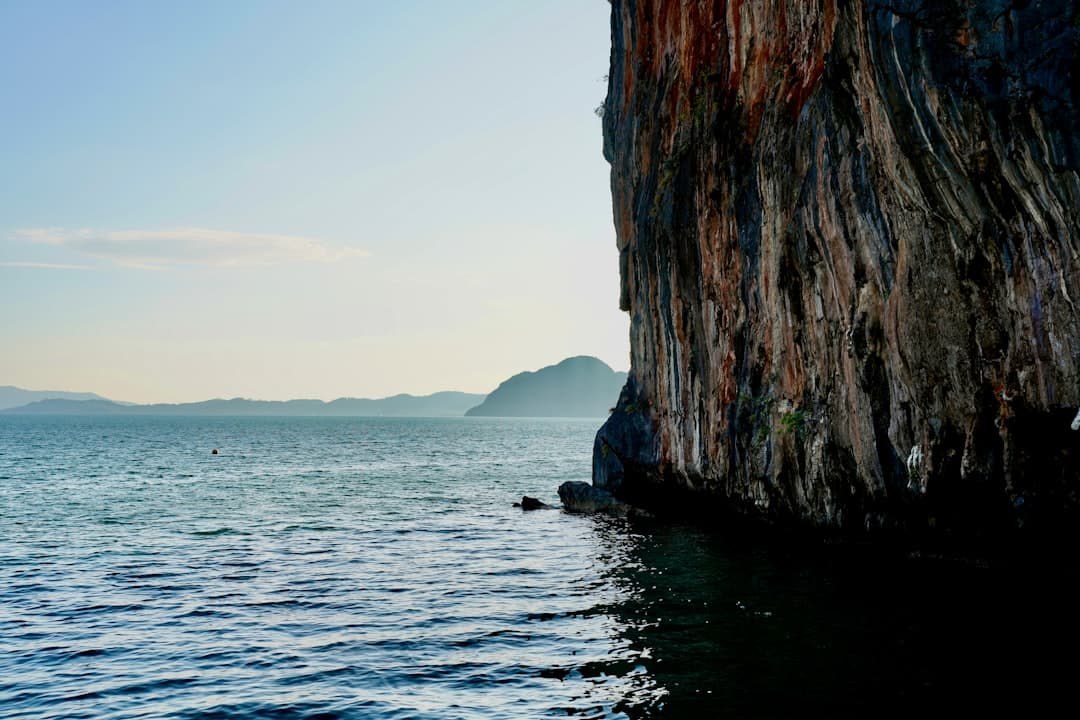
Wat Chalong is the largest and most important Buddhist temple on Phuket island, and for many locals it is a deeply sacred place of pilgrimage rather than a tourist attraction. Built in the early 19th century, the temple complex is dedicated to two revered monks — Luang Pho Chaem and Luang Pho Chuang — who are credited with helping the local population through a violent tin-miner rebellion in 1876. Their statues are enshrined here and remain objects of genuine devotion, with Thais coming from across the island to make offerings and seek blessing. The complex spreads across several ornate buildings, the most striking of which is the Grand Pagoda — a multi-tiered white and gold structure completed in 2001 that supposedly contains a fragment of the Buddha's bone. You can climb inside the pagoda across multiple floors, each decorated with elaborate murals depicting scenes from the Buddha's life. Outside, the grounds are busy with worshippers lighting incense sticks, releasing caged birds for merit, and setting off firecrackers that echo sharply across the compound. The noise and the smoke and the colour are all part of the experience — this is an active, living temple, not a museum piece. Wat Chalong sits in the south of Phuket, about 8km from Phuket Town, and is an easy stop on the way to or from Rawai and the southern beaches. Entry is free. The dress code is strictly enforced — sarongs are available to borrow at the entrance if you arrive underprepared. Visit early in the morning if you want some quiet; by mid-morning tour buses arrive in numbers. The temple is especially atmospheric during Chinese New Year and Buddhist holidays, when the firecrackers become near-constant and the compound fills with smoke and ceremony.
Wat Chedi Luang
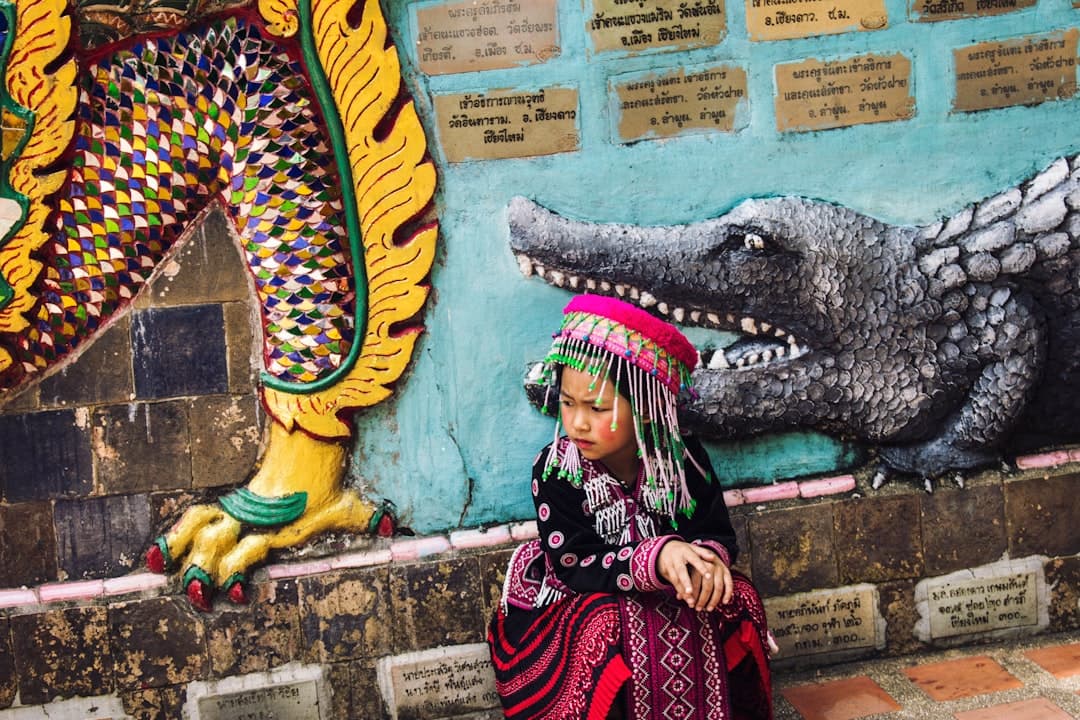
Wat Chedi Luang is one of the most historically significant temples in northern Thailand. Built in the 1300s and expanded to its greatest height in the 15th century, its massive central chedi — a tiered, Lanna-style tower — once stood nearly 90 metres tall and housed the Emerald Buddha, Thailand's most sacred religious icon, before it was moved to Bangkok. An earthquake in 1545 toppled the upper section, and what remains today is a dramatically ruined spire, roughly 60 metres high, covered in moss and nagas, surrounded by smaller shrines and sacred fig trees. It sits in the heart of Chiang Mai's Old City, making it an easy and essential stop. You approach through a compound that feels genuinely alive — monks go about their routines, incense drifts from side shrines, and a replica of the Emerald Buddha (placed here in 1995 at the request of the Thai king) sits in a niche on the eastern face of the chedi. Wander around the full perimeter of the tower, noting the elephant statues at its base and the worn naga stairways. The compound also contains Viharn Luang, a large ordination hall with a towering gilded Buddha, and several smaller chapels worth stepping into. On Monday, Wednesday, and Friday evenings, the temple runs a popular monk chat program where visitors can sit with resident monks for conversation — genuinely one of the better cross-cultural exchanges you'll find anywhere in Southeast Asia. Entrance requires a small fee (typically 40 baht for foreigners). The temple is at its best in the early morning when light hits the chedi and crowds are thin, or at dusk when the tower is softly lit. The surrounding Prapokklao Road area is very walkable, with the Saturday Walking Street nearby and the old city moat just a short stroll away. Dress modestly — shoulders and knees covered — or sarongs are usually available to borrow at the entrance.
Wat Pho
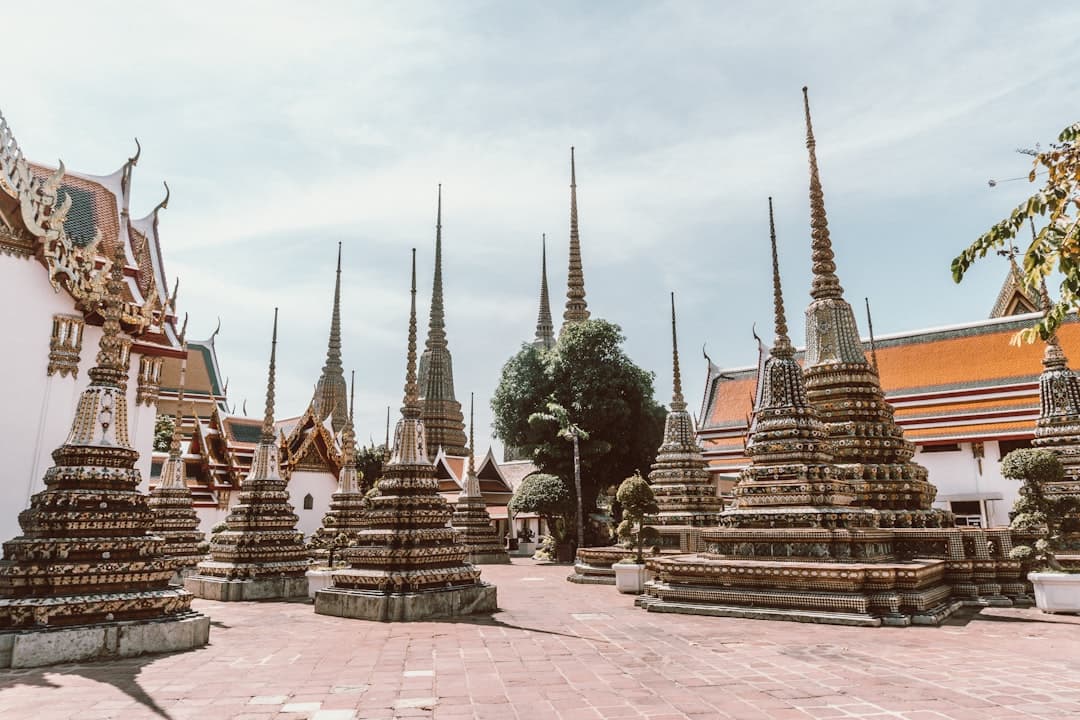
Wat Pho is one of Bangkok's oldest and largest temple complexes, predating the city itself — it was expanded and renovated by Rama I in the late 18th century and has been a centre of Thai learning ever since. It's formally known as Wat Phra Chetuphon, but everyone calls it Wat Pho. More than a religious site, it was designated Thailand's first public university, and its walls are still covered in inscribed stone tablets containing traditional knowledge on subjects from medicine to literature. For first-time visitors to Bangkok, this is about as essential as it gets. The undisputed centrepiece is the Reclining Buddha — a gilded statue 46 metres long and 15 metres high, housed in its own viharn (hall). It's genuinely jaw-dropping up close, partly because the space is barely big enough to contain it. The soles of the feet alone are three metres high and inlaid with 108 mother-of-pearl panels depicting the auspicious characteristics of the Buddha. Beyond that, the complex contains over a thousand Buddha images and 91 chedis (stupas) spread across a sprawling compound you could easily wander for two hours. The on-site traditional massage school is also the real deal — Wat Pho is considered the spiritual home of Thai massage, and getting a massage in the open-air pavilions here is one of those experiences you won't find replicated anywhere else. Wat Pho sits just south of the Grand Palace and shares the same riverside pocket of Rattanakosin Island, so most visitors combine both in one day. The temple opens early, and arriving at 8am before the tour groups descend makes an enormous difference. Entry costs 200 baht and includes a free bottle of water. The massage pavilions operate separately and book up — pop in early to secure a slot if you want one. There are food carts and small eateries just outside the main gates, and the Tha Tien pier is a two-minute walk away for a ferry across to Wat Arun.
Wat Phra Singh
Wat Phra Singh is the grandest and most spiritually significant Buddhist temple in Chiang Mai, sitting at the western end of the old city's historic core. Founded in 1345 by King Phayu to house the ashes of his father, it has grown over centuries into a sprawling complex of gilded chedis, ornate worship halls, and monks' quarters — the kind of place that makes you stop and just absorb the weight of history. Its centrepiece is the Phra Singh Buddha image, a revered lion-pose statue that draws Thai pilgrims from across the country, particularly during the Songkran festival in April when the image is paraded through the city streets. Walking through the complex, you move between several distinct buildings, each worth pausing at. The Viharn Lai Kham, a smaller pavilion to the side, is the real highlight for art lovers — its interior walls are covered in exquisite 19th-century murals depicting scenes from the Jataka tales and everyday Lanna life, offering one of the finest examples of traditional northern Thai painting anywhere. The main ubosot and its towering gilded chedi are photogenic in that unforced way where you barely need to frame a shot. Monks go about their routines here throughout the day, and the temple genuinely functions as an active place of worship rather than a purely tourist attraction. Because it sits right in the old city near Tha Phae Gate and the Saturday Walking Street area, Wat Phra Singh is easy to combine with a morning wander through the moat district. Come early — the light is better, the crowds are thinner, and you might catch monks chanting in the main hall. There's a modest entry fee for foreigners (around 50 baht), and sarongs are available to borrow at the entrance if you arrive underprepared. Sundays are busier and the gates stay open later to accommodate evening merit-making.
Waterbom Bali
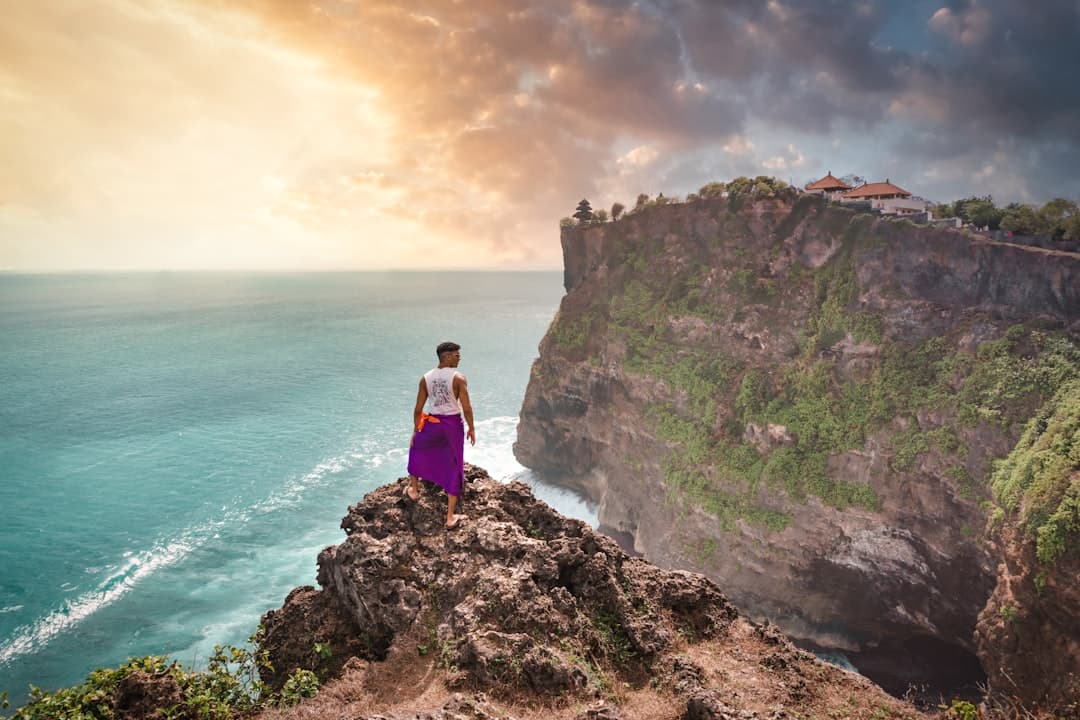
Waterbom Bali is a sprawling, tropical water park in the heart of Kuta, consistently rated one of the top water parks in Asia by TripAdvisor and travel publications for over two decades. Set across 3.8 hectares of lush gardens, it's not just a collection of slides — it's a genuinely well-designed attraction that takes Bali's aesthetic seriously, with dense greenery, a relaxed vibe, and enough variety to keep everyone from thrill-seekers to small kids engaged for a full day. For families in particular, it punches well above the average resort pool experience. The rides are the main draw, and they range from the Climax — a near-vertical, enclosed speed slide that regularly gets called out as one of the most intense in Southeast Asia — to gentler family tubes, a lazy river called the Python, and a dedicated Funtastic zone for younger children. There are also racing slides, a multi-person raft ride, and a surf simulator. Between slides, you can float around the lazy river, lounge in the gardens, or grab food at one of several on-site spots. The water quality is well maintained, and the queues, while they exist at peak times, are generally shorter than what you'd encounter at comparable parks in Europe or the US. Waterbom sits right in Kuta, within easy reach of most southern Bali hotels, and is walkable from several large resort areas. A full-day ticket gets you access to everything, and the park operates a cashless wristband system so you're not fumbling for your wallet between rides. Arrive early — the park opens at 9am — to beat the midday crowds that build up on weekends and during school holidays. Lockers are available at the entrance and are worth renting. The food on-site is decent by theme-park standards, but you won't regret having a proper meal nearby once you're done.
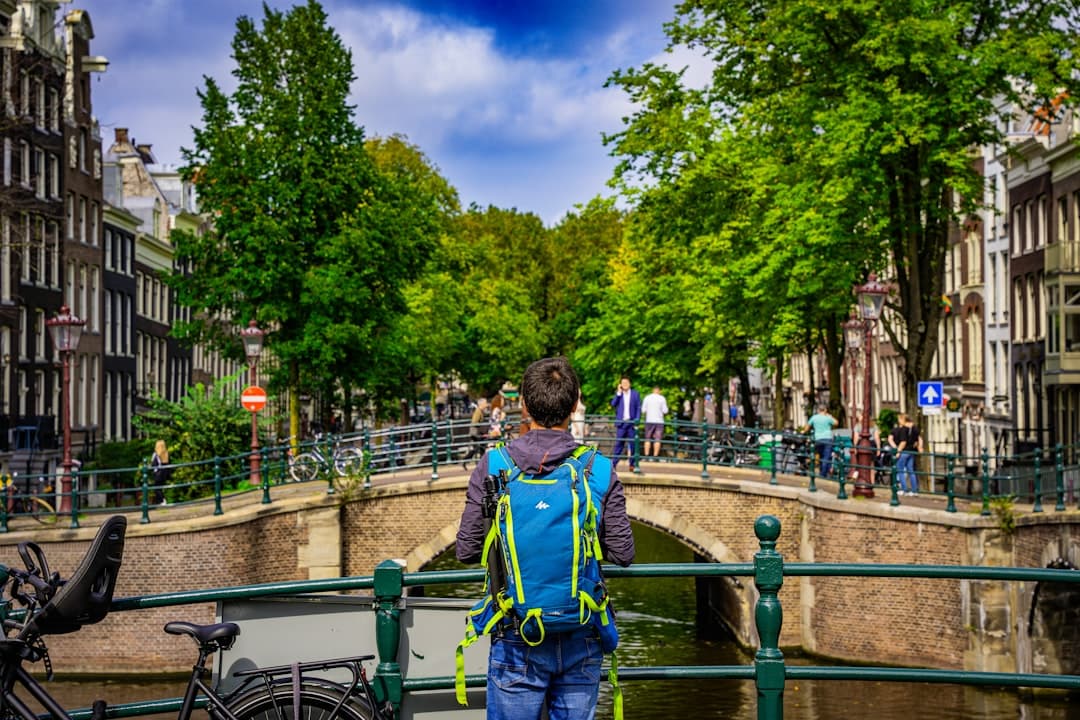
Waterlooplein Flea Market
Waterlooplein Flea Market has been a fixture of Amsterdam life since the late 19th century, when it emerged as the trading hub of the city's Jewish Quarter. It survived the devastation of World War II — which all but erased the community that built it — and eventually found a permanent home in the square beside the Stopera, the combined city hall and opera house that was controversially built here in the 1980s. Today around 300 stalls fill the square on weekdays and Saturdays, making it one of the largest and most storied open-air markets in the Netherlands. The range of what's on offer is genuinely wild. You'll find racks of secondhand leather jackets and army surplus gear alongside stalls selling vinyl records, old Dutch tiles, Soviet-era military badges, bicycle parts, books in a dozen languages, handmade jewellery, and enough bric-a-brac to furnish a small eccentric home. Some vendors are serious dealers with a sharp eye for value; others are clearly just clearing out a garage. That mix is exactly what makes browsing here so addictive — you never quite know what's around the next stall. Waterlooplein sits in the heart of the old Jewish Quarter, a short walk from the Jewish Historical Museum, the Portuguese Synagogue, and the Hermitage Amsterdam site. Metro and tram connections make it easy to reach. Arrive early on a weekday morning for the best selection and the most relaxed atmosphere — weekends draw bigger crowds, and by mid-afternoon the best finds are long gone. Bring cash, as many vendors don't accept cards, and don't be shy about negotiating.
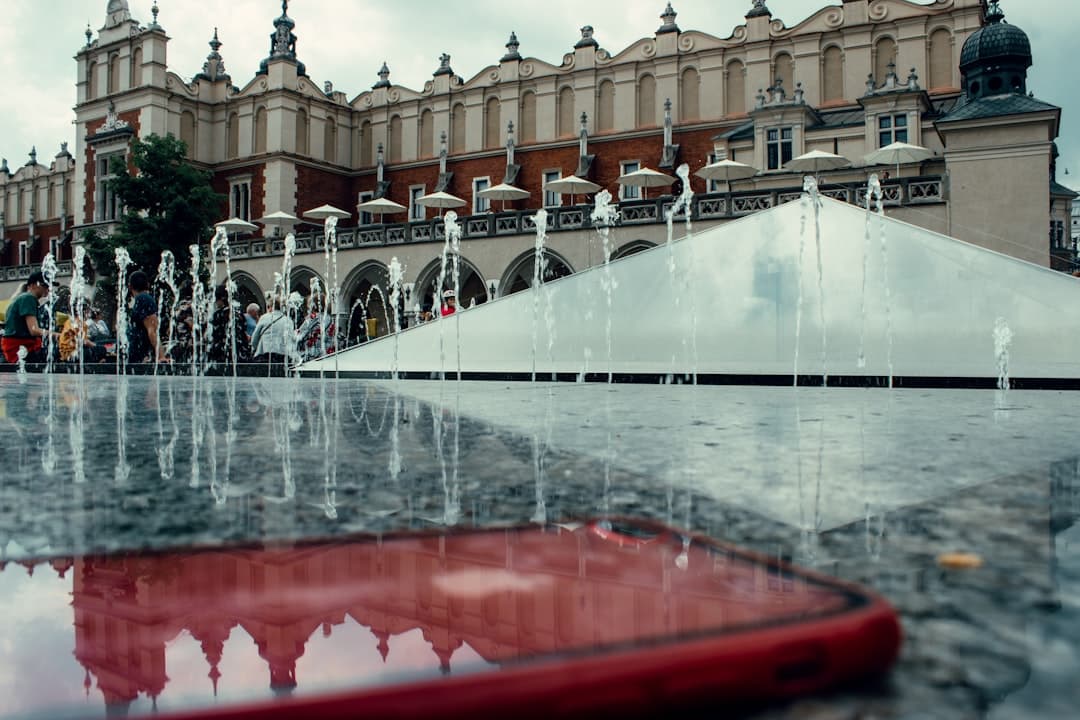
Wawel Castle
Wawel Castle sits on a limestone hill above the Vistula River and served as the seat of Polish kings for five centuries. It's not just a castle — it's the symbolic and spiritual core of Poland, home to the royal cathedral where Polish monarchs were crowned and buried, and a complex of Renaissance and Gothic buildings that survived wars, invasions, and partitions that erased much of Central Europe's architectural heritage. For Poles, this place carries the weight that Westminster Abbey and Buckingham Palace combined carry for the British. Visiting Wawel means choosing from several separate ticketed exhibitions spread across the castle complex. The State Rooms show off the reconstructed royal apartments with their extraordinary collection of Flemish tapestries — over 140 of them, commissioned by King Sigismund Augustus in the 16th century and among the finest in the world. The Royal Private Apartments go deeper into the living quarters. The Cathedral, technically free to enter but with a small charge for the royal tombs and Sigismund Bell tower, is unmissable — it's where Karol Wojtyła served as archbishop before becoming Pope John Paul II, and where the crypt holds the remains of kings, queens, and national heroes including Tadeusz Kościuszko and Adam Mickiewicz. There's also an exhibition dedicated to Leonardo da Vinci's Lady with an Ermine, which is housed in Krakow and occasionally displayed at Wawel. Book tickets in advance, especially for the State Rooms — daily visitor numbers are capped and they sell out fast in summer. The Cathedral is the most emotionally resonant stop and worth at least an hour on its own. Come early in the morning to beat the tour groups, and don't skip the courtyard even if you skip the paid exhibitions — the arcaded Renaissance courtyard is one of the most beautiful in Central Europe and you can see it just by walking up the hill.
Wenceslas Square
Wenceslas Square isn't a square at all — it's a broad, gently sloping boulevard stretching 750 metres through the heart of Prague's Nové Město district. Named after Bohemia's patron saint, whose equestrian statue anchors the upper end, it has been the stage for some of the most dramatic moments in Czech history: the declaration of Czechoslovak independence in 1918, the Nazi occupation, the Prague Spring of 1968, and the Velvet Revolution of 1989, when hundreds of thousands of Czechs gathered here to peacefully end communist rule. The square carries that weight visibly — this is not a prettified tourist set piece but a living place with genuine historical gravity. Visiting is a mostly outdoor experience of walking its length, taking in the statue of Saint Wenceslas, and exploring the grand buildings that line both sides. The National Museum anchors the upper end with its neo-Renaissance dome — it reopened after extensive renovation in 2018 and is very much worth going inside. The lower end opens toward the Old Town and the rest of central Prague. Along the way you'll find a mix of hotels, cinemas, shops, cafés, and fast food — some elegant, some tacky — which is actually honest to what the square has always been: a commercial and civic space in one. Come to the upper end near the statue in the early morning or evening if you want a quieter moment with the monument and the long view down the boulevard — it's genuinely impressive without the midday crowds. Be aware that the square and its surrounding streets have a well-documented problem with tourist traps, overpriced exchange bureaus (never use them), and shell game operators near the lower end. Stick to bank ATMs for cash and treat any street-level currency exchange with deep suspicion.
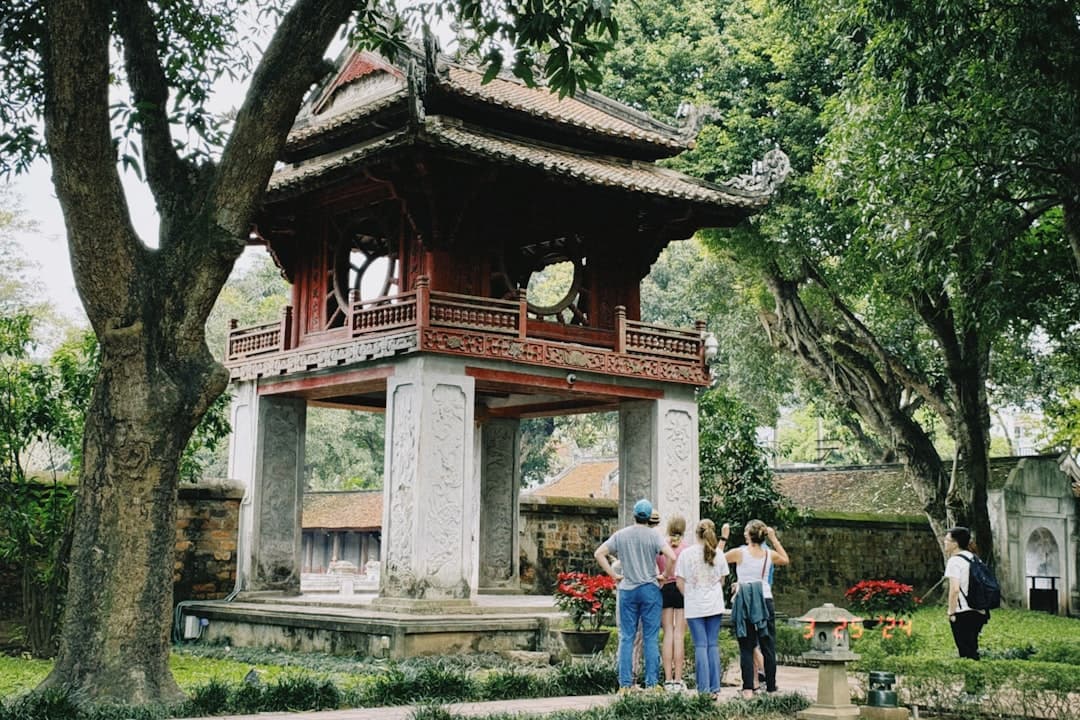
West Lake
West Lake — Hồ Tây in Vietnamese — is the largest lake in Hanoi, stretching about 15 square kilometers in the northern part of the city. It's been central to Hanoi's life for centuries, ringed by ancient pagodas, French-era villas, and more recently a dense belt of cafés, restaurants, and boutique hotels that have made the surrounding Tây Hồ district one of the most pleasant neighborhoods in the capital. Unlike the Old Quarter's tourist-focused bustle, West Lake feels genuinely lived-in — this is where Hanoi's middle class, expats, and diplomatic community have long chosen to settle. The main draw is simply being here: cycling or walking the roughly 17-kilometer perimeter path, watching local fishermen cast lines in the early morning, and stopping at whichever lakeside café catches your eye. Trấn Quốc Pagoda, one of the oldest Buddhist temples in Vietnam sitting on a small peninsula on the southeastern shore, is unmissable — its red-tiered tower reflected in the water is one of Hanoi's most iconic images. The narrow causeway road of Thanh Niên, which splits West Lake from the smaller Trúc Bạch Lake to the east, is lined with flower stalls and is a favorite spot for locals at sunset. Nhật Tân, on the northern shore, is famous for its peach blossom trees that explode in pink during Tết. The best strategy here is to arrive early — ideally before 7am — when the lake path fills with locals doing aerobics, tai chi, and badminton rather than tourists. Rent a bicycle from one of the guesthouses along Xuân Diệu Street, the strip that runs along the eastern shore and is packed with good international restaurants and coffee shops, and just circle the lake at your own pace. Budget a half-day minimum if you want to visit Trấn Quốc, explore the flower market area, and actually sit down for a proper meal.
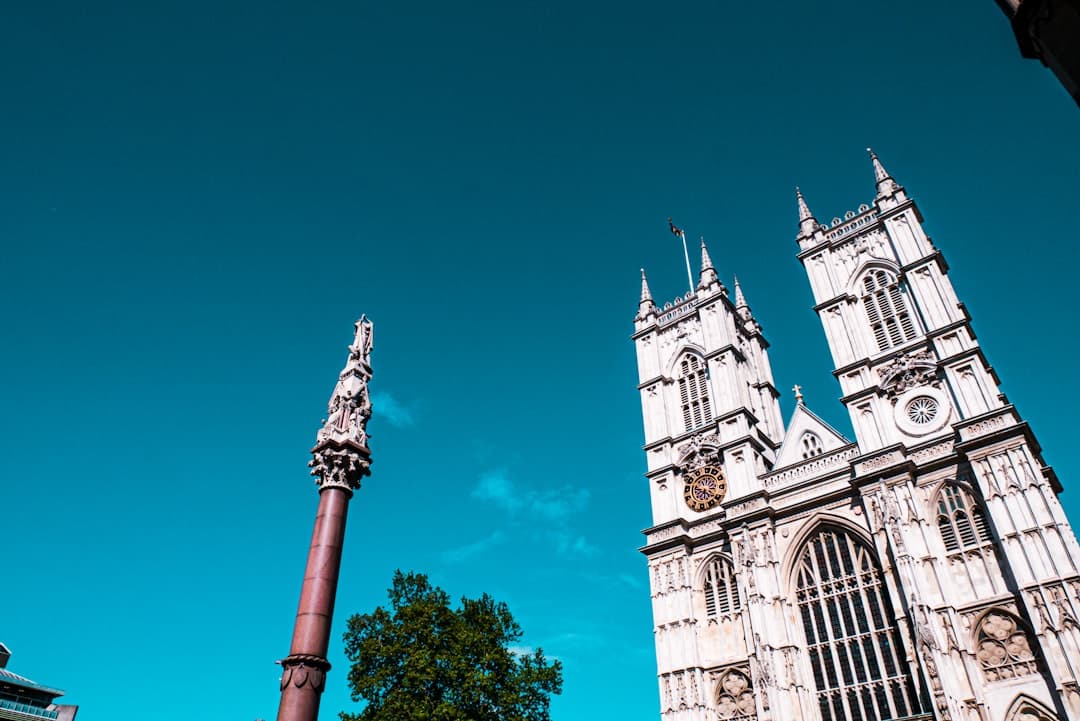
Westminster Abbey
Westminster Abbey is one of the most historically significant buildings in the English-speaking world. Founded as a Benedictine monastery in the 10th century and rebuilt in its current Gothic form by Henry III in the 13th century, it has been the site of every English and British coronation since 1066 — 40 in total — and the final resting place of kings, queens, poets, scientists, and soldiers. If you want to understand who Britain thinks it is and who it wants to remember, this is the place to stand. Inside, the sheer density of history is almost overwhelming. You walk through Poets' Corner, where plaques and tombs honor Chaucer, Dickens, Hardy, and Shakespeare (though Shakespeare is only commemorated here, not buried). You pass the Coronation Chair, used at nearly every coronation since 1308. The medieval cloisters offer a moment of quiet away from the main nave, and the Lady Chapel — formally the Chapel of Henry VII — features fan vaulting so intricate it looks like lace carved in stone. There are also tombs of Elizabeth I and Mary Queen of Scots, buried in the same building despite a famously hostile relationship. The audio guide, narrated by Jeremy Irons, is genuinely one of the better ones in London. Westminster Abbey is an active working church, not just a museum, which affects how and when you can visit. Sunday services are free and open to the public, and attending one is a genuinely moving experience — the choir is world-class. On regular visiting days, entry is ticketed and the lines can be long if you arrive without a booking. The Abbey is closed to tourists on Sundays during services, so plan accordingly. Come early on a weekday to beat the school groups and tour buses.
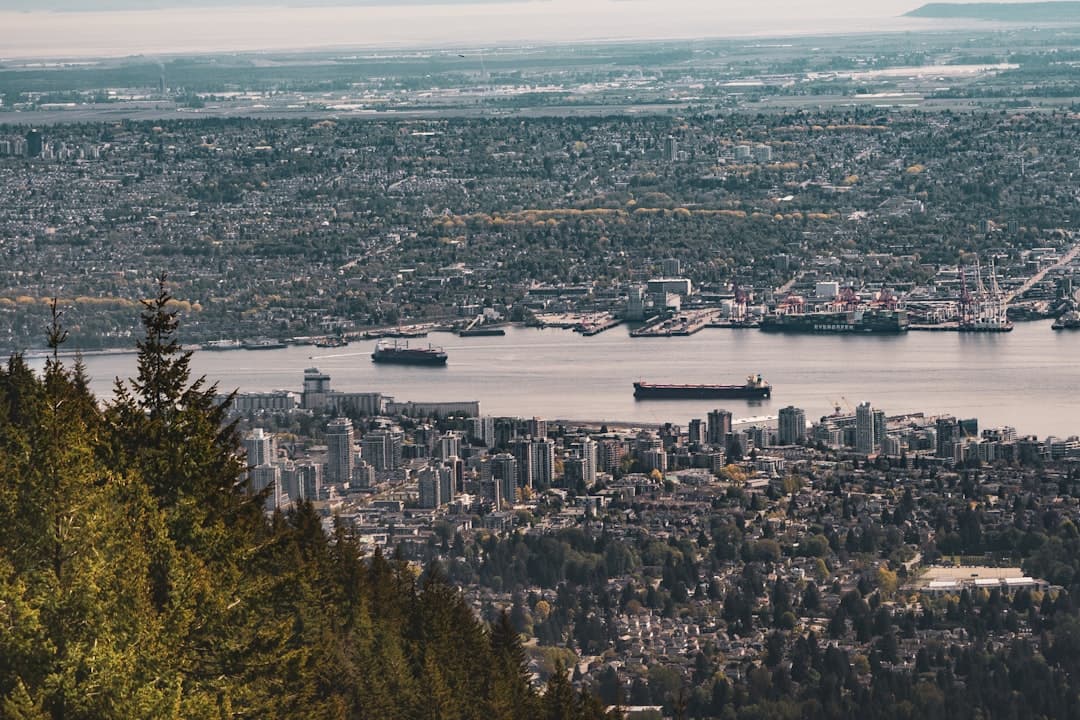
Whistler
Whistler is a purpose-built mountain resort town about 125 kilometres north of Vancouver along the Sea-to-Sky Highway, and it's one of the most celebrated ski destinations in North America. Developed significantly around the 1968 Olympics bid and then transformed by the 2010 Winter Olympics, it sits at the base of two connected peaks — Whistler Mountain and Blackcomb Mountain — giving it one of the largest skiable areas on the continent. But Whistler isn't just a winter destination. The village hums year-round with mountain bikers, hikers, festival-goers, and people who simply want to eat and drink well in an extraordinary alpine setting. In winter, the skiing and snowboarding are the main draw: over 8,000 acres of terrain, more than 200 marked runs, and reliable snow from roughly November through April. The Peak 2 Peak Gondola — a record-setting cable car linking the two mountains — is worth riding just for the views even if you never put on skis. In summer, Whistler flips into a mountain biking mecca; the Whistler Mountain Bike Park is considered among the best in the world, with trails ranging from gentle flow tracks to terrifying double blacks. Hikers have access to alpine meadows, turquoise lakes like Alta Lake and Green Lake, and the high-alpine trails around Flute and Piccolo summits. The pedestrian-only Whistler Village itself is lively and walkable, lined with restaurants, bars, and boutiques. Whistler is a full-day commitment at minimum — most people stay overnight or for several days. Drive up early to beat weekend traffic from Vancouver, which can back up badly on Friday afternoons and Sunday evenings. Lift tickets and bike park passes should be purchased in advance online, especially during peak season. If you're not skiing or biking, the village is still very enjoyable for a day of eating, gondola rides, and lakeside walks — just don't expect a quiet off-the-beaten-path experience. This is a well-oiled resort town, and it knows it.