
Walled City
Cartagena / Walled City

Walled City

A 400-year-old fortified city you can walk around in an afternoon.

🛍️ Shopping🎶 Nightlife🏛️ Sights & Landmarks🍽️ Food & Drink🎯 Activities & Experiences🏘️ Neighborhoods
🧗 Adventurous🍽 Foodie🎭 Cultural🌹 Romantic

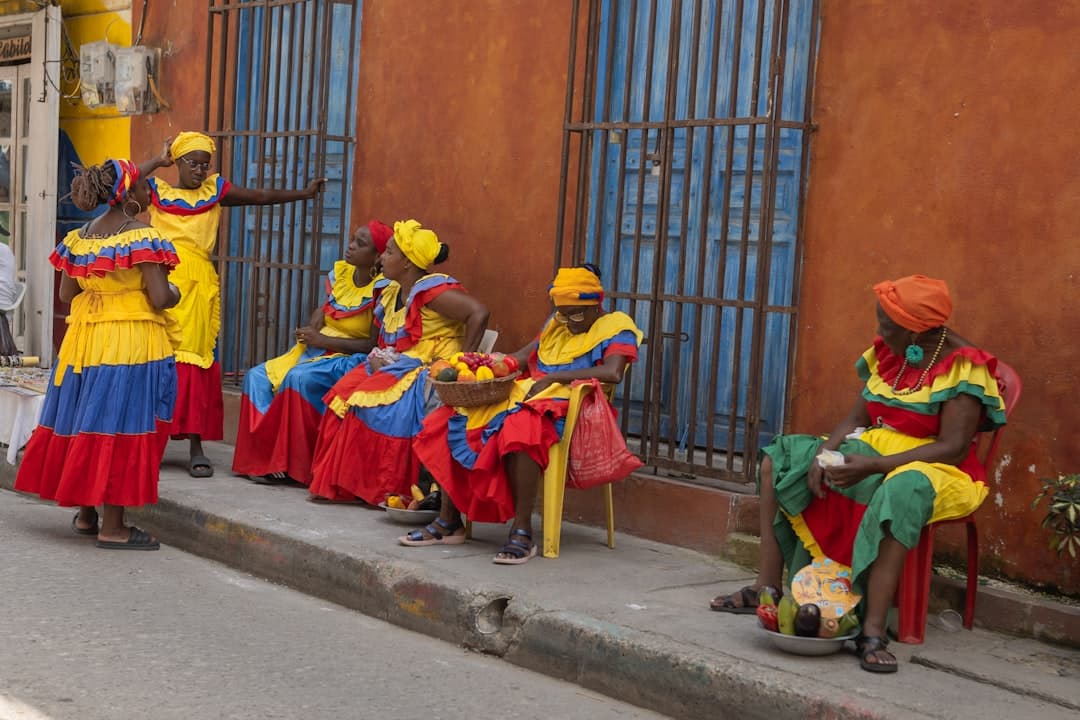
Cartagena's Walled City — known locally as the Ciudad Amurallada — is a UNESCO World Heritage Site and one of the best-preserved colonial fortifications in the Americas. Built by the Spanish beginning in the late 16th century to protect one of their most valuable ports from pirates and rival empires, the walls and bastions you walk today are largely intact. The city they enclose is a living neighborhood, not a museum piece — people actually live here, businesses operate, and the streets pulse with noise and color at all hours.

Walking the Walled City means wandering a dense grid of narrow streets lined with mansions painted in ochre, coral, and turquoise, their balconies overflowing with bougainvillea. The city divides into three distinct barrios: El Centro, the busiest and most commercial; San Diego, quieter and more residential with good restaurants and boutique hotels; and Getsemaní, just outside the walls but spiritually part of the same story — the historically working-class neighborhood that has become Cartagena's most interesting place to eat and drink. You can walk the top of the walls themselves, particularly the stretch near the Baluarte de Santo Domingo, and the views over the Caribbean are genuinely spectacular at sunset.

The address given is near the Serrezuela entertainment complex and the San Diego gate, which is a good entry point if you're coming from the north. The entire perimeter wall is about 11 kilometers long, though most visitors focus on a smaller circuit. Mornings are cooler and calmer; by midday the heat is serious and the tour groups are thick. Come back in the evening — the whole city transforms after dark, with street food vendors, live music drifting out of doorways, and the walls lit up gold.

Local Tips

  1. 1

    Getsemaní, just outside the walls through the Puerta del Reloj, has better and cheaper food than most places inside the walls — Plaza Trinidad is the neighborhood's living room and a great spot to eat alongside locals.

  2. 2

    If someone approaches you on the street offering to be your guide, agree on a price upfront or decline entirely — unsolicited 'guides' are common and disputes over payment are a classic scam.

  3. 3

    The wall walk near Baluarte de San Francisco Javier and around toward the Café del Mar stretch is the most scenic — go at sunset and get there 30 minutes early to claim a spot.

  4. 4

    Taxis within and around the Walled City are unmetered — always agree on a fare before you get in. A typical short trip shouldn't cost more than a few thousand pesos.

When to Go

Best times
December–March

Peak dry season — lower humidity, reliable sunshine, and the most festive atmosphere. Also the most crowded and expensive time to visit.

April–May & October–November

Shoulder season brings fewer tourists and lower prices, though afternoon downpours are common. Mornings are usually clear.

Sunset daily

The hour before dark is when the city is at its most beautiful — golden light on the colored facades, the walls glowing, street vendors setting up. Don't miss it.

Try to avoid
Midday year-round

Heat and humidity between noon and 3pm can be brutal — plan indoor lunches, museum visits, or a long siesta, and save street walking for morning and evening.

Why Visit

01

The walls, fortresses, and colonial architecture are remarkably intact — this is what 16th-century Spanish urban planning actually looked like, still standing.

02

The city is alive with restaurants, bars, and street life at every hour — this is not a roped-off historical zone, it's a real neighborhood you can eat and drink your way through.

03

Sunset from the top of the old walls, with the Caribbean glowing orange behind the fortress of San Felipe in the distance, is one of the great urban views in Latin America.