
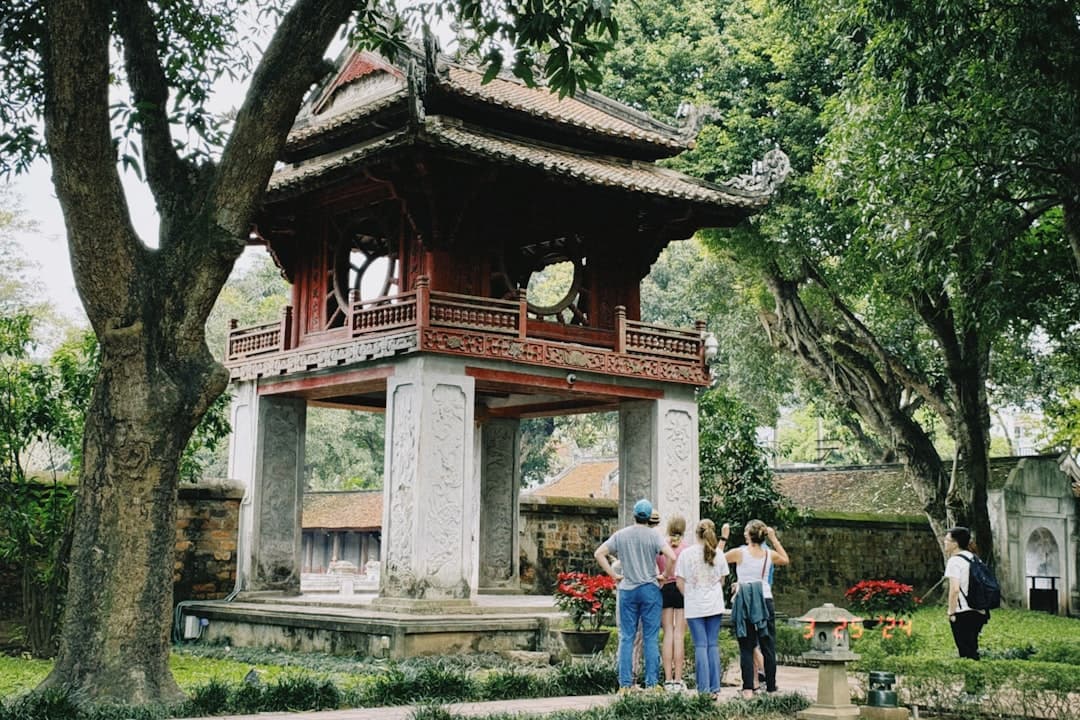
West Lake
Hanoi / West Lake

West Lake

Hanoi's vast urban lake where locals actually live their daily lives.

🏛️ Sights & Landmarks🌿 Nature & Outdoors🍽️ Food & Drink🏘️ Neighborhoods
🌿 Relaxing🎭 Cultural🌹 Romantic

West Lake — Hồ Tây in Vietnamese — is the largest lake in Hanoi, stretching about 15 square kilometers in the northern part of the city. It's been central to Hanoi's life for centuries, ringed by ancient pagodas, French-era villas, and more recently a dense belt of cafés, restaurants, and boutique hotels that have made the surrounding Tây Hồ district one of the most pleasant neighborhoods in the capital. Unlike the Old Quarter's tourist-focused bustle, West Lake feels genuinely lived-in — this is where Hanoi's middle class, expats, and diplomatic community have long chosen to settle.

The main draw is simply being here: cycling or walking the roughly 17-kilometer perimeter path, watching local fishermen cast lines in the early morning, and stopping at whichever lakeside café catches your eye. Trấn Quốc Pagoda, one of the oldest Buddhist temples in Vietnam sitting on a small peninsula on the southeastern shore, is unmissable — its red-tiered tower reflected in the water is one of Hanoi's most iconic images. The narrow causeway road of Thanh Niên, which splits West Lake from the smaller Trúc Bạch Lake to the east, is lined with flower stalls and is a favorite spot for locals at sunset. Nhật Tân, on the northern shore, is famous for its peach blossom trees that explode in pink during Tết.

The best strategy here is to arrive early — ideally before 7am — when the lake path fills with locals doing aerobics, tai chi, and badminton rather than tourists. Rent a bicycle from one of the guesthouses along Xuân Diệu Street, the strip that runs along the eastern shore and is packed with good international restaurants and coffee shops, and just circle the lake at your own pace. Budget a half-day minimum if you want to visit Trấn Quốc, explore the flower market area, and actually sit down for a proper meal.

Local Tips

  1. 1

    Rent a bicycle from guesthouses along Xuân Diệu Street rather than the main tourist rental shops — you'll pay less and get a better bike for circling the full perimeter.

  2. 2

    The flower market at the intersection near Thanh Niên causeway is most active very early in the morning when wholesale buyers come in — it's worth seeing even if you're not buying.

  3. 3

    Bún ốc — a tangy snail noodle soup — is the traditional West Lake dish. Look for small local shops near the market end of the lake rather than the restaurant strip on Xuân Diệu.

  4. 4

    Trấn Quốc Pagoda is free to enter but gets very busy with tour groups mid-morning; arrive before 9am or after 4pm for a genuinely peaceful visit.

When to Go

Best times
Early morning (6–8am)

The lake comes alive with locals exercising, vendors selling breakfast, and light fog over the water — this is when it's most atmospheric and least crowded with tourists.

Tết (late Jan–Feb)

The Nhật Tân peach blossom gardens on the northern shore are in full bloom and the area is festive and beautiful, though busy with Vietnamese families.

October–November

Hanoi's best weather — cooler, drier, clear skies. The lake is at its most inviting and cycling the perimeter is comfortable all day.

Try to avoid
July–August

Peak summer heat and humidity combined with heavy afternoon rain showers can make a full lakeside walk genuinely unpleasant. Mornings are still manageable.

Why Visit

01

Trấn Quốc Pagoda — one of Vietnam's oldest Buddhist temples — sits on a lake peninsula and is genuinely stunning at golden hour

02

It's the rare Hanoi attraction where you see how the city actually lives, not a curated tourist version of it

03

The lakeside café and restaurant scene on Xuân Diệu Street is excellent, with everything from Vietnamese street food to proper international dining