
Vittoriano
Rome / Vittoriano

Vittoriano

Rome's most theatrical monument, with rooftop views that earn the climb.

🏛️ Sights & Landmarks🎭 Arts & Entertainment
👨‍👩‍👧 Family-friendly🎭 Cultural🌹 Romantic

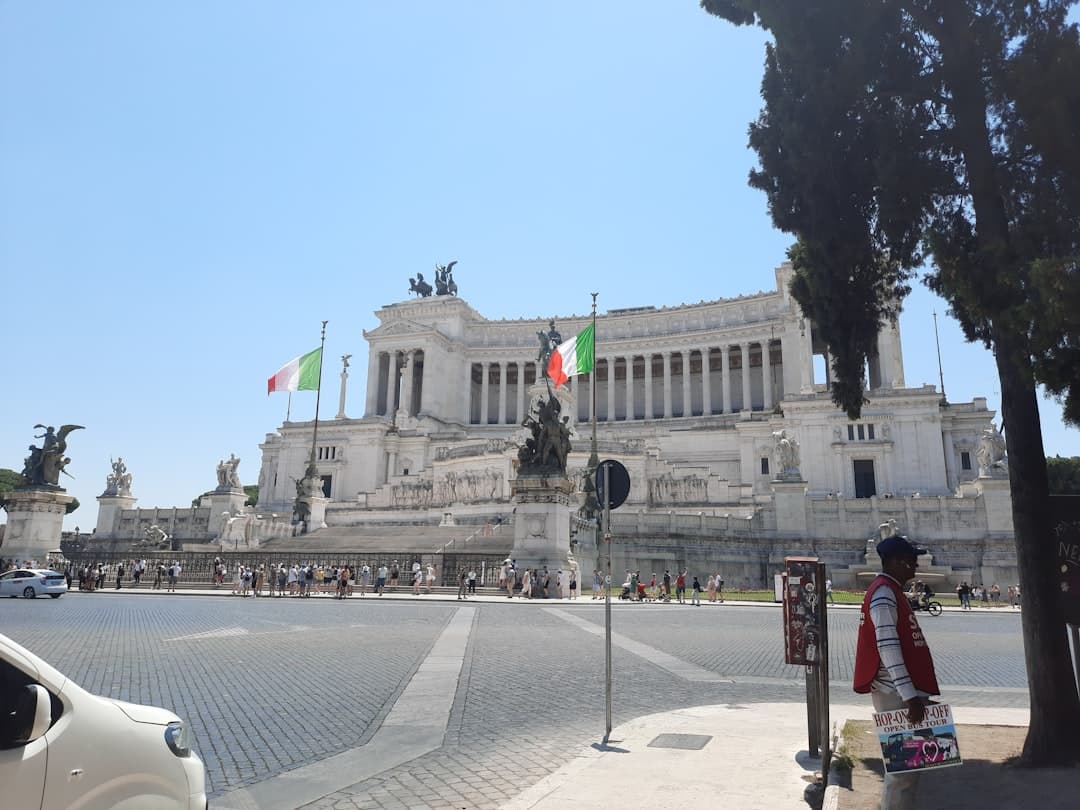
The Vittoriano — officially the Altare della Patria, or Altar of the Fatherland — is the colossal white marble monument dominating Piazza Venezia at the heart of Rome. Built between 1885 and 1935 to honor Italy's first king, Vittorio Emanuele II, and the unification of the Italian state, it was controversial from the start: an entire medieval hilltop neighborhood was demolished to make way for it, and Romans have never quite forgiven it. They call it the 'wedding cake' or the 'typewriter,' and for decades it was fashionably dismissed. But the mockery has softened into something closer to grudging affection, and visitors almost universally love it.

Inside, the monument houses the Tomb of the Unknown Soldier — guarded around the clock and genuinely moving — along with the Museo Centrale del Risorgimento, which tells the story of Italian unification through documents, paintings, and artifacts. The real draws, though, are the views. The monument is free to enter and free to climb on foot up through the terraces and colonnades. At the very top, a paid glass elevator — the Ascensore Panoramico — whisks you to the roof for a 360-degree panorama over Rome that is, without exaggeration, one of the finest urban views in Europe. The Forum, the Palatine Hill, the Pantheon, St. Peter's dome: it's all there, spread out like a map of Western civilization.

Because most tourists either don't realize you can go to the top or assume the elevator is overpriced and skip it, the upper terrace is often surprisingly uncrowded even when the piazza below is heaving. The elevator costs a few euros and is absolutely worth it. Come in the late afternoon when the light softens over the rooftops, stay until the city starts to glow, and you'll understand why Romans have come around on the old typewriter.
Local Tips

  1. 1

    The glass elevator to the very top (Ascensore Panoramico) costs a small fee — around €7 — but the view from the roof is significantly better than from the free terraces below. Don't skip it to save money.

  2. 2

    The monument is free to enter and the lower terraces and interior are open without any ticket — useful to know when you just want to escape the chaos of Piazza Venezia.

  3. 3

    Look back at the monument from the base of the Capitoline Hill steps for the classic full-facade view — it's more impressive from a slight distance than up close.

  4. 4

    The Museo Centrale del Risorgimento inside is genuinely interesting if you want context on Italian unification, and it's rarely crowded — a good option if you need a break from the heat or rain.

When to Go

Best times
Late afternoon, year-round

The golden hour light over Rome's rooftops from the top terrace is extraordinary — plan to be up there in the hour before sunset.

November to February

Crowds thin out considerably in winter, the light can be beautiful on clear days, and the monument feels more like yours alone.

Try to avoid
Midday in July and August

The white marble amplifies the heat brutally in high summer. The exposed terraces offer almost no shade and become genuinely uncomfortable.

Easter week and summer weekends

Piazza Venezia becomes one of the most congested spots in Rome during major holidays and peak summer — arrive early or expect long waits at the elevator.

Why Visit

01

The rooftop panorama from the glass elevator is one of the best views in Rome — the Forum, the Capitoline Hill, and the Vatican all visible at once.

02

The monument and its lower terraces are completely free to enter, making it one of central Rome's most generous great landmarks.

03

The Tomb of the Unknown Soldier at its base is a genuinely solemn and historically significant site, guarded 24 hours a day by the Italian military.