Wat Pho
Home to Bangkok's 46-metre Reclining Buddha and the birthplace of Thai massage.
Wat Pho is one of Bangkok's oldest and largest temple complexes, predating the city itself — it was expanded and renovated by Rama I in the late 18th century and has been a centre of Thai learning ever since. It's formally known as Wat Phra Chetuphon, but everyone calls it Wat Pho. More than a religious site, it was designated Thailand's first public university, and its walls are still covered in inscribed stone tablets containing traditional knowledge on subjects from medicine to literature. For first-time visitors to Bangkok, this is about as essential as it gets.
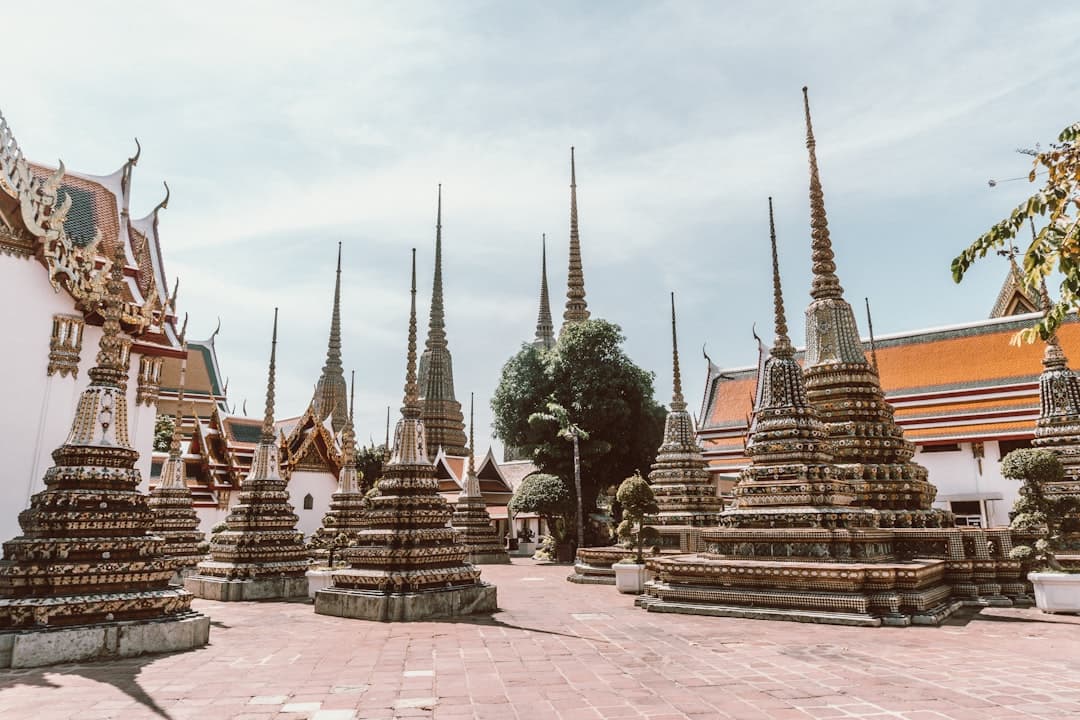
The undisputed centrepiece is the Reclining Buddha — a gilded statue 46 metres long and 15 metres high, housed in its own viharn (hall). It's genuinely jaw-dropping up close, partly because the space is barely big enough to contain it. The soles of the feet alone are three metres high and inlaid with 108 mother-of-pearl panels depicting the auspicious characteristics of the Buddha. Beyond that, the complex contains over a thousand Buddha images and 91 chedis (stupas) spread across a sprawling compound you could easily wander for two hours. The on-site traditional massage school is also the real deal — Wat Pho is considered the spiritual home of Thai massage, and getting a massage in the open-air pavilions here is one of those experiences you won't find replicated anywhere else.
Wat Pho sits just south of the Grand Palace and shares the same riverside pocket of Rattanakosin Island, so most visitors combine both in one day. The temple opens early, and arriving at 8am before the tour groups descend makes an enormous difference. Entry costs 200 baht and includes a free bottle of water. The massage pavilions operate separately and book up — pop in early to secure a slot if you want one. There are food carts and small eateries just outside the main gates, and the Tha Tien pier is a two-minute walk away for a ferry across to Wat Arun.