
Grand Palace
Bangkok / Grand Palace

Grand Palace

Bangkok's glittering royal heart, packed into 218,000 square metres of sacred ground.

🏛️ Sights & Landmarks🎭 Arts & Entertainment
👨‍👩‍👧 Family-friendly🎭 Cultural

The Grand Palace is the most visited site in Thailand and arguably the most spectacular royal complex in Southeast Asia. Built in 1782 by King Rama I when Bangkok became the capital, it served as the official residence of the Thai monarch for 150 years and remains the ceremonial and spiritual centre of the kingdom. Within its high white walls you'll find a city within a city — throne halls, ceremonial pavilions, government offices, and most famously, Wat Phra Kaew, the Temple of the Emerald Buddha, which houses Thailand's most sacred religious image.

Most visitors spend the bulk of their time at Wat Phra Kaew, whose bot (main hall) contains the small but revered Emerald Buddha, carved from a single block of green jade and dressed in seasonal robes changed by the king himself three times a year. Outside, the complex is a riot of colour and detail — gilded chedis, towering demon guardian statues, buildings encrusted with millions of pieces of coloured glass and porcelain, and long mural galleries depicting the Ramakien, Thailand's version of the Hindu Ramayana epic. The Chakri Maha Prasat throne hall is a striking collision of Thai roofing and European neoclassical architecture, commissioned by Rama V after his travels to Europe in the 1870s.

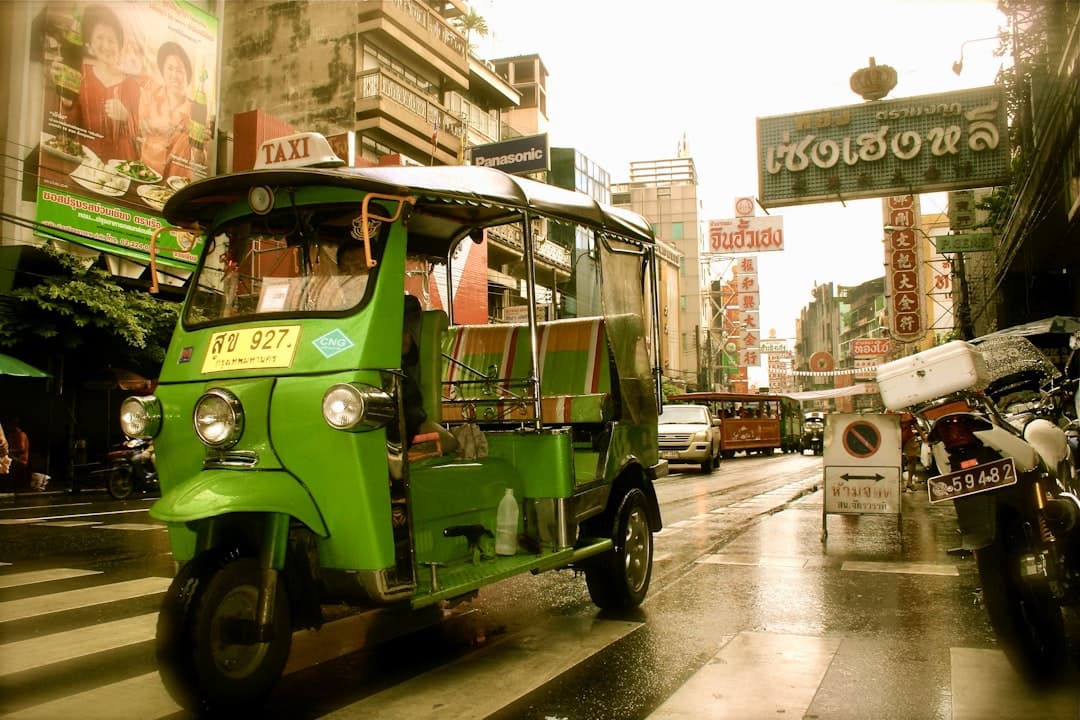
Arrive as early as possible — doors open at 8:30am and the complex gets genuinely overwhelming by mid-morning, especially with tour groups. Buy tickets at the gate (no advance booking needed, no booking system exists), and be prepared for the strict dress code enforced at the entrance. Tuk-tuk drivers who tell you the palace is closed and offer to take you somewhere else are running a well-documented scam — the palace is almost never closed to the public. Audio guides are available for rent inside and are genuinely worth it given the density of things to understand.
Local Tips

  1. 1

    Ignore any tuk-tuk driver or street tout who tells you the Grand Palace is closed today — this is one of Bangkok's most persistent and well-known scams, designed to redirect you to a gem shop or tailor. Walk to the entrance and check yourself.

  2. 2

    The entrance ticket (around 500 baht) includes access to the Dusit Maha Prasat throne hall, Wat Phra Kaew, and the Royal Thai Decorations and Coins Pavilion — use all of it, as the interior exhibits are far less crowded than the main temple complex.

  3. 3

    There are very few good food options inside the palace walls, and the canteen-style café is mediocre. Eat beforehand or plan to head to the riverside restaurants near Tha Chang Pier (Pier N9) immediately after.

  4. 4

    The complex can be reached by Chao Phraya Express Boat to Tha Chang Pier, which is far more enjoyable and often faster than road travel given Bangkok's traffic — it also drops you right at the palace entrance.

When to Go

Best times
November to February

The cool season brings lower humidity and temperatures around 25–30°C, making the extensive outdoor walking far more comfortable. This is peak season though, so expect the largest crowds.

Weekday mornings (8:30–10:00am)

Tour buses typically arrive later in the morning. An early weekday visit gives you significantly less crowded access to Wat Phra Kaew and the throne halls.

Try to avoid
March to May

Hot season pushes temperatures above 35°C and the outdoor complex can feel brutal by mid-morning. If you visit, arrive right at 8:30am before the heat builds.

Why Visit

01

Wat Phra Kaew, the Temple of the Emerald Buddha inside the complex, is the most sacred Buddhist site in Thailand — nowhere else in the country carries this spiritual and royal significance.

02

The sheer visual spectacle is unlike anything else in Bangkok — acres of gold leaf, mirrored mosaic, mythical murals, and towering gilded spires competing for your attention at every turn.

03

It's a living piece of Thai history spanning over 240 years, where royal ceremonies still take place today and where you can trace the evolution of the country from Rama I right through to the present dynasty.