
All Places
1,073 places around the world
1,073 places · page 43 of 45
Umeda Sky Building
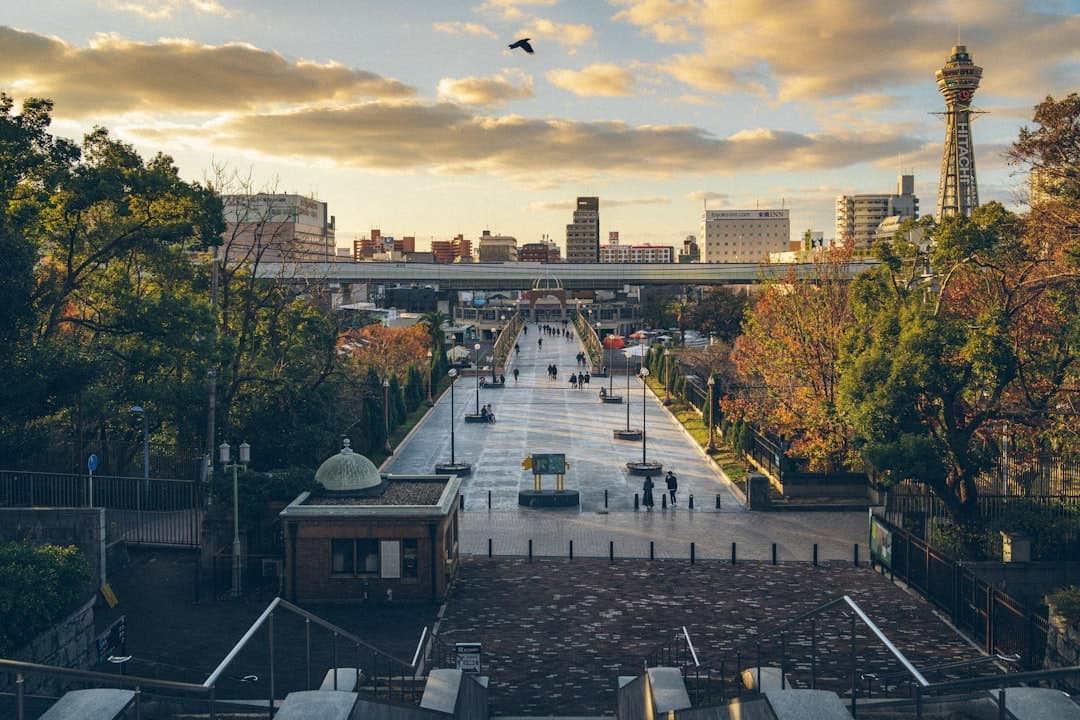
The Umeda Sky Building is one of Osaka's most recognisable pieces of architecture — a pair of 40-storey towers linked at the top by an open-air circular observatory called the Floating Garden Observatory. Completed in 1993 and designed by architect Hiroshi Hara, it was a genuinely bold vision at the time: the two towers are connected by escalators that cross open air near the summit, and the crowning ring offers unobstructed 360-degree views across the city. It sits just northwest of Osaka Station in the Umeda district, making it an easy add-on to any visit to the city's commercial heart. The experience has two distinct parts. Inside, you ride escalators up through the towers and then take a transparent escalator across the void between the buildings — a slightly vertiginous crossing that's become its own attraction. At the top, the Floating Garden Observatory is partly open-air, with a glass-floored section that lets you look straight down to the street below. The views stretch across Osaka's dense urban grid toward the Ikoma and Rokko mountains on clear days, and at night the city lights are genuinely spectacular. There's a rooftop walkway around the full circumference, which is where most people spend the bulk of their time. The basement level houses a recreation of a Showa-era alleyway called Takimi-Koji, with small restaurants serving classic Osaka food — it's touristy but charming and a decent place for ramen or okonomiyaki after your visit. The building is walkable from Osaka/Umeda Station in about 10 minutes, though the route through the surrounding construction and pedestrian underpasses can be confusing the first time. Sunset visits are particularly good here — arrive about 30–40 minutes before dusk to catch both the daylight panorama and the city as it lights up.
United Nations Square
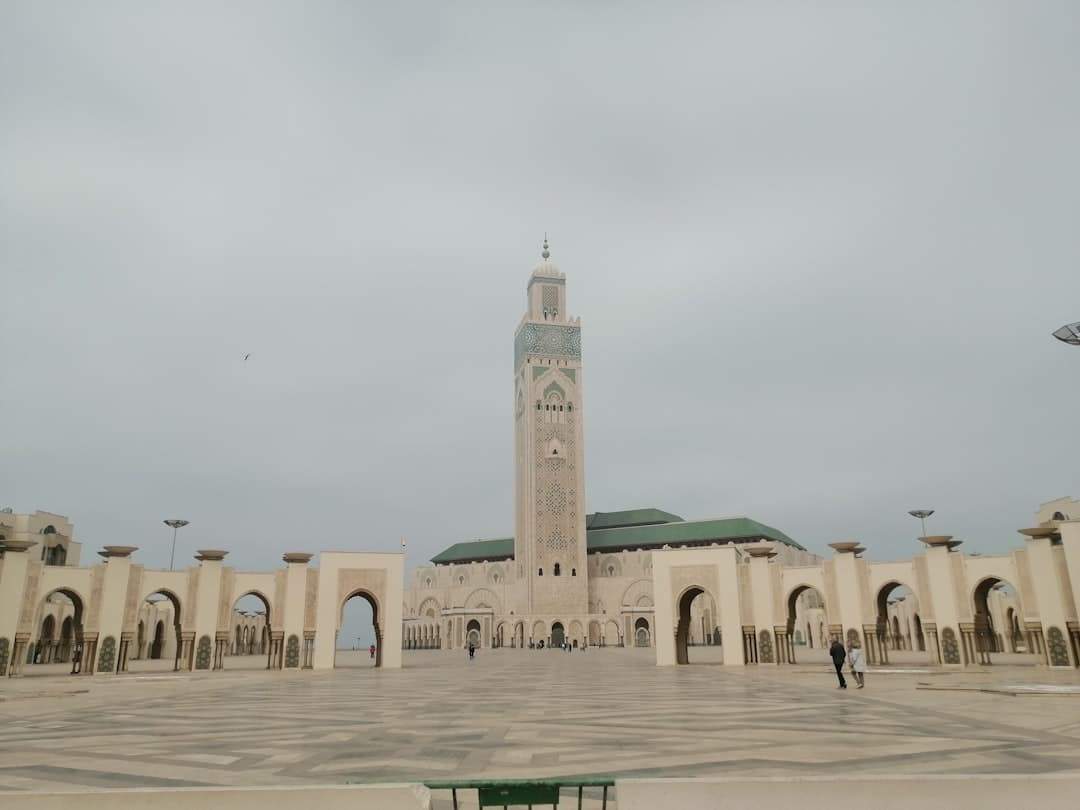
Place des Nations Unies — United Nations Square — is the central public square of Casablanca, the point from which the modern city radiates outward. Ringed by wide boulevards and flanked by some of the city's most recognizable architecture, it functions as the geographic and symbolic center of downtown Casa. It's not a tourist attraction in the traditional sense; it's the real pulse of the city, where ordinary Moroccan life plays out in full view — commuters crossing in every direction, cafés spilling onto the surrounding streets, and the low hum of a metropolis of nearly four million people going about its day. The square itself is an open, paved expanse with a central fountain feature, palm trees, and the constant motion of the tramway that now cuts through the downtown area. Looking around from the middle, you get a genuine sense of Casablanca's architectural personality — a hybrid of French colonial Mauresque style, mid-century modernism, and contemporary glass towers that together tell the story of a city always in the process of reinventing itself. The nearby Hyatt Regency anchors one edge; the broad sweep of Boulevard Mohammed V leads away toward the old medina and the Central Market. It's a great place to simply orient yourself, get your bearings, and feel the city. The square is most alive in the early evening, when the heat softens and the city's residents come out to breathe. Grab a coffee at one of the surrounding cafés, watch the tram loop past, and don't rush. The area around Place des Nations Unies connects directly to Casablanca's best walkable downtown stretch — it's the logical starting point before heading down to the Hassan II Mosque waterfront or exploring the Art Deco streets of the Ville Nouvelle.

Universal Orlando Resort
Universal Orlando Resort is a major theme park destination in Orlando, Florida, operated by Comcast's NBCUniversal. It sits on roughly 840 acres and currently encompasses two main theme parks — Universal Studios Florida and Universal's Islands of Adventure — along with a water park (Volcano Bay), an entertainment district called CityWalk, and several on-site hotels. A third major theme park, Epic Universe, is scheduled to open in 2025 and will significantly expand the resort's footprint. Unlike some theme park destinations, Universal has carved out a distinct identity by focusing on fully immersive storytelling environments based on beloved film and television franchises, from Harry Potter to Jurassic Park to the Wizarding World. The experience at Universal Orlando is kinetic and deeply interactive. At Islands of Adventure, the Wizarding World of Hogsmeade puts you inside the Harry Potter universe with architectural detail that genuinely impresses — butterbeer in hand, Hogwarts Castle looming above. Hagrid's Magical Creatures Motorbike Adventure is widely considered one of the best theme park rides in the world, and the queue alone is an experience. Universal Studios Florida brings the movie-making angle, with major attractions like the Minion Land expansion, the Hollywood Horror Nights event in autumn, and the long-running Men in Black ride. VelociCoaster at Islands of Adventure is a serious thrill ride — top-hat inversion, 155-foot drop, and sustained intensity that surprises even veteran coasters. Practically, Universal rewards planning. The Express Pass system lets you skip standby queues, and staying at one of the on-site Premier hotels (like Loews Portofino Bay or Hard Rock Hotel) gets you unlimited Express Pass access included with your room — which can effectively double how much you do in a day. Rope-drop strategy matters: arrive before the gates open, head straight to Hagrid's, and you'll beat the worst of the crowds. The two main parks are connected by a short walk or the Hogwarts Express train, which runs between Hogsmeade and Diagon Alley and requires a park-to-park ticket.
Universal Studios Japan
Universal Studios Japan is a massive Hollywood-style theme park on the western edge of Osaka, operated by Comcast's NBCUniversal and consistently ranked among the most-visited amusement parks in the world. Opened in 2001, it was the first Universal park in Asia, and it has since evolved into something genuinely distinct from its American counterparts — not just a copy, but a park with its own identity, its own exclusive attractions, and a fiercely loyal Japanese fanbase that treats it with the kind of devotion usually reserved for religious pilgrimage. The park is organized around themed zones, each one built with obsessive attention to environmental detail. The Wizarding World of Harry Potter is the headline act — Hogsmeade village is recreated with uncanny fidelity, complete with Butterbeer carts, the Hogwarts Express, and the flagship Flight of the Hippogriff coaster. Super Nintendo World is USJ's crown jewel and a global exclusive (the California version came later): a fully realized, interactive Mushroom Kingdom where you wear a Power-Up Band on your wrist to collect coins and battle Bowser Jr. in real-time. Other zones include Minion Park, Jurassic World, Hollywood area, and seasonal overlays that transform large sections of the park for events like Halloween Horror Nights — one of the most elaborate horror events in Asia. Practically speaking, USJ rewards planning. The Express Pass system lets you skip queues for specific attractions, and for popular weekends or holidays, it's close to essential. Buy tickets well in advance — the park regularly hits capacity on weekends and Japanese public holidays. The nearest station is Universal City on the JR Yumesaki Line, a short loop from Osaka Station. Arrive early, prioritize Super Nintendo World first (it has its own timed entry system within the park), and eat the park food — USJ's themed food and drinks, from Butterbeer to Mario-themed snacks, are genuinely excellent by theme park standards.
Upper Barrakka Gardens
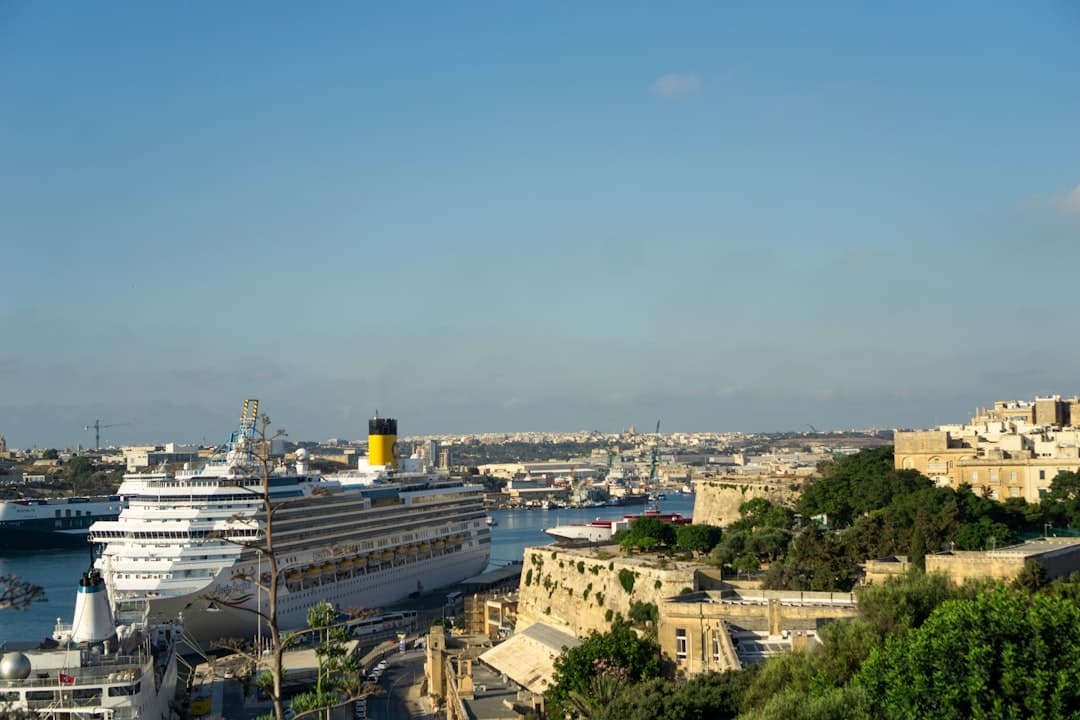
Upper Barrakka Gardens sit at the highest point of Valletta's ancient bastions, perched some 60 metres above the Grand Harbour — one of the most strategically significant and visually stunning natural harbours in the world. The gardens were originally created in the 17th century as a private recreation space for the Knights of St John, the military order that built Valletta from scratch in the 1560s. Today they're a public park and one of the most visited spots in Malta's small but richly layered capital city. The experience is anchored by that view. From the wide terrace at the garden's edge, you look out over the Grand Harbour in a sweeping panorama — Three Cities (Vittoriosa, Cospicua, and Senglea) clustered on the far shore, historic fortifications bristling along every promontory, the occasional cruise ship or traditional Maltese luzzu dwarfed by the scale of the scene. The gardens themselves are pleasant and shaded, with colonnaded walkways, busts of notable Maltese figures, and some fine old trees that offer relief from the summer heat. At 12 noon and 4pm daily, the Saluting Battery just below fires a ceremonial cannon — you can hear it, and feel it, from the gardens above. The gardens are free to enter and open daily, making them an obvious first stop for any visit to Valletta. The Saluting Battery beneath the gardens charges a small entry fee separately and is worth the few minutes it takes. Come early morning to have the view largely to yourself, or just before the cannon firing to time the spectacle. The nearby Café Premier on Republic Street is a good spot to follow up with a coffee, though the gardens themselves have a small kiosk.
Usaquén Flea Market
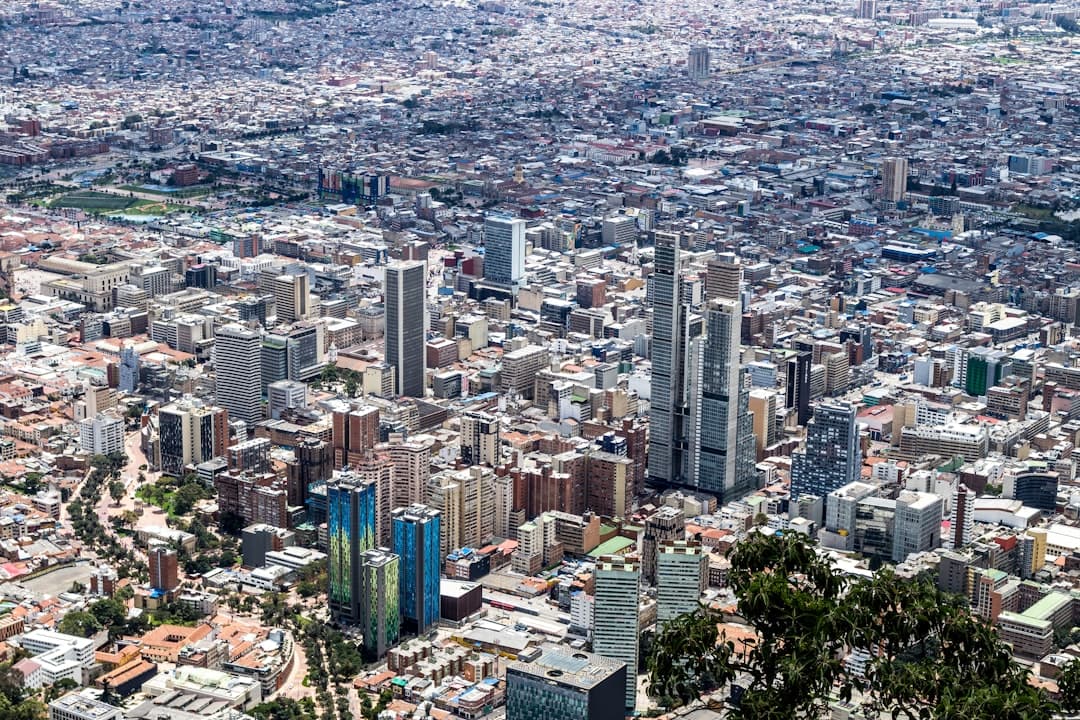
The Usaquén Flea Market transforms the cobblestone streets and leafy plazas of one of Bogotá's oldest and most picturesque neighborhoods into a sprawling weekend bazaar every Saturday and Sunday. Usaquén itself was once an independent municipality before being absorbed by the capital, and it still feels like a small colonial town dropped into a modern city — whitewashed walls, terracotta rooftops, and a 17th-century church anchoring the main plaza. The market grew up organically around this character and has become one of the most beloved weekend rituals in the city. Stalls spread across several blocks, selling a genuinely eclectic mix: handcrafted jewelry, leather goods, vintage clothing, Colombian textiles, pre-Columbian-style ceramics, paintings by local artists, antiques, and an enormous amount of creative junk that somehow becomes irresistible in this setting. Food vendors weave through the crowd with arepas, fresh fruit, and hot chocolate, and the surrounding restaurants and cafés — some of the best in the city — do roaring business from brunching locals and curious visitors alike. It's a place for wandering slowly and following your instincts. Sunday is the bigger and more energetic day, with more vendors and a livelier atmosphere, though Saturday has a slightly more relaxed, local feel. Arrive before noon if you want the pick of the stalls and a table at one of the popular brunch spots on the plaza. Bargaining is accepted and expected from a position of genuine interest — don't lowball aggressively, but don't pay the first price either. The neighborhood itself is worth a couple of extra hours of wandering after the market winds down.
Uspenski Cathedral
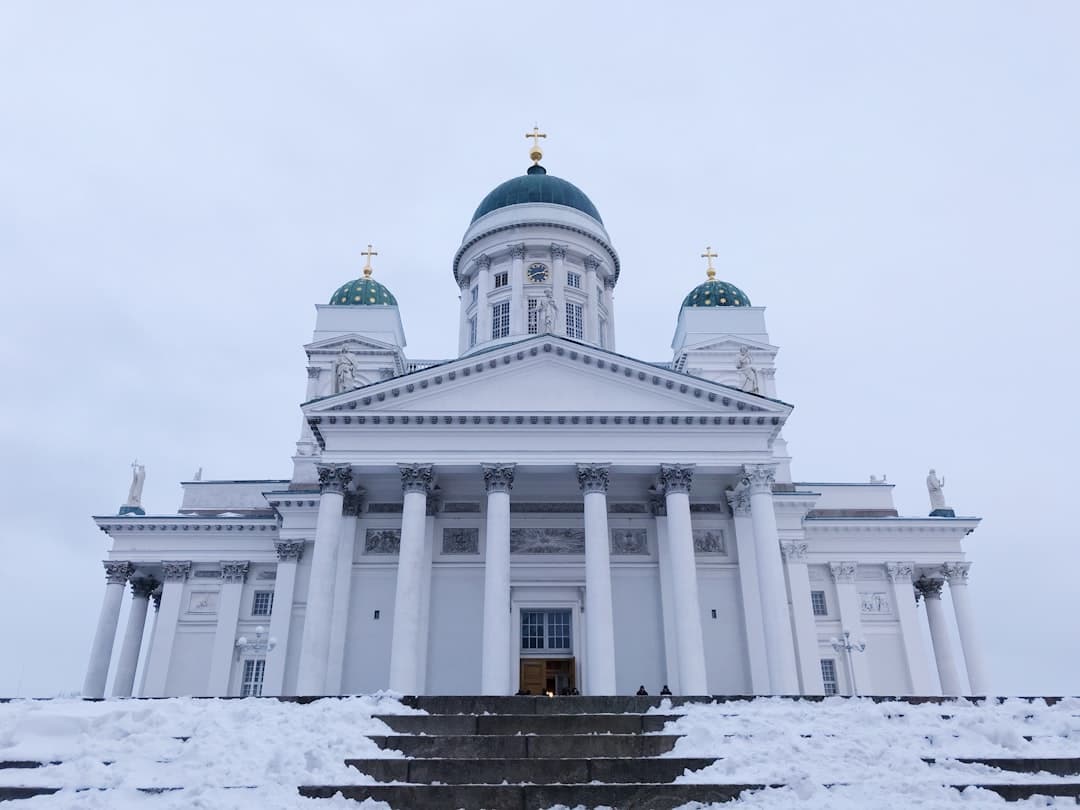
Uspenski Cathedral is the largest Orthodox church in Western Europe, a dramatic red-brick landmark that rises above the Katajanokka peninsula with its thirteen golden onion domes glinting over Helsinki's harbour. Built in 1868 and designed by Russian architect Aleksei Gornostayev, it was constructed during the period of Finnish autonomy under the Russian Empire, and that history is written into every stone — this is a building that tells you exactly why Helsinki is unlike any other Nordic capital. The name comes from the Russian word for the Dormition of the Virgin Mary, to whom the cathedral is dedicated. Inside, the cathedral is a sensory shift from the clean Lutheran minimalism that dominates the rest of the city. The interior glows with icon screens, Byzantine frescoes, hanging brass chandeliers, and the warm scent of incense that seems to have soaked into the walls over more than 150 years. The iconostasis — the ornate screen of icons separating the nave from the sanctuary — is the centrepiece, richly gilded and deeply affecting even for secular visitors. Services are still held regularly, so there's a real chance you'll walk in during an active liturgy, which adds an entirely different dimension to the visit. The cathedral sits on a rocky bluff just east of Market Square, making it an easy pairing with a morning at the Kauppatori (the main market square) and a walk along the waterfront. Entry is free, which feels almost unreasonably generous given what's inside. Come on a weekday morning if you want the space mostly to yourself — weekends and cruise ship days can push visitor numbers up noticeably.
V&A Museum
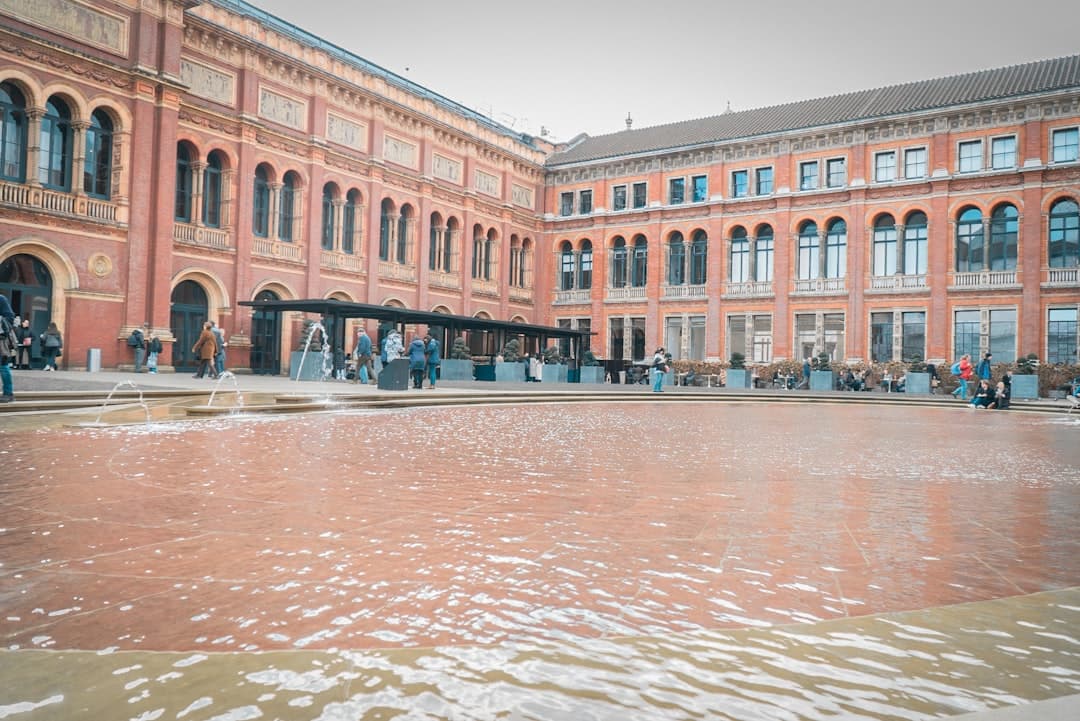
The Victoria and Albert Museum — universally known as the V&A — is the world's largest museum of art, design, and performance. Founded in 1852 in the wake of the Great Exhibition, it was conceived as a place to educate the public and inspire British manufacturers through the best decorative art from around the world. Today its 145 permanent galleries hold over 2.3 million objects spanning 5,000 years of human creativity, from ancient Chinese ceramics to Raphael cartoons, from a cast of Trajan's Column to David Bowie's stage costumes. It is, in the best possible sense, gloriously impossible to categorise. The experience of visiting is one of constant, slightly overwhelming discovery. You might walk through the Islamic Middle East gallery and stop dead in front of the Ardabil Carpet — one of the world's oldest and most astonishing rugs — then find yourself twenty minutes later standing in front of a John Constable oil sketch, or crouching to read the label on a piece of Tudor jewellery. The building itself is part of the experience: the grand entrance on Cromwell Road opens into a courtyard garden, and the rooms range from hushed and intimate to cathedral-vast. The Raphael Court, the Cast Courts (housing plaster replicas of some of the world's greatest sculptures), and the luminous jewellery gallery are all unmissable. General admission is free, which makes it one of London's great gifts to visitors. Temporary exhibitions — which have covered everything from Alexander McQueen to Dior to Pink Floyd — do charge entry, so check what's on before you go. The museum café in the original refreshment rooms is worth visiting in its own right: the Morris, Gamble, and Poynter Rooms date from the 1860s and are among the most beautiful dining rooms in London. Friday evenings, when the museum stays open until 10pm, are a genuinely lovely time to visit — quieter than weekends, and the building takes on a different atmosphere in the evening light.
V&A Waterfront
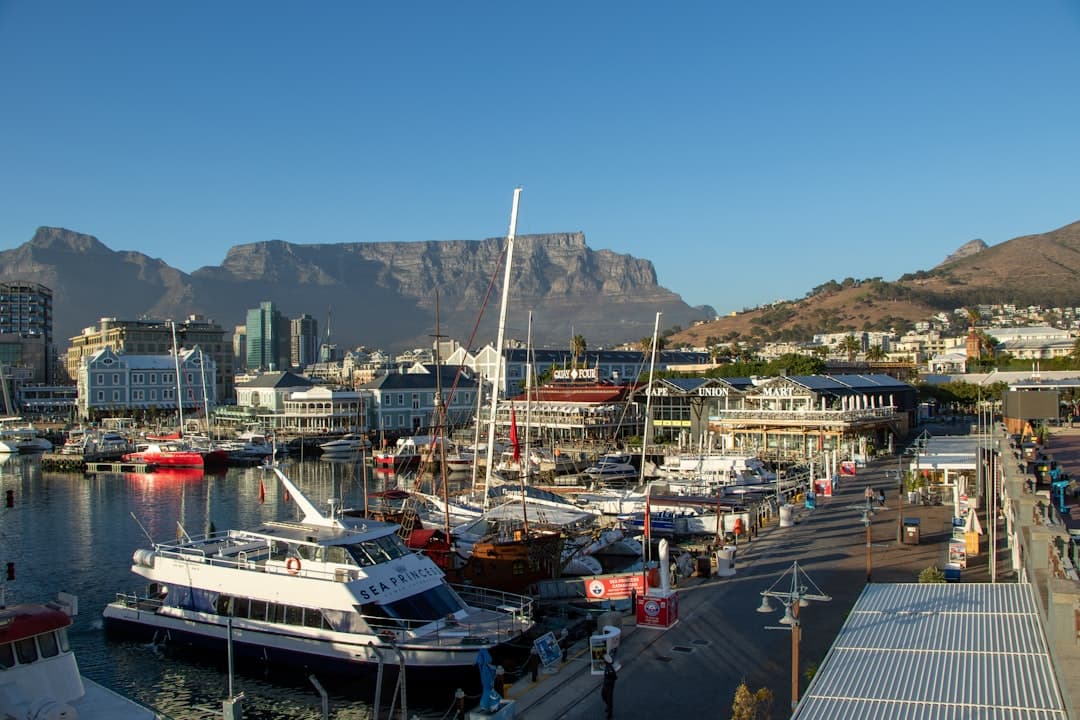
The V&A Waterfront is Cape Town's most visited destination — a sprawling complex of restaurants, shops, hotels, museums, and entertainment venues built around two active working basins of the city's historic Victoria & Alfred harbour. Named after Queen Victoria and her son Prince Alfred, who ceremonially tipped the first load of rocks to start the breakwater in 1860, the precinct covers around 123 hectares and sits right at the foot of Table Mountain. It's not just a shopping mall by the sea — it's a genuinely dynamic place where fishing boats still come and go alongside luxury yachts, and where you can board a ferry to Robben Island or kayak in the harbour while someone else is sipping wine at a rooftop bar 50 metres away. In practical terms, the Waterfront is a full day's destination. You can browse hundreds of shops in the Victoria Wharf mall, eat your way through an enormous range of restaurants — from the no-frills fish and chips at Harbour House to the upscale tasting menus at places like Harbour House Kalk Bay, or the celebrated Test Kitchen for those who plan far ahead — visit the Two Oceans Aquarium, catch a live show at the Artscape or the Zeitz MOCAA (one of Africa's most important contemporary art museums, housed in a spectacularly converted grain silo), or simply walk the waterfront promenade as the afternoon light turns Table Mountain pink. The Clock Tower at the original Victorian harbour master's building is a good landmark to orient yourself. The Waterfront is also the main departure point for Robben Island ferries — if that's on your itinerary, book well ahead as tickets sell out fast. For the rest of it, you don't need a plan. Go late afternoon when the light on the mountain is extraordinary, grab a table outside somewhere, and let the city come to you. The precinct can feel touristy in spots, but it earned that reputation honestly — it's genuinely beautiful, well-run, and has enough substance to reward several visits.
Valletta Waterfront
The Valletta Waterfront — formally known as Pinto Wharf — is a sweeping stretch of restored 18th-century Baroque warehouses lining the Marsamxett Harbour side of the Grand Harbour area, specifically along Floriana's waterfront just below the city walls. Built by the Knights of St John in the 1700s to store grain, oil, and provisions for the Order's fleet, these colonnaded limestone buildings now house restaurants, bars, and cafes that spill out onto a broad pedestrian promenade. It's one of the most visually striking waterfront settings in the Mediterranean — the honey-coloured stone, the sea light bouncing off the harbour, and the city rising dramatically behind it make this feel like a place that earns its good looks. The experience here is predominantly about eating, drinking, and walking. The promenade stretches for several hundred metres, flanked by a long row of arched facades that open into restaurants ranging from casual pizza joints to proper sit-down Maltese dining. Cruise ships dock here, which means at certain times the waterfront buzzes with day-trippers, but come evening it shifts into a genuinely pleasant local scene — families walking, couples having dinner, people watching the harbour lights. The views across to the Three Cities (Vittoriosa, Senglea, Cospicua) are spectacular, especially at dusk when the fortifications glow gold. It's worth knowing that the Waterfront sits at the bottom of a steep descent from Valletta proper — you can walk down from the city gate area, but the climb back up is significant. The Barrakka Lift, a short distance along the harbour wall within Valletta, offers an easy alternative for the return trip. The area is also the departure point for the traditional dgħajsa water taxis and for ferries to the Three Cities, so it doubles as a practical transport hub. Weekday lunchtimes and weekday evenings offer the best balance of atmosphere without the cruise-ship crowds.
Valley of Fire State Park
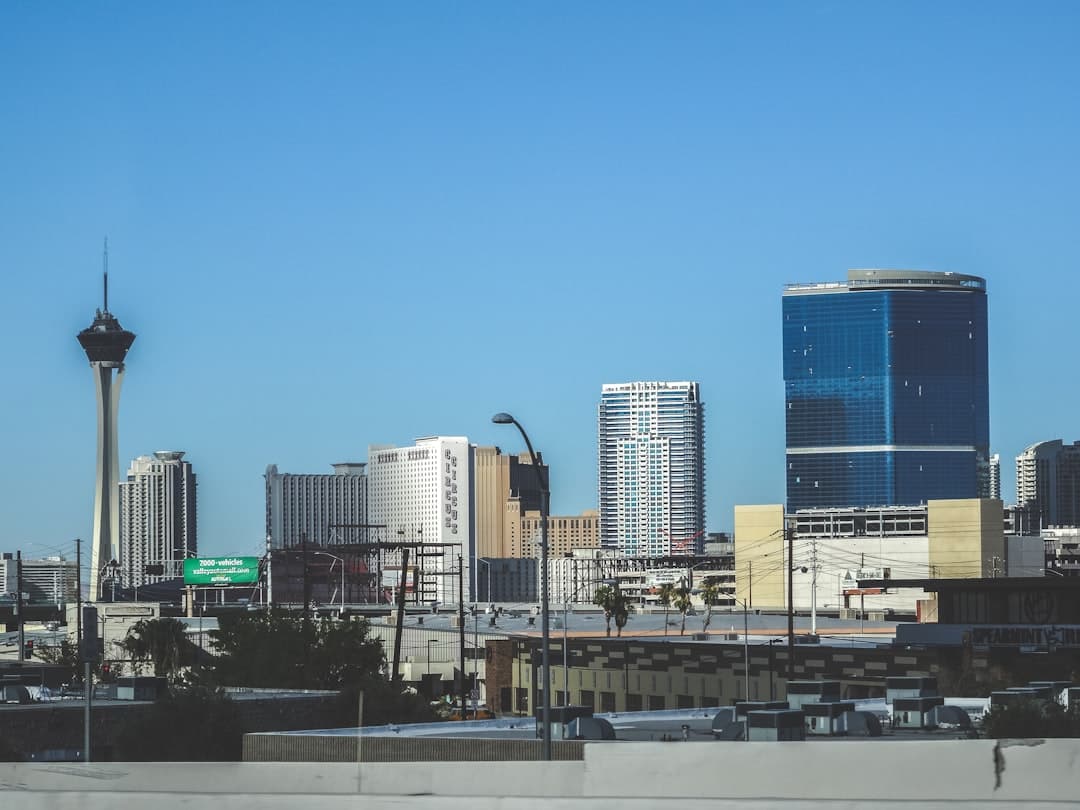
Valley of Fire State Park is Nevada's oldest and largest state park, located about 50 miles northeast of Las Vegas in the Mojave Desert. The park takes its name from the brilliantly red Aztec sandstone formations that glow like embers at sunrise and sunset — rock that formed from massive sand dunes some 150 million years ago, during the age of dinosaurs. The colors shift from deep crimson to pink to violet depending on the light, and the landscape feels genuinely otherworldly, more Mars than Nevada. Visitors come to hike trails that wind through slot canyons and past beehive-shaped domes, balance rocks, and natural arches. The park's most famous features include Elephant Rock, the White Domes loop trail, Fire Wave (a swirling ripple of white and red sandstone), and Atlatl Rock — a sandstone cliff covered in thousands-year-old Ancestral Puebloan petroglyphs you can access via a short metal staircase. The seven-mile scenic drive that cuts through the park's heart is spectacular even from a car window, but the trails are where you really feel the scale of the place. The park has a small visitor center near the eastern entrance with exhibits on geology and Native American history, plus clean restrooms and drinking water — don't take that for granted out here. The entry fee is modest (around $10 per vehicle for Nevada residents, $15 for out-of-state), and there's a campground if you want to stay for sunset and stars. Most Las Vegas visitors treat this as a half-day or full-day trip, but serious hikers could spend multiple days. Go early in the morning, especially in summer — by 10am the heat becomes a real factor, and the golden light at sunrise on those red rocks is genuinely one of the most beautiful things you'll see in the American Southwest.
Van Gogh Museum
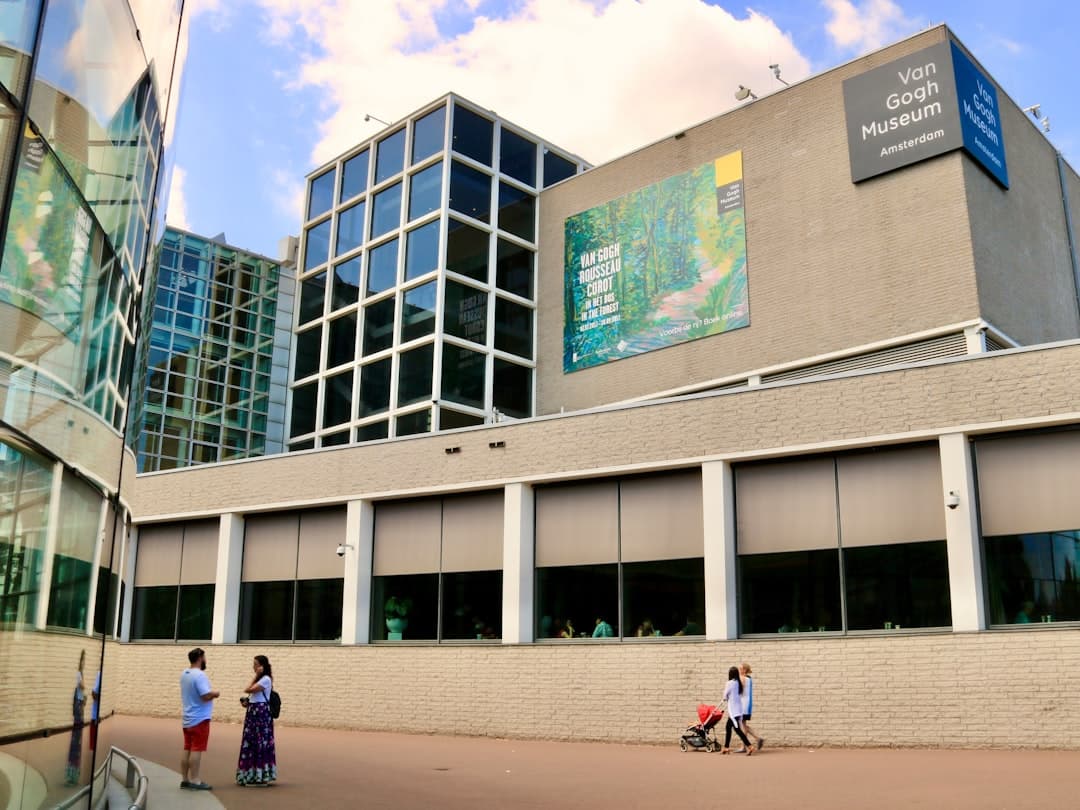
Vincent van Gogh died at 37 having sold just one painting in his lifetime. Today, the museum dedicated to his work in Amsterdam holds more than 200 of his paintings, 500 drawings, and 750 personal letters — the most comprehensive collection of his output anywhere in the world. It opened in 1973, designed by the Dutch architect Gerrit Rietveld, with a later wing added by Kisho Kurokawa in 1999. Together they house not just an art collection but the full arc of a life: from the dark, earthy canvases of his Dutch period to the blazing colour and movement of his time in Arles and Saint-Rémy. The experience is genuinely moving in a way that major museums often aren't. You walk chronologically through Van Gogh's decade-long career — ten years, that's all he had — and watch the work transform in real time. The Potato Eaters hangs in an early room, all shadow and struggle. A few galleries later, Sunflowers stops people in their tracks. The Bedroom, Wheatfield with Crows, Almond Blossom — these aren't reproductions on a poster, they're the real thing, and the scale and texture of the brushwork is something no screen can replicate. The museum also contextualises Van Gogh within his influences and contemporaries, with works by Gauguin, Toulouse-Lautrec, and Monet shown alongside. Friday evenings are the insider move: the museum stays open until 9pm, the crowds thin considerably after 5pm, and the atmosphere shifts into something almost intimate. Book your timed entry ticket online well in advance — the museum regularly sells out, especially in summer and on weekends — and arrive at your designated time rather than early. The Museumplein square outside connects directly to the Rijksmuseum and Stedelijk, so a full day of Amsterdam's museum district is entirely feasible from this starting point.
VanDusen Botanical Garden
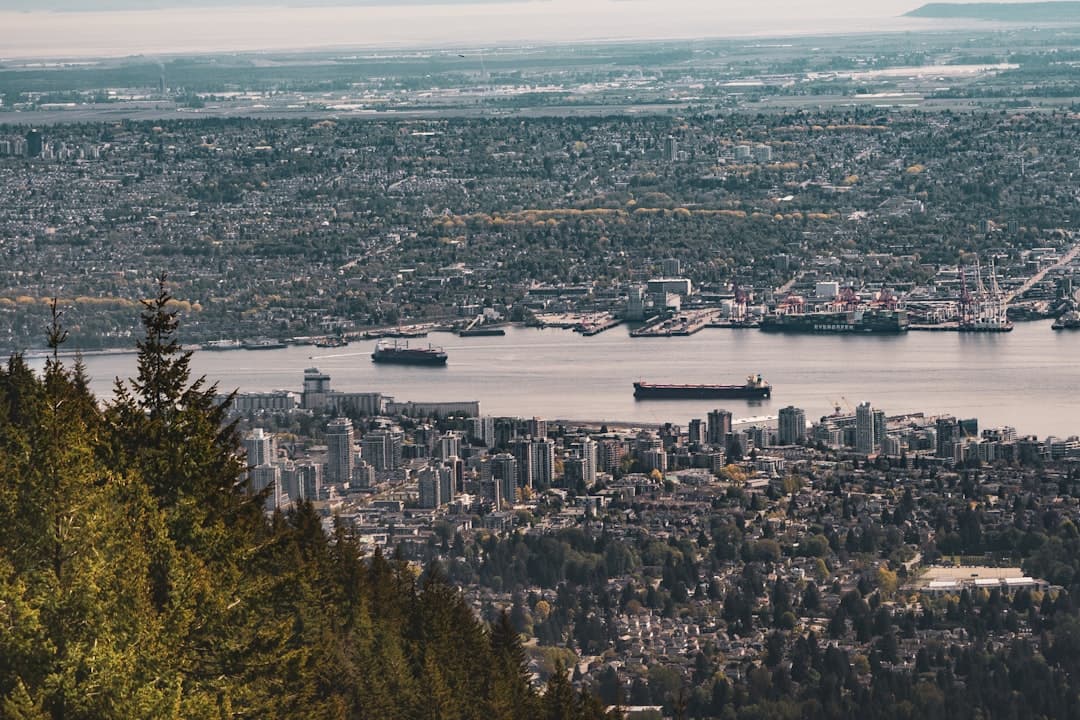
VanDusen Botanical Garden is one of Canada's premier urban gardens, a 55-acre living collection spread across what was once a golf course in Vancouver's Shaughnessy neighbourhood. Opened in 1975, it now holds more than 255,000 plants representing 7,500 taxa from around the world — everything from towering conifers to rare rhododendrons — and functions as both a scientific institution and one of the city's most beloved green spaces. It's the kind of place that makes you forget you're in the middle of a major city. Walking through VanDusen feels genuinely different from a standard park visit. The garden is organized into themed sections — a Korean Pavilion, a Sino-Himalayan Garden, an Elizabethan hedge maze that kids (and adults) take embarrassingly seriously, a shimmering central lake with black swans, and a Mediterranean Garden that seems impossibly lush for the Pacific Northwest. In spring, the rhododendron collection explodes into colour and draws serious plant people from across the region. The Festival of Lights in December transforms the whole garden into an illuminated wonderland and is a major Vancouver tradition. The garden's Truffles Café handles food and is a decent spot for lunch, and the on-site gift shop skews toward quality botanic and nature-themed items rather than tourist trinkets. Come on a weekday if you can — weekends attract families in force, especially in spring and summer. Membership pays off quickly if you're staying more than a couple of days in Vancouver, since it gets you into both VanDusen and the adjacent-in-spirit Queen Elizabeth Park nearby. Pick up a paper map at the entrance; the paths are pleasant to wander but easy to loop unintentionally.
Vasa Museum
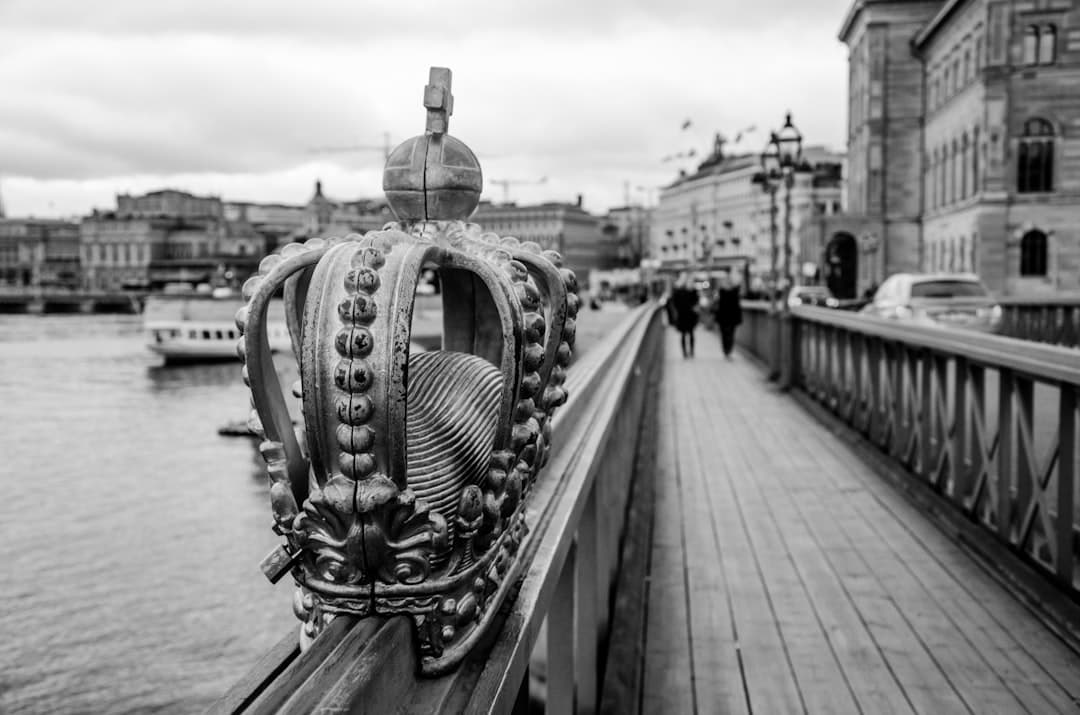
The Vasa Museum is home to the only almost fully intact 17th-century ship in the world — a colossal Swedish warship that sank on its maiden voyage in 1628, lay on the bottom of Stockholm harbour for 333 years, and was salvaged in 1961 in one of the most remarkable archaeological recoveries ever attempted. The Vasa was the pride of King Gustav II Adolf's navy, bristling with 64 bronze cannons and ornately carved with hundreds of sculptures meant to project Swedish imperial power. Instead, it keeled over and sank within minutes of leaving the dock, barely 1,300 metres from shore. That catastrophic failure turned out to be an extraordinary gift to history. Inside the museum, which was purpose-built around the ship on the island of Djurgården, the Vasa dominates the space in a way that's genuinely hard to prepare for. You enter and there it is — six storeys of dark oak, looming above you, with masts rising almost to the ceiling. You can walk around all levels of the building, getting close to the hull from different angles, peering at the carved lion figurehead on the bow, and examining the ornate stern decorations that still carry traces of their original paint. The surrounding exhibitions explain the science of its salvage, the lives of the sailors found on board, and what Stockholm looked like in the 1600s. It's richly layered — part shipwreck, part time capsule, part detective story. The museum is on Djurgården, easily reached by ferry from Slussen or Nybroplan, or by tram. Wednesday is the one late-opening day (until 8pm), which is worth knowing if you want to avoid the peak midday crowds. Arrive when the doors open or in the late afternoon for the most comfortable experience — midday in summer can get genuinely packed. The museum is entirely indoors and climate-controlled to protect the ship, so it works on any day regardless of weather.
Vatican Museums & Sistine Chapel
The Vatican Museums are a vast collection of art and antiquities accumulated by the Catholic Church over more than 500 years, housed within Vatican City — an independent city-state entirely surrounded by Rome. What began as a single ancient sculpture in a pope's private garden in 1506 grew into one of the largest and most significant museum complexes on earth, with roughly 54 galleries covering over 7 kilometres of corridors. The collection spans Egyptian mummies, Greek and Roman sculpture, Renaissance tapestries, maps, and works by Raphael, Caravaggio, and Leonardo — all before you even reach the Sistine Chapel. The experience is overwhelming in the best possible sense. You'll move through the Gallery of Maps, a 120-metre corridor painted with detailed topographical maps of Italy's regions commissioned by Pope Gregory XIII in the 1580s — it's staggering in scale and rarely gets the attention it deserves. Then comes the Raphael Rooms, four chambers painted by Raphael and his workshop for Pope Julius II, including The School of Athens, one of the most celebrated images in Western art. The culmination, of course, is the Sistine Chapel itself: Michelangelo's ceiling, painted between 1508 and 1512, and his Last Judgment on the altar wall, completed nearly 30 years later. Seeing it in person, craning your neck in a room packed with visitors, is still genuinely moving. The museums are chronically crowded, and the last hour before closing is often the most manageable. They are officially closed on Sundays except for the last Sunday of each month, when entry is free — which sounds appealing until you realise the queues become genuinely unmanageable. Book timed-entry tickets well in advance through the official Vatican Museums website; walk-up tickets are technically available but the queues can consume two hours before you're even inside. A guided tour is worth considering for the Sistine Chapel specifically, as the context transforms what you're looking at.
Vedado
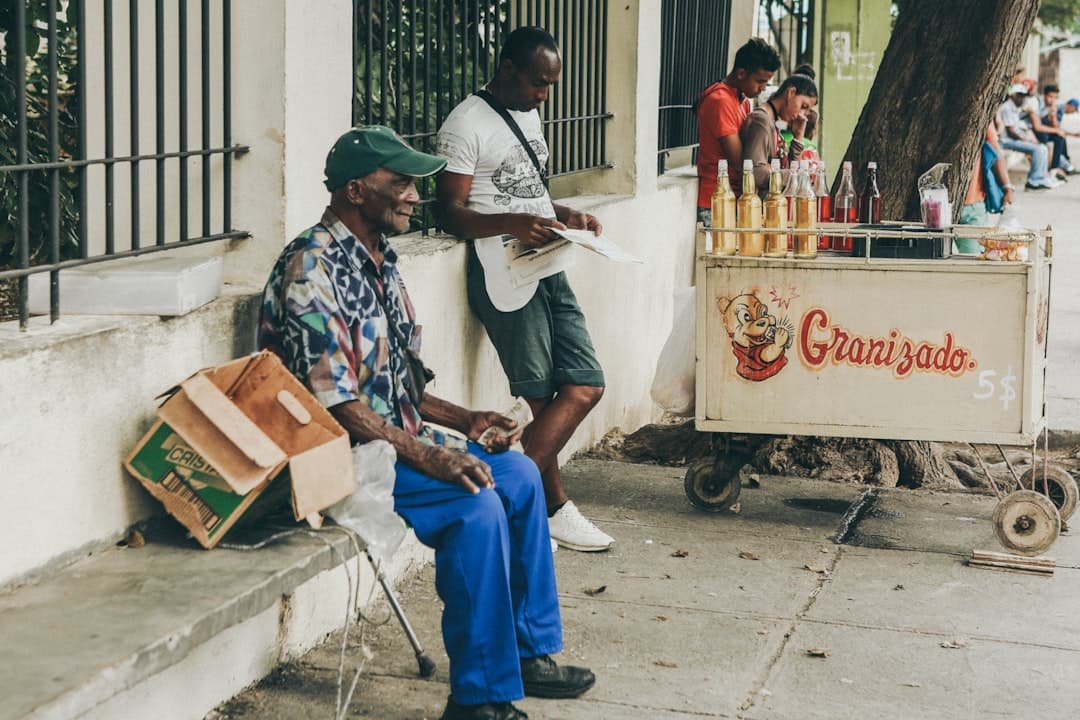
Vedado is Havana's most cosmopolitan neighborhood, a sprawling residential and commercial district that grew up in the early 20th century when wealthy Cuban families moved west from the old colonial city. Unlike the crumbling baroque grandeur of Habana Vieja, Vedado is a city of broad avenues lined with art deco mansions, mid-century apartment blocks, and towering hotels — including the famous Hotel Nacional and the Habana Libre, both monuments to Cuba's complicated relationship with the United States. It's the neighborhood where Hemingway drank, where the Mafia built casinos, and where the revolution later nationalized everything. Today it's where Havana actually lives. Walking Vedado means wandering grid streets shaded by ceiba trees, past peeling mansions converted into ministries and crumbling apartments where families hang laundry from ornate iron balconies. The main artery, La Rampa, runs downhill toward the Malecón seawall and is lined with airline offices, ice cream parlors, and the occasional peso pizza window. The Plaza de la Revolución — the vast ceremonial square with its iconic steel portrait of Che Guevara — sits at the neighborhood's southern edge and remains one of the most politically charged public spaces in the Americas. The Necrópolis Cristóbal Colón, one of the most beautiful cemeteries in the world, is also here, a city of elaborate tombs and sculptures worth a dedicated afternoon. Vedado is the neighborhood for finding Havana's better paladares — privately run restaurants that have flourished since economic reforms — as well as its most active jazz clubs, including La Zorra y El Cuervo on La Rampa. The neighborhood rewards slow exploration on foot; the real pleasure is getting slightly lost between the lettered and numbered streets, stumbling onto a ruined modernist villa or a shady park where old men play dominoes. Avoid being rigidly scheduled here — Vedado is best experienced as a long, unhurried wander.
Venice Beach
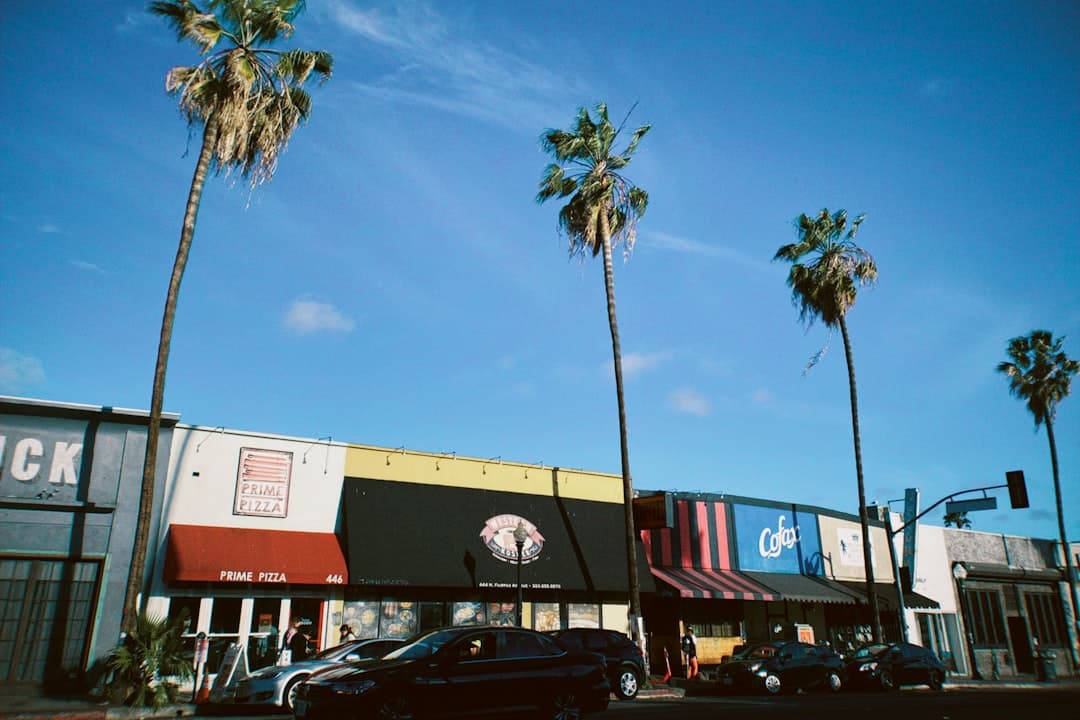
Venice Beach is a mile-long oceanfront boardwalk on the western edge of Los Angeles that has spent decades as America's most theatrical public space. Originally developed in 1905 by Abbot Kinney as a resort town modeled on Venice, Italy — complete with canals and gondoliers — it gradually reinvented itself as a counterculture hub. Today it's one of those rare places where bodybuilders, street artists, fortune tellers, skateboarders, tourists, and homeless encampments all coexist within a few hundred feet of the Pacific Ocean. It's loud, it's unpredictable, and it's completely unlike anywhere else in a city full of unlike-anywhere-else places. The main drag is Ocean Front Walk, a wide pedestrian promenade where the spectacle never really stops. Muscle Beach Outdoor Gym — an open-air weight pit that's been operating since the 1950s and helped birth the modern fitness industry — sits right on the boardwalk, open for anyone to watch or join. A few steps away is the Venice Skate Park, one of the best public skate spots in the country, where genuinely world-class skaters session alongside beginners. Street performers, chess players, tarot readers, and vendors selling sunglasses and incense fill the gaps. Wander a few blocks inland and you hit Abbot Kinney Boulevard, one of the most interesting shopping and dining streets in LA, lined with independent boutiques, galleries, and restaurants. The morning hours — roughly 7 to 10am — are the sweet spot. The light is golden, the crowds are thin, and you get the boardwalk largely to yourself except for joggers and serious regulars. Weekends by midday become genuinely packed and parking becomes a blood sport. The neighborhood has gentrified significantly in the past decade, particularly around Abbot Kinney, but the boardwalk itself remains wonderfully, stubbornly weird. Street parking is brutal — come by bike, use the Metro E Line to Downtown Santa Monica and ride or walk south, or accept the paid lot fees.
Via Montenapoleone
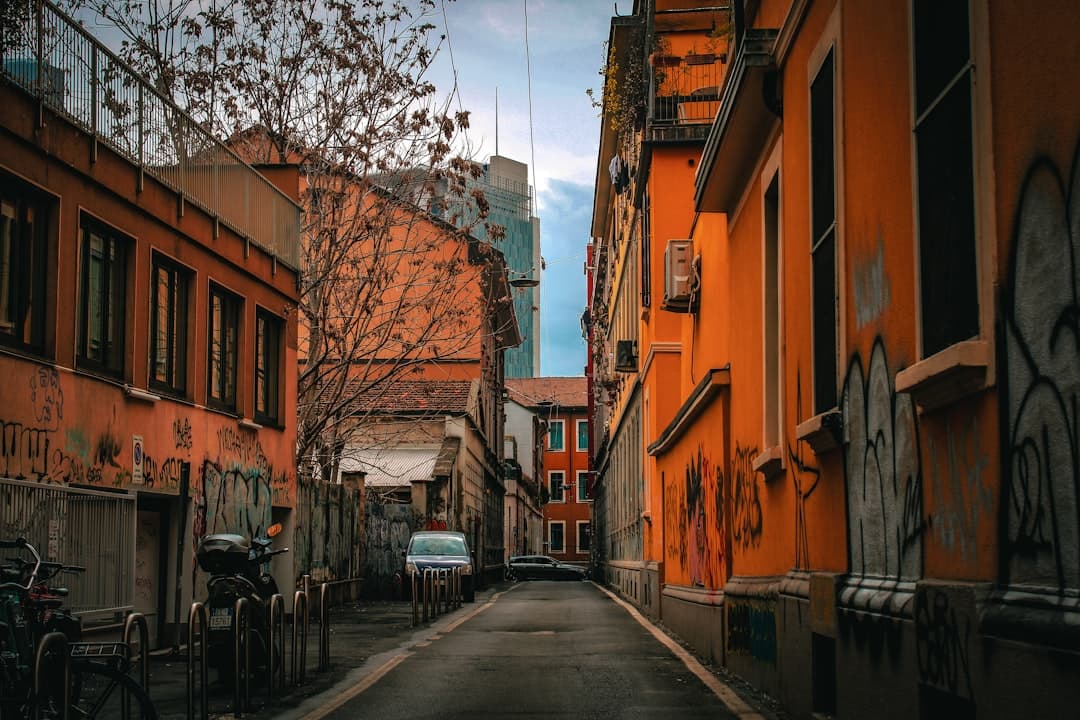
Via Montenapoleone is the beating heart of Milan's Quadrilatero della Moda — the Fashion Quadrilateral — and one of the most prestigious shopping streets in the world. Running just a few hundred metres through the city's historic centre, it is home to the flagship stores of virtually every major Italian and international luxury brand: Prada, Versace, Valentino, Bulgari, Hermès, Louis Vuitton. This is not a mall or a tourist trap — it is a real neighbourhood street that happens to be where the global fashion industry does some of its most important business. The street name itself comes from a Napoleonic-era bank established here in the early 19th century, and the buildings lining it are a mix of grand 19th-century palazzi and sleek contemporary interiors. Walking Montenapoleone is an experience in itself, whether you are buying anything or not. The window displays are world-class and change with the fashion calendar — during Milan Fashion Week in February and September, the energy here is electric. Pop into the covered Galleria del Corso or wander the connecting streets of Via della Spiga, Via Sant'Andrea, and Corso Venezia to complete the Quadrilatero loop. Even the architecture rewards attention: many stores occupy historic courtyards and townhouses that have been immaculately restored. The area also has several excellent cafés, including Cova — a historic pasticceria at number 8 that has been operating since 1817, now under the LVMH umbrella but still atmospheric and worth a stop. Montenapoleone is at its most enjoyable on a weekday morning, when foot traffic is lighter and the window displays catch the low northern Italian light. Avoid Saturday afternoons, which can be genuinely crowded. If you are not shopping, nobody will bother you — browsing is completely acceptable and the staff, while impeccably dressed, are generally professional rather than intimidating. The street is walkable from the Duomo or from the Montenapoleone metro stop on Line 3 (yellow line), which deposits you almost directly onto it.
Viaduct Harbour
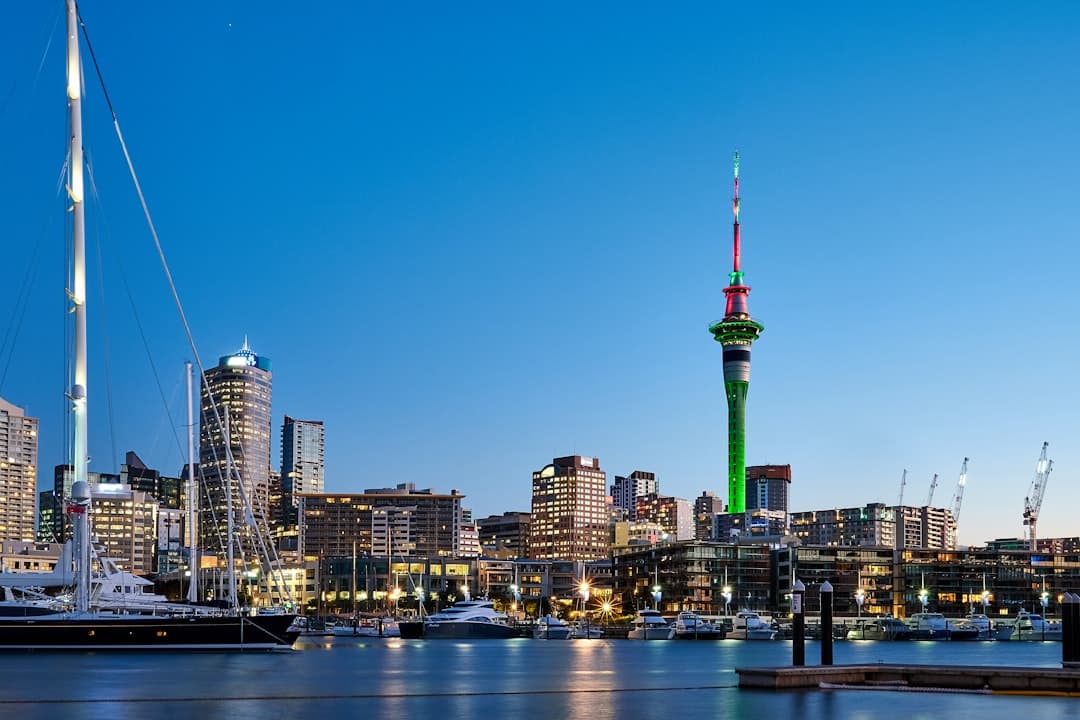
Viaduct Harbour is a redeveloped former working port right in the heart of Auckland's CBD, sitting on the edge of the Waitematā Harbour. Once a commercial fishing basin, it was transformed in the late 1990s and early 2000s — largely in preparation for the 1999-2000 and 2003 America's Cup regattas — into one of the city's most animated public spaces. It's the kind of waterfront precinct that actually works: restaurants and bars line the basin's edge, superyachts and racing vessels bob at the docks, and there's enough open space and foot traffic to feel genuinely alive rather than contrived. In practice, you'll spend your time wandering the boardwalks, choosing between a string of restaurants and bars ranging from casual seafood spots to proper cocktail lounges, and watching the harbour activity. The New Zealand Maritime Museum is right here, offering a solid look at the country's deep relationship with the sea — including genuine Māori waka (canoes) and America's Cup history. On weekends especially, the whole precinct fills up, and the open-air seating along the waterfront becomes prime real estate for a long lunch with views across to Westhaven Marina and the Harbour Bridge. The area is genuinely walkable from Queen Street and the Ferry Building — give yourself ten minutes on foot from the main CBD. For the best atmosphere, come in the early evening when the light on the water turns golden and the after-work crowd mixes with visitors. It's also the departure point for several harbour cruises and sailing experiences, so if you're looking for something more active than eating and drinking, you can get out onto the water from here.
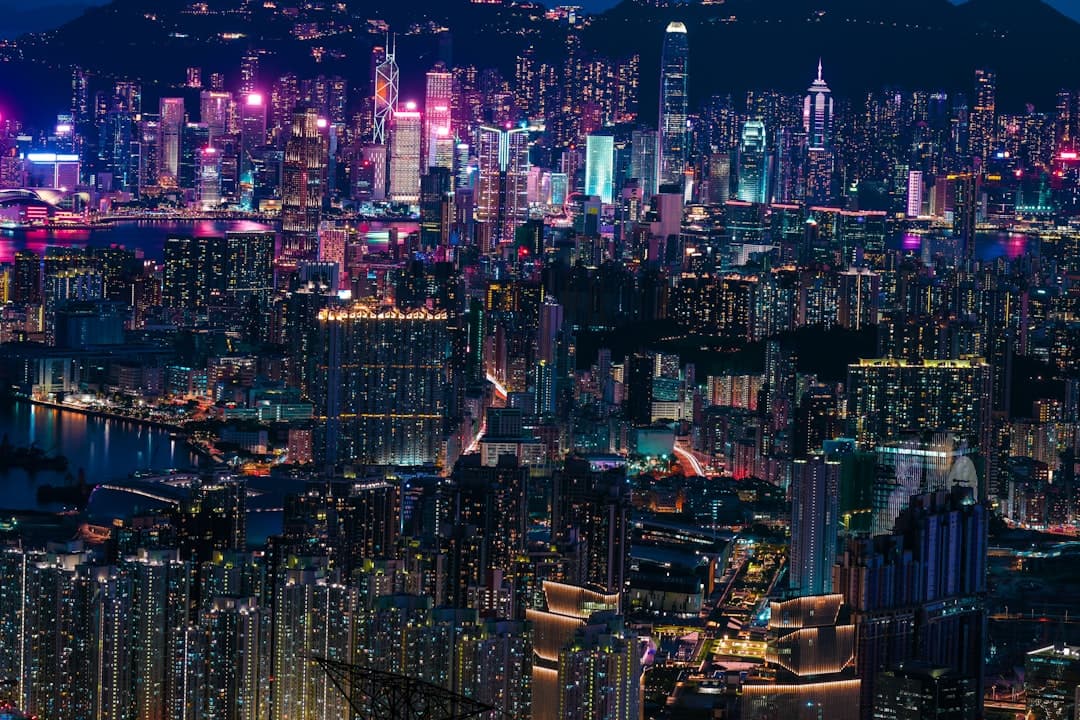
Victoria Peak
Victoria Peak — known locally simply as The Peak — is the highest point on Hong Kong Island, rising 552 metres above sea level and offering what is arguably one of the most dramatic urban panoramas on earth. The mountain has been a prestige address since British colonial administrators built summer residences here in the 1860s to escape the harbour heat, and the famous Peak Tram has been ferrying visitors up the near-vertical hillside since 1888, making it one of the oldest funicular railways in Asia. Today it draws millions of visitors a year, but the view still earns every one of them. The experience centres on the view itself — a sweeping 360-degree prospect of Hong Kong's skyscraper-packed harbour, Kowloon across the water, and on clear days the mountains of the New Territories fading into the distance. The commercial hub at the top is Lion's Head Peak, anchored by the Peak Tower (the wok-shaped building designed by Terry Farrell) and the older Peak Galleria shopping mall. The Skywalk observation deck on the roof of the Peak Tower offers the most elevated public vantage point. Beyond the tourist infrastructure, the Lugard Road and Harlech Road circular walk — about 3.5 kilometres, flat and paved — loops around the peak through forest and residential streets, delivering harbour views at every turn and a genuine sense of escape from the city below. The single most important piece of practical advice: go at night, or at least stay until dark. The harbour view after sunset, when the skyscrapers light up and the neon of Kowloon reflects across the water, is transformatively better than the daytime version. The Peak Tram queues can be brutal — easily 45 to 90 minutes on weekends — so consider taking bus 15 from Central or a taxi up and saving the tram for the descent. The circular walk is free, uncrowded even when the summit is busy, and genuinely beautiful.
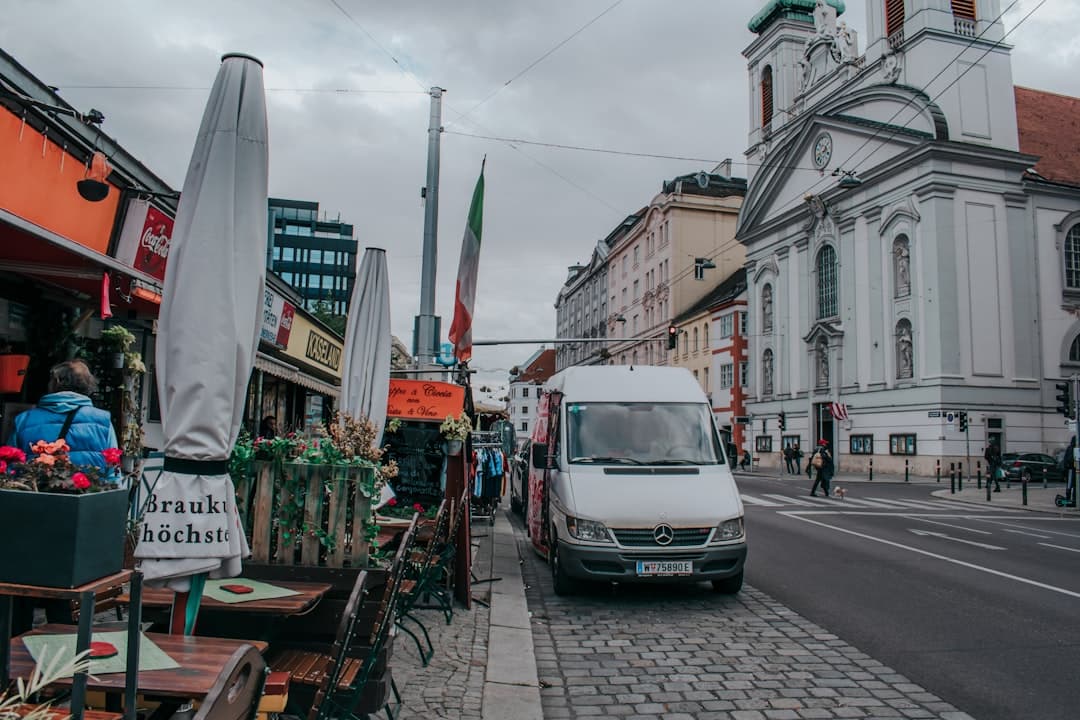
Vienna State Opera
The Vienna State Opera — Wiener Staatsoper in German — is one of the most famous and prestigious opera houses on earth. Opened in 1869 with a performance of Mozart's Don Giovanni, it sits at the heart of Vienna's Ringstrasse, the grand boulevard Emperor Franz Joseph I built to showcase Habsburg power and culture. It survived Allied bombing in 1945, was painstakingly rebuilt, and reopened in 1955 with Beethoven's Fidelio — that reopening was a defining moment for postwar Austria, symbolizing the country's cultural rebirth. Today it stages around 300 performances a year across opera and ballet, drawing the world's top conductors, singers, and choreographers. Coming here for a performance is one of the great cultural experiences in Europe. The interior is lavish — red velvet, gold detailing, multiple tiers of ornate boxes — but it doesn't feel like a museum piece. The productions are serious and the audience is engaged. If you can't snag a seat, the standing room tickets (Stehplatz) are a genuine Viennese institution: sold from around €4 on the day, they give you access to the rear of the orchestra, parterre, or gallery. Standing ticket holders often arrive early, tie a scarf to the railing to claim their spot, and head out for a drink before the show. It's a beloved ritual. For non-performance visits, guided tours of the building are available and give access to the grand staircases, the Schwind Foyer with its opera-themed frescoes, and the auditorium itself. The opera house is located right on the Opernring, steps from the Karlsplatz U-Bahn station and directly across from the Café Opera. The season runs roughly September through June, with the house dark in July and August — though the Opera Ball, held in late January or February, is one of Vienna's most glamorous annual events. Book tickets for popular productions well in advance; standing room is first-come, first-served on the day.
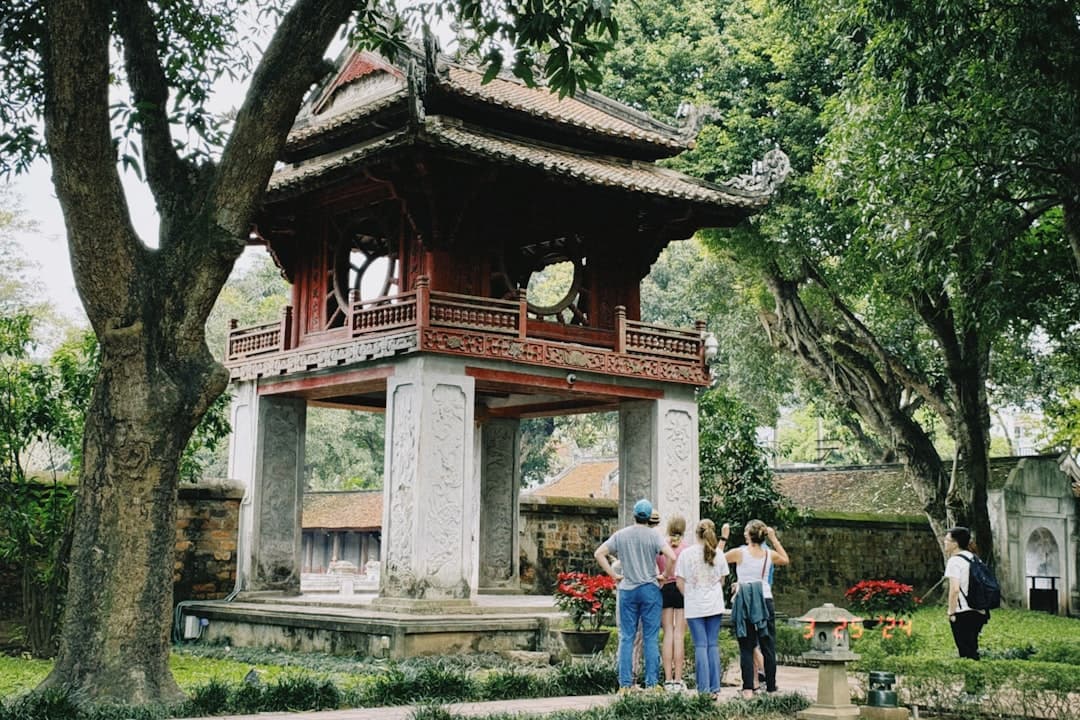
Vietnam Museum of Ethnology
The Vietnam Museum of Ethnology is one of Southeast Asia's finest cultural institutions — a serious, beautifully designed museum dedicated to the 54 officially recognized ethnic groups of Vietnam. Opened in 1997 and developed with French museological expertise, it sits in the Cầu Giấy district on the western edge of Hanoi, away from the Old Quarter tourist drag. If you've been to Vietnam and felt like you were only seeing the Kinh majority culture, this is where the full picture comes into focus. The indoor collection spans three floors of well-curated galleries, with exhibits covering everything from traditional clothing and ceremonial objects to architectural models, musical instruments, and daily tools. The displays are rich with context — this isn't a dusty case of old pots; there are photographs, video installations, and detailed ethnographic notes that actually explain what you're looking at and why it matters. The real surprise is the outdoor garden, where full-scale traditional houses from different ethnic groups — Bahnar communal longhouses, Ede stilt homes, a Viet house — have been reconstructed and can be walked through. It's quietly extraordinary. Come on a weekday if you want the place to yourself — weekend mornings can get busier with local school groups and families. The museum shop sells genuinely good handicrafts and books, not the usual tourist tat. Budget at least two to three hours, and don't skip the outdoor section, which most rushed visitors underestimate.
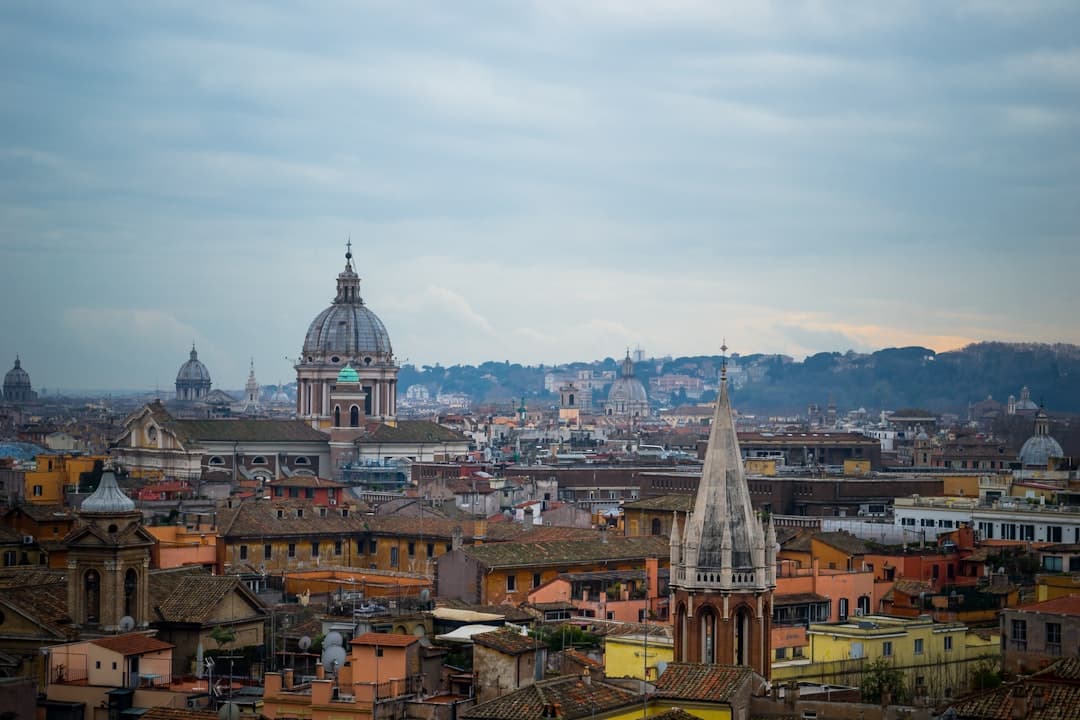
Villa Borghese
Villa Borghese is Rome's most beloved public park — a sprawling 80-hectare green escape sitting just north of the Spanish Steps, built in the early 17th century as the private estate of Cardinal Scipione Borghese. Over the centuries it transitioned from aristocratic pleasure garden to public park, and today it functions as the city's lungs: a place Romans actually use every day, not just a tourist attraction. At its heart sits the Galleria Borghese, one of the greatest small art museums on earth, housing Bernini sculptures and Caravaggio paintings that would be the crown jewels of any major institution in the world. The park itself offers layered pleasures. You can rent a rowboat on the small lake, cycle along shaded paths on rented bikes or four-wheeled pedal carts, visit the charming Bioparco (the city zoo), or simply walk uphill to the Pincian Hill terrace — the Terrazza del Pincio — for one of Rome's finest panoramic views over the city's rooftops and domes. The Galleria Borghese requires a separate timed booking and is strictly limited to two-hour entry slots, but those two hours are among the most concentrated artistic experiences you can have anywhere: Bernini's Apollo and Daphne, his Pluto and Persephone, Canova's reclining Pauline Borghese, Caravaggio's Boy with a Basket of Fruit and David with the Head of Goliath — all in a single intimate villa. The park sits just inside the Aurelian Walls above the Tridente neighborhood and is easily reached on foot from the Spanish Steps via the Pincian Hill ramp, or by tram and metro from the wider city. Skip the park's tourist-trap café and instead bring a picnic — Romans do this constantly, especially on weekends. The Galleria Borghese booking system is notoriously oversubscribed; book that separately and well in advance, then treat the park itself as the unhurried complement.
Villa des Arts
Villa des Arts is one of Morocco's most respected contemporary art spaces, housed in a beautifully restored 1930s Art Deco villa in the Gauthier district of Casablanca. Managed by the Fondation ONA (now part of the Al Mada Foundation), it opened as a cultural center in 1999 and has since become a key institution for showcasing Moroccan and international modern art — a rare dedicated gallery space in a city not always celebrated for its cultural infrastructure. Visiting Villa des Arts means moving through a series of elegant, light-filled rooms across two floors, where rotating exhibitions feature painting, sculpture, photography, and mixed media from established and emerging artists. The building itself is part of the experience — the sweeping staircase, tiled floors, and period architectural details give the whole place a refined, almost residential feel, as if art has simply moved into someone's very stylish home. There's also a small garden that adds a quiet, contemplative dimension to the visit. The gallery is free to enter, which makes it an easy and rewarding addition to any Casablanca itinerary — and one that most visitors overlook entirely in favour of Hassan II Mosque. Shows rotate regularly, so checking what's on before you visit is worth doing. Tuesday through Sunday, 9am to 7pm, with Monday closures. The Gauthier neighbourhood around it is pleasant for a walk, with some good cafés nearby for a post-gallery coffee.