
V&A Waterfront
Cape Town / V&A Waterfront

V&A Waterfront

Cape Town's working harbour turned into a world-class waterfront destination.

🛍️ Shopping🏛️ Sights & Landmarks🍽️ Food & Drink🎯 Activities & Experiences🎭 Arts & Entertainment🏘️ Neighborhoods
🍽 Foodie👨‍👩‍👧 Family-friendly🎭 Cultural🌹 Romantic

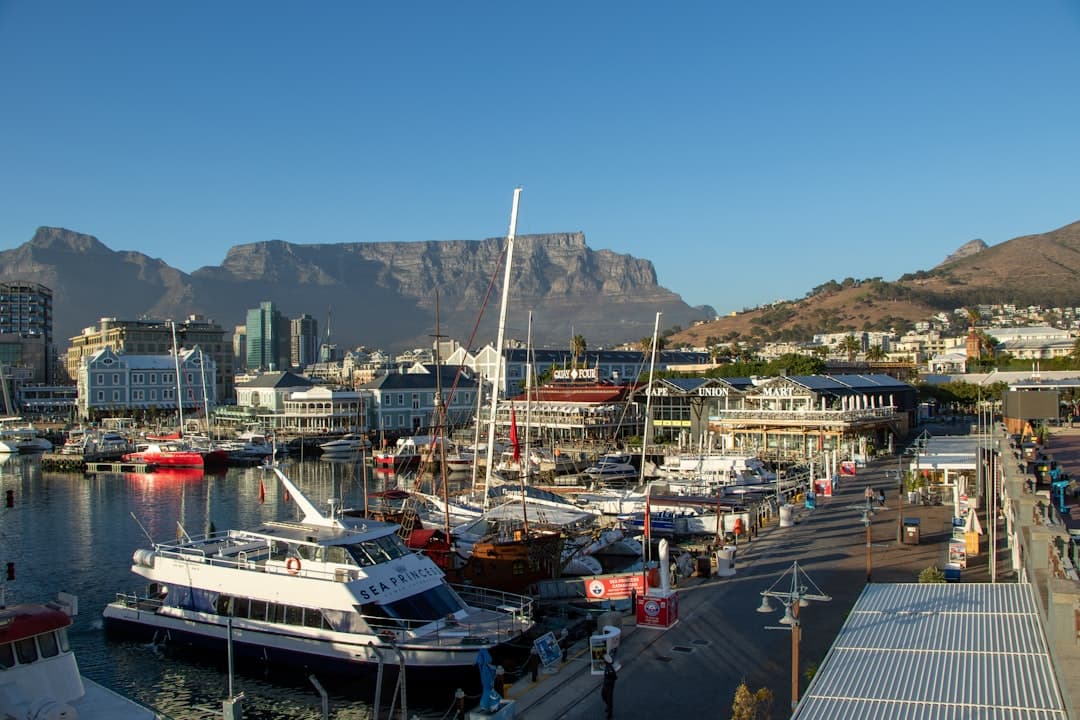
The V&A Waterfront is Cape Town's most visited destination — a sprawling complex of restaurants, shops, hotels, museums, and entertainment venues built around two active working basins of the city's historic Victoria & Alfred harbour. Named after Queen Victoria and her son Prince Alfred, who ceremonially tipped the first load of rocks to start the breakwater in 1860, the precinct covers around 123 hectares and sits right at the foot of Table Mountain. It's not just a shopping mall by the sea — it's a genuinely dynamic place where fishing boats still come and go alongside luxury yachts, and where you can board a ferry to Robben Island or kayak in the harbour while someone else is sipping wine at a rooftop bar 50 metres away.

In practical terms, the Waterfront is a full day's destination. You can browse hundreds of shops in the Victoria Wharf mall, eat your way through an enormous range of restaurants — from the no-frills fish and chips at Harbour House to the upscale tasting menus at places like Harbour House Kalk Bay, or the celebrated Test Kitchen for those who plan far ahead — visit the Two Oceans Aquarium, catch a live show at the Artscape or the Zeitz MOCAA (one of Africa's most important contemporary art museums, housed in a spectacularly converted grain silo), or simply walk the waterfront promenade as the afternoon light turns Table Mountain pink. The Clock Tower at the original Victorian harbour master's building is a good landmark to orient yourself.

The Waterfront is also the main departure point for Robben Island ferries — if that's on your itinerary, book well ahead as tickets sell out fast. For the rest of it, you don't need a plan. Go late afternoon when the light on the mountain is extraordinary, grab a table outside somewhere, and let the city come to you. The precinct can feel touristy in spots, but it earned that reputation honestly — it's genuinely beautiful, well-run, and has enough substance to reward several visits.
Local Tips

  1. 1

    Robben Island ferry tickets sell out weeks ahead in peak season — book through the official website as soon as your travel dates are confirmed, not when you arrive.

  2. 2

    The Zeitz MOCAA deserves at least two to three hours on its own; don't try to squeeze it in at the end of a day — it's one of Africa's genuinely great museums and rewards proper time.

  3. 3

    The Clock Tower precinct on the eastern side of the Waterfront is quieter and more atmospheric than the busy Victoria Wharf mall area — good spot for an evening drink with harbour views.

  4. 4

    The Two Oceans Aquarium is one of the best in the southern hemisphere and is an excellent option if the weather turns — the predator exhibit and the kelp forest tank are standout.

When to Go

Best times
November to March (Summer)

Cape Town's summer brings long sunny days, warm temperatures, and the city's busiest tourist season. The Waterfront is at its most vibrant but also most crowded — expect queues at popular restaurants and the Robben Island ferry.

Late Afternoon (Year-round)

The light on Table Mountain in the late afternoon is extraordinary from the waterfront promenade — this is the best time of day to simply walk and take it in.

Try to avoid
December to January

Peak holiday season brings very large crowds, especially on weekends. Robben Island tickets can sell out weeks in advance. Book everything ahead.

June to August (Winter)

Cape Town winters bring wind, rain, and grey skies. Many outdoor waterfront areas are less enjoyable, but indoor attractions like Zeitz MOCAA and the Aquarium are less crowded and fully worthwhile.

Why Visit

01

The Zeitz MOCAA — a stunning museum of contemporary African art inside a converted grain silo — is reason enough to make the trip.

02

It's the departure point for Robben Island, where Nelson Mandela was imprisoned for 18 years and which is one of the most important historical sites in the world.

03

The setting is simply spectacular: a working harbour with Table Mountain as the backdrop, best seen in the late afternoon when the light is at its most dramatic.