
Chapman's Peak
Cape Town / Chapman's Peak

Chapman's Peak

A cliff-hugging coastal drive carved into the raw Atlantic face of Africa.

🏛️ Sights & Landmarks🌿 Nature & Outdoors🎯 Activities & Experiences
🧗 Adventurous🌿 Relaxing🌹 Romantic

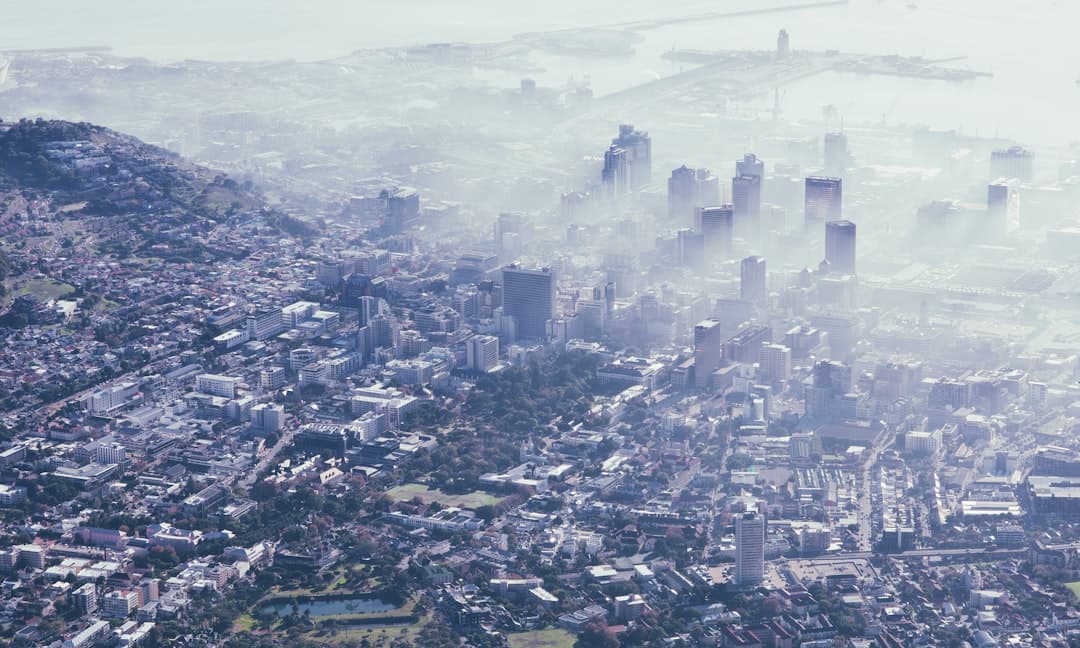
Chapman's Peak is one of the most dramatic stretches of coastal road on the planet — a 9-kilometre toll route that clings to the sheer granite and sandstone cliffs between Hout Bay and Noordhoek on Cape Town's Atlantic seaboard. The road was hewn largely by hand between 1915 and 1922, a feat of engineering in an era before heavy machinery, and it threads through 114 curves with the cold Atlantic crashing hundreds of metres below. The peak itself rises to around 593 metres and forms part of the Cape Peninsula's mountainous spine, a landscape shaped by tectonic force and relentless wind.
Local Tips

  1. 1

    There is a toll fee to drive the road — relatively small but cash or card should be ready at the booth on the Hout Bay side. Check current rates before you go as they change periodically.

  2. 2

    Pull over at the dedicated viewpoints rather than stopping on the road itself — the curves are blind and trucks do use this route, so safety is a real consideration.

  3. 3

    The Chapman's Peak Hotel at the Hout Bay end has a deck with unobstructed views of the cliff face and is a great spot to stop for a drink before or after the drive.

  4. 4

    Cyclists tackle this road regularly and it's considered one of Cape Town's iconic rides, but be aware that the narrow sections leave limited room for bikes and cars — if you're driving, give them plenty of space.

When to Go

Best times
June to November

Prime whale season — Southern Right whales are regularly spotted from the lookout points along the road, making this the most rewarding time to visit.

Late afternoon year-round

The light is extraordinary at golden hour, turning the cliffs warm amber and casting long shadows over the ocean. One of the best sunset drives anywhere in Cape Town.

Try to avoid
Winter storms (June–August)

The road occasionally closes due to rockfall risk after severe storms. Always check road status before making a special trip in winter.

Summer weekends (December–February)

Peak tourist season brings heavier traffic, especially on weekends, and the pullouts can get crowded. Weekday mornings are significantly quieter.

Why Visit

01

The views from the cliff-face pullouts are genuinely jaw-dropping — sheer rock above, deep blue ocean below, and on clear days you can see all the way to Noordhoek's long white beach.

02

The road itself is an experience, not just a connector — driving or cycling the hairpins at golden hour is one of Cape Town's most memorable things to do.

03

Whale-spotting is legitimately excellent here between June and November, when Southern Right whales move into the bay to calve and can often be seen from the roadside lookouts.