District Six Museum
A raw, moving testament to one of apartheid's most brutal acts of erasure.
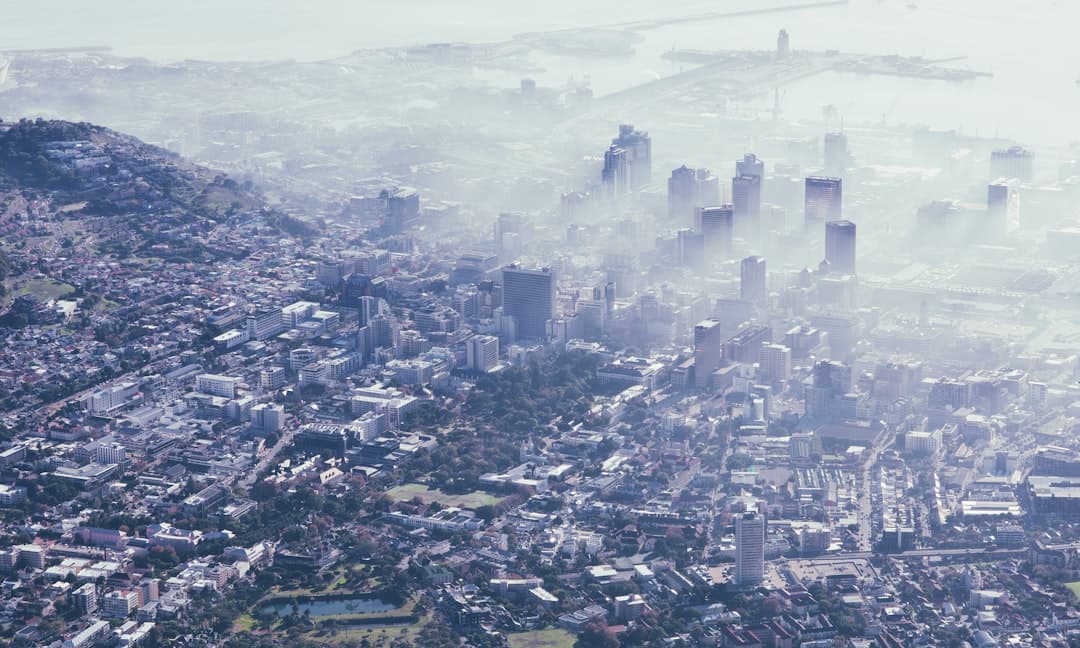
District Six was once a vibrant, multiracial inner-city neighbourhood just below Devil's Peak in Cape Town — home to over 60,000 people, most of them Coloured, Black, and Indian South Africans who had lived there for generations. In 1966, the apartheid government declared it a whites-only area under the Group Areas Act and spent the next decade bulldozing virtually every home, church, and business to rubble, forcibly removing residents to the Cape Flats townships many kilometres away. The District Six Museum, which opened in 1994 in the former Central Methodist Mission church on Buitenkant Street, was built by and for those survivors — a community-led act of memory-keeping in the face of deliberate destruction.
The museum is built around testimony and personal objects rather than polished exhibition design, which gives it an emotional directness that many heritage sites lack. The centrepiece is a vast floor map of the old neighbourhood onto which former residents — some of them museum guides — have written their names and marked where they once lived. Upstairs, photographs, oral histories, street signs salvaged from the demolition, and handwritten letters tell the story from the inside. The experience can be slow and immersive; don't rush it. Guided tours are available and transformative — several guides are former District Six residents themselves, and hearing the story from someone who lived it changes everything.
The museum sits at the edge of the former neighbourhood, much of which remained wasteland for decades — the apartheid government could clear the people but struggled to attract white buyers to land many considered cursed. Some restitution and rebuilding has happened since the end of apartheid, but the empty lots are still visible nearby, a quiet rebuke to history. Visit on a weekday if possible when it's less busy; mornings tend to be quieter. Entry fees are modest and go directly back into the museum's community programmes.