Cape of Good Hope
The dramatic southwestern tip of Africa, where two oceans meet dramatic cliffs.
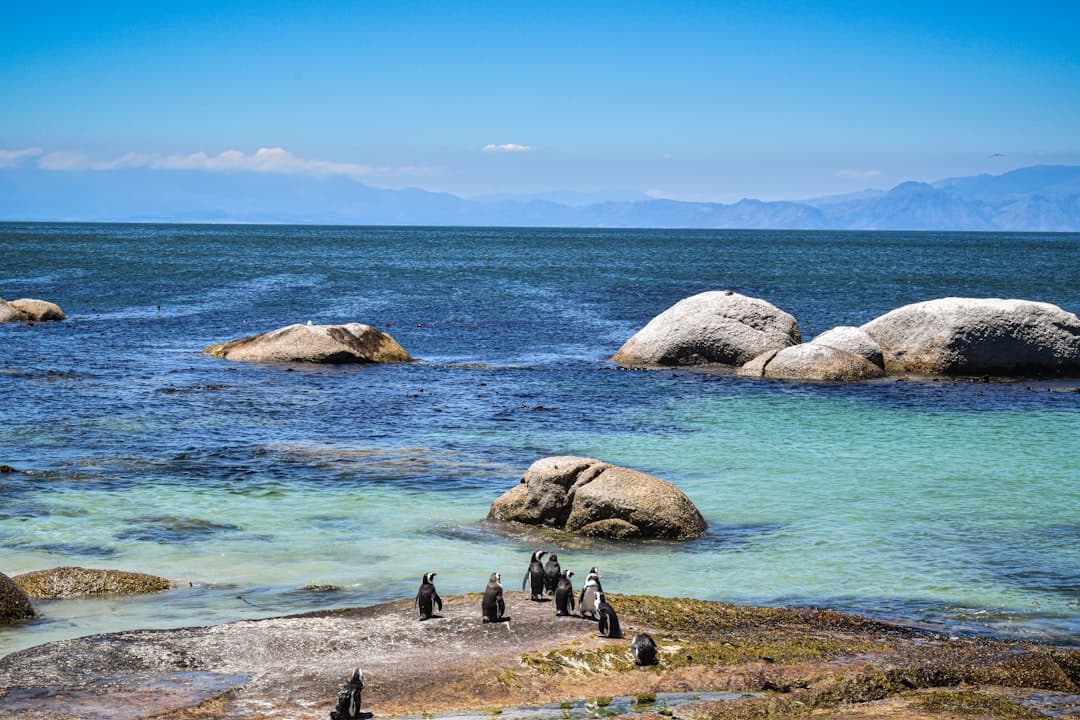
The Cape of Good Hope is one of the most iconic geographic landmarks on earth — a rugged, windswept headland at the southwestern corner of the African continent, inside the Table Mountain National Park. It's the point where Bartolomeu Dias first rounded the southern tip of Africa in 1488, opening the sea route between Europe and Asia and fundamentally changing world trade. That history alone gives the place enormous weight, but what strikes most visitors is the raw, elemental beauty of it: sheer cliffs dropping into churning Atlantic swells, fynbos scrubland stretching in every direction, and a sky that feels enormous.
Most people visit as part of the Cape Peninsula drive, one of the great scenic routes in Southern Africa. You enter through the national park gate and wind down through the reserve past baboons, ostriches, and Cape mountain zebras before reaching the cape itself. The famous sign marking the geographic point sits at the base of the cliffs and draws a queue of photographers. From there, a steep path — or a funicular railway — takes you up to the old lighthouse at Cape Point, which sits above the cape and commands one of the most dramatic coastal views on the continent. The walk between Cape Point and the Cape of Good Hope itself is around 45 minutes through open fynbos and is absolutely worth doing on a clear day.
The park gates open at 7am and the last entry is typically well before 5pm closing, so arriving early gives you the best light and thinner crowds — late morning on peak summer days can feel very busy. The funicular (called the Flying Dutchman) costs extra and queues build quickly; walk up if you're able-bodied and have the time. Note that baboons in the park are bold and notorious thieves — do not feed them, keep food in your car, and keep windows closed.