
Cape Point
Cape Town / Cape Point

Cape Point

The dramatic tip of Africa where two oceans and ancient geology collide.

🏛️ Sights & Landmarks🌿 Nature & Outdoors🎯 Activities & Experiences
🧗 Adventurous👨‍👩‍👧 Family-friendly🌹 Romantic

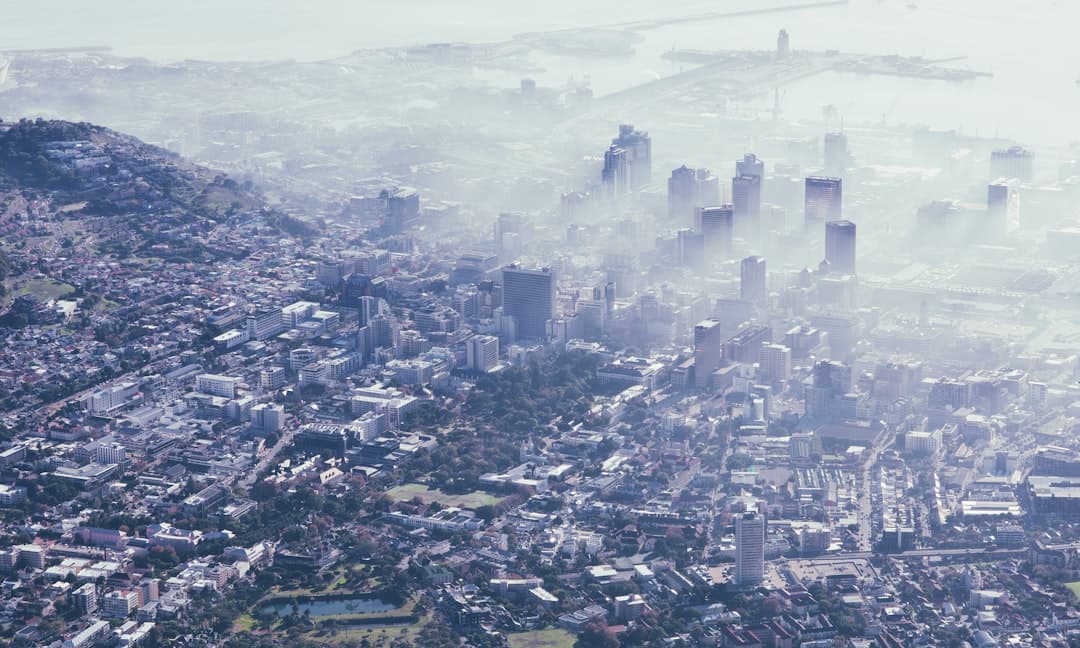
Cape Point is a dramatic rocky promontory at the southwestern tip of the African continent, forming the southeastern corner of the Cape of Good Hope section of Table Mountain National Park. It's been a landmark for sailors for centuries — Portuguese explorer Bartolomeu Dias rounded it in 1488, and it remained one of the most feared and celebrated waypoints on the sea route between Europe and Asia. Today it draws well over a million visitors a year, not because it's been packaged and prettified, but because the landscape genuinely commands awe: sheer quartzite cliffs dropping hundreds of metres into churning sea, fynbos-covered plateaus, and skies that shift from blazing blue to full storm drama within an hour.

The experience here is layered. Most visitors take the Flying Dutchman funicular (named for the legendary ghost ship said to haunt these waters) up to the old lighthouse, which sits at 249 metres and delivers views across False Bay to the east and the open Atlantic to the west. But the better move is to hike — the walk from the lower cable station to the lighthouse via the cliff path takes about 20 minutes and rewards you with vertigo-inducing ledges and, if you're lucky, a sighting of the Cape sugarbird or one of the park's resident baboon troops. From here you can also walk or drive to the Cape of Good Hope itself, a short distance south, where the famous signpost marks the southwestern tip of the continent.

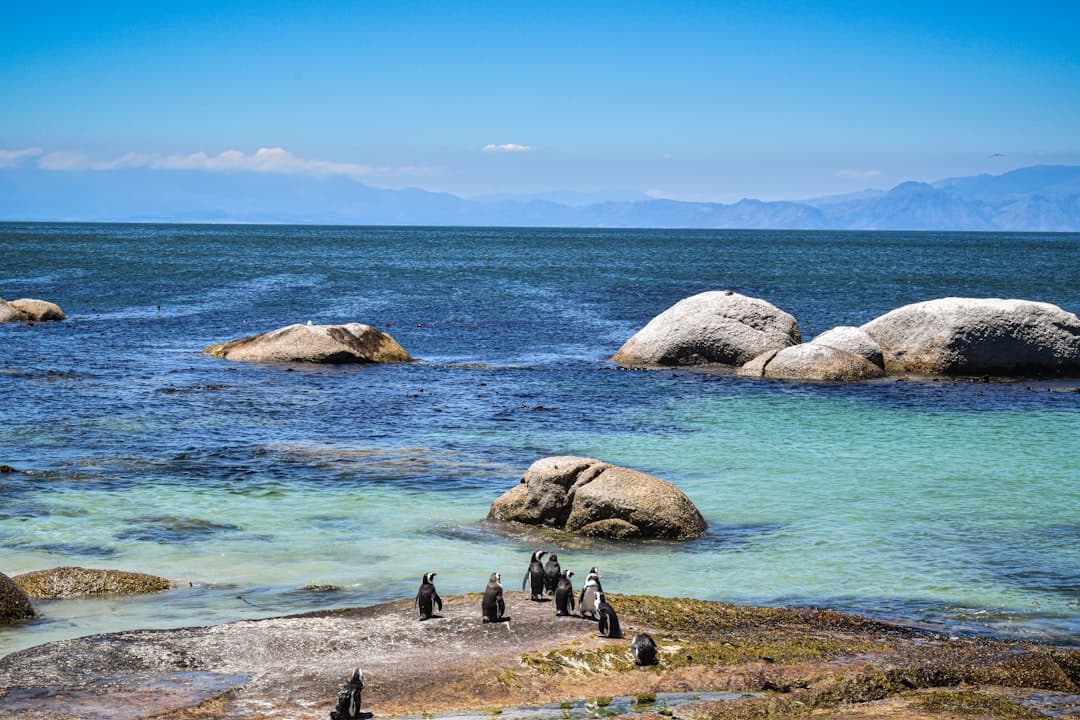
Cape Point sits within Table Mountain National Park, so your entry fee covers the whole reserve including Boulders Beach penguin colony and Smitswinkel Bay. Come midweek if you can — weekends and the December-January school holiday period turn the car park into chaos. The wind here is no joke: the Cape Doctor can blow at 60km/h on a clear day, and the exposed cliff paths are genuinely dangerous when it gusts. Check the forecast before you go, bring layers regardless of season, and don't underestimate how long the drive from Cape Town takes — it's a solid 1.5 hours each way from the city bowl.
Local Tips

  1. 1

    Guard your food ferociously — the baboons here are bold, intelligent, and very fast. They will take a sandwich out of your hand without hesitation. Keep bags closed and car windows up at all times.

  2. 2

    The two lighthouses often confuse visitors: the newer, working lighthouse sits lower on the cliff and is less dramatic. Make the effort to climb to the old lighthouse at the top — the views from there are incomparably better.

  3. 3

    Don't treat Cape Point as a standalone trip. Combine it with Boulders Beach penguins (on the way back via Simon's Town) and a stop at Kalk Bay for lunch — it turns a long drive into a genuinely great day out.

  4. 4

    The wind can ruin an unprepared visit. Even in summer, pack a windproof layer — exposed cliff paths become unpleasant and occasionally dangerous when the southeaster kicks in.

When to Go

Best times
September–November (Spring)

Fynbos is in full bloom, whale watching in False Bay peaks, and the weather is warming without peak-season crowds. One of the best times to visit.

April–May (Autumn)

Crowds thin dramatically after Easter, light is golden and soft, and temperatures are still comfortable for hiking. A genuinely underrated window.

Try to avoid
December–January (Peak Summer)

Car parks fill by mid-morning and queues for the funicular can be long. Book park entry in advance and arrive before 9am to beat the rush.

June–August (Winter)

Storms roll in fast and paths can be dangerous in high wind. The park may close sections in extreme weather, and the drive can be treacherous in rain.

Why Visit

01

Stand on cliffs that drop sheer into the Atlantic and look out over one of the most historically significant stretches of ocean on earth — the sea route that connected Europe to Asia.

02

The fynbos heathland here is found nowhere else on earth — this biodiversity hotspot rivals the Amazon, and spring brings a blaze of proteas, restios, and ericas across the plateau.

03

Wild encounters are genuinely wild: Cape mountain zebra, ostriches, eland, and chacma baboons roam freely around the roads and paths, and southern right whales breach in False Bay below from July to November.