Villa Borghese
Rome's grand urban park hides a world-class art museum and genuine breathing room.
Villa Borghese is Rome's most beloved public park — a sprawling 80-hectare green escape sitting just north of the Spanish Steps, built in the early 17th century as the private estate of Cardinal Scipione Borghese. Over the centuries it transitioned from aristocratic pleasure garden to public park, and today it functions as the city's lungs: a place Romans actually use every day, not just a tourist attraction. At its heart sits the Galleria Borghese, one of the greatest small art museums on earth, housing Bernini sculptures and Caravaggio paintings that would be the crown jewels of any major institution in the world.
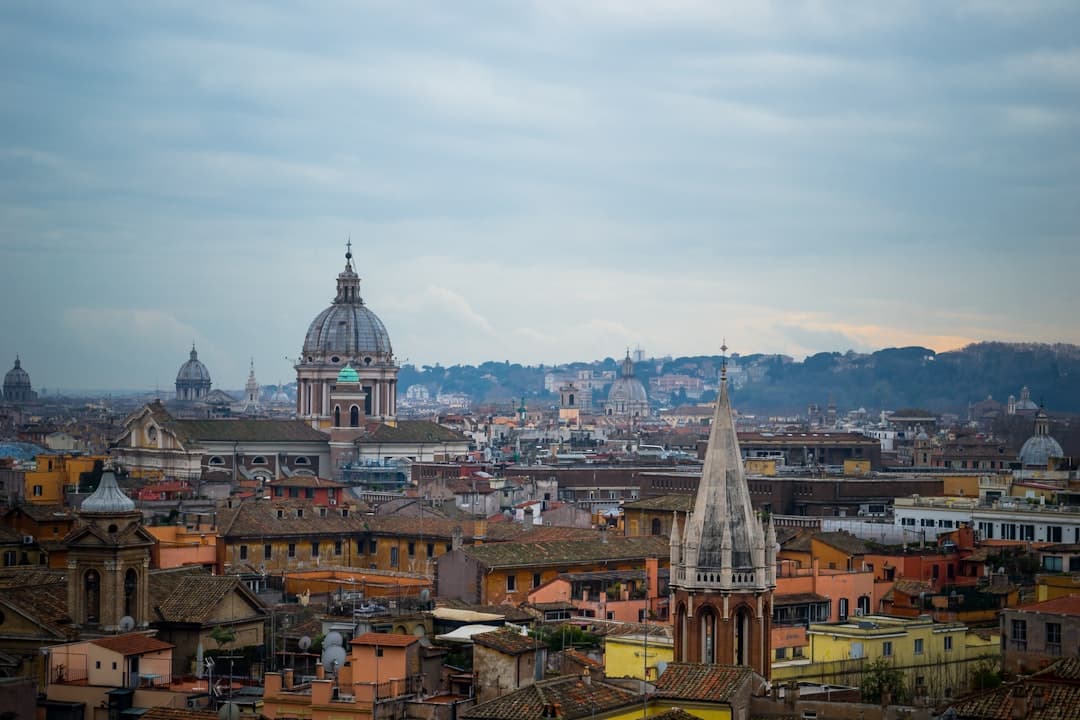
The park itself offers layered pleasures. You can rent a rowboat on the small lake, cycle along shaded paths on rented bikes or four-wheeled pedal carts, visit the charming Bioparco (the city zoo), or simply walk uphill to the Pincian Hill terrace — the Terrazza del Pincio — for one of Rome's finest panoramic views over the city's rooftops and domes. The Galleria Borghese requires a separate timed booking and is strictly limited to two-hour entry slots, but those two hours are among the most concentrated artistic experiences you can have anywhere: Bernini's Apollo and Daphne, his Pluto and Persephone, Canova's reclining Pauline Borghese, Caravaggio's Boy with a Basket of Fruit and David with the Head of Goliath — all in a single intimate villa.
The park sits just inside the Aurelian Walls above the Tridente neighborhood and is easily reached on foot from the Spanish Steps via the Pincian Hill ramp, or by tram and metro from the wider city. Skip the park's tourist-trap café and instead bring a picnic — Romans do this constantly, especially on weekends. The Galleria Borghese booking system is notoriously oversubscribed; book that separately and well in advance, then treat the park itself as the unhurried complement.