
Vedado
Havana / Vedado

Vedado

Havana's modernist heartbeat, where revolution-era architecture meets everyday Cuban life.

🎶 Nightlife🏛️ Sights & Landmarks🍽️ Food & Drink🎭 Arts & Entertainment🏘️ Neighborhoods
🧗 Adventurous🎭 Cultural🌹 Romantic

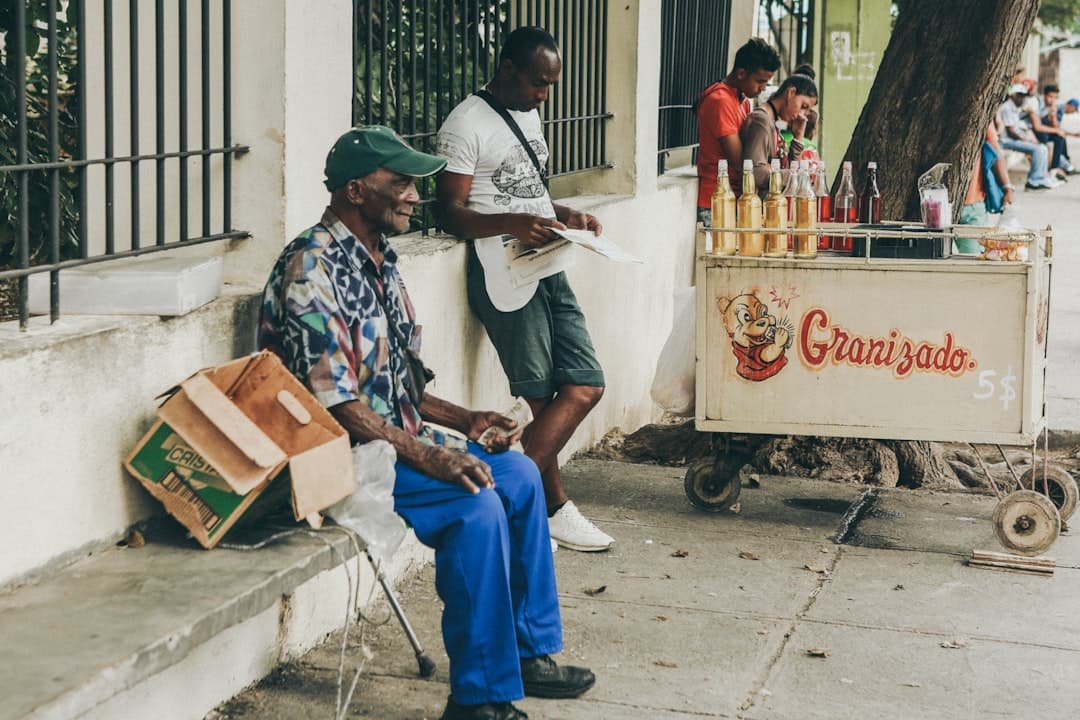
Vedado is Havana's most cosmopolitan neighborhood, a sprawling residential and commercial district that grew up in the early 20th century when wealthy Cuban families moved west from the old colonial city. Unlike the crumbling baroque grandeur of Habana Vieja, Vedado is a city of broad avenues lined with art deco mansions, mid-century apartment blocks, and towering hotels — including the famous Hotel Nacional and the Habana Libre, both monuments to Cuba's complicated relationship with the United States. It's the neighborhood where Hemingway drank, where the Mafia built casinos, and where the revolution later nationalized everything. Today it's where Havana actually lives.

Walking Vedado means wandering grid streets shaded by ceiba trees, past peeling mansions converted into ministries and crumbling apartments where families hang laundry from ornate iron balconies. The main artery, La Rampa, runs downhill toward the Malecón seawall and is lined with airline offices, ice cream parlors, and the occasional peso pizza window. The Plaza de la Revolución — the vast ceremonial square with its iconic steel portrait of Che Guevara — sits at the neighborhood's southern edge and remains one of the most politically charged public spaces in the Americas. The Necrópolis Cristóbal Colón, one of the most beautiful cemeteries in the world, is also here, a city of elaborate tombs and sculptures worth a dedicated afternoon.

Vedado is the neighborhood for finding Havana's better paladares — privately run restaurants that have flourished since economic reforms — as well as its most active jazz clubs, including La Zorra y El Cuervo on La Rampa. The neighborhood rewards slow exploration on foot; the real pleasure is getting slightly lost between the lettered and numbered streets, stumbling onto a ruined modernist villa or a shady park where old men play dominoes. Avoid being rigidly scheduled here — Vedado is best experienced as a long, unhurried wander.

Local Tips

  1. 1

    The Necrópolis Cristóbal Colón is one of the most underrated sights in Havana — budget at least two hours and grab a map at the entrance gate. The tomb of La Milagrosa draws daily pilgrims and is genuinely moving.

  2. 2

    La Zorra y El Cuervo on La Rampa is the classic late-night jazz spot — entrance includes a drink, shows typically start around 10pm, and it gets packed on weekends. Arrive early or expect to wait.

  3. 3

    Use the lettered streets (A, B, C) running east-west and numbered streets running north-south to orient yourself — locals navigate by intersections, so 'Calle 23 y L' is more useful than any address.

  4. 4

    The Coppelia ice cream park near the Hotel Habana Libre is a Havana institution — locals queue for the peso-priced scoops in the main pavilion while tourists are often directed to a separate section. Join the main queue if you want the full experience and have the patience.

When to Go

Best times
December–March

Peak dry season brings cooler temperatures and lower humidity, making long walks through Vedado's streets genuinely pleasant rather than draining.

Late afternoon into evening

The Malecón fills with locals at sunset — an easy walk from Vedado's northern edge — and jazz clubs get going after 10pm. The neighborhood truly comes alive after dark.

Try to avoid
July–August

Heat and humidity peak, making midday exploration exhausting. Start early, take a long lunch break, and resume in the late afternoon.

Why Visit

01

Home to the Plaza de la Revolución, the Hotel Nacional, and Necrópolis Colón — three of Havana's most historically significant sites, all within walking distance of each other.

02

The best concentration of paladares and jazz venues in the city, reflecting Cuba's evolving private economy and its deep musical culture.

03

The architecture alone is worth the trip — a living catalog of art deco, neoclassical, and mid-century modernism in various states of glorious decay.