
All Places
1,073 places around the world
1,073 places · page 42 of 45
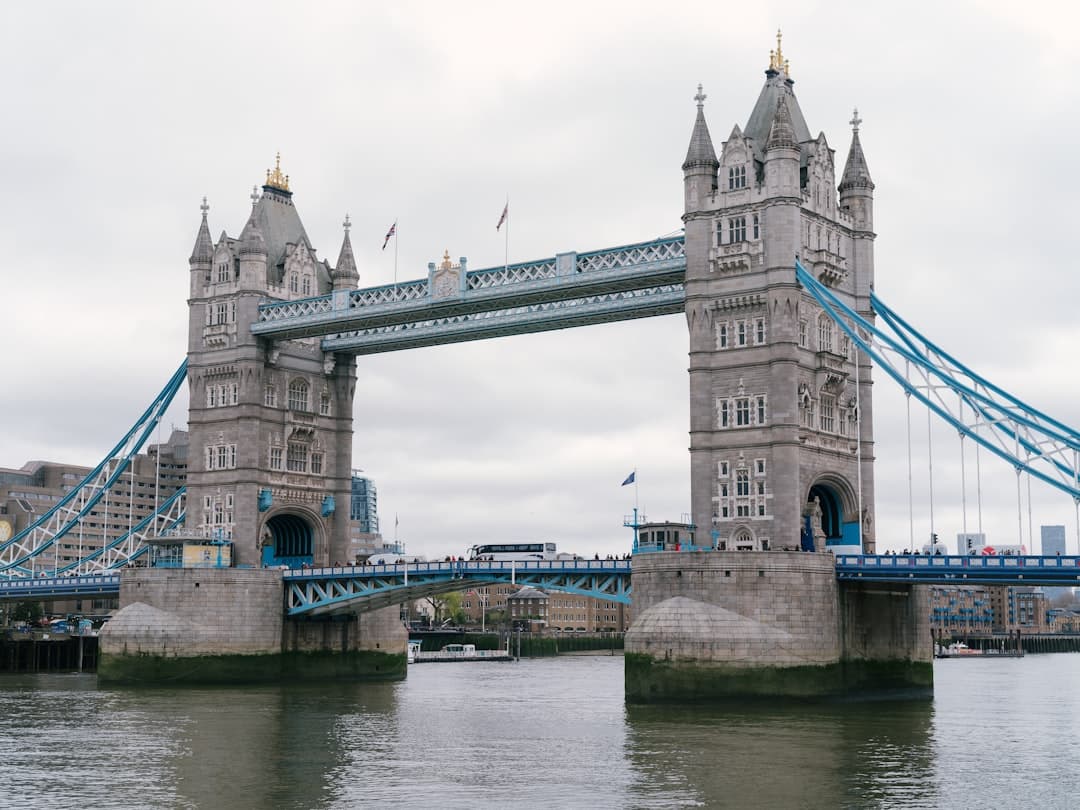
Tower Bridge
Tower Bridge is one of the most recognised structures in the world — a Victorian bascule and suspension bridge that has spanned the Thames since 1894. Despite being commonly mistaken for London Bridge (a persistent mix-up that has confused tourists and, famously, at least one American buyer of the wrong bridge), Tower Bridge is the one with the twin Gothic towers, the blue ironwork, and the hydraulic lifting mechanism that still raises the roadway to let tall ships through. It sits at the eastern edge of the City of London, just downstream from the Tower of London, and it remains a working bridge that carries traffic every day. The Tower Bridge Experience, as the ticketed attraction is called, takes you inside the structure itself. You walk the high-level glass-floored walkways connecting the two towers at 42 metres above the river — look down and you'll see buses, cyclists, and the occasional tall ship beneath your feet. The engine rooms down at river level house the original Victorian steam-powered hydraulic machinery, which was used to raise the bridge until 1976, and the exhibition explains how the whole mechanism works with surprising clarity. The bridge still lifts around 800 times a year; if you time your visit right, you can watch the roadway rise for a passing vessel. Book tickets online in advance — walk-up queues can be substantial in summer, and the timed-entry system means you could wait longer than you'd like otherwise. The views from the walkways are genuinely spectacular and worth the modest entry fee, but the bridge itself is free to cross on foot at any time. For the best overall experience, combine a visit with a walk south along the riverbank toward Bermondsey or north through St Katharine Docks, both within easy walking distance.
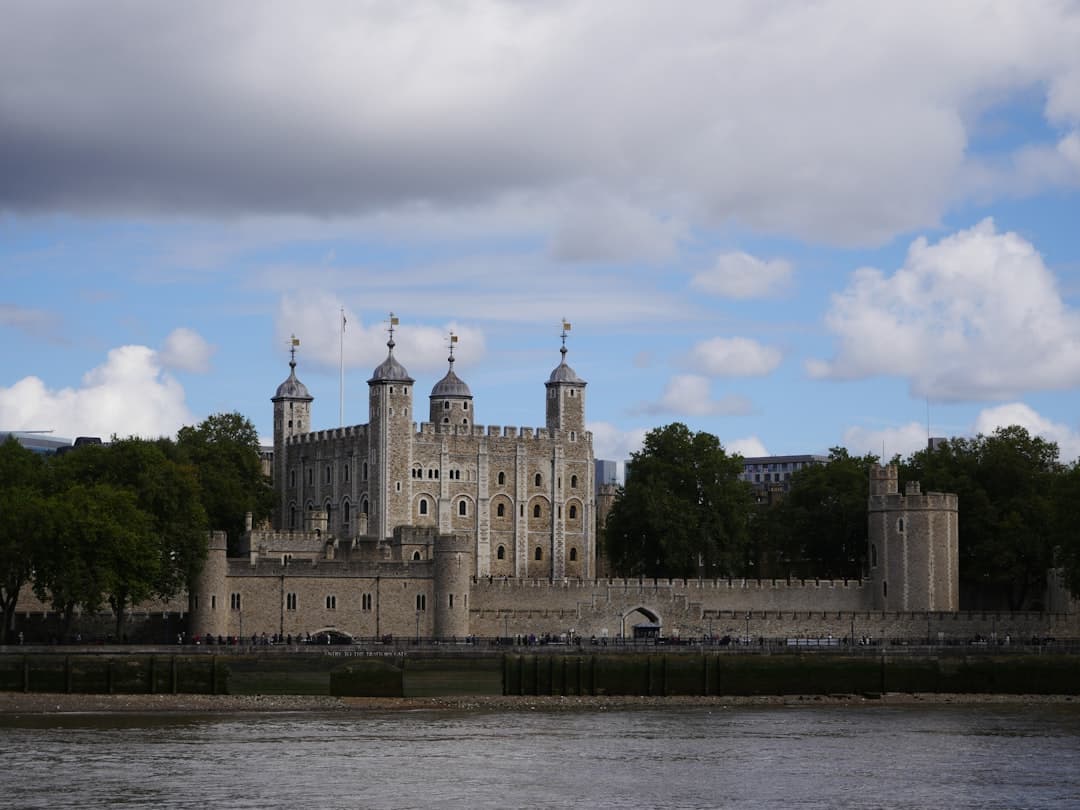
Tower of London
The Tower of London is a medieval castle complex sitting on the north bank of the Thames, built by William the Conqueror starting in 1078. It's served as a royal palace, a prison for high-profile captives including Anne Boleyn and Sir Walter Raleigh, a place of execution, a treasury, and even a royal menagerie. Today it's one of the most visited historic sites in Britain and a UNESCO World Heritage Site — not because it's been polished into a theme park, but because it has genuinely been at the centre of English history for nearly a thousand years. The weight of that history is palpable when you're standing in it. The main draws are the Crown Jewels — the actual working regalia used at coronations, including the Imperial State Crown set with over 2,800 diamonds — and the Yeoman Warder tours, led by the Tower's resident guards (known as Beefeaters), who have lived within the walls for centuries. Their guided walks are funny, theatrical, and packed with gory detail. You'll also want to explore the White Tower, the oldest Norman keep, which houses a serious collection of royal armour, and the medieval execution site on Tower Green where figures like Anne Boleyn and Lady Jane Grey were beheaded. The ravens — kept here by royal decree with the legend that the kingdom will fall if they ever leave — are a genuine highlight. Buy tickets online in advance; the queues for walk-up entry can be brutal, especially in summer. Tuesdays through Saturdays the gates open at 9am, which is when you want to arrive — the Crown Jewels are significantly less crowded in the first hour. The Yeoman Warder tours are free with entry and leave from the main gate roughly every 30 minutes; don't skip them. Last entry is around 5pm, and the site closes at 5:30pm.
Toyosu Market
Toyosu Market is Tokyo's main wholesale fish and seafood market, opened in October 2018 after the famous Tsukiji Market relocated from its original Chuo City site. Built on a reclaimed island in Tokyo Bay, it handles around 480,000 tons of seafood per year and is the largest wholesale fish market in the world by volume. It's where the city's restaurants, supermarkets, and sushi bars source their ingredients, and it operates with the kind of industrial efficiency and sheer scale that makes it unlike anywhere most visitors have ever been. Visitors access the market through dedicated observation areas — glassed-in walkways above the tuna auction floor, elevated corridors overlooking the intermediate wholesale zone, and a rooftop garden with views over the market complex and Tokyo Bay. The famous tuna auctions happen in the early morning, and a limited number of spots are available for members of the public to observe. Even without auction access, watching thousands of individual vendors move product in the wholesale building — seafood you simply won't see outside Japan — is genuinely remarkable. The adjacent restaurant building has a cluster of seafood restaurants and sushi bars serving some of the freshest fish in Tokyo. The key practical thing to know: this is a working market, not a tourist attraction, which means the action peaks between 5am and 9am and winds down sharply after that. Come early for the energy and the best sushi breakfast of your life. Auction viewing slots are limited and must be applied for in advance through the official website — competition is fierce, especially on weekdays. Wednesday and Sunday closures catch a lot of visitors off guard, so double-check the calendar before you go.
Tra Que Vegetable Village
Tra Que is a centuries-old farming village on the edge of Hoi An, sitting between the De Vong River and a natural water hyacinth pond whose decomposed plants are used as organic fertiliser. The village produces the fresh herbs and vegetables that define Hoi An cuisine — rau muong, perilla, Vietnamese mint, coriander, lemongrass — and has been supplying the town's kitchens for generations. It operates as a working farm that also welcomes visitors, offering a genuine slice of rural life without the theme-park gloss that can creep into heritage tourism. Most people come for the cooking class experience: you spend time in the fields alongside local farmers, learning to plough, rake, and water using traditional tools, then take those freshly harvested ingredients into a kitchen and cook a Hoi An meal from scratch. White Rose dumplings, Cao Lau noodles, fresh spring rolls — the dishes you make are the same ones sold in the restaurants back in town, but here you understand exactly where the herbs came from. After cooking, you eat what you made, usually at a family-run restaurant on the farm itself. The village is about 3km from Hoi An's Ancient Town — close enough to reach by bicycle, which is the best way to arrive. Come early morning if you want to see farmers actually working; by late morning the cooking classes are in full swing and the atmosphere shifts. Some visitors do a stand-alone farm walk without a cooking class, which takes about an hour, but the half-day combination of farming activity plus cooking is what makes Tra Que genuinely memorable rather than just a pleasant stroll.
Trafalgar Square
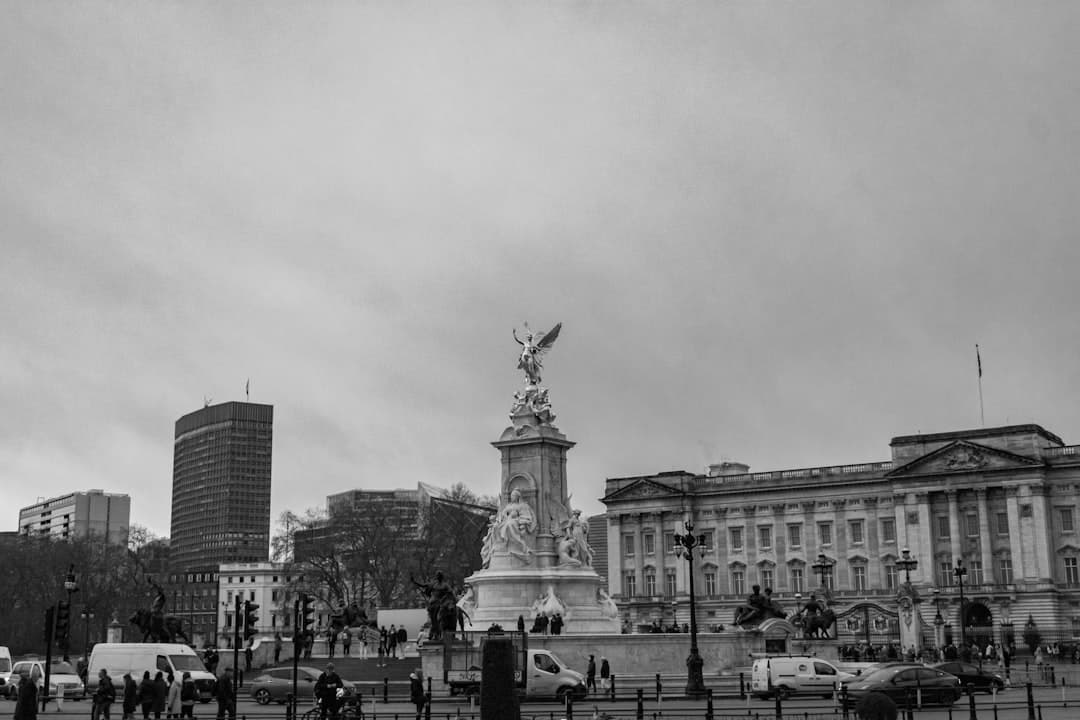
Trafalgar Square is one of London's most recognisable public spaces, built in the 1830s to commemorate the Battle of Trafalgar — the 1805 naval victory in which Admiral Horatio Nelson defeated the combined French and Spanish fleet, at the cost of his own life. At the centre stands Nelson's Column, a 52-metre granite pillar topped with a statue of the admiral himself, guarded at its base by four enormous bronze lions designed by Edwin Landseer. The square is flanked by the National Gallery to the north, St Martin-in-the-Fields church to the northeast, and opens southward toward Whitehall and the Houses of Parliament. It's not just a monument — it's the symbolic centre of the city, the point from which distances in London are traditionally measured. In practice, visiting Trafalgar Square means moving through a big, open, pedestrianised plaza that hums with energy at almost any hour. You can circle the column, examine the four plinths at its corners — three bearing permanent bronze statues, the fourth rotating a series of contemporary art commissions since 1999 — and sit on the steps of the National Gallery with a sweeping view over the fountains and the city beyond. Street performers work the space, tourists photograph the lions, and locals cut through on their way between Charing Cross and the West End. The square regularly hosts outdoor concerts, New Year celebrations, political demonstrations, and cultural events. The best time to visit is weekday mornings, when the square is noticeably quieter and the light is good for photography. The National Gallery, which sits directly on the square and is free to enter, is an easy companion visit — together they make a half-day. The nearest Tube stations are Charing Cross (Bakerloo, Northern) and Leicester Square (Northern, Piccadilly). Watch your pockets in the busiest summer months; the square draws large crowds and is a known pickpocketing spot.
Tran Quoc Pagoda
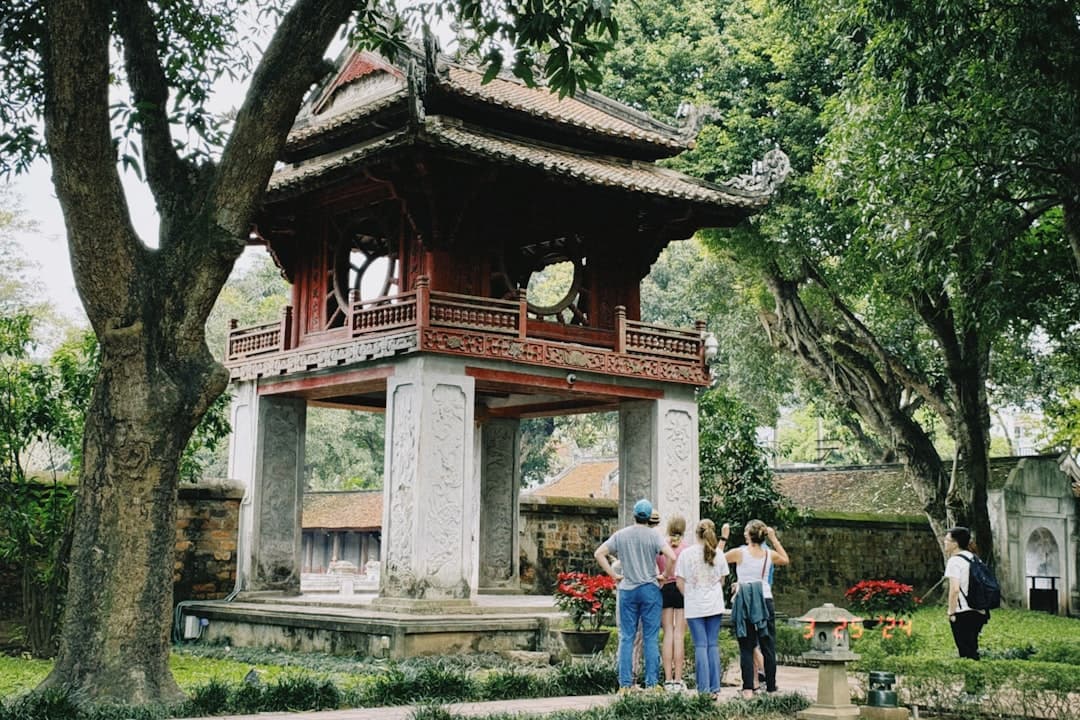
Tran Quoc Pagoda is the oldest Buddhist temple in Hanoi, with roots stretching back to the 6th century during the reign of Emperor Ly Nam De. Originally built on the banks of the Red River, it was relocated to its current home on a small island in Tay Ho — West Lake — in the 17th century, when erosion threatened its foundations. Today it sits connected to the lakeside promenade by a narrow causeway, its eleven-tiered stupa rising against a backdrop of water and lotus flowers. For Vietnamese Buddhists, this is a place of genuine pilgrimage and daily worship, not a heritage site frozen in amber. Visiting means walking the causeway past flowering bougainvillea and frangipani, then exploring a layered compound of shrines, courtyards, and a striking bodhi tree — a descendant of the tree under which the Buddha is said to have attained enlightenment, gifted by India in 1959. The brick stupa, rebuilt in 1998 but following centuries-old design, contains small Buddha niches at each tier. Inside the main hall, offerings of incense and fruit surround gilded Buddhas, and monks and local worshippers move quietly through the space throughout the day. The pagoda opens twice daily — morning and afternoon — and closes during the midday break, so time your visit accordingly. Come early in the morning for soft light on the water and far fewer visitors. The surrounding Tay Ho neighborhood is one of Hanoi's most pleasant, and the pagoda pairs naturally with a walk along the lakeside road or a stop at one of the nearby banh tom (shrimp cake) vendors that locals favor.
Trastevere Neighbourhood
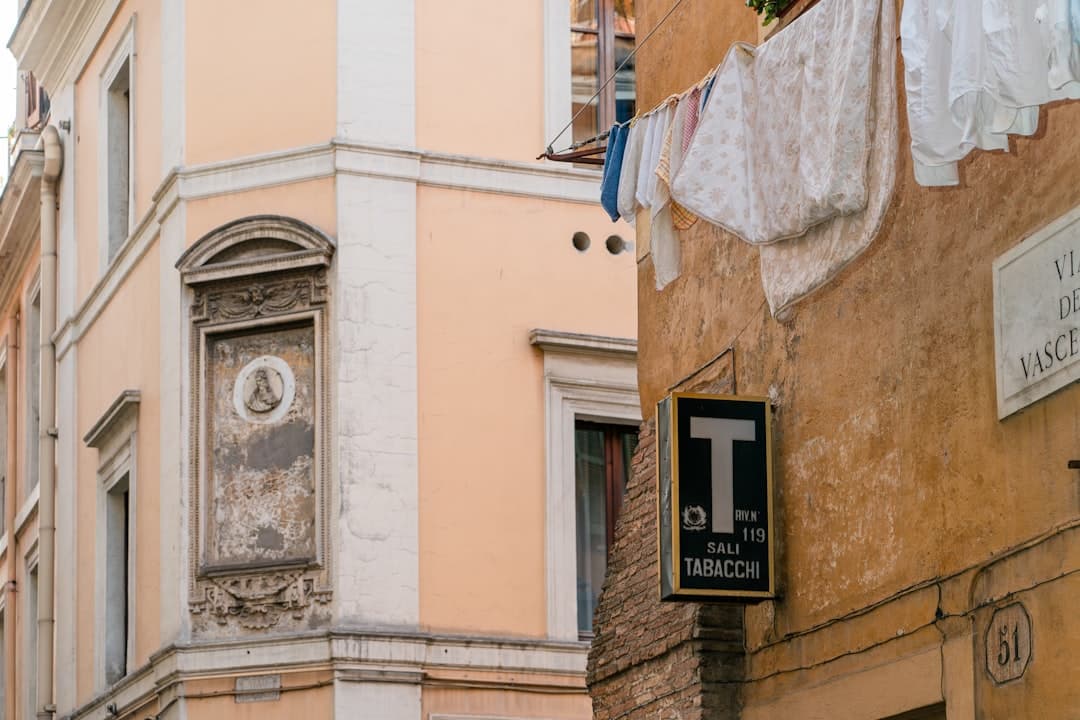
Trastevere is a historic neighborhood on the west bank of the Tiber River, just south of the Vatican. The name means literally 'across the Tiber' in Latin, and for centuries this was a working-class district set apart from the more affluent center of Rome — a place of tanners, fishermen, and merchants who considered themselves the truest Romans of all. Today it's one of the city's most beloved and visited neighborhoods, and for good reason: it has retained a texture and warmth that much of central Rome has lost to luxury hotels and tourist traps. Walking through Trastevere feels like the Rome of your imagination made real. The streets are narrow, uneven, and strung with laundry; the buildings are painted in warm ochres and terracottas; ivy climbs over crumbling facades. The Basilica di Santa Maria in Trastevere, one of the oldest churches in Rome with stunning 12th-century mosaics, anchors the main piazza where locals and visitors mingle at all hours. By day you wander, eat well at spots like Da Enzo al 29 or Tonnarello, and browse the Sunday flea market at Porta Portese just nearby. By night the whole neighborhood comes alive — it's one of Rome's main aperitivo and dinner scenes, especially in summer when tables spill into every available square. The neighborhood has gentrified considerably since the 1990s and early 2000s, and it's no secret to tourists anymore — on a summer Friday night the main piazza heaves with crowds. But venture even one street off the main drag and you'll find quieter corners, local bars, and a pace of life that still feels distinctly Roman. The best strategy is to arrive early in the day, visit the basilica when it opens, eat lunch at a neighborhood trattoria, and return in the evening when the light turns golden and the whole place glows.
Trevi Fountain
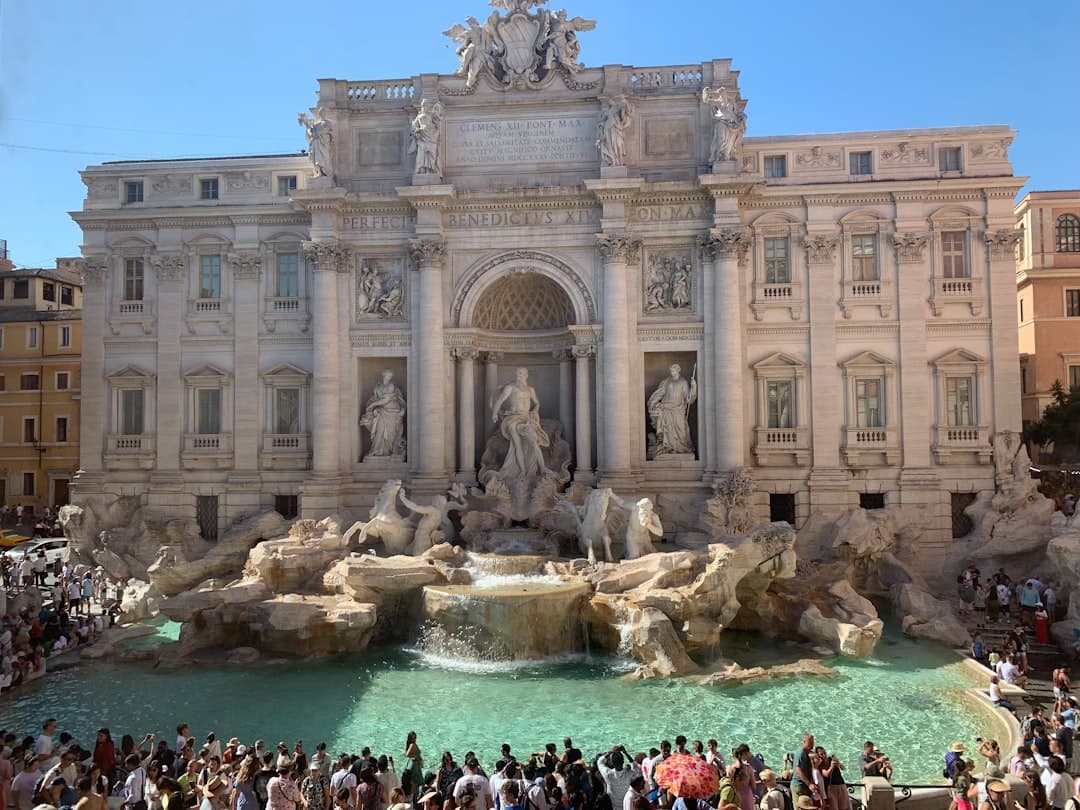
The Trevi Fountain is Rome's largest and most famous fountain, completed in 1762 after nearly three decades of construction. Designed by architect Nicola Salvi and built into the rear façade of Palazzo Poli, it marks the terminus of the Aqua Virgo, one of ancient Rome's great aqueducts that has been delivering water to the city for over two millennia. The central figure is Neptune, god of the sea, riding a shell-shaped chariot pulled by two sea horses — one wild, one calm — representing the ocean's moods. It's a masterwork of the Roman Baroque, and standing before it for the first time is genuinely arresting in a way that photographs never quite prepare you for. Most visitors come to do exactly what the legend demands: toss a coin over your left shoulder with your right hand into the basin, a tradition that supposedly guarantees a return to Rome. The fountain collects around €1.5 million in coins annually, which are donated to Caritas to support Rome's poor. Beyond the ritual, you're here to simply look — at the scale, the theatricality, the way the water cascades over travertine rocks, and the way the whole composition reads like a stage set with the palazzo as its backdrop. The piazza surrounding it is small and almost always crowded, which is part of the experience, for better or worse. The opening hours listed reflect a ticketed viewing area introduced in recent years to manage crowds, but the fountain itself is visible from outside the barriers at all hours — you just may not be able to approach the edge. Come very early in the morning, before 8am, or late at night after 10pm, when the piazza thins out and the fountain is lit dramatically. The neighbourhood around it, Trevi, is worth exploring — duck into the tiny streets radiating off the piazza and you'll find some of Rome's better gelato shops and a few trattorias that have managed to stay decent despite the tourist pressure.
Triana
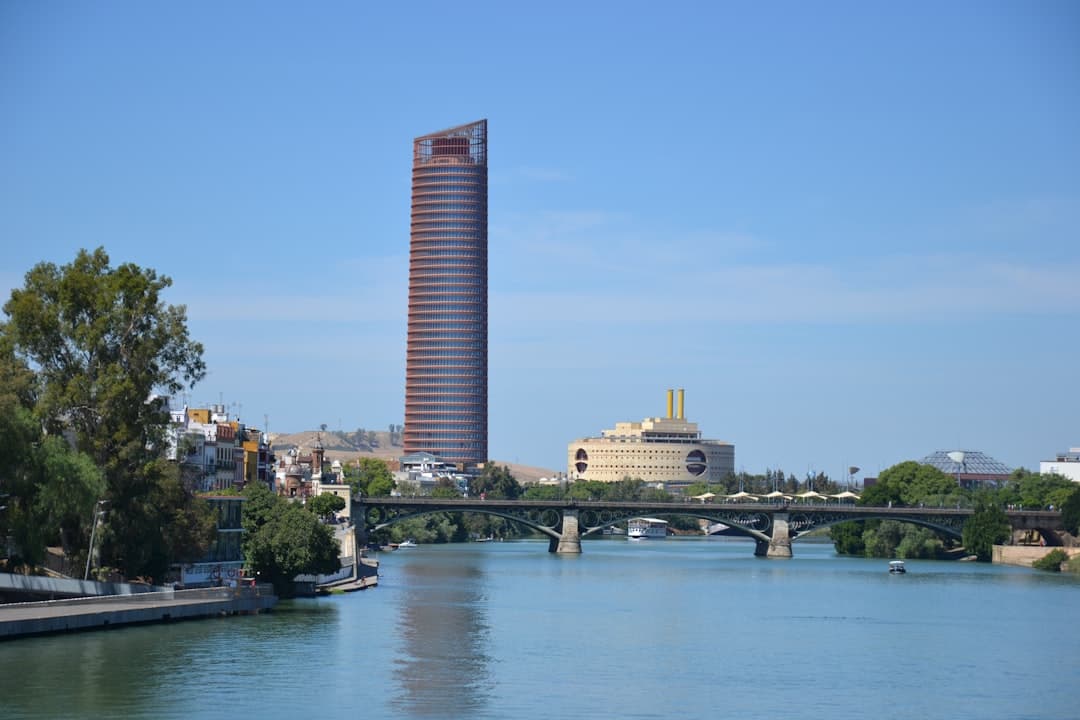
Triana is a historic neighbourhood on the west bank of the Guadalquivir River, separated from Seville's old city by the water and connected to it by the Puente de Isabel II — a wrought-iron bridge that locals simply call the Puente de Triana. For centuries it was considered a world apart: a working-class barrio of sailors, bullfighters, gitano flamenco artists, and tile-makers who answered to their own rhythms. That proud, insular identity never fully dissolved, and today Triana remains one of Seville's most characterful places — not a theme-park version of Andalusia, but an actual neighbourhood where people live, argue, and celebrate. Walking its streets, you get the full texture of the place. The Calle Alfarería and Calle San Jorge are still lined with azulejo workshops and ceramic shops, a craft tradition that supplied the tiles for half of Seville's churches and palaces. The Mercado de Triana — a compact covered market built on the ruins of the old Castillo de San Jorge, where the Spanish Inquisition once operated — is the best place to eat cheap and authentic: jamón, fresh fish, cheese, and cold fino sherry at a bar stool by 9am. At night, the riverfront promenade and the small flamenco tablaos come alive, with the Isabel II bridge lit up and reflected in the water. Triana rewards slow exploration rather than a checklist approach. Skip the organised flamenco tourist shows if you can — instead, look for peñas (private flamenco clubs) that occasionally open to outsiders, or just settle into one of the old tiled bars along Calle Betis with a glass of Manzanilla and watch the city across the river. The neighbourhood is entirely walkable from the historic centre — cross the bridge and you're there in minutes — but it has a distinct feel that makes it seem further away than it is.
Trinity College & Book of Kells
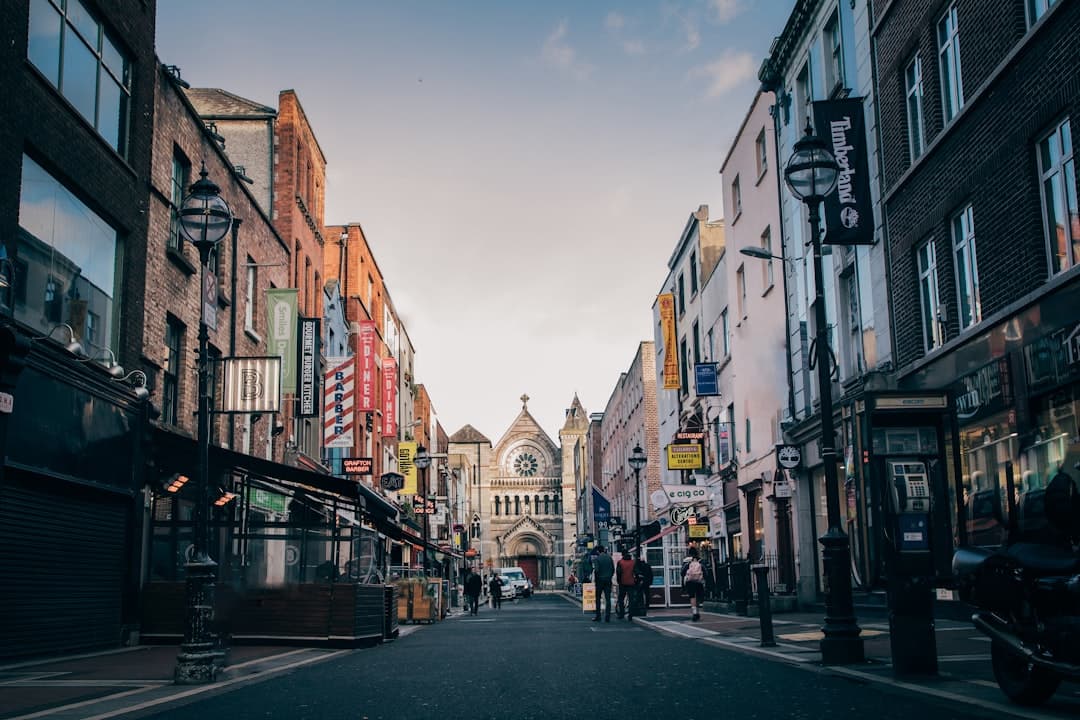
Trinity College is Ireland's oldest university, founded in 1592 by Queen Elizabeth I, and it sits right in the heart of Dublin — a 47-acre cobblestoned campus that feels like a separate world from the city humming around it. Its most famous possession is the Book of Kells, a breathtakingly ornate illuminated gospel manuscript created by Celtic monks around 800 AD. It's one of the most important surviving artifacts of early medieval Europe, and seeing it in person is genuinely moving in a way that photographs simply don't prepare you for. The visit works in two connected parts. First, you pass through the Book of Kells exhibition — a well-designed display that gives you the historical context of monasticism, illumination techniques, and the manuscript's journey before you reach the books themselves, which are displayed open in low, atmospheric lighting. Then you ascend to the Long Room, the 65-metre barrel-vaulted library above, lined with 200,000 of the oldest books in the college's collection and flanked by marble busts of great thinkers. It looks like something from a film set, except it's real and it's been here since 1732. Beyond the library, the campus itself — the Front Square, the Campanile bell tower, the cobblestones — is worth wandering freely. Book tickets in advance; this is one of Dublin's most visited attractions and it sells out regularly, especially in summer. The exhibition opens at 9am, and going early gets you ahead of tour groups. The campus itself is free to wander at any time, so even if you skip the exhibition, stepping through the Front Gate from College Green is worthwhile. Students still study here, which gives the whole place a lived-in, unhushed energy that many heritage sites lack.
Tsim Sha Tsui Promenade
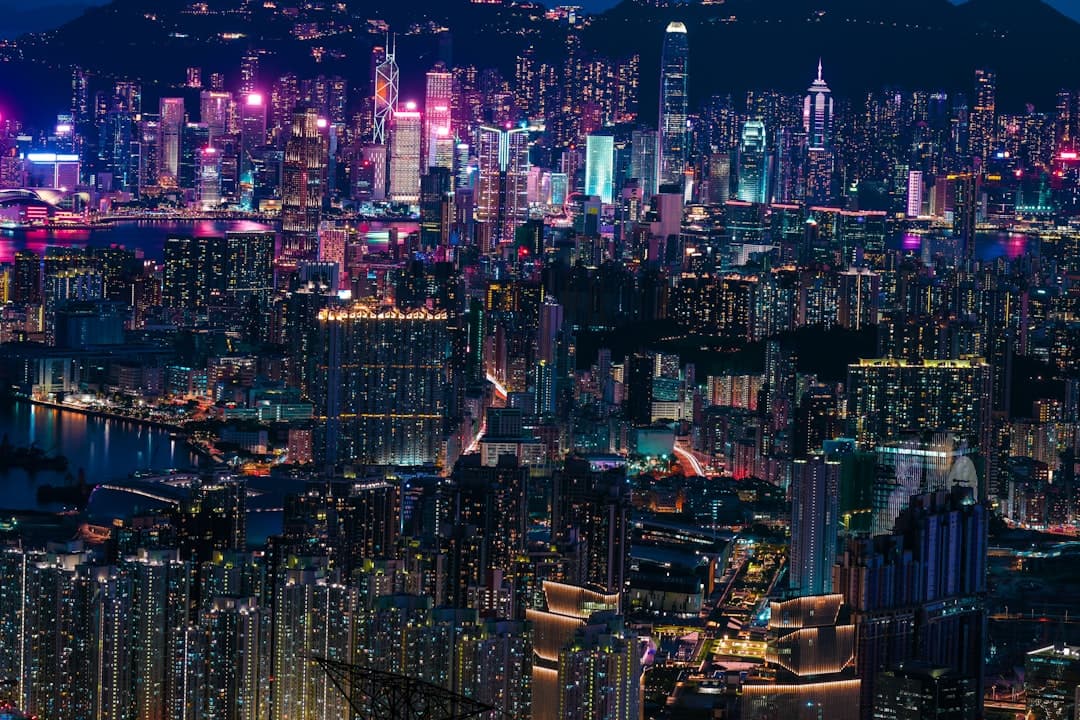
The Tsim Sha Tsui Promenade is a pedestrian waterfront walkway stretching along the southern tip of the Kowloon Peninsula, facing Victoria Harbour and the dramatic skyline of Hong Kong Island. It's essentially the front row seat to one of the world's most photographed urban vistas — a dense wall of skyscrapers rising above the water, framed by the Peak on one side and open harbour on the other. For first-time visitors and returning regulars alike, this is the place that makes Hong Kong feel like Hong Kong. The promenade runs roughly from the Star Ferry Pier westward past the Hong Kong Cultural Centre and the former Kowloon-Canton Railway Clock Tower — a colonial-era relic that survived the demolition of the original terminus — all the way toward the Hung Hom direction. Along the way you'll find the Avenue of Stars, Hong Kong's answer to Hollywood's Walk of Fame, which was refurbished and reopened in 2019 after a multi-year renovation. A bronze statue of Bruce Lee stands here, one of the most photographed spots on the entire strip. In the evening, the nightly Symphony of Lights show runs at 8pm, synchronising lights and lasers across the harbour skyline — best watched from the water's edge with a clear sightline across to Wan Chai and Central. The promenade is free and open around the clock, which makes it equally good for a morning run, a midday stroll, or a late-night wander when the crowds thin out and the city lights reflect off the water. Weekends bring tour groups and family picnics; weekday mornings are genuinely peaceful. The Star Ferry pier at the eastern end is the best way to arrive — the short harbour crossing from Central or Wan Chai is itself one of Hong Kong's great experiences.
Tsukiji Outer Market
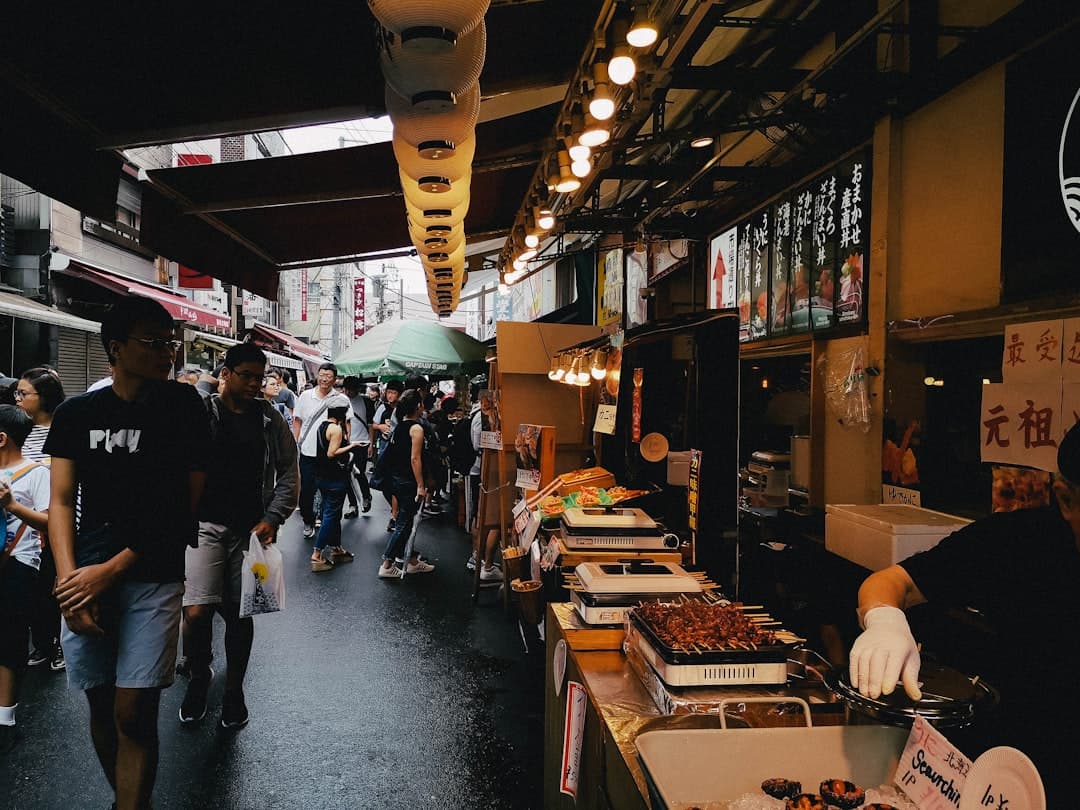
Tsukiji Outer Market is the surviving public-facing half of what was once the largest fish market in the world. When Tokyo moved its famous wholesale tuna auctions to the new Toyosu Market in 2018, many assumed Tsukiji would fade into irrelevance — it didn't. The outer market, which always operated separately from the inner wholesale halls, kept going and has doubled down on what it always did best: feeding people really well, really early in the morning. Today it remains one of the most concentrated and authentic food experiences in Tokyo, a maze of narrow lanes lined with vendors selling fresh seafood, tamagoyaki egg omelets, pickles, dried goods, street food, and professional-grade kitchen knives. In practice, visiting means wandering a grid of cramped alleyways packed with small shops and stalls, most of which have been family-run for generations. You'll want to eat your way through — a skewer of grilled scallops here, a paper cup of sea urchin there, a warm tamago-yaki rolled fresh to order at Tamagoya. The market is mostly outdoors and gets genuinely crowded on weekends. The serious action starts before 9am, when the vendors are freshest, the crowds thinnest, and the sushi restaurants along the outer edges are just opening their shutters for the day. The one thing that surprises first-time visitors: this is not a quiet, preserved heritage site. It's loud, commercial, and very much alive. Vendors will shout at you in a friendly way. Prices are reasonable but not cheap by Tokyo standards. Come hungry, arrive early, and budget time to browse the knife shops — places like Tsukiji Masamoto have been selling handmade blades to professional chefs for over a century and are genuinely worth a slow look even if you're not buying.
Tsutenkaku Tower
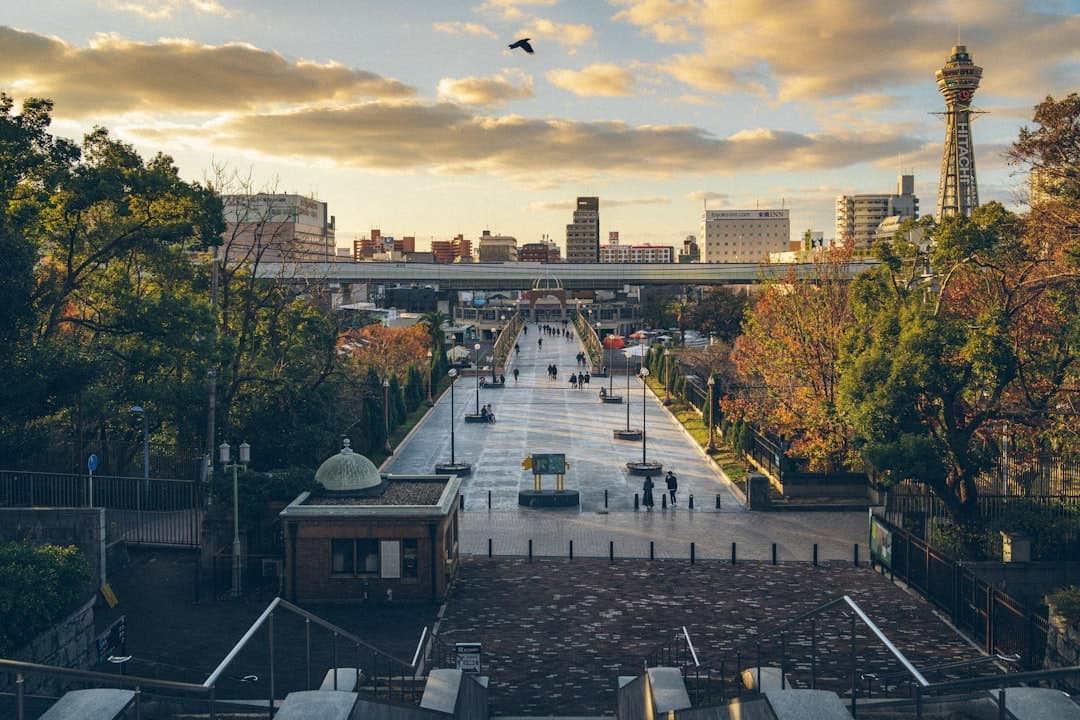
Tsutenkaku is a 108-metre steel tower in the Shinsekai district of southern Osaka, and it's one of the city's most recognisable symbols. The name translates roughly as 'tower reaching heaven,' and the original version — built in 1912 as part of an ambitious entertainment district modelled loosely on Paris and Coney Island — was demolished during World War II for scrap metal. The current tower opened in 1956 and has been a beacon of working-class Osaka ever since. It's not the tallest or flashiest observation tower in Japan, but that's almost the point: Tsutenkaku wears its scrappiness with pride, and the neighbourhood around it feels genuinely lived-in in a way that most tourist districts don't. Inside, the tower has multiple floors of observation decks and a decent amount of kitsch to work through on the way up — souvenir shops, displays about the tower's history, and a whole lot of Billiken, the American-designed 'god of luck' figure that Osaka has thoroughly adopted as its own. The main observation deck at 91 metres gives you solid views over Shinsekai's low-rise rooftops and neon signs, and on clear days you can see across to the distant mountains. There's also a glass floor section and a newer outdoor observation deck near the top for those who want a bit more exposure. The real experience, though, is the ground-level neighbourhood itself — the kushikatsu restaurants, the old-school pachinko parlours, the guys playing shogi in the park. Tsutenkaku is genuinely cheap to enter by Japanese tourist attraction standards, and lines move reasonably quickly. Come in the evening when the tower's neon illumination is at its best and Shinsekai's street food scene is in full swing. Avoid the peak midday window on weekends if you can. The Shin-Imamiya or Dobutsuen-mae subway stations drop you right at the edge of the neighbourhood — from there it's a five-minute walk through the heart of Shinsekai.
Tule Tree
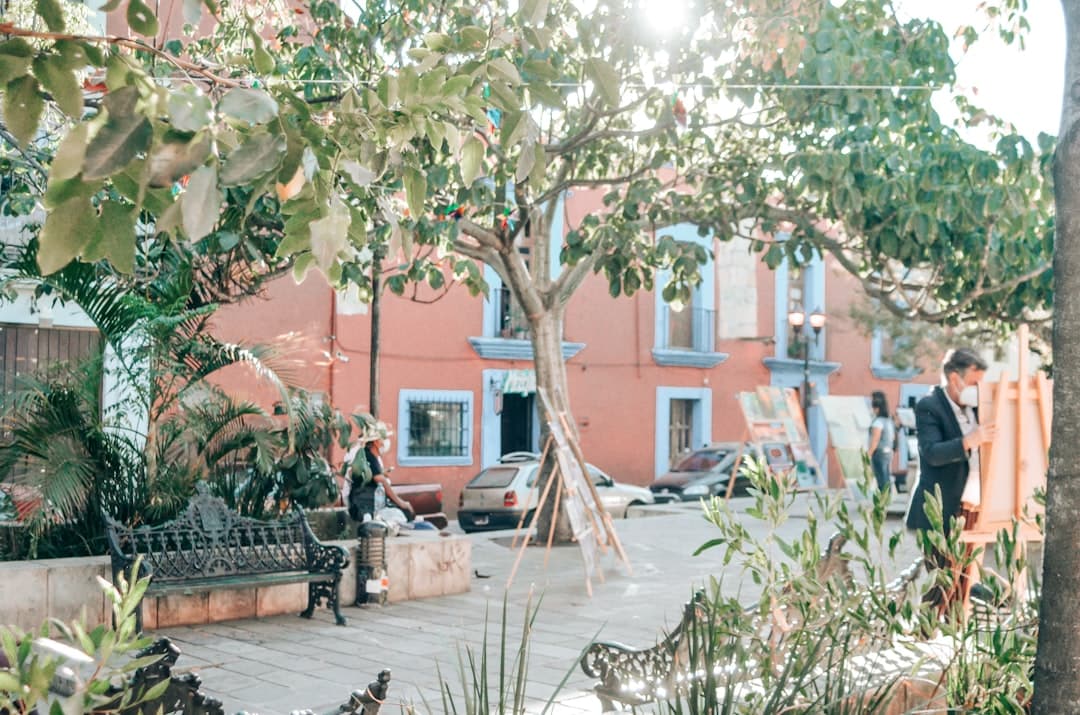
The Árbol del Tule, or Tule Tree, is a Montezuma cypress (Taxodium mucronatum) growing in the churchyard of Santa María del Tule, a small town about 9 kilometers east of Oaxaca City. It holds the record for the greatest trunk girth of any tree on the planet — roughly 58 meters in circumference at its base — and is estimated to be anywhere from 1,500 to 3,000 years old, depending on which botanist you ask. To put it plainly: this tree was already ancient when the Aztec empire rose. It has its own gravitational presence. UNESCO recognized the site as a World Heritage candidate, and scientists have studied it extensively to understand how a single organism grows to this scale. Visiting is straightforward and surprisingly moving. You walk into the small churchyard adjacent to the Templo de Santa María de la Asunción, and then the tree just stops you. The trunk is so massive and so deeply furrowed that locals and guides point out animal shapes hidden in the bark — a jaguar here, a crocodile there — and these aren't a stretch of the imagination. Vendors sell cold drinks and snacks outside the gates, and there's a small viewing platform that lets you get up close. The tree is very much alive: in full canopy, its shade covers an enormous area, and the scale only really hits you when you see other people standing next to it. The site is easy to combine with a day trip along the Ruta del Mezcal or a visit to the archaeological site at Mitla, both heading in the same direction from Oaxaca City. Colectivos from the second-class bus terminal in Oaxaca drop you right in Santa María del Tule for almost nothing — a far better option than a private taxi if you're traveling lean. Admission to the churchyard requires a small fee, usually collected at the gate. Go on a weekday morning if you can: weekend afternoons bring school groups and tour buses, and the tiny plaza gets genuinely crowded.
Tulum Beach
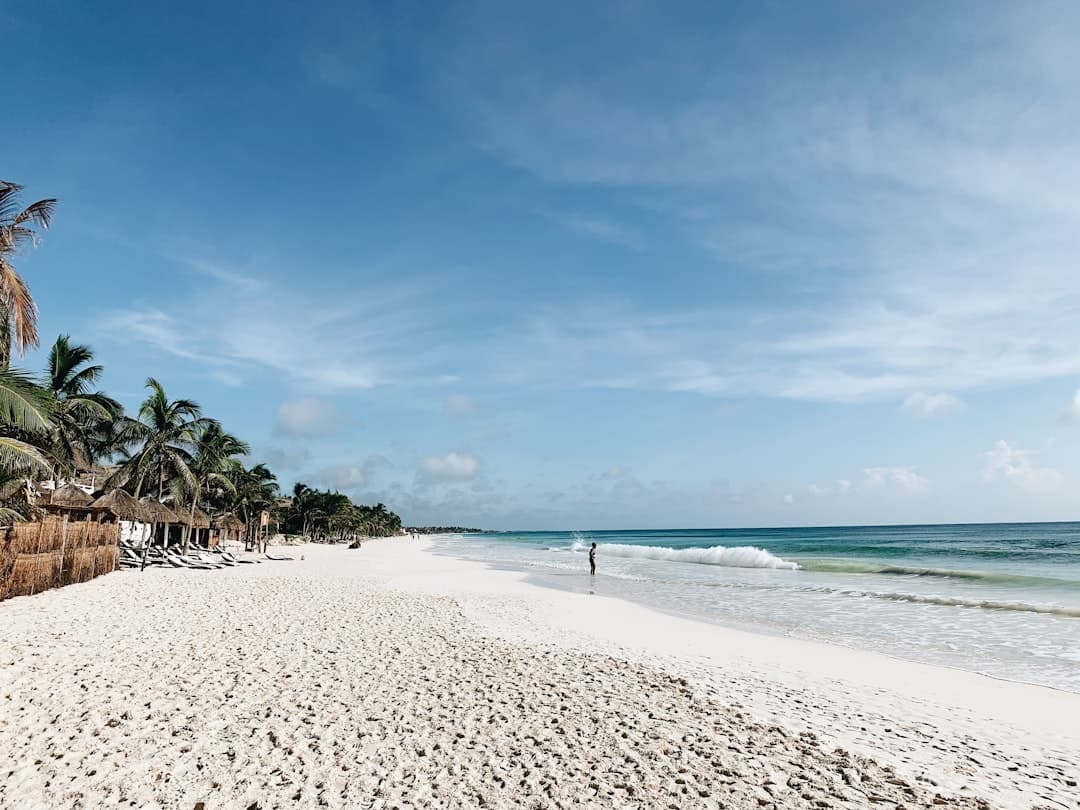
Tulum Beach is a long stretch of white sand on the Caribbean coast of Mexico's Yucatán Peninsula, running south from the base of the cliffs where the ancient Mayan city of Tulum sits. It's one of the few places on earth where you can swim in turquoise water and look up to see a pre-Columbian archaeological site perched on a cliff above you — that combination is genuinely rare and genuinely spectacular. The beach sits within the broader Tulum corridor, which over the past decade has evolved from a backpacker secret into one of the most talked-about resort destinations in the world. The experience shifts depending on where you plant yourself. The northern end, near the ruins, tends to be more accessible and day-tripper-friendly. Heading south along the hotel zone — the Zona Hotelera — you'll find a string of boutique eco-hotels, beach clubs, and open-air restaurants, many with their own stretch of sand. The water here is part of the Mesoamerican Barrier Reef system, the second largest in the world, so snorkeling reveals an entirely different dimension to the visit. The sand is powdery and the color of the water ranges from pale jade to deep turquoise depending on the light and depth. The catch: Tulum Beach has become genuinely crowded and expensive, especially between December and March. Seaweed (sargassum) is a real and recurring issue from late spring through summer — it can pile up significantly on some days, making swimming less appealing, though beach staff at most clubs do regular clearing. Early morning is almost always the best time to arrive: the light is soft, the crowds haven't materialized yet, and you get the beach closer to what made it famous in the first place.
Tulum Mayan Ruins
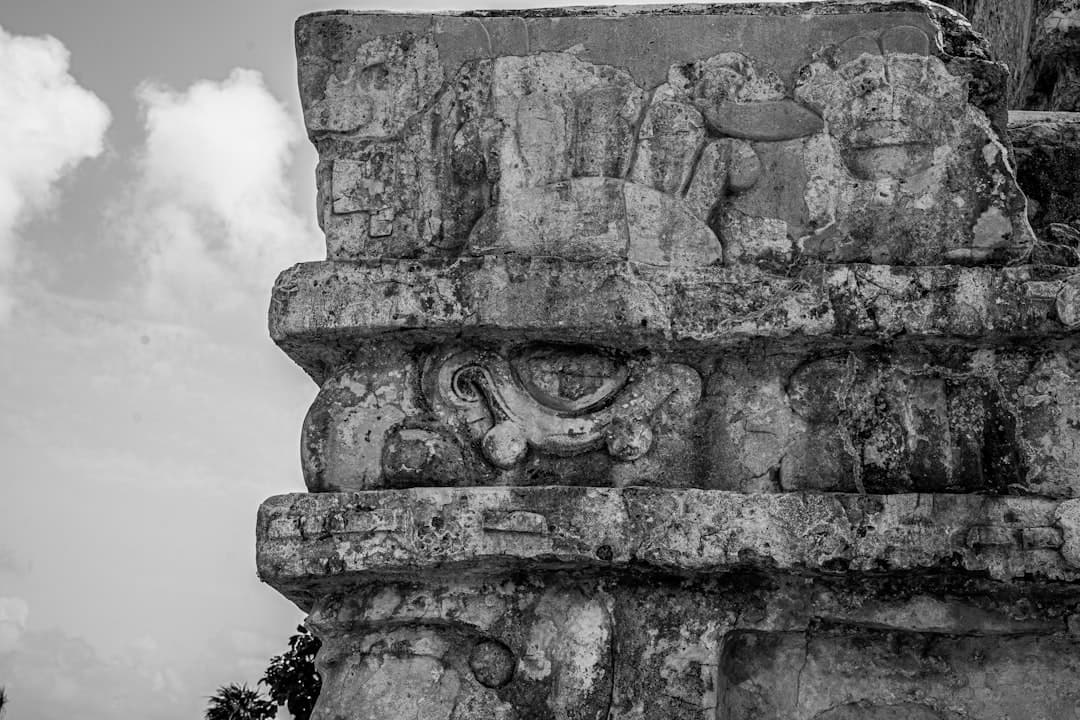
The Tulum Ruins are a remarkably well-preserved Mayan walled city built around 1200 AD, making them one of the last major Mayan sites to be inhabited before Spanish contact. Perched on a 12-meter limestone cliff directly above the turquoise Caribbean Sea, they occupy one of the most dramatically beautiful settings of any archaeological site in the Americas. The ruins served as an important trading port, and the combination of ancient stonework and vivid blue water makes it visually unlike anywhere else you'll visit in Mexico. Visiting means walking through a compact but rich cluster of structures — the iconic El Castillo temple dominates the clifftop, while the Temple of the Descending God and the Temple of the Frescoes contain some of the most intact original painted murals of any Mayan site. Iguanas are everywhere, sunbathing on stone walls without a care. At the base of the cliff, a small beach sits inside the ruins — you can actually swim here, which is genuinely surreal. The site is enclosed by a large stone wall on three sides, and you'll walk a clear path through the grounds at your own pace. The ruins open at 8am, and getting there when the gates open is the single most important piece of advice anyone can give you — by 10am tour buses from Cancún and Playa del Carmen arrive en masse and the site becomes genuinely crowded. There's a shuttle train from the main parking area to the entrance, or a short walk. Hiring a licensed guide at the entrance is worth the cost; the context they provide on the murals and the site's trading history adds real depth to what would otherwise be a scenic but confusing stroll.
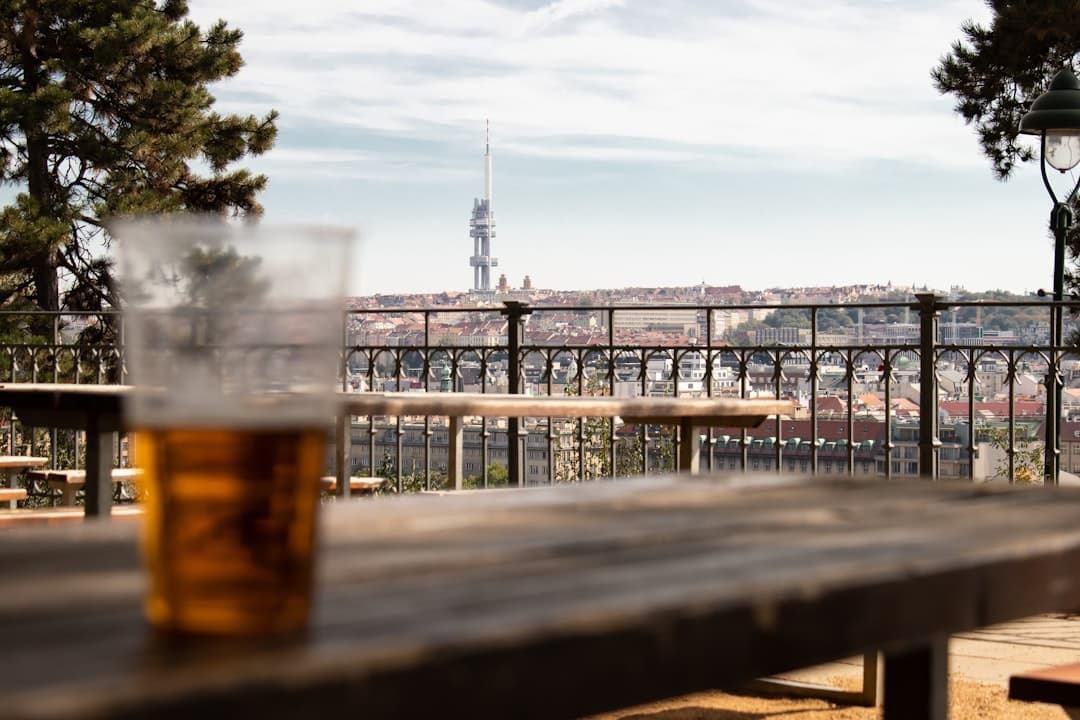
U Fleků Brewery
U Fleků is a living piece of Czech brewing history — a brewery and beer hall that has operated continuously on the same site in Prague's New Town for over 500 years. It brews exactly one beer: a rich, dark 13-degree lager called Flekovský tmavý ležák, made on-site in small batches using a recipe that hasn't changed in centuries. There are very few places in the world where you can drink something genuinely rooted to its location like this, and fewer still where the location itself feels like a monument. The compound is larger than it looks from the street. Inside you'll find a series of wood-panelled rooms and a covered courtyard garden, all capable of seating several hundred people at long communal tables. Waiters in traditional dress move at their own pace, and the dark beer arrives in half-litre ceramic or glass mugs without your needing to ask — that's how it works here. There's also a small brewery museum you can wander through, a cabaret-style theatre that runs folk music shows in the evenings, and a gift shop stocked with branded steins and bottles. Be clear-eyed going in: U Fleků is firmly on the tourist trail and prices reflect that — the beer costs considerably more than you'd pay at a neighbourhood pub. Some locals consider it a relic primarily for visitors. But the beer itself is genuinely excellent and unlike anything brewed elsewhere in the city, and the medieval courtyard atmosphere on a quiet afternoon is hard to fake. Go for the dark lager and the history; don't expect a locals' haunt.
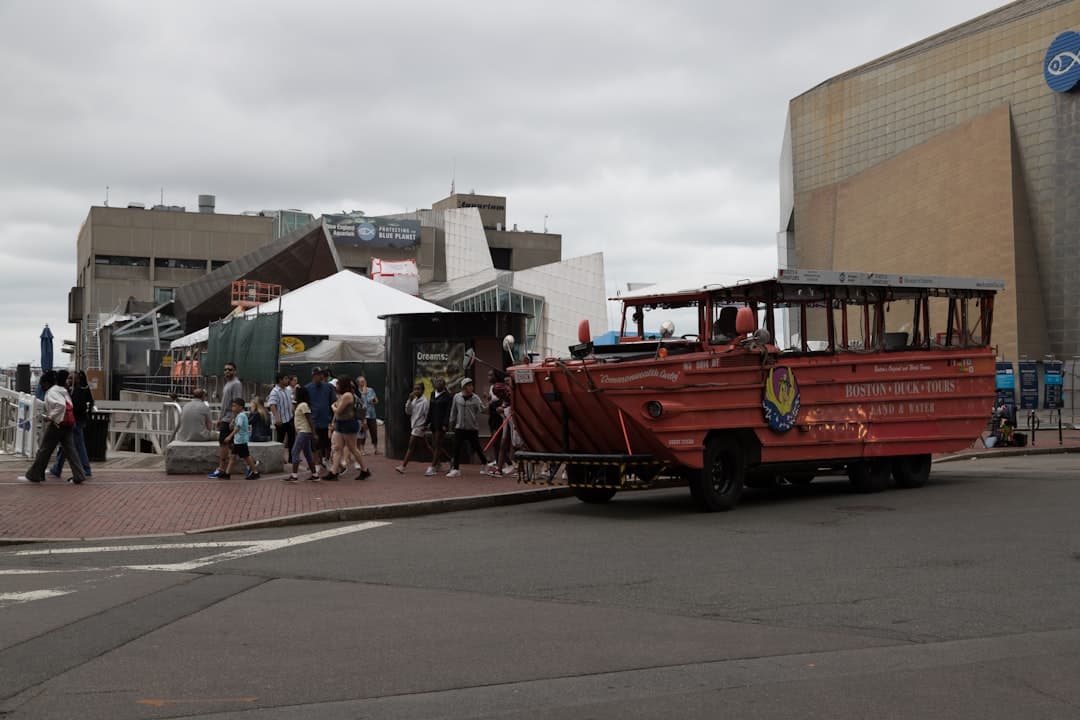
USS Constitution
USS Constitution is a 227-year-old wooden-hulled frigate that fought in the War of 1812, earned the nickname 'Old Ironsides' after cannon fire seemed to bounce off her sides, and has never been formally decommissioned from the United States Navy. She is the oldest warship anywhere in the world that is still afloat, and she remains an active vessel — crewed by active-duty Navy sailors who serve as your guides. That detail alone makes this unlike any other historic ship you'll visit. You board the ship at the Charlestown Navy Yard, where she has been berthed since 1897. The sailors walk you through the gun deck, the captain's quarters, the berth deck where the crew slept in hammocks, and the hold, explaining life aboard a fighting ship in the early 1800s with a level of enthusiasm and knowledge that puts most museum docents to shame. The cannons are massive and the ceilings are low — duck early and often. Adjacent to the ship, the USS Constitution Museum (free admission, donations welcomed) expands the story considerably and is worth an hour on its own. The Navy Yard itself is part of Boston National Historical Park, and the whole complex sits across the harbor from downtown Boston, making it a natural pairing with the Freedom Trail. Arrive early — the ship can get crowded mid-morning, particularly in summer — and check the schedule on the official website, as the ship occasionally closes for maintenance or special Navy events. Access to certain decks may be limited depending on the day.
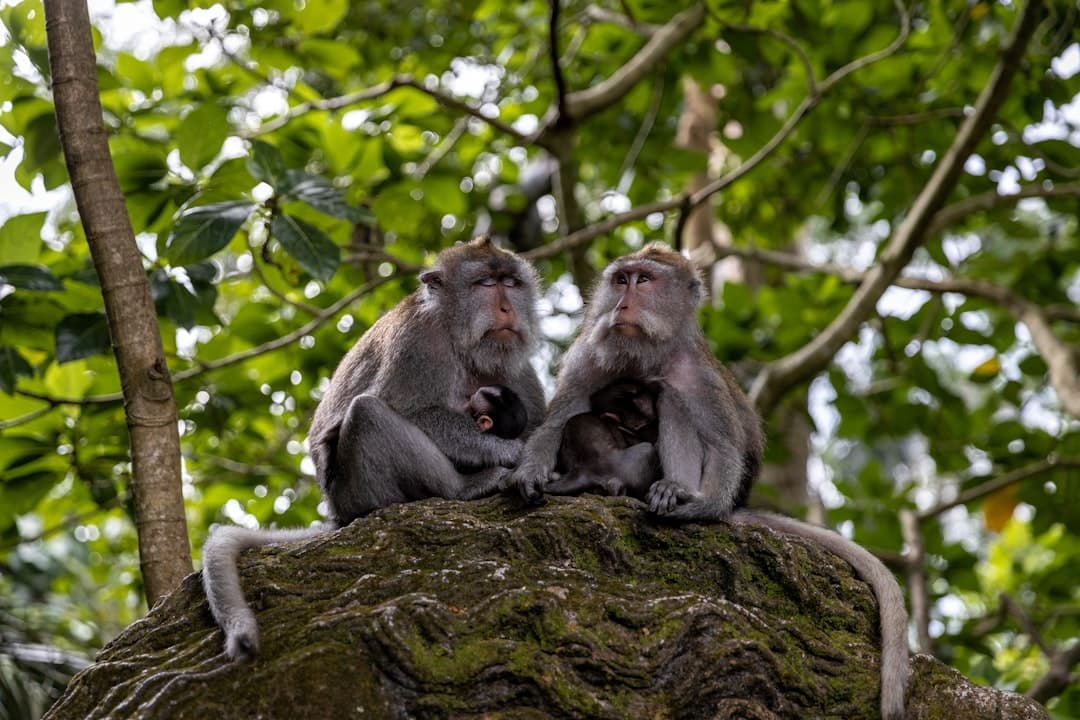
Ubud Sacred Monkey Forest
The Ubud Sacred Monkey Forest — formally known as Mandala Wisata Wenara Wana — is a nature reserve and Hindu temple complex tucked into a dense patch of jungle at the southern end of Ubud's main drag. Home to around 700 Balinese long-tailed macaques (Macaca fascicularis) across several social groups, it's simultaneously a functioning religious site, a conservation area, and one of Bali's most visited attractions. Three temples sit within the grounds, the most significant being Pura Dalem Agung Padangtegal, a 14th-century temple dedicated to the god of death. The forest is considered sacred by the local village of Padangtegal, and managed as much for spiritual purposes as for tourism. Visiting means walking shaded stone pathways through towering banyan trees draped in moss, past carved demon statues, and through temple gates while dozens — sometimes hundreds — of monkeys go about their business around you. The macaques are completely habituated to humans, which means they'll sit inches from your face, climb onto your shoulders uninvited, and investigate anything that looks remotely edible. It's chaotic and exhilarating. You can buy bananas from vendors inside to feed them, though this draws fast, aggressive crowds of monkeys that can get overwhelming. The temples are genuinely beautiful and worth exploring slowly — the Pura Prajapati near the entrance has a quiet cemetery beside it that most visitors rush past. Go early — as close to the 9am opening as possible — to beat both the tour groups and the midday heat. The forest gets dramatically more crowded by late morning, and the monkeys become more agitated and bold when there are more people around. Secure everything: cameras, glasses, hair ties, food, anything in an outer pocket. The monkeys are not shy thieves and staff have seen it all. Modest dress is expected as this is an active temple site — sarongs are available to borrow or rent at the entrance if needed.
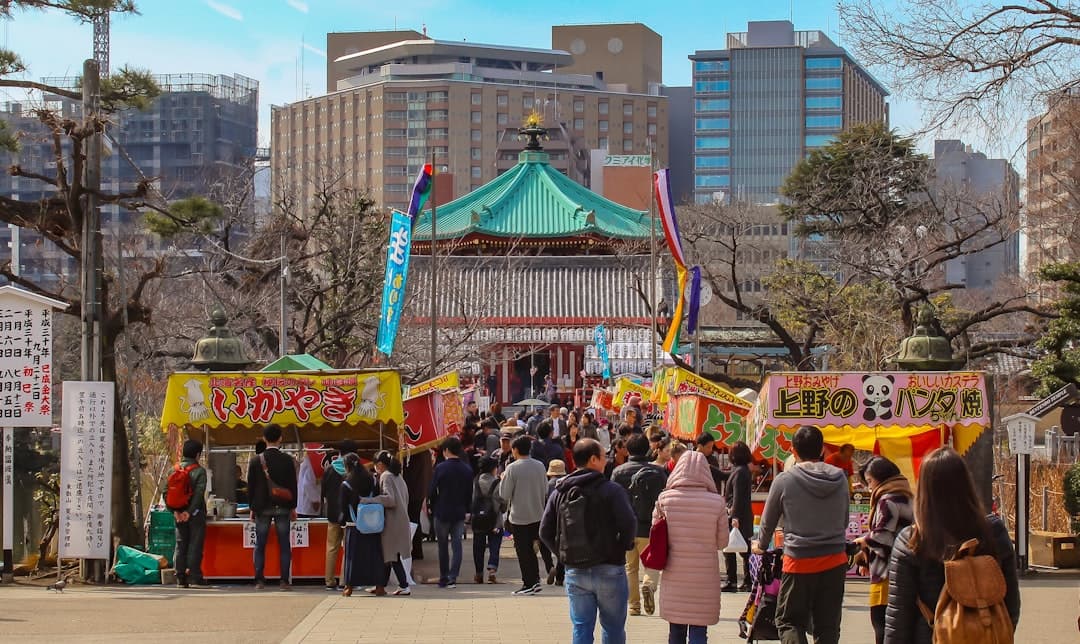
Ueno Park
Ueno Park is Tokyo's oldest and most beloved public park, opened in 1873 on the grounds of the former Kan'ei-ji temple complex in the city's northeastern Taito ward. It's the kind of place that does everything at once — a major green space, a cultural campus, a gathering point for locals, and one of Japan's most famous cherry blossom viewing spots all rolled into a single sprawling precinct. If you're spending any meaningful time in Tokyo and want to understand how the city actually breathes, Ueno is essential. The park is home to an extraordinary concentration of institutions: the Tokyo National Museum (Japan's largest, with over 110,000 objects), the National Museum of Nature and Science, the National Museum of Western Art (a Le Corbusier-designed UNESCO World Heritage building), the Tokyo Metropolitan Art Museum, Ueno Zoo — Japan's oldest — and the serene Shinobazu Pond, where lotus flowers bloom in summer and rowing boats are available for hire. Tosho-gu shrine, a surprisingly ornate gold-lacquered structure tucked among the trees, dates from 1627 and has survived fires, earthquakes, and war. You can easily spend a full day moving between institutions, or simply wander the tree-lined paths and watch the city at rest. Ueno is most famous worldwide for hanami — flower viewing — during cherry blossom season in late March and early April, when the park's roughly 1,000 sakura trees create one of the most spectacular natural displays in Japan. It gets intensely crowded then, with blue tarp picnics covering every patch of ground under the trees. But outside that window, the park has a pleasantly lived-in quality — street musicians play near the fountain plaza, vendors sell grilled corn and taiyaki from small stalls along the main promenade, and the homeless community that has long sheltered here gives it an edge that Tokyo's more polished parks don't have. Enter from the JR Ueno Station park exit for the most direct route into the heart of it.
Uetliberg
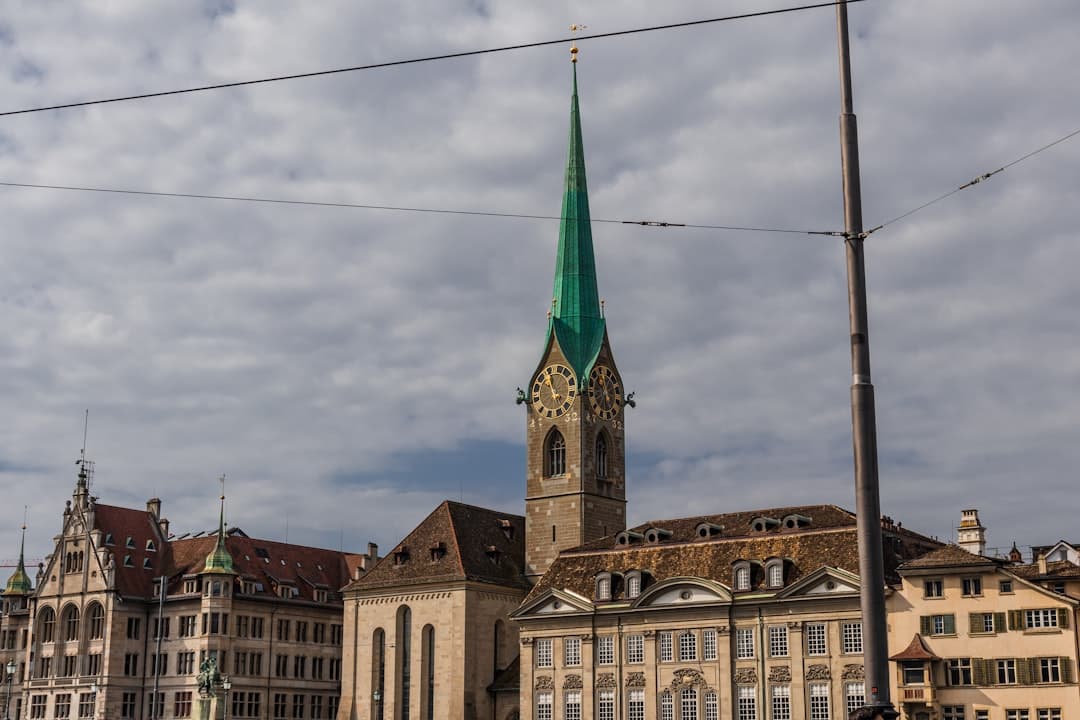
Uetliberg is the forested ridgeline mountain that rises directly above Zurich to 869 meters, offering a panoramic escape from the city without actually leaving it. It sits on the edge of the Albis ridge to the southwest of the city center, and for Zurichers it functions as both a beloved local hiking destination and the city's most accessible viewpoint — the kind of place you go on a Sunday morning with a thermos, or on a clear winter day when the Alps are visible from the summit platform. The experience centers on the views and the hiking. From the top, you can see across Lake Zurich and the Mittelland all the way to the Alps on a clear day — the Säntis, Glarus Alps, and on exceptional days even further. The summit has an observation tower you can climb for an even wider perspective, and a well-regarded restaurant (Restaurant Uto Kulm) where you can warm up over Swiss standards like rösti. The Planet Trail, a scale model of the solar system laid out along the ridge path to Felsenegg, is a quirky and genuinely enjoyable addition — each planet is placed at its proportional distance from a sun at Uetliberg. You can hike the full ridge in a few hours and take the gondola back from Felsenegg to Adliswil, making it a satisfying one-way loop. The S10 train from Zurich HB runs directly to the Uetliberg summit station — one of the very few European cities where you can take a commuter train to the top of a mountain. Weekends bring crowds, especially on sunny days, so arriving early or visiting on a weekday makes a noticeable difference. In winter after snowfall, the trails can be icy — microspikes are useful and locals will absolutely judge you for hiking in sneakers.
Uffizi Gallery
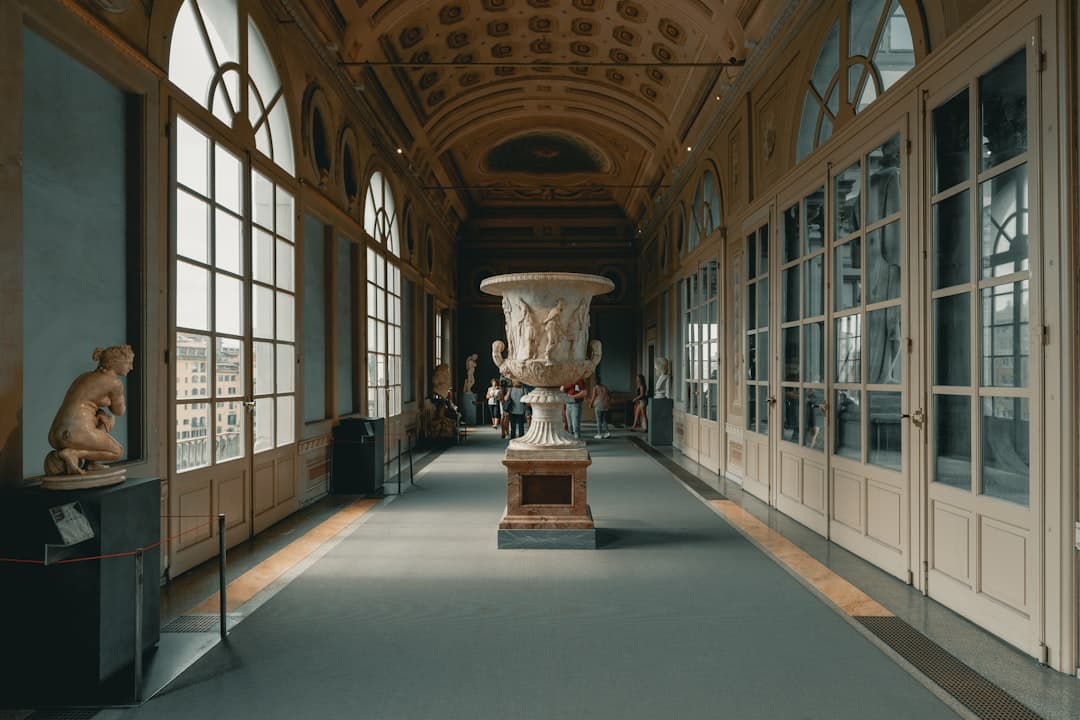
The Uffizi Gallery is one of the great art museums of the world, housed in a Renaissance palace commissioned by Cosimo I de' Medici in the 1560s and designed by Giorgio Vasari. The Medici family used it to store their extraordinary art collection, and what was eventually opened to the public in 1765 became the foundation of what you see today — a collection that tells the story of Western painting from the medieval period through the Renaissance and beyond. This is where Botticelli's Birth of Venus and Primavera hang. This is where you'll find Caravaggio, Raphael, Michelangelo, Leonardo, Titian, and Giotto all under one roof. If you care even a little about art, it will stop you cold. In practice, you move through a long horseshoe-shaped building across three floors, following a broadly chronological sequence from the Byzantine and Gothic rooms on the upper floor through to the later Renaissance and Baroque works below. The Botticelli rooms — numbers 10 through 14 on the old numbering — are the emotional center of gravity for most visitors, and for good reason. The collection also includes ancient Roman and Greek sculptures, Flemish and Dutch masters, and a corridor (the famous Vasari Corridor, though access is limited and separate) that connects the gallery to the Palazzo Pitti across the river. Book tickets well in advance — this is not optional advice. The queues for walk-up tickets can run to hours, and the museum regularly sells out. The first Tuesday of the month sometimes offers special pricing, and Tuesday is also a good day to visit because crowds tend to be thinner midweek. Arrive when the doors open at 8:15 AM to get the best light in the Botticelli rooms and a head start on tour groups. Allocate at least three hours, more if you want to linger — the temptation to rush is real, but this is not a place to rush.
Uhuru Park
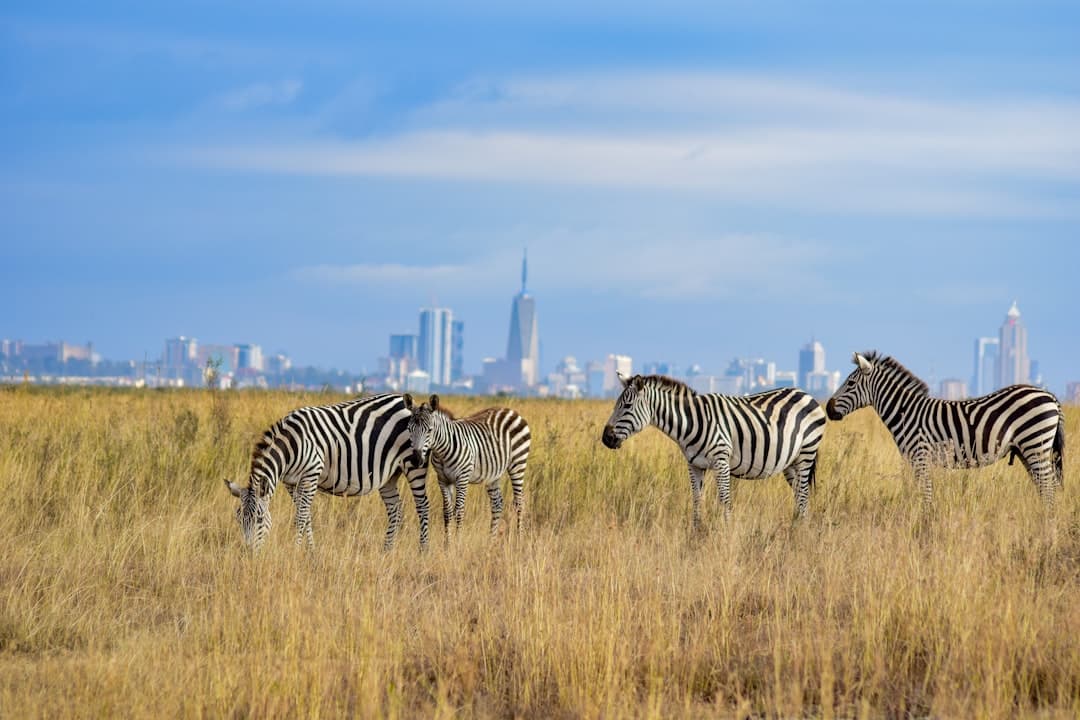
Uhuru Park is a large urban green space sitting right at the edge of Nairobi's central business district, just off Uhuru Highway. It's one of the most historically and politically significant public spaces in Kenya — the place where independence was declared in 1963, where Kenyans have gathered for rallies and national celebrations ever since, and where the Nobel Peace Prize laureate Wangari Maathai famously led a campaign in the early 1990s to stop the government from building a skyscraper on its grounds. She won that fight, and the park remains open and public today partly because of her activism. The park itself is expansive and unfussy — wide lawns, a central boating lake where you can rent paddleboats, a children's play area, and pathways that fill up with city workers eating lunch, families on weekends, and couples strolling in the evenings. There's a striking monument to the freedom struggle, and the lake views with the city skyline behind them make for genuinely photogenic scenes. Street food vendors and roasted maize sellers circle the perimeter. It's not manicured or polished — it's alive in the way that genuinely public urban parks are. The opening hours listed (weekday only, 9am–5pm) don't fully match how the park functions in practice — it's an open urban space and access patterns can be fluid, so verify locally before planning around strict hours. Early mornings bring joggers and walkers; midday is the busiest with office crowd foot traffic. It's generally considered safe during daylight hours, but keep an eye on your belongings as you would anywhere near a city centre. The park is a short walk from the Nairobi National Museum and can be easily combined with a visit there.
Uluwatu Temple
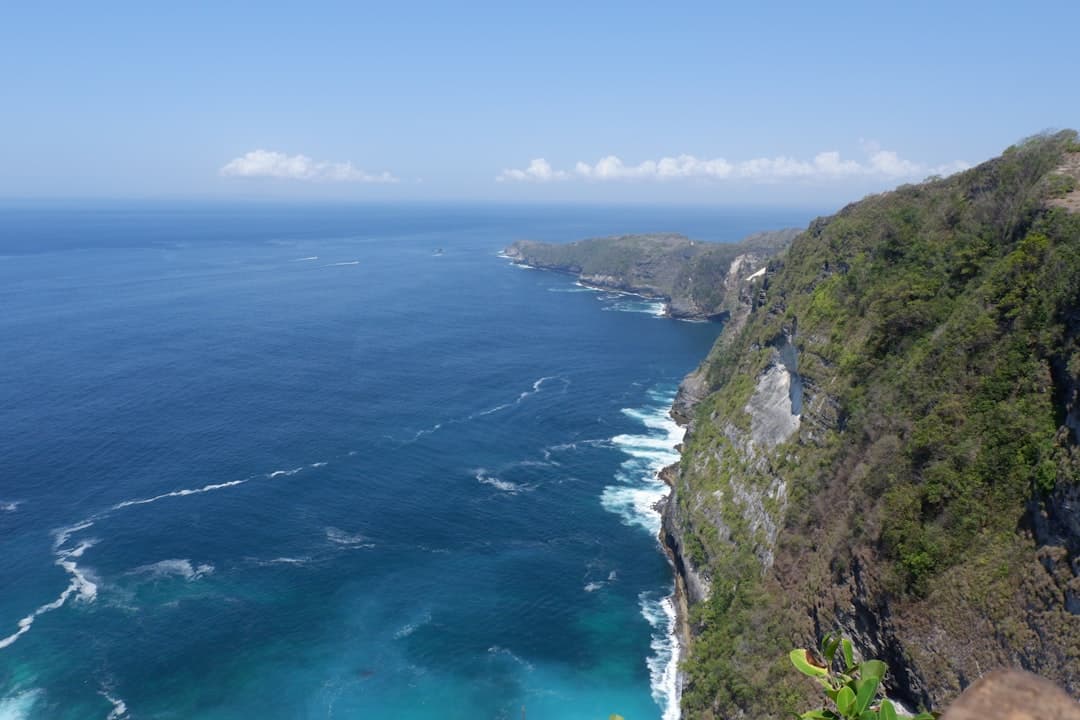
Pura Luhur Uluwatu is one of Bali's six sacred kayangan jagat temples — spiritual pillars believed to protect the island from evil spirits. Built in the 11th century and expanded in the 16th by the Javanese priest Dang Hyang Nirartha, it sits at the southwestern tip of the Bukit Peninsula, wedged into the edge of a sheer limestone cliff with nothing but ocean below. For Balinese Hindus, this is a place of deep religious significance, not just a scenic lookout — ceremonies and prayers happen here regularly, and the temple remains an active place of worship. Visitors walk a forested clifftop path that curves around the headland, passing through carved stone gates draped in black-and-white poleng cloth. The temple complex itself is off-limits to non-worshippers, but the views from the surrounding walkways are staggering — the cliffs drop straight into foaming surf, and on a clear day the horizon stretches endlessly. The grey stone shrines against the blue sky is one of those genuinely iconic images of Bali. Most evenings, a Kecak fire dance performance is staged on an open-air clifftop platform just outside the temple, silhouetted against the sunset. It's theatrical, ritualistic, and genuinely spectacular. The sunset timing is everything here. Arrive at least an hour before dusk to find a good spot on the cliff paths and to catch the Kecak performance, which typically starts around 6pm. Watch your belongings — the resident monkeys are bold, fast, and specifically attracted to glasses, sunglasses, and anything shiny. Staff are on hand with long sticks to help retrieve stolen goods, but better not to test it. Sarongs and sashes are required to enter and are available at the gate for a small deposit if you don't have your own.