
Trastevere Neighbourhood
Rome / Trastevere Neighbourhood

Trastevere Neighbourhood

Rome's most atmospheric medieval neighborhood, where cobblestones meet candlelit trattorias.

🎶 Nightlife🏛️ Sights & Landmarks🍽️ Food & Drink🎭 Arts & Entertainment🏘️ Neighborhoods
🌿 Relaxing🍽 Foodie🎭 Cultural🌹 Romantic

Trastevere is a historic neighborhood on the west bank of the Tiber River, just south of the Vatican. The name means literally 'across the Tiber' in Latin, and for centuries this was a working-class district set apart from the more affluent center of Rome — a place of tanners, fishermen, and merchants who considered themselves the truest Romans of all. Today it's one of the city's most beloved and visited neighborhoods, and for good reason: it has retained a texture and warmth that much of central Rome has lost to luxury hotels and tourist traps.

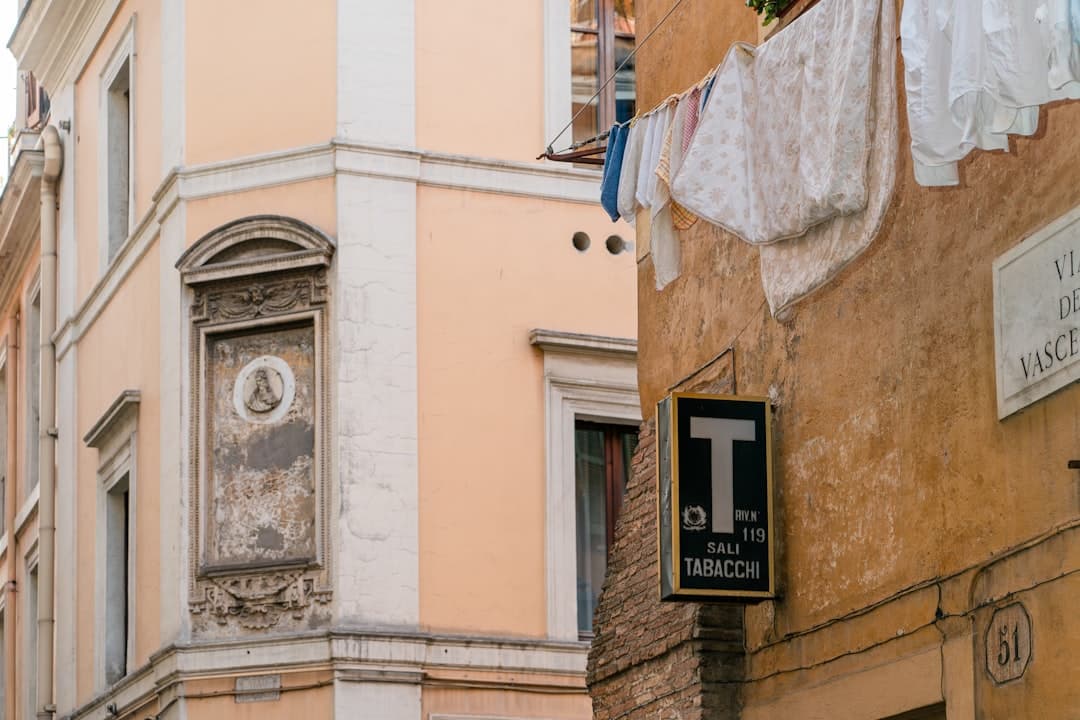
Walking through Trastevere feels like the Rome of your imagination made real. The streets are narrow, uneven, and strung with laundry; the buildings are painted in warm ochres and terracottas; ivy climbs over crumbling facades. The Basilica di Santa Maria in Trastevere, one of the oldest churches in Rome with stunning 12th-century mosaics, anchors the main piazza where locals and visitors mingle at all hours. By day you wander, eat well at spots like Da Enzo al 29 or Tonnarello, and browse the Sunday flea market at Porta Portese just nearby. By night the whole neighborhood comes alive — it's one of Rome's main aperitivo and dinner scenes, especially in summer when tables spill into every available square.

The neighborhood has gentrified considerably since the 1990s and early 2000s, and it's no secret to tourists anymore — on a summer Friday night the main piazza heaves with crowds. But venture even one street off the main drag and you'll find quieter corners, local bars, and a pace of life that still feels distinctly Roman. The best strategy is to arrive early in the day, visit the basilica when it opens, eat lunch at a neighborhood trattoria, and return in the evening when the light turns golden and the whole place glows.
Local Tips

  1. 1

    The Piazza di Santa Maria in Trastevere is the neighborhood's living room — grab a drink from a bar, sit on the fountain steps (as everyone does), and just watch the evening unfold. It costs nothing and is one of the great free experiences in Rome.

  2. 2

    For the best supplì in the city, seek out Supplì Roma on Via di San Francesco a Ripa — the fried rice balls here are legendary among locals and almost comically good value.

  3. 3

    Avoid the restaurant touts and laminated picture menus on the main tourist drag near the piazza. Walk two or three streets deeper into the neighborhood — Via della Lungaretta, Via dei Genovesi — and the quality improves sharply and prices drop.

  4. 4

    The neighborhood is very walkable from the Campo de' Fiori area via the Sisto bridge, or from the Jewish Ghetto — combining these three neighborhoods in a single day makes for one of the best walking routes in Rome.

When to Go

Best times
June–August evenings

Summer nights are when Trastevere is at its most electric — outdoor dining, warm air, packed piazzas. The flip side is serious crowds on weekends; arrive by 7pm to secure a table without a reservation.

October–November

Arguably the best time to visit — comfortable temperatures, thinner crowds, and the golden autumn light on those terracotta facades is genuinely special.

Sunday mornings

The Porta Portese flea market runs along the Tiber embankment just south of the neighborhood every Sunday morning and is one of Rome's great local institutions — get there before 10am before the crowds arrive.

Try to avoid
July–August midday

The narrow streets trap heat and the afternoon sun is brutal. Siesta hours are dead quiet but genuinely uncomfortable for walking. Save the outdoor exploring for mornings and evenings.

Why Visit

01

The Basilica di Santa Maria in Trastevere contains some of the most beautiful early Christian mosaics in Rome, and entry is free — most visitors walk right past treasures like this.

02

The restaurant and trattoria scene here is among Rome's best for genuine Roman cooking — cacio e pepe, coda alla vaccinara, supplì — without the tourist-menu mediocrity of the historic center.

03

The neighborhood itself is the attraction: a medieval streetscape of amber light, ivy-covered walls, and piazzas where Roman life actually happens.