Uffizi Gallery
Five centuries of Western art, concentrated in one astonishing building on the Arno.
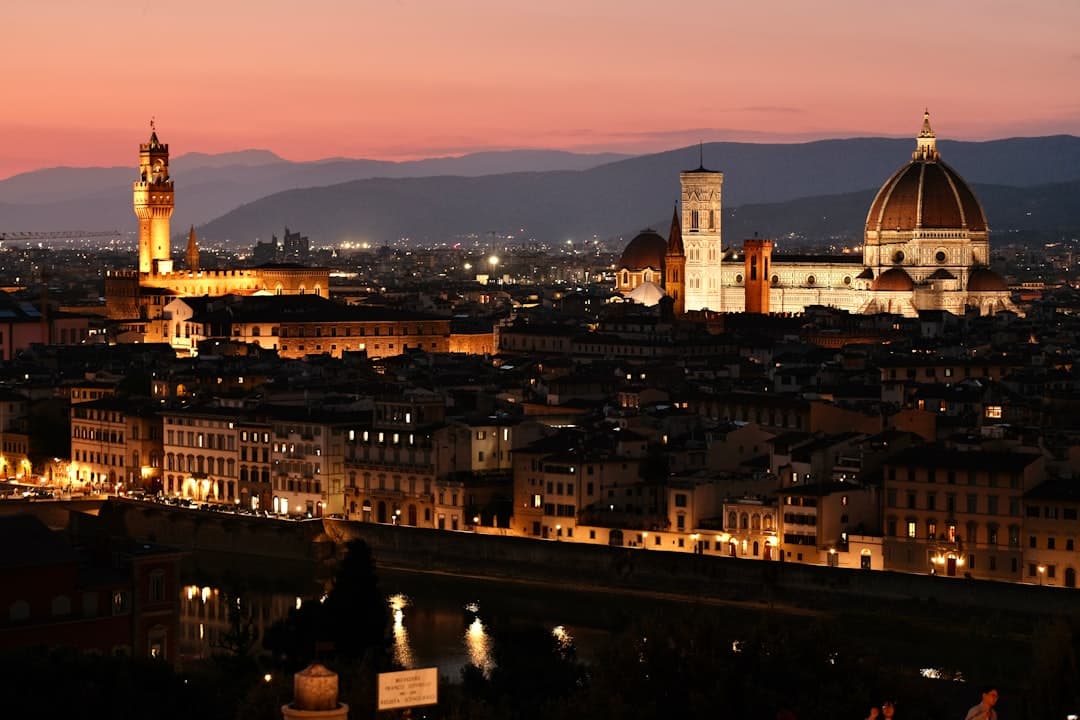
The Uffizi Gallery is one of the great art museums of the world, housed in a Renaissance palace commissioned by Cosimo I de' Medici in the 1560s and designed by Giorgio Vasari. The Medici family used it to store their extraordinary art collection, and what was eventually opened to the public in 1765 became the foundation of what you see today — a collection that tells the story of Western painting from the medieval period through the Renaissance and beyond. This is where Botticelli's Birth of Venus and Primavera hang. This is where you'll find Caravaggio, Raphael, Michelangelo, Leonardo, Titian, and Giotto all under one roof. If you care even a little about art, it will stop you cold.
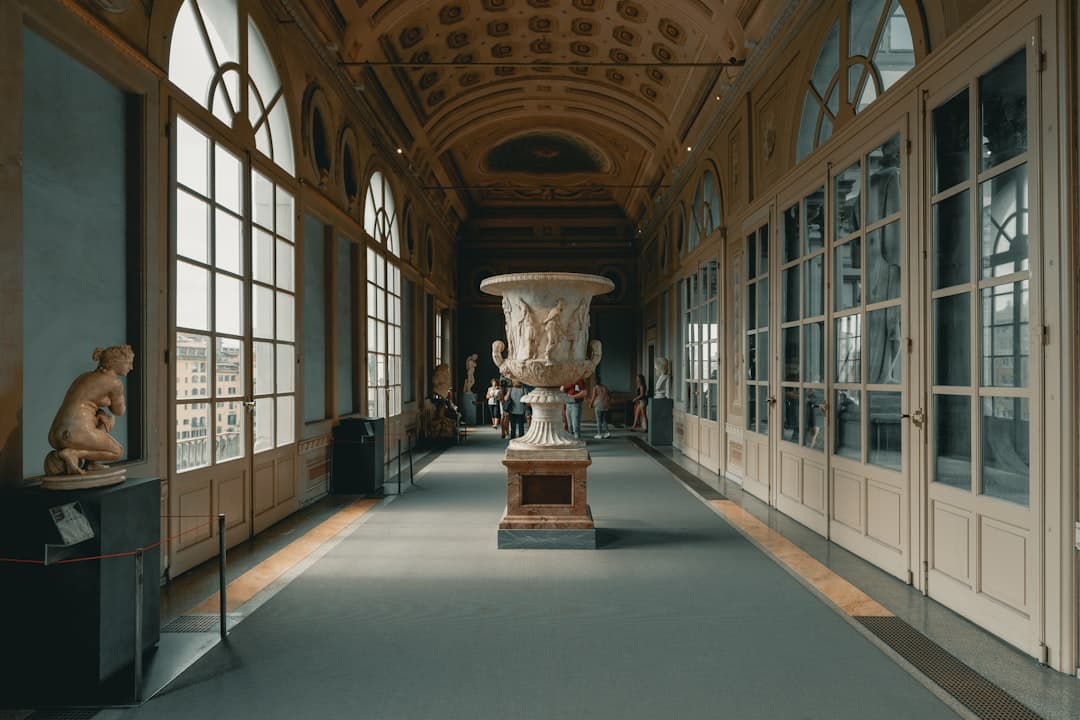
In practice, you move through a long horseshoe-shaped building across three floors, following a broadly chronological sequence from the Byzantine and Gothic rooms on the upper floor through to the later Renaissance and Baroque works below. The Botticelli rooms — numbers 10 through 14 on the old numbering — are the emotional center of gravity for most visitors, and for good reason. The collection also includes ancient Roman and Greek sculptures, Flemish and Dutch masters, and a corridor (the famous Vasari Corridor, though access is limited and separate) that connects the gallery to the Palazzo Pitti across the river.
Book tickets well in advance — this is not optional advice. The queues for walk-up tickets can run to hours, and the museum regularly sells out. The first Tuesday of the month sometimes offers special pricing, and Tuesday is also a good day to visit because crowds tend to be thinner midweek. Arrive when the doors open at 8:15 AM to get the best light in the Botticelli rooms and a head start on tour groups. Allocate at least three hours, more if you want to linger — the temptation to rush is real, but this is not a place to rush.