
Triana
Seville / Triana

Triana

Seville's most soulful neighbourhood, where flamenco, ceramics, and river life collide.

🛍️ Shopping🎶 Nightlife🍽️ Food & Drink🎭 Arts & Entertainment🏘️ Neighborhoods
🍽 Foodie🎭 Cultural🌹 Romantic🗺 Off the beaten path

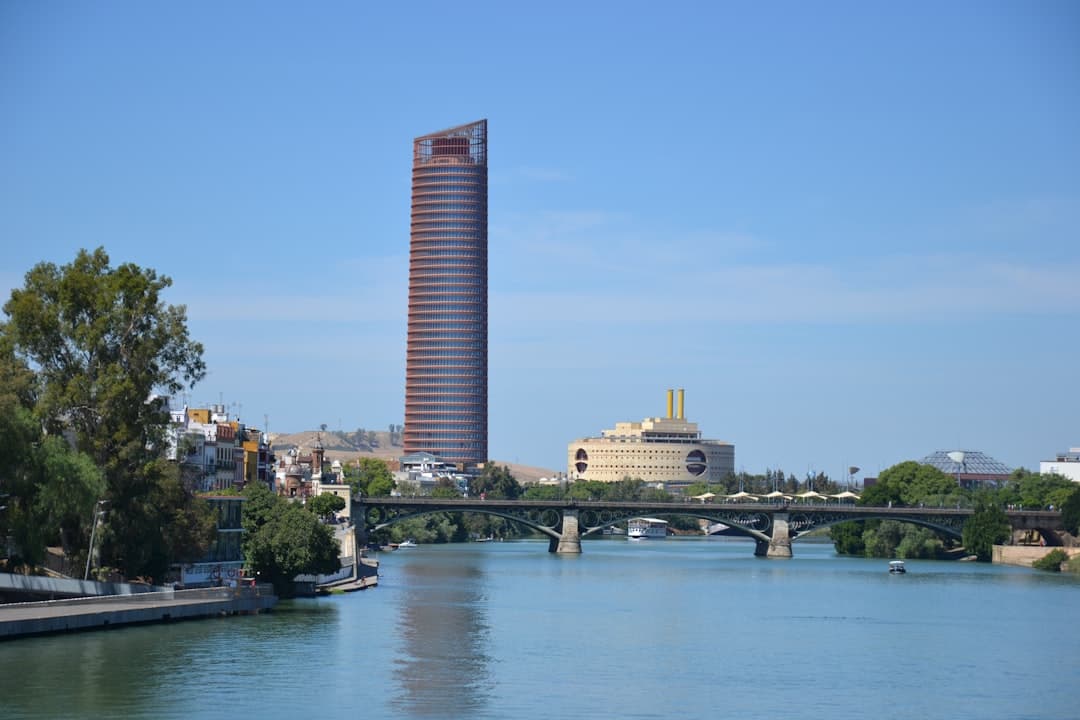
Triana is a historic neighbourhood on the west bank of the Guadalquivir River, separated from Seville's old city by the water and connected to it by the Puente de Isabel II — a wrought-iron bridge that locals simply call the Puente de Triana. For centuries it was considered a world apart: a working-class barrio of sailors, bullfighters, gitano flamenco artists, and tile-makers who answered to their own rhythms. That proud, insular identity never fully dissolved, and today Triana remains one of Seville's most characterful places — not a theme-park version of Andalusia, but an actual neighbourhood where people live, argue, and celebrate.

Walking its streets, you get the full texture of the place. The Calle Alfarería and Calle San Jorge are still lined with azulejo workshops and ceramic shops, a craft tradition that supplied the tiles for half of Seville's churches and palaces. The Mercado de Triana — a compact covered market built on the ruins of the old Castillo de San Jorge, where the Spanish Inquisition once operated — is the best place to eat cheap and authentic: jamón, fresh fish, cheese, and cold fino sherry at a bar stool by 9am. At night, the riverfront promenade and the small flamenco tablaos come alive, with the Isabel II bridge lit up and reflected in the water.

Triana rewards slow exploration rather than a checklist approach. Skip the organised flamenco tourist shows if you can — instead, look for peñas (private flamenco clubs) that occasionally open to outsiders, or just settle into one of the old tiled bars along Calle Betis with a glass of Manzanilla and watch the city across the river. The neighbourhood is entirely walkable from the historic centre — cross the bridge and you're there in minutes — but it has a distinct feel that makes it seem further away than it is.

Local Tips

  1. 1

    Start your morning at the Mercado de Triana around 9–10am, when stall holders are set up and the bar stools at the market's interior bars are still free — order a tostada with aceite and a glass of fino and you're living like a local.

  2. 2

    Calle Betis runs along the riverbank and is lined with bars and restaurants — the views back toward the Torre del Oro and Seville's skyline are best from this strip at golden hour and after dark.

  3. 3

    The Capilla del Carmen, the small chapel at the Triana end of the Puente de Isabel II, is easy to walk past but worth a pause — it marks the entrance to the neighbourhood and locals treat it with real affection.

  4. 4

    If you want to buy azulejo tiles, the workshops on Calle Alfarería are more authentic and often cheaper than the tourist-facing shops near the bridge — look for places with kilns and workshops visible from the street.

When to Go

Best times
Spring (April–May)

Seville's Semana Santa and Feria de Abril bring enormous crowds city-wide, but Triana has its own fervent Semana Santa culture — some of the most emotional brotherhoods process from here. Extraordinary to witness but book accommodation well ahead.

October–November

Warm but not scorching, fewer tourists than spring, and the riverfront bars and market are at their most relaxed and local-feeling. The best all-round time to visit.

Evening year-round

Calle Betis along the riverfront is best experienced after dark — the bridge lights up, the terraces fill, and Triana shifts into its most atmospheric gear.

Try to avoid
July–August

Seville's summer heat is brutal — regularly above 40°C — and Triana's narrow streets offer little shade. Outdoor exploration becomes genuinely unpleasant in the middle of the day.

Why Visit

01

The Mercado de Triana is one of Seville's best food markets, built on the ruins of an Inquisition-era castle — history and jamón in one stop.

02

Triana is the birthplace of some of Spain's most celebrated flamenco artists, and the neighbourhood's identity is still shaped by that living tradition.

03

The ceramic workshops along Calle Alfarería produce hand-painted azulejo tiles using techniques unchanged for centuries — and most shops sell directly to visitors.