
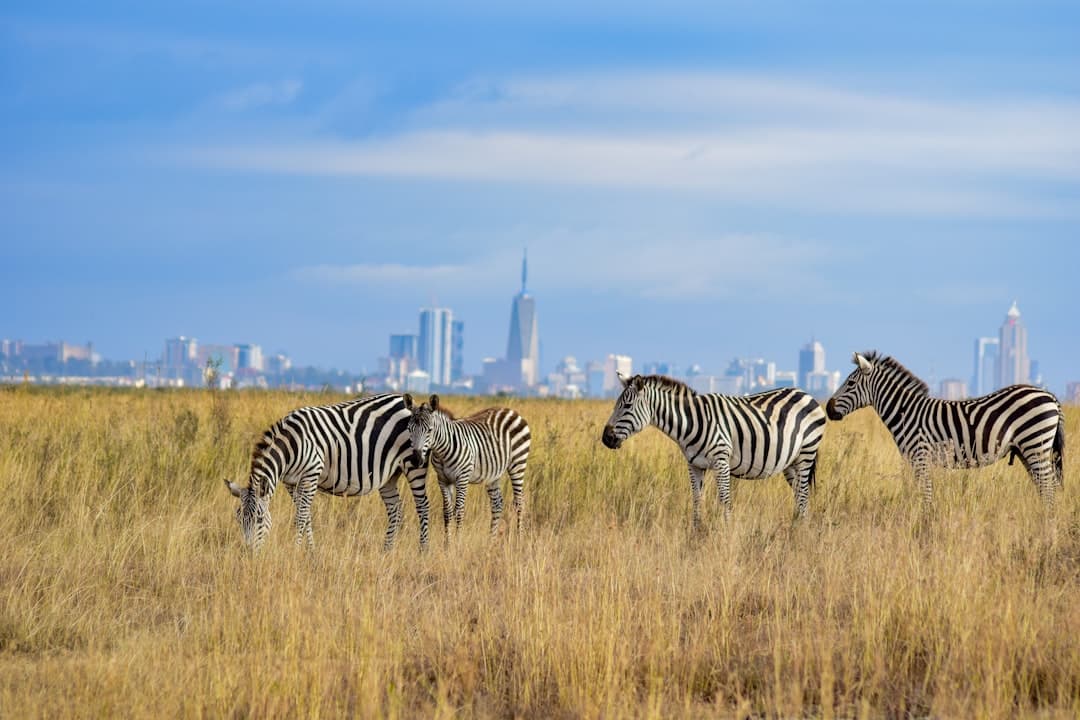
Uhuru Park
Nairobi / Uhuru Park

Uhuru Park

Nairobi's historic public lung, where political history meets everyday city life.

🏛️ Sights & Landmarks🌿 Nature & Outdoors🎯 Activities & Experiences
🌿 Relaxing👨‍👩‍👧 Family-friendly🎭 Cultural

Uhuru Park is a large urban green space sitting right at the edge of Nairobi's central business district, just off Uhuru Highway. It's one of the most historically and politically significant public spaces in Kenya — the place where independence was declared in 1963, where Kenyans have gathered for rallies and national celebrations ever since, and where the Nobel Peace Prize laureate Wangari Maathai famously led a campaign in the early 1990s to stop the government from building a skyscraper on its grounds. She won that fight, and the park remains open and public today partly because of her activism.

The park itself is expansive and unfussy — wide lawns, a central boating lake where you can rent paddleboats, a children's play area, and pathways that fill up with city workers eating lunch, families on weekends, and couples strolling in the evenings. There's a striking monument to the freedom struggle, and the lake views with the city skyline behind them make for genuinely photogenic scenes. Street food vendors and roasted maize sellers circle the perimeter. It's not manicured or polished — it's alive in the way that genuinely public urban parks are.

The opening hours listed (weekday only, 9am–5pm) don't fully match how the park functions in practice — it's an open urban space and access patterns can be fluid, so verify locally before planning around strict hours. Early mornings bring joggers and walkers; midday is the busiest with office crowd foot traffic. It's generally considered safe during daylight hours, but keep an eye on your belongings as you would anywhere near a city centre. The park is a short walk from the Nairobi National Museum and can be easily combined with a visit there.

Local Tips

  1. 1

    The paddleboats on the central lake are a genuinely fun local activity — prices are affordable and it's popular with both families and couples, especially on weekday afternoons.

  2. 2

    Roasted maize (mahindi choma) vendors work the park perimeter and are a Nairobi institution — a cob costs next to nothing and tastes far better than it has any right to.

  3. 3

    Keep your camera and phone discreet near the park entrances and along the Uhuru Highway fence line — the interior of the park is generally relaxed, but the edges attract opportunistic theft.

  4. 4

    If you're combining this with other sights, the Nairobi National Museum is roughly a 15-minute walk north — the two make a natural half-day pairing without needing a taxi.

When to Go

Best times
January–February and July–August (Dry Seasons)

Nairobi's two dry seasons offer the most reliable weather for an outdoor visit — sunny skies, mild temperatures, and comfortable conditions for walking and boating.

Weekday mornings

Early weekday mornings attract joggers and walkers rather than crowds, giving you the park at its most peaceful before the city lunch rush arrives.

Try to avoid
April–May (Long Rains)

Nairobi's heaviest rainy season turns the lawns lush but can make pathways muddy and the boating lake less enjoyable. Afternoon downpours are common.

October–November (Short Rains)

A second rainy period brings afternoon showers. The park stays green but expect intermittent rain, especially in the late afternoon.

Why Visit

01

This is where Kenyan independence was declared in 1963 — standing here connects you to the country's founding moment in a way no museum can replicate.

02

Wangari Maathai's successful fight to save this park from development is one of Africa's great environmental activism stories — the park's very existence is a victory worth knowing about.

03

The boating lake, city skyline backdrop, and mix of locals going about their day make this one of the most authentic and unhurried urban park experiences in East Africa.