
All Places
1,073 places around the world
1,073 places · page 41 of 45
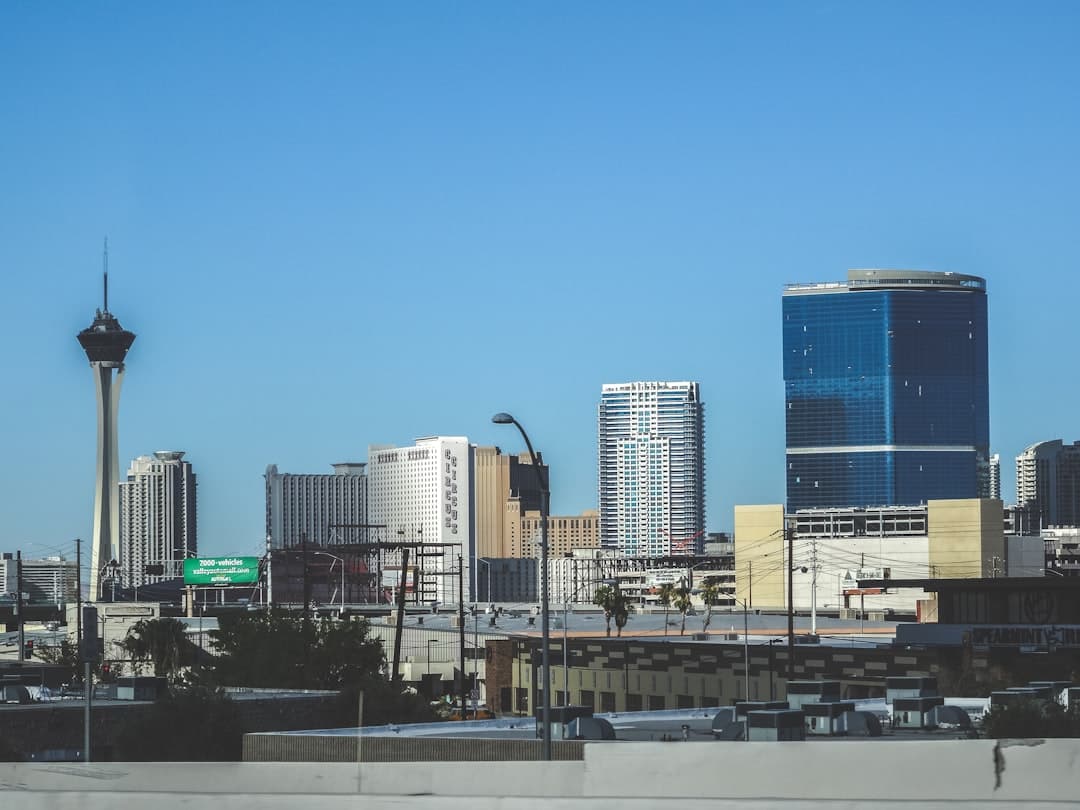
The Strip
The Las Vegas Strip is a four-mile stretch of Las Vegas Boulevard South running through the unincorporated communities of Paradise and Winchester — technically not even within Las Vegas city limits, though that distinction is lost on the millions who come here every year. It's the most commercially dense entertainment corridor in the world, home to some of the most recognizable hotel-casino complexes ever built: the Bellagio with its choreographed lake fountains, Caesars Palace with its Roman excess, the Venetian's canal-lined interior, the Sphere glowing on the eastern horizon. This is where American maximalism goes to flex. Walking the Strip is the primary activity, and it's more demanding than it looks on paper. The hotels are genuinely enormous — what appears walkable on a map is often a 20-minute trek across casino floors and sky bridges. You'll pass the Bellagio fountains (free, spectacular, running every 15–30 minutes), duck through the Venetian's Grand Canal Shoppes, watch the Mirage volcano if you time it right, and stumble into a dozen different buffets, restaurants from celebrity chefs, and live entertainment venues. The MGM Grand, Caesars, and Wynn all anchor different sections of the boulevard and each has its own personality. At night the whole stretch transforms — neon and LED on a scale that genuinely has no equivalent anywhere else on earth. The Strip is best experienced on foot, but pace yourself. Wear comfortable shoes — you will walk far more than expected. The free trams connecting Mandalay Bay, Luxor, and Excalibur on the south end, and the one linking Mirage and Treasure Island on the north, can save your legs. Avoid driving the boulevard itself — traffic is brutal and parking lots are massive time sinks. Monday through Thursday the Strip is noticeably quieter and room rates drop significantly. If you're here for the fountains or the Sphere exterior, those are genuinely free highlights that require no casino entry or ticket purchase.
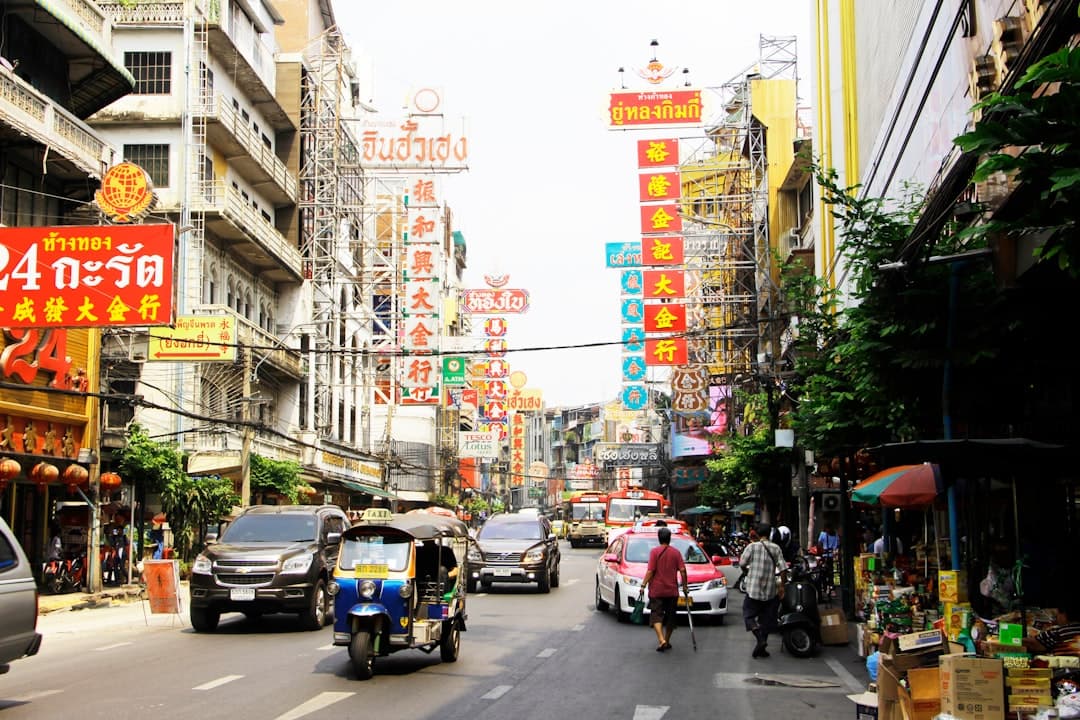
Thipsamai Pad Thai
Thipsamai is the kind of place that gets called an institution so often the word loses meaning — except here it genuinely applies. This family-run restaurant on Maha Chai Road in the old city has been serving pad thai since 1966, and it's widely regarded as the best in Bangkok, possibly in Thailand. That's not hype invented by tourism brochures. Serious food writers, chefs, and locals who've eaten pad thai their entire lives point to Thipsamai when the question comes up. The dish is made with thin sen mee rice noodles rather than the thicker variety used in most tourist-facing restaurants, and the signature version — wrapped in a delicate egg net and finished with orange juice pressed from real mandarin oranges — is something you won't find replicated anywhere else. The experience is equal parts food and spectacle. From the street, you can watch the cooks work massive woks over roaring flames, the kind of heat that achieves proper wok hei — that slightly smoky, charred edge that separates excellent pad thai from serviceable pad thai. The menu is simple and focused: a handful of pad thai variations, including a prawn version and the wrapped egg-net version called pad thai haw khai, plus fresh-squeezed orange juice that somehow ties the whole thing together. Portions are small by Western standards but perfectly calibrated — you're here to taste, not to stuff yourself. The queue is real and it moves at its own pace. Come before the dinner rush (around 5–6pm) or early in the evening. The restaurant opens late into the night — closing around midnight — so if you're nearby after dinner elsewhere, stopping in for a late plate is completely viable. Cash is standard. It sits conveniently close to the Grand Palace area and Sanam Luang, making it an easy add-on to a day in the old city. Order the wrapped version. Squeeze the orange juice over it. That's the move.
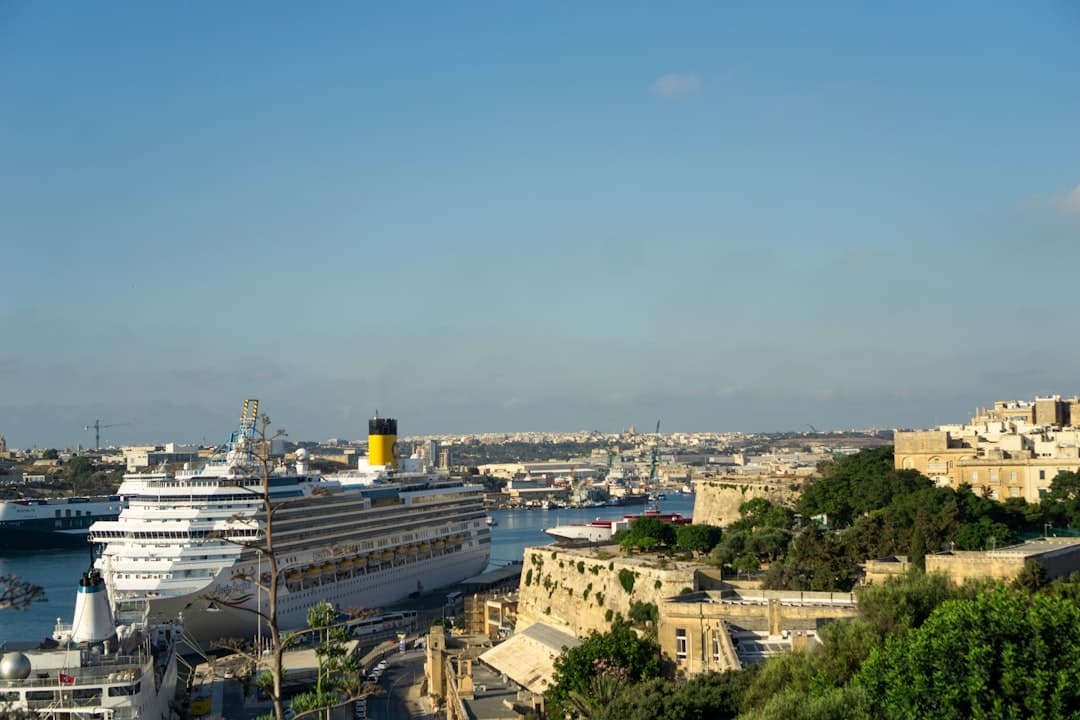
Three Cities
Directly across the Grand Harbour from Valletta, the Three Cities — Vittoriosa, Senglea, and Cospicua — are the oldest continuously inhabited urban area in Malta. These three small peninsulas and the fortified zone around them predate Valletta by centuries, and they were the original base of the Knights of St John when they arrived on the island in 1530. While Valletta gets the tourists, the Three Cities have quietly retained an authentic, lived-in quality that's increasingly rare in historic Mediterranean destinations. You can spend half a day or more wandering here without a fixed itinerary. Vittoriosa (also called Birgu) is the most visitor-friendly of the three, with the excellent Fort St Angelo dominating the harbor tip, the Inquisitor's Palace on the main street (one of the few surviving Inquisition palaces anywhere in the world), and a tight web of limestone alleys so narrow you can almost touch both walls at once. Senglea is quieter and more residential — the vedette watchtower at its tip offers one of the most photographed views in Malta, a stone carved eye-and-ear symbol that's become an icon. The marina between the two peninsulas is lined with traditional Maltese fishing boats called luzzus, still painted with the Eye of Osiris on their prows. Cospicua connects the other two and is the least touristy of all — mostly locals going about their day. Get here by the traditional dgħajsa water taxi from Valletta's Lower Barrakka area — a short crossing that's part of the experience. The Three Cities are compact but hilly in places, and most streets are stone. Come on a weekday if you can; weekends bring slightly more visitors though still nothing like Valletta. Eat at one of the waterfront restaurants in Vittoriosa's marina for views back across to the capital — that view of Valletta from the water is genuinely one of the best in the Mediterranean.
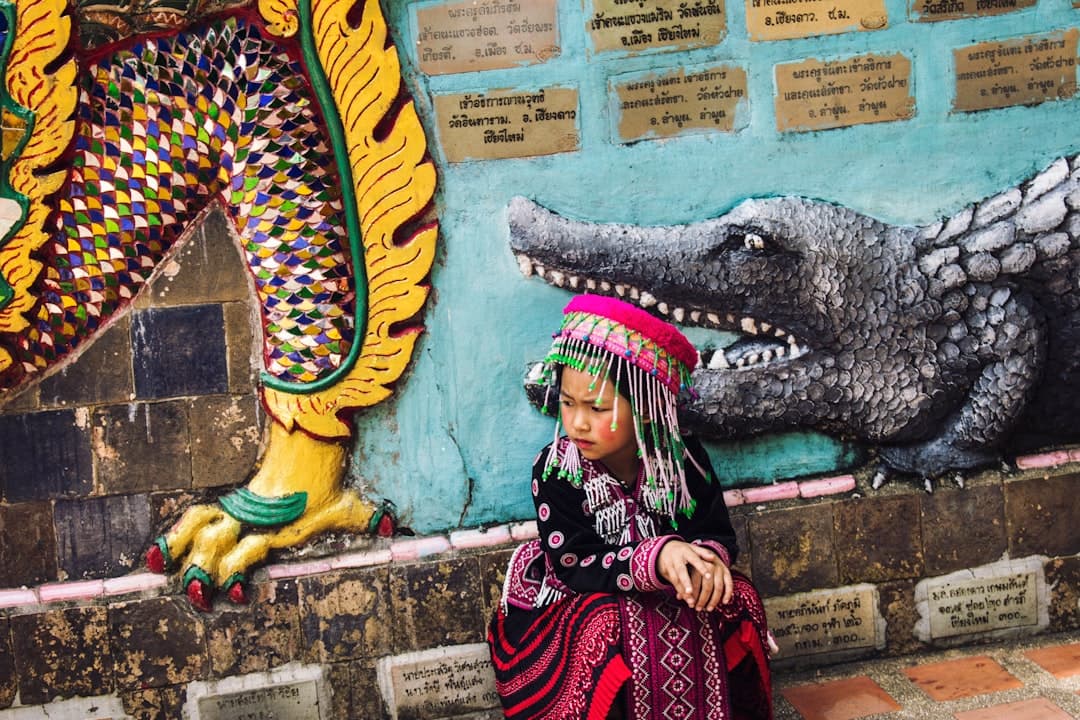
Three Kings Monument
The Three Kings Monument stands at the symbolic center of Chiang Mai's old city, commemorating the three rulers who jointly founded the city in 1296: King Mengrai of Lanna, King Ramkhamhaeng of Sukhothai, and King Ngam Muang of Phayao. Their alliance — and the city they chose to build together on this fertile plain between two rivers — shaped the entire course of northern Thai history. The bronze statues, unveiled in 1984, stand on a raised plinth in front of the Chiang Mai City Arts and Cultural Centre, turning what might just be a civic square into a place with genuine historical weight. In practice, visiting is a leisurely, unhurried experience. You walk around the statues, read the inscriptions, and take in the faces of three rulers cast in confident, regal poses — King Mengrai at the center, flanked by his two allies. The square itself is open and airy, often scattered with locals resting in the shade and tourists posing for photos. The surrounding area is worth your time too: the City Arts and Cultural Centre directly behind the monument is one of the best introductions to Lanna history in the city, housed in a beautiful colonial-era building that was once the city hall. The monument is open at all hours and free to visit, making it an easy anchor for a morning or afternoon exploring the old city. Come in the early morning before the tour groups arrive for the best photographs and a quieter atmosphere. During major festivals like Loi Krathong and Yi Peng, the square transforms into a ceremonial hub — worth timing your visit around if you can.
Thyssen-Bornemisza Museum
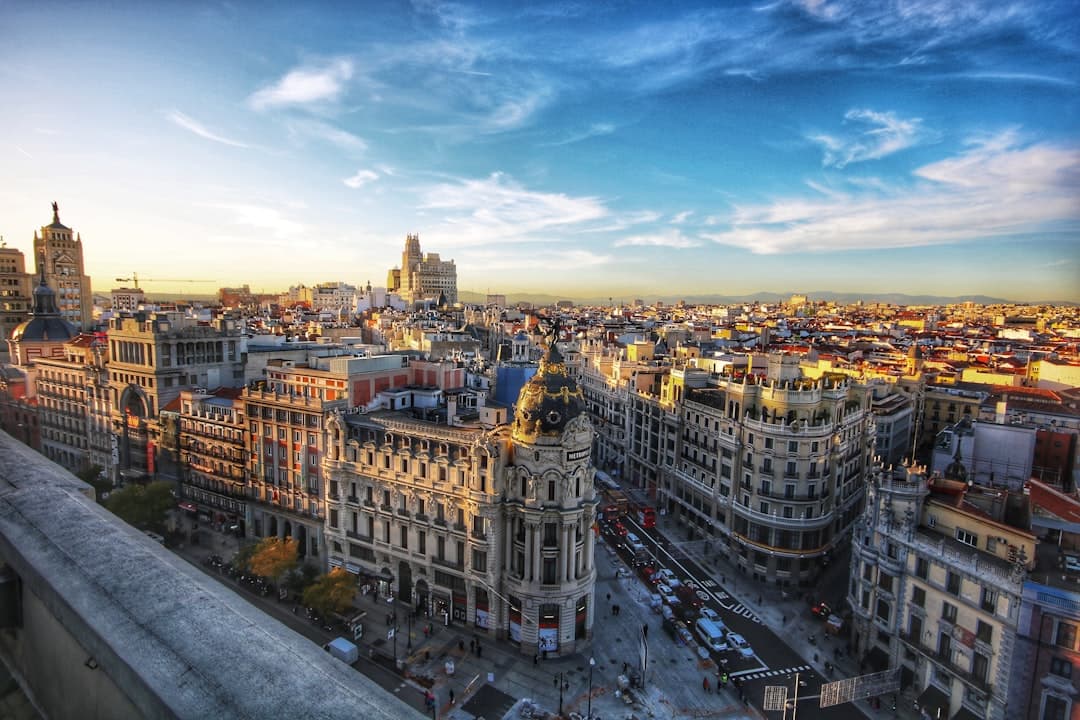
The Thyssen-Bornemisza is one of the great private art collections turned public museum — a treasure assembled by the Baron Heinrich Thyssen-Bornemisza and his family over decades, then acquired by the Spanish state in 1993. It sits on the Paseo del Prado, steps from the Prado and the Reina Sofía, forming what Madrileños call the Golden Triangle of Art. Where the Prado dominates in Old Masters and the Reina Sofía owns the 20th-century avant-garde, the Thyssen fills in everything else — and does it with extraordinary range and quality. Inside the neoclassical Villahermosa Palace, the permanent collection runs chronologically from medieval religious panels in the top floor all the way down through the Italian Renaissance, Dutch Golden Age, Impressionism, Expressionism, and American pop art. You'll encounter Caravaggio, Rubens, Monet, Renoir, Schiele, Hopper, and Lichtenstein across roughly 1,000 works — an itinerary that reads like an art history course but feels like a pleasure cruise. The Carmen Thyssen Collection, housed in an adjacent wing added in 2004, extends the experience further with 19th-century landscapes and Impressionist works personally chosen by the Baroness. A few insider notes: Monday hours are limited (noon to 4pm), so plan accordingly. The museum is notably less crowded than the Prado, which means you can stand in front of Hopper's Hotel Room or Van Eyck's Annunciation without fighting for space — a genuinely rare thing in a major European museum. Combined tickets for all three Golden Triangle museums exist and are worth considering if you're spending serious time on the Paseo. The museum café is decent for a mid-visit coffee break, and the gift shop is one of the better ones in Madrid for art books and prints.
Tian Tan Buddha
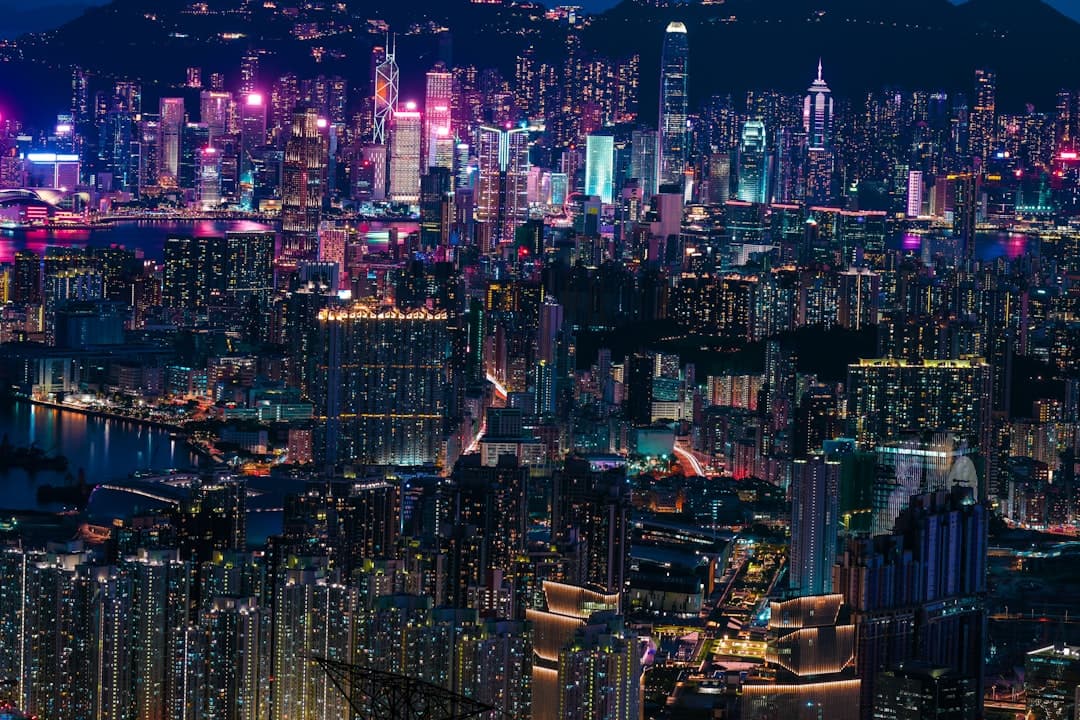
The Tian Tan Buddha — more commonly called the Big Buddha — is one of the largest seated outdoor bronze Buddha statues in the world, sitting at 34 metres tall on a lotus throne atop Ngong Ping plateau on Lantau Island. Completed in 1993, it was built by the same foundry responsible for the Bell of Good Luck in China, and it faces north toward mainland China, a deliberate symbolic gesture. The surrounding Po Lin Monastery, an active Buddhist site established in 1906, adds genuine religious weight to what could otherwise feel like a tourist set piece. This is not a replica or theme park attraction — it's a functioning place of worship that happens to also be spectacular to look at. Getting there is half the experience. Most visitors arrive via the Ngong Ping 360 cable car from Tung Chung, a 5.7-kilometre ride that sweeps over thick forest and eventually reveals the Big Buddha in the distance — one of those views that actually earns a gasp. Once at the plateau, you climb 268 steps to reach the base of the statue, where six smaller bronze statues called the "Offering of the Six Devas" surround the Buddha's platform. The views from the top stretch across the South China Sea and over Lantau's green hills. The monastery below serves vegetarian lunches that are both cheap and excellent — a genuine local tradition, not a tourist concession. Visitor numbers here are significant, especially on weekends and public holidays, so timing matters. The cable car can have long queues, particularly during peak season. The site officially opens at 10am, but arriving closer to opening — or on a weekday — makes an enormous difference to the experience. Fog is common on the plateau, especially in winter and spring, which can obscure the views but lends the whole place an eerie, beautiful atmosphere that actually feels appropriate for a Buddhist pilgrimage site.
Tiananmen Square
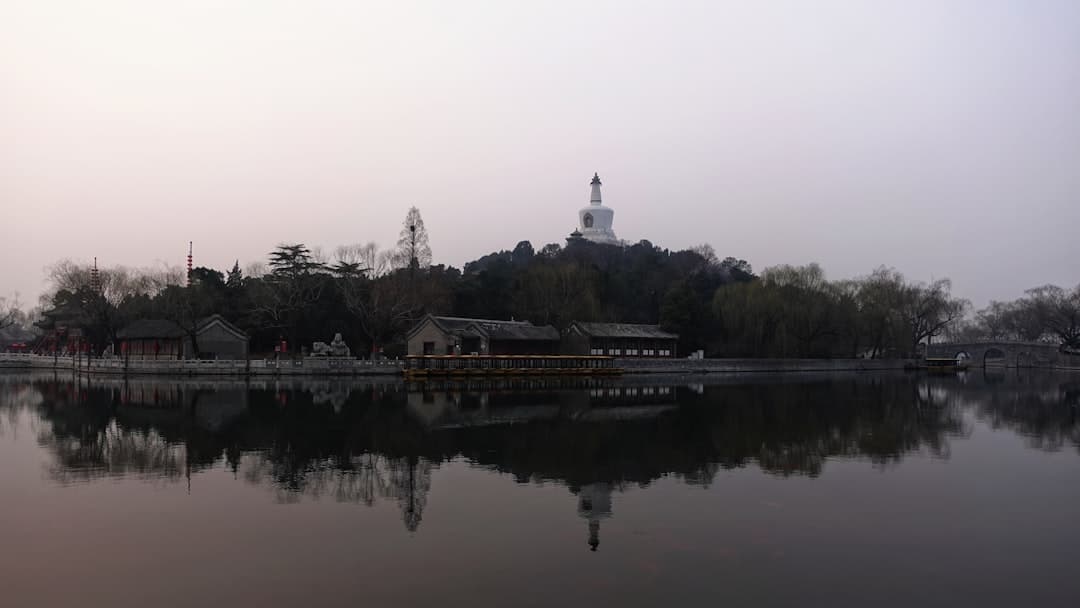
Tiananmen Square is the largest public square in the world, stretching across 44 hectares in the dead center of Beijing. It sits at the axis of the city's imperial past and communist present — bordered to the north by the iconic Tiananmen Gate, which bears the famous portrait of Mao Zedong, and to the south by the Mao Zedong Mausoleum. For more than a billion Chinese people, this is ground zero of national identity. For visitors, it's one of those rare places where you can physically feel the weight of history under your feet. In practice, you walk. A lot. The square is enormous — it takes longer to cross than you'd expect — and it rewards slow, observant exploration. The Monument to the People's Heroes rises from the center, a granite obelisk carved with bas-reliefs of revolutionary scenes. The Great Hall of the People flanks the western edge (China's legislative body meets inside). Families photograph each other in front of the gate. Military guards stand in rigid formation. Flag-raising ceremonies happen daily at sunrise and sunset, timed precisely to the sun, and they draw enormous crowds, especially at dawn when hundreds of Chinese visitors come specifically for this ritual. The atmosphere is formal but animated. Security is serious and visible — you'll pass through airport-style bag checks and ID verification (your passport) to enter. Foreign visitors should carry their passport at all times. The square can feel surveilled and ceremonial rather than leisurely, which is part of the experience rather than a drawback. Come early in the morning for smaller crowds and better light, or catch the sunrise flag ceremony if you're willing to set an alarm for 4 or 5am depending on the season.
Tianzifang
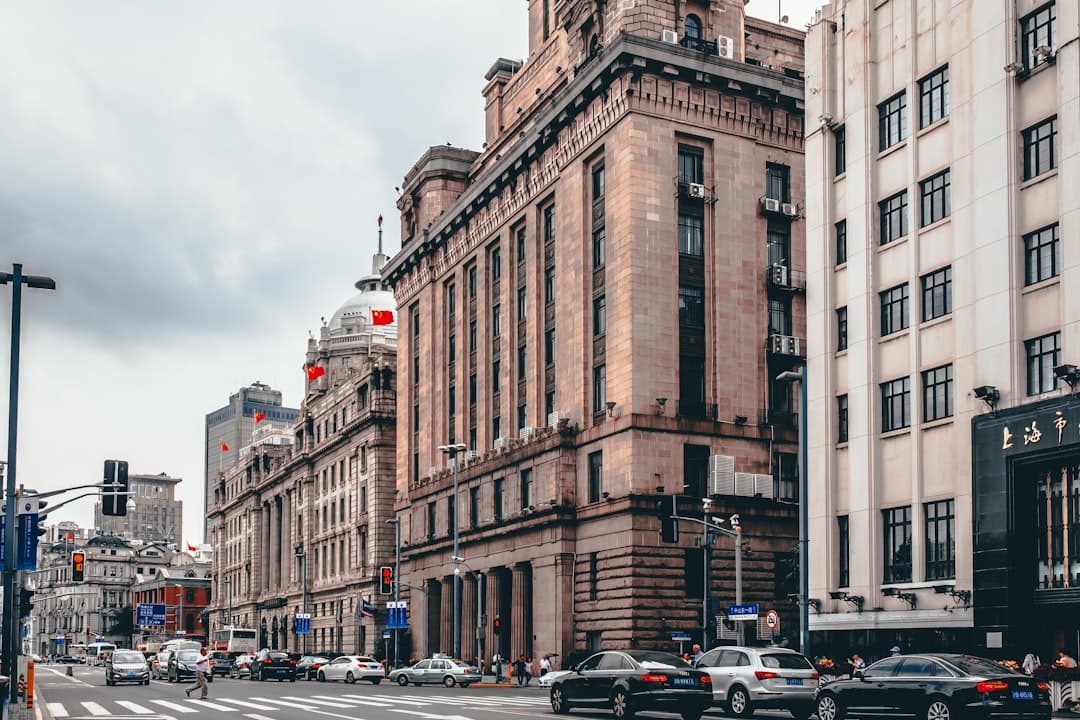
Tianzifang is a warren of narrow stone-gated alleyways in Shanghai's French Concession district, built in the traditional shikumen style — a uniquely Shanghainese fusion of European townhouse architecture and Chinese courtyard design that dates back to the 1930s. While much of Shanghai has been razed and rebuilt at breakneck speed, Tianzifang survived, and then thrived, when local artists and small business owners began moving into its crumbling lanes in the early 2000s. Today it's a dense, atmospheric cluster of independent boutiques, galleries, cafés, bars, and studios spread across three interconnected longtang (residential alleyways), with actual residents still living upstairs — laundry lines and potted plants dangling overhead as you browse handmade jewelry below. A visit here is as much about wandering as it is about any specific shop or café. The lanes branch and double back on themselves, revealing a hand-printed textile shop tucked behind a tea house, a Taiwanese-owned ceramics studio next to a bar playing jazz. There are street food vendors near the main entrance on Taikang Lu, and the further you push into the interior alleys, the quieter and more local it gets. Upstairs terraces at several cafés look out over the rooftops — worth seeking out for a coffee or a beer as you get your bearings. The whole area covers a small footprint but rewards slow exploration. The main entrance on Taikang Lu can get genuinely crowded on weekend afternoons, particularly during Chinese public holidays, when the outer lanes fill with tour groups. Weekday mornings are dramatically calmer and the best time for real browsing. The area is technically open around the clock, but most shops and cafés operate roughly 10am to 10pm. Quality varies enormously — there's tourist tat alongside genuinely interesting independent work — so take your time and go deep into the inner lanes rather than stopping at the first row of stalls.
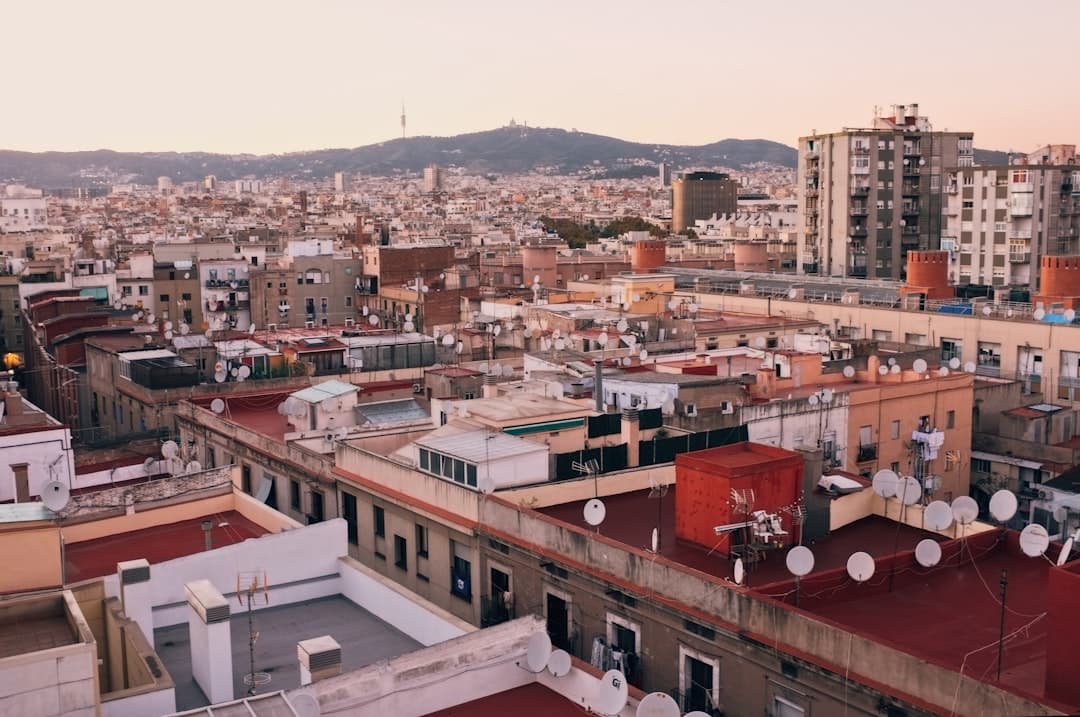
Tibidabo
Tibidabo is a 512-metre mountain that rises behind Barcelona, crowned by two things that couldn't be more different and somehow work perfectly together: a neo-Gothic church called the Temple Expiatori del Sagrat Cor, whose spire punches into the sky, and one of Europe's oldest amusement parks, which has been running since 1901. From up here you get an unobstructed panoramic view across the entire city — from the grid of the Eixample to the sea — and on a clear day you can see Mallorca. It's a place Barcelonans have a genuine emotional connection to, the kind of spot people bring visiting family and remember from childhood. The amusement park itself is a wonderfully odd mix of heritage rides and modern thrills. The Avio biplane ride from 1928 still operates, swinging out over the city edge — it's basically a slow-motion leap of faith with a spectacular backdrop. There's also a 1920s carousel, a haunted house, a mirror maze, and newer additions like a high-speed roller coaster. You can walk into the church for free and take the elevator up to the base of the giant bronze Christ statue at the top for an extra fee and another layer of jaw-dropping views. The park operates on a ticket system where you can buy unlimited ride passes or pay per attraction, so it works for families who want a full day and couples who just want a beer and the view. Getting there is half the experience. Take the FGC train from Plaça Catalunya to Avinguda del Tibidabo, then a charming old blue tram called the Tramvia Blau (when it's running — check ahead, as it's been subject to service interruptions in recent years), followed by the Funicular del Tibidabo up the final steep section. Alternatively, the T2A bus runs directly from Plaça Catalunya. Come on a weekday in shoulder season if you can — summer weekends draw long queues and school groups that can take the edge off the magic.
Tiergarten
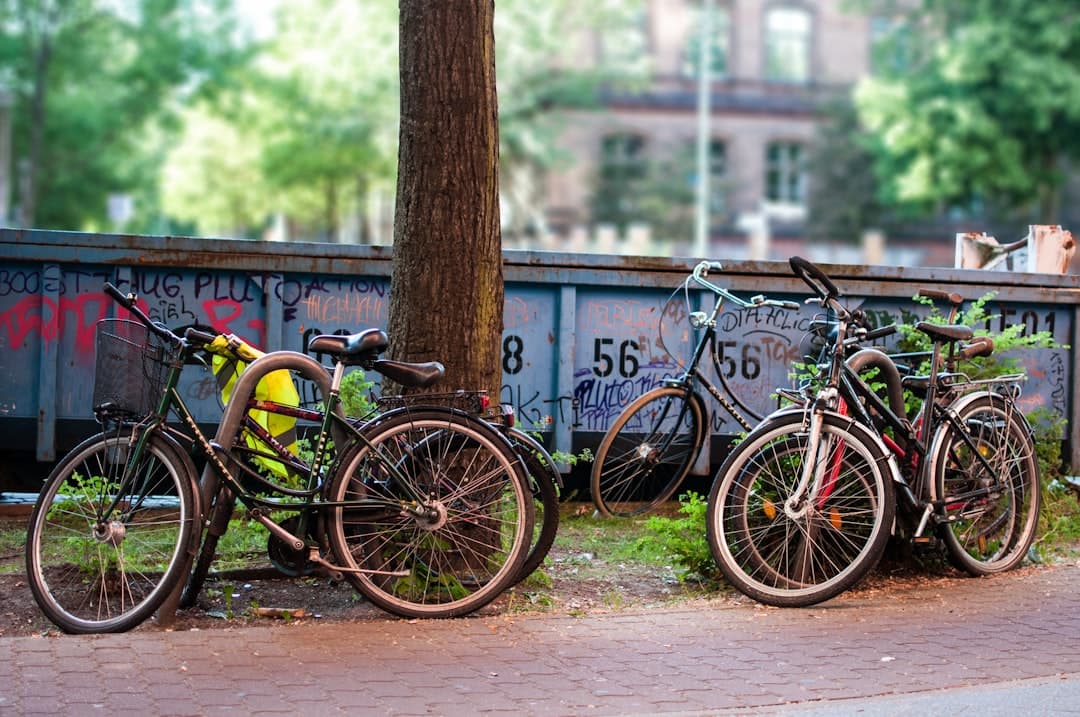
The Tiergarten is Berlin's central park — a 210-hectare sweep of woodland, meadows, canals, and gardens that sits right at the heart of the city. Originally a royal hunting ground for the Hohenzollern court, it was redesigned as a formal landscape park in the 19th century by Peter Joseph Lenné, before being almost completely destroyed during World War II. Berliners chopped down the trees for firewood, and the park became a patchwork of vegetable allotments just to survive the postwar famine. The forest you walk through today was planted almost entirely in the 1950s, which makes it remarkable that it feels so mature, so shaded, and so genuinely wild in places. What you actually do in the Tiergarten depends entirely on the day. On a sunny weekend it fills with families barbecuing (Berliners take their grilling rights very seriously — designated barbecue areas get packed early), joggers circling the paths, cyclists cutting through on their way to work, and people simply lying in the grass reading. The park has real landmarks embedded within it: the Victory Column (Siegessäule), that gilded goddess perched 67 metres up and offering a panoramic view across Berlin's skyline, sits at the centre of the Großer Stern roundabout. The Soviet War Memorial stands near the Brandenburg Gate end. The English Garden section near Bellevue Palace is one of the calmer corners, often overlooked by tourists. The Tiergarten runs roughly east-west, connecting the Brandenburg Gate to the west end near Zoologischer Garten station. It's not a place you see so much as a place you spend time — the best approach is to wander without a plan, let the paths surprise you, and find one of the canal-side benches for lunch. Bring food from one of the nearby markets or bakeries rather than relying on the park's limited kiosk options. The park is free, open at all hours, and beloved by Berliners in a way that few tourist sights are.
Tijuca National Forest
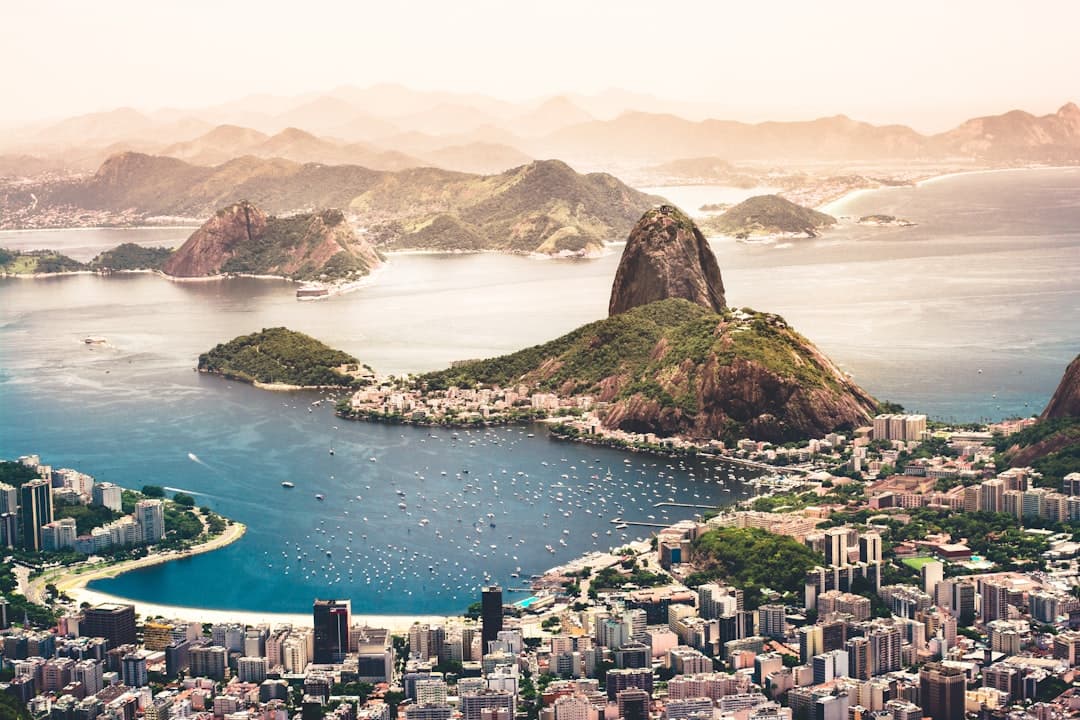
Tijuca National Forest is a vast tract of Atlantic rainforest that blankets the mountains rising directly behind Rio de Janeiro — a 32,000-hectare wilderness sitting inside one of the world's most famous cities. What makes it extraordinary isn't just its size but its story: this forest was almost entirely cleared for coffee plantations in the 18th and 19th centuries, then painstakingly replanted beginning in the 1860s under Emperor Dom Pedro II, making it one of the earliest and most successful reforestation projects in history. Today it's a UNESCO World Heritage Site and home to hundreds of species of birds, mammals, and plants — all within striking distance of Copacabana and Ipanema. The park is large enough to swallow a full day and then some. Most visitors come to hike to the Pico da Tijuca, the highest point in the park at around 1,021 meters, where the views over Rio — the bay, the beaches, Christ the Redeemer on its neighboring peak — are genuinely breathtaking. But there's far more going on: cascading waterfalls like the Cascatinha Taunay near the main entrance, the historic Mayrink Chapel with its painted panels, lush trails threading past enormous ferns and ancient fig trees, and spots popular with local families for weekend picnics. The park also frames Christ the Redeemer, though Corcovado is technically a separate but connected section of the same protected forest. The park has multiple entrance points, and getting oriented matters. The main Alto da Boa Vista entrance is the most accessible. Hiring a local guide is genuinely worthwhile — not just for navigation but for spotting wildlife like toucans, capuchin monkeys, and sloths that most self-guided visitors walk straight past. Go early: the forest gets misty and magical in the morning, trails are cooler, and you'll beat both the heat and the crowds. The park's official hours suggest 8am to 5pm, but some areas have different access times, so check before planning a late arrival.
Time Out Market
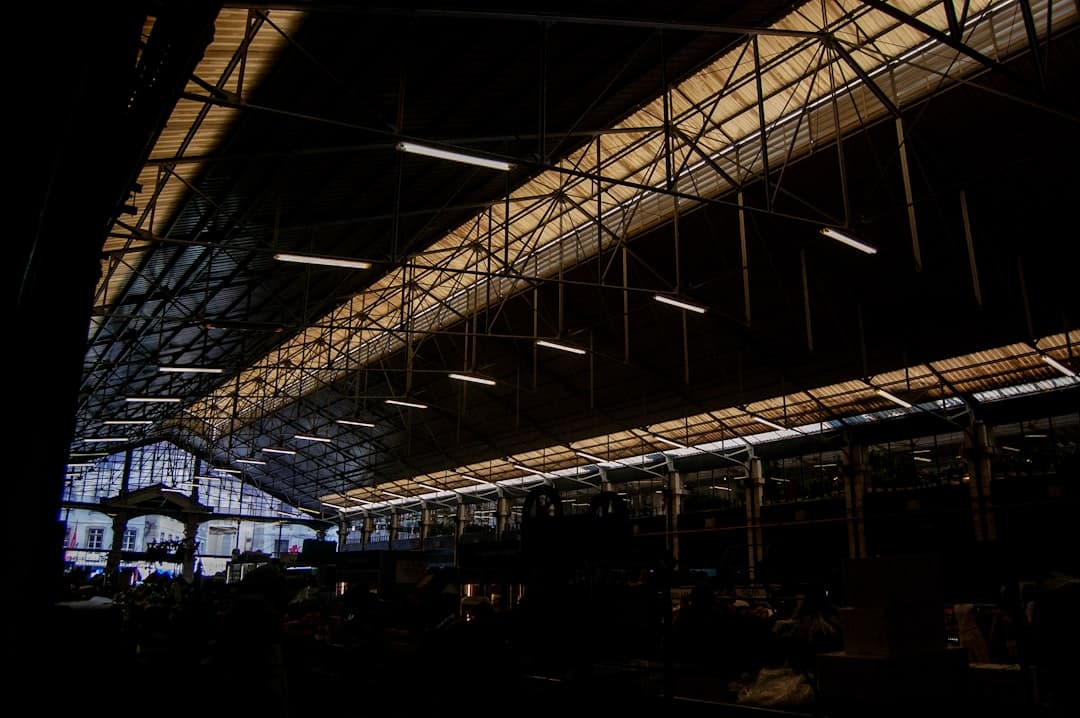
Time Out Market Lisbon is a sprawling food hall inside the historic Mercado da Ribeira, a beautiful cast-iron market building that has stood on the banks of the Tagus since 1882. When Time Out magazine transformed half of it into a curated food court in 2014, it became a landmark in its own right — the original Time Out Market, before the concept expanded to Miami, New York, and beyond. The idea was simple but powerful: instead of hunting across the city for the best of Lisbon's food scene, they brought it all under one roof, with stalls run by some of the city's most respected chefs and restaurateurs. Inside, you'll find around 40 food and drink counters arranged around communal wooden tables under soaring vaulted ceilings. The range is genuinely impressive — fresh seafood, bacalhau prepared a dozen ways, bifanas (Portugal's iconic pork sandwiches), pastéis de nata from the legendary Manteigaria, natural wines, craft cocktails, and plenty more. You order at individual counters and find a spot at the shared tables, which means you can graze your way through multiple dishes from multiple vendors in a single sitting. On weekends especially, the atmosphere gets lively and loud in the best possible way. The market sits in the Cais do Sodré neighbourhood, a short walk from the waterfront and right next to the commuter ferry terminal — which makes it a natural stop before or after a boat trip to Cacilhas or Belém. Arrive before noon or after 3pm on weekdays if you want to avoid the thickest crowds. The half of the building facing Avenida 24 de Julho still functions as a traditional produce market most mornings, and it's worth a wander through before you eat.
Times Square
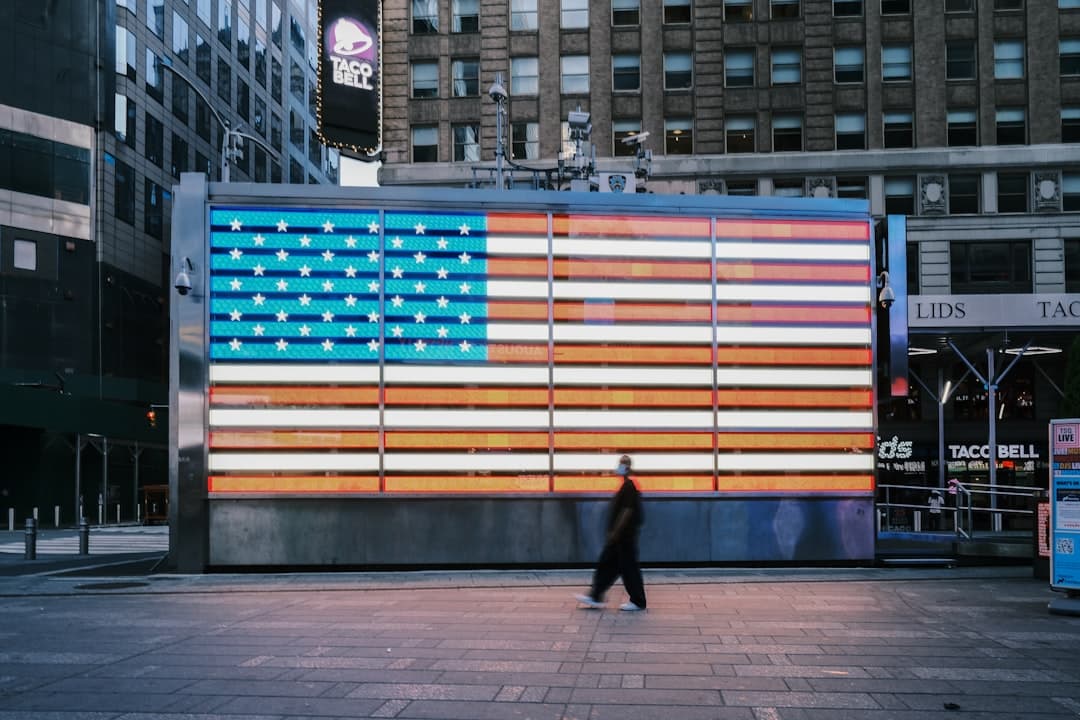
Times Square is the commercial and entertainment heart of Midtown Manhattan, where Seventh Avenue and Broadway cross between 42nd and 47th Streets. It earned its name from the New York Times, which moved its headquarters here in 1904 — an occasion marked by a fireworks display that evolved, by 1907, into the famous New Year's Eve ball drop. Today it is one of the most visited tourist destinations on earth, drawing roughly 50 million people a year with its wall-to-wall LED billboards, Broadway theaters, and an energy that genuinely never stops. Love it or hate it, there is nowhere quite like it. The experience is sensory overload in the best possible sense. By day you navigate a dense crowd of tourists, costumed characters posing for tips, and New Yorkers moving through with practiced indifference. The billboards — some of the most expensive advertising real estate on the planet — cycle through brands and animations in a visual cacophony that feels almost cinematic. By night, the square earns its old nickname, the Crossroads of the World: the light from thousands of signs is bright enough to read by, and the whole place hums with a kind of electric restlessness. The TKTS booth, with its famous red bleacher steps on the Father Duffy Square traffic island at 47th Street, is a great spot to pause and take it all in while picking up discounted same-day Broadway tickets. Times Square works best when you treat it as a destination in itself rather than a place to linger indefinitely. Walk through it, absorb the spectacle, grab a show ticket, and then escape into the side streets. Most of the restaurants directly on the square are tourist traps — better food is a few blocks east toward Ninth Avenue's Hell's Kitchen restaurant row. Avoid the area on New Year's Eve unless you are genuinely committed to the ball drop experience, as crowds arrive early and staying hydrated in the cold becomes a real logistical challenge.
Tirta Empul Temple
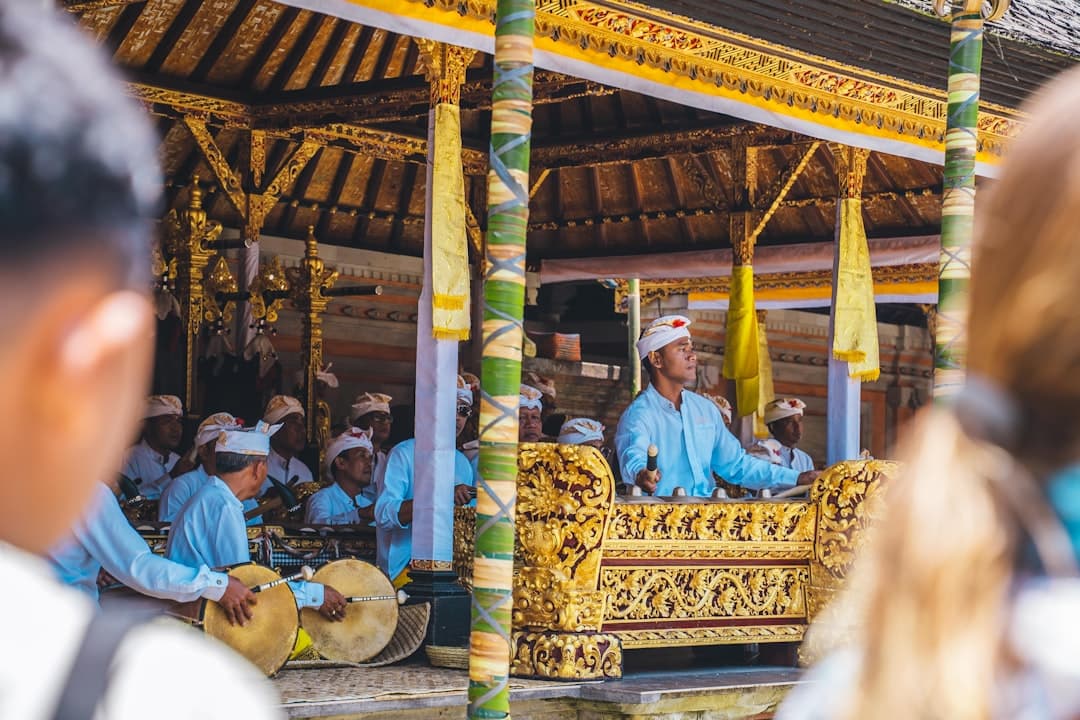
Tirta Empul is one of Bali's most important Hindu temples, built around a natural spring that has been considered sacred for over a thousand years — the complex dates to 962 AD. Set in the lush uplands of Tampaksiring in the Gianyar Regency, about an hour north of Ubud, the temple is dedicated to Vishnu, the god of water, and the spring water that feeds its ritual bathing pools is believed to have healing and purifying powers. This isn't a museum or a cultural showcase — it's a living, working place of worship used daily by Balinese Hindus. The experience is organized around a large rectangular bathing pool filled with a series of stone fountainheads, each one associated with a different purification purpose. Balinese worshippers — dressed in white or bright sarongs, carrying offerings — move methodically from spout to spout, ducking beneath the water in a ritual called melukat. Visitors are welcome to participate in the purification ritual, and many do: you rent or bring a sarong, collect a small offering, and join the queue at the fountainheads under the guidance of local priests or guides. The inner sanctum of the temple itself is reserved for Hindu worshippers. Above the complex, Sukarno's former presidential rest house overlooks the grounds — an odd but interesting footnote to the site's layered history. Get here early — before 9am if possible — before the tour buses arrive from Ubud and Seminyak. The ritual bathing experience is far more meaningful and less chaotic when the pools aren't packed with selfie-takers. If you want to participate in melukat rather than just watch, hiring a local guide or going with someone who can explain the proper etiquette will make the experience genuinely moving rather than awkward. The spring water is cold and clear, and even for non-religious visitors, there's something quietly powerful about standing under that flow.
Tirtagangga Water Palace
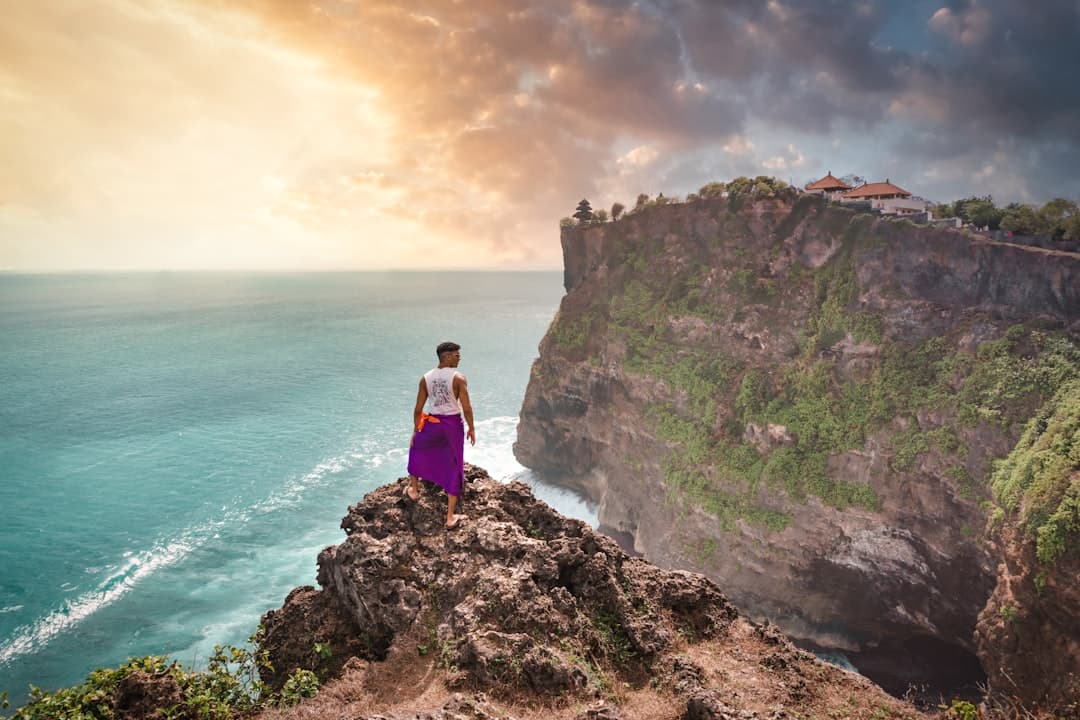
Tirtagangga — which translates roughly as 'water from the Ganges' — is a royal water palace in the remote eastern reaches of Bali, built in 1948 by the last Raja of Karangasem, Anak Agung Anglurah Ketut Karangasem. It sits in the foothills below the brooding bulk of Gunung Agung, Bali's holiest and highest volcano, and the setting alone makes it one of the most visually dramatic royal gardens on the island. The complex was badly damaged by the eruption of Agung in 1963 and later by an earthquake, but has been thoughtfully restored and remains a working site of spiritual significance for Balinese Hindus who come to collect its holy spring water. The experience is all about wandering through a maze of tiered ornamental pools, stepping-stone paths, fountains crowned with mythological nagas and multi-tiered pagodas, and lush tropical plantings threaded together by the sound of moving water. You can actually swim in the upper pools — a genuinely surreal experience, floating in royal spring water while staring at stone demons and distant rice fields. The surrounding village and terraced landscape stretching down toward the coast complete a picture that feels almost impossibly photogenic, especially in the soft light of early morning when mist rolls off the mountain. Tirtagangga sits in the Karangasem regency, the least-touristed corner of Bali and one worth lingering in. The palace is far enough from Ubud and the south that crowds are manageable even at peak season, and the drive through eastern Bali — past black-sand coast, salt farms at Amed, and jungle roads — is worthwhile in itself. Arrive early to have the stepping stones and pools largely to yourself, and factor in time to eat at one of the simple warungs overlooking the complex from the ridge above.
Tivoli Gardens
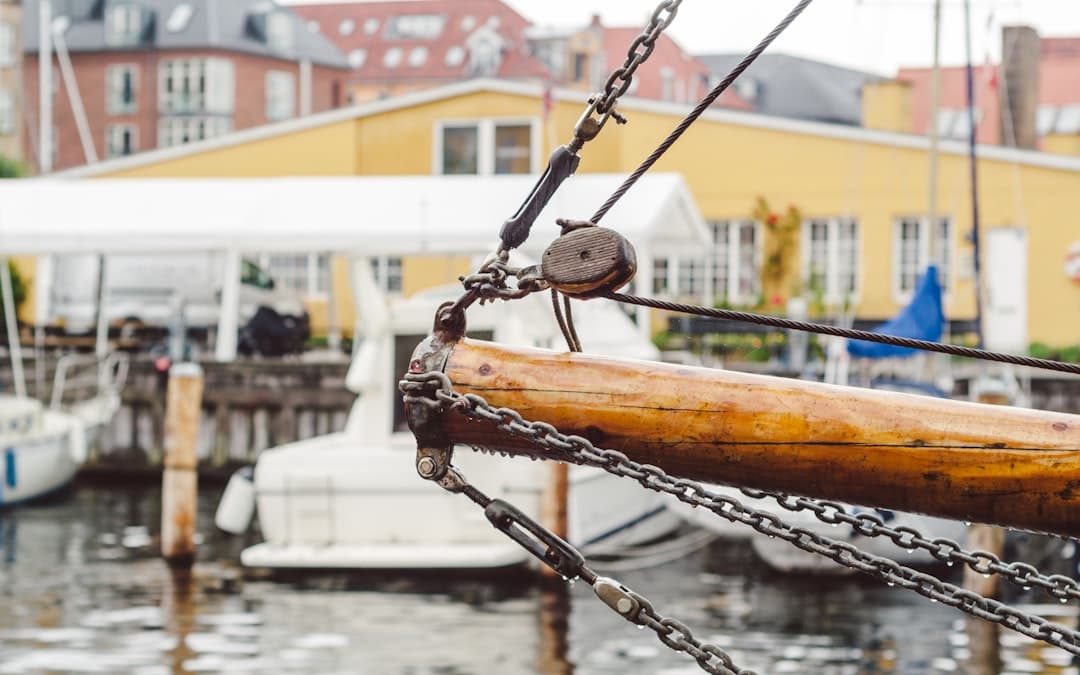
Tivoli Gardens is a historic amusement park and pleasure garden in the heart of Copenhagen, opened in 1843 and one of the oldest of its kind still operating in the world. It sits just across from Central Station, making it almost impossible to miss — but that central location undersells how surprising the place is. This isn't a theme park in the modern sense. It's a beautifully landscaped garden with rides, concert venues, restaurants, carnival games, and thousands of lights, all packed into a relatively small footprint that somehow never feels crowded or chaotic. Walt Disney visited before building Disneyland and credited Tivoli as an inspiration — which tells you something about its enduring magic. Inside, you'll find everything from a 19th-century wooden roller coaster called Rutschebanen — still operated by a brakeman who rides along — to the Vertigo swing ride that launches you over the rooftops of central Copenhagen. The gardens themselves are genuinely beautiful, with flower beds, fountains, Chinese-inspired pavilions, and performance stages where live music plays most evenings. The food scene has evolved well beyond funfair standards: Nimb, the Moorish-style palace on the grounds, houses several acclaimed restaurants, and there are solid options at almost every price point across the park. After dark, Tivoli transforms — the lanterns come on, the lights reflect in the lake, and the whole place takes on a genuinely romantic atmosphere. Tivoli is not open year-round — it runs a main summer season (roughly mid-April to late September), a Halloween season in October, and a beloved Christmas market from mid-November through late December. The Christmas edition is especially worth planning around: the gardens fill with mulled wine, traditional food stalls, ice skating, and decorations that tip from festive into fairytale. Weekday visits are noticeably quieter than weekends, and arriving in the late afternoon means you catch both the daylight garden and the full evening light show.
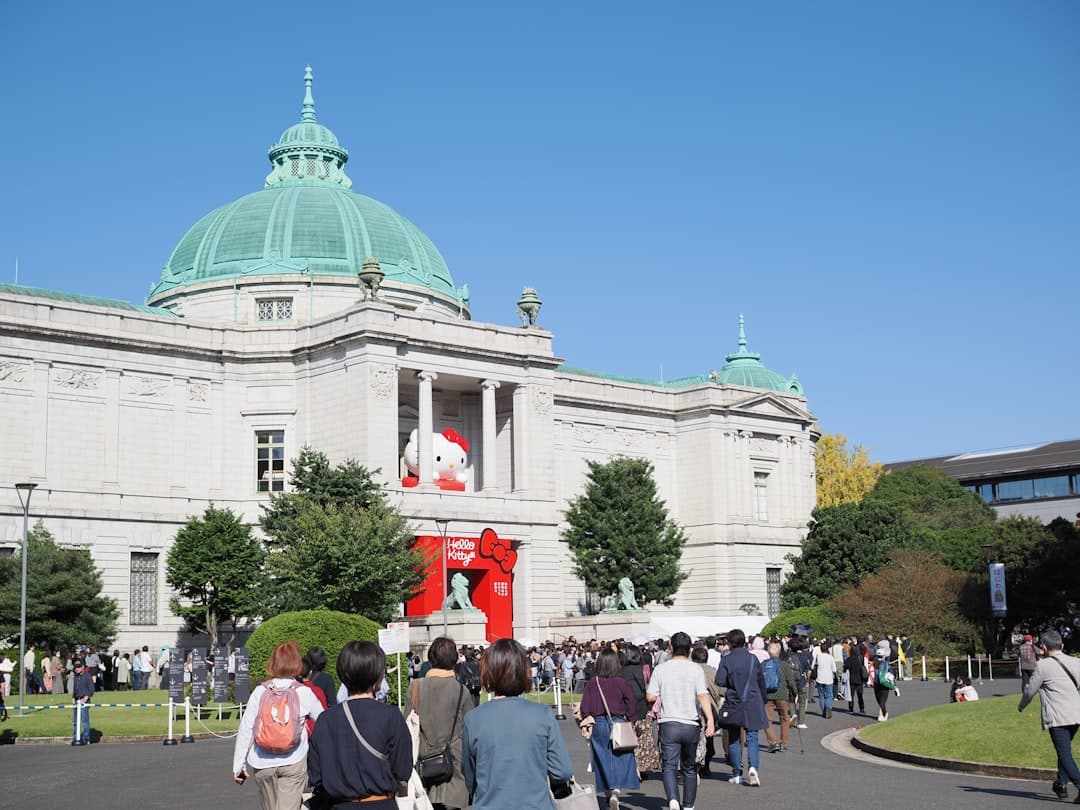
Tokyo National Museum
The Tokyo National Museum is Japan's premier cultural institution and the oldest national museum in the country, founded in 1872. Spread across a sprawling complex in Ueno Park, it holds one of the world's great collections of Japanese and Asian art — over 120,000 objects ranging from ancient Jomon pottery to samurai armor, Buddhist sculpture, ukiyo-e woodblock prints, lacquerware, and National Treasures of Japan. If you want to understand the full sweep of Japanese civilization in one place, this is where you come. The main building, the Honkan, is the heart of the visit — a handsome 1938 neo-Imperial structure housing Japanese art and artifacts organized chronologically across two floors. You move from prehistoric ceramics through the elegant refinement of the Heian period, past medieval swords and armor, and into the Edo-era decorative arts that shaped modern Japanese aesthetics. The Toyokan building covers art from across Asia — China, Korea, Southeast Asia, and India — while the Heiseikan focuses on Japanese archaeology. The Hyokeikan, a Meiji-era Western-style building, hosts special exhibitions. On a clear day, the garden behind the buildings is worth a slow walk. Friday and Saturday evenings the museum stays open until 8pm, making it an unusually civilized option for a late-afternoon visit when crowds thin out. The permanent collection is genuinely vast — most serious visitors focus on the Honkan and accept they won't see everything. Audio guides in English are available and worth picking up for the Honkan. The museum café on the ground floor is decent enough for a coffee break, and the gift shop sells high-quality reproductions and books that make for better souvenirs than most of what's sold in the neighborhood.
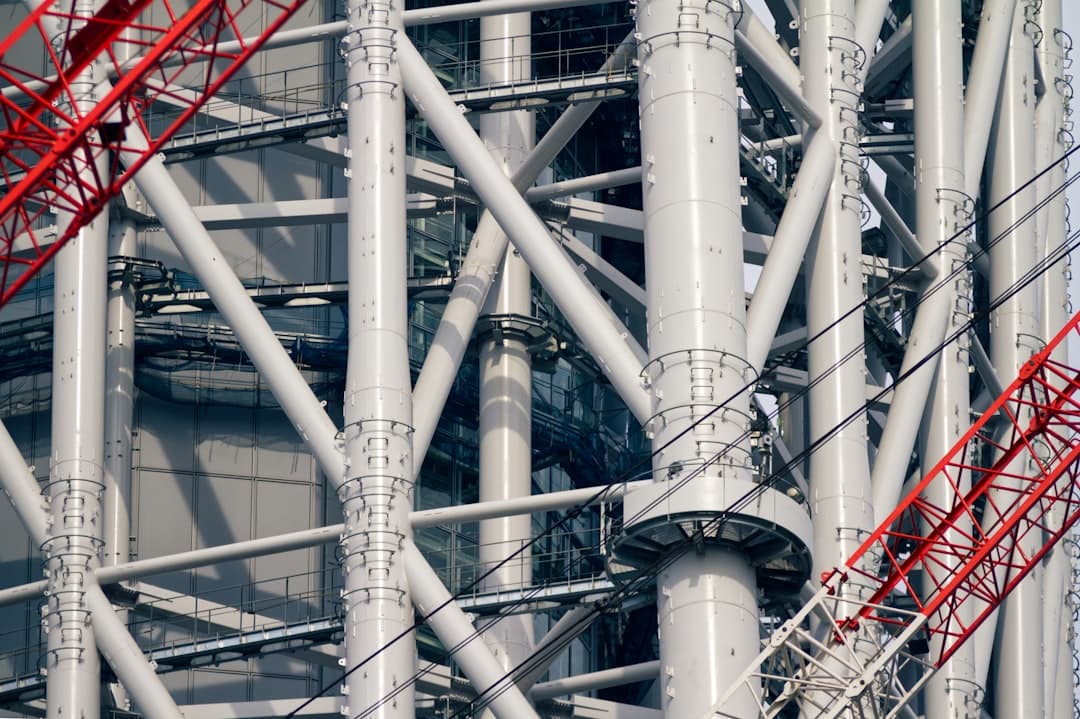
Tokyo Skytree
Tokyo Skytree is a 634-metre broadcasting and observation tower in the Sumida district of east Tokyo, completed in 2012. It's the tallest structure in Japan and the tallest tower in the world — not just an engineering feat, but a genuine civic landmark that the city has embraced as its modern icon. The height isn't arbitrary: 634 was chosen in part because it can be read as 'mu-sa-shi' in old Japanese, a historical name for the region. It sits above the Oshiage neighbourhood, an area that was deeply working-class and traditional before the tower transformed it into one of Tokyo's most visited districts. The experience centres on two observation decks. The lower Tembo Deck sits at 350 metres and offers panoramic views through floor-to-ceiling glass on all sides — on a clear day you can see as far as Mount Fuji to the southwest. The upper Tembo Galleria at 450 metres is a gently spiralling glass walkway that gives you the vertiginous sensation of walking through the sky. There's a glass-floored section that lets you look straight down to the streets below. At night, the views shift into something else entirely: the city becomes a sea of light stretching to the horizon in every direction, with the illuminated tower itself reflected in the windows around you. The tower sits inside Tokyo Skytree Town, a large commercial complex that includes an aquarium, a planetarium, and several floors of restaurants and shops. Budget at least twenty minutes of queue time even with advance tickets, especially on weekends. The smartest move is to book timed-entry tickets online before you arrive — walk-up tickets are available but the queues are real. Come on a weekday morning for the thinnest crowds, and always check the weather forecast before you go: a hazy or overcast day will dramatically reduce the views that make the whole trip worthwhile.
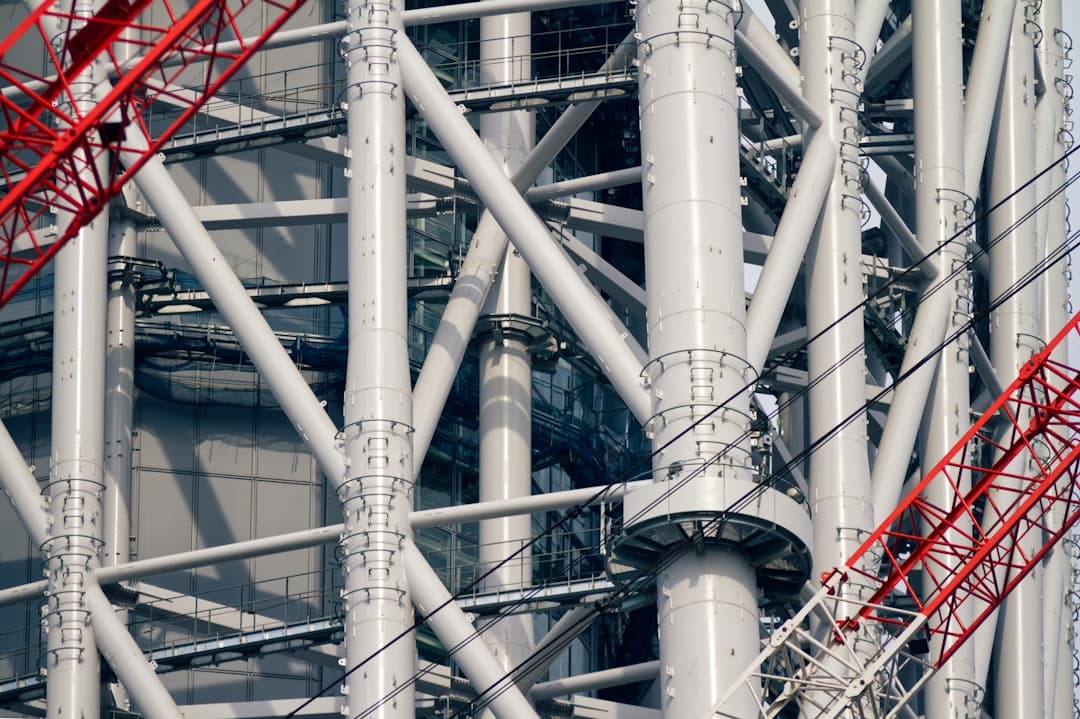
Tokyo Tower
Tokyo Tower is a 333-metre communications and observation tower in the Minato ward, modeled loosely on the Eiffel Tower but painted in international orange and white — colours required by aviation safety regulations. Completed in 1958 during Japan's postwar economic recovery, it was the tallest structure in Japan at the time and became an instant symbol of the country's ambition and resilience. It has been a defining part of Tokyo's skyline ever since, even as the much taller Tokyo Skytree opened in 2012 and took over its broadcast functions. Visitors come for two observation decks: the Main Deck at 150 metres and the Top Deck at 250 metres. The Top Deck requires a separate ticket and offers a more intimate, modern experience with floor-to-ceiling glass and wraparound views across the city. On a clear day you can see all the way to Mount Fuji to the southwest. The surrounding Shiba Park, with its mature trees and the Buddhist temple Zojo-ji right at the tower's feet, makes the approach feel genuinely special — the contrast between the ancient temple gate and the glowing steel tower behind it is one of Tokyo's great visual moments. The tower is at its most magical after dark, when the LED lighting turns it gold against the night sky. Visit on a weekday evening to avoid weekend crowds, and consider pairing it with dinner in the Azabu-Juban neighbourhood just a short walk east — one of Tokyo's most liveable and least touristy upscale areas. The FootTown building at the base houses shops and a small aquarium, which makes it a decent half-day option for families, though serious visitors will want to spend their time on the decks rather than in the retail floors.
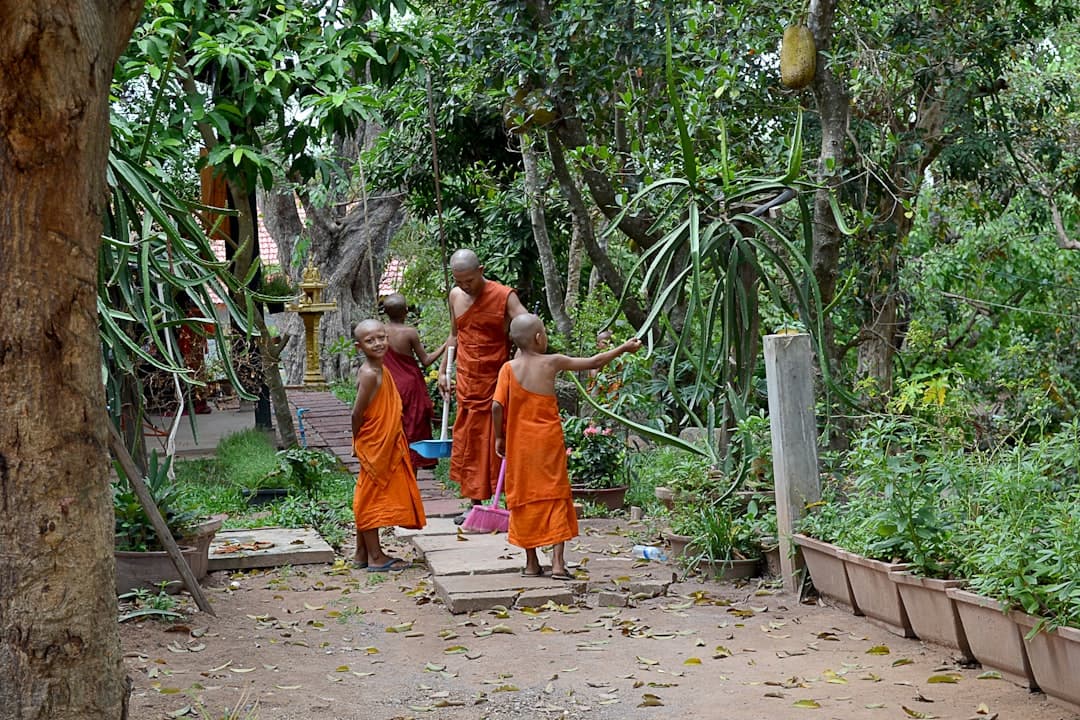
Tonle Sap Lake
Tonle Sap is a remarkable freshwater lake in the heart of Cambodia — and one of the most ecologically unusual bodies of water on the planet. For much of the year it's a relatively modest lake, but when the Mekong River floods each monsoon season, it reverses the flow of the Tonle Sap River and the lake swells to roughly five times its dry-season size, becoming the largest lake in Southeast Asia. This annual pulse has sustained Cambodian civilization for over a thousand years, making it a UNESCO Biosphere Reserve and the source of roughly 60-75% of Cambodia's freshwater fish protein. What draws visitors from Siem Reap — about 15 kilometers to the north — are the floating villages. Communities like Chong Kneas, Kompong Phluk, and Kampong Khleang sit directly on the lake, their homes, schools, churches, and restaurants either built on stilts or floating on barrels. You tour by boat, threading past wooden houses painted in faded pastels, watching kids paddle to school in tiny canoes, and seeing fish farms and crocodile pens tucked between family homes. Kompong Phluk, with its dramatic stilted ghost-town atmosphere in the dry season, feels genuinely otherworldly. The birdwatching near Prek Toal, a core zone of the biosphere reserve on the western shore, is world-class — one of Asia's most important waterbird breeding grounds. Choose your village carefully. Chong Kneas, the closest to Siem Reap, is heavily touristed and runs organized boat tours that can feel extractive. Kompong Phluk and Kampong Khleang offer more authentic, less-commercialized experiences, though they require more travel time. Go with a reputable local operator rather than the touts near the dock, and consider timing your visit around sunrise or late afternoon when the light on the water is extraordinary.
Top of the Rock
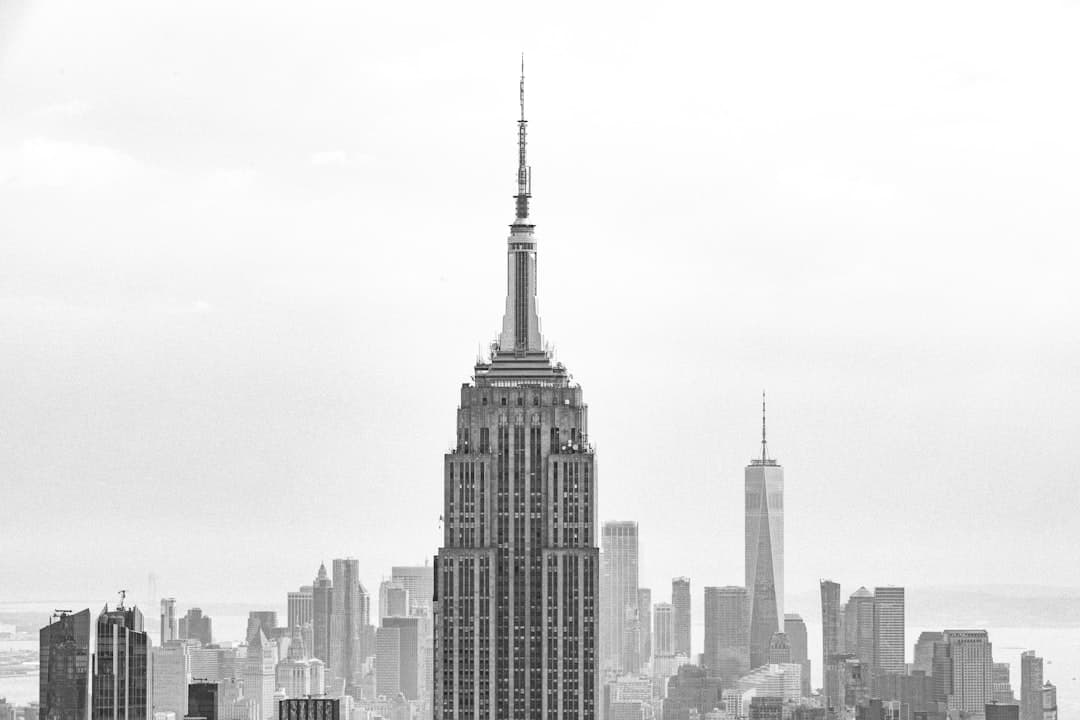
Top of the Rock is the observation deck atop 30 Rockefeller Plaza, the art deco centerpiece of Rockefeller Center in Midtown Manhattan. Opened in 1933, it was originally reserved for tenants and their guests before closing and then reopening to the public in 2005. It sits 70 stories and 850 feet above street level, giving you a panoramic view across the entire island of Manhattan — and crucially, because you're standing inside Rockefeller Center rather than on top of the Empire State Building, you can actually see the Empire State Building from here. That single fact makes a huge difference to photographers and skyline enthusiasts. The experience unfolds across three outdoor observation levels. You take a glass-ceiling elevator up and work your way through the decks, each offering slightly different perspectives. The top deck is completely open-air with low glass barriers (not the cage-style fencing of the Empire State), which means unobstructed photography in every direction. Central Park stretches north, the Hudson and East Rivers frame the island on either side, and on a clear day you can see well into New Jersey, Brooklyn, Queens, and the Bronx. The layout feels less frantic than some other observation decks — the space is designed so you can actually move around comfortably. Book timed tickets in advance online — walk-up lines can be brutal, especially in summer and around holidays. The sunset time slot is the most sought-after, selling out days or even weeks ahead. Night visits have their own appeal: the city lit up from above is genuinely spectacular, and the later hours (it runs until midnight) mean the crowds thin out considerably after 10pm. The Rockefeller Center neighborhood below is worth exploring before or after — the skating rink in winter, the Channel Gardens, and the Today show plaza are all right there.
Topkapi Palace
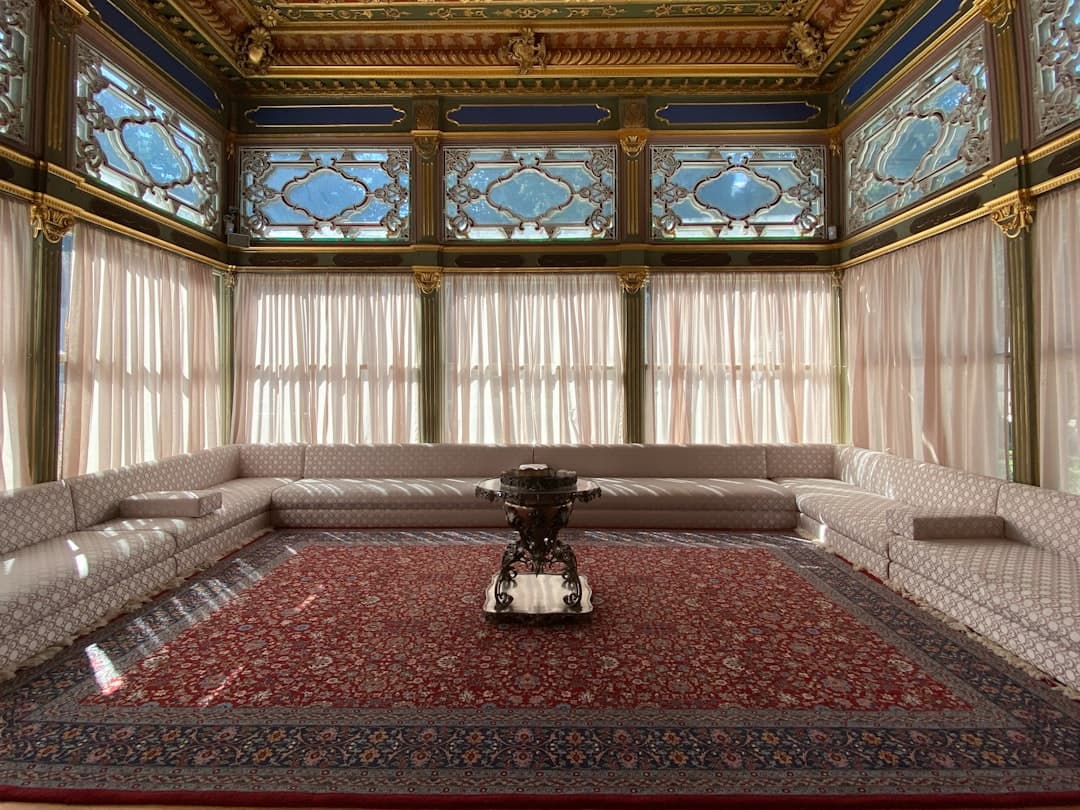
Topkapi Palace was the administrative and spiritual heart of the Ottoman Empire for nearly four hundred years, home to sultans from Mehmed II in the 1460s through to the mid-19th century. At its peak it housed thousands of people — officials, concubines, janissaries, cooks, astrologers — and served simultaneously as royal residence, seat of government, and treasury of an empire that stretched from Budapest to Baghdad. It sits on the tip of the historic peninsula where the Golden Horn meets the Bosphorus, a position so strategically and symbolically loaded that the Byzantines built their acropolis here before the Ottomans arrived. What you actually visit today is a sprawling sequence of courtyards, pavilions, and ornate rooms, each layer revealing something different. The first courtyard is free and open — a good place to get your bearings beside the 15th-century Hagia Eirene church. Beyond the Gate of Salutation, the second courtyard leads to the Imperial Council chambers and the kitchens, which now house one of the world's finest collections of Chinese celadon ceramics. The third courtyard holds the Audience Chamber and the dazzling Treasury, where you'll find the Topkapi Dagger (its emerald-encrusted handle is genuinely jaw-dropping) and the 86-carat Spoonmaker's Diamond. The Harem — a separate ticketed section — is the palace's most intimate and misunderstood space: a labyrinth of tiled rooms and private baths that housed not just concubines but the sultan's mother, children, and domestic court, all of it decorated with some of the finest Iznik tilework you'll see anywhere. The Palace is busy — very busy, especially in summer — and the crowds can make certain rooms feel less magical than they deserve. Go as early as possible, ideally right at opening. The Harem requires a separate ticket and has timed entry, so buy that online in advance. Tuesday is the closure day. The views from the fourth courtyard's terraced gardens over the Bosphorus and the Asian shore are among the best free panoramas in Istanbul, and easily overlooked when people are rushing between exhibits.
Toronto Islands
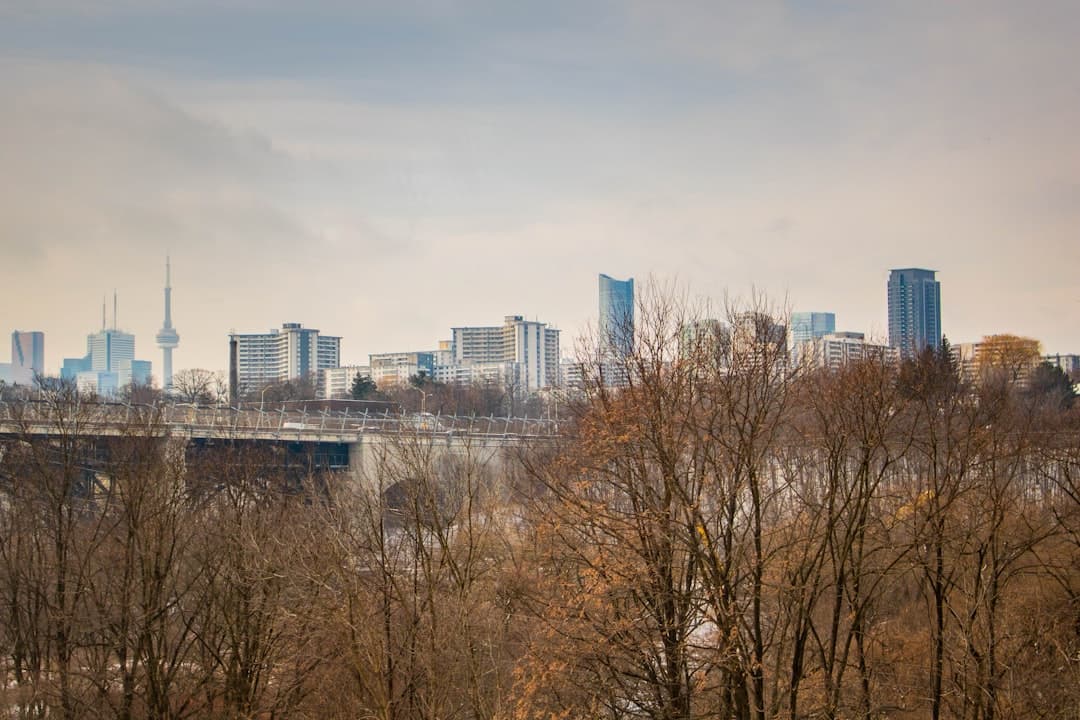
The Toronto Islands are a chain of small islands sitting just 10 minutes by ferry from downtown Toronto, forming a natural breakwater in Lake Ontario. Despite being practically in the shadow of the city's skyscrapers, they feel genuinely removed from urban life — no cars, no noise, just 600 acres of parkland, beaches, lagoons, and quiet residential streets. It's one of the few places in North America where you can stand on a beach and look back at a major city skyline, which makes for a striking and somewhat surreal experience. Most visitors come for the beaches — Ward's Island and Centre Island both have sandy stretches that get genuinely busy on hot summer weekends. Beyond swimming, there are bike and kayak rentals, a small amusement park called Centreville that's been entertaining Toronto kids since 1967, picnic lawns, a disc golf course, and kilometres of cycling and walking paths that wind through the whole island chain. The views back toward the CN Tower and the downtown financial district from the southern shore are among the best in the city, and the light in the late afternoon is particularly photogenic. Ward's Island also has a small, close-knit residential community of a few hundred people who have lived out here for generations — their cottages give parts of the islands a genuinely quirky, lived-in charm. Ferries depart from the Jack Layton Ferry Terminal at the foot of Bay Street, and they run to three separate docks: Ward's Island, Centre Island, and Hanlan's Point (which has a clothing-optional beach and sits near Billy Bishop Airport). The crossing takes about 10 minutes, but lineups for the ferry can be long on summer weekends — arrive early or plan for a wait. There's a small café at Centre Island and a few other food spots, but the selection is limited and pricey, so packing your own food is always the smarter call.
Torre del Oro
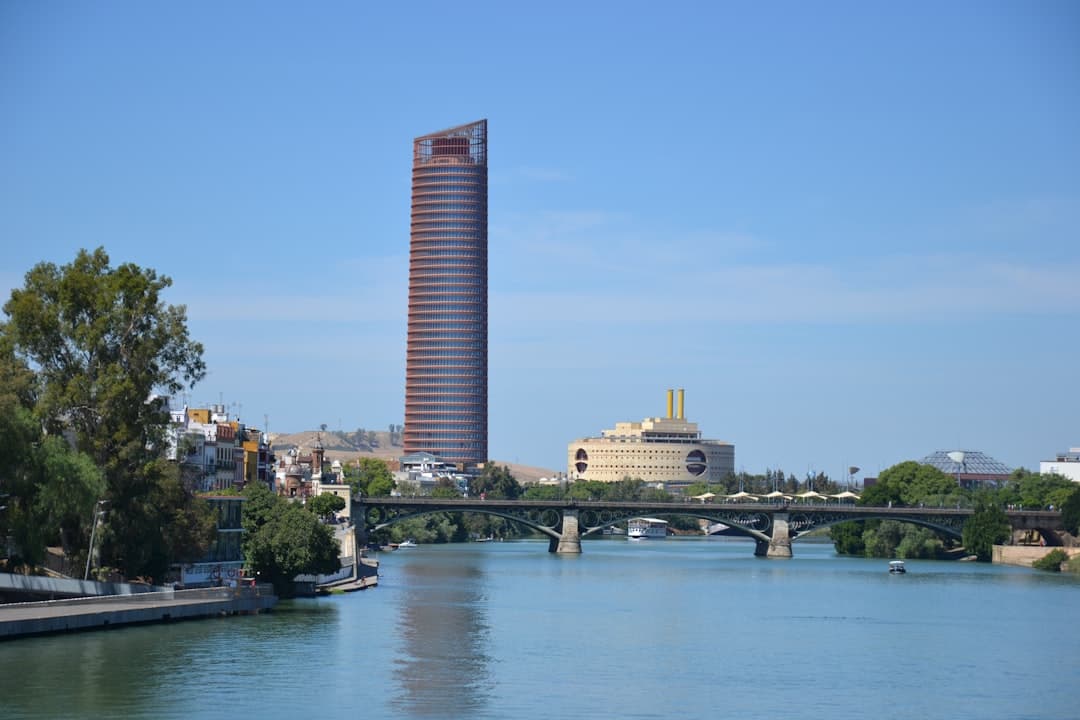
The Torre del Oro — literally the Tower of Gold — is a 13th-century military watchtower built by the Almohad dynasty in 1220 to defend Seville's port on the Guadalquivir River. It was part of a chain system: a heavy chain stretched across the river to a smaller tower on the opposite bank, blocking enemy ships from entering the city. For 800 years it has survived floods, earthquakes, and the full churn of Seville's dramatic history — from Moorish fortress to Christian conquest to a brief stint as a prison and later a gold storage depot (the most likely origin of its gilded name, though debate continues). It's one of the most recognizable monuments in Andalusia. Today the tower houses a small naval museum spread across its three cylindrical tiers. You wind up a narrow spiral staircase past exhibits of old maps, ship models, and navigational instruments — pleasant enough, but the real payoff is the terrace at the top, where you get sweeping views over the river, the Triana neighborhood across the water, and Seville's skyline with the Giralda tower cutting above everything. The interior is compact and the museum modest, but standing on that terrace with the Guadalquivir glittering below feels genuinely special. The tower sits right on the Paseo de Cristóbal Colón riverfront promenade, which means it fits easily into a walk along the river. Admission is inexpensive — just a couple of euros — and the tower is rarely as crowded as the Cathedral or Alcázar, so you can often wander up without queuing. Monday is free entry, which draws slightly larger numbers. Visit in the late afternoon when the light hits the tower's golden stone and the river catches the sun.