Tokyo Skytree
Tokyo / Tokyo Skytree

Tokyo Skytree

The world's tallest broadcast tower, with Tokyo stretching endlessly below.

🏛️ Sights & Landmarks🎯 Activities & Experiences
👨‍👩‍👧 Family-friendly🎭 Cultural🌹 Romantic

Tokyo Skytree is a 634-metre broadcasting and observation tower in the Sumida district of east Tokyo, completed in 2012. It's the tallest structure in Japan and the tallest tower in the world — not just an engineering feat, but a genuine civic landmark that the city has embraced as its modern icon. The height isn't arbitrary: 634 was chosen in part because it can be read as 'mu-sa-shi' in old Japanese, a historical name for the region. It sits above the Oshiage neighbourhood, an area that was deeply working-class and traditional before the tower transformed it into one of Tokyo's most visited districts.

The experience centres on two observation decks. The lower Tembo Deck sits at 350 metres and offers panoramic views through floor-to-ceiling glass on all sides — on a clear day you can see as far as Mount Fuji to the southwest. The upper Tembo Galleria at 450 metres is a gently spiralling glass walkway that gives you the vertiginous sensation of walking through the sky. There's a glass-floored section that lets you look straight down to the streets below. At night, the views shift into something else entirely: the city becomes a sea of light stretching to the horizon in every direction, with the illuminated tower itself reflected in the windows around you.

The tower sits inside Tokyo Skytree Town, a large commercial complex that includes an aquarium, a planetarium, and several floors of restaurants and shops. Budget at least twenty minutes of queue time even with advance tickets, especially on weekends. The smartest move is to book timed-entry tickets online before you arrive — walk-up tickets are available but the queues are real. Come on a weekday morning for the thinnest crowds, and always check the weather forecast before you go: a hazy or overcast day will dramatically reduce the views that make the whole trip worthwhile.
Local Tips

  1. 1

    The view from the lower Tembo Deck (350m) is excellent and included in the base ticket — the upper Tembo Galleria (450m) costs extra and the height difference is noticeable but not transformative. Many locals consider the lower deck the better value.

  2. 2

    The tower changes its LED lighting scheme nightly, alternating between two colour palettes called 'Iki' (a cool indigo blue) and 'Miyabi' (a warm purple). Check the schedule on the official site if you want to catch a specific look.

  3. 3

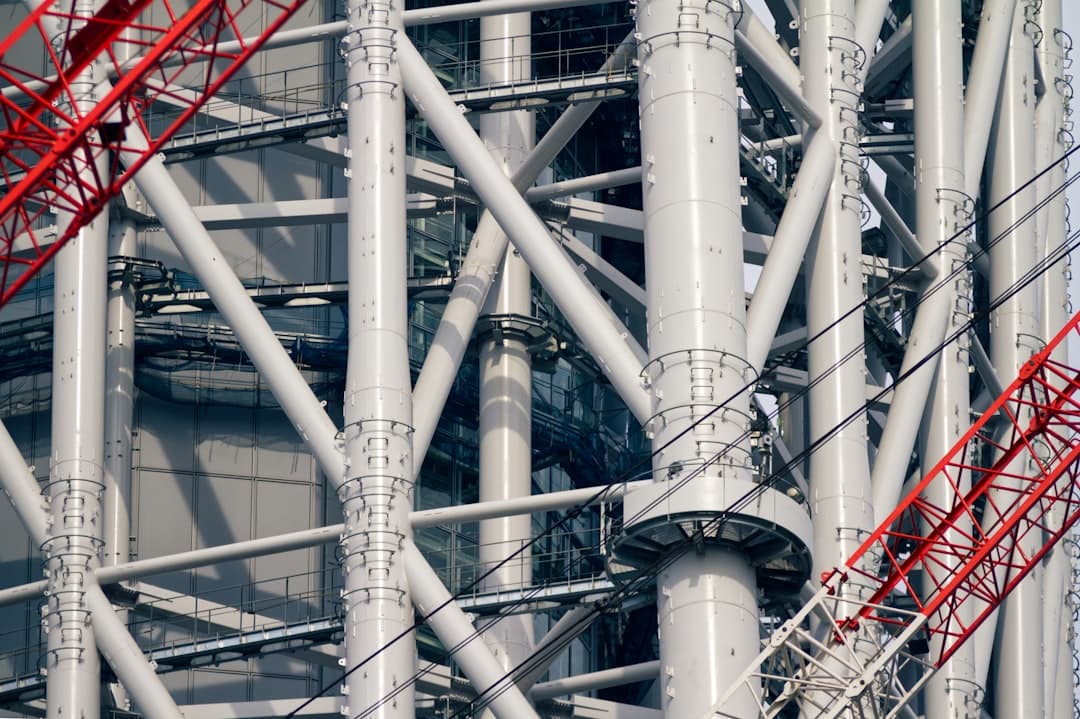
    From Oshiage Station directly below the tower, the view looking straight up is one of the most striking angles you'll find — worth spending a few minutes on before going inside.

  4. 4

    The surrounding Oshiage and Asakusa area rewards a longer visit: Asakusa's Senso-ji temple is a 15-minute walk away, and the old-school shotengai shopping streets nearby are a good antidote to the tower's commercial complex.

When to Go

Best times
December–February

Winter brings the clearest air and the best chance of seeing Mount Fuji from the observation deck. The cold reduces atmospheric haze significantly.

Evening (after 6:00 PM)

The night view of Tokyo lit up below is spectacular and feels completely different from the daytime experience — many visitors say it's the better of the two.

Try to avoid
Golden Week (late April–early May)

One of the busiest periods in the Japanese calendar. Queues are long, timed-entry slots sell out days in advance, and the surrounding area is packed.

Summer (July–August)

Heat and humidity create heavy haze that can reduce visibility to almost nothing. Views are often disappointing and crowds are large.

Why Visit

01

The views from 350 and 450 metres are genuinely extraordinary — Tokyo is one of the world's largest cities and seeing it spread to every horizon at once is an experience with no real equivalent.

02

On a clear winter day, Mount Fuji is visible to the southwest, making the trip feel like a reward rather than just a tourist stop.

03

The tower's design is beautiful up close — its form is based on traditional Japanese architectural principles, including the shape of a katana blade, and it's lit differently each night with alternating colour schemes.