
All Places
1,073 places around the world
1,073 places · page 40 of 45
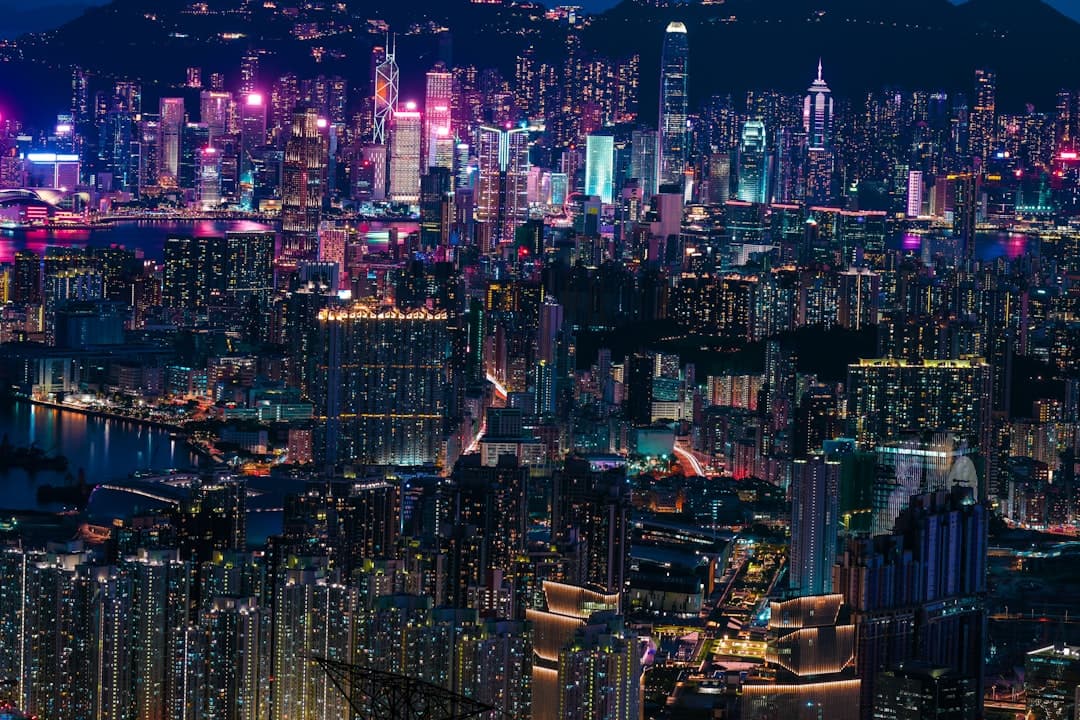
Temple Street Night Market
Temple Street Night Market is one of Hong Kong's most famous and enduring street markets, stretching several blocks through the Jordan district of Kowloon. It has been operating since the 1920s and reaches its full, chaotic glory after sunset, when the neon lights flicker on and the street fills with vendors, diners, and wanderers. It's the kind of place that feels like it exists in its own time zone — equal parts local shopping strip, open-air restaurant, and living piece of Hong Kong cultural heritage. The market splits naturally into sections. The southern end near Jordan MTR is dominated by stalls selling clothes, electronics, watches, phone accessories, and the kind of affordable tchotchkes you didn't know you needed. Push further north and the atmosphere shifts — fortune-tellers set up folding tables and offer palm readings and face readings in Cantonese or broken English, and on weekends you might catch impromptu performances of Cantonese opera near the Tin Hau Temple. The middle section is packed with open-air dai pai dong-style seafood restaurants and congee stalls where locals and tourists share plastic stools over clay pot rice and cold Tsingtao beers. Go after 7 or 8pm when the market hits its stride — early afternoon it's half-hearted, but by evening it becomes genuinely electric. Bargaining is expected at the goods stalls, but don't be aggressive about it; a friendly approach gets better results. The restaurants here are not fine dining, but the seafood is fresh and the prices are very reasonable by Hong Kong standards. Come hungry and curious, and leave time to wander without a plan.
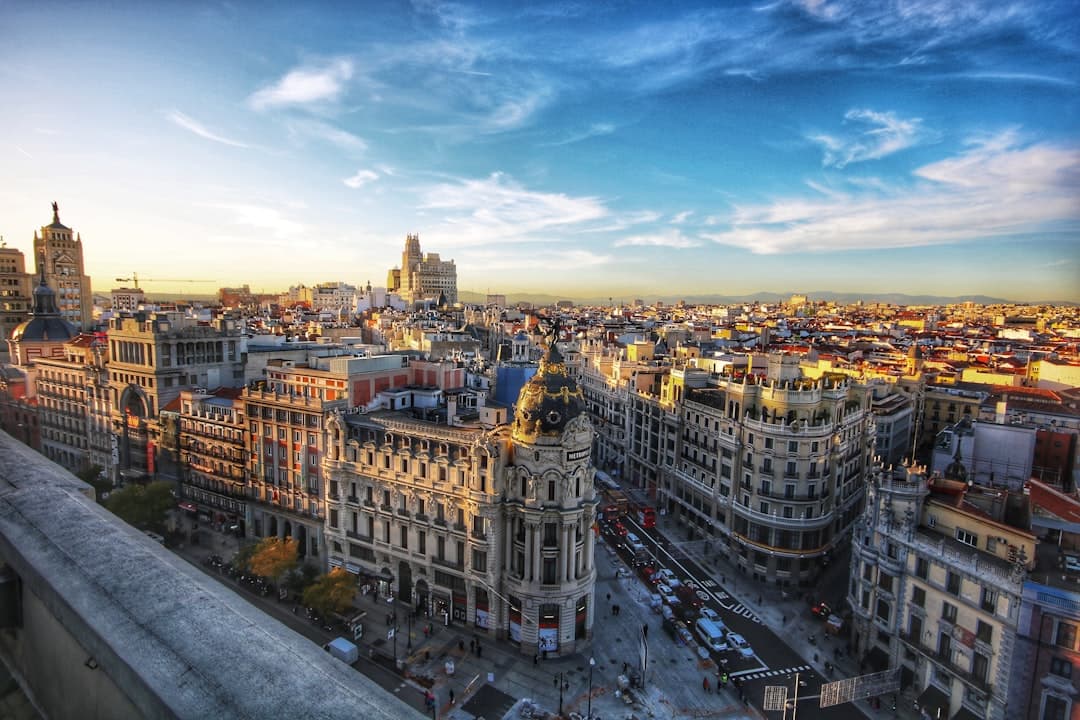
Temple of Debod
The Temple of Debod is a 2,200-year-old Egyptian temple that stands, with remarkable matter-of-factness, in a park just west of Madrid's royal palace. It was built in the 2nd century BC near Aswan in Egypt, dedicated to the gods Amun and Isis, and would have been submerged forever beneath Lake Nasser when the Aswan High Dam was constructed in the 1960s. In gratitude for Spanish archaeologists helping to rescue Nubian monuments from the rising waters, Egypt gifted the temple to Spain in 1968. It was dismantled stone by stone, shipped to Madrid, and reassembled here — making it one of only a handful of authentic ancient Egyptian temples outside of Egypt itself. From the outside, the temple is smaller than you might expect, but the experience of walking through its original stone gateways — called pylons — toward the sanctuary is genuinely atmospheric. Inside, you can see carved reliefs depicting pharaohs making offerings to the gods, still legible after two millennia. The surrounding Parque del Oeste is pleasant, and the whole complex sits on a small hill with views westward toward the Casa de Campo and, on clear days, the Sierra de Guadarrama mountains. Entry to the temple interior is free and timed, though the park grounds around it are open at all hours. The real insider move is timing your visit around sunset. The temple faces west, and in the late afternoon the light turns the stone a deep amber and silhouettes the pylons against a painted sky — it's one of the best free sunset spots in the entire city. Crowds gather for exactly this reason, especially on warm evenings, so arrive a little early to claim your position on the hillside. Monday closures catch a surprising number of visitors off guard, so plan accordingly.
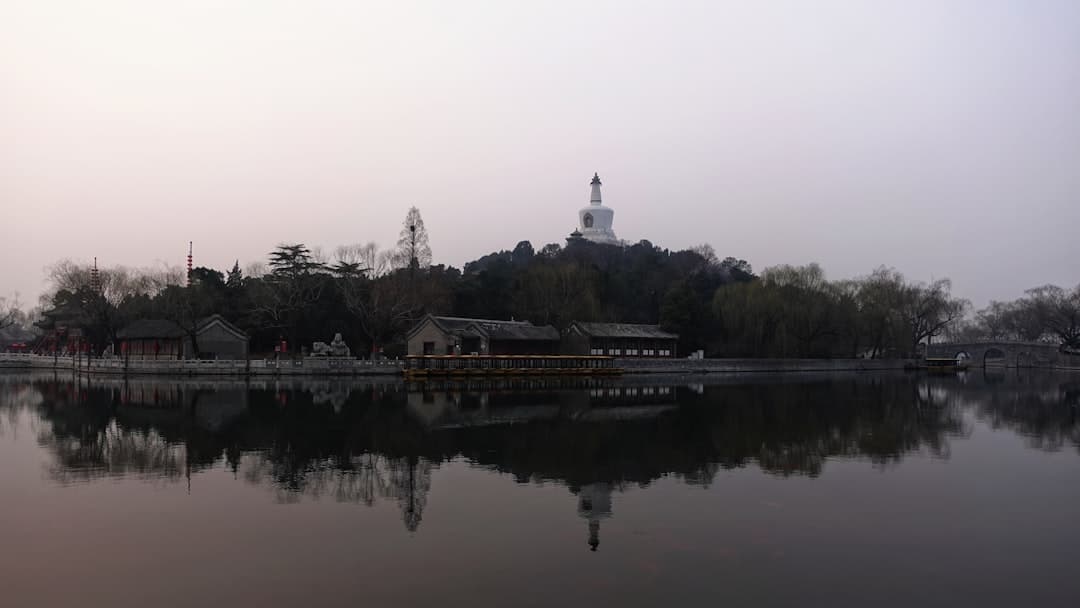
Temple of Heaven
The Temple of Heaven is a vast imperial religious complex in southern Beijing where, for nearly five centuries, the emperors of the Ming and Qing dynasties came each winter solstice to perform elaborate rituals and pray to heaven for good harvests. Built in 1420 — the same year as the Forbidden City — it was considered so sacred that ordinary citizens weren't allowed anywhere near it. Today it's a UNESCO World Heritage Site, and the centerpiece, the Hall of Prayer for Good Harvests, is one of the most recognizable structures in China: a triple-tiered circular building with a deep blue glazed tile roof, set on a white marble terrace and constructed entirely without a single nail. The complex is enormous — actually larger than the Forbidden City — and walking it properly takes time. You'll move between the main ceremonial buildings along a broad raised walkway called the Danbi Bridge, stopping at the Echo Wall (a circular wall with remarkable acoustic properties) and the Circular Mound Altar where emperors once communicated directly with heaven. The architecture is deeply symbolic: circular forms represent heaven, square forms represent earth, and the numbers of stones and pillars are all cosmologically significant. But even without knowing all that, the scale and serenity of the place is genuinely affecting. The park surrounding the temples is where Beijing's older residents come to dance, practice tai chi, play cards, and do group exercises every single morning — it's one of the best places in the city to watch that side of local life. Get there early, before 8am if you can, to catch the morning crowd at their liveliest. The park ticket (cheap) is separate from the through-ticket that covers the main buildings, so decide in advance how deep you want to go. Skip midday in summer — the marble terraces offer zero shade.
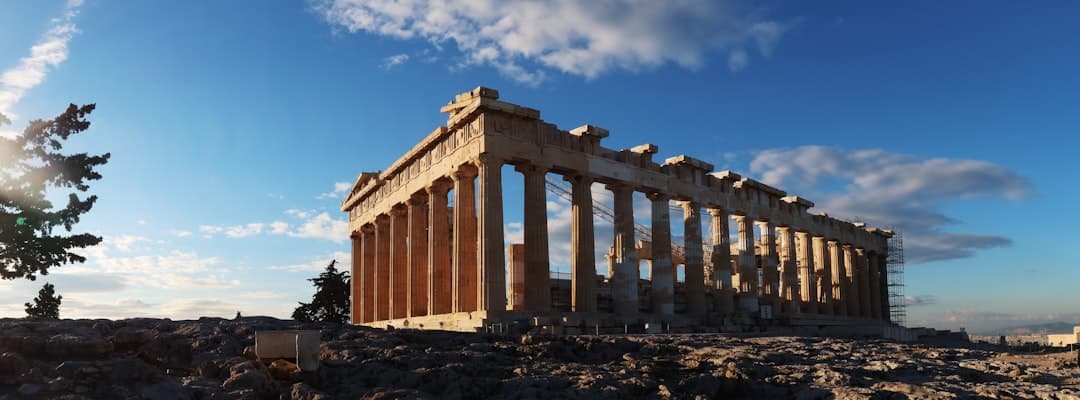
Temple of Hephaestus
The Temple of Hephaestus is a 5th-century BC Greek temple dedicated to the god of fire and craftsmanship, standing on a hill at the western edge of the Ancient Agora of Athens. Built around 450–415 BC — contemporaneous with the Parthenon — it is the most complete ancient Greek temple surviving anywhere in the world. Almost all of its original Doric columns, roof, and sculptural friezes are still intact, which is extraordinary given how much else from this era has crumbled or been stripped away. It owes its survival largely to its conversion into a Christian church dedicated to Saint George Akamas in the 7th century AD, which kept it in active use and protected through the Byzantine and Ottoman periods. You reach it by climbing a low hill through the Ancient Agora archaeological site, which you must pay to enter. From the top, the temple commands a clear view over the ruins of the ancient marketplace below and across to the Acropolis. You can walk all the way around it on a gravel path and get close enough to study the metope sculptures depicting the labours of Heracles and the exploits of Theseus. The interior is visible through the colonnade but not accessible to enter. The surrounding hillside is planted with aromatic shrubs — myrtle, pomegranate, and laurel — which were introduced in the 1950s based on evidence from ancient plant remains found on site. The temple is included in the Ancient Agora ticket, so you are never here just for this one monument — plan to spend time in the Agora itself, including the excellent Stoa of Attalos museum. The quietest time to visit is early morning or late afternoon on a weekday, when the Agora has fewer visitors than the Acropolis. If you have already paid for the Acropolis and surrounding sites on a combined ticket, that ticket covers entry here too.
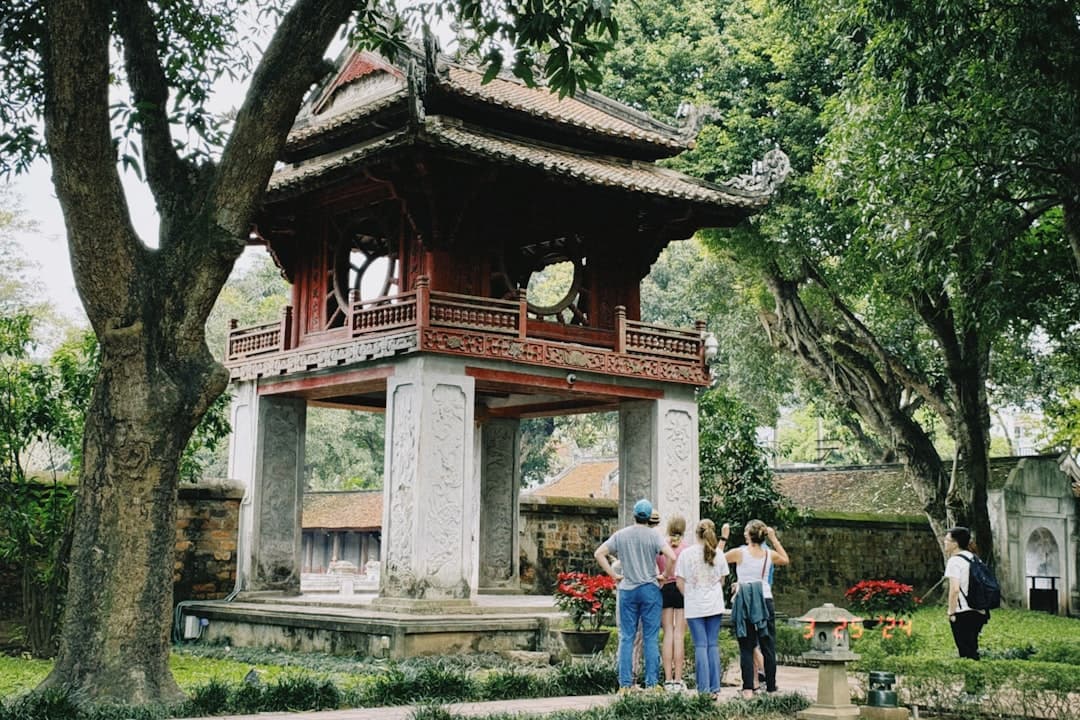
Temple of Literature
Founded in 1070 under Emperor Lý Thánh Tông, the Temple of Literature — Văn Miếu — is Hanoi's most important historic monument and one of the finest examples of traditional Vietnamese architecture in the country. Originally built to honor Confucius and the great scholars of Chinese and Vietnamese classical learning, it became home to the Quốc Tử Giám, Vietnam's first national university, in 1076. For nearly eight centuries it trained the mandarins and administrators who ran the country. Today it stands as a symbol of Vietnamese reverence for education and intellectual achievement — which is why you'll still see students come here to pray before exams. The complex is laid out across five walled courtyards, each one drawing you deeper into a world of pavilions, lotus ponds, and ancient banyan trees. The highlight is the third courtyard, where 82 stone stelae sit atop stone tortoises — each one carved with the names of scholars who passed the royal exams between 1484 and 1780. These are UNESCO-recognized documents of world significance, and standing among them feels genuinely weighty. The inner sanctuaries are beautifully preserved, with lacquered altars, incense smoke drifting through dim halls, and offerings left by worshippers. Traditional music performances are sometimes held here too. The Temple of Literature sits in the Đống Đa district, about 2km southwest of Hoan Kiem Lake — close enough to visit alongside other central sights. Admission is modest (around 70,000 VND as of recent years), and the site is well maintained and clearly signed in English. Mornings on weekdays are the quietest; weekends and public holidays bring school groups and local families in force. Go early if you want the courtyards to yourself and the light is at its best filtering through the trees.
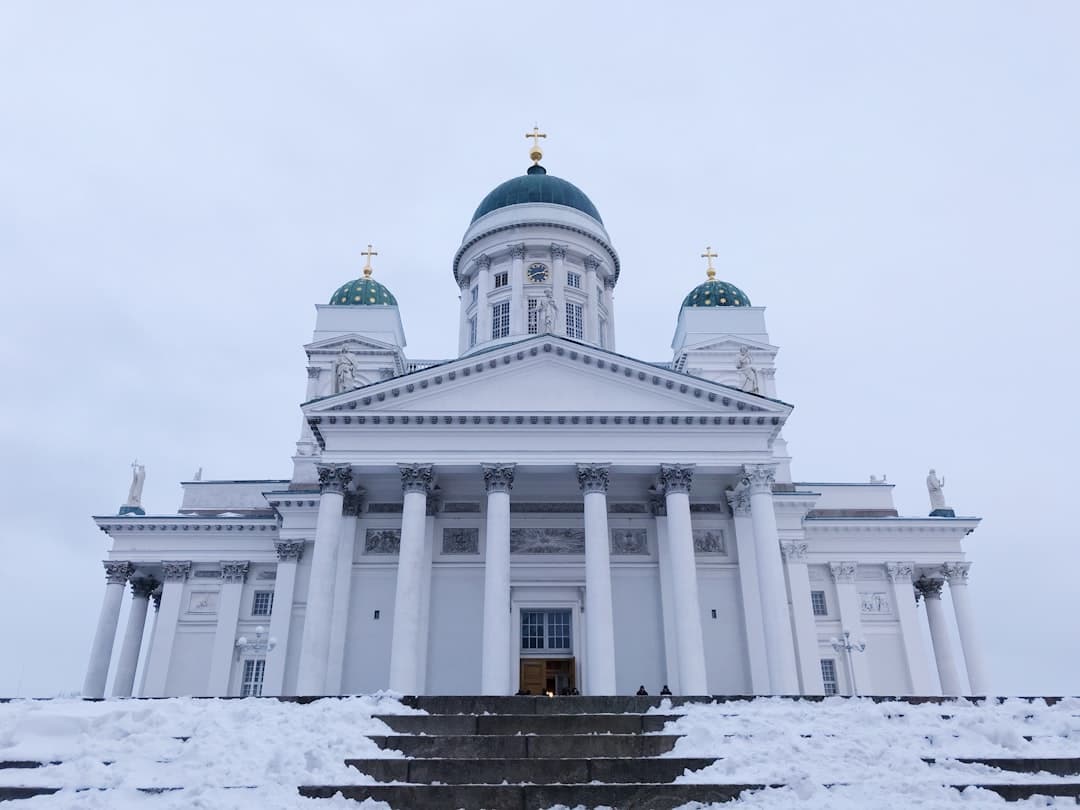
Temppeliaukio Church
Temppeliaukio Church — known in English as the Rock Church — was carved directly into a granite outcrop in central Helsinki and completed in 1969. Designed by brothers Timo and Tuomo Suomalainen after a design competition that ran for decades, it sits largely below street level, invisible until you're almost on top of it. The roof is a copper-lined dome of 180 windows that floods the raw stone walls with natural light. It's an active Lutheran parish church, not a museum piece, and it functions as a concert hall too — the natural acoustics created by the curved rock walls are genuinely extraordinary.
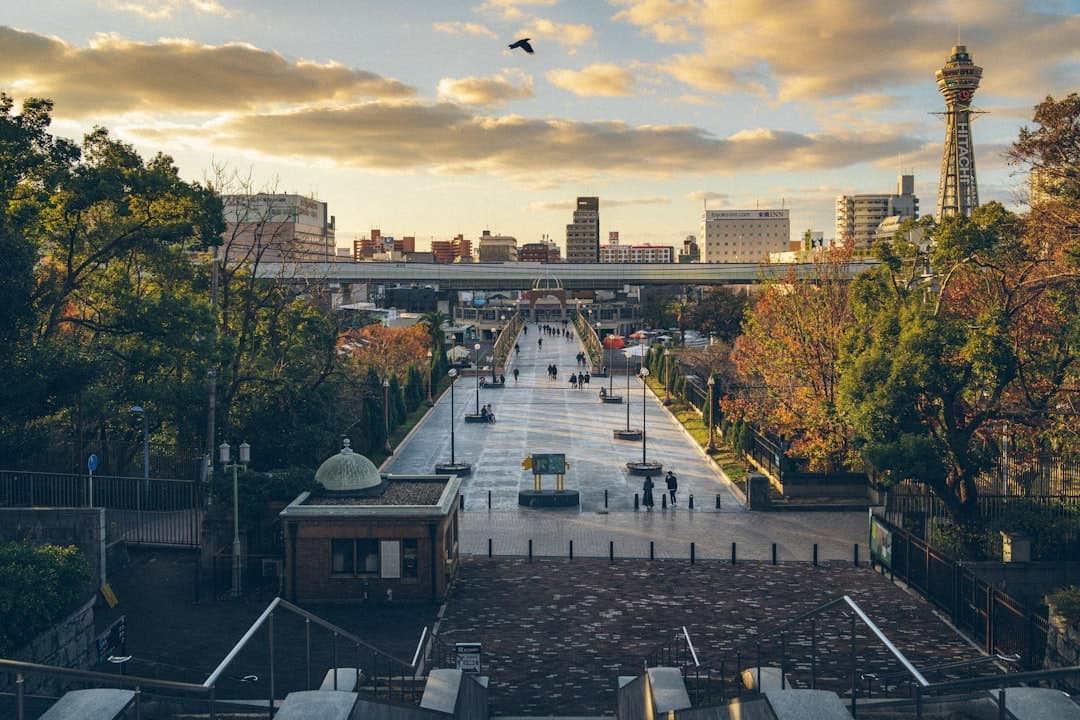
Tenjinbashisuji Shopping Street
Tenjinbashisuji Shopping Street holds the record as the longest covered shopping arcade in Japan, running about 2.6 kilometres from Tenjimbashi in the south to Tenjinbashi 7-chome in the north through Kita Ward. It's not a tourist trap or a curated retail experience — it's a working neighbourhood arcade where locals have been shopping for groceries, getting haircuts, and eating lunch for generations. The street follows the path that once led to Osaka Tenmangu, one of the city's most important Shinto shrines, and that historical weight gives the whole area a grounded, lived-in character you won't find in Shinsaibashi or Namba. Walking the full length takes you past hundreds of shops — takoyaki stalls, ramen joints, 100-yen stores, old-school confectioners, izakayas, fabric shops, and tiny cafes — all sheltered under a continuous glass-and-steel roof that keeps the rain and summer heat at bay. The atmosphere shifts as you move between the numbered sections (1-chome through 7-chome), from the slightly more polished southern end near Osaka Tenmangu to the quieter, more residential northern stretches. Street food is everywhere and cheap: look for kushikatsu, taiyaki, and fresh mochi. The street is accessible from multiple subway stations — Tenjimbashisuji Rokuchome on the Tanimachi and Sakaisuji lines puts you squarely in the middle, while Minami-Morimachi drops you near the southern anchor. Most individual shops keep standard retail hours (roughly 10am–8pm), but the arcade itself is open-air enough that you can walk through at any hour. Come on a weekday morning to see it at its most local and unhurried — weekends draw bigger crowds, especially around the shrine during festival season.
Tennoji Park
Tennoji Park is a large urban park in the heart of Osaka's Tennoji Ward, occupying around 26 hectares just south of Tennoji Station. It's one of the oldest public parks in Japan, opened in 1909, and sits in a part of the city with deep historical roots — the nearby Shitennoji Temple, founded in 593 AD by Prince Shotoku, is considered one of Japan's oldest Buddhist temples. This cluster of heritage, greenery, and civic life in one compact area makes Tennoji one of the most layered and rewarding districts in all of Osaka. The park itself contains several distinct attractions. The Osaka City Museum of Fine Arts sits within its grounds, as does the Keitakuen Garden, a traditional Japanese strolling garden that often goes unnoticed by visitors rushing to the nearby zoo. Tennoji Zoo, one of Japan's oldest zoos, occupies a large section of the park and draws families year-round. Beyond those anchors, the park has broad lawns, walking paths, and a relaxed local energy — you'll see office workers eating lunch, elderly couples walking slowly, and kids in school uniforms on field trips. The Tsutenkaku Tower looms visibly to the north, marking the edge of the Shinsekai entertainment district, which makes the whole area feel like a convergence of old and new Osaka. Practically speaking, the park itself is free to enter, with admission charged separately for the zoo, the fine arts museum, and Keitakuen Garden. It's worth timing a visit to combine at least two of these. Morning is the calmest time — the lawns are quieter, the garden light is beautiful, and you beat the school group rush at the zoo. The surrounding neighbourhood is also excellent for eating, especially in Shinsekai to the north, where the local kushikatsu (deep-fried skewers) scene is the most authentic in the city.
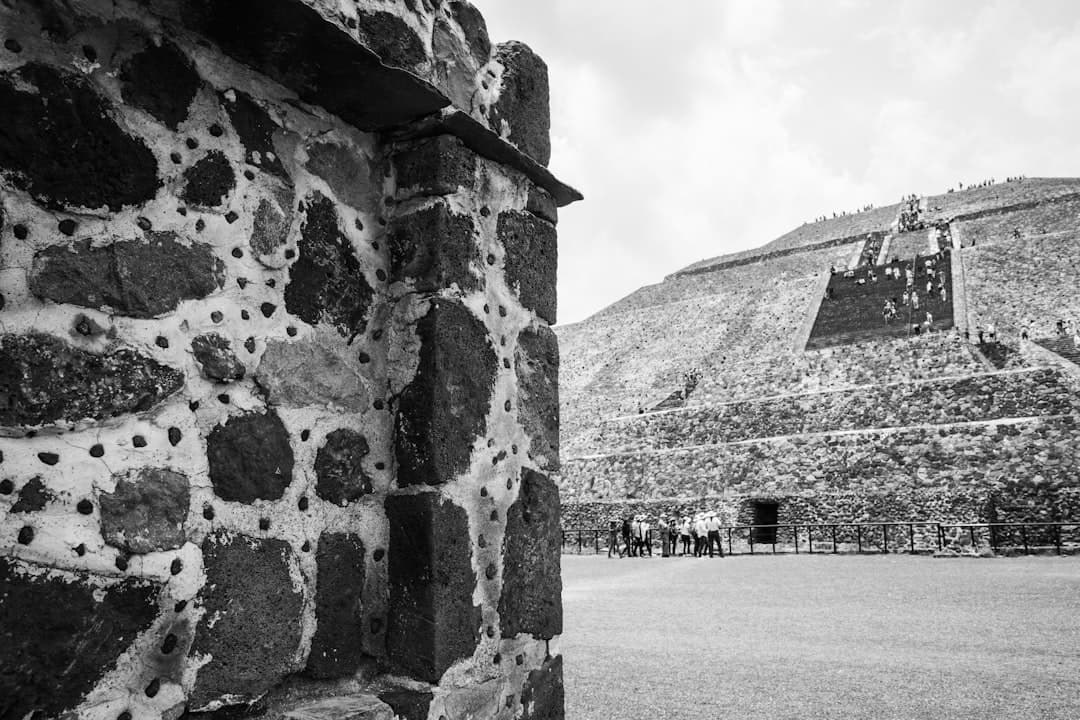
Teotihuacán
Teotihuacán is one of the most remarkable archaeological sites in the world — a massive pre-Columbian city that was, at its peak around 450 CE, among the largest urban centers on the planet, home to an estimated 125,000 people. And yet we don't know who built it. The Aztecs, who arrived centuries after the city had already been abandoned, named it Teotihuacán — 'the place where the gods were created' — because they found it so awe-inspiring they assumed it must be the birthplace of the sun and moon. The site covers roughly 83 square kilometers and sits about 50 kilometers northeast of Mexico City in the State of Mexico. At the heart of the site is the Avenue of the Dead, a broad ceremonial boulevard flanked by temples and platforms that stretches for more than two kilometers. At one end rises the Pyramid of the Moon; dominating the skyline is the Pyramid of the Sun, the third-largest pyramid in the world by volume, which you can climb via a steep staircase of 248 steps for a panoramic view across the entire ancient city. Beyond the pyramids, the Temple of the Feathered Serpent (also called the Temple of Quetzalcoatl) is elaborately carved with serpent heads and rain deity masks — the finest decorative stonework on the site. Murals in the Tepantitla compound show vivid scenes of paradise and ritual life in colors that have survived nearly two millennia. Get here early — gates open at 9am and the site gets genuinely crowded by mid-morning, especially on weekends. The vendors selling obsidian figurines along the Avenue of the Dead are relentless but good-humored; a polite 'no gracias' works fine. The on-site museum (Museo de la Cultura Teotihuacana) is small but excellent and worth 30 minutes of your time. Many visitors come as a day trip from Mexico City, but the town of San Juan Teotihuacán itself has a few decent mezcal and pulque stops if you want to linger into the afternoon.
Testaccio
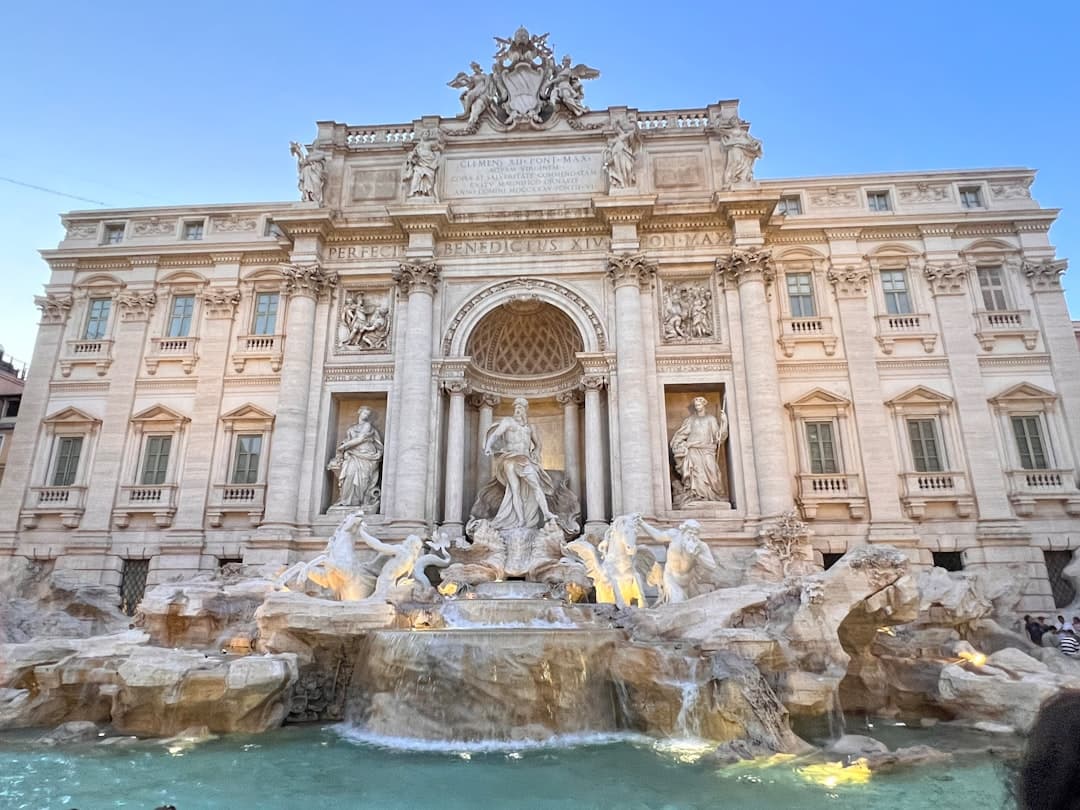
Testaccio is a compact, tightly-knit neighborhood in southern Rome built on a hill made entirely of ancient broken amphorae — millions of terra cotta shards discarded from the nearby river port over centuries. It was historically Rome's working-class heart, home to slaughterhouse workers and the city's meatpacking trade, and that blue-collar identity shaped a food culture that's now considered among the most authentic in the city. The Mercato Testaccio, housed in a purpose-built covered market space on Via Aldo Manuzio since 2012, is the neighborhood's social and culinary anchor. The market itself is a large indoor-outdoor structure where local vendors sell everything from fresh produce and cheese to cured meats, fish, and prepared foods. But what draws food-focused visitors are the stalls selling Rome's traditional cucina povera — the so-called quinto quarto, or fifth quarter, the offal cuts that slaughterhouse workers took home when the good cuts went elsewhere. You'll find supplì (Rome's fried rice balls), porchetta sandwiches, fresh pasta, artisan gelato, and vendors who've been here for generations. Stall 15, run by Mordi e Vai, has become something of a legend for its braised offal sandwiches. The market opens early and winds down by mid-afternoon, so a morning visit is ideal — this is where Romans actually shop, not just where tourists browse. The surrounding streets are worth wandering too: the old slaughterhouse complex (the Mattatoio) nearby now houses contemporary art and cultural spaces, and the nightlife scene around Monte Testaccio — literally built into the amphora hill — kicks off after dark. Come hungry, come early, and plan to eat your way through it slowly.
Thamel
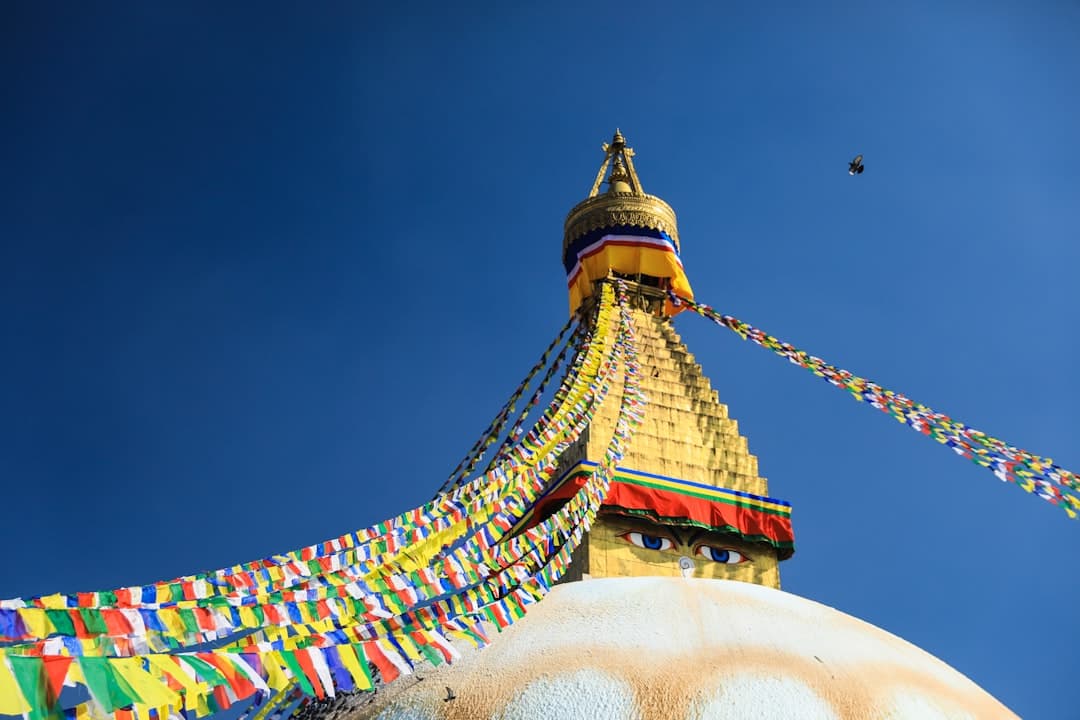
Thamel is Kathmandu's famous traveler district — a dense, labyrinthine neighborhood in the heart of the city that has served as the launching pad for Himalayan adventures since the hippie trail of the 1960s and 70s. It's where mountaineers kit out before heading to Everest base camp, where backpackers spill out of guesthouses onto narrow lanes, and where the smell of incense mingles with exhaust fumes and roasting coffee. It's loud, colorful, and relentless — and it has a gravitational pull that's hard to explain until you're in the middle of it. In practical terms, Thamel means walking. The streets are too narrow and too packed for anything else, and that's the point. You'll browse shops overflowing with trekking gear — some brand-name, much of it convincingly fake — alongside Tibetan singing bowls, thangka paintings, pashmina scarves, and every variety of North Face knockoff imaginable. Restaurants range from rooftop dal bhat spots to wood-fired pizza joints to surprisingly good Korean and Japanese places catering to the steady stream of East Asian trekking groups. At night, the bars and live music venues fill up fast; places like the Purple Haze Rock Bar have been part of the scene for decades. Thamel can feel overwhelming, especially on arrival — the touts, the traffic, the sensory overload. The insider move is to get off the main drag. Duck into the quieter lanes toward Jyatha or head north toward Paknajol and the neighborhood immediately softens. Bargain hard in the shops — starting prices are theater — and be skeptical of anyone who approaches you with unsolicited friendliness. But don't let the warnings put you off. Thamel is genuinely fun, and for anyone passing through Kathmandu on the way to the mountains, it's almost a rite of passage.
Thanh Ha Pottery Village
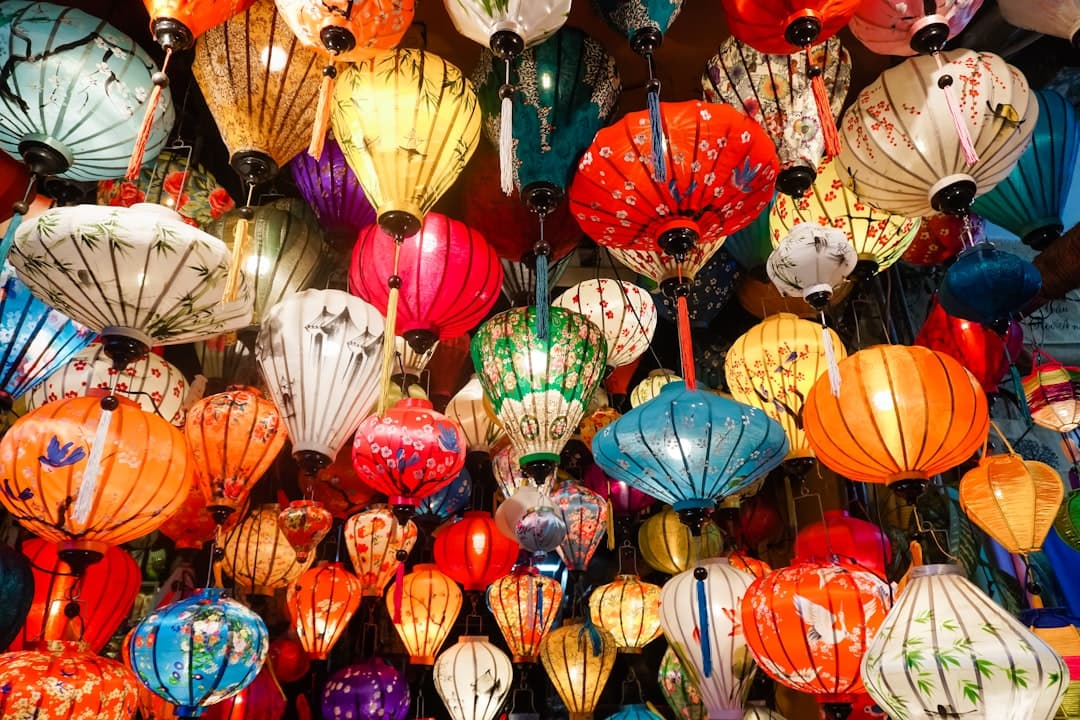
Thanh Ha Pottery Village sits on the Thu Bon River about 3 kilometers west of Hoi An's Ancient Town, and it's one of the oldest craft villages in central Vietnam — potters have been working this red clay earth since the 15th century. At its peak, Thanh Ha supplied ceramic goods to trading ships from China, Japan, and Europe that docked at Hoi An's port. Today it's been officially recognized as a national intangible cultural heritage site, and while the commercial shipping era is long gone, a community of potters still works here using techniques that have barely changed in half a millennium. The experience is genuinely hands-on if you want it to be. You can watch master potters shape vessels on foot-powered wheels — a technique distinct from hand-powered wheels used elsewhere — and most visitors are invited to try it themselves. The village also has a small but well-done open-air museum called Thanh Ha Terracotta Park, which features miniature clay replicas of famous world landmarks alongside local cultural scenes. It's kitschier than the pottery workshops themselves, but kids love it. The riverside setting, surrounded by bamboo and rice paddies, makes the walk or cycle out here as rewarding as the destination. Most people visit as a half-day trip from Hoi An, either cycling along the river road (a flat, scenic 30-minute ride) or arriving by boat. Entry fees are modest and include access to the workshops. Morning visits are best for watching active production — afternoons can get quieter as potters wind down. Buy something small directly from the artisans rather than the gift shop if you want your money to reach the right hands.
The 606 Trail
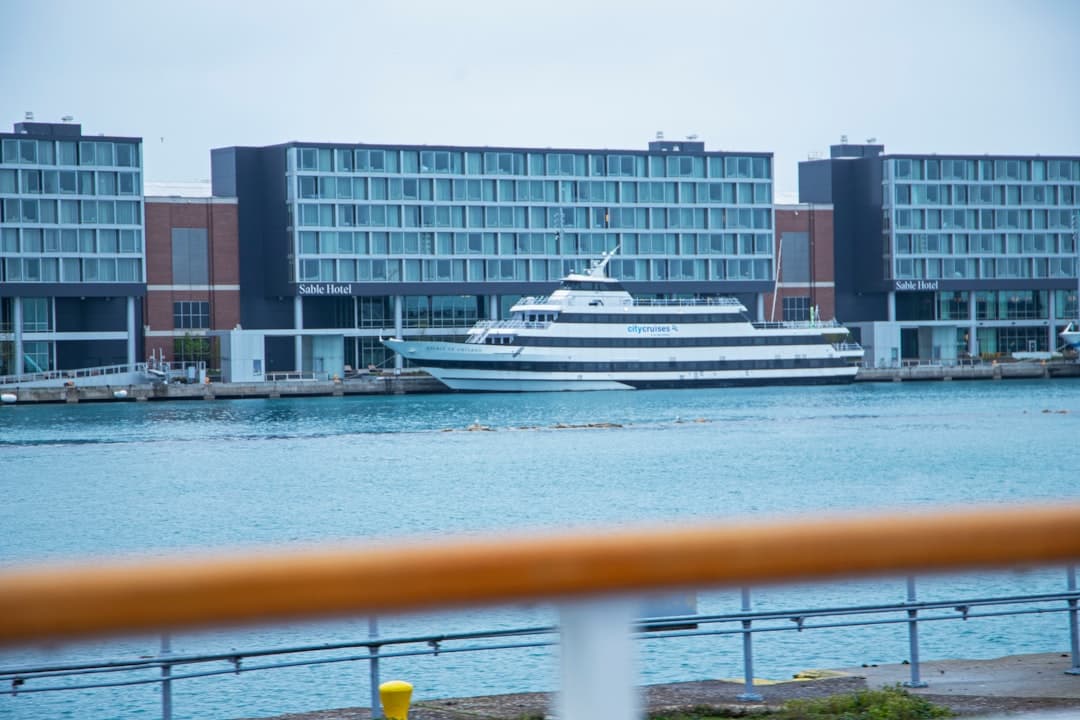
The 606 is a 2.7-mile elevated trail built on a decommissioned rail line — the old Bloomingdale Line — that threads through the Northwest Side neighborhoods of Bucktown, Wicker Park, Humboldt Park, and Logan Square. Opened in 2015, it was a massive civic investment that transformed a rusting, overgrown freight corridor into one of the city's most beloved public spaces. The name comes from Chicago's shared zip code prefix, a nod to the city-wide ambition behind the project. It's often compared to New York's High Line, and while it lacks Manhattan's architectural drama, it has something arguably better: a genuinely lived-in, neighborhood feel that doesn't cater to tourists.
The Broad
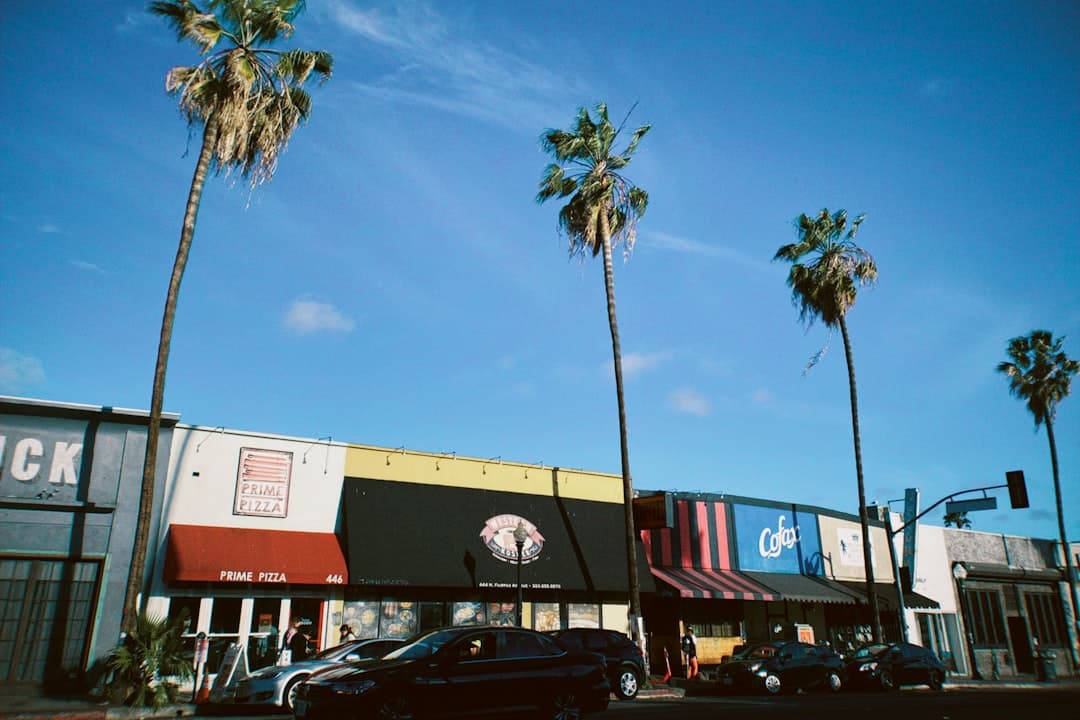
The Broad is a contemporary art museum on Grand Avenue in downtown Los Angeles, opened in 2015 and funded by billionaire philanthropists Eli and Edythe Broad. It was designed by Diller Scofidio + Renfro and holds the Broads' personal collection — around 2,000 works spanning the late 20th and early 21st centuries. General admission is free, which is remarkable for a collection of this caliber, and the building itself has become one of the most photographed structures in downtown LA, with its distinctive perforated concrete-and-fiberglass exterior known as 'the veil.' Inside, the permanent collection is dominated by heavy-hitters: Jeff Koons's gleaming balloon sculptures, Cindy Sherman's unsettling self-portraits, Jean-Michel Basquiat's raw, urgent canvases, Roy Lichtenstein's pop art panels, and Barbara Kruger's text-based provocations. The undisputed crowd-pleaser is Yayoi Kusama's Infinity Mirrored Room, an immersive installation that creates the sensation of standing inside an infinite cosmos of reflected light — it's become one of the most Instagrammed artworks in the world. Getting tickets for this specific experience requires advance booking. The museum's top floor is a soaring, skylit gallery space, while the ground floor handles ticketing and the gift shop. The Broad sits right in the thick of the Grand Avenue cultural corridor, flanked by Frank Gehry's Walt Disney Concert Hall across the street and MOCA a short walk away. Thursday evenings the museum stays open until 8pm, which is the least crowded time to visit. The free admission makes it an easy drop-in, but the Kusama room sells out fast — book that specifically well in advance if it's on your list.
The Bund
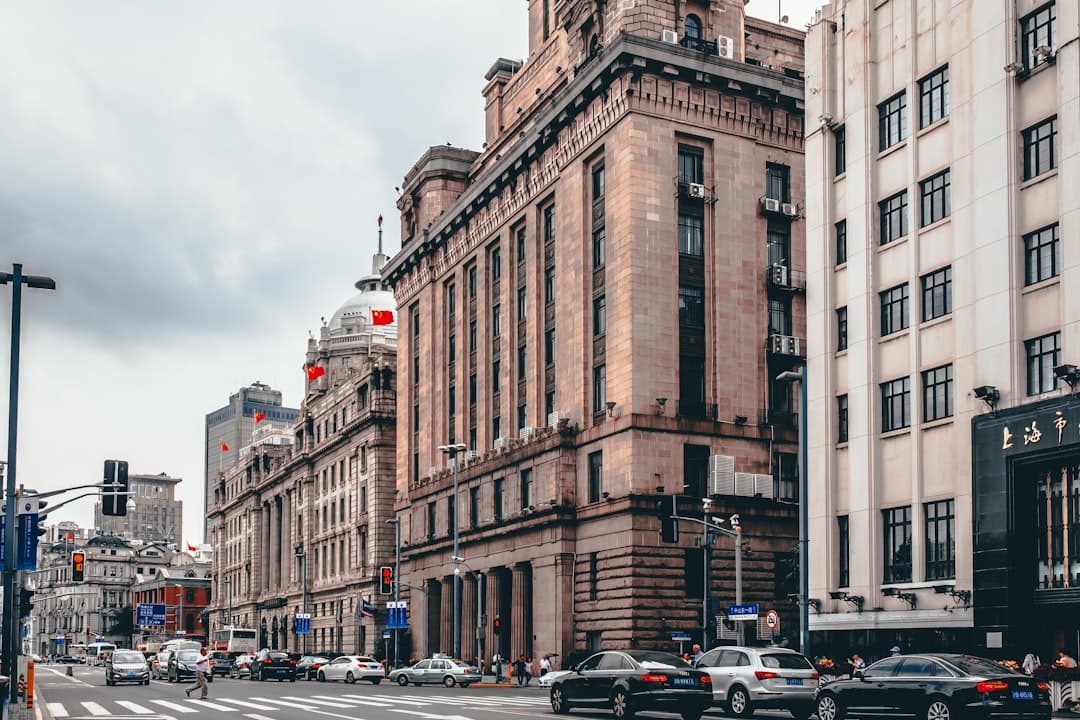
The Bund is a roughly one-kilometer promenade running along the western bank of the Huangpu River in central Shanghai. It's lined with around 52 monumental buildings — banks, trading houses, hotels, and clubs — mostly built between the 1860s and 1930s in a parade of Western architectural styles: Beaux-Arts, Art Deco, Gothic Revival, Romanesque. In its heyday, this strip was the financial capital of the Far East, controlled by British, French, American, and other foreign powers during the treaty port era. Today it's a UNESCO-recognized historic streetscape and one of the most visited urban waterfronts in the world. The experience is fundamentally about contrast. You walk the elevated riverside promenade with the old colonial facades at your back and, across the river, the shimmering towers of Pudong — particularly the Oriental Pearl Tower, the Shanghai Tower, and the Jin Mao Building — rising up in front of you. It's one of the great urban views anywhere. During the day, you can read the plaques on each building and trace the history of each former institution; at night, both sides of the river light up dramatically, and the Bund becomes genuinely spectacular. The promenade is always busy, but there's room to stroll, stop, and take it all in. For the best experience, arrive early morning — around 6 or 7am — when locals practice tai chi along the water and the crowds haven't yet arrived. The northern end near Waibaidu Bridge (the historic iron bridge built in 1908) is slightly less trafficked and worth the extra few minutes' walk. If you want to go inside the buildings, the former HSBC Building (now a bank) occasionally opens its ornate mosaic lobby, and the Waldorf Astoria occupies the old Shanghai Club — the Long Bar in the lobby is one of the better spots for a drink with genuine historic atmosphere.
The High Line
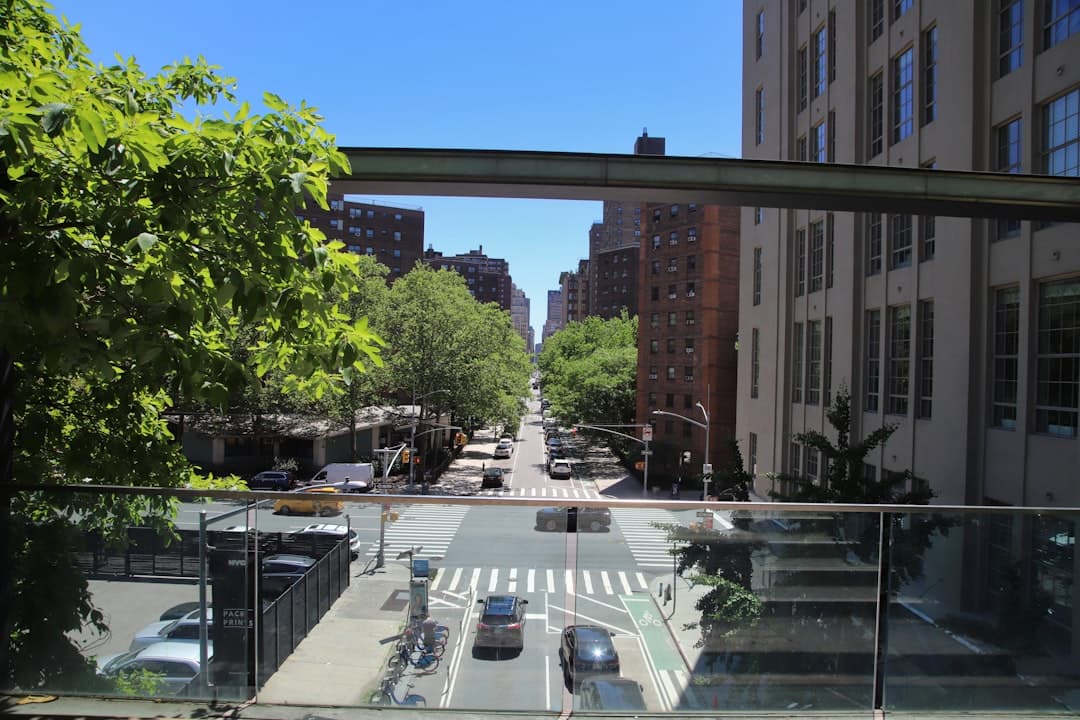
The High Line is a 1.45-mile elevated public park built on a disused freight rail line that once ran through the meatpacking, Chelsea, and Hudson Yards neighborhoods on Manhattan's west side. The original tracks carried livestock and industrial goods into the city from the 1930s until the last train ran in 1980. For decades the structure sat abandoned, with wildflowers and grasses colonizing the old rails — and it was partly that eerie, self-seeded landscape that inspired two local residents, Joshua David and Robert Hammond, to fight for its preservation rather than demolition. The park opened in 2009 and has since become one of the most visited public spaces in the United States, a genuine rethinking of what urban infrastructure can become. Walking the High Line, you move between carefully designed gardens planted by landscape architect Piet Oudolf — whose signature style uses grasses, perennials, and seed heads to create something that looks deliberately wild even in midwinter — and a series of art installations, seating areas, and one-of-a-kind views of the Hudson River, the Manhattan skyline, and the street grid below. The structure passes through buildings (the Standard Hotel straddles it dramatically), over the old rail yards now occupied by Hudson Yards, and past dozens of outdoor sculptures and rotating public art commissions. The 10th Avenue Square has a bleacher-style overlook where you can watch traffic below through a glass panel — unexpectedly mesmerizing. The park runs from Gansevoort Street in the Meatpacking District north to 34th Street at Hudson Yards, with multiple entry and exit points along the way. It's entirely free and open daily. The crowds are real — especially on summer weekends between noon and 4pm — so going early morning or in the evening dramatically changes the experience. The southern section around Gansevoort and 14th Street tends to be the most photogenic and least congested; the northern stretch near Hudson Yards is newer, wider, and often quieter.
The Last Supper
The Last Supper — known in Italian as Il Cenacolo — is one of the most famous paintings in the world, created by Leonardo da Vinci between approximately 1495 and 1498. It covers an entire wall of the refectory attached to the church of Santa Maria delle Grazie, and depicts the moment described in the Gospel of John when Jesus announces that one of his apostles will betray him. At roughly 9 by 4.5 metres, it's enormous in person — a scale that photographs simply don't prepare you for — and Leonardo's use of perspective and light makes the dining table appear to extend naturally from the room itself. Visiting means entering the refectory in small, timed groups of around 25 people, passing through a series of climate-controlled chambers designed to protect the fragile work from humidity and temperature fluctuations. You get approximately 15 minutes in front of it. That sounds brief, but it's enough — the painting demands close attention rather than leisurely wandering. You're looking for the individual expressions of shock, denial, and guilt rippling outward from Christ at the centre, and the way Leonardo arranged the apostles in clusters of three. The opposite wall, often overlooked, holds a large Crucifixion fresco by Giovanni Donato da Montorfano, painted the same year. This is one of the most heavily restricted cultural experiences in Italy, and for good reason — the painting is in a fragile state despite a major restoration completed in 1999, having suffered damage from everything from early botched restorations to a World War II bomb that destroyed much of the building around it while the refectory wall miraculously survived. Book well in advance through the official website; slots sell out weeks or even months ahead, especially in peak season. Arriving without a reservation is essentially futile.
The Little Mermaid
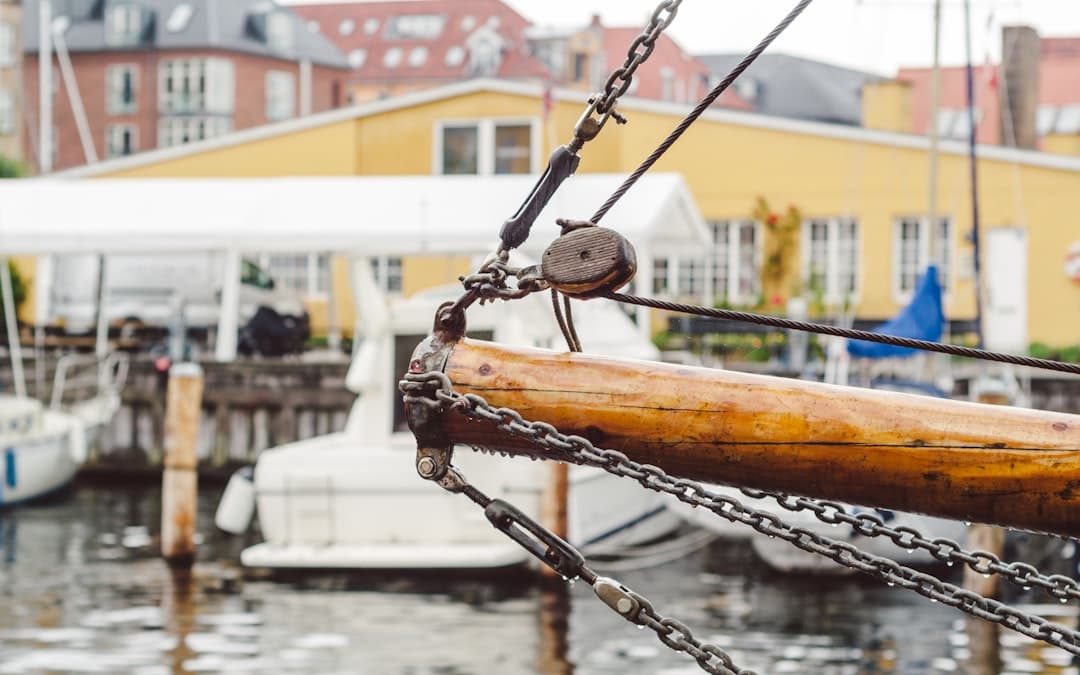
The Little Mermaid is a bronze statue sitting on a rock at the edge of Copenhagen's Langelinie waterfront, and she is almost certainly the most visited — and most argued-about — landmark in Denmark. Created by sculptor Edvard Eriksen and unveiled in 1913, she was commissioned by the Carlsberg brewery heir Carl Jacobsen, who was moved by a Royal Danish Ballet performance based on Hans Christian Andersen's fairy tale. The statue has become a symbol of Copenhagen itself, appearing on everything from postcards to beer labels, and draws over a million visitors a year despite being, by almost every account, smaller than people expect. The experience is straightforward: you walk along the Langelinie promenade from the city centre or the nearby cruise terminal, spot the statue perched on her granite boulder at the water's edge, and take your photos. She's accessible right at the shoreline — you can get very close, though climbing on the rock is officially discouraged. The surrounding waterfront is pleasant in its own right, with views across the Øresund strait, and the walk from the city takes you past the Kastellet fortress and the Churchill Park, which are worth slowing down for. The mermaid herself has had a rough history: decapitated twice, had her arm sawn off, been doused in paint multiple times, and briefly relocated to the Shanghai Expo in 2010. The honest insider take is this: go, but calibrate your expectations. At roughly 1.25 metres tall, she genuinely is small, and if you arrive at peak tourist hours in summer you'll be jostling for a clear shot with hundreds of other people. Come early morning — before 9am — and you might get her almost to yourself, with soft northern light on the water and no crowds. The walk along Langelinie is lovely regardless, and combining the statue with the Kastellet and a stroll into the Nyboder neighbourhood makes for a rewarding half-morning.
The Magic Fountain
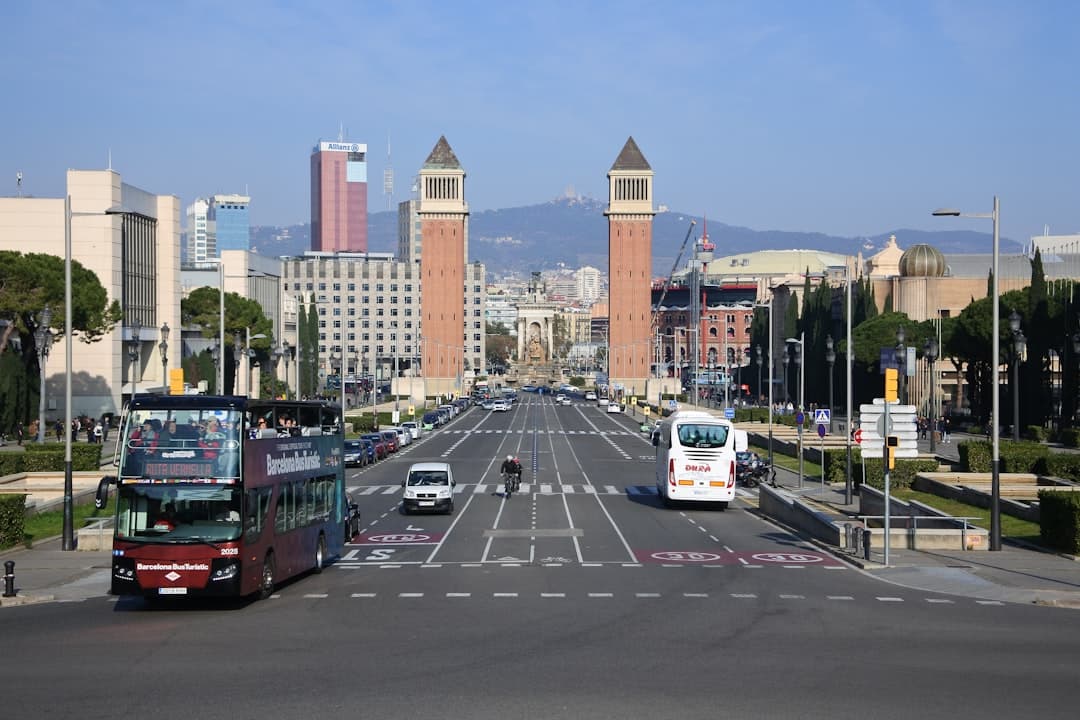
The Font Màgica de Montjuïc — the Magic Fountain — is a monumental fountain built at the foot of Montjuïc hill for the 1929 Barcelona International Exposition. Designed by engineer Carles Buïgas in just a year, it sits at the top of the grand Avinguda de la Reina Maria Cristina boulevard, with the Palau Nacional (now the MNAC art museum) looming behind it. Since its construction, it has been one of Barcelona's most beloved public spectacles — free, democratic, and genuinely spectacular in a way that doesn't feel like a tourist trap. The show itself is a choreographed display of water jets, coloured lights, and music. The fountain's jets shift and pulse in sync with the soundtrack — which ranges from classical pieces to pop and traditional Catalan music depending on the evening — while the colours cycle through vivid reds, blues, and golds reflecting off the water. You don't do anything except stand and watch, and that's entirely the point. The whole display draws a crowd that spills across the wide plaza, and the atmosphere is genuinely festive — families, couples, tourists and locals all sharing the same pavement. The Google-listed hours suggest a narrow Thursday-to-Saturday window of 8–9pm, but be aware that the Magic Fountain's schedule shifts seasonally and these hours may not reflect the full picture — the shows have historically run longer in summer. Arrive a few minutes early to get a good position on the steps or plaza directly in front of the fountain. The surrounding area, with the MNAC behind you and the illuminated towers of the Avinguda ahead, makes for a beautiful backdrop even before the show begins.
The Metropolitan Museum of Art
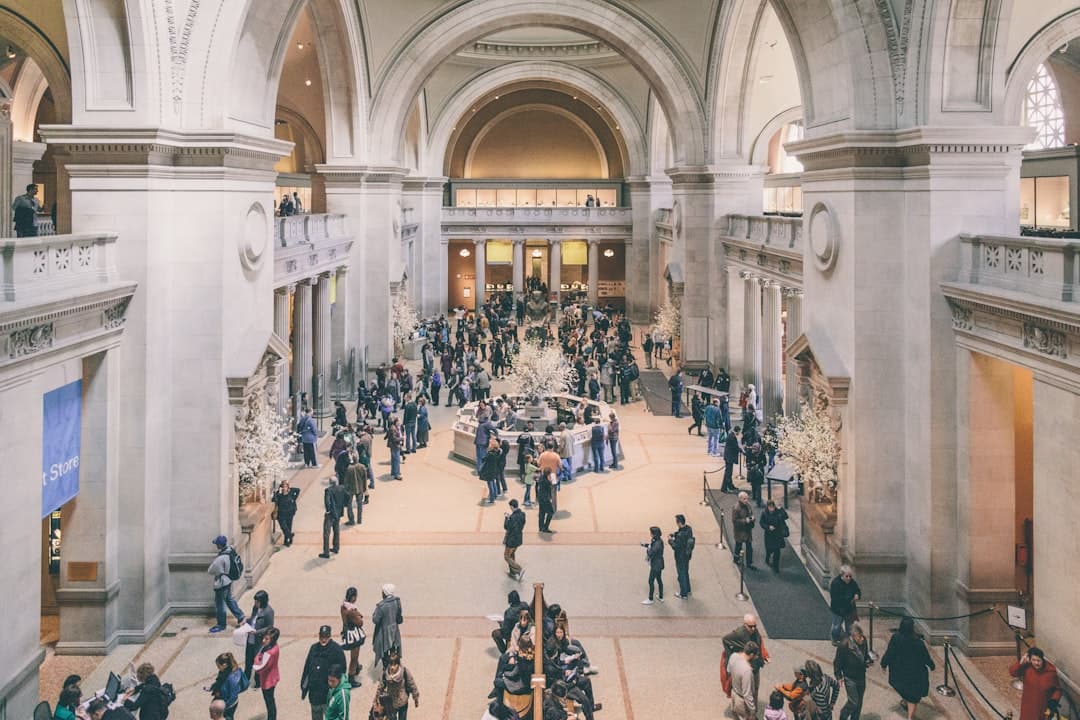
The Metropolitan Museum of Art — everyone calls it the Met — is the largest art museum in the United States and one of the most visited in the world. Sitting on the eastern edge of Central Park along Museum Mile, it holds a permanent collection of over two million works spanning five thousand years of human creativity, from ancient Egyptian temples to twentieth-century American painting. It's not just a museum; it's more like a small city organized around art. What you actually do here is wander, and accept that you will never see everything. The Egyptian Wing alone — home to the Temple of Dendur, a fully reconstructed ancient temple gifted to the US by Egypt in 1965 — could occupy an afternoon. The European paintings galleries hold Vermeers, Rembrandts, and El Grecos you'd make a trip to Amsterdam or Madrid to see. The Arms and Armor collection surprises people who didn't know they cared about sixteenth-century jousting equipment. The American Wing, the Greek and Roman galleries, the Islamic Art rooms, the rooftop sculpture garden with its skyline views — each section rewards its own dedicated visit. The suggested admission price (it's technically pay-what-you-wish for New York State residents, but a fixed admission for out-of-state visitors) includes same-day entry to both the main Fifth Avenue building and The Met Breuer on Madison Avenue, though the Breuer has since closed as a Met venue. Friday and Saturday evenings until 9pm are a genuine local secret — crowds thin out, the light through the skylights changes, and the whole place takes on a different character. Buy your ticket online to skip the line at the Great Hall, and resist the urge to tackle everything: pick two or three wings and go deep.
The Pearl-Qatar
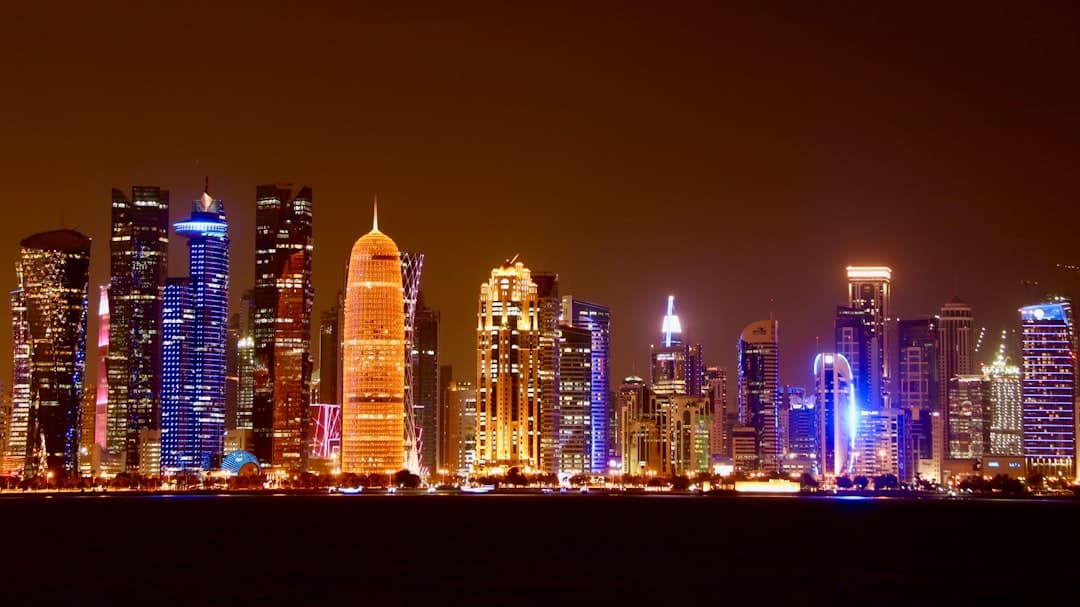
The Pearl-Qatar is a massive man-made island development off the northern coast of Doha, built on reclaimed land and spanning roughly four square kilometers. Completed in phases from the mid-2000s onward, it was Qatar's first property development where foreigners could purchase freehold real estate — a significant shift for the country. Today it functions as a self-contained residential and lifestyle destination, home to tens of thousands of residents, hundreds of restaurants and cafés, luxury hotels, and some of the most walkable waterfront promenades in the Gulf. The island is divided into distinct precincts, each with its own architectural personality. Porto Arabia is the beating heart of it — a horseshoe-shaped marina lined with pastel-colored mid-rise towers, superyachts, and a boardwalk dense with outdoor dining. Medina Centrale offers a more intimate pedestrian village feel, while Qanat Quartier is the showstopper: a Venice-inspired neighborhood of brightly painted buildings, arched bridges, and actual canals. Visitors come to stroll, eat, people-watch, and soak in the spectacle of a city that essentially willed a neighborhood into existence from open water. The Pearl is best experienced in the cooler months — October through March — when outdoor dining and evening walks along the marina are genuinely pleasant. It skews upscale, and prices at restaurants reflect that, but browsing costs nothing. Friday and Saturday evenings bring out the full social energy of the island, with families, couples, and expats packing the boardwalk. The island has its own dedicated exit off the main highway and parking is abundant, though rideshares drop off easily at Porto Arabia.
The Remarkables
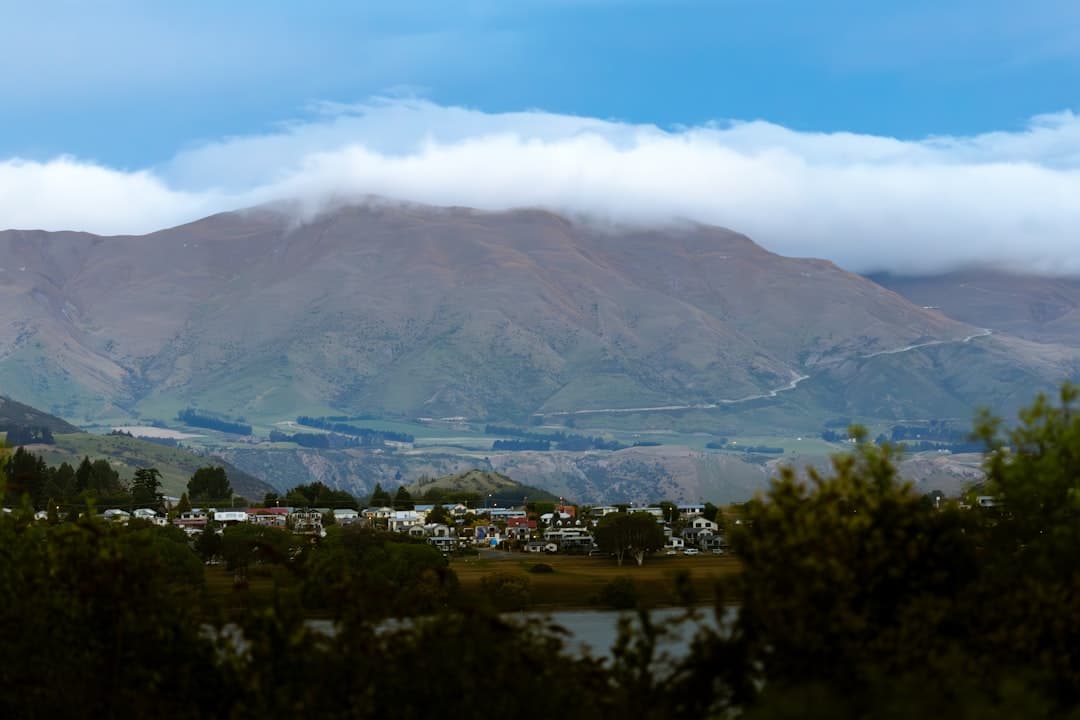
The Remarkables are a dramatic range of glacially carved mountains rising sharply to the southeast of Queenstown, reaching elevations above 2,300 metres. They're one of only a handful of mountain ranges in the world that run almost perfectly north-south, and their sheer, serrated ridgeline is visible from virtually everywhere in town — looming over Lake Wakatipu like a postcard that never gets old. In winter they host one of the Southern Hemisphere's most popular ski areas; in summer they open up to hikers, climbers, and photographers chasing some of the most spectacular alpine scenery in New Zealand. In winter, the Remarkables Ski Area — operated by NZSki, the same company that runs Coronet Peak — offers runs suited to every level, from gentle beginner slopes near the base to demanding off-piste terrain. The resort sits inside a natural rock amphitheatre at around 1,600 metres, which creates a sheltered bowl effect that holds snow well. Summer visits are a different kind of magic: the access road climbs 12 kilometres from the valley floor to a car park at Lake Alta, a high-alpine tarn ringed by rocky peaks. From there, trails push further into the range toward Shadow Lake and beyond, with panoramic views of the Wakatipu basin that stop you mid-step. The drive up the access road alone is worth doing even if you don't ski or hike — it's free to drive up in summer and the viewpoints along the way are genuinely jaw-dropping. For skiers, Coronet Peak tends to get more attention for its convenience, but The Remarkables has a cult following among intermediate riders who prefer its sheltered setting and slightly longer queues at base than at the top. Come early on powder days; the access road can back up badly after a big overnight snowfall.
The Rocks
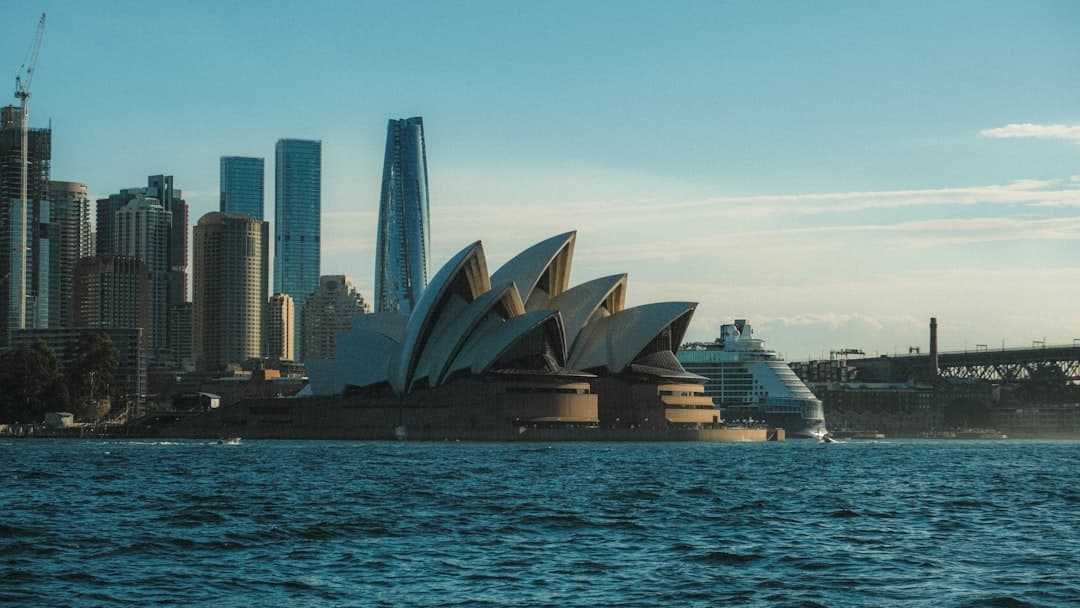
The Rocks is a compact historic precinct on the southwestern shore of Sydney Harbour, wedged between the Harbour Bridge and the CBD. It's the site where European settlement in Australia began in 1788, when the First Fleet landed and convicts were put to work quarrying and building the early colony. Today it's one of Sydney's most visited neighbourhoods — a layered place of sandstone laneways, colonial-era buildings, waterfront pubs, weekend markets, and museums that take the city's complicated origins seriously rather than glossing over them. Walking through The Rocks feels genuinely different from the rest of Sydney's city centre. The streets narrow, the buildings drop in scale, and you start finding things like Nurses Walk, a cobblestone alley that follows the route colonial workers once trod, or the Rocks Discovery Museum, which covers the area's Indigenous Cadigal history as well as the convict era with real depth and no entry fee. The weekend Rocks Markets draw locals for fresh food, art, and handmade goods under the Bradfield Highway overpass. The Museum of Contemporary Art sits at the edge of the precinct at Circular Quay, and pubs like the Hero of Waterloo — which dates to 1843 and has tunnels beneath it — are worth a stop for the atmosphere alone. The Rocks gets crowded on weekends, particularly around the market and the Circular Quay end, so arriving on a weekday morning gives you the laneways largely to yourself. The free Sydney Rocks Walking Tour, run by volunteer guides with serious local knowledge, leaves from the Rocks Discovery Museum and is one of the better free experiences in the city. Stay for the evening — the harbour light at dusk is spectacular from here, and the restaurants along George Street and Playfair Street hold their own.
The Shard
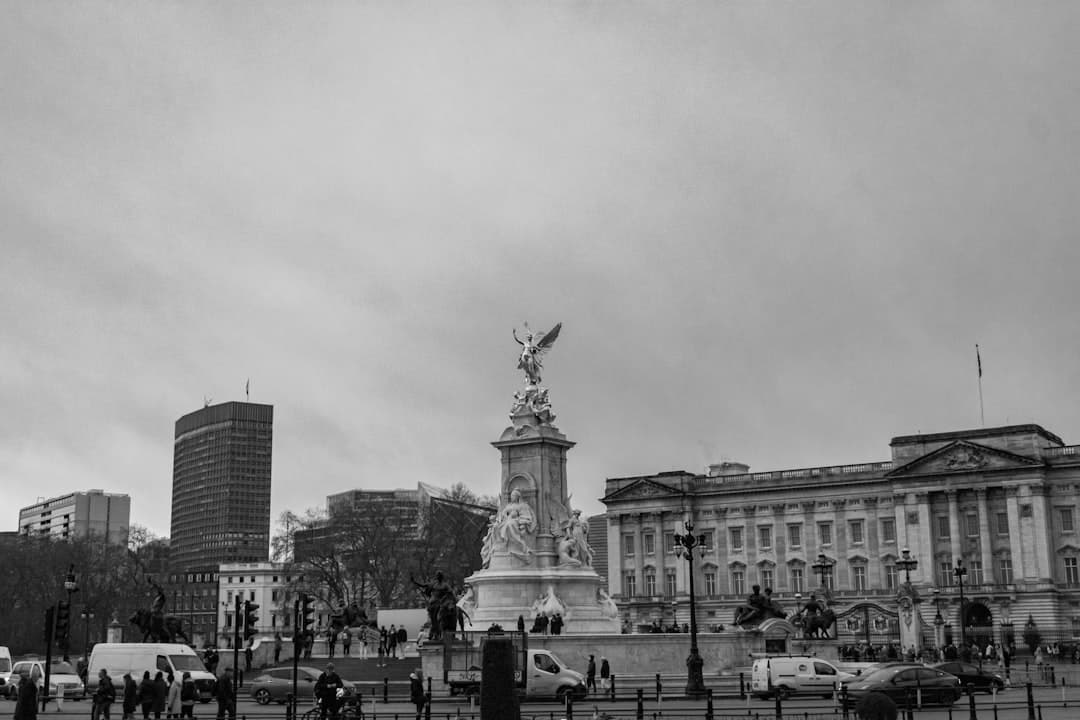
The Shard is a 72-storey glass skyscraper completed in 2012, designed by Italian architect Renzo Piano and rising 310 metres above London Bridge. It's the tallest building in the United Kingdom and one of the most recognisable skylines additions in Europe. The building houses offices, restaurants, a hotel (Shangri-La), and at the top, a public viewing gallery called The View from The Shard — which is the main reason most visitors come. The viewing experience spans floors 68, 69, and 72, with the uppermost level being a partially open-air 'skydeck' where you feel the wind and get entirely unobstructed sightlines. On a clear day you can see roughly 40 miles in every direction — out over the Thames, across to Canary Wharf and the City, west toward the West End, and on exceptionally clear days as far as Windsor Castle. Interactive telescopes help you pick out landmarks, and the lift ride itself is a theatrical moment, with a light show synced to your ascent. The building also contains Oblix, a well-regarded restaurant and bar on level 32, which offers a similar (if lower) vantage point over a meal or cocktail. The big insider tip: book a timed entry slot and go at dusk. You arrive in daylight, watch the sun drop over the city, and stay as the lights come on — it's far more dramatic than either full daylight or full dark. Nights and weekends sell out well in advance, especially in summer and around the holidays, so booking ahead isn't optional if you want a specific time. If you're budget-conscious, a drink at Oblix bar on level 32 gives you a spectacular view for the price of a cocktail rather than the ticket.