
All Places
1,073 places around the world
1,073 places · page 39 of 45
Sultanahmet District
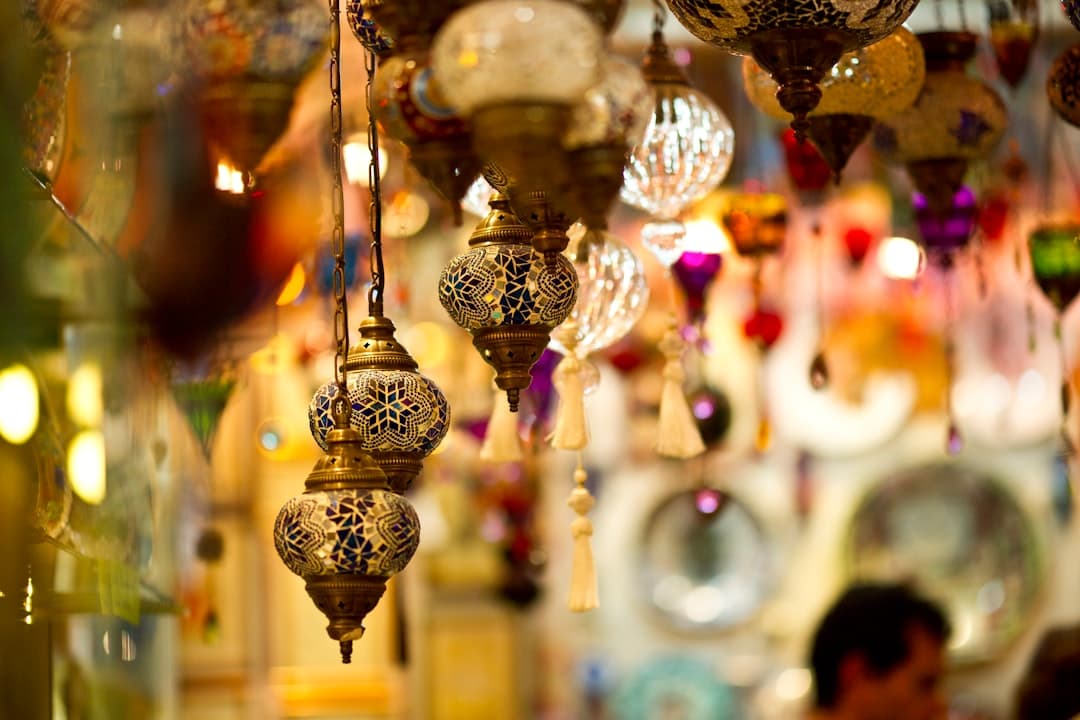
Sultanahmet is the ancient heart of Istanbul — and, before that, the heart of Constantinople, and before that, Byzantium. For roughly 1,500 years this compact peninsula jutting into the Bosphorus served as the ceremonial and political center of two of history's most powerful empires. The result is a concentration of world-class monuments that is almost absurd in its density: the Hagia Sophia, the Blue Mosque, Topkapı Palace, the Basilica Cistern, and the Hippodrome are all within ten minutes' walk of each other. No other neighborhood on earth packs quite this much layered history into so small a space. Visiting Sultanahmet means spending your days moving between different centuries and civilizations. You might start inside the Hagia Sophia — built by the Byzantine Emperor Justinian in 537 AD, later converted to a mosque, turned into a museum in 1934, and converted back to a mosque in 2020 — where the scale and the golden mosaics still stun even veteran travelers. Cross the courtyard and you're at the Blue Mosque, with its six minarets and 20,000 hand-painted Iznik tiles. Descend underground to the Basilica Cistern and wander among hundreds of columns reflected in dark water. The Archaeological Museum nearby is one of the finest in the world and rarely gets the attention it deserves. In the evening, the Hippodrome square — once the site of chariot races for 100,000 spectators — fills with locals and visitors enjoying the cooler air. Sultanahmet is unapologetically touristic, and you should go in knowing that. The restaurants immediately around the Blue Mosque are largely mediocre and overpriced — serious locals eat elsewhere. But the neighborhood rewards those who look past the obvious: the small Ottoman-era hans tucked behind the cistern, the tulip gardens of Gülhane Park just below Topkapı, the quieter northern streets where you can suddenly find yourself entirely alone between two Byzantine walls. Stay in one of the boutique hotels converted from old Ottoman mansions and you'll wake up to the call to prayer echoing off stone — one of the genuinely great sounds of travel.
Sumiyoshi Taisha
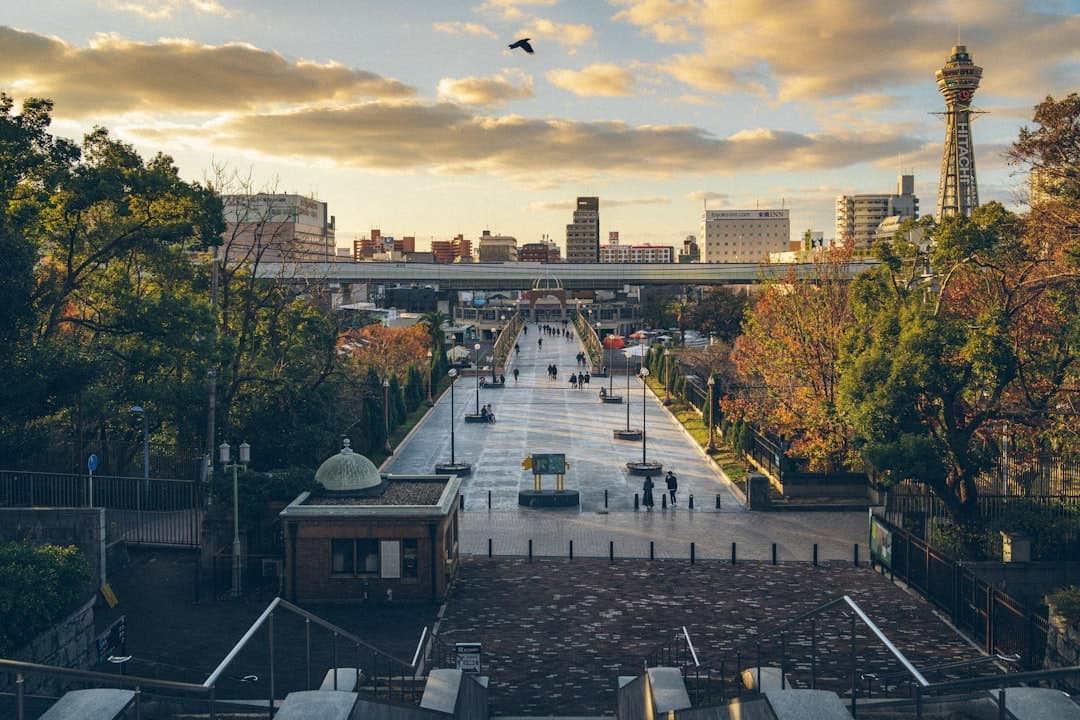
Sumiyoshi Taisha is one of Japan's oldest and most venerated Shinto shrines, predating the influence of Chinese architectural styles that shaped most later shrines. Founded according to tradition in the early 3rd century, it enshrines four deities associated with the sea, safe navigation, and poetry — making it historically important to merchants, sailors, and poets alike. It serves as the headquarters of roughly 2,300 Sumiyoshi shrines across Japan, which gives you a sense of its cultural weight. Unlike the cypress-and-vermilion style most visitors associate with Japanese shrines, the buildings here follow the ancient "Sumiyoshi-zukuri" architectural form — steep thatched roofs, straight gabled lines, no curving Chinese influence — and they're designated National Treasures. The experience is centered on the grounds themselves, which feel genuinely removed from the city despite being a short tram ride from Tennoji. You enter via the Sori-bashi, a dramatically steep arched bridge over a pond — it's almost comically steep, and negotiating it becomes a small adventure. Beyond it, four main shrine halls sit in a row, each dedicated to a different deity. The grounds are large enough to wander, with stone lanterns, sacred trees, and smaller subsidiary shrines tucked around the periphery. On festival days — particularly Sumiyoshi Matsuri in late July and early August — the place transforms entirely, drawing enormous crowds and processions. The shrine is served by the Hankai Tramway, Osaka's last remaining streetcar line, which adds charm to the journey — take it from Tennoji and you'll arrive feeling like you've stepped back a few decades before stepping back a few centuries. Early morning is far quieter than midday, and visiting on a weekday outside festival season means you may have whole sections of the grounds largely to yourself. There's no admission fee to enter the main grounds, though some inner areas and specific events may have charges.
Summer Palace
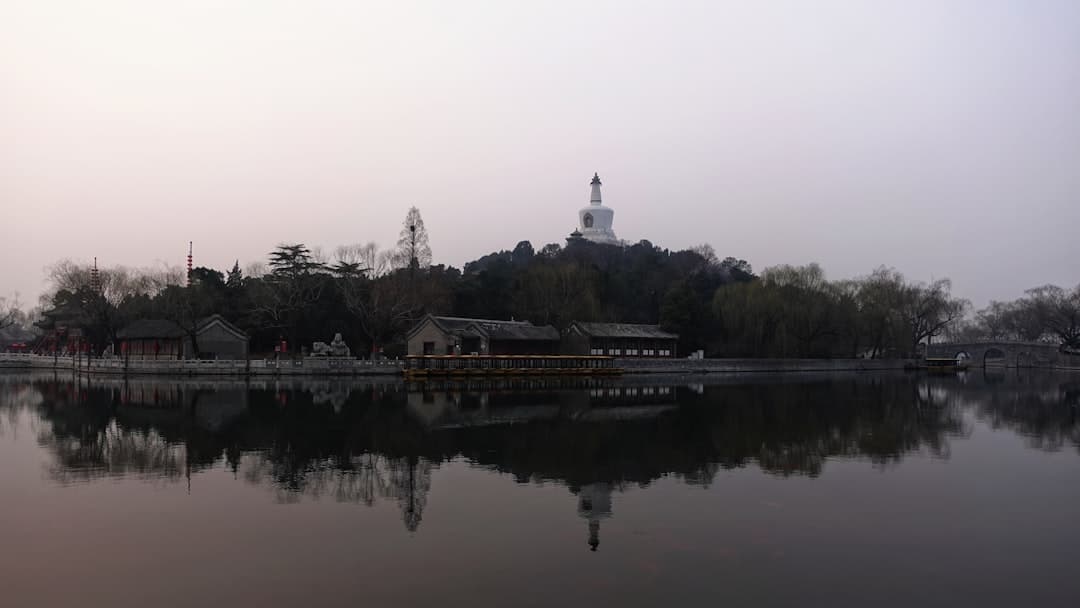
The Summer Palace is a vast imperial retreat on the northwestern edge of Beijing, built around Kunming Lake and Longevity Hill. Commissioned in the 18th century by Emperor Qianlong and lavishly restored by Empress Dowager Cixi in the late 19th century — famously using funds earmarked for the navy — it served as the Qing dynasty's preferred escape from the Forbidden City. It's one of the best-preserved imperial gardens in the world and a UNESCO World Heritage Site, covering nearly 300 hectares, about three-quarters of which is water. A visit here is genuinely immersive. You can walk the Long Corridor, a 728-metre covered walkway painted with over 14,000 intricate scenes from Chinese history and mythology, then climb Longevity Hill for panoramic views over the lake and the distant city skyline. Rowboats and electric ferries cross Kunming Lake, and in winter the frozen lake becomes a skating rink. The Marble Boat — a folly Cixi built at the lakeshore using those diverted naval funds — is one of history's great acts of imperial self-indulgence and worth finding. The Garden of Harmonious Interest, tucked in the northeast corner, is a miniature garden-within-a-garden modelled on Jiangnan water gardens and often quieter than the main circuits. Arrive early — gates open at 6am — to beat tour groups and catch the light on the lake before the crowds arrive. The park has multiple entry points and ticket tiers: a basic through-ticket gets you in, but a combined ticket covers the key indoor halls and boats. Winter visits are underrated: fewer visitors, bare willows reflected in grey water, and a melancholy beauty that suits the palace's complicated history.

Sun Voyager
Sun Voyager — Sólfar in Icelandic — is a gleaming steel sculpture on Reykjavik's seafront promenade, created by Jón Gunnar Árnason and unveiled in 1990. It's designed to look like a Viking longship, though Árnason himself described it as a dream boat, a vessel of light evoking the promise of new horizons. The sculpture stands on a low plinth right at the water's edge along Sæbraut, the coastal road that runs east from the city center, with the Esja mountain across the bay as its backdrop. It has become one of Iceland's most photographed landmarks — and rightly so. Visiting is completely free and straightforward. You walk up to it, around it, and photograph it from every angle while the bay stretches out before you. On clear days the light bounces off the polished steel in extraordinary ways, especially in the long golden hours of the Icelandic summer or during the low winter sun. The promenade here is wide and pleasant, and people jog, cycle, and stroll past at all hours. At night, the sculpture is lit up and takes on a different, more mysterious quality. In winter, if you time it right, the northern lights can arc above it. There's no entrance fee, no queue, and no hours — it's always accessible. The sculpture sits roughly midway between Harpa concert hall to the west and the Höfði house (where Reagan and Gorbachev met in 1986) to the east, so it fits naturally into a walk along the waterfront. Come at golden hour if you can. Early morning in summer, when the light is extraordinary and the crowds are thin, is particularly special.
Sunday Walking Street
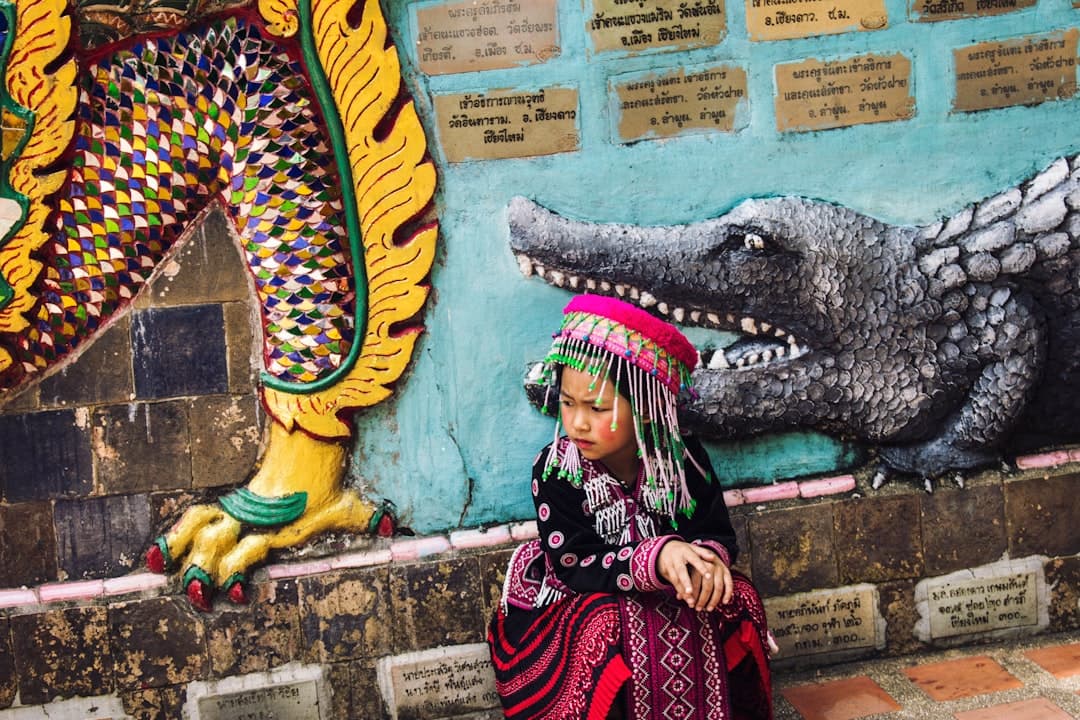
Every Sunday evening, Rachadamnoen Road — the main artery cutting through Chiang Mai's ancient walled city — shuts down to traffic and fills with hundreds of vendors, performers, food stalls, and locals out for a stroll. The Sunday Walking Street, known locally as the Tha Phae Walking Street or simply the Sunday Market, is one of the most celebrated weekly events in northern Thailand and a genuine cultural institution rather than a tourist contrivance. It stretches roughly from Tha Phae Gate westward through the old city, and the scale of it — the length, the density, the sheer variety — consistently surprises first-time visitors. The experience is sensory overload in the best possible way. Vendors sell handmade crafts, hill tribe textiles, silver jewelry, lacquerware, woodcarvings, silk scarves, and ceramic goods — much of it made by the sellers themselves, which distinguishes this market from the souvenir-factory feel of some night markets elsewhere. Between the craft stalls are food vendors selling khao soi, mango sticky rice, grilled corn, sai oua (northern Thai sausage), fresh spring rolls, and fried insects if you're feeling brave. Street musicians, monks collecting alms, and the occasional classical dance performance add to the atmosphere. The whole thing happens against the backdrop of Chiang Mai's old city walls and temple gates, which are softly lit at night. Arrive by 5:30 or 6pm to get ahead of peak crowds — by 7:30pm the central stretch can become genuinely difficult to navigate. The market runs until around 10pm, and the section nearest Tha Phae Gate tends to be most crowded, while the western end near Wat Phra Singh is a bit calmer and often has more interesting craft vendors. Bargaining is acceptable but not aggressive here — most prices are already reasonable, and vendors are generally friendly. Bring cash; card readers are rare.
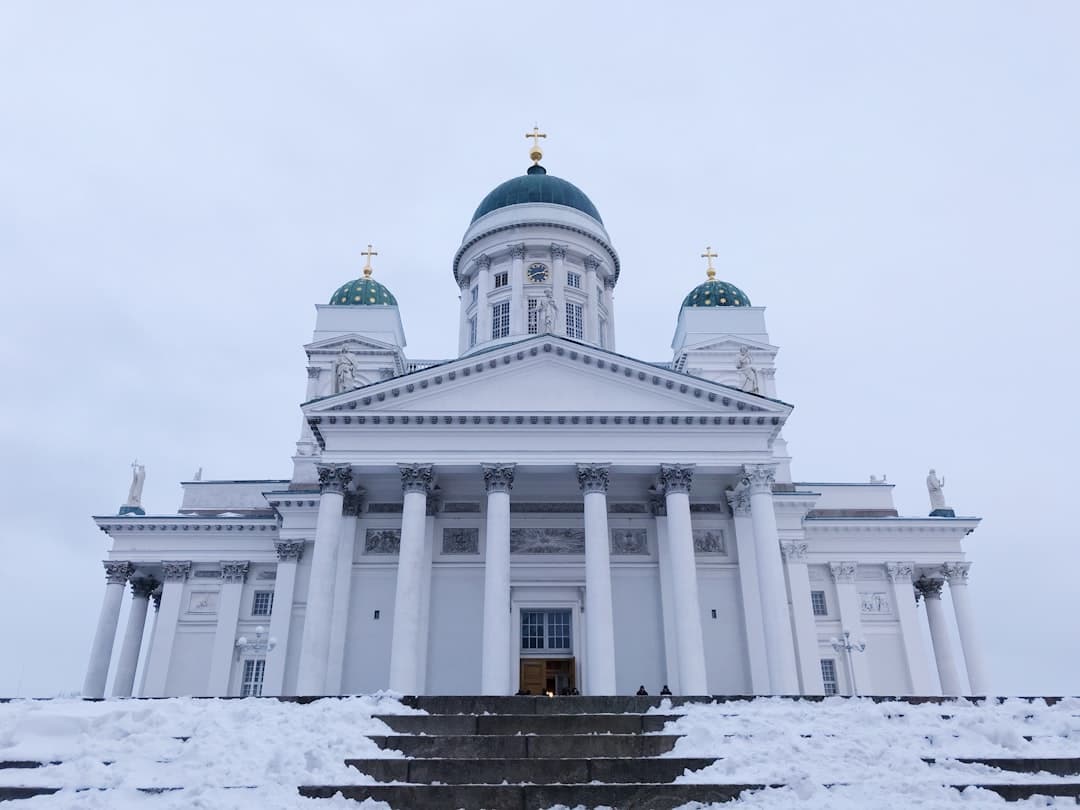
Suomenlinna
Suomenlinna is a sea fortress built on a cluster of small islands in Helsinki's harbor, constructed by the Swedish Empire beginning in 1748 to defend its eastern territories. Sweden lost Finland to Russia in 1809, and the fortress then served the Tsar before eventually passing to an independent Finland in 1917. Today it's a UNESCO World Heritage Site and a living neighborhood — about 800 people call it home year-round — which gives it a lived-in warmth that most historical monuments entirely lack. The ferry from Market Square takes about 15 minutes and costs nothing beyond your HSL transit ticket. Once you're there, the island rewards wandering. The main things to see include the massive dry dock built by the Swedes (still in use), the Suomenlinna Museum that lays out the full history in an engaging way, a Cold War-era submarine called Vesikko that you can actually climb inside, and King's Gate, a ceremonial sea entrance framed by weathered stone. There are grassy ramparts and open lawns where Helsinki families picnic in summer, old cannon batteries overlooking the open Baltic, and a handful of cafés and a brewery that make the place feel genuinely welcoming rather than merely preserved. The islands are connected by bridges, so you can cover a lot on foot. The ferry runs year-round from the South Harbour market square, roughly every 20–60 minutes depending on the season. In summer the island gets busy, especially on weekends — arrive on a weekday morning if you want the ramparts mostly to yourself. The Suomenlinna Brewery, housed in an old granary, is worth a stop for lunch or a beer. Most of the outdoor areas are always free; individual museums charge a small entry fee. Bring a map from the ferry terminal, because signage on the island itself is uneven.
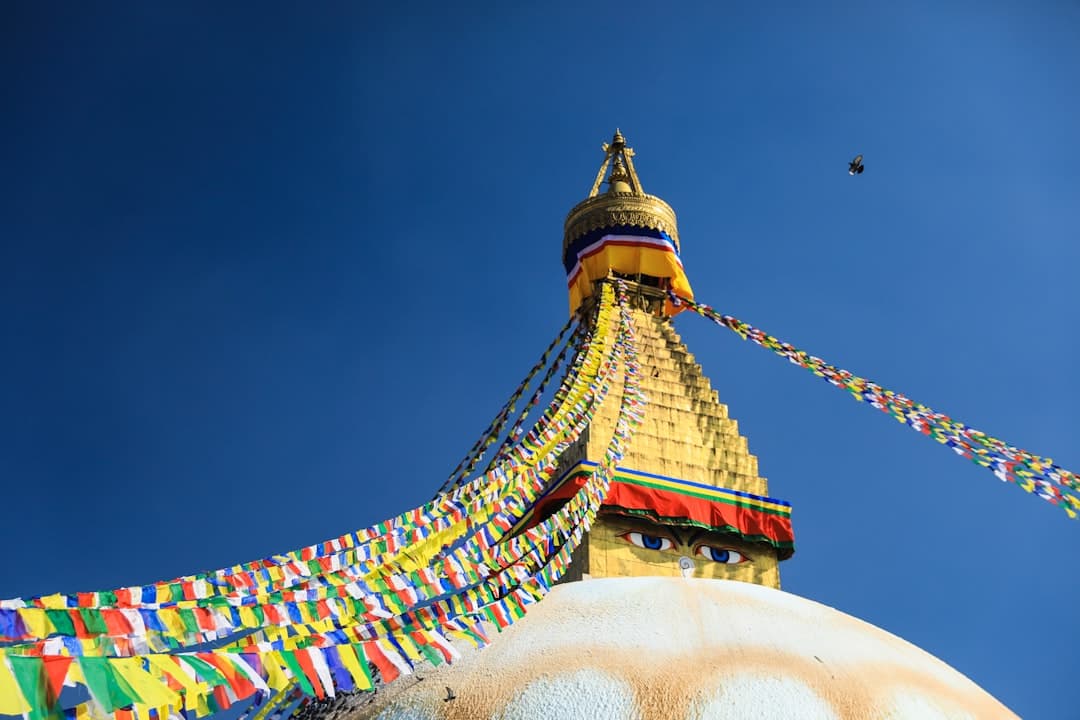
Swayambhunath
Swayambhunath — known affectionately as the Monkey Temple — is one of the oldest and most sacred religious sites in Nepal, sitting atop a forested hill on the western edge of Kathmandu Valley. The complex is believed to be over 2,500 years old, and the great white stupa at its crown, with its gilded spire and the famous painted eyes of the Buddha gazing out in all four directions, is one of the most recognizable images in all of Asia. For Buddhists, it is a site of deep pilgrimage. For Hindus, it is equally revered — a rare and genuinely shared sacred space where both traditions coexist without tension. UNESCO recognized the entire Kathmandu Valley, including Swayambhunath, as a World Heritage Site in 1979. Getting there is half the experience: a steep staircase of 365 steps climbs through a forest thick with rhesus macaques — bold, photogenic, and entirely unintimidated by tourists. At the top, the stupa complex opens up into a world of shrines, butter lamps, prayer wheels, monks in saffron robes, and spinning prayer flags strung between pagodas. You walk the kora (the clockwise circumambulation route) around the stupa, spinning brass prayer wheels set into the base, passing shrines to Tara, Manjushri, and Harati, the goddess of smallpox turned protector of children. The view over Kathmandu Valley is sweeping — best in the early morning before the smog settles in. There is an entry fee for foreign visitors (around USD $2–3, payable at the base of the stairs). The site is technically open around the clock, but dawn is the golden hour — monks chant, pilgrims do their morning rounds, and the light on the stupa is extraordinary. Come early, wear comfortable shoes for the climb, and keep a firm grip on your bag if you stop to photograph the monkeys — they are charming thieves.
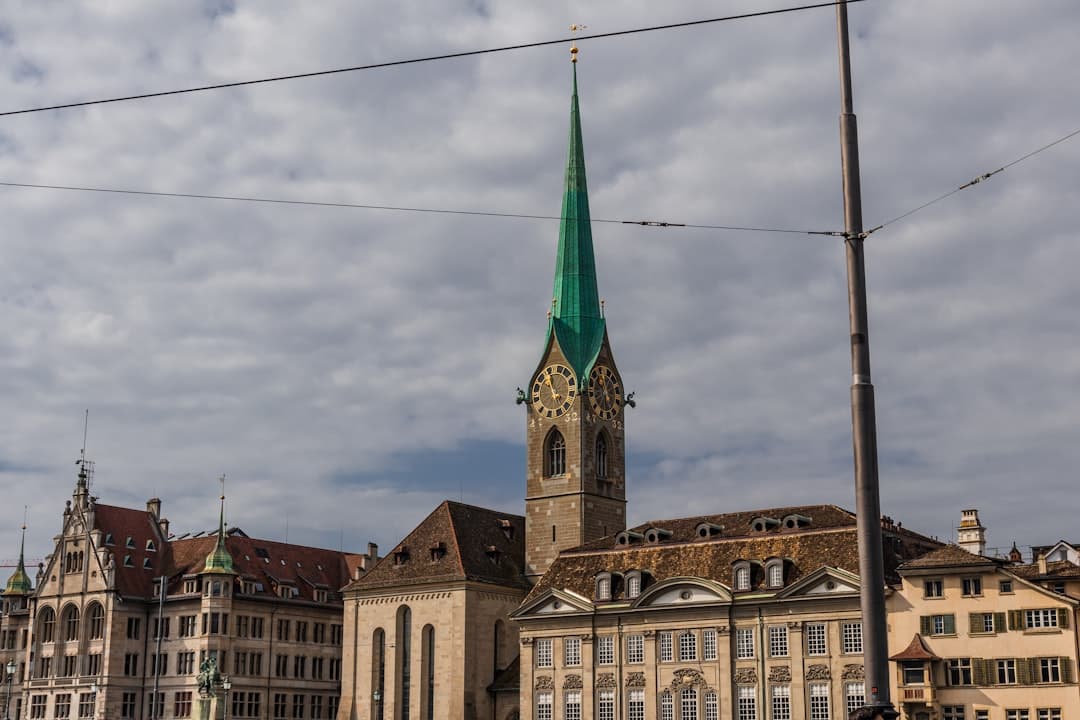
Swiss National Museum
The Swiss National Museum — Landesmuseum Zürich — is Switzerland's largest cultural history museum and the flagship of a national network of museums. Opened in 1898 in a purpose-built neo-Gothic château that looks like it was conjured from a storybook, it sits right next to Zurich's main train station, making it one of the most accessible major museums in any European city. The building alone is worth the visit: turrets, arched windows, and courtyards that feel like a medieval fortress crossed with a grand rail-era fantasy. Inside, the permanent collection spans Swiss history from prehistoric times through the present day, with particular strengths in medieval art, religious artifacts, stained glass, decorated rooms transplanted wholesale from historic buildings, arms and armor, and Swiss domestic life across the centuries. A major extension designed by Christ & Gantenbein architects opened in 2016, adding sleek contemporary galleries that contrast dramatically with the old building and house rotating exhibitions on culture, design, and identity. The highlight rooms — including the elaborately carved and painted historic interiors — are genuinely unlike anything you'd find in a generic history museum. Admission is reasonably priced by Zurich standards, and Thursday evenings until 7pm give you an extra window that most tourists miss. The museum is closed Mondays, which catches some visitors off guard. The location directly adjacent to Hauptbahnhof means you can drop in between trains or combine it easily with the old town. If you want context for anything you'll see in the rest of Switzerland — the Reformation, the medieval cantons, the Alpine cultures — this is the place to get it.
Sydney Harbour Bridge
The Sydney Harbour Bridge is one of the most recognisable structures on earth — a colossal steel arch that has connected the northern and southern shores of Sydney Harbour since 1932. Built during the Great Depression by thousands of workers (51 of whom died during construction), it remains the world's largest steel arch bridge by span, stretching 503 metres across the water. Sydneysiders call it 'the Coathanger,' and it anchors the harbour alongside the Opera House to form one of the most spectacular urban waterfronts anywhere. It's not just a landmark you photograph from afar — it's one you can actually get on, under, and over.
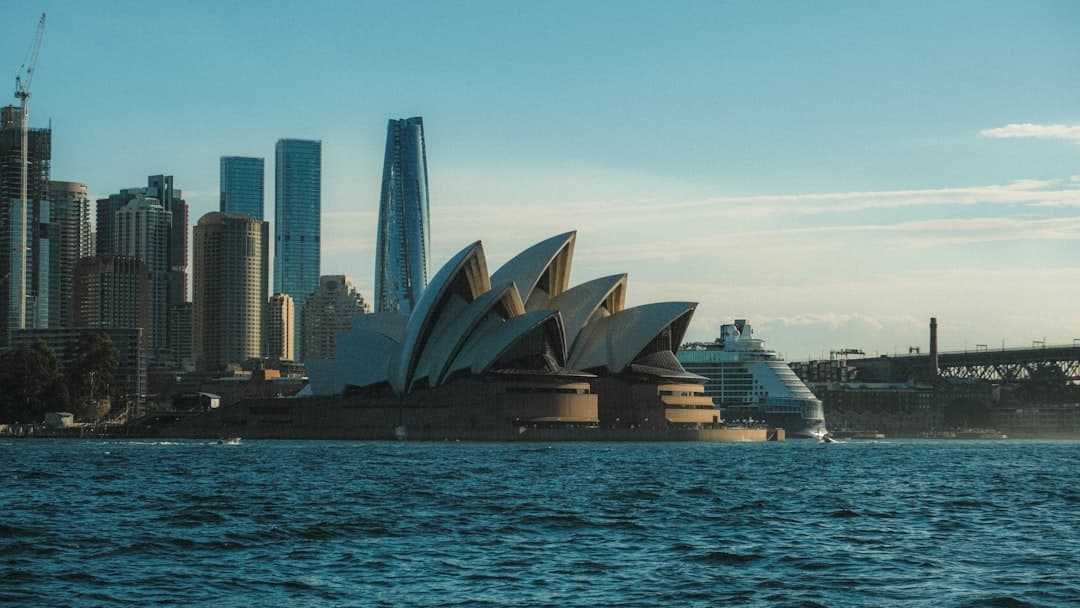
Sydney Opera House
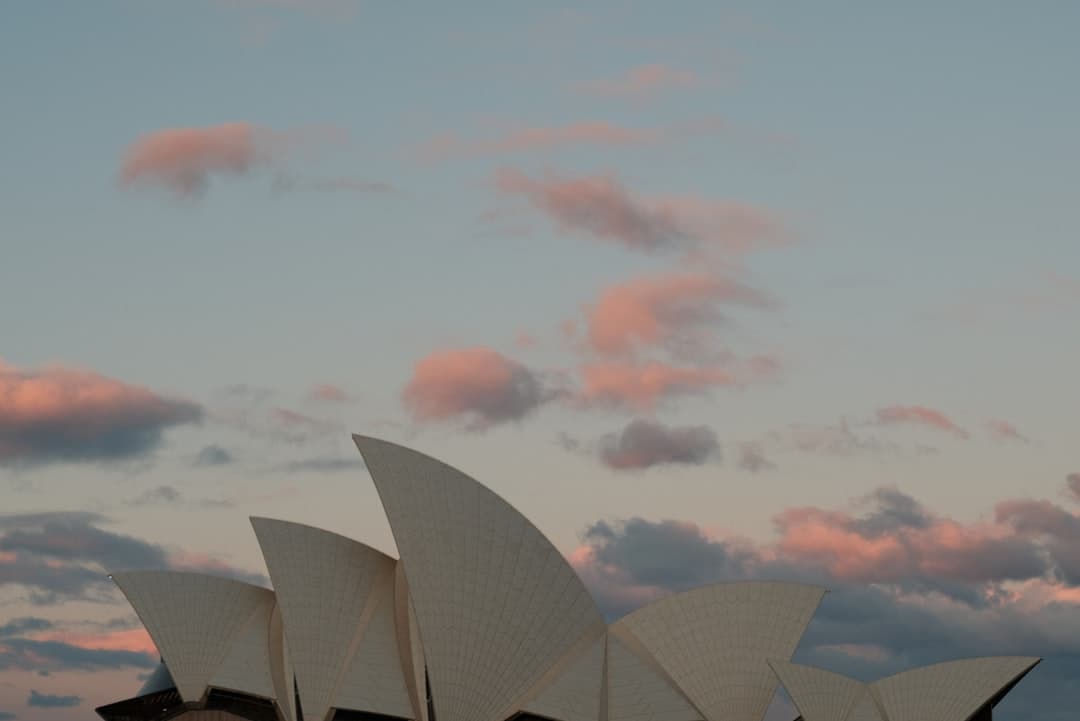
The Sydney Opera House sits on Bennelong Point, a finger of land jutting into Sydney Harbour, and it is one of the most recognisable buildings on earth. Designed by Danish architect Jørn Utzon and completed in 1973 after a famously troubled construction, it changed the way the world thinks about what a public building can look like. Those cascading white shell-like roofs — technically precast concrete sections covered in over a million Swedish-made ceramic tiles — catch the light differently at every hour of the day. It's a UNESCO World Heritage Site, one of very few 20th-century buildings to earn that designation in its own lifetime. You can experience the Opera House on multiple levels. Simply walking around the exterior and along the broad sandstone forecourt is free and genuinely spectacular, especially with the Harbour Bridge framing the view to the west. Inside, guided tours run daily and take you through the Concert Hall, Joan Sutherland Theatre, and other performance spaces — the interiors are more raw and industrial than you might expect, a deliberate Brutalist counterpoint to the sculptural exterior. Better still, book a ticket to an actual performance: the Australian Ballet, Opera Australia, and the Sydney Symphony all call this home, but the program also runs comedy, theatre, jazz, and experimental work. Seeing something — anything — performed here is a different experience to touring the building.
Széchenyi Thermal Bath
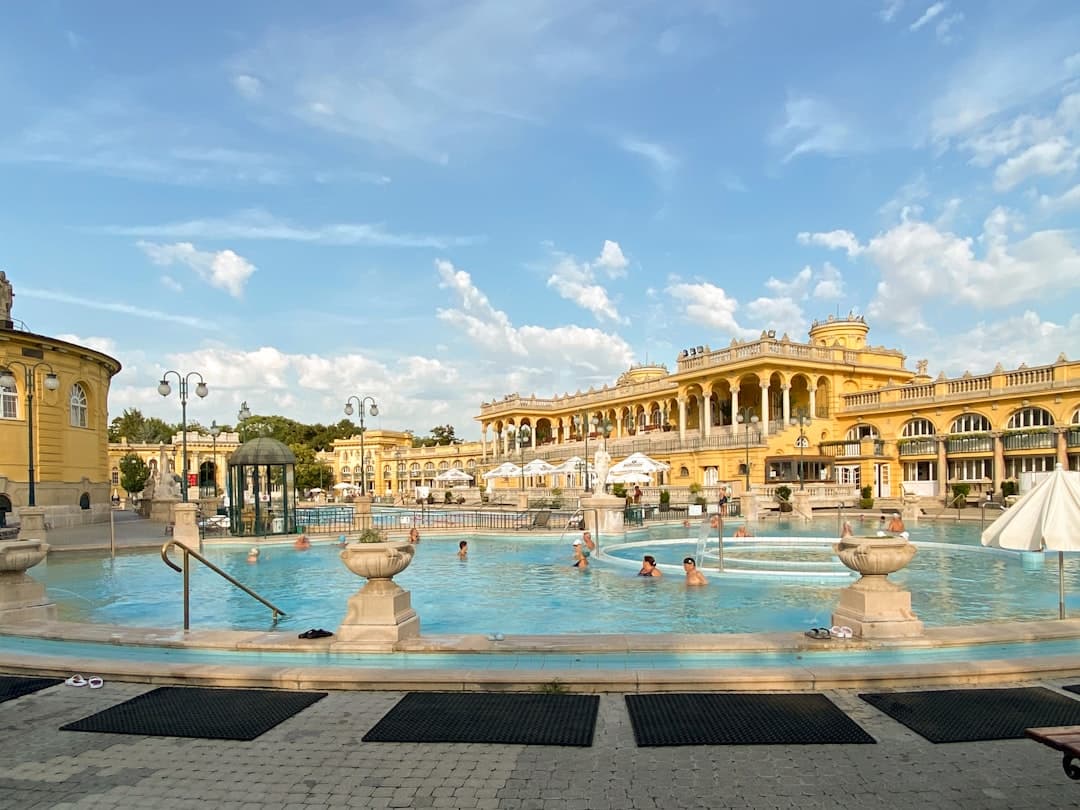
Széchenyi is one of the largest and most famous thermal bath complexes in Europe, built in 1913 in the neo-baroque style and sitting in the heart of City Park. The water comes from two thermal springs drilled deep beneath Budapest, reaching temperatures of around 74–77°C before being cooled for bathing. It's not a spa in the pampering, cucumber-water sense — it's a genuine public bathhouse that Budapestians have been using for over a century, and that history and continuity are a big part of what makes it special. The complex has three outdoor pools and around 15 indoor pools and steam rooms, each at different temperatures. The famous outdoor pools are the ones you'll recognise from every photograph — vast, steaming basins surrounded by yellow neo-baroque architecture, often with old men playing chess on floating boards while tourists drift past them in slack-jawed amazement. Inside, the ornate halls contain hot pools, a cooler swimming pool, sauna chambers, and private cabins for renting. You can spend a couple of hours or an entire lazy afternoon here — most people end up staying longer than they planned. Buy your ticket online in advance to avoid the queues at the entrance, which can be genuinely long in summer. The locker system can feel confusing at first — you're given a cabin or locker number and an electronic wristband to lock it. Weekday mornings are the quietest time to visit. Friday evenings occasionally host the 'Sparty' — a nighttime party event with music and lights that's a very different experience to the daytime bath. The complex is well set up for visitors, but it's not a tourist trap: it remains an active community bathhouse first.
São Bento Station
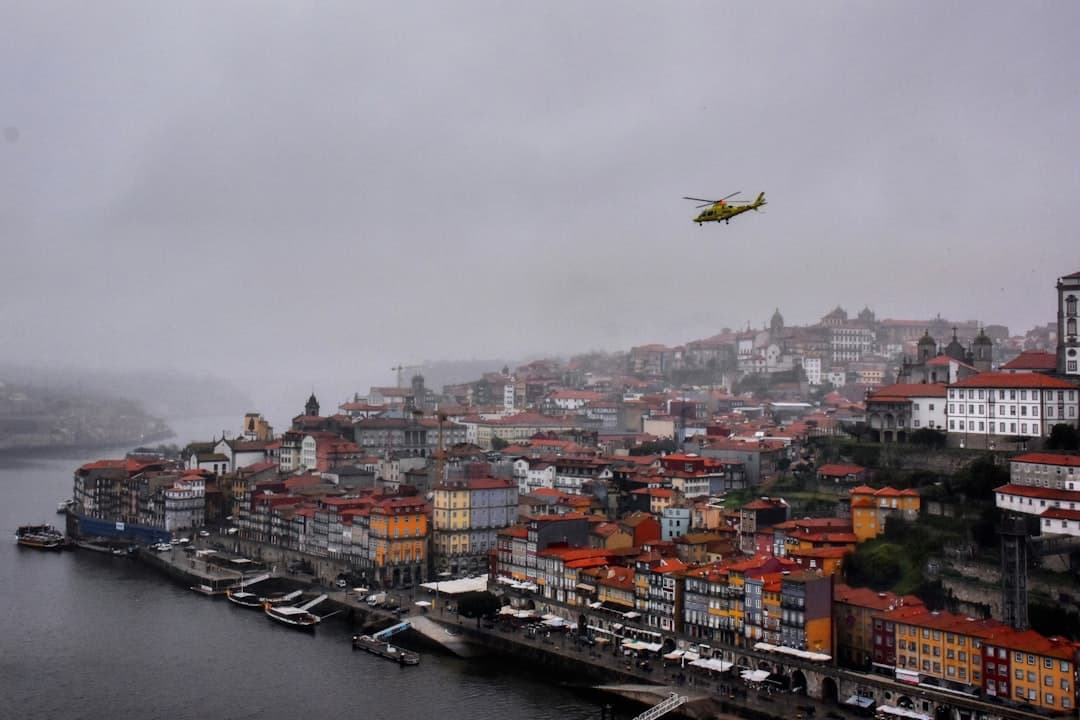
São Bento is Porto's central railway station, opened in 1916 on the site of a former Benedictine convent — hence the name. But calling it a train station feels like calling the Sistine Chapel a ceiling. The grand entrance hall is covered floor to ceiling in approximately 20,000 hand-painted blue-and-white azulejo tiles, completed by artist Jorge Colaço between 1905 and 1916. The panels depict scenes from Portuguese history — the conquest of Ceuta, the wedding procession of João I and Philippa of Lancaster — alongside rural and regional life from across the country. It is one of the most spectacular public interiors in Europe, and it's free to walk into. You don't need to catch a train to visit. Most people simply walk through the main doors, stop dead, tilt their heads back, and spend twenty minutes wandering the concourse with their phone in the air. The tiled panels reward close inspection — the detail is extraordinary, the blue tones shift depending on the light, and the historical narratives are genuinely interesting once you understand what you're looking at. Information panels nearby help with context. Trains to Sintra-style day trips (Guimarães, Braga, Aveiro) also depart from here, so it can be the start of a longer adventure. Arrive early in the morning if you want any hope of a quiet moment — by mid-morning it's thick with tour groups and the light is flat anyway. The station faces Praça de Almeida Garrett, one of Porto's most handsome squares, and is a short walk uphill from the Ribeira waterfront. Combine it with a stroll through the Bairro da Sé or down to the river and you've got a solid half-morning.
São Jorge Castle
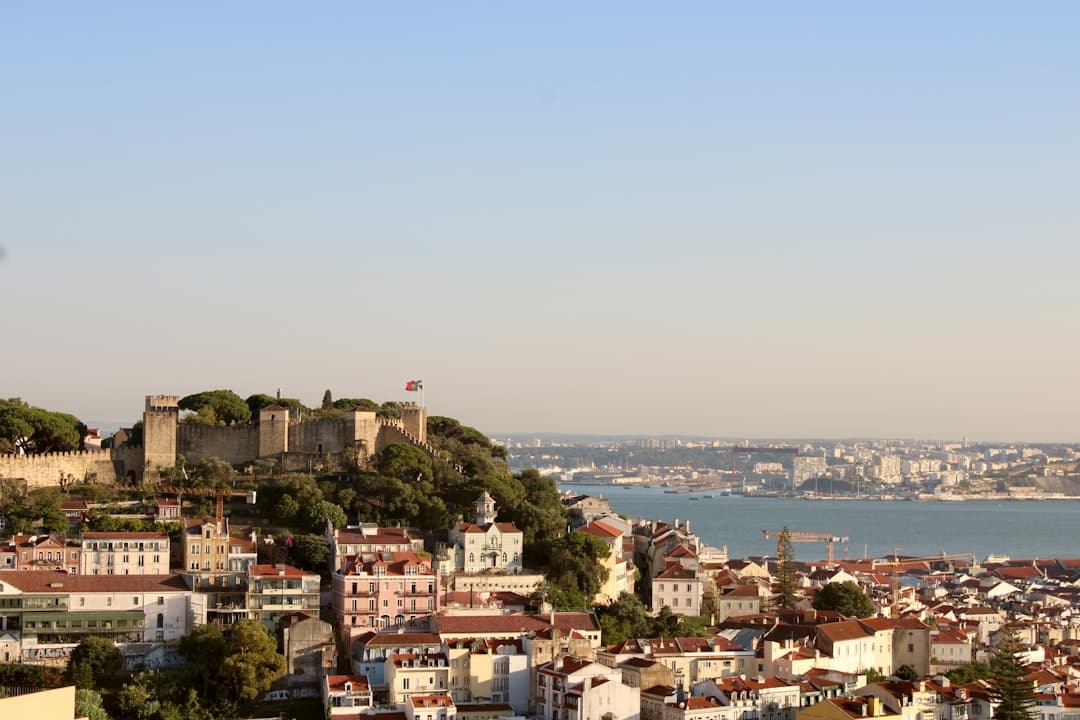
Sitting on the highest hill in Lisbon's oldest quarter, São Jorge Castle has watched over the city for more than a thousand years. Originally built by the Moors in the 11th century and later expanded by Portugal's first king, Afonso Henriques, after he captured it in 1147, the castle is one of the most important medieval monuments on the Iberian Peninsula. It sat at the heart of royal life for two centuries before the court moved down the hill to the Tagus waterfront, and today it remains the single most iconic landmark on Lisbon's skyline — those battlements are what you're looking at in every wide-angle photograph of the city. Inside the walls, there's more to explore than the views alone suggest. The castle grounds contain eleven towers you can climb, a ruined medieval palace, a small but genuinely interesting archaeological museum with finds from Phoenician, Roman, Moorish, and medieval layers — a reminder that this hill has been occupied almost continuously for three millennia. Peacocks roam the olive and pine trees in the inner courtyard, which is one of those charming specific details that first-time visitors are always surprised by. The perimeter walkway along the ramparts is the real highlight: the panorama takes in the red-roofed Alfama below, the Tagus glittering in the distance, the 25 de Abril Bridge, and on clear days, the hills of Setúbal across the estuary. The castle gets busy, especially on summer mornings when cruise passengers arrive in force. Your best move is to be at the gate when it opens at 9am, or to visit in the late afternoon when the crowds thin and the light turns golden over the city. The uphill walk through the Alfama's steep lanes is half the experience — follow the signs from the Miradouro das Portas do Sol and you'll arrive already in the right frame of mind. Tickets can be bought on-site, but booking online in advance during peak season saves you queue time at the entrance.
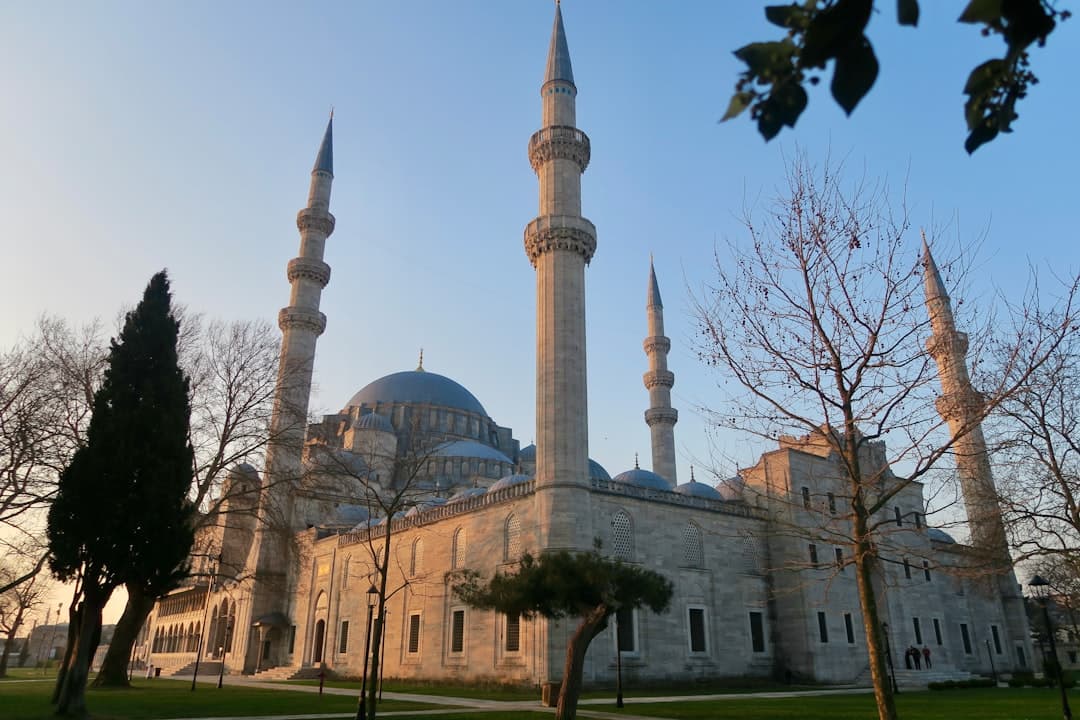
Süleymaniye Mosque
Built between 1550 and 1557 for Sultan Süleyman the Magnificent, the Süleymaniye Mosque is the largest Ottoman mosque in Istanbul and one of the greatest works of the imperial architect Mimar Sinan. It crowns the Third Hill of the old city in the Fatih district, visible from across the Bosphorus and the Golden Horn. This is not a tourist attraction that happens to be a mosque — it is a living, working house of worship that has served Istanbul's Muslim community for nearly five centuries, and that context shapes everything about visiting it. Step inside and the scale of the interior hits you immediately: a single soaring dome 53 metres high, flanked by two semi-domes, floods the space with light from 138 windows. Unlike the Blue Mosque across town, the decorative restraint here is part of the genius — the stained glass (designed by a craftsman known as Sarhoş Ibrahim, "Ibrahim the Drunkard") casts coloured light across pale stone, and the original Iznik tiles in the mihrab niche are some of the finest surviving examples of 16th-century ceramic work. The courtyard, lined with columns of porphyry and marble, offers a sweeping view over the Golden Horn and is one of the genuinely great urban panoramas in Europe or Asia. In the walled garden to the rear, the türbes (mausoleums) of Süleyman and his wife Hürrem Sultan are open to visitors. The mosque complex is free to enter, and it draws far fewer crowds than the Blue Mosque or Hagia Sophia, which makes the experience substantially calmer and more rewarding. Prayer times mean the interior closes to non-worshippers for roughly 30 minutes five times a day — Friday midday prayers draw a large congregation and the mosque may be closed longer. The surrounding Süleymaniye neighbourhood itself is worth the visit: the old medrese buildings now house teahouses and small restaurants, and the streets tumbling down toward the Golden Horn are lined with booksellers, spice shops, and working-class Istanbul life largely untouched by tourism.
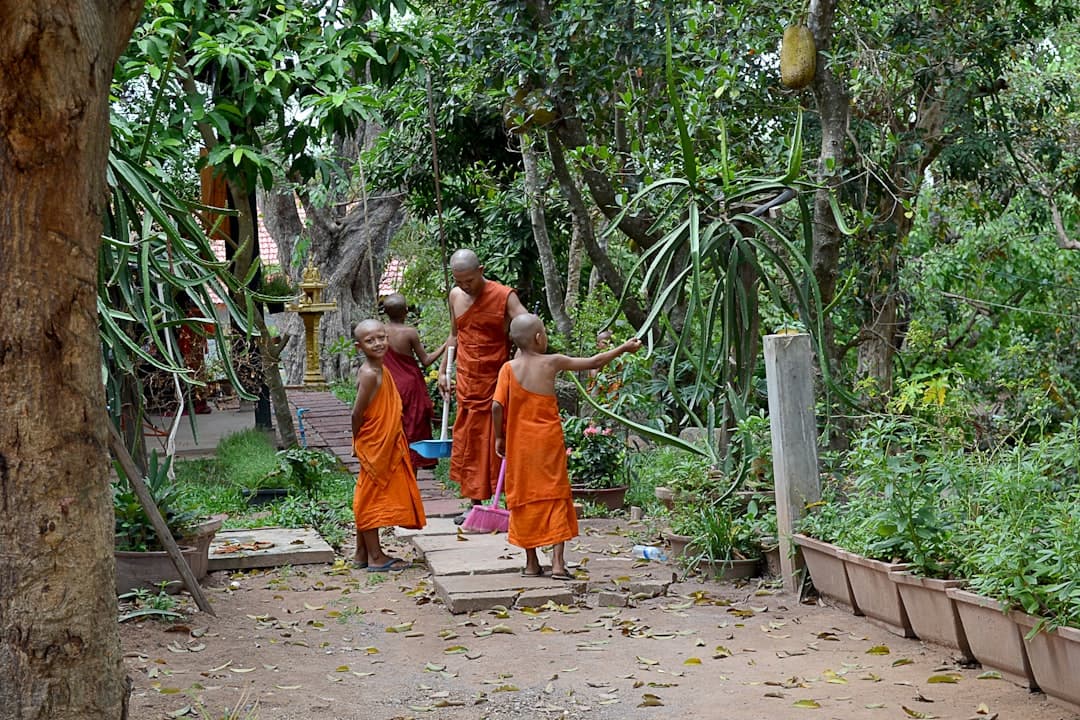
Ta Prohm
Ta Prohm is a 12th-century Hindu-Buddhist temple built by the Khmer king Jayavarman VII, originally dedicated to his mother. Unlike most of Angkor's temples, which have been cleared and partially restored, Ta Prohm was deliberately left in a state of partial ruin — with massive silk-cotton and strangler fig trees growing directly through and over the stone structures. The result is one of the most visually arresting archaeological sites on earth: a place where nature and human construction have merged into something neither could produce alone. Visiting Ta Prohm means wandering through a labyrinth of galleries, collapsed corridors, and moss-covered courtyards while enormous tree roots spill over walls and pry apart ancient stonework. The famous "Tomb Raider tree" — a vast silk-cotton tree whose roots cascade down a temple facade like grey waterfalls — is the Instagram moment everyone comes for, but the temple rewards deeper exploration too. Devata carvings line the walls, apsara figures peer out from shadowy niches, and the further you push from the main paths, the more the jungle closes in around you. The scale is disorienting in the best way. Ta Prohm is part of the Angkor Archaeological Park, so you need a valid Angkor Pass to enter — day passes, three-day passes, and week passes are all available from the official ticket centre near Angkor Wat. The site gets extremely busy between 9am and 11am as tour buses arrive, so arriving right at opening (7:30am) or late afternoon after 3pm gives you dramatically better light and far fewer crowds. The temple is partially shaded by its jungle canopy, which makes it more bearable than Angkor Wat on a hot afternoon.
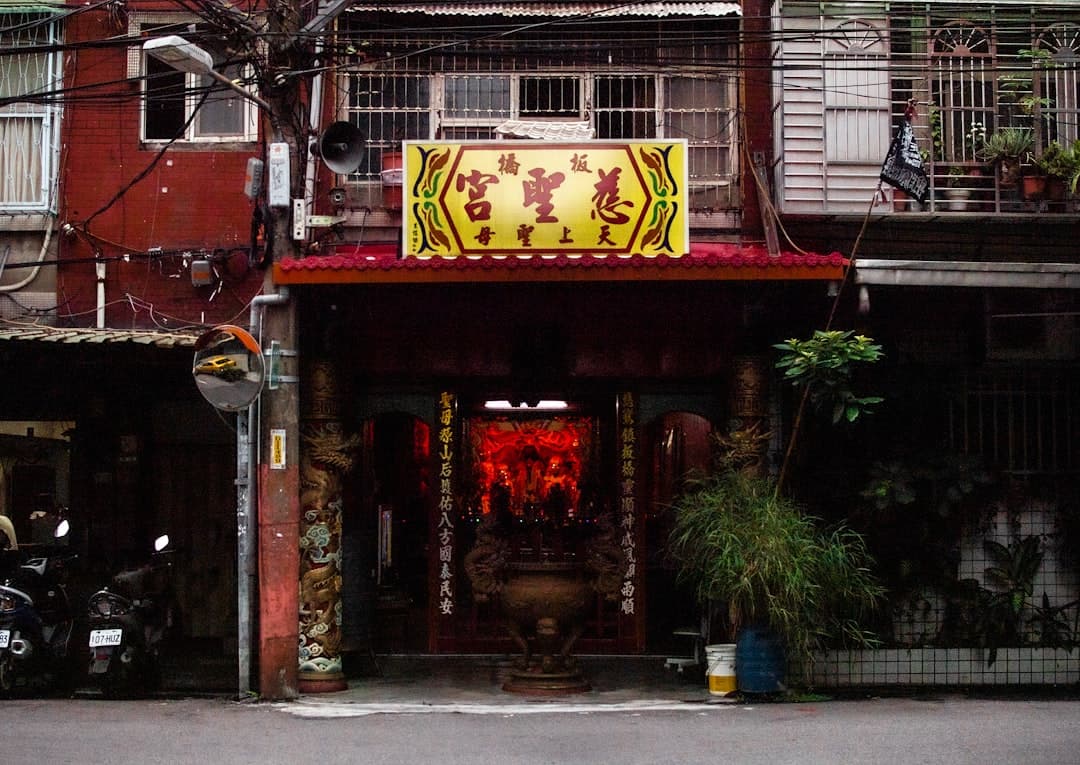
Taipei 101
Taipei 101 is a 508-meter supertall skyscraper in the Xinyi District that, when it opened in 2004, was the tallest building in the world. It held that title until Dubai's Burj Khalifa topped it in 2010. Modeled loosely on a stalk of bamboo — a plant associated in Chinese culture with resilience and growth — the tower's distinctive segmented silhouette is immediately recognizable and has become the defining symbol of modern Taiwan. It sits at the heart of Taipei's most polished, cosmopolitan neighborhood, surrounded by luxury malls, international restaurants, and some of the city's best urban energy. The main draw for visitors is the observatory experience. An indoor observation deck occupies the 89th floor, reached by one of the world's fastest elevators — it shoots you up in roughly 37 seconds, pressurized like a plane cabin to protect your ears. On clear days, you can see the entire Taipei basin ringed by green mountains, and the outdoor deck on the 91st floor adds wind and open sky to the experience. Inside the tower, between floors 35 and 89, a massive 660-metric-ton steel pendulum — the tuned mass damper — hangs visibly and functions as both an engineering marvel and a crowd-pleasing attraction. The lower floors house a sprawling luxury mall with everything from Din Tai Fung (yes, the real one) to high-end international brands. For the best views, aim for late afternoon so you can watch the city transition from daylight to golden hour to the full sparkling nighttime spread. Weekday mornings are the quietest. The outdoor deck can be closed during typhoons or strong winds, which is worth checking before you go — but even on a rainy day, the indoor deck and damper exhibition are well worth the trip. Skip the overpriced coffee inside and grab a drink at the outdoor market plaza below after.
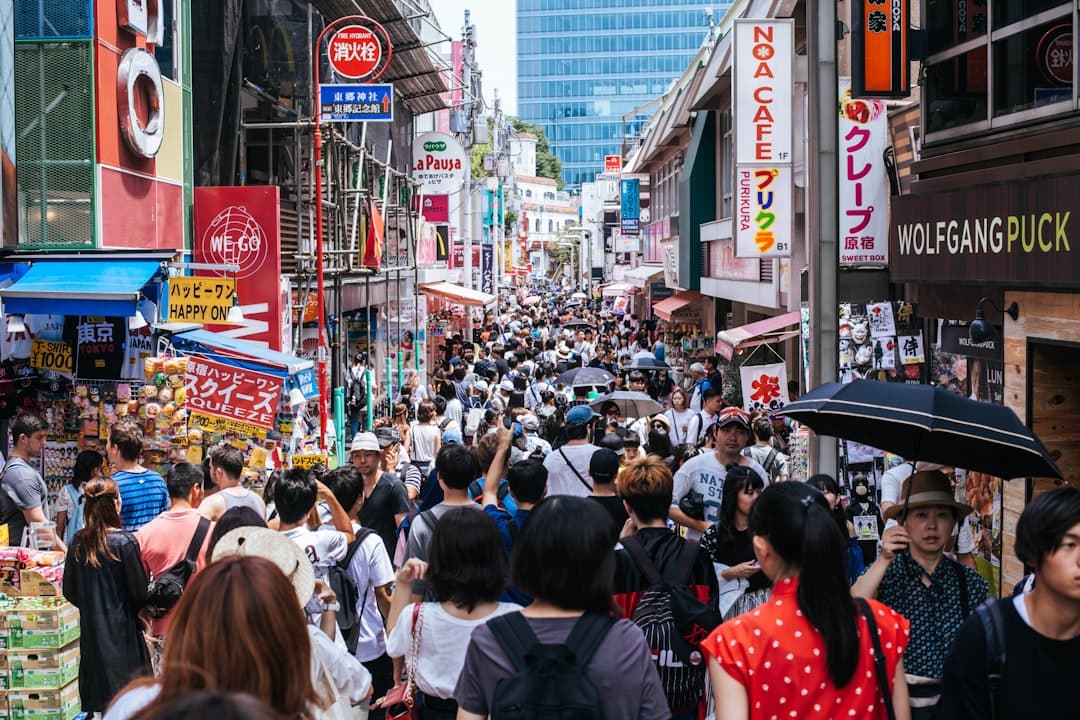
Takeshita Street
Takeshita Street is a narrow, 350-meter pedestrian lane running through the heart of Harajuku, one of Tokyo's most iconic youth culture districts. It has been the birthplace and runway of Japan's most extreme street fashion movements since the 1970s and 80s — from Lolita and Visual Kei to decora and kawaii culture. What happens here doesn't stay here; the looks and trends that emerge on Takeshita have influenced fashion designers and subculture scenes around the world. Walking the street is an experience in full sensory overload, in the best possible way. The lane is packed shoulder-to-shoulder on weekends with teenagers, tourists, and style obsessives. Shops sell rainbow-colored crepe cakes, cotton candy the size of your head, and outfits that would stop traffic anywhere else on earth. You'll find cheap vintage layering pieces next to wild cosplay accessories, quirky capsule toy machines, and booths selling handmade accessories. Marion Crepes near the entrance is a Harajuku institution — the queue moves fast and the crepes are legitimately good. Daiso has a multi-floor outpost here if you need a practical pit stop amid the spectacle. Weekdays are significantly quieter and far more navigable than weekends, when the street becomes nearly impassable. If you want to see the fashion scene at its most theatrical, Sunday afternoon is peak time — but budget your patience accordingly. The street is free to wander, takes about an hour at a comfortable pace, and pairs naturally with a walk through the adjacent Omotesando boulevard or a visit to nearby Meiji Shrine for maximum contrast.
Tanah Lot Temple
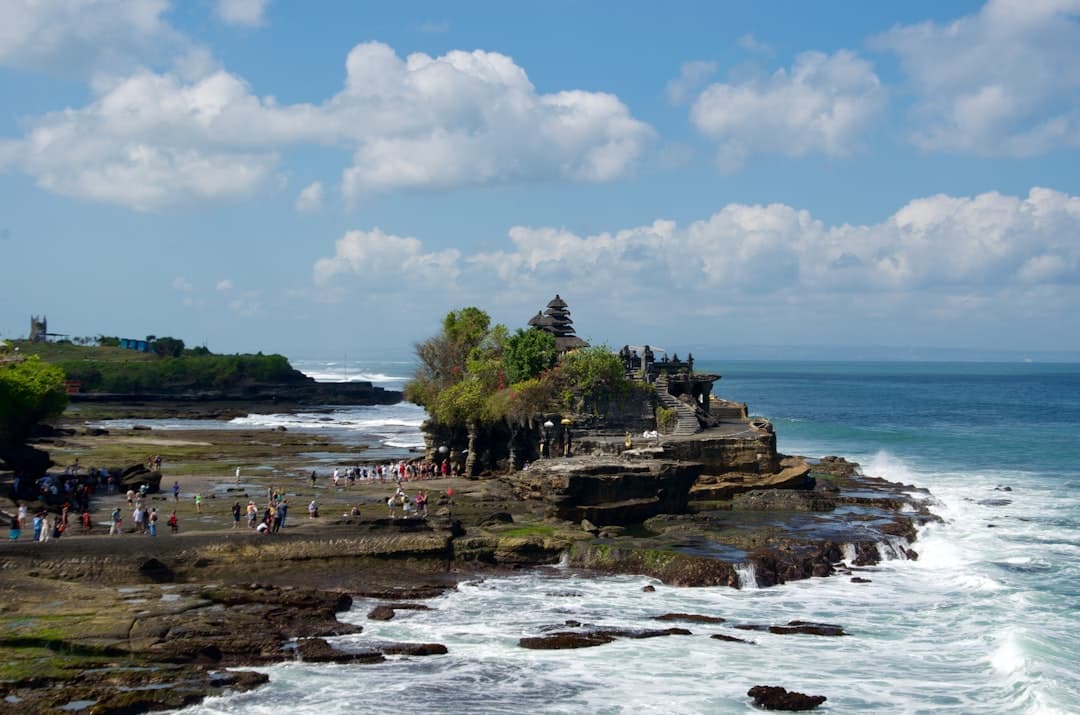
Tanah Lot is one of Bali's most sacred Hindu temples, built on a dramatic offshore rock formation that rises from the Indian Ocean along the island's southwest coast. Constructed in the 16th century and attributed to the influential Hindu priest Dang Hyang Nirartha, who is said to have stopped here during a pilgrimage across Bali, the temple sits at the intersection of spiritual devotion and raw natural spectacle. It's a place of genuine religious significance for Balinese Hindus — ceremonies and prayers happen here regularly — while also being one of the island's most-visited landmarks for travelers from around the world. At low tide, you can walk across the exposed rocky causeway to the base of the rock, where Balinese priests sometimes offer blessings with holy water to visitors. The temple itself is off-limits to non-Hindu worshippers, but the surrounding clifftop paths and viewpoints give you sweeping perspectives of the rock, the crashing waves, and the smaller sea shrines tucked into nearby grottos. The area is famously home to sea snakes believed to be sacred guardians of the temple — you can sometimes spot them sheltering in crevices at the base of the rock. As the sun drops toward the horizon, the silhouette of the temple against a molten sky becomes one of those genuinely arresting travel moments that lives up to the photographs. The surrounding complex has expanded significantly over the years and now includes restaurants, a cultural park, souvenir stalls, and the upscale Tanah Lot Art Market. It gets extremely crowded in the late afternoon as visitors converge for the sunset — arriving earlier in the day means calmer conditions and better access to the rock base at low tide. Check tide charts before you go, since high tide submerges the causeway entirely. The entry fee is modest and collected at the main gate; sarongs are provided for those who want to approach the temple area.
Taronga Zoo
Taronga Zoo sits on a ridgeline in Mosman, on the north shore of Sydney Harbour, and it has one of the most extraordinary settings of any zoo on earth. Opened in 1916, it's home to around 4,000 animals across 350 species, with a particular focus on Australian wildlife — but the thing that sets Taronga apart isn't just the animals. It's the views. From multiple points across the grounds, you're looking directly at the Opera House and the Harbour Bridge framed through eucalyptus trees, with giraffes wandering past in the foreground. That combination is genuinely hard to beat. The zoo is built on a steep slope running down to the harbour, and the best strategy is to take the cable car (Sky Safari) from the ferry wharf at the bottom, ride to the top, then work your way downhill through the exhibits. You'll pass through the Australian bushland precinct — home to wombats, echidnas, Tasmanian devils, and kangaroos — as well as the African Savanna, Great Southern Oceans (featuring little penguins and fur seals), and the Asian elephant enclosure. The daily free-flight bird show is a highlight, with raptors swooping low over an audience seated on the harbour-view hillside. The gorilla rainforest enclosure is one of the better great ape facilities you'll encounter anywhere. Come on a weekday if you can — school holiday periods and summer weekends get genuinely crowded. The ferry from Circular Quay (Wharf 2) is the most enjoyable way to arrive and is included in many transit passes; the ride takes about 12 minutes and sets the scene perfectly. Tickets are best purchased in advance online, especially on weekends. Food options inside are decent but overpriced, so grab something at Circular Quay before you board if you're budget-conscious.
Tate Modern
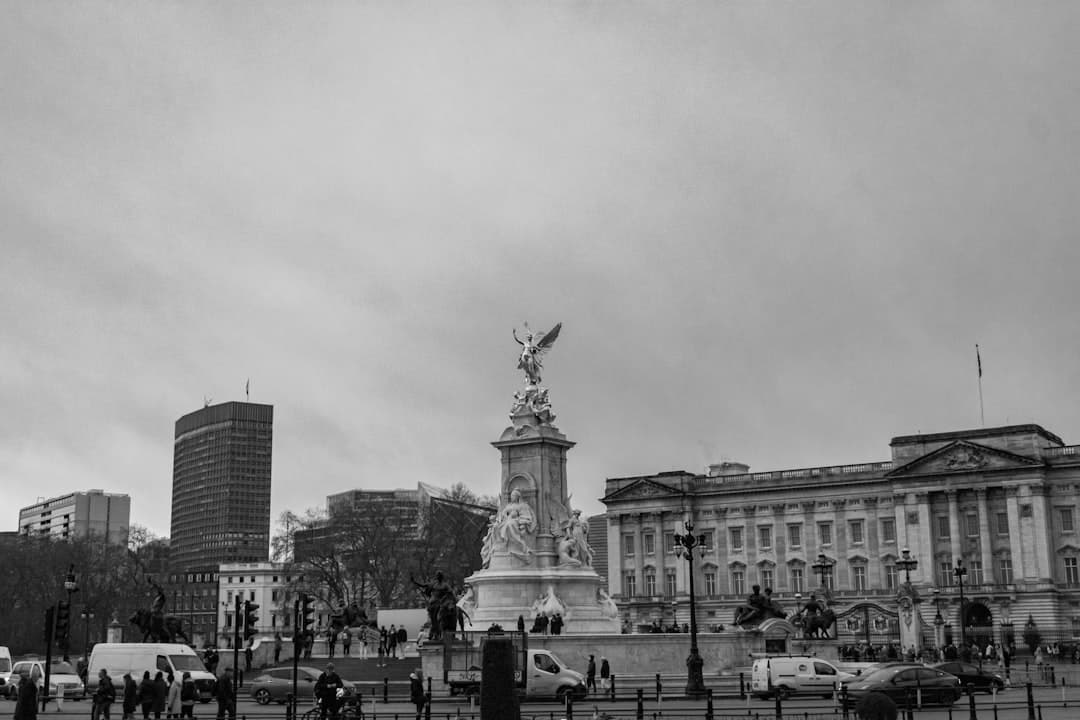
Tate Modern is Britain's national gallery of international modern and contemporary art, housed in the spectacular shell of the Bankside Power Station on the south bank of the Thames. Opened in 2000, it transformed a decommissioned industrial building — designed by Sir Giles Gilbert Scott, the same architect behind the red telephone box — into one of the most visited art museums on the planet. Entry to the permanent collection is free, which makes it one of the best-value cultural experiences in London by a considerable margin. The permanent collection spans the 20th and 21st centuries, with major works by Picasso, Rothko, Warhol, Bourgeois, and Hockney spread across two interconnected buildings: the original Boiler House and the newer Switch House, which opened in 2016. The real showpiece is the Turbine Hall — a vast, cathedral-like space that hosts large-scale commissioned installations, often startling and always memorable. Special exhibitions run year-round in ticketed galleries and tend toward the blockbuster: recent years have brought major retrospectives of artists like Cézanne, Hilma af Klint, and Yoko Ono. The Level 10 viewing platform in the Switch House offers one of the finest panoramas in London — the Thames, St Paul's, the City skyline — and it's free. Friday and Saturday evenings the museum stays open until 9pm, which is a genuinely good time to visit: quieter than weekend afternoons, often with events or late programming, and the walk along the riverside afterwards feels like the city at its best. The café on the ground floor is fine; the restaurant on Level 9 is considerably better and worth booking if you're making a day of it.
Teatro Colón
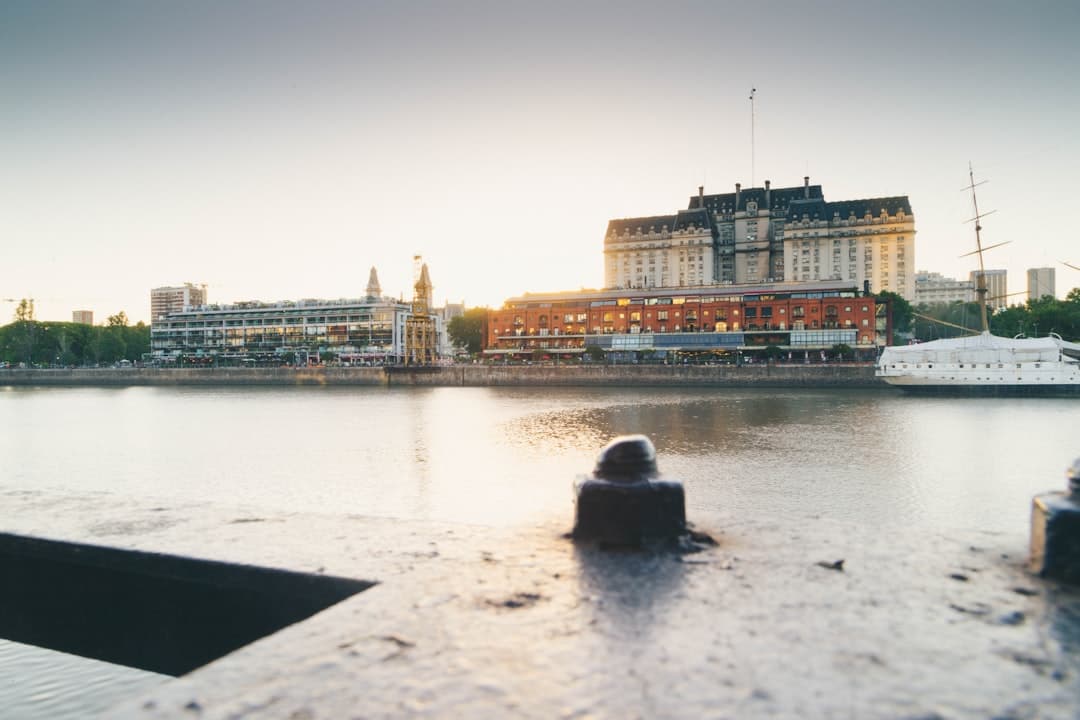
Teatro Colón is Buenos Aires' opera house and one of the finest performance venues on the planet — a genuine rival to La Scala, the Vienna State Opera, and the Paris Opéra in both acoustics and architectural grandeur. Inaugurated in 1908 after two decades of construction, it seats around 2,500 people and has hosted virtually every major opera singer of the 20th century, from Enrico Caruso and Maria Callas to Luciano Pavarotti. For Porteños, the Colón isn't just a cultural institution — it's a point of national pride, the building that says Buenos Aires belongs in the same sentence as the great European capitals. You can experience the Colón two ways: from the inside during a performance, or on a guided tour of the building itself. The guided tours run most days and take you through the main auditorium — where the famous mushroom-shaped acoustic ceiling creates near-perfect sound distribution — the ornate gilded boxes, the grand foyer with its enormous chandeliers, and the remarkable in-house workshops where costumes, wigs, shoes, and sets are all made from scratch by teams of craftspeople. The scale of what happens behind the curtain is genuinely surprising. The main hall itself, with its seven tiers of red-velvet boxes rising under a painted dome, is one of those rooms that stops you cold. For the full experience, book a performance rather than just a tour — the Colón's season runs roughly March through December and tickets are far more affordable than comparable venues in Europe. The upper galleries (the paraíso, or 'paradise') offer steep sightlines but the acoustics hold up, and those tickets can be remarkably cheap. If you want a tour, book online in advance — they sell out, especially in high season. The building sits right on Avenida 9 de Julio, one block from the Tribunales metro station on Line D.
Tegallalang Rice Terrace
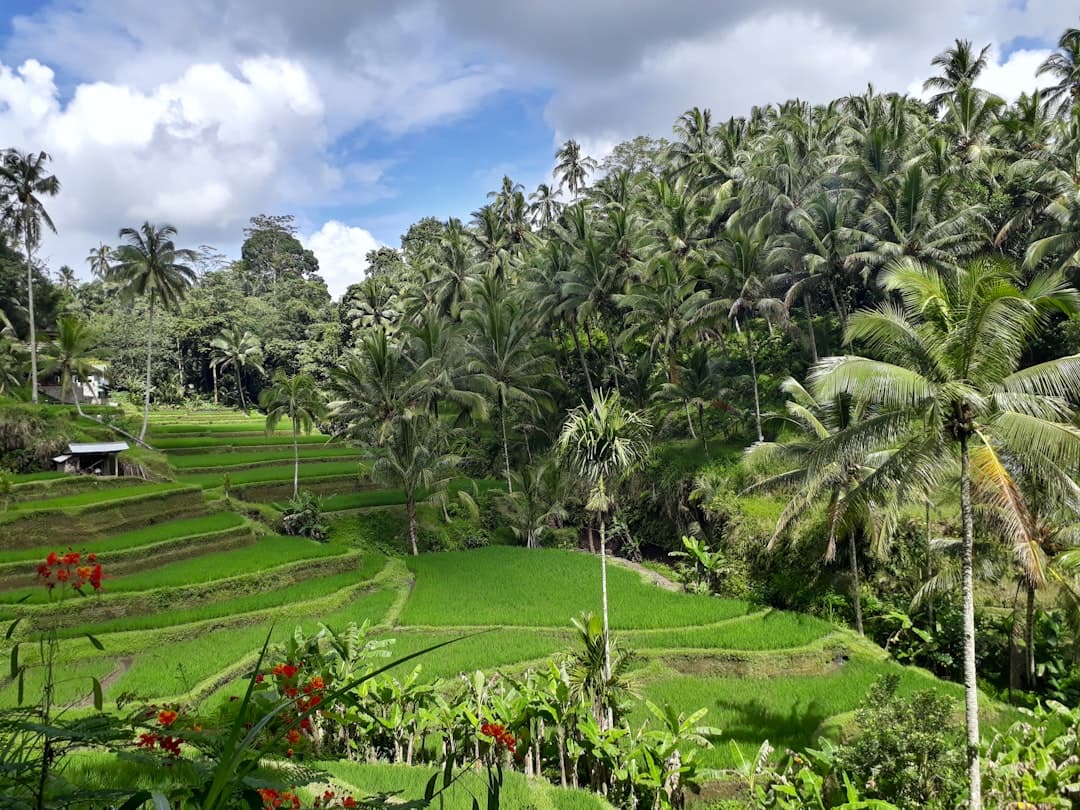
Tegallalang Rice Terrace is one of Bali's most photographed landscapes — a sweeping cascade of emerald-green rice paddies cut into the hillside above the Pakerisan River valley, about 10 kilometres north of Ubud. The terraces are a living example of the ancient Balinese subak irrigation system, a UNESCO-recognised cooperative water management tradition that has shaped the island's agriculture for over a thousand years. This isn't a theme park or a reconstruction — farmers still work these fields, and the terraces change colour and texture throughout the growing cycle. Visiting means descending into the valley along narrow footpaths that wind between the paddies, past coconut palms and banana trees, with the sound of water flowing through bamboo channels at every turn. There are swing platforms, bamboo bridges, and cafes perched on the ridge that have become social media staples — expect to pay a small fee (usually around 15,000–50,000 IDR depending on the activity) for access to the swings or photo spots. The light in the early morning is extraordinary, with mist sitting in the valley and the fields glowing against a deep green hillside. The main road along the ridge (Jalan Raya Tegallalang) is now densely lined with cafes, souvenir stalls, and activity operators, which means the experience can feel busy and commercialised — particularly at midday. But step down into the terraces themselves and it quiets down considerably. Go early, around 8am, to beat the tour buses and catch the best light. Most visitors come as part of a day trip from Ubud, but Tegallalang is easy enough to visit independently by scooter.
Tel Aviv Museum of Art
The Tel Aviv Museum of Art is Israel's leading art institution, founded in 1932 — actually predating the State of Israel itself — in what was then the home of the city's first mayor, Meir Dizengoff. Today it occupies a purpose-built complex in the heart of the city, most notably the striking Herta and Paul Amir Building, which opened in 2011 and is worth visiting for its architecture alone. The central feature is a soaring hyperbolic paraboloid atrium called the Lightfall, a geometric spiral of skylights designed by architect Preston Scott Cohen to solve the near-impossible problem of bringing natural light into a building with no exterior windows. It's the kind of space that makes you stop and just look up. The collection itself spans Old Masters, Impressionists, and a strong holding of modern and contemporary work — think Picasso, Monet, Hockney, and a serious roster of Israeli and Jewish artists who don't get nearly enough international attention. There are prints and drawings, photography, and a dedicated design and architecture gallery. You move through interconnected galleries across multiple levels, and the layout rewards wandering — you'll stumble into a Rothko or a Lichtenstein when you least expect it. The museum also runs a lively program of temporary exhibitions, often pulling in significant international shows. It sits on Sderot Sha'ul HaMelech, a broad boulevard in the heart of the city close to the Azrieli towers and the Ha'Kirya district. Tuesday and Thursday evenings until 9pm are a local favourite — less crowded, cooler outside in summer, and the atrium looks spectacular in the evening light. The museum café is decent for a coffee and a break mid-visit. Skip the gift shop on your way in or you'll lose 20 minutes before you've seen a single painting.
Temple Bar
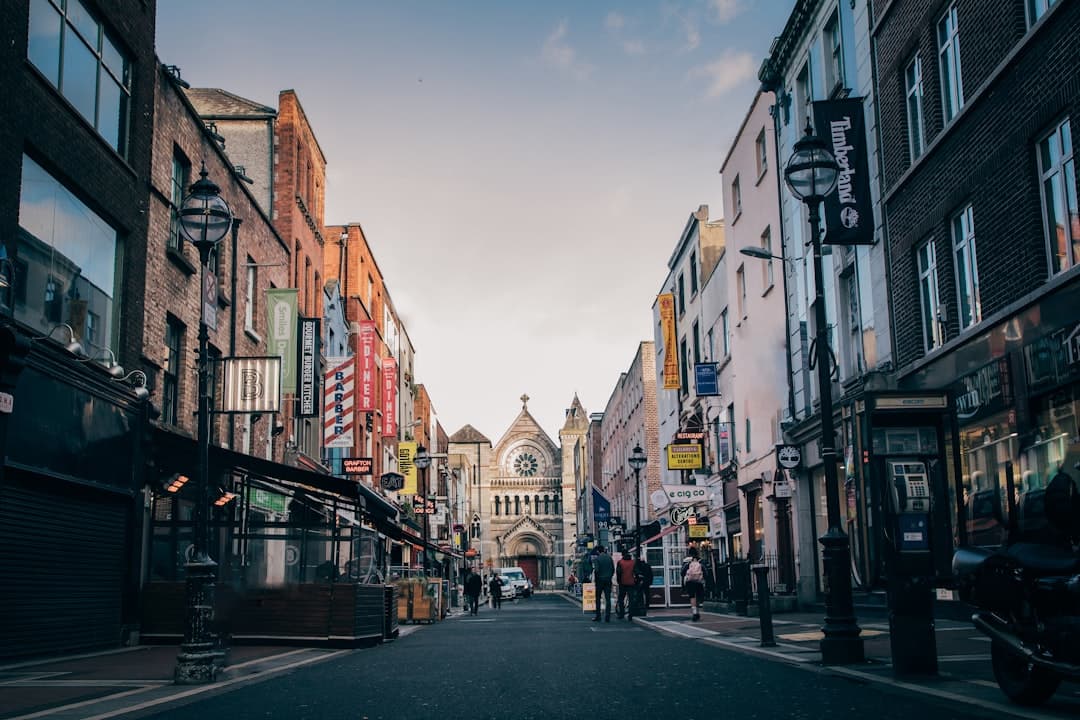
Temple Bar is Dublin's best-known cultural and entertainment district, a compact web of cobblestone lanes running along the south bank of the River Liffey between Dame Street and the quays. It grew up organically in the 17th and 18th centuries as a commercial district, survived a near-death experience in the 1980s when the government nearly bulldozed it for a bus terminus, and was reinvented in the 1990s as a hub for arts, bohemian culture, and nightlife. Today it's the place most visitors end up on their first night in Dublin — sometimes intentionally, sometimes just by gravitational pull. The experience is loud, lively, and unapologetically touristy in the best parts and the worst. The central square hosts the Saturday and Sunday markets, where you'll find fresh produce, vintage clothing, and artisan food stalls. Pubs like The Temple Bar itself, Oliver St. John Gogarty, and Fitzsimons are perpetually packed and reliably deliver live traditional music sessions — the kind where a fiddle player and a bodhrán drummer set up in a corner and the whole room eventually sways along. The Irish Film Institute, Project Arts Centre, and Gallery of Photography give the area genuine cultural credibility beyond the pints. Street performers work the main drag on Dame Street and the narrow lanes are good for an aimless wander. The honest insider angle: Temple Bar is expensive by Dublin standards — you'll pay a premium for drinks in most of the main pubs, and the food in tourist-facing restaurants rarely reflects what Dublin actually eats. But dismiss it entirely and you miss something real. Go early evening before the stag parties arrive, duck into the smaller venues and side streets, and treat it as a starting point rather than a destination. The area is walkable from virtually everywhere in central Dublin and works best as part of a wider evening rather than a standalone pilgrimage.