Süleymaniye Mosque
Sinan's masterpiece sits above the Golden Horn, quietly outclassing almost everything around it.
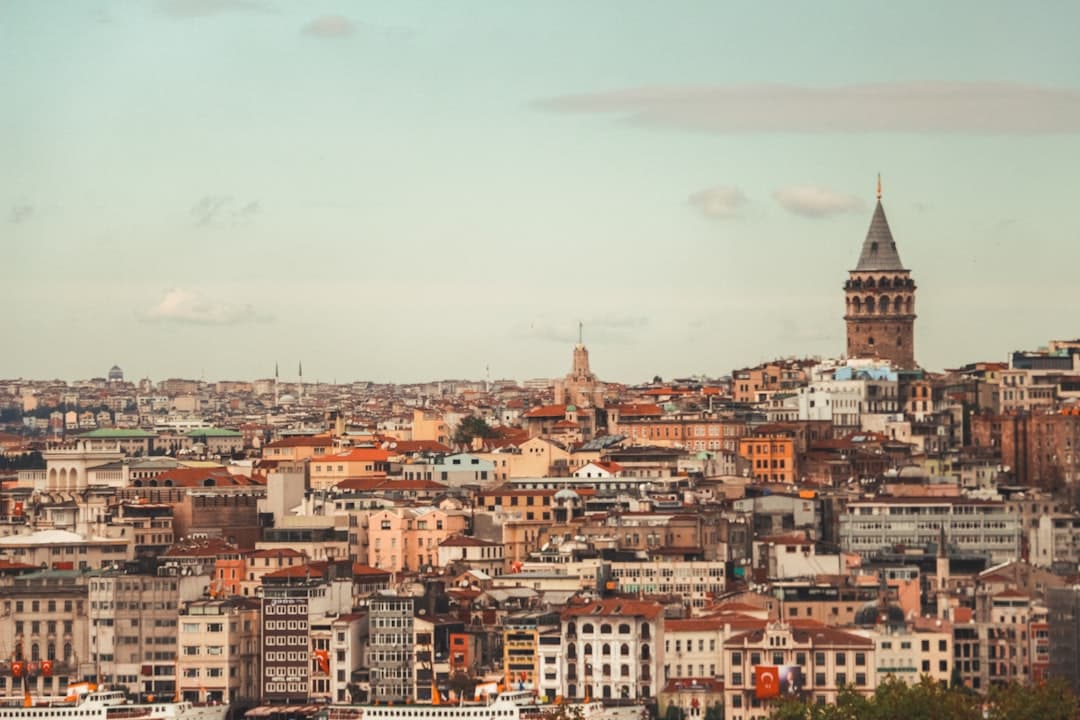
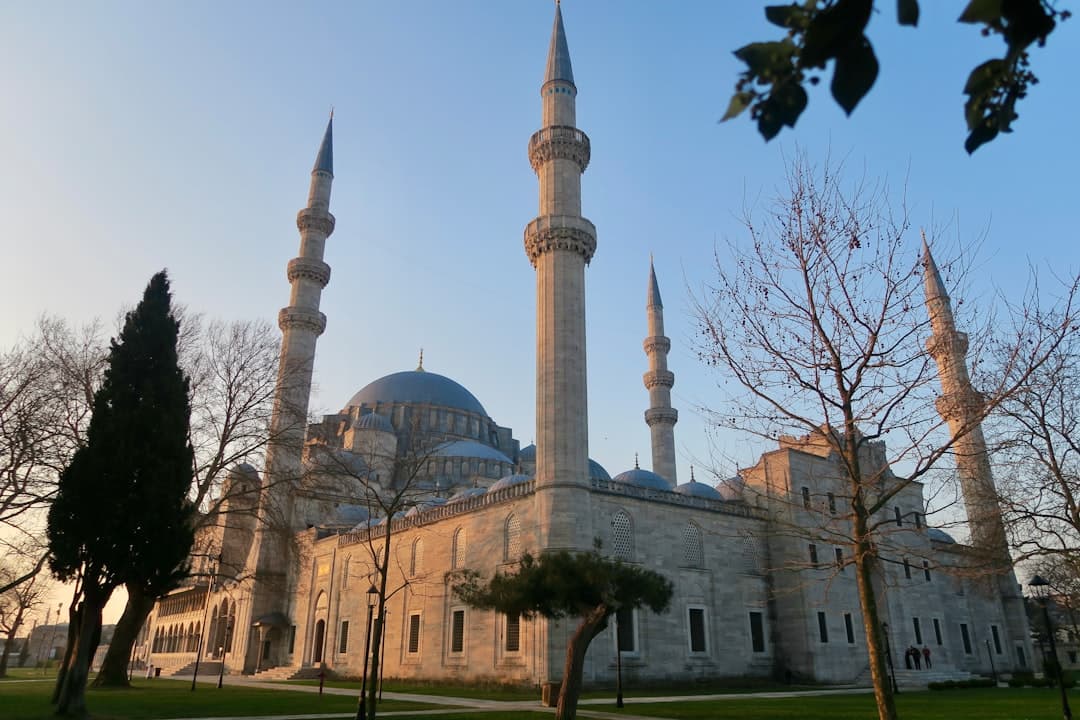
Built between 1550 and 1557 for Sultan Süleyman the Magnificent, the Süleymaniye Mosque is the largest Ottoman mosque in Istanbul and one of the greatest works of the imperial architect Mimar Sinan. It crowns the Third Hill of the old city in the Fatih district, visible from across the Bosphorus and the Golden Horn. This is not a tourist attraction that happens to be a mosque — it is a living, working house of worship that has served Istanbul's Muslim community for nearly five centuries, and that context shapes everything about visiting it.
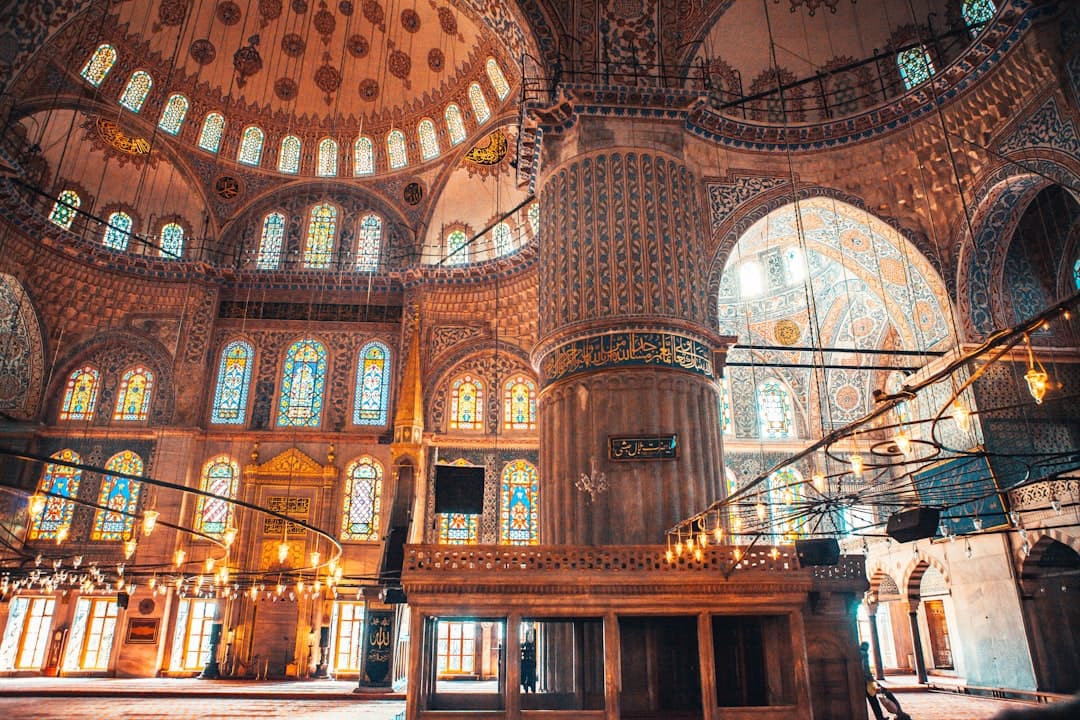
Step inside and the scale of the interior hits you immediately: a single soaring dome 53 metres high, flanked by two semi-domes, floods the space with light from 138 windows. Unlike the Blue Mosque across town, the decorative restraint here is part of the genius — the stained glass (designed by a craftsman known as Sarhoş Ibrahim, "Ibrahim the Drunkard") casts coloured light across pale stone, and the original Iznik tiles in the mihrab niche are some of the finest surviving examples of 16th-century ceramic work. The courtyard, lined with columns of porphyry and marble, offers a sweeping view over the Golden Horn and is one of the genuinely great urban panoramas in Europe or Asia. In the walled garden to the rear, the türbes (mausoleums) of Süleyman and his wife Hürrem Sultan are open to visitors.
The mosque complex is free to enter, and it draws far fewer crowds than the Blue Mosque or Hagia Sophia, which makes the experience substantially calmer and more rewarding. Prayer times mean the interior closes to non-worshippers for roughly 30 minutes five times a day — Friday midday prayers draw a large congregation and the mosque may be closed longer. The surrounding Süleymaniye neighbourhood itself is worth the visit: the old medrese buildings now house teahouses and small restaurants, and the streets tumbling down toward the Golden Horn are lined with booksellers, spice shops, and working-class Istanbul life largely untouched by tourism.