Balat
Istanbul / Balat

Balat

A crumbling, colorful Ottoman neighborhood where Istanbul's layers are still visible.

🏛️ Sights & Landmarks🎭 Arts & Entertainment🏘️ Neighborhoods
🧗 Adventurous🎭 Cultural🗺 Off the beaten path

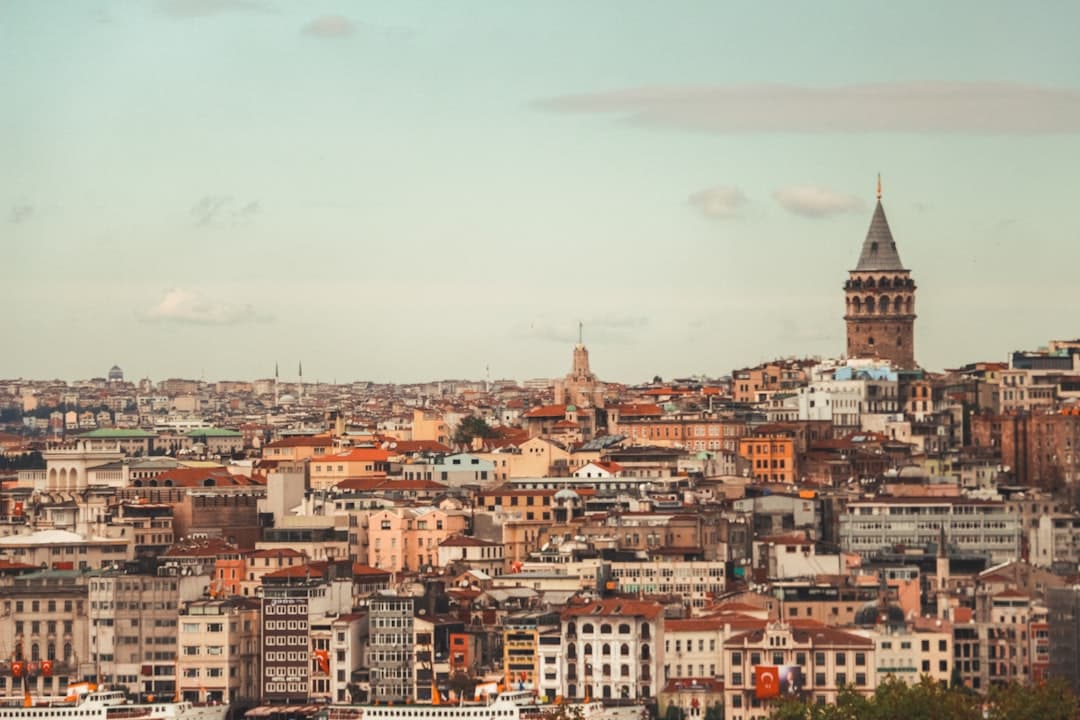
Balat is one of Istanbul's oldest and most atmospheric neighborhoods, tucked along the European shore of the Golden Horn in the Fatih district. For centuries it was home to the city's Jewish community — Sephardic Jews expelled from Spain in 1492 found refuge here under Ottoman rule — and before that, to Greek and Armenian populations. That layered history is still written into the streets: you'll find a working synagogue, a Greek Orthodox church, an Armenian church, and mosques all within a few minutes' walk of each other. The neighborhood fell into neglect during much of the 20th century, which paradoxically preserved its Ottoman-era urban fabric — the cracked plaster, the timber-framed houses, the steep cobblestone lanes — from the redevelopment that erased so much of Istanbul elsewhere.

These days Balat has been rediscovered, especially by Istanbul's creative class and the cafe culture that follows. The main drag, Vodina Caddesi, is lined with colorful restored houses that have become a genuine Instagram landmark — tourists photograph the stacked facades of mustard yellow, terracotta, and dusty blue. But push one street back and the neighborhood is still very much itself: old men playing backgammon, women hanging laundry between windows, antique and junk dealers spilling their wares onto the pavement. The Ecumenical Patriarchate of Constantinople is nearby in the adjoining neighborhood of Fener, making the whole area a significant pilgrimage for Orthodox Christians. The Chora Church (Kariye Mosque), with its extraordinary Byzantine mosaics, is a short walk away.

The best way to see Balat is on foot, without a plan. Come on a weekday morning when the light hits the steep streets at a good angle and before the tour groups arrive. Have breakfast or a coffee at one of the small cafes that have opened in former workshops and ground-floor spaces. The neighborhood is genuinely compact — you can cover the core area in a couple of hours — but it rewards slow wandering. Combine it with a walk along the Golden Horn waterfront and a visit to Fener for a half-day that covers some of Istanbul's most undervisited and historically rich ground.
Local Tips

  1. 1

    The most-photographed street in Balat is Vodina Caddesi — for the classic shot of the stacked colorful houses, go early morning on a weekday before the tour groups arrive.

  2. 2

    Combine Balat with the neighboring district of Fener in one outing — the Ecumenical Patriarchate and the red-brick Fener Greek Boys' High School perched on the hill are both worth seeing.

  3. 3

    The antique and second-hand shops along and around Kürkçü Çeşme Sokak are legitimate hunting ground for Ottoman-era curiosities at prices far below the Grand Bazaar.

  4. 4

    If you want to visit the Ahrida Synagogue — the oldest surviving synagogue in Istanbul — you need to arrange access in advance through the Chief Rabbinate of Turkey, as it is not open for casual drop-ins.

When to Go

Best times
Spring (April–May)

Mild temperatures and soft light make this the ideal time for wandering the steep cobblestone streets. Crowds are manageable and the neighborhood is at its most photogenic.

Weekday mornings

The neighborhood is at its most alive and least touristy on weekday mornings — locals going about their day, better light for photography, and cafes that aren't yet crowded.

Winter (December–February)

Quiet and atmospheric with far fewer visitors, though some of the smaller cafes keep irregular hours. The damp cold can make the steep streets slippery.

Try to avoid
Summer weekends

The colorful houses on Vodina Caddesi attract significant tour group traffic on summer weekends, which can make the area feel congested and less authentic.

Why Visit

01

One of the few Istanbul neighborhoods where Ottoman-era street life and architecture survived largely intact — the visual texture here is unlike anything in the more developed parts of the city.

02

A genuinely multi-faith, multi-ethnic history packed into a small area: Sephardic Jewish heritage, Greek Orthodox landmarks, and Armenian churches all within walking distance of each other.

03

The cafe and creative scene has arrived without fully overwhelming the neighborhood's soul — you can have a great coffee and still feel like you're somewhere real.