Bosphorus Cruise
Two continents, one waterway, and 2,500 years of history sliding past.
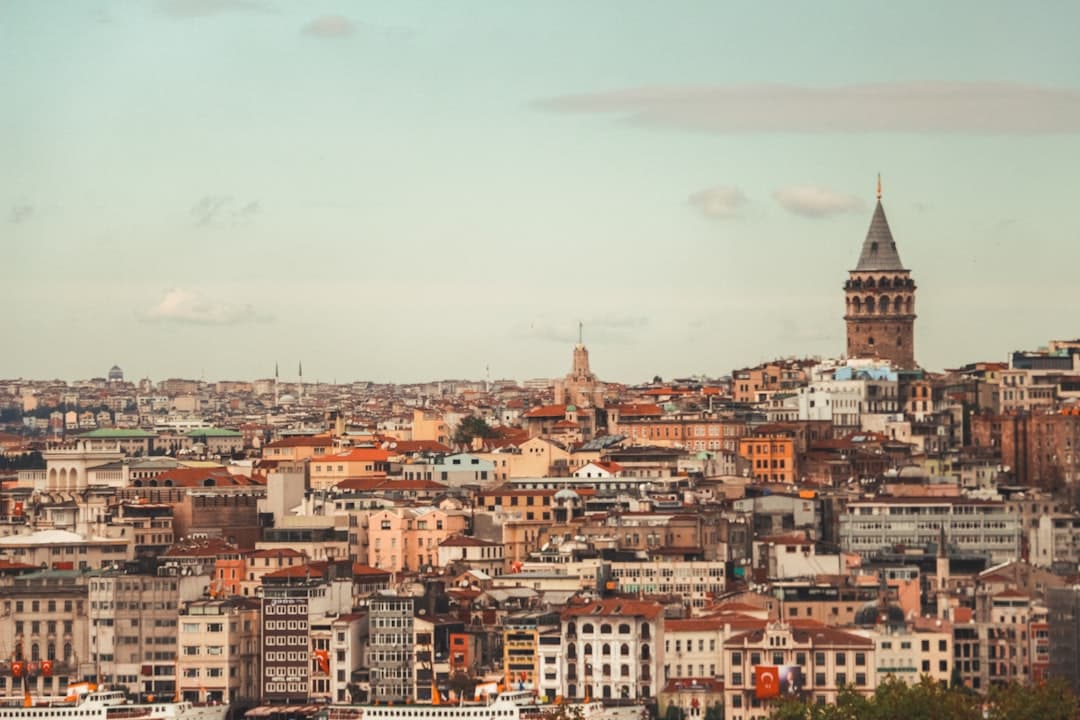
The Bosphorus is the narrow strait that splits Istanbul — and technically the entire world — into Europe and Asia. It's one of the most strategically important waterways on the planet, connecting the Black Sea to the Sea of Marmara, and for millennia it determined who controlled trade between east and west. A cruise along it is the single best way to understand Istanbul's geography, scale, and layered history all at once, because the city doesn't reveal itself from its streets the way it does from the water.
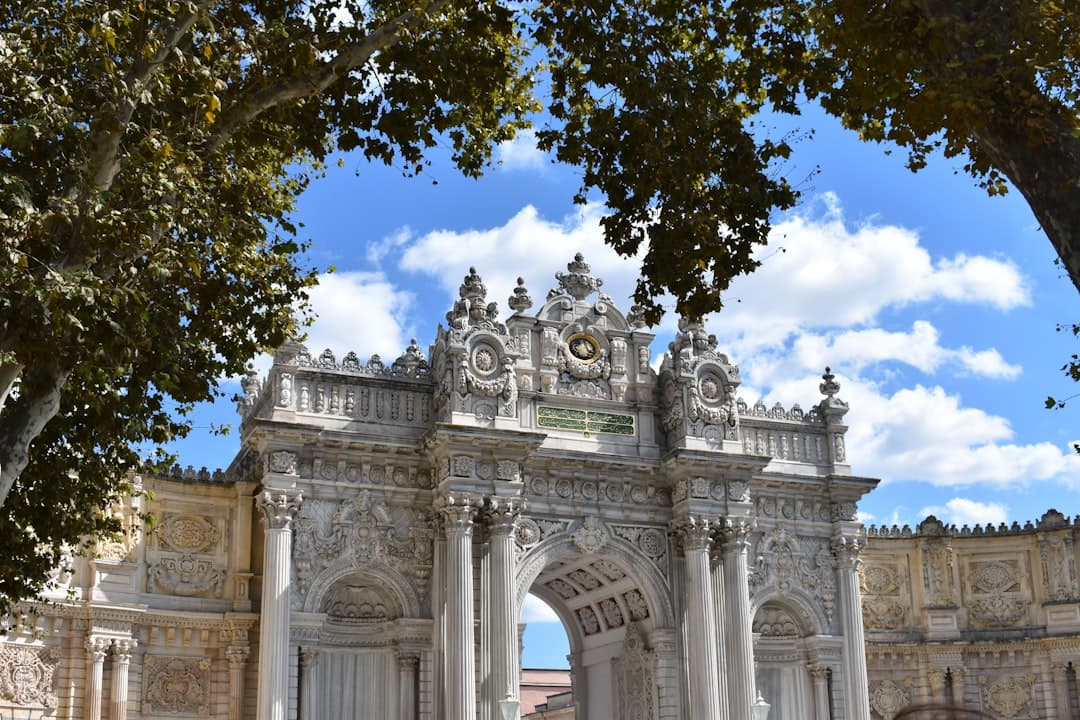
On a typical cruise, you drift past a jaw-dropping sequence of landmarks: the Topkapi Palace grounds tumbling toward the shore, the elegant 19th-century Dolmabahçe Palace with its 600-meter waterfront façade, the two great Ottoman suspension bridges linking continents, and a string of yalıs — the grand timber waterfront mansions that were once the summer retreats of the Ottoman elite. Fortresses appear on both banks: Rumeli Hisarı on the European side and Anadolu Hisarı on the Asian side, built by Mehmed II in 1452 to choke off Byzantine supply lines before the final conquest of Constantinople. Fishing villages give way to gleaming neighborhoods and back again. The Asian shore feels noticeably calmer and greener than the European side.
Cruises run in several formats: the official Şehir Hatları public ferry does a long round-trip up to Anadolu Kavağı village at the mouth of the Black Sea — affordable, slow, and beloved by locals — while countless private operators run shorter 1.5-to-2-hour loops from Eminönü and Karaköy. The public ferry is the insider choice if you have time; it stops at multiple villages, lets you disembark for lunch, and costs a fraction of the tourist boats. Sunset and evening cruises are widely available and genuinely romantic, but the daytime light is better for seeing the landmarks clearly.