Dolmabahçe Palace
The Ottoman Empire's last great palace, built to impress — and it still does.
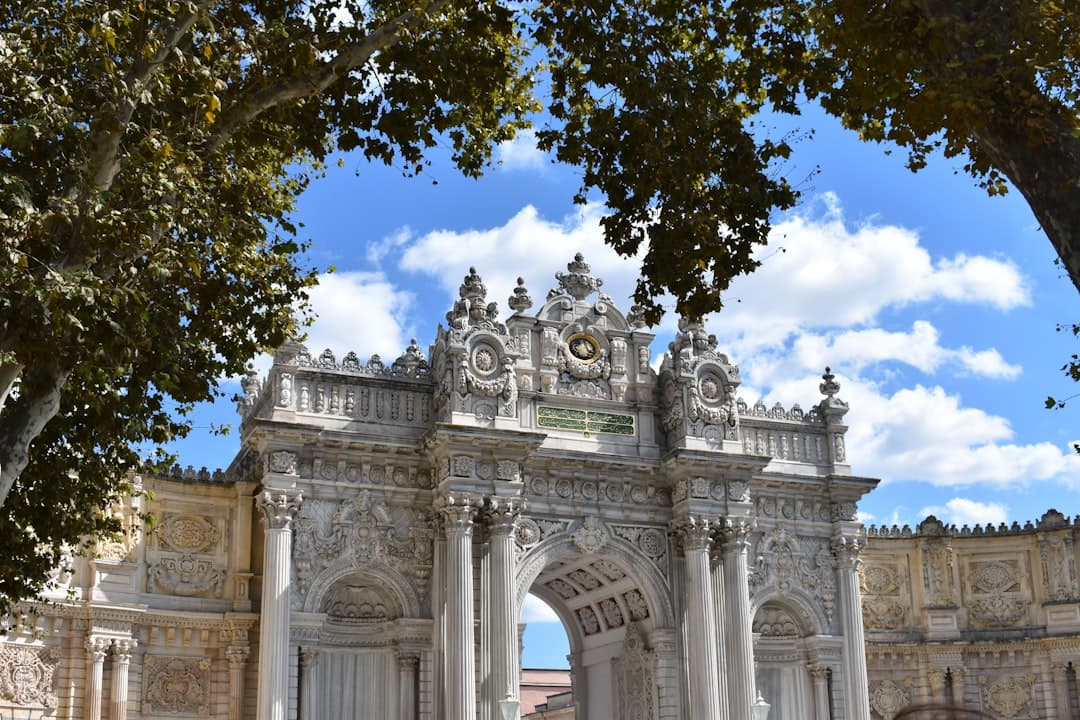
Dolmabahçe Palace sits on the European shore of the Bosphorus in Beşiktaş and was completed in 1856 under Sultan Abdülmecid I. It replaced Topkapı as the primary residence of the Ottoman sultans and was designed to signal that the empire was modernizing — a deliberate show of European grandeur built at enormous expense. The palace blends Baroque, Rococo, and Neoclassical architecture into something that reads as unmistakably Ottoman despite every Western influence, and its 600-meter waterfront facade remains one of the most dramatic views on the Bosphorus. It also holds a deeply significant place in modern Turkish history: Mustafa Kemal Atatürk, the founder of the Turkish Republic, died here on November 10, 1938, and the clocks in the palace are stopped at 9:05 AM — the exact moment of his death.
Visitors tour the palace in two sections: the Selamlık (ceremonial and state rooms) and the Harem (private quarters). The Selamlık is the showstopper — the Ceremonial Hall at its center contains a crystal chandelier weighing 4.5 tonnes, a gift from Queen Victoria, and a staircase with crystal banisters. The rooms pile on Bohemian crystal, Hereke silk carpets, gilded ceilings, and European oil paintings in a way that's genuinely overwhelming. The Harem section, once home to the sultan's family and household, is more intimate but still lavishly decorated. Atatürk's bedroom, where the clocks are stopped, is a sobering and moving counterpoint to all the gilded excess around it.
Tours are guided and mandatory — you cannot wander freely — and the groups move at a reasonable pace. Selamlık and Harem tickets are sold separately, and doing both is strongly recommended. The palace is closed on Mondays and some national holidays. Arrive early, especially in summer, as this is one of Istanbul's most popular paid attractions and queues can build quickly by mid-morning. The gardens facing the Bosphorus are included in the entry and worth a slow walk afterward.