Blue Mosque
Istanbul / Blue Mosque

Blue Mosque

Six minarets and twenty million mosaic tiles inside Istanbul's most iconic skyline fixture.

🏛️ Sights & Landmarks🎭 Arts & Entertainment
👨‍👩‍👧 Family-friendly🎭 Cultural🌹 Romantic

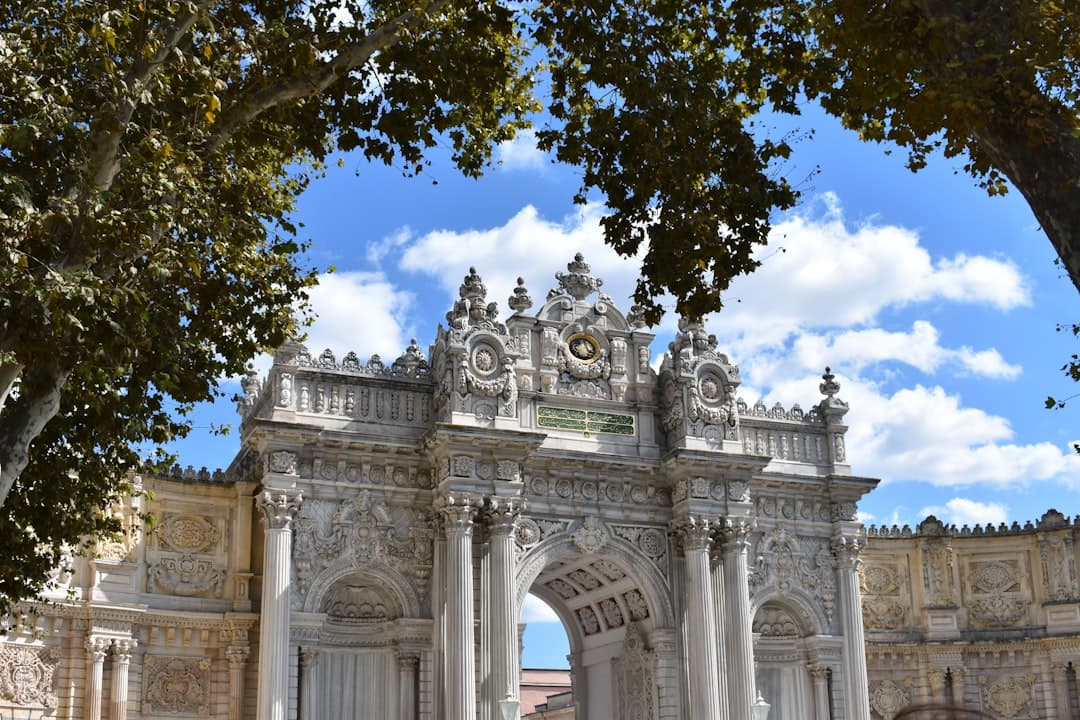
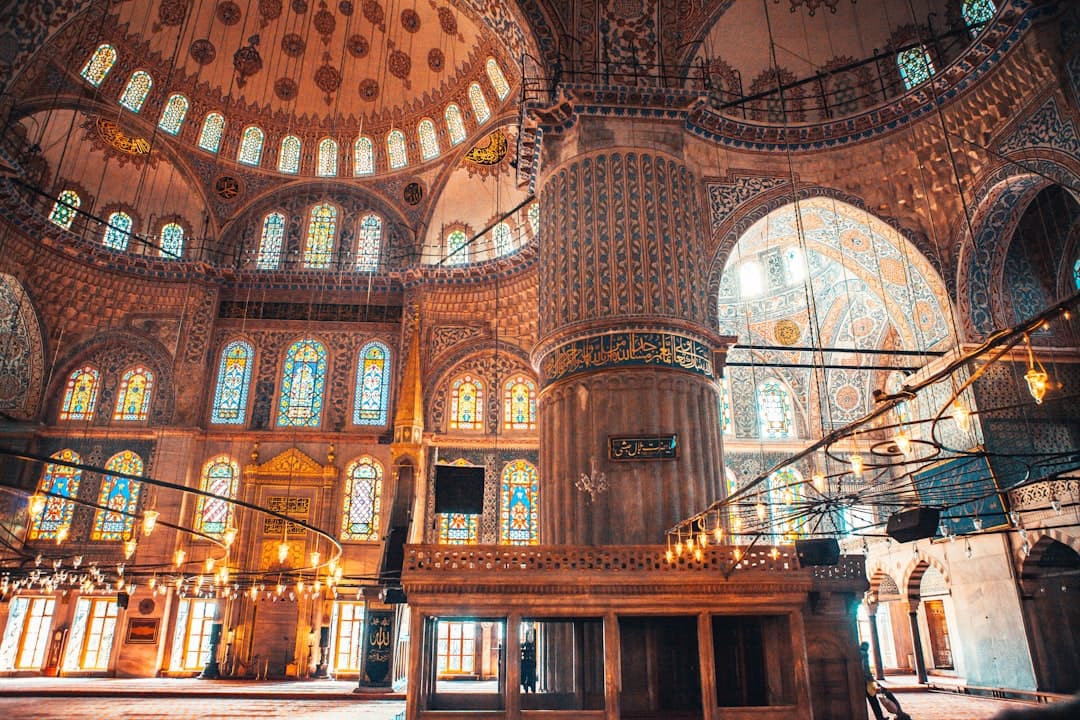
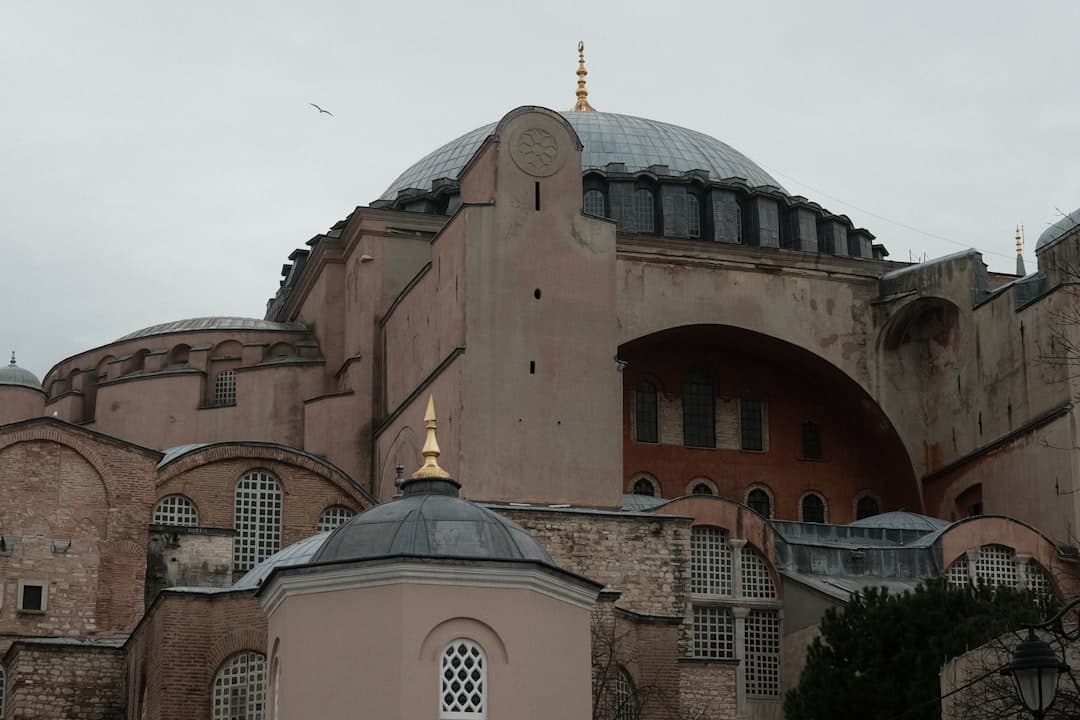
The Sultan Ahmed Mosque — universally known as the Blue Mosque — was built between 1609 and 1616 under Sultan Ahmed I, and it remains one of the great architectural achievements of the Ottoman Empire. It sits in the Sultanahmet district facing the Hagia Sophia across a broad plaza, and together the two buildings define Istanbul's famous silhouette. The mosque earned its popular nickname from the roughly 20,000 hand-painted Iznik tiles lining its interior walls and ceiling in cascading shades of blue, turquoise, and white — a decorative scheme unlike anything else in the world. It also caused controversy at the time of its construction for having six minarets, a number previously reserved for the mosque in Mecca.

Visiting means crossing into a working, active place of worship — not a museum. You remove your shoes at the entrance, and non-Muslim visitors are directed through a separate side entrance. Inside, the central dome soars 43 metres overhead, supported by four massive fluted columns (the original design calls them elephant feet) and ringed by smaller semi-domes that cascade downward. The Iznik tiles are most striking at eye level and above, where the natural light from 260 windows filters through and shifts the colour of the interior throughout the day. Prayers happen five times daily, and the mosque closes to tourists for roughly 90 minutes around each prayer — something many visitors fail to account for.

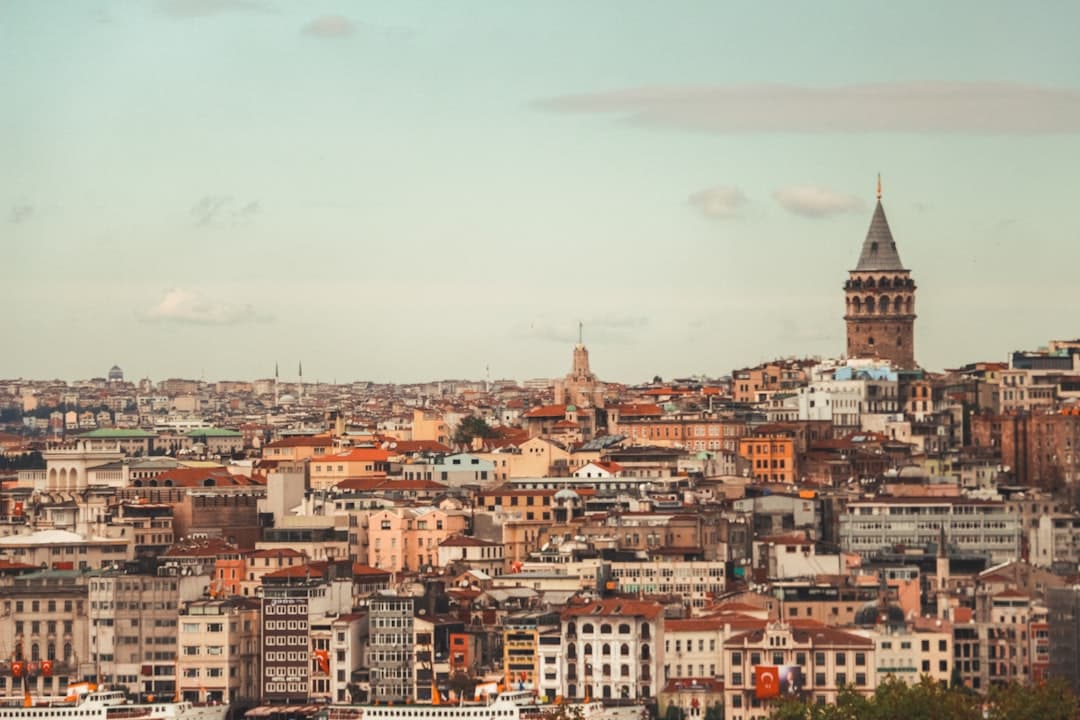
The mosque is free to enter, which means crowds can be intense, particularly in summer. The courtyard itself — a colonnaded marble space with a central ablutions fountain — is worth taking time in even before you step inside. Go first thing in the morning or in the early evening for the most atmospheric light and the thinnest crowds. The neighbourhood around it, Sultanahmet, is heavily touristic but there are still good lokanta-style lunch spots a few streets back from the main plaza.
Local Tips

  1. 1

    The mosque closes to tourists around each of the five daily prayers — the exact times shift seasonally. Check the day's prayer schedule before you arrive or you risk a wasted trip. Many visitor review complaints trace back to this.

  2. 2

    The side entrance for non-Muslim visitors (on the south side) sometimes has a shorter queue than it appears. Don't be put off by the line — it often moves faster than expected.

  3. 3

    Sit down inside once you're through the entrance. Many visitors rush through. The tiling, the light, and the acoustics reward stillness. Find a spot near the perimeter and just look up.

  4. 4

    The Hippodrome plaza directly in front of the mosque — At Meydanı — contains the ancient Serpent Column, the Obelisk of Theodosius, and the Column of Constantine. It's free to walk through and most visitors blow past it entirely.

When to Go

Best times
Early morning year-round

The mosque opens after morning prayers, and arriving early means thinner crowds, softer light through the 260 windows, and a calmer atmosphere before tour groups descend.

Ramadan evenings

The mosque and surrounding plaza take on a genuinely special atmosphere during Ramadan, with additional lighting and a sense of community entirely different from the tourist experience.

Try to avoid
July–August

Peak summer brings enormous queues and intense heat in the courtyard. The interior can feel overwhelming with crowds. The mosque experience is significantly better outside these months.

Prayer times (five times daily)

The mosque closes to non-Muslim visitors for approximately 60 to 90 minutes around each prayer. Midday Friday prayer involves the longest closure. Check times before you go or you'll arrive at a locked entrance.

Why Visit

01

The interior tilework — 20,000 hand-painted Iznik tiles in blues and turquoises — is one of the most visually stunning spaces in any religious building anywhere in the world.

02

It's a functioning mosque, not a monument, so the experience carries a weight and atmosphere that a typical tourist attraction simply can't replicate.

03

The six-minaret silhouette seen from across the Bosphorus or from the Hippodrome plaza is the image that defines Istanbul — visiting puts you at the centre of that view.