Basilica Cistern
Istanbul / Basilica Cistern

Basilica Cistern

A drowned palace of columns lurking beneath Istanbul's oldest streets.

🏛️ Sights & Landmarks🎭 Arts & Entertainment
🎭 Cultural🌹 Romantic🗺 Off the beaten path

Beneath the bustling Sultanahmet district, the Basilica Cistern is a vast underground water reservoir built by the Byzantine Emperor Justinian I in 532 AD. It held up to 80,000 cubic metres of water for the Great Palace of Constantinople and the wider city — an engineering feat that kept one of the ancient world's greatest cities alive. For centuries after the Ottoman conquest it was largely forgotten, rediscovered only when a scholar noticed locals pulling up fish and water through holes in their floorboards. Today it's one of Istanbul's most atmospheric and genuinely unmissable sites.

Descending the stone steps, you enter a cathedral-like space supported by 336 marble columns arranged in 12 rows — many of them salvaged from older Roman structures across the empire. The lighting is dim and amber-tinged, the shallow water still covers the floor, and the sound of slow-dripping water echoes everywhere. At the far end, two column bases rest on upturned Medusa heads — one sideways, one upside down — whose origins and purpose remain a subject of scholarly debate and endless tourist fascination. The cistern was renovated and partially reimagined in recent years, and now includes some theatrical light and sound installations alongside the ancient structure itself.

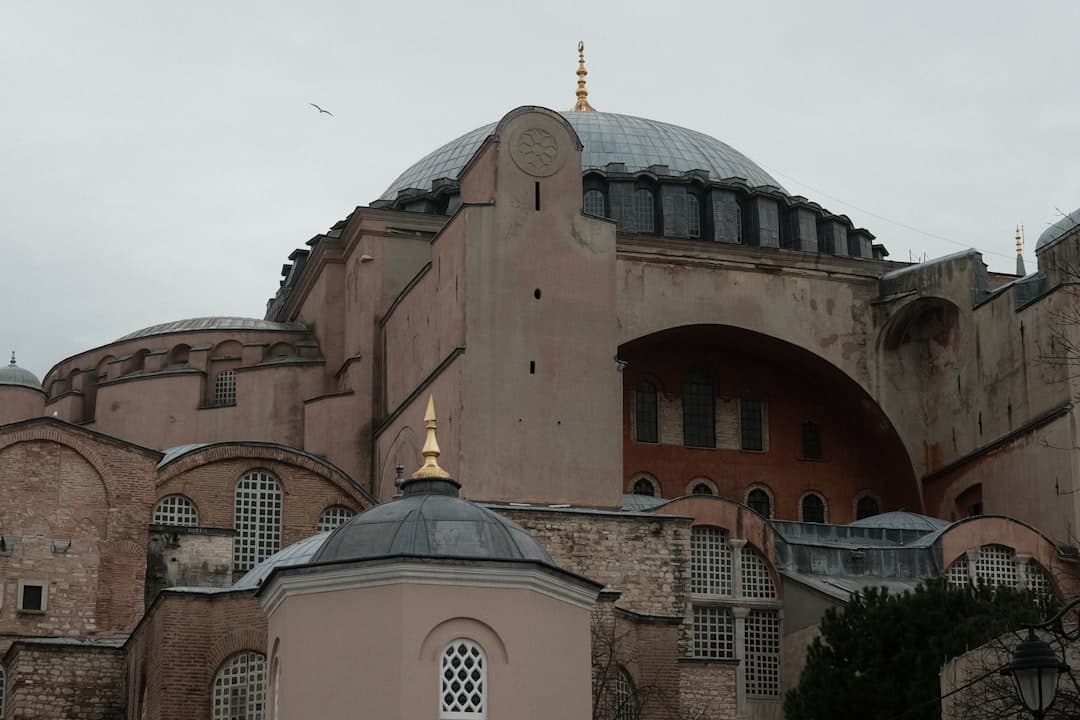
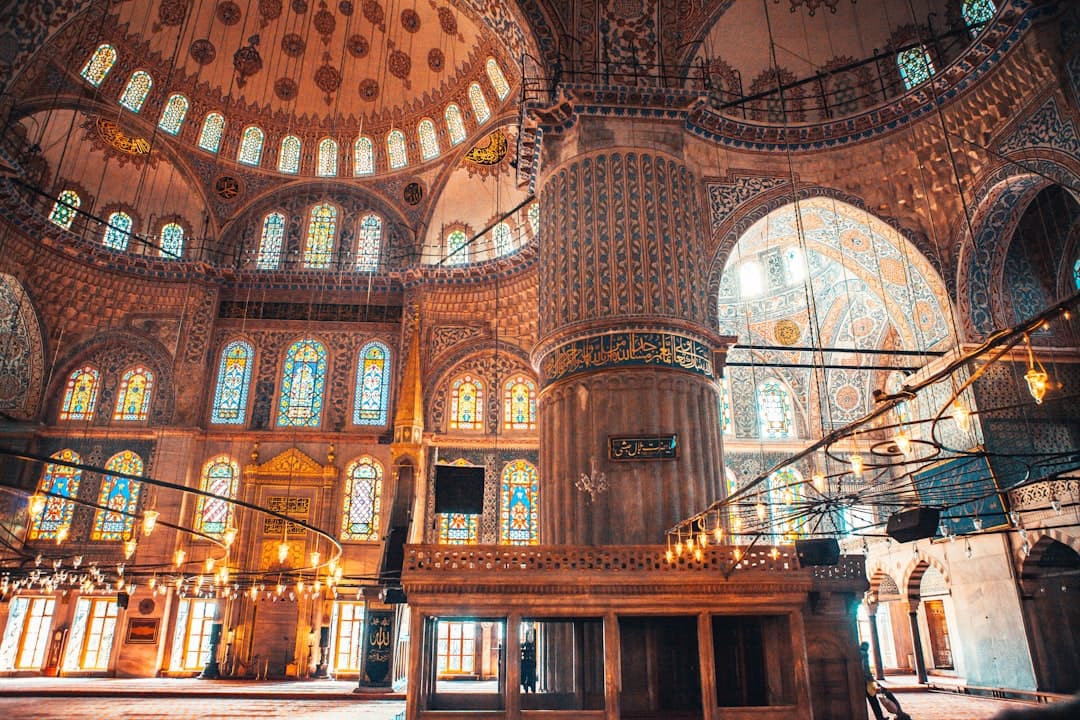
The evening sessions (roughly 7:30–10pm) are worth seeking out if you're in Istanbul mid-week — the crowds thin, the lighting feels more dramatic, and the whole place takes on an almost cinematic quality. Come early in the morning if you want a quieter daytime visit; late morning through mid-afternoon is peak tourist traffic. The cistern is right next to the Hagia Sophia and just a short walk from the Blue Mosque, so it fits naturally into a Sultanahmet day — but don't treat it as a quick box-tick. It rewards slow exploration.
Local Tips

  1. 1

    The Istanbul Museum Pass covers entry to the Basilica Cistern along with dozens of other major sites including Topkapi Palace — if you're spending more than two or three days in the city, it pays for itself quickly.

  2. 2

    The Medusa heads are at the far northwestern end of the cistern. Most visitors walk in and turn around before reaching them — keep going to the back.

  3. 3

    The floor is slightly damp and the stone steps at the entrance can be slippery. Flat, closed-toe shoes are a sensible call.

  4. 4

    A small café operates inside the cistern near the entrance. It's atmospheric but overpriced — get your coffee on Yerebatan Caddesi before you go in.

When to Go

Best times
July–August

Summer brings peak tourist crowds to Sultanahmet; the cistern gets noticeably busier mid-morning through afternoon. Book tickets in advance and go at opening or during the evening session.

Evening sessions (7:30–10pm)

The cistern runs evening opening hours daily. These sessions are quieter, the lighting feels more moody, and the experience is generally more memorable than a daytime visit during busy periods.

Try to avoid
Late morning to mid-afternoon

This window coincides with the peak flow of Sultanahmet tour groups. The space is enclosed and the crowd effect is significant — worth avoiding if you can be flexible.

Why Visit

01

Two giant Medusa heads used as ancient column bases sit in the far corner — no one fully agrees on why they're positioned upside down and sideways, and that mystery is half the appeal.

02

It's one of the few places in Istanbul where you can physically stand inside a surviving Byzantine structure and feel the scale of the empire that built this city.

03

The atmosphere is genuinely unlike anything above ground — cool, dark, echoing, and theatrical in a way that no photograph quite captures.