
Tegallalang Rice Terrace
Bali / Tegallalang Rice Terrace

Tegallalang Rice Terrace

Bali's most iconic terraced rice fields, carved into a steep river valley.

🏛️ Sights & Landmarks🌿 Nature & Outdoors🎯 Activities & Experiences
🌿 Relaxing🎭 Cultural🌹 Romantic

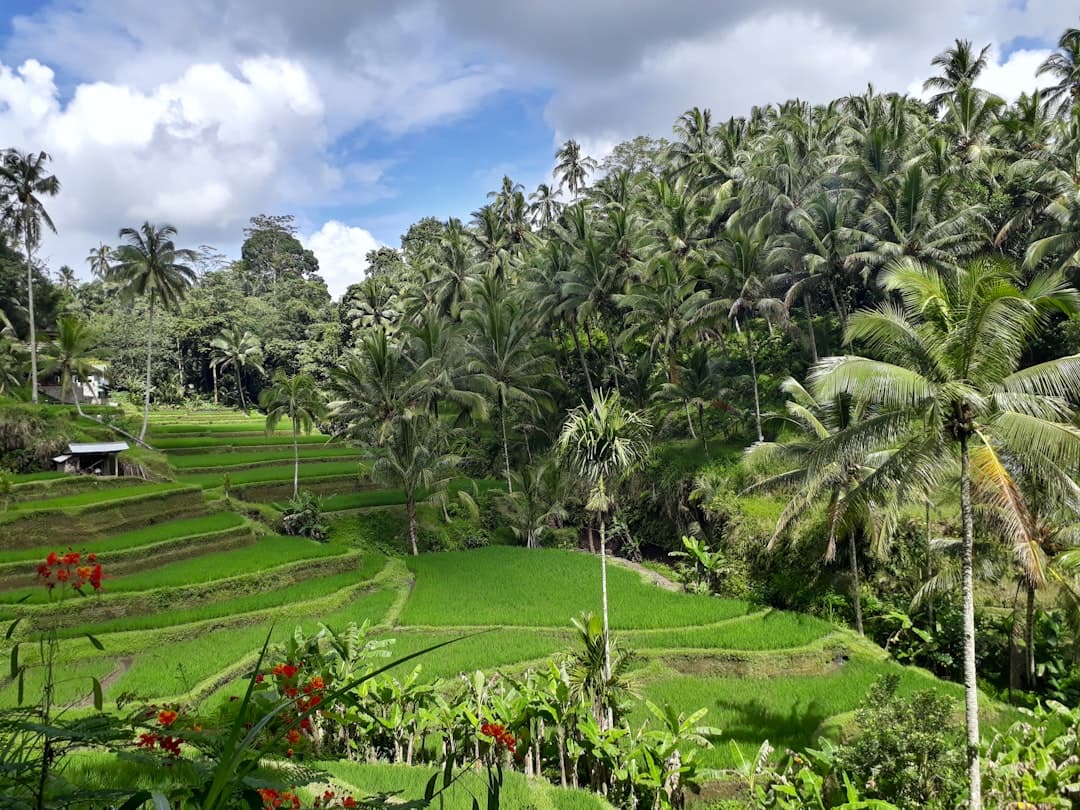
Tegallalang Rice Terrace is one of Bali's most photographed landscapes — a sweeping cascade of emerald-green rice paddies cut into the hillside above the Pakerisan River valley, about 10 kilometres north of Ubud. The terraces are a living example of the ancient Balinese subak irrigation system, a UNESCO-recognised cooperative water management tradition that has shaped the island's agriculture for over a thousand years. This isn't a theme park or a reconstruction — farmers still work these fields, and the terraces change colour and texture throughout the growing cycle.

Visiting means descending into the valley along narrow footpaths that wind between the paddies, past coconut palms and banana trees, with the sound of water flowing through bamboo channels at every turn. There are swing platforms, bamboo bridges, and cafes perched on the ridge that have become social media staples — expect to pay a small fee (usually around 15,000–50,000 IDR depending on the activity) for access to the swings or photo spots. The light in the early morning is extraordinary, with mist sitting in the valley and the fields glowing against a deep green hillside.

The main road along the ridge (Jalan Raya Tegallalang) is now densely lined with cafes, souvenir stalls, and activity operators, which means the experience can feel busy and commercialised — particularly at midday. But step down into the terraces themselves and it quiets down considerably. Go early, around 8am, to beat the tour buses and catch the best light. Most visitors come as part of a day trip from Ubud, but Tegallalang is easy enough to visit independently by scooter.
Local Tips

  1. 1

    Arrive by 8am if you can — the difference in crowd levels between 8am and 10am is dramatic, and the morning light on the paddies is genuinely stunning.

  2. 2

    Small entry fees are collected by local farmers and community groups at various points in the terraces — have small bills (IDR 10,000–50,000) ready, and expect to pay at multiple points rather than one central gate.

  3. 3

    The cafes and swing platforms on the ridge vary significantly in quality and price. Kopi Tegallalang and similar spots with valley-facing decks are worth a coffee stop for the view alone — check what's included before sitting down.

  4. 4

    If you're on a scooter, parking is available along the ridge road for a small fee. Coming from Ubud, the road north through Ceking is a beautiful ride in itself and worth taking slowly.

When to Go

Best times
April–October (dry season)

Paths through the terraces are dry and walkable, and the paddies are often lush and green. Best overall conditions for visiting.

8:00–9:00 AM daily

The best time of day — soft light, far fewer visitors, and the valley mist is still lingering in the lower paddies.

Try to avoid
November–March (wet season)

Heavy afternoon rain is common and the paths can become slippery and muddy. Morning visits are still feasible but come prepared.

10:00 AM–2:00 PM daily

Peak tourist hours when tour buses from Ubud and Seminyak arrive in numbers. The ridge road becomes congested and the terraces crowded.

Why Visit

01

The terraced landscape is genuinely spectacular — stepped paddies descending into a lush valley in a way that feels almost too beautiful to be real.

02

The subak irrigation system underpinning these fields is UNESCO-listed, giving the scenery real cultural and historical depth beyond just a pretty view.

03

Early morning visits reveal a quieter, mistier version of the terraces before the crowds arrive — a completely different and far more atmospheric experience.