São Jorge Castle
Lisbon / São Jorge Castle

São Jorge Castle

A Moorish hilltop fortress with sweeping views over all of Lisbon.

🏛️ Sights & Landmarks🎯 Activities & Experiences🎭 Arts & Entertainment
👨‍👩‍👧 Family-friendly🎭 Cultural🌹 Romantic

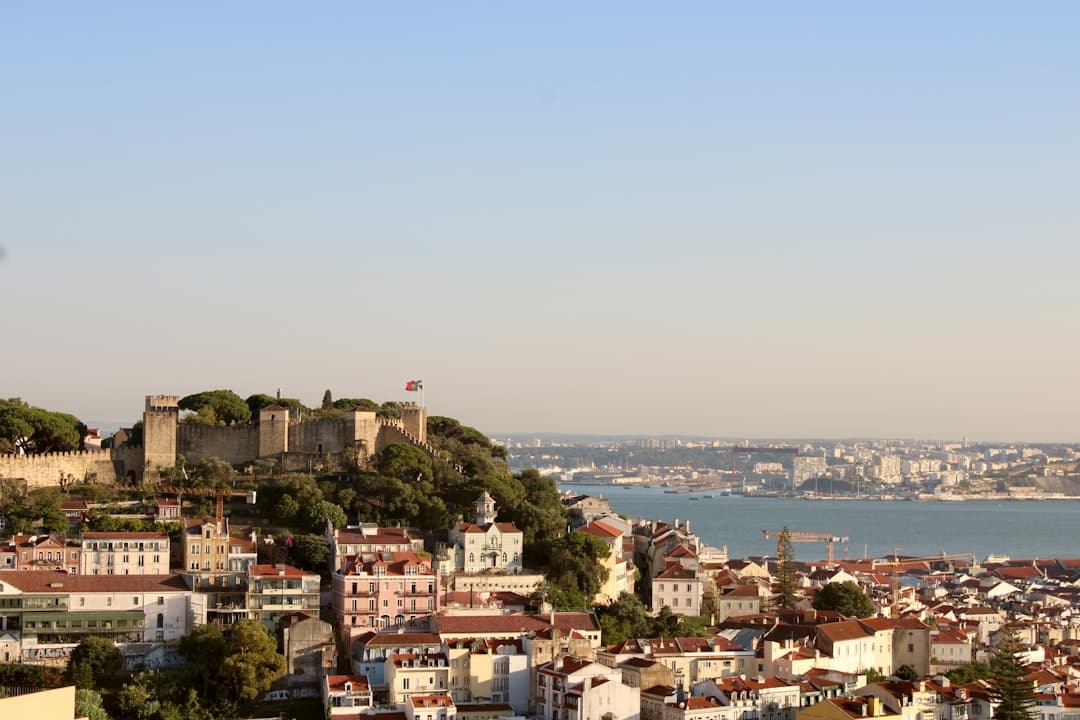
Sitting on the highest hill in Lisbon's oldest quarter, São Jorge Castle has watched over the city for more than a thousand years. Originally built by the Moors in the 11th century and later expanded by Portugal's first king, Afonso Henriques, after he captured it in 1147, the castle is one of the most important medieval monuments on the Iberian Peninsula. It sat at the heart of royal life for two centuries before the court moved down the hill to the Tagus waterfront, and today it remains the single most iconic landmark on Lisbon's skyline — those battlements are what you're looking at in every wide-angle photograph of the city.

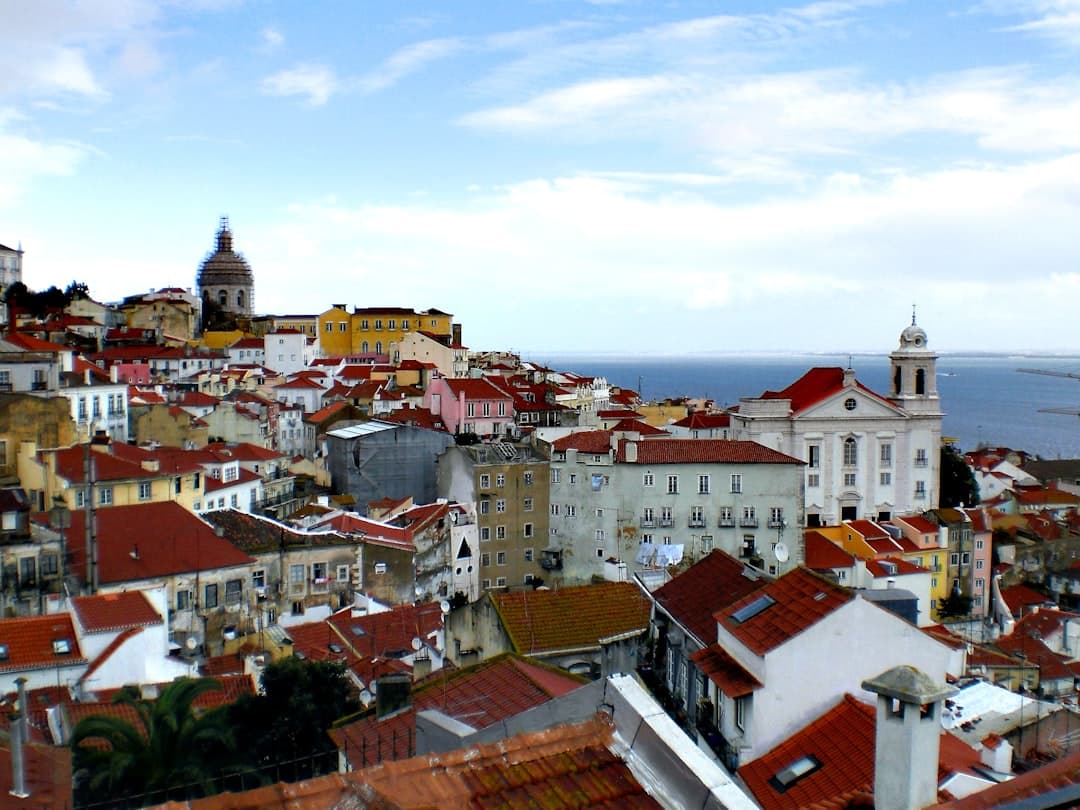
Inside the walls, there's more to explore than the views alone suggest. The castle grounds contain eleven towers you can climb, a ruined medieval palace, a small but genuinely interesting archaeological museum with finds from Phoenician, Roman, Moorish, and medieval layers — a reminder that this hill has been occupied almost continuously for three millennia. Peacocks roam the olive and pine trees in the inner courtyard, which is one of those charming specific details that first-time visitors are always surprised by. The perimeter walkway along the ramparts is the real highlight: the panorama takes in the red-roofed Alfama below, the Tagus glittering in the distance, the 25 de Abril Bridge, and on clear days, the hills of Setúbal across the estuary.

The castle gets busy, especially on summer mornings when cruise passengers arrive in force. Your best move is to be at the gate when it opens at 9am, or to visit in the late afternoon when the crowds thin and the light turns golden over the city. The uphill walk through the Alfama's steep lanes is half the experience — follow the signs from the Miradouro das Portas do Sol and you'll arrive already in the right frame of mind. Tickets can be bought on-site, but booking online in advance during peak season saves you queue time at the entrance.
Local Tips

  1. 1

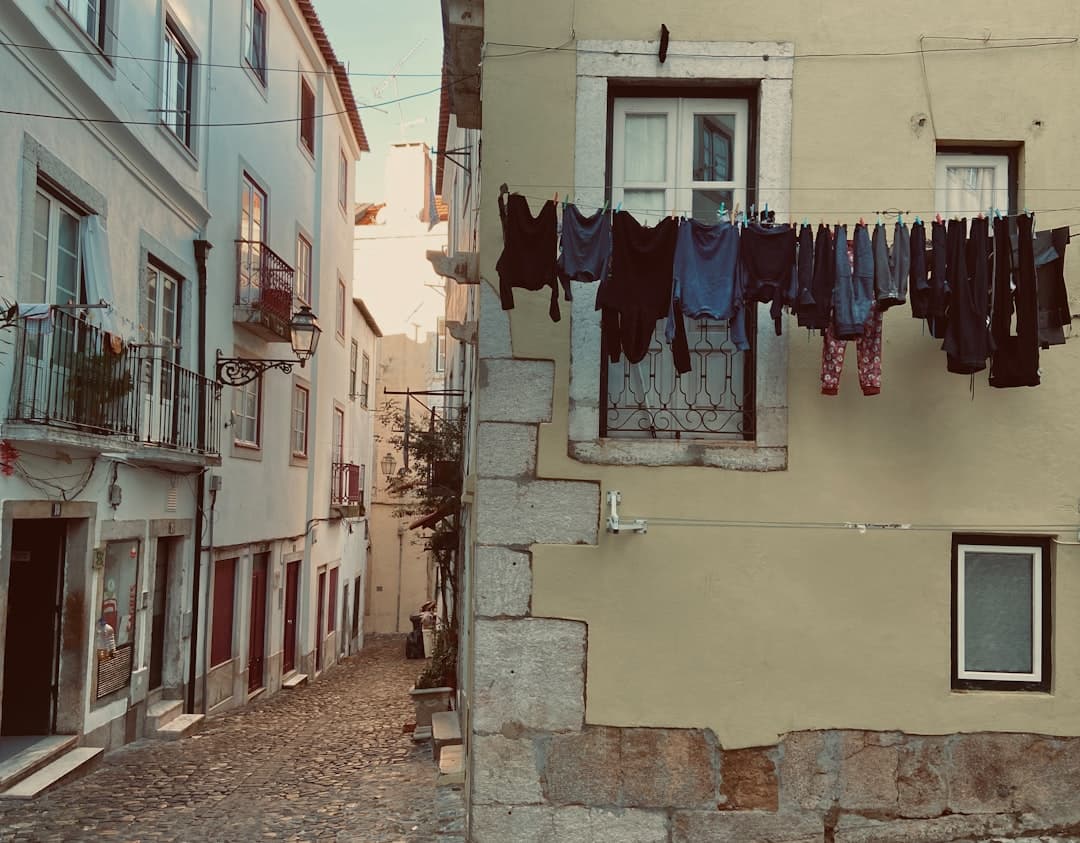
    Skip the tuk-tuks that tout aggressively at the bottom of the hill — the walk up through the Alfama lanes via Rua de Santa Cruz do Castelo is steep but genuinely enjoyable, and you'll pass some of the neighbourhood's best tiled facades.

  2. 2

    The archaeological museum inside the castle is underrated and often skipped — the Phoenician and Roman finds give the hill's 3,000-year history real context and it's included in your entrance ticket.

  3. 3

    There's a restaurant and café inside the grounds — convenient but overpriced. Have a coffee at one of the small cafés in the square just below the main gate before you go in.

  4. 4

    The peacocks in the inner courtyard are a real fixture, but they can be surprisingly bold around picnic food — keep snacks in your bag.

When to Go

Best times
Early morning (opening at 9am)

Arriving right at opening gives you the grounds almost to yourself and the best soft morning light for photography before the day heats up.

Late afternoon (from 5pm)

Crowds thin considerably and the golden-hour light over the Alfama rooftops and the Tagus is genuinely spectacular — the best time for views.

Spring (March–May)

Mild temperatures, green hillside vegetation, and manageable crowds make this the most comfortable season to visit.

Try to avoid
July–August

Peak cruise season floods the castle with large tour groups, especially between 10am and 2pm. Queues at the entrance can be significant and the ramparts get crowded.

Why Visit

01

The rampart walk gives you the best 360-degree panorama in Lisbon — the whole city, the Tagus estuary, and the bridge all at once.

02

The layered history here is extraordinary: archaeologists have found evidence of human settlement going back to the Iron Age, all stacked beneath one medieval fortress.

03

The grounds are surprisingly atmospheric — roaming peacocks, ancient olive trees, and ruined palace walls that most visitors don't linger in long enough.