Alfama
Lisbon's oldest neighborhood, where fado echoes through medieval lanes above the river.
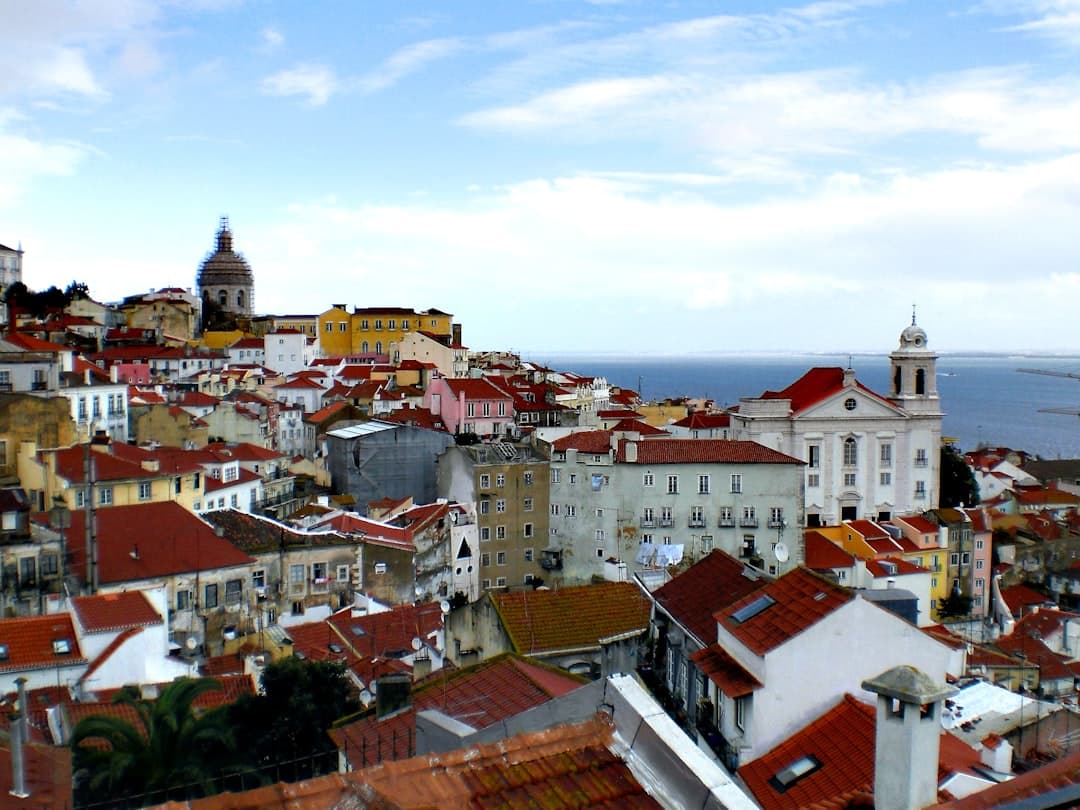
Alfama is the oldest surviving district in Lisbon, draped across the hillside below the city's ancient Moorish castle and tumbling down toward the Tagus River. It's one of the few areas that survived the catastrophic 1755 earthquake largely intact, which means its maze of narrow alleyways, whitewashed houses decorated with azulejo tile panels, and steep staircases still follow a layout that predates the modern city by centuries. This is where Lisbon's working-class soul has been most faithfully preserved — for better and for worse, since tourism has reshaped parts of it significantly — but it still delivers something genuinely irreplaceable: a sense of what Lisbon looked and felt like before the world noticed it.
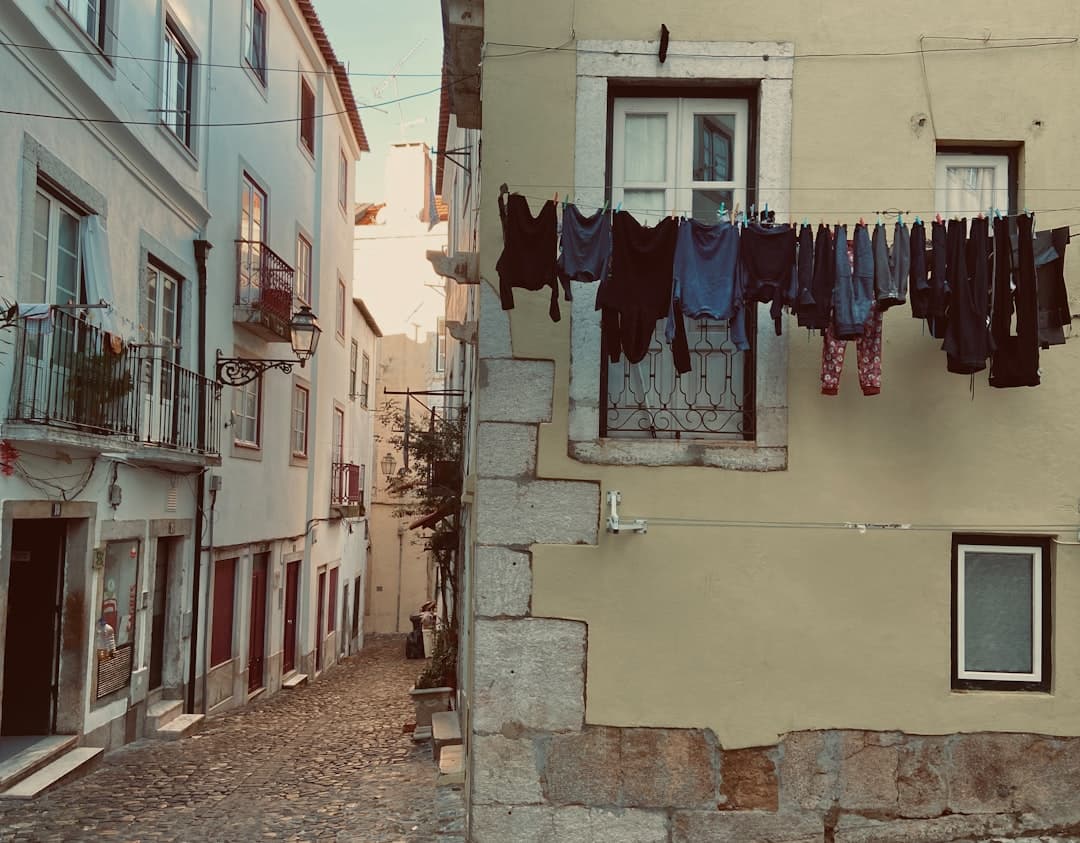
Walking Alfama is the main event. You climb past laundry strung between windows and cats sleeping on warm stone, past tiny tascas where you can eat grilled sardines for lunch, past elderly residents who have lived in the same building their entire lives. The Castelo de São Jorge anchors the top of the hill and offers sweeping views over the city and the river. Below it, the Miradouro das Portas do Sol and Miradouro de Santa Luzia are two of the city's most beloved viewpoints. The Igreja de São Vicente de Fora is worth a detour for its extraordinary tiled cloister. On Tuesday and Saturday mornings, the Feira da Ladra flea market spills across the Campo de Santa Clara, selling everything from old Portuguese coins to vintage furniture.
Alfama is also the spiritual home of fado — Portugal's melancholy, soulful musical tradition. Dozens of fado houses operate here, ranging from the frankly tourist-oriented to more authentic smaller venues. A few names with good reputations include Mesa de Frades, a former chapel that now hosts intimate performances, and Sr. Vinho on Rua do Meio à Lapa, though that's technically in Lapa. The key practical note: the neighborhood is genuinely steep and the cobblestones are uneven, often polished smooth by centuries of foot traffic and slippery when wet. Wear shoes you trust. Come on a weekday if you want to experience the neighborhood at a slower pace — weekends bring significant tourist foot traffic, especially around the viewpoints.