Bairro Alto
Lisbon / Bairro Alto

Bairro Alto

Lisbon's bohemian hilltop quarter where fado, wine bars, and late nights collide.

🎶 Nightlife🍽️ Food & Drink🎭 Arts & Entertainment🏘️ Neighborhoods
🍽 Foodie🎭 Cultural🌹 Romantic

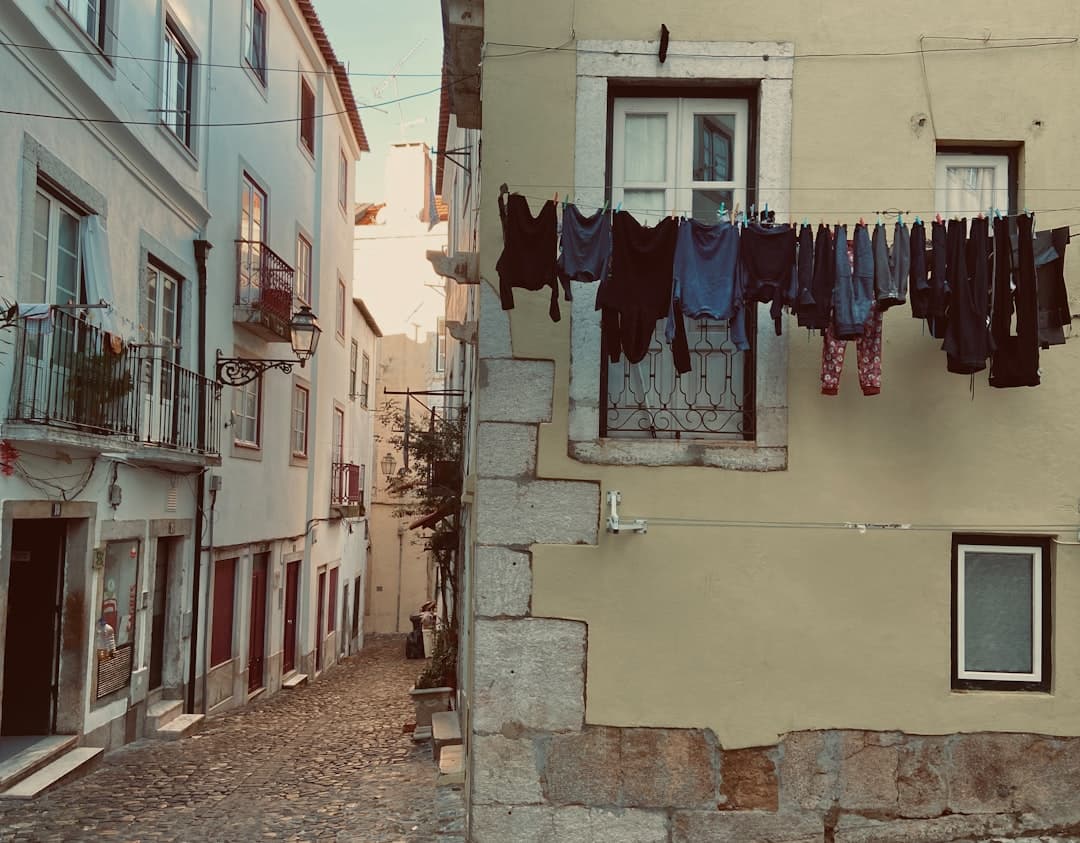
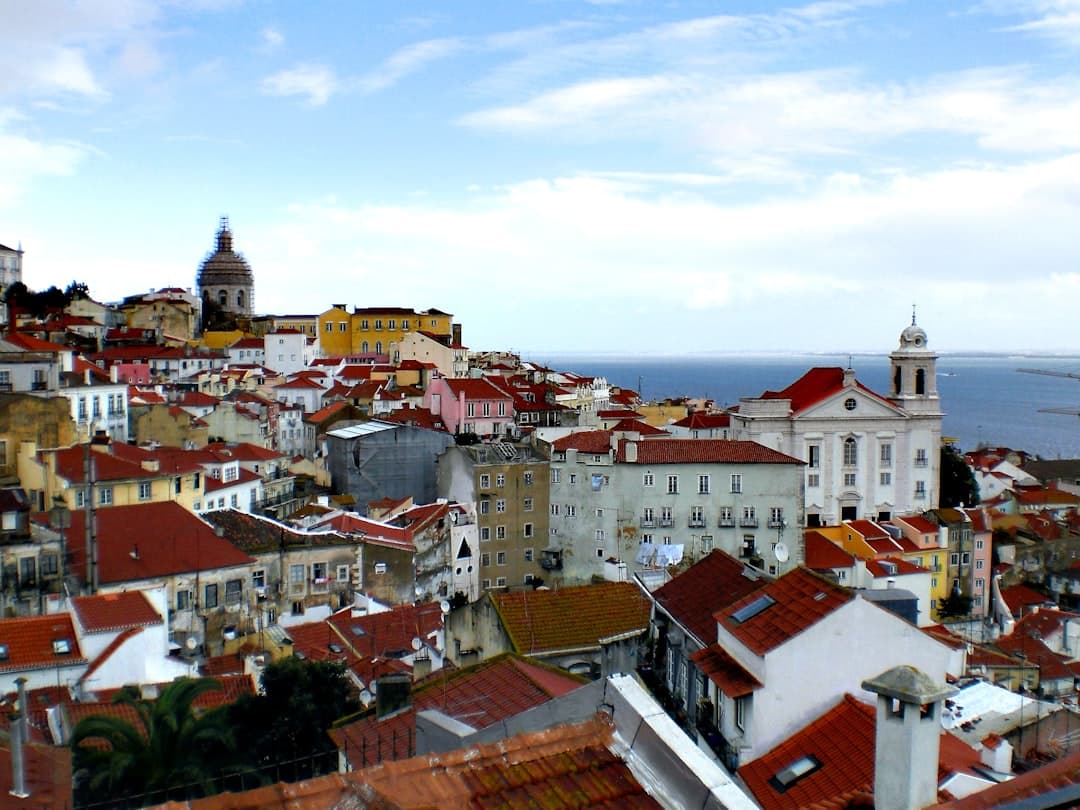
Bairro Alto — literally 'Upper Quarter' — is a dense grid of narrow streets perched on one of Lisbon's seven hills, just west of the city center. Built largely in the 16th century and long home to writers, artists, and political dissidents, it has always been a place where creativity and nightlife ran together. Today it's simultaneously one of Lisbon's most atmospheric neighborhoods and one of its most visited, beloved for a quality of streetlife that feels genuinely Portuguese rather than manufactured for tourists.

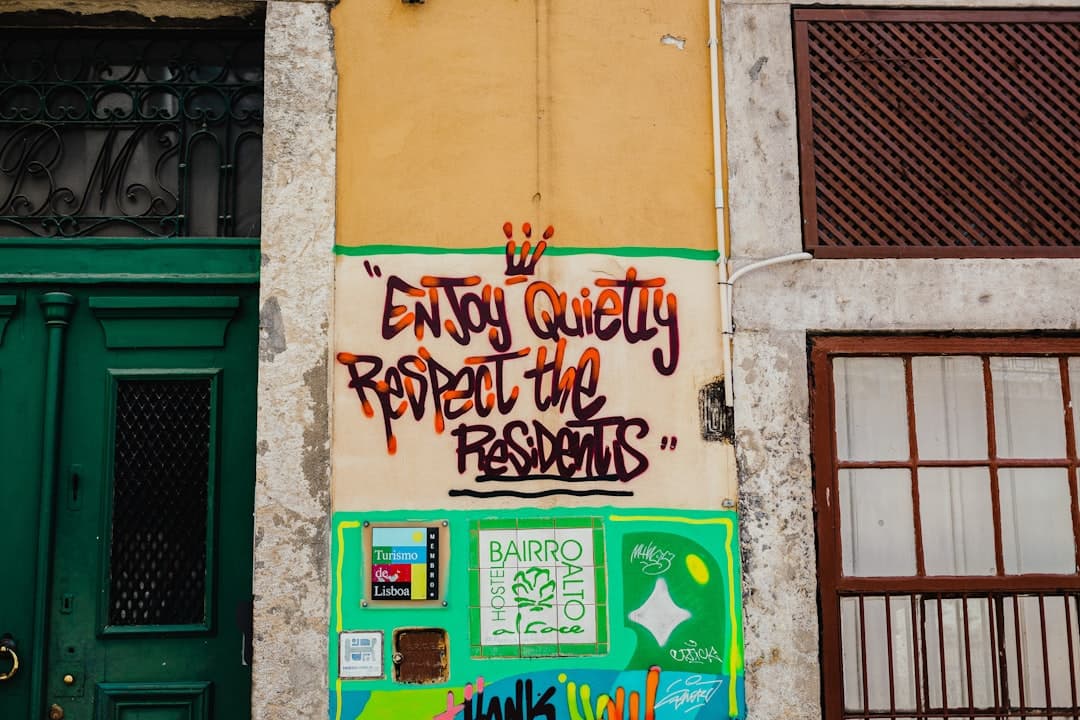
During the day, Bairro Alto is surprisingly quiet — the streets belong to locals, small boutiques, independent record shops, concept stores, and the occasional traditional tasca (tavern) doing lunch. As evening falls, the neighborhood transforms completely. Dozens of bars open their doors, wine bottles appear on windowsills, and by 10 or 11pm the narrow lanes are packed with people moving between tascas and drinking spots, music spilling out of doorways. Fado houses — the authentic kind, where the mournful genre is taken seriously — are clustered here, making this one of the best places in Lisbon to hear live fado in a proper setting. Restaurante Zé da Mouraria, Sr. Fado, and O Faia are among the long-standing venues nearby.

The classic approach is to arrive at dusk, walk the steep lanes up from Chiado or take the Elevador da Bica funicular from Rua de São Paulo, eat dinner at a traditional restaurant, and let the night take you. Avoid anywhere with a laminated English menu and a host standing outside — the good spots are the ones where you have to push a heavy door open yourself. Sunday and Monday nights are dramatically quieter than Thursday through Saturday, which can work in your favor if you want to hear fado without shouting over a crowd.
Local Tips

  1. 1

    The best fado experience in Bairro Alto isn't always at the most famous address — Tasca do Chico on Rua do Diário de Notícias is small, informal, and widely regarded by locals as one of the most authentic spots in the city. Book ahead.

  2. 2

    Drink outside. Most bars are tiny inside, and the culture here is to buy your drink and stand in the lane with it. This is completely normal and is essentially the point of the neighborhood.

  3. 3

    Eat before 8pm if you want to avoid the dinner rush at the better tascas, or after 10pm if you don't mind eating late like the locals do.

  4. 4

    The Elevador da Bica funicular at the bottom of Rua de São Paulo is the most scenic way up to Bairro Alto and is worth taking at least once — but it runs on a schedule and stops in the evening, so plan your descent on foot down to Cais do Sodré or Chiado.

When to Go

Best times
June–August

Summer brings enormous crowds to the already-narrow streets on weekend nights. The energy is high but finding space in popular bars can be difficult. June also brings the Santos Populares festivals, which fill the streets of Lisbon with music and sardines — a genuinely special experience if you're here for it.

December–February

Winter is quieter and more local-feeling, with shorter queues and easier access to the best fado houses and restaurants. Evenings can be chilly on the hilltop, so bring a layer.

Friday and Saturday nights (late)

After midnight on weekends the streets become genuinely congested, which some love and some find overwhelming. If you want a calmer experience, Thursday nights offer much of the same energy at a fraction of the crowd.

Why Visit

01

One of the best places in Europe to hear live fado — Lisbon's hauntingly emotional folk music — in venues where it's treated as art, not a tourist show.

02

A bar-hopping culture unlike anywhere else: dozens of small, characterful wine bars and tascas packed into a walkable grid of cobblestone streets.

03

The neighborhood itself is a living piece of Lisbon history, with 16th-century street patterns, azulejo-tiled facades, and a creative energy that has persisted for centuries.