Belém Tower
A 500-year-old fortress guarding the mouth of the Tagus river.
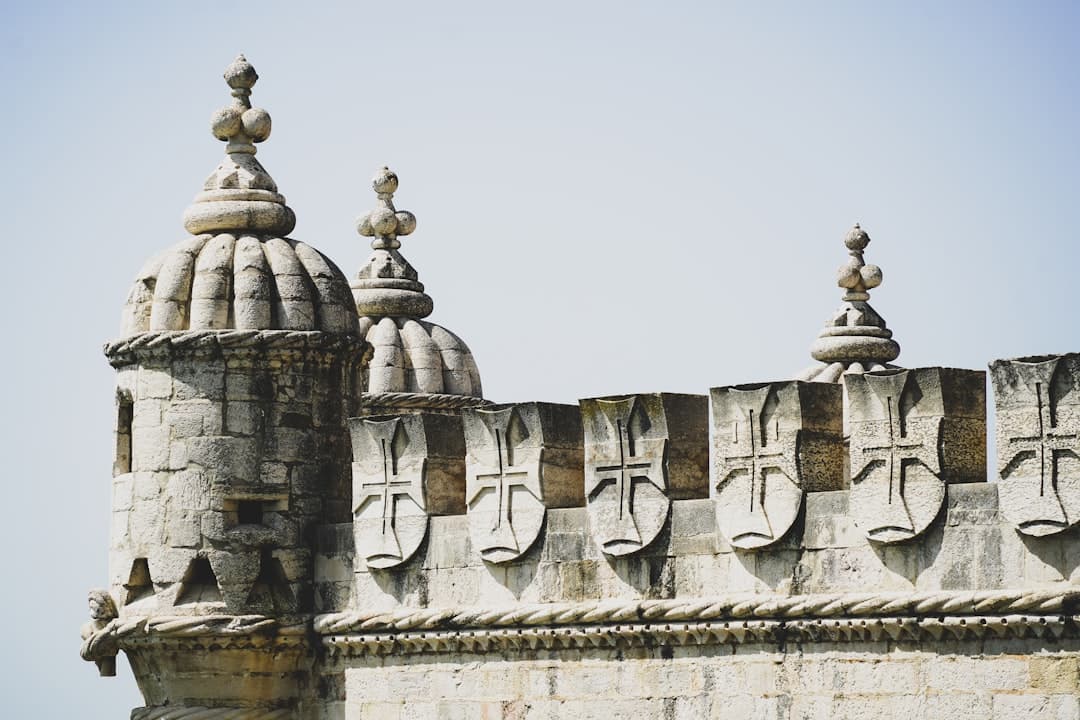
The Torre de Belém is a small but extraordinarily ornate fortified tower built between 1516 and 1521, commissioned by King Manuel I to guard the entrance to Lisbon's harbor. It sits at the edge of the Tagus River in the Belém district, and for centuries it was the last sight Portuguese explorers saw before sailing into the unknown — and the first thing they saw when they came home. It's one of the defining symbols of Portugal's Age of Discovery and a UNESCO World Heritage Site, recognized alongside the nearby Jerónimos Monastery as a masterpiece of Manueline architecture, a uniquely Portuguese style that fuses late Gothic stonework with maritime motifs and Moorish influences.
Up close, the tower is genuinely dazzling. The exterior is carved with armillary spheres, knotted ropes in stone, crosses of the Order of Christ, and a famous rhinoceros head on the northwestern bastion — a nod to an Indian rhinoceros that passed through Lisbon in 1515, the first seen in Europe since Roman times. Inside, you climb through several floors of low-ceilinged rooms and steep stone staircases to reach the terrace at the top, where the views across the Tagus and back toward Lisbon are wide and genuinely beautiful. The interior is modest — don't expect lavish rooms — but the architecture itself is the attraction.
Lines here can be brutal in summer, especially late morning and midday. The tower is small and manages visitor numbers, so queues snake down the riverfront walkway in peak season. Arrive right at opening time (10am) or go late afternoon to minimize the wait. The surrounding riverside promenade is pleasant either way — Belém is a neighborhood worth spending a full half-day in, pairing the tower with Jerónimos Monastery and a pastel de nata at the original Pastéis de Belém just a short walk away.