Cascais
Lisbon / Cascais

Cascais

A royal seaside town where Atlantic surf meets belle époque elegance.

🏛️ Sights & Landmarks🌿 Nature & Outdoors🍽️ Food & Drink🎯 Activities & Experiences🏘️ Neighborhoods
🌿 Relaxing🍽 Foodie👨‍👩‍👧 Family-friendly🎭 Cultural🌹 Romantic

Cascais is a coastal town about 30 kilometres west of Lisbon, sitting where the Tagus estuary meets the open Atlantic. Once a humble fishing village, it became a favourite retreat of the Portuguese royal family in the late 19th century — King Luís I summered here regularly — which drew European aristocracy, artists, and eventually wealthy Lisbon residents. That royal heritage shaped everything: the wide promenades, the handsome villas, the casino, the manicured gardens. Today it's one of the most popular day trips from Lisbon and a legitimate destination in its own right, blending a genuinely charming old town with excellent beaches, good restaurants, and a lively marina.

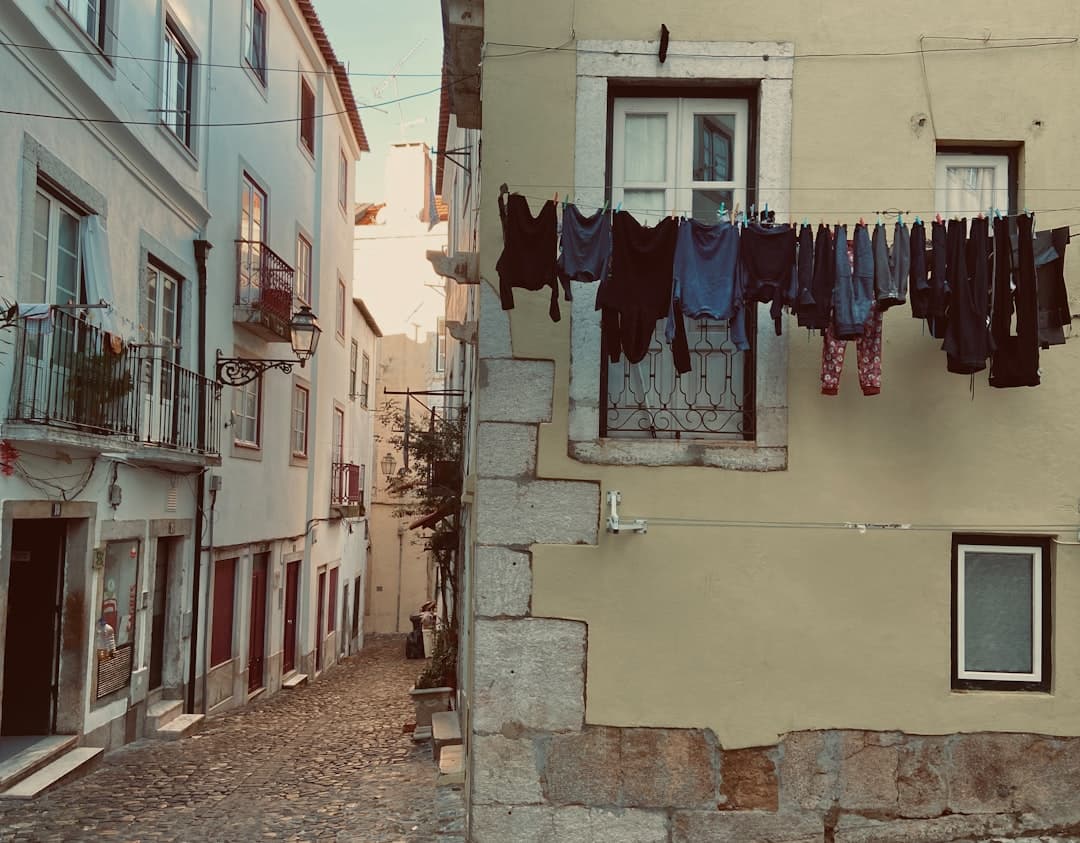
The town itself rewards slow wandering. The historic centre — pedestrianised lanes of whitewashed buildings decorated with blue-and-white azulejo tiles — clusters around the Largo Luís de Camões and the fishing harbour, where boats still come in each morning. The Citadela, a 16th-century fortress that's been converted into a luxury hotel and arts space, anchors the seafront. From there, a cycling and walking path hugs the coast all the way to Guincho beach, one of the most dramatic stretches of Atlantic shoreline in Portugal — wide, wind-blasted, and backed by the Serra de Sintra hills. The Boca do Inferno (Mouth of Hell), a natural rock arch and sea cave about a kilometre west of town, is an easy walk and genuinely impressive at high tide or in a swell.

Cascais works as a half-day trip from Lisbon but deserves a full day if you want to combine the town centre, a beach, and a meal. The train from Cais do Sodré station takes about 40 minutes and drops you right in the centre — it's one of the most scenic commuter rail lines in Europe, running along the river and coast the whole way. Avoid peak summer weekends if crowds bother you; the town gets genuinely packed in July and August. The streets and restaurants around Rua Frederico Arouca are the best hunting ground for dinner — Casa da Guia, a cluster of restaurants and shops in a converted villa west of the marina, is worth knowing about.
Local Tips

  1. 1

    Take the train from Cais do Sodré in Lisbon — it's cheap, frequent, and runs right along the Tagus and then the coast. The right-hand side of the carriage gives you the best views heading west.

  2. 2

    Rent a bike in town and follow the coastal path west toward Guincho — it's flat, scenic, and about 8 kilometres each way. Several rental shops operate near the marina.

  3. 3

    The Boca do Inferno is free and always open, but visit at high tide or when there's a swell for the dramatic crashing-wave effect — calm days in summer can feel underwhelming.

  4. 4

    For seafood, head to the restaurants around the old fishing harbour or along Rua das Flores rather than the obvious marina-front spots, which tend to be pricier and more tourist-oriented.

When to Go

Best times
June–August

Peak beach season with warm, sunny weather — ideal for swimming and coastal walks, but the town and beaches get very crowded, especially on weekends.

September–October

The sweet spot — sea still warm enough to swim, crowds thinning, weather reliably good, and restaurants easier to get into.

November–March

Quieter and cooler, but the town is lovely without the crowds. Guincho gets big Atlantic swells — dramatic scenery, and good for surfers. Some beach restaurants close.

Try to avoid
July–August weekends

Lisboetas flood in on Saturday and Sunday afternoons; trains are packed and the centre is uncomfortably busy. Go on a weekday or arrive early.

Why Visit

01

One of Portugal's most beautiful coastlines is right here — dramatic rock formations, Atlantic surf beaches, and a cycling path along the water, all within walking distance of the town centre.

02

The historic centre has real character: azulejo-tiled buildings, a working fishing harbour, a royal fortress, and excellent seafood restaurants without the tourist fatigue of central Lisbon.

03

It's the easiest and most rewarding day trip from Lisbon — a 40-minute scenic train ride along the river, with no car needed and plenty to fill a full day.