
All Places
1,073 places around the world
1,073 places · page 38 of 45
Spanish Steps
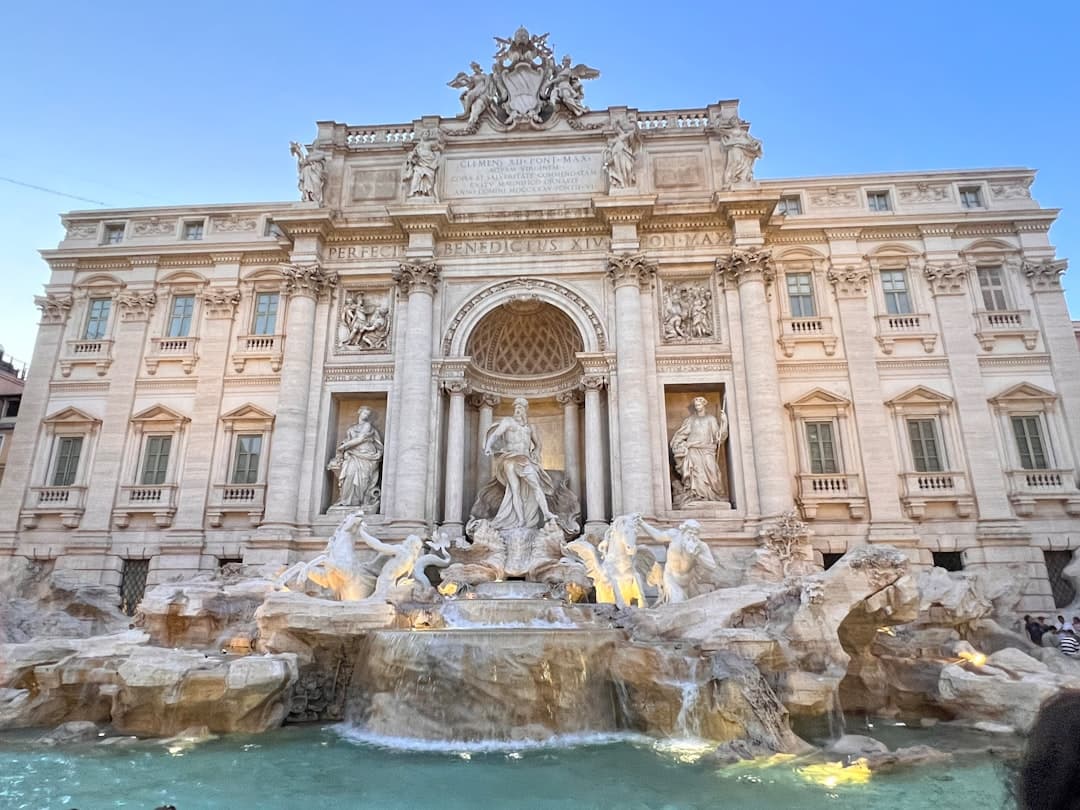
The Spanish Steps — 135 travertine steps built between 1723 and 1725 by architect Francesco de Sanctis — cascade down from the Trinità dei Monti church at the top to the Piazza di Spagna at the bottom. They got their name from the nearby Spanish Embassy to the Holy See, though the staircase was actually funded by the French. For nearly three centuries they've been one of Rome's great social magnets: a place to sit, people-watch, and feel the city breathe around you. The experience is essentially freeform. You climb, you find a step, you sit. At the base is the Barcaccia fountain, a half-submerged boat sculpted by Pietro Bernini (father of the more famous Gian Lorenzo) in 1627 — worth a close look before you head up. In spring the steps are draped in azaleas, a tradition since the 1950s that transforms the whole staircase into a pink and purple cascade. At the top, the twin-towered Trinità dei Monti church rewards those who make the climb, and the view back down over the piazza and the rooftops of central Rome is genuinely arresting. The surrounding neighborhood — the Tridente — is Rome's most glamorous shopping district, with the Via Condotti running directly from the base of the steps toward the Tiber. Go early in the morning, ideally before 8am, when the steps are nearly empty and the light is soft — this is when they look the way they do in every postcard. Eating and drinking on the steps is now prohibited and enforced with fines, so leave the gelato for elsewhere. The Keats-Shelley House, right on the piazza at the base of the steps, is a small museum tucked into the building where the poet John Keats died in 1821 — easy to miss, but one of Rome's more quietly moving literary shrines.
Spice Bazaar
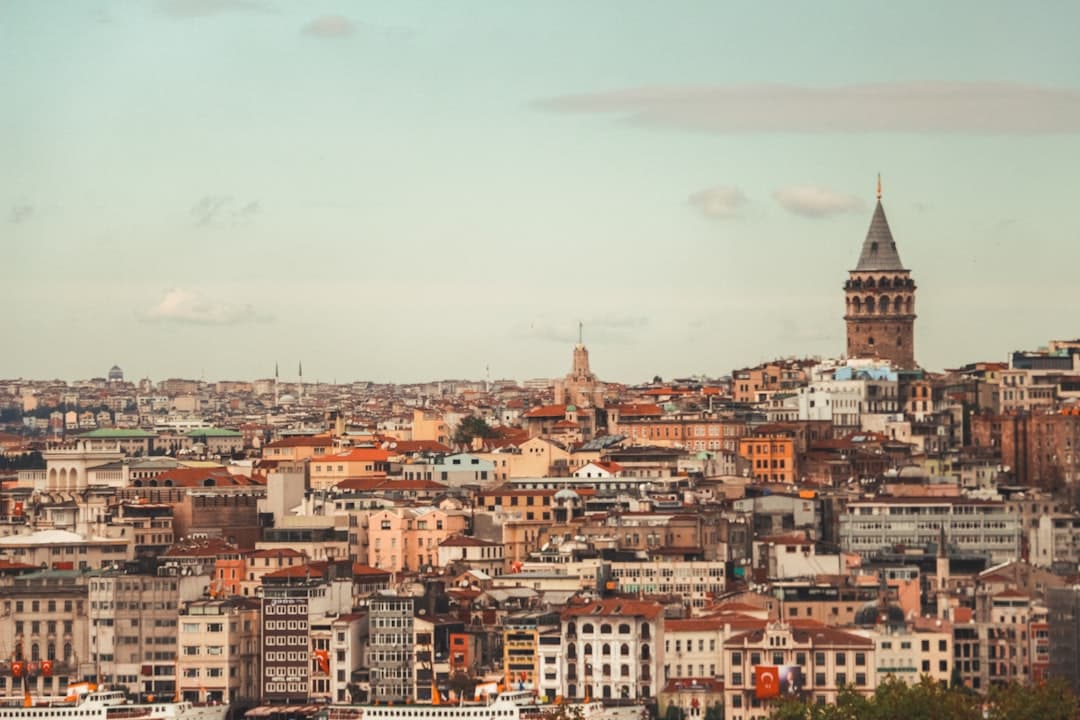
The Spice Bazaar — known in Turkish as the Mısır Çarşısı, or Egyptian Bazaar — is one of Istanbul's oldest and most atmospheric covered markets, built in 1664 as part of the New Mosque complex in the Eminönü district. For centuries it was the commercial heart of the Ottoman spice trade, where merchants arriving from Egypt, Arabia, and Persia unloaded saffron, pepper, and dried herbs that would end up on tables across the empire. Today it remains a working market, not a museum piece, with around 85 shops selling spices, dried fruits, Turkish delight, nuts, teas, and local specialty foods. Walking through its two main L-shaped corridors is a full sensory experience — the air is thick with the smell of sumac, cumin, and rose petals, the stalls are piled high with pyramids of vivid powders in every shade of red and yellow, and vendors call out good-naturedly to passersby. You'll find genuine local goods alongside the tourist-facing stuff, so it pays to look around before buying. The surrounding streets — particularly the outdoor market spilling out around the building — are arguably even better for locals shopping for fresh produce, fish, and household goods. The bazaar gets genuinely crowded, especially on weekends and through the middle of the day. Come early — the building opens around 8am — and you'll share it mostly with local shopkeepers and early-morning regulars rather than tour groups. Prices are negotiable, though not as dramatically as in the Grand Bazaar. Saffron and Turkish delight make excellent gifts, but be skeptical of anything claiming to be pure saffron at suspiciously low prices — quality varies significantly between stalls.
Spice Tour
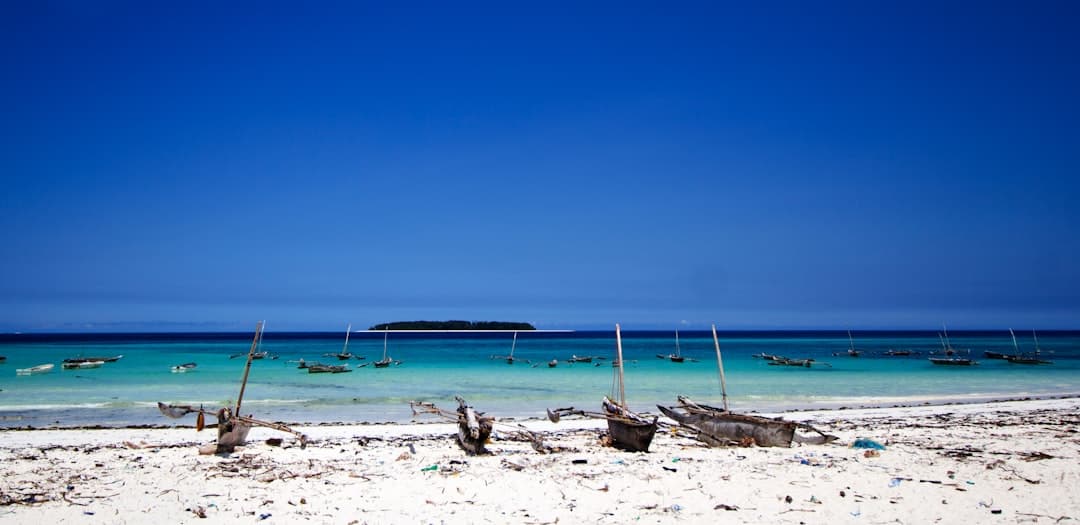
Zanzibar was once the world's largest producer of cloves, and that history is written into the land itself. The island's interior — a lush, humid tangle of farmland north and west of Stone Town — is still dotted with working spice plantations, and touring them is one of the most sensory and culturally rich things you can do here. This isn't a museum or a theme park recreation; these are real farms where cloves, nutmeg, vanilla, cardamom, turmeric, and black pepper have been grown for generations, many of them established during the Omani Sultanate's rule in the 19th century when Zanzibar controlled the global spice trade. On a typical spice tour, a local guide walks you through the plantation, pulling leaves, snapping twigs, and handing you things to smell, taste, and feel. You'll identify cinnamon by peeling bark, crush lemongrass between your fingers, and see cloves drying in the sun. Guides — many of them extraordinarily knowledgeable — can find and name dozens of plants that you'd walk straight past without help. There's usually a fruit tasting at the end: jackfruit, starfruit, papaya, and local varieties you won't encounter elsewhere. Some tours combine the spice farm with a visit to a Persian bath ruin or a slave cave, and many include a stop at a local village or a craft demonstration. Most spice tours are booked through operators in Stone Town rather than at the farm itself — the coordinates here reflect a central booking point near Tunguu, inland from the east coast. Tours typically depart in the morning and return by early afternoon, which matches the listed hours well. Prices are negotiable and vary by operator; a reasonable rate for a shared tour runs around $15–25 USD per person, more for private. Ask your hotel in Stone Town for recommendations, or shop around the tour desks on Creek Road — quality varies significantly by guide.
Springs Preserve
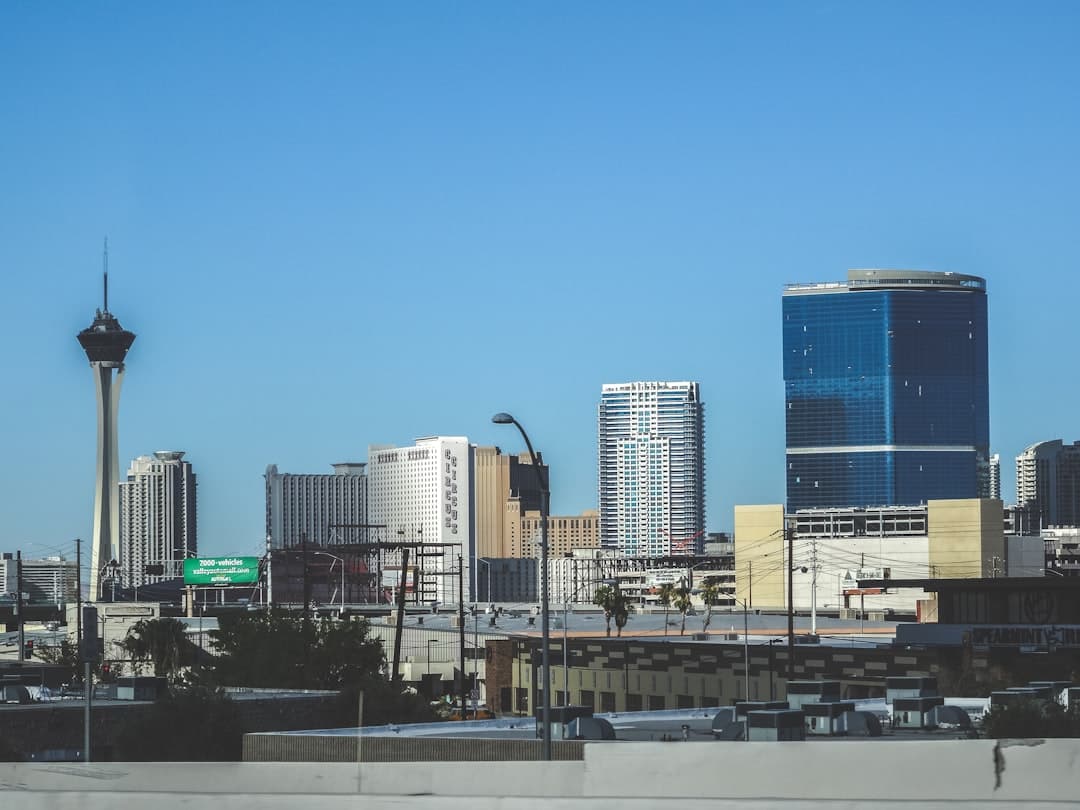
Springs Preserve is a 180-acre cultural and natural history attraction built on the site of the ancient springs that first made human settlement possible in the Las Vegas Valley. Long before the casinos, before Bugsy Siegel, before any of it, this spot was an oasis in the Mojave — a stopping point on the Old Spanish Trail, a watering hole for Native American communities, and eventually the reason the railroad came through at all. The springs themselves dried up in the 1960s due to groundwater depletion, but the preserve was developed by the Las Vegas Valley Water District and opened in 2007 as a way to tell the full story of this place and advocate for sustainable desert living. A visit here covers a lot of ground, both literally and figuratively. The preserve includes botanical gardens planted with native Mojave species, miles of walking trails through restored desert habitat, and a cluster of LEED-platinum buildings housing rotating natural history exhibits, the Nevada State Museum, and the Origen Museum — which focuses specifically on the ecology and history of the Las Vegas Valley. There are live animal exhibits, a butterfly habitat, a working demonstration garden showing how to garden sustainably in the desert, and regular programming for kids. The architecture itself is worth noting: the main buildings were designed to look like they were carved from the desert floor. The preserve sits just west of downtown Las Vegas, about ten minutes from the Strip but a world away in atmosphere. It's genuinely one of the most undervisited worthwhile attractions in the city — locals love it, tourists mostly skip it, and that's a shame. If you're traveling with kids, or you're simply curious about what Las Vegas actually is beneath the neon, this place delivers. Check the schedule before you go since hours have varied and some exhibits have specific operating windows.
St John's Co-Cathedral
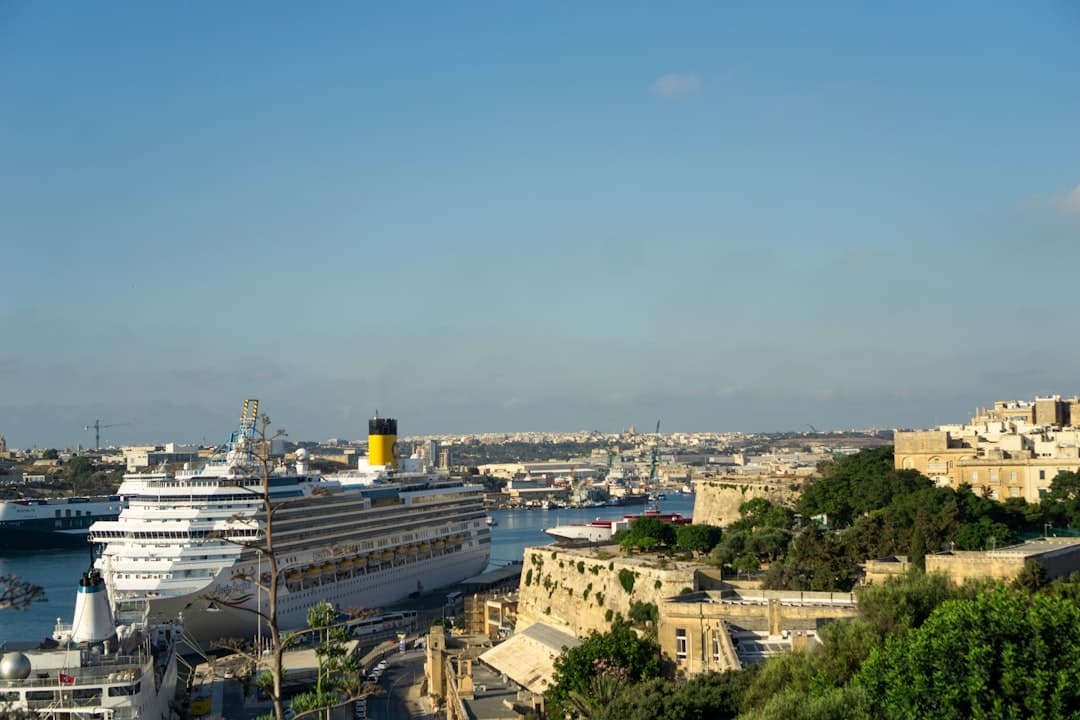
Built by the Knights of St John between 1573 and 1578, St John's Co-Cathedral is one of the most extraordinary baroque interiors in Europe — and that's not hyperbole, it's just the consensus of everyone who walks through the door. From the outside it's deliberately plain, a fortress-like facade that gives away almost nothing. Then you step inside and the effect is genuinely staggering: every inch of the vaulted ceiling painted by Mattia Preti, the floor a mosaic of 400 marble tombstones belonging to Knights from across Europe, gilded side chapels dedicated to each of the Order's langues, or national groupings. The Knights of St John were a military-religious order who ruled Malta for 268 years and poured their wealth and prestige into this church. It shows. The main event most visitors come for is the Oratory, which houses Caravaggio's 'The Beheading of John the Baptist' — the largest canvas he ever painted, and the only work he signed with his name (written in the blood of the Baptist). Caravaggio spent time in Malta in 1607–1608 and also painted 'St Jerome Writing,' which hangs in the same room. Standing in front of these two works, in the actual place they were made for, is a genuinely moving experience. Beyond the Oratory, it's worth taking time with the individual chapels — each has distinct artwork and character — and with the Cathedral Museum, which holds illuminated manuscripts, Flemish tapestries, and Knights' vestments. The co-cathedral is closed on Sundays for religious services, which means visiting is a weekday or Saturday affair. Entry is ticketed, and the audio guide is worth the small extra cost — it makes the floor tombstones and chapel histories legible rather than just decorative. Arrive early in the morning to beat the cruise ship groups, which tend to flood in mid-morning. Shoulders and knees must be covered, and while scarves and wraps are sometimes available at the door, bringing your own is safer.
St Joseph's Cathedral
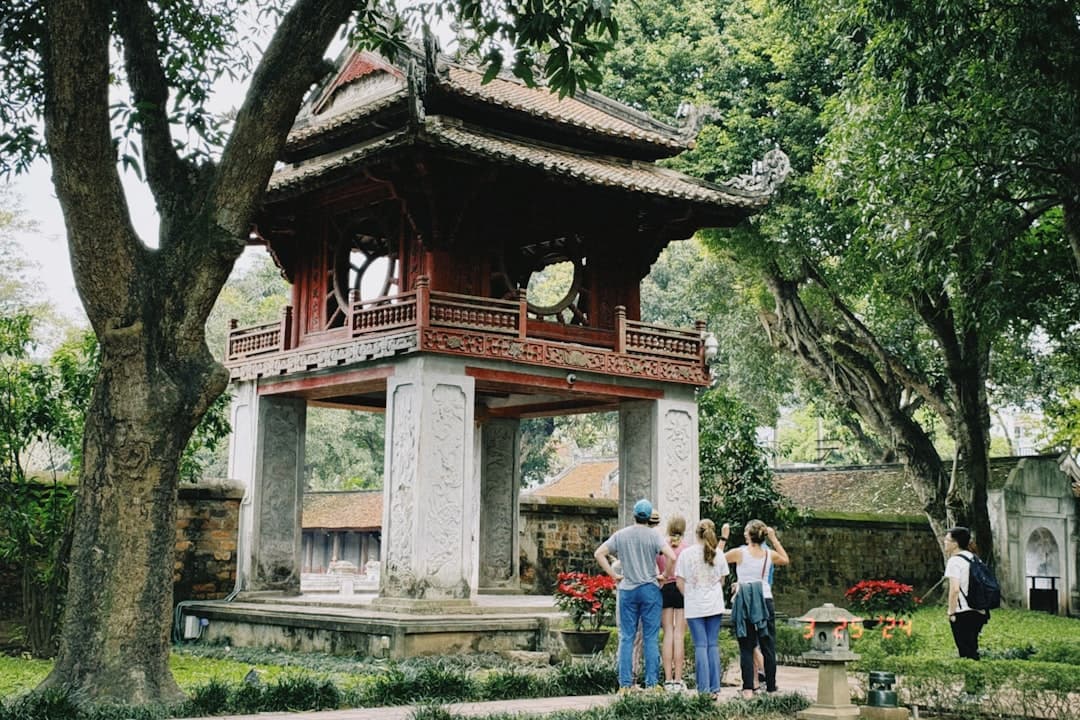
St. Joseph's Cathedral is Hanoi's oldest and most recognizable Christian church, built by French colonial authorities in 1886 on the site of a demolished Vietnamese pagoda. Its neo-Gothic facade — twin bell towers, stained glass windows, and ornate ironwork gates — makes it feel like a piece of Paris dropped into the middle of Southeast Asia. That contrast is exactly the point: the cathedral was a deliberate architectural statement of French power, and today it stands as one of the most vivid reminders of the colonial era that shaped modern Hanoi. Visiting is a straightforward but genuinely rewarding experience. You walk through the iron gates into a courtyard, then step inside to find a surprisingly atmospheric interior — dim and cool, with colorful stained glass casting light across the nave, altars heavy with gilt and flowers, and the quiet hum of a working Catholic parish. Mass is still said here daily, and the congregation is large and devout, which gives the place a vitality that purely touristic churches often lack. Outside, the small square in front of the cathedral, Nhà Thờ Street, is lined with cafes and boutiques and is one of the most photogenic corners of the city. The cathedral keeps limited visiting hours — typically mornings and afternoons on split schedules — so check before you go, especially around midday when it closes. It's free to enter. Sunday Mass draws big crowds of local worshippers, which is a fascinating cultural experience if you're respectful and quiet, but the church itself can be harder to explore then. Weekday mornings tend to be the calmest time. The surrounding neighborhood, with its French-era architecture and fashionable coffee shops, is worth an hour of wandering before or after your visit.
St Lawrence Market
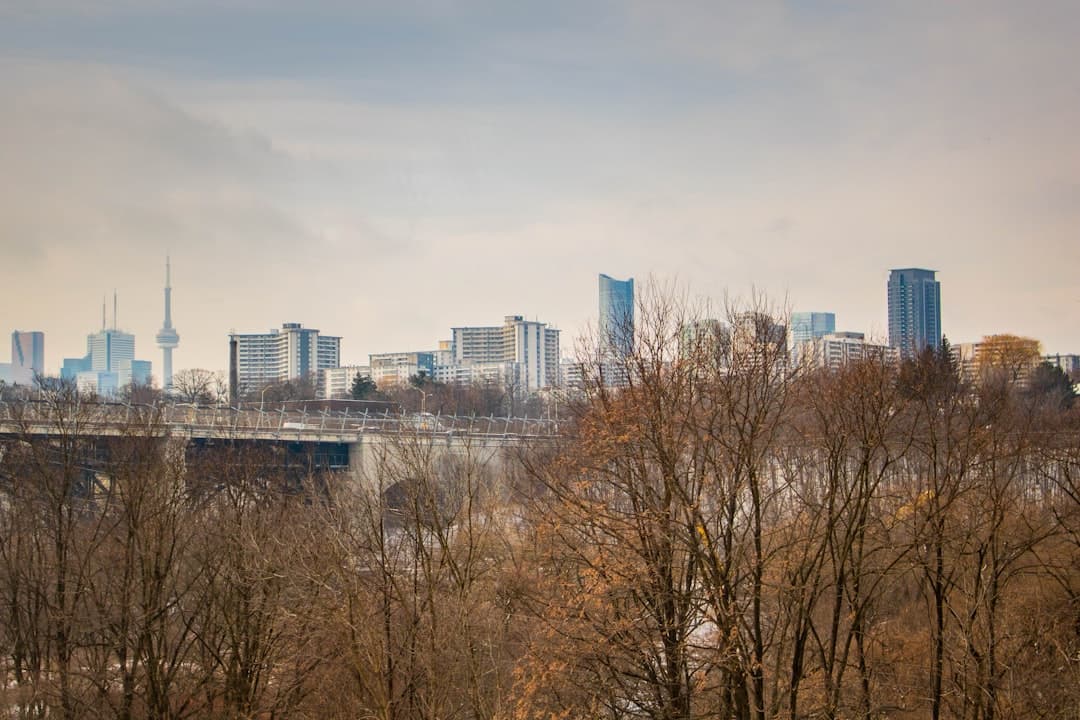
St. Lawrence Market is one of North America's great public markets — a sprawling, brick-vaulted food hall in the heart of downtown Toronto that has been feeding the city since 1803. National Geographic once named it the world's best food market, and while that kind of superlative fades fast, the market has earned its reputation honestly. It occupies the site of Toronto's original City Hall and anchors what was the commercial heart of the city for two centuries. This isn't a tourist trap dressed up as a market — it's where Toronto actually shops. The South Market building is the main event: two floors of vendors selling everything from dry-aged beef and fresh pasta to cheese wheels, spices, smoked fish, and pastries. The peameal bacon sandwich — cured pork loin rolled in cornmeal, served on a bun — is the dish to have here, and Carousel Bakery on the main floor has been making arguably the definitive version since the 1970s. Beyond that icon, you'll find butchers who've been in the same stall for decades, fishmongers with Lake Erie pickerel, and specialty food importers you won't easily find elsewhere in the city. Saturday is the big day, when the North Market building hosts an antique and collectibles market, and the whole precinct hums with energy. Come hungry and come early — particularly on Saturdays, the peameal sandwich queue at Carousel Bakery starts building by mid-morning. The market is closed Mondays, and Sunday hours are more limited, so Tuesday through Saturday is your window. The surrounding St. Lawrence neighbourhood is one of Toronto's oldest and most walkable, with easy access to the Distillery District and the lakefront a short stroll south.
St Louis Cathedral
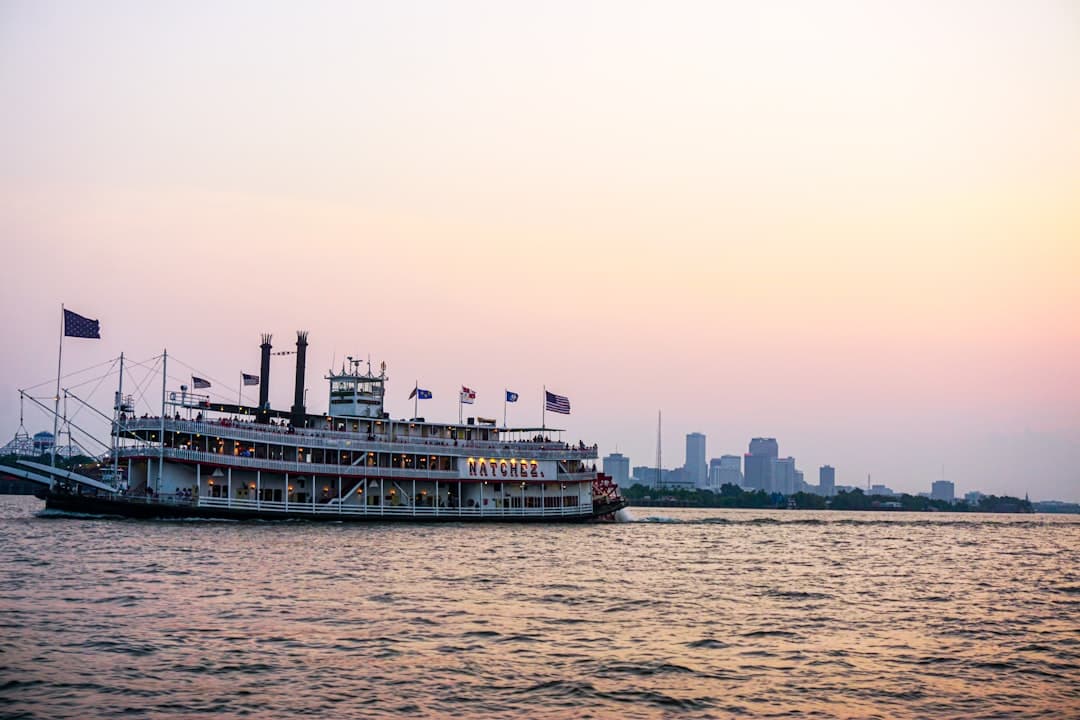
St. Louis Cathedral is the crown jewel of Jackson Square and one of the most recognizable buildings in New Orleans. Dedicated to King Louis IX of France, it has anchored the French Quarter since the early 18th century — though the current structure dates primarily from 1850, rebuilt twice after fires and hurricanes. It's not just a church; it's a living piece of American Catholic and Creole history, and the backdrop for everything from jazz funerals to wedding processions to Mardi Gras crowds spilling across the plaza. Stepping inside, you're immediately struck by the scale and color. The nave stretches upward into vaulted ceilings painted with murals depicting the life of St. Louis, and light filters through beautiful stained glass windows. The building still holds regular Masses, so you may arrive to find worshippers praying alongside tourists — which gives the place an authenticity that a museum never could. The rear garden, accessible via Pere Antoine Alley, is a quiet courtyard that most visitors skip entirely, and the views from Jackson Square looking up at the three white steeples are among the most photographed in the South. Entry is free, though donations are welcomed. Masses are held throughout the week, and during those times, tourist access to the main nave is restricted out of respect — check the schedule before you arrive. The cathedral sits at the very heart of the French Quarter, so you're naturally within walking distance of Café Du Monde, the Mississippi riverfront, and the rest of Jackson Square's street performers, artists, and tarot readers. Come early on a weekday to avoid the thickest crowds.
St Mark's Basilica
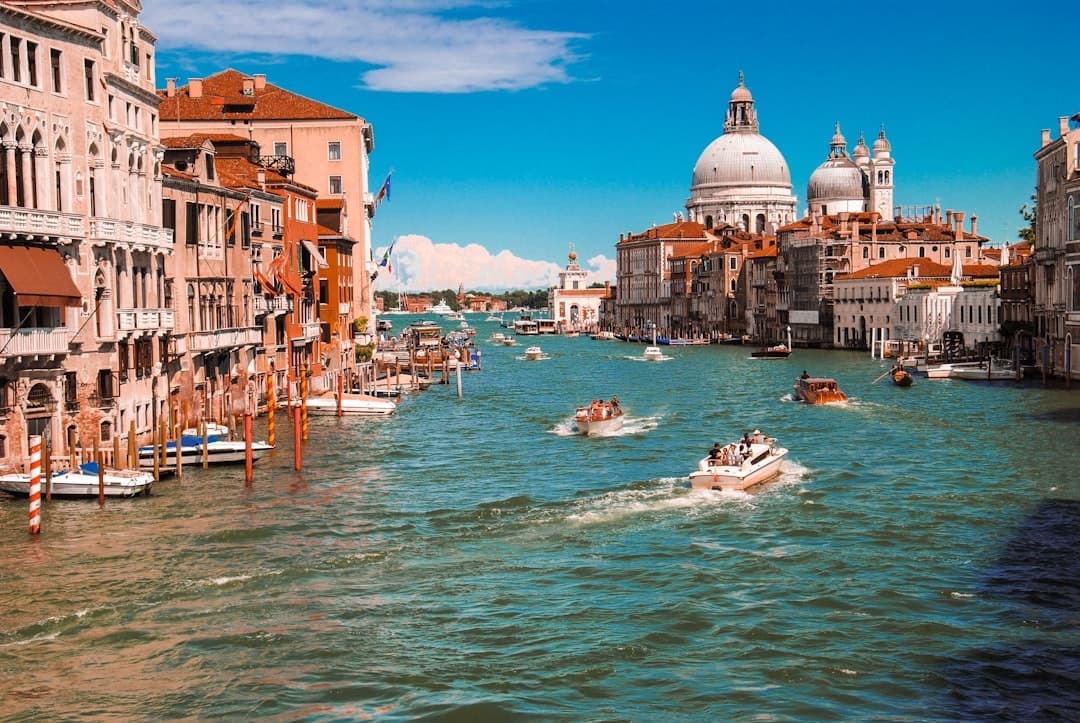
St Mark's Basilica is one of the most extraordinary religious buildings in the Western world — a 1,000-year-old cathedral built to house the stolen bones of St Mark the Evangelist, smuggled out of Alexandria in 828 AD reportedly hidden under layers of pork to deter Muslim customs officials. The basilica was modelled on the great churches of Constantinople and became a showpiece for Venetian wealth and imperial ambition. Every surface is covered in something remarkable: 8,000 square metres of gold mosaic ceiling, columns plundered from across the Byzantine empire, and the famous Pala d'Oro, a jewel-encrusted golden altarpiece that is one of the greatest works of medieval craftsmanship anywhere on earth. Visiting means moving through a series of progressively more dazzling spaces. The narthex (entrance porch) gives you your first hit of gold mosaic, then the main basilica opens up into something that genuinely takes the breath away — five domes overhead, the air thick with incense and centuries of prayers, the floor undulating like gentle waves from centuries of subsidence. Upstairs, the Museo Marciano includes access to the loggia terrace looking directly over Piazza San Marco, plus the original bronze horses (replicas stand outside) that Napoleon famously looted and Napoleon returned. The Treasury holds Byzantine reliquaries and sacred objects of extraordinary quality. Sunday mornings before 2pm, the basilica is reserved for worship and tourists cannot enter — worth knowing if you're planning around a weekend. Skip the main queue by booking a time slot online in advance; it takes five minutes and saves potentially hours of waiting in the piazza. Bags and large items cannot be taken inside — there's a free left-luggage service nearby on Ateneo San Basso, just off the square.
St Mary's Basilica
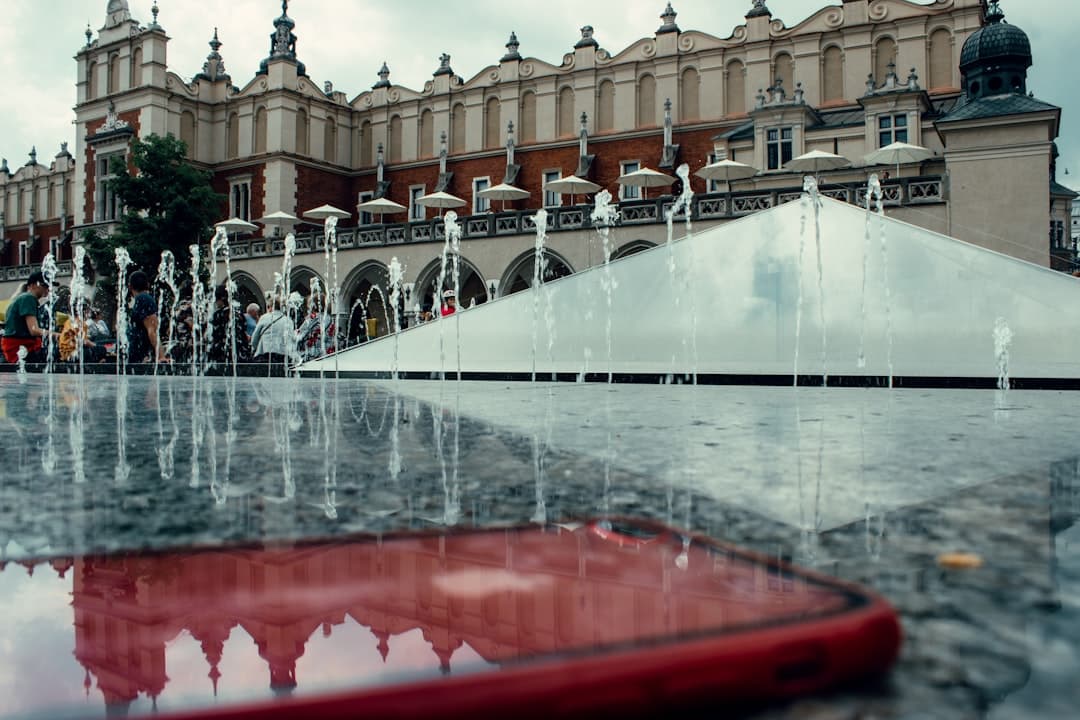
St Mary's Basilica is the crown jewel of Kraków's Main Market Square — one of the most recognisable Gothic brick churches in Central Europe and an active place of worship that has stood at the heart of the city since the 13th century. Its two mismatched towers are a Kraków icon: one taller, one shorter, each with a different crown, and both the subject of a famous local legend about two brother architects. Inside, the church houses what many art historians consider the greatest example of late-Gothic wood carving in the world — an enormous carved altarpiece by the Nuremberg master Veit Stoss, completed in 1489 and measuring nearly 13 metres high. If you visit for nothing else, you visit for that. The experience of stepping inside is genuinely stunning. The nave is painted in deep midnight blue and gold, with painted starbursts covering the ceiling and richly coloured stained glass filtering light across the pews. At the top of every hour, a trumpeter emerges from the taller tower and plays the hejnał — a short, medieval bugle call that breaks off mid-note, a tradition kept since the 13th century and now broadcast daily on Polish national radio. Standing in the square as it sounds is one of those rare travel moments that actually lives up to expectations. The altarpiece itself is opened each day for tourists to view — it unfolds in panels to reveal carved scenes from the lives of the Virgin Mary and the Apostles, painted and gilded with extraordinary precision. Visitor entry is managed separately from worshippers — tourists enter through a designated side door and pay a small admission fee. Sunday mornings are reserved for Mass and the church is closed to tourists until the afternoon, which explains the later opening time. The church gets very busy in summer; arriving right at the 11:30 AM opening on weekdays is your best shot at relative quiet. The square outside is always worth lingering on — this is the social and geographic heart of Kraków's Old Town.
St Patrick's Cathedral
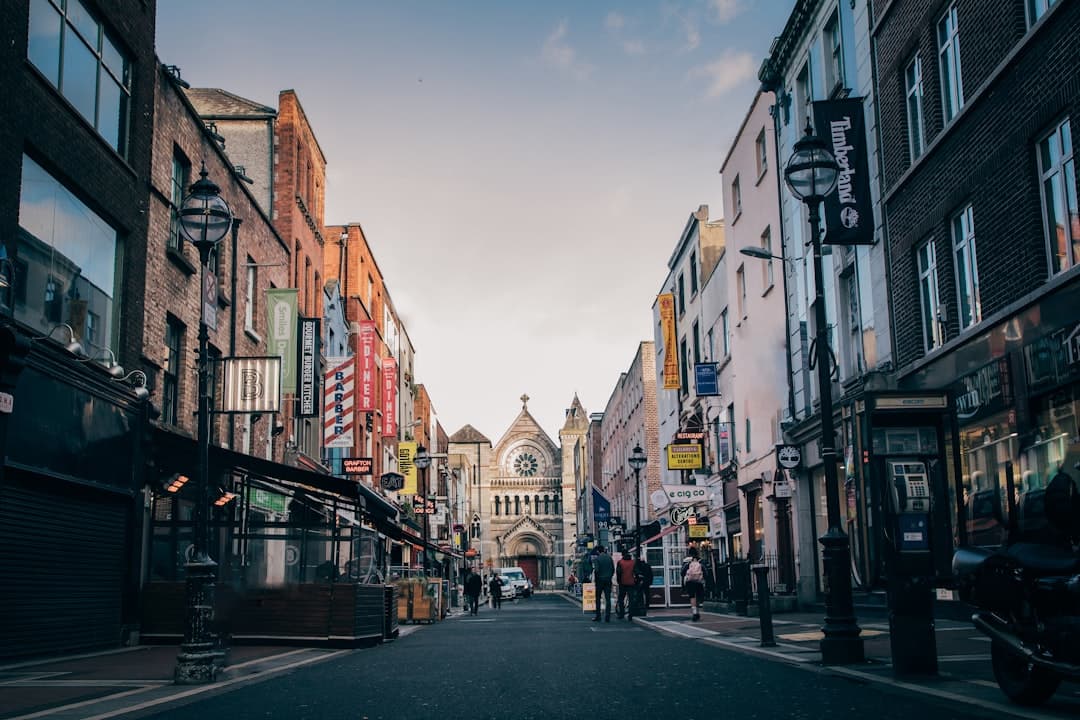
St Patrick's Cathedral is the largest church in Ireland and the national cathedral of the Church of Ireland. Built on a site where St Patrick himself is said to have baptised converts in the 5th century, the current stone structure dates largely from the 12th and 13th centuries, making it one of the oldest surviving buildings in Dublin. It sits just south of the city centre in the Liberties neighbourhood, a short walk from Christ Church Cathedral, and has witnessed more of Irish history than almost any other building in the country. Step inside and you're immediately struck by the scale — a long, soaring nave lined with medieval stonework, regimental flags hanging from the ceiling, and memorials crowding the walls. The most famous tomb belongs to Jonathan Swift, author of Gulliver's Travels, who served as Dean of St Patrick's from 1713 to 1745. His grave is set into the floor of the south aisle, with a brass epitaph he wrote himself — one of the most celebrated epitaphs in the English language. The choir stalls, the stained glass, the carved stone details, and the atmospheric side chapels all reward a slow, unhurried walk around the building. Entry is ticketed, which helps keep numbers manageable — this isn't a free drop-in like some European cathedrals. Sunday visiting hours are restricted to short windows around services, so if you want a proper look around, a weekday morning is ideal. The cathedral also hosts choral evensong and other musical performances throughout the year, which are an excellent reason to return after your initial visit.
St Paul's Cathedral
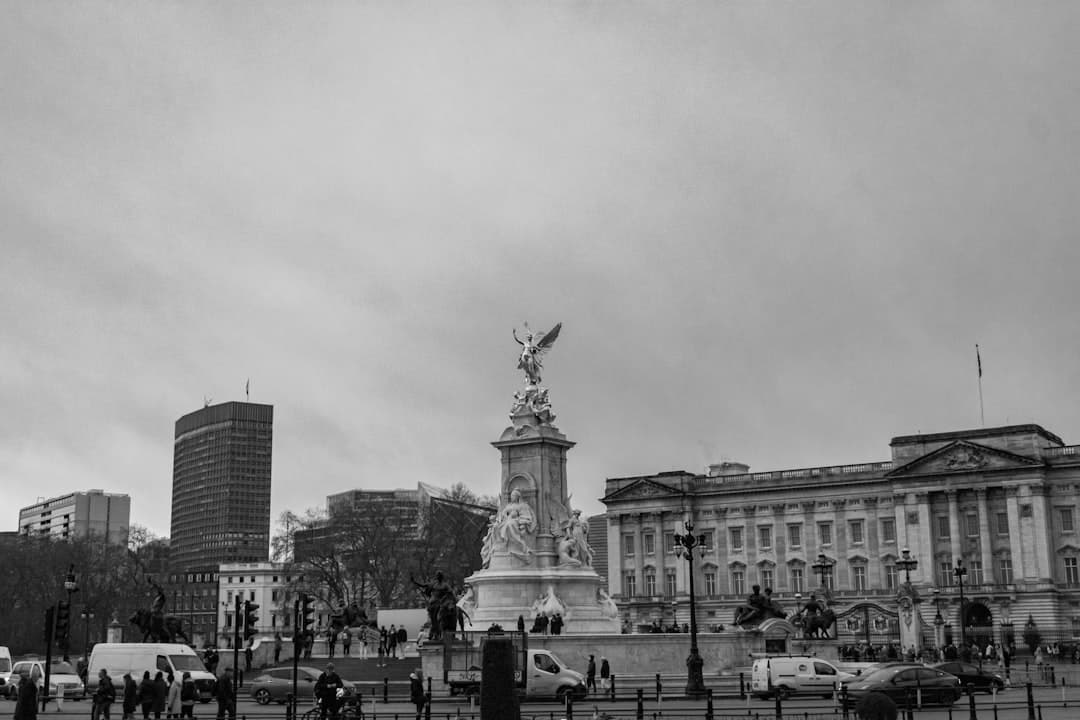
St Paul's Cathedral is one of the most recognisable buildings in the world — a baroque masterpiece completed in 1711 by architect Christopher Wren after the Great Fire of London destroyed its medieval predecessor. It sits at the top of Ludgate Hill, the highest point in the City of London, and has served as the backdrop to some of Britain's most defining moments: the funerals of Nelson and Churchill, the wedding of Prince Charles and Lady Diana, and services of thanksgiving after both World Wars. It is still an active Anglican cathedral, meaning it functions simultaneously as a working church and one of London's most visited tourist attractions. Inside, the scale is staggering. The nave stretches nearly 180 metres long, and the dome — at 111 metres high — is the second largest cathedral dome in the world after St Peter's in Rome. You can climb it in three stages: the Whispering Gallery, where the acoustic trick of murmured words travelling around the curved wall is genuinely worth testing; the Stone Gallery for open-air views over the Thames; and the Golden Gallery at the very top, which rewards the 528-step climb with a panoramic view of London that few other vantage points can match. Below ground, the crypt contains the tombs of Wren himself, the Duke of Wellington, and Horatio Nelson, whose elaborate sarcophagus was originally made for Cardinal Wolsey. Arrive early on weekdays — the cathedral opens before London's tourist crowds fully mobilise, and the morning light through the windows is something special. Wednesday mornings open later at 10am, so aim for another day if you're an early starter. The entrance fee is steep (around £25 for adults), but it includes the dome climb and is significantly cheaper if you book online in advance. One often-overlooked detail: evensong is free to attend most weekdays at 5pm, and sitting in the choir stalls while the choir performs in that extraordinary acoustic space is one of London's genuinely moving experiences.
St Peter's Basilica
St Peter's Basilica is the most important church in the Catholic world and one of the great architectural achievements in human history. Built on the site where the apostle Peter is believed to have been buried, it took over a century to construct — from 1506 to 1626 — and involved the greatest artists of the Renaissance and Baroque periods, including Michelangelo, Raphael, Bramante, and Bernini. It sits at the heart of Vatican City, the world's smallest independent state, and draws millions of visitors every year regardless of their faith. Step inside and the scale alone is disorienting — the nave stretches 186 metres and the dome soars 136 metres above the floor. Your eyes don't know where to land first. Michelangelo's Pietà is near the entrance, behind glass since a 1972 attack, and it's even more moving in person than in photographs. Bernini's baldachin — the enormous bronze canopy over the papal altar — is 29 metres tall and was cast partly from bronze stripped from the Pantheon. Beneath the basilica, the Vatican Grottoes hold the tombs of dozens of popes. If you climb the dome (there are stairs or a lift to partway), the views over St Peter's Square and Rome are extraordinary. The basilica itself is free to enter, which surprises many visitors — the crowds are the real cost. Early mornings on weekdays, especially before 9am, are dramatically quieter. Wednesday mornings are often disrupted by the Pope's general audience in the square, which is worth attending on its own terms but creates a crush. Security lines can stretch back through the colonnade; arriving at opening time cuts the wait significantly. Dress code is enforced at the door — shoulders and knees must be covered, and they will turn you away.
St Stephen's Cathedral
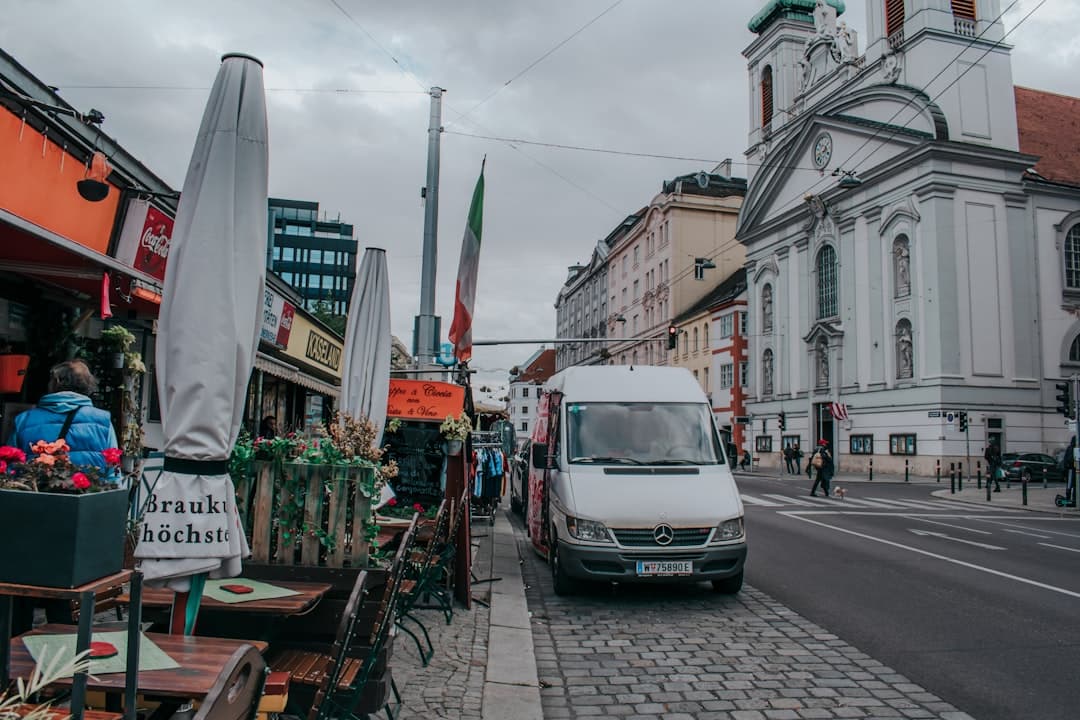
St. Stephen's Cathedral — Stephansdom to the Viennese — is the defining landmark of central Vienna and one of the great Gothic churches of Europe. Construction began in the 12th century and continued in waves through the 14th and 15th centuries, leaving behind a building of extraordinary complexity: a Romanesque west facade absorbed into a soaring Gothic nave, and the famous South Tower rising 136 meters above Stephansplatz. For 700 years it has witnessed coronations, plague burials, Mozart's funeral, and the daily rhythms of a city that grew up around it. It's not just a tourist attraction — Viennese still come here to attend mass, to sit quietly, to meet friends on the steps outside. Inside, the cathedral is vast and deliberately overwhelming. The ribbed vaulted ceiling stretches away above you, the nave flanked by elaborate stone pillars. Look for Anton Pilgram's intricate stone pulpit from 1515 — a masterpiece of late Gothic carving — and the tilted canopy of the Wiener Neustadt altarpiece. You can descend into the catacombs beneath the church, where the Habsburg family's internal organs were interred (their bodies went to the Kaisergruft, their hearts to the Augustinerkirche — the Habsburgs were very organized about distributing themselves in death). Climb the South Tower via 343 spiral steps for a panoramic view across Vienna's rooftops, or take the elevator up the North Tower for a close-up view of the Pummerin, one of Europe's largest bells. Entry to the main nave is free, which surprises many visitors — you pay only for the specific add-ons like the towers, catacombs, or guided tours. The cathedral is busiest between 10am and 2pm when tour groups converge. Come early morning or late afternoon and it's a genuinely different experience: quieter, more atmospheric, with the light hitting the stained glass at angles that feel almost theatrical. The Stephansplatz square outside is also the central nerve of Vienna's first district and a natural starting point for exploring the Innere Stadt.
St Vitus Cathedral
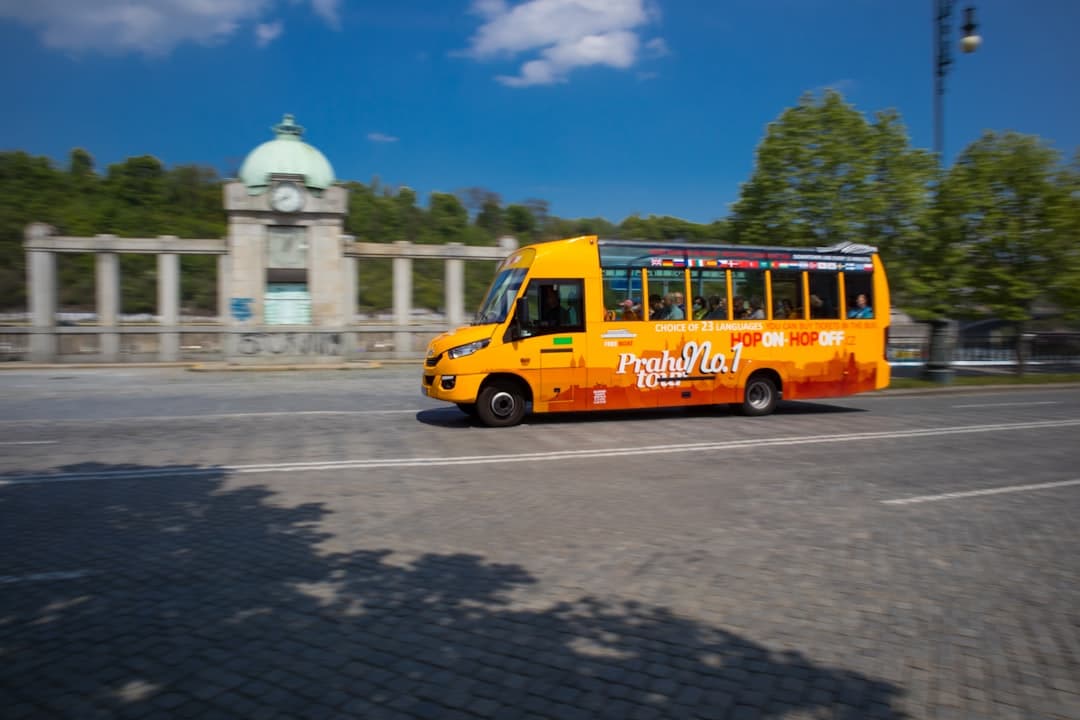
St. Vitus Cathedral is the beating heart of Prague Castle — the largest and most important church in the Czech Republic, and one of the finest Gothic cathedrals in Central Europe. Construction began in 1344 under Charles IV, Holy Roman Emperor and King of Bohemia, but the building wasn't completed until 1929, nearly 600 years later. That layered history is visible in the stone itself: medieval chapels, Baroque additions, and neo-Gothic flourishes all coexist under one roof. The cathedral holds the tombs of Bohemian kings and Holy Roman Emperors, the Crown Jewels of Bohemia (kept behind a door with seven locks), and the remains of Saint Wenceslas — the patron saint of the Czech nation, whose memory still carries enormous weight in Czech identity. Inside, the scale hits you immediately. The nave soars to around 33 metres, and light pours through extraordinary stained glass windows — including one designed by Alfons Mucha, the Art Nouveau master, depicting the lives of Slavic saints. The Wenceslas Chapel is the emotional centre of the building: its walls encrusted with semi-precious stones and 14th-century frescoes, it's one of the most richly decorated spaces in all of Bohemia. You can also climb the Great South Tower for panoramic views over Prague's red rooftops and the Vltava River below, though this requires a separate ticket. The cathedral sits within Prague Castle's Third Courtyard, which is itself free to enter — so you can admire the Gothic exterior without paying admission. But you'd be shortchanging yourself. The interior requires a Prague Castle ticket (there are circuit options), and the queues can be serious during peak season. Go early in the morning or late afternoon, and consider a weekday. Sunday mornings are reserved for Mass, which is why the public entry is pushed to noon.

Stanley Park
Stanley Park is one of North America's great urban parks — a dense, old-growth forest wrapped around a peninsula on the edge of downtown Vancouver, with the Pacific Ocean on three sides and the city skyline as a backdrop. Established in 1888 and larger than Central Park in New York, it has been the green lung and gathering place of Vancouver for well over a century. It's not a manicured garden or a theme park; it's a genuine forest, with towering Douglas firs and western red cedars that predate European settlement, and a coastline that feels genuinely wild. The centrepiece experience for most visitors is the Seawall — a 9-kilometre paved path that loops the entire perimeter of the park, equally popular with walkers, joggers, and cyclists. Along the way you pass Siwash Rock, a striking basalt sea stack with deep significance in Squamish First Nations oral tradition, the Lions Gate Bridge framing the North Shore mountains, and the dramatic cliffs of Prospect Point. Inside the park, trails wind through cathedral-like old-growth forest to Beaver Lake, and the famous Totem Poles at Brockton Point — a collection of works by Haida, Kwakwaka'wakw, and other Coast Salish artists — offer a grounding reminder of whose land this has always been. The Vancouver Aquarium sits within the park and is a full attraction in its own right. The park is free to enter and open year-round, though the Seawall and interior roads are heavily used on sunny weekends. Cyclists should know that the Seawall runs counterclockwise for bikes, and the rental shops clustered just outside the park entrance near Denman Street offer everything from standard bikes to tandems. Go on a weekday morning if you can — the light through the trees before 9am, with mist still sitting on the water, is the version of Stanley Park that Vancouver residents quietly keep to themselves.

Star Ferry
The Star Ferry is a fleet of distinctive green-and-white double-decked ferries that has been shuttling passengers across Victoria Harbour between Hong Kong Island and Kowloon since 1888. It's one of the city's great institutions — the kind of thing that locals use daily without thinking much about it, and visitors immediately understand why it matters. The harbour crossing connects Tsim Sha Tsui on the Kowloon side to Central and Wan Chai on Hong Kong Island, and the views you get along the way are among the most dramatic in any city on earth. Skyscrapers pile up on both shores, the water is busy with cargo ships and tugboats, and on clear days you can see mountains rising behind the whole spectacle. The experience is beautifully simple. You buy a cheap ticket — one of the best-value rides in any world-class city — pass through a wooden turnstile, and board one of the old ferries, whose names all end in 'Star' (Morning Star, Golden Star, and so on). The crossing takes about eight minutes. You can sit on the open upper deck for wind and unobstructed views, or the enclosed lower deck if you want shade or shelter. Most people head straight upstairs. As the ferry pulls away and the skyline opens up, it feels like the whole city is performing for you. In the evening especially, when the buildings light up and their reflections shimmer on the water, it's genuinely hard to believe it costs less than a dollar. The Tsim Sha Tsui terminal is the more atmospheric of the two main terminals — a restored 1950s clock tower sits nearby as a heritage landmark, and the promenade that runs along this side of the harbour is excellent for walking before or after. Come at dusk if you can. The nightly Symphony of Lights show at 8pm is visible from the water, but honestly the light on the harbour at golden hour needs no supplementary entertainment. Avoid rush hour if you want a relaxed crossing; commuters pack the lower deck and it loses some of its romance.
Statue of Liberty
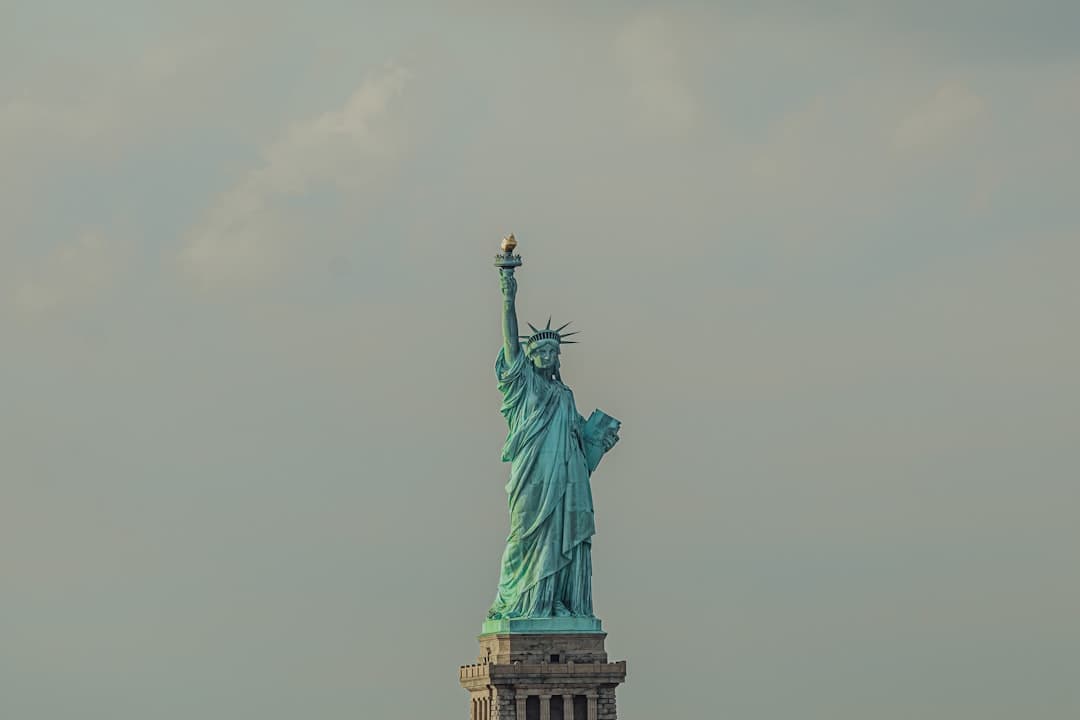
The Statue of Liberty is a colossal neoclassical sculpture standing on Liberty Island in New York Harbor, given to the United States by France as a symbol of shared democratic ideals. Designed by sculptor Frédéric Auguste Bartholdi with an iron framework engineered by Gustave Eiffel — yes, the same Eiffel of the tower — she has greeted ships entering New York since her dedication on October 28, 1886. For millions of immigrants arriving by sea in the late 19th and early 20th centuries, she was literally the first sight of America. That weight of meaning is real, and you feel it standing on the water looking up at her. Getting there is half the experience: you take a ferry from either Battery Park in Lower Manhattan or Liberty State Park in New Jersey, and the approach across the harbor is genuinely stirring. On the island itself, you can walk the grounds and visit the Statue of Liberty Museum, which opened in 2019 and holds the original torch — the current flame is a gilded replica. Depending on your ticket level, you can access the pedestal observation deck or, with the coveted crown tickets, climb 354 steps inside the statue to the crown for jaw-dropping views of Manhattan and the harbor. Most visitors combine the trip with a stop at nearby Ellis Island, included on the same ferry ticket. The crown tickets are the thing everyone wants and the thing most people don't plan far enough ahead to get — they routinely sell out months in advance. Pedestal access also requires advance booking. If you show up at Battery Park hoping to wing it, you'll get grounds-only access at best. The ferry is operated by Statue Cruises, and booking directly through the National Park Service website is the safest route. Go early in the day — crowds build fast, especially in summer — and budget a full half-day minimum if you're doing both islands.
Stedelijk Museum
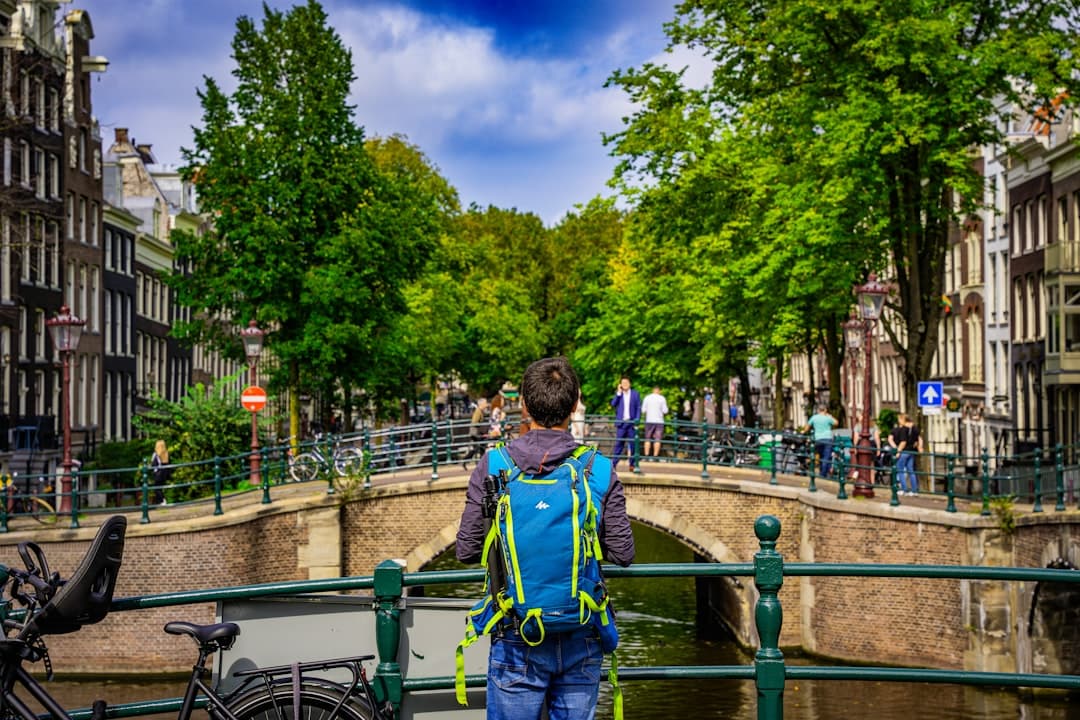
The Stedelijk Museum is Amsterdam's premier museum of modern and contemporary art and design, with a collection spanning from the 1870s to today. Founded in 1895, it has built one of the most significant holdings of 20th-century art in Europe — think Mondrian, Malevich, Kandinsky, Appel, and Warhol, alongside furniture, graphic design, and applied arts that blur the line between fine art and everyday life. It sits on Museumplein alongside the Rijksmuseum and Van Gogh Museum, but where those two draw the longest queues, the Stedelijk rewards the curious visitor who makes the short walk past them. Inside, you move through rotating and permanent galleries covering De Stijl, abstract expressionism, Cobra (the post-war movement co-founded by Dutch artists), Russian avant-garde, and contemporary work that genuinely challenges you. The design collection is a particular highlight — the Stedelijk holds an extraordinary archive of chairs, posters, and industrial objects that make you rethink what a museum can display. The building itself is part of the experience: a 19th-century neoclassical original fused with a massive white contemporary extension nicknamed 'the bathtub' by locals, opened in 2012. It's polarising, but it's unforgettable. Buy tickets online before you go — not strictly essential, but lines at the door can be long during peak season and the ticket desk occasionally has waits. The museum café is genuinely good and worth a stop. If you're combining Museumplein institutions in one day, save the Stedelijk for last — it tends to be quieter in the afternoon and you'll be fresher for work that asks something of you.
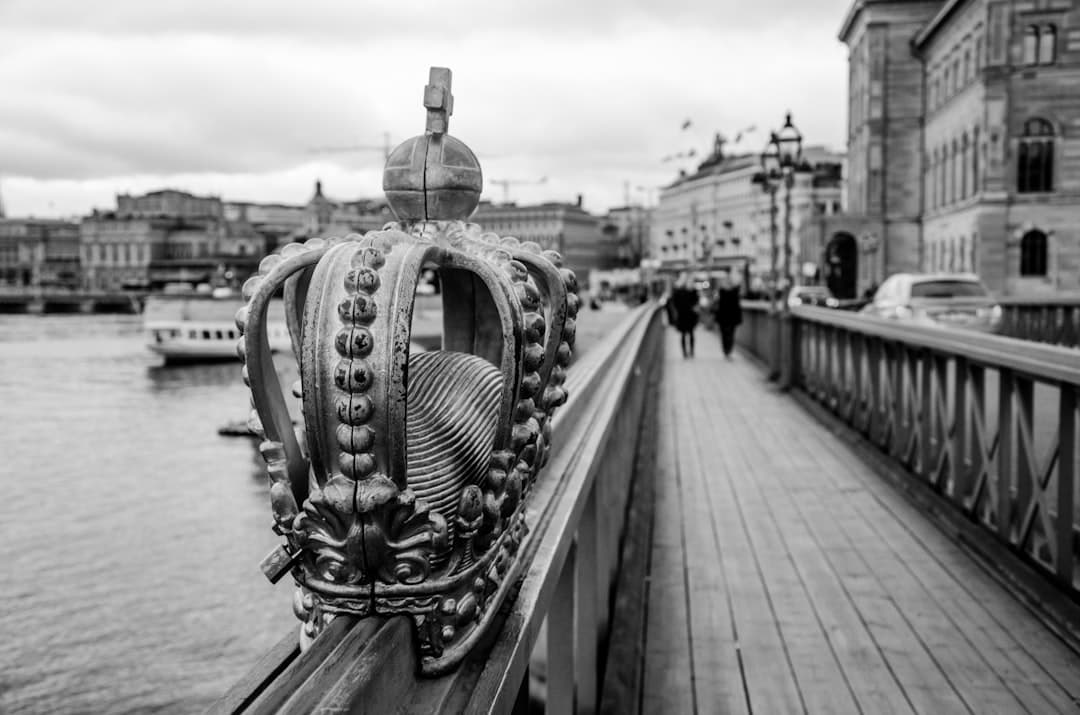
Stockholm Archipelago
The Stockholm Archipelago is one of Scandinavia's great natural wonders — a sprawling maze of roughly 30,000 islands, islets, and skerries fanning out into the Baltic Sea east of Stockholm. Some islands are large enough to have villages, year-round residents, and ferry connections; others are nothing more than a flat rock where a cormorant dries its wings. Together they form a landscape utterly unlike anything else in northern Europe, where the city dissolves gradually into wilderness over the course of an hour's boat ride. What you actually do out here depends on how adventurous you want to be. Day-trippers typically catch a Waxholmsbolaget ferry from Strömkajen in central Stockholm and ride out to one of the larger islands — Vaxholm, with its 16th-century fortress and cluster of painted wooden houses, is the classic first stop. Further out, Sandhamn has been the sailing crowd's summer capital for over a century, with a genuinely lovely village and excellent seafood at restaurants like Sandhamns Värdshus. Grinda and Finnhamn are favorites for kayakers and swimmers, with clear water, flat rocks for sunbathing, and simple cabin accommodation. The further out you go, the wilder and quieter it gets. The archipelago runs on its own unhurried logic — ferries run on schedules that reward planning, and the most rewarding experiences usually involve spending a night or two rather than rushing back on the last boat. Peak season runs from midsummer through August, when the ferry network is fully operational and the islands are genuinely busy. Shoulder season — late May, early June, or September — offers calmer conditions and stunning light without the crowds. If you only have one day, Vaxholm is the easiest and most rewarding target; if you have two or three nights, head further out toward Utö or Sandhamn.
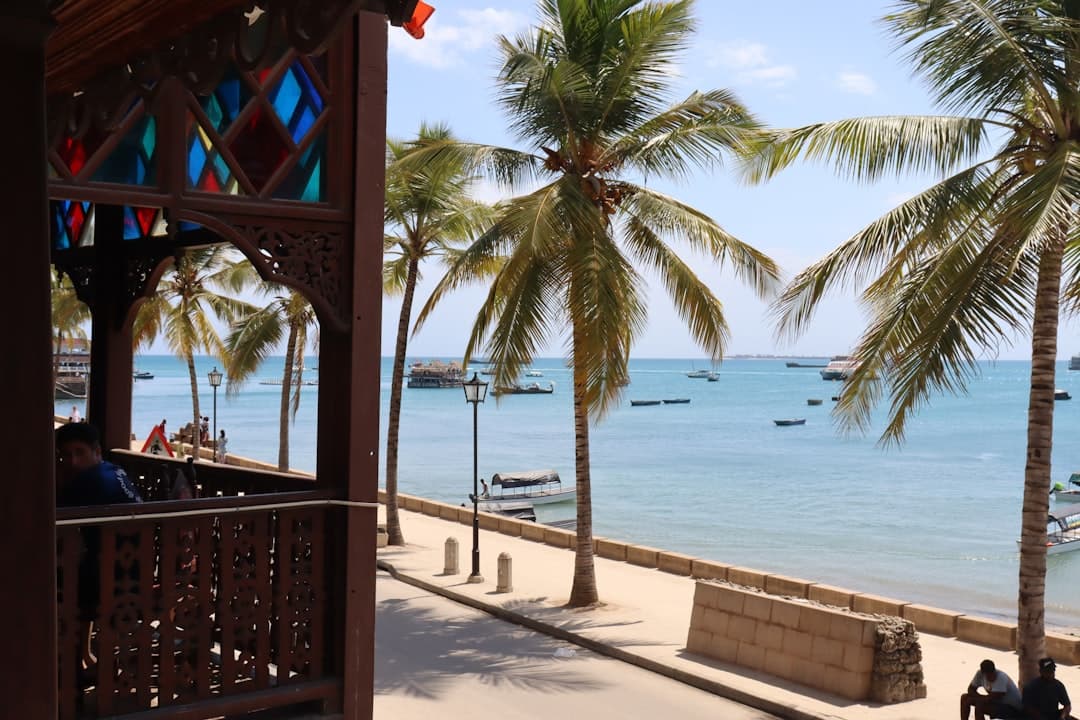
Stone Town
Stone Town is the historic heart of Zanzibar City and one of the best-preserved Swahili trading ports in East Africa. Built largely from coral stone and mangrove timber, it grew into a major hub of Indian Ocean commerce — spices, ivory, and tragically, enslaved people passed through here for centuries. The Sultanate of Oman moved its capital here in the 19th century, and that layering of Arab, Indian, African, and later British colonial influence is written into every building. UNESCO recognized the old town as a World Heritage Site in 2000, and it genuinely deserves it. Walking Stone Town is the activity. The streets are deliberately narrow — designed to keep out the sun and funnel the sea breeze — and they branch off in ways that will absolutely get you lost, which is exactly the point. You'll pass the ornate House of Wonders (Beit el-Ajaib), the Anglican Cathedral built on the site of the old slave market with its haunting memorial, the Persian Baths of Hamamni, and hundreds of those famous carved wooden doors with their brass studs and geometric detail. The waterfront Forodhani Gardens come alive at dusk with a street food market where locals grill Zanzibar pizza, octopus, and lobster right on the spot. The Old Fort, just behind it, is the oldest standing building on the island and hosts cultural events. Stone Town is compact enough to walk across in 20 minutes but dense enough to absorb a full day easily. The best strategy is to hire a local guide for the first morning — someone who can explain what you're looking at and take you into places you'd otherwise walk past — then spend the afternoon wandering on your own. Mornings are cooler and calmer; afternoons get hot. Most of the accommodation inside the old town is in atmospheric converted townhouses, which is absolutely the right way to stay if your budget allows.
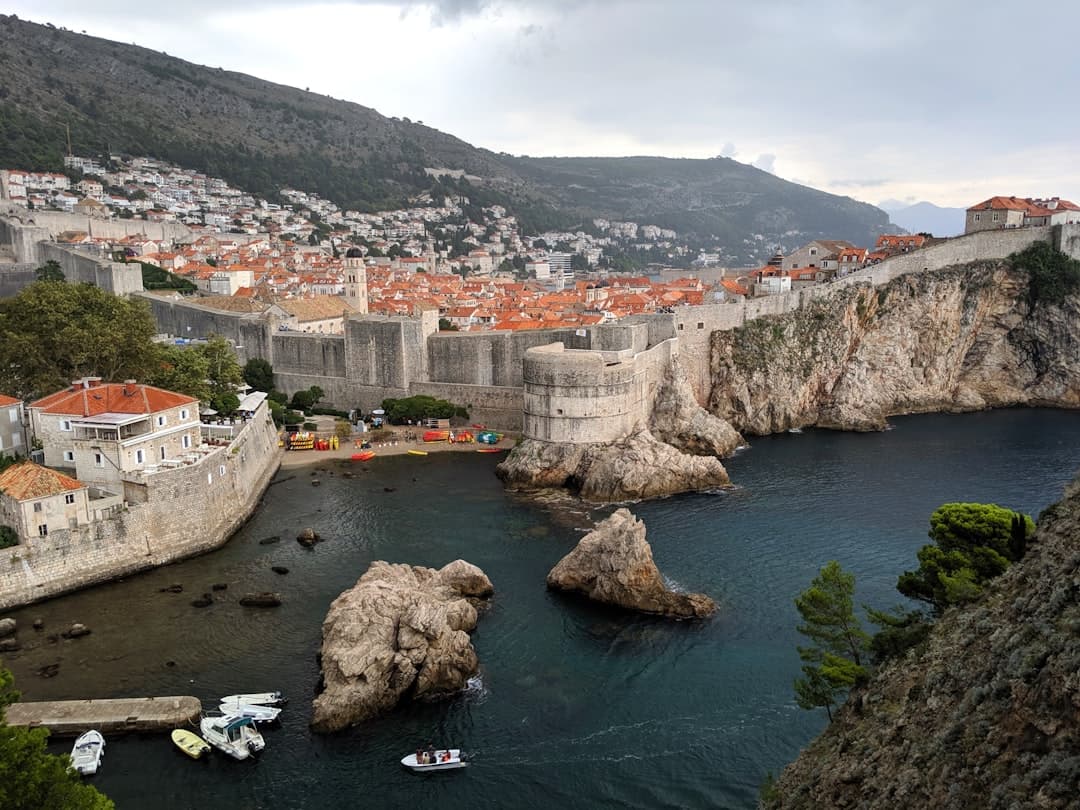
Stradun
Stradun — also called Placa — is the broad, gleaming limestone promenade that runs straight through the heart of Dubrovnik's Old Town. About 300 metres long and flanked by uniform Baroque buildings rebuilt after the catastrophic 1667 earthquake, it functions as the city's living room: the place where everyone passes through, lingers, argues, shops, and watches the world go by. The stone underfoot has been worn to a mirror-like polish by hundreds of years of foot traffic, and on a sunny day it reflects the sky in a way that genuinely stops people in their tracks. Walking Stradun is the foundational Dubrovnik experience. At the western end sits the Pile Gate, the great medieval entrance to the city, and at the eastern end the Ploče Gate and the beautiful Onofrio's Fountain — actually the smaller of two fountains Onofrio della Cava built in the 15th century to supply the city with fresh water. Along the way you'll pass the Franciscan Monastery, home to one of Europe's oldest continuously operating pharmacies (still open, dating to 1317), the Orlando Column, and the Church of St. Blaise, Dubrovnik's patron saint. The street's ground-floor buildings are almost all cafés and shops, and their identical arched doorways and terracotta rooflines give the whole thing an almost theatrical coherence. The single best piece of advice for Stradun is about timing: in July and August, cruise ships disgorge thousands of visitors and the street becomes genuinely overwhelming between 10am and 5pm. Come at dusk or after dinner instead — the crowds thin dramatically, the limestone glows gold under the street lights, and you'll understand immediately why people fall so hard for this city. Early morning in any season is also exceptional. Stradun itself is free to walk; the individual monuments and sites along it have their own entry fees.
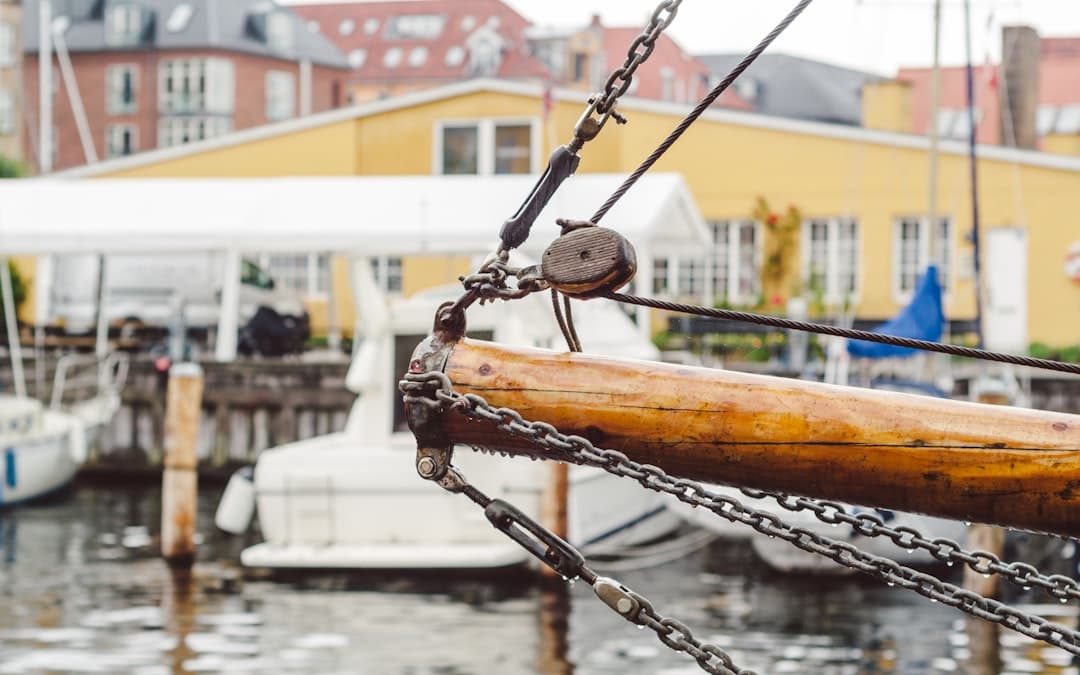
Strøget
Strøget is a roughly 1.1-kilometer chain of connected streets running from Rådhuspladsen (City Hall Square) in the west to Kongens Nytorv in the east, making it one of the longest car-free shopping streets in Europe. It's been a commercial and social artery in Copenhagen for centuries — the street itself predates the pedestrianization that happened in 1962, which was famously controversial at the time (Danes weren't sure they wanted to give up their cars) and is now considered a landmark piece of urban planning. Today it anchors the city center and serves as the main connective thread between Copenhagen's most visited squares, neighborhoods, and attractions. Walking Strøget is a full sensory experience. At the Rådhuspladsen end, you're surrounded by buskers, bike traffic, and the grand red-brick City Hall. As you move east, the street shifts character — past the chaotic, touristy stretch near the H&M and Illum department store, through Gammeltorv and Nytorv (two lovely old squares with a fountain and a former courthouse), and eventually into the more refined, upscale stretch near Amagertorv, where Royal Copenhagen's flagship store sits alongside Georg Jensen and Illums Bolighus. The street terminates near the Magasin du Nord department store at Kongens Nytorv, one of Copenhagen's grandest squares. The mix of global chains and Danish institutions makes it both familiar and distinctively local. Strøget itself is free to wander and works best as a spine around which you build your day rather than a destination in itself. The side streets branching off — into the Latin Quarter to the north and toward Stranden (the canal) to the south — are where Copenhagen's more interesting boutiques, cafés, and galleries hide. Avoid Strøget on rainy Saturday afternoons in summer if you dislike crowds; it becomes genuinely difficult to move. Early morning on a weekday, the street is practically yours.
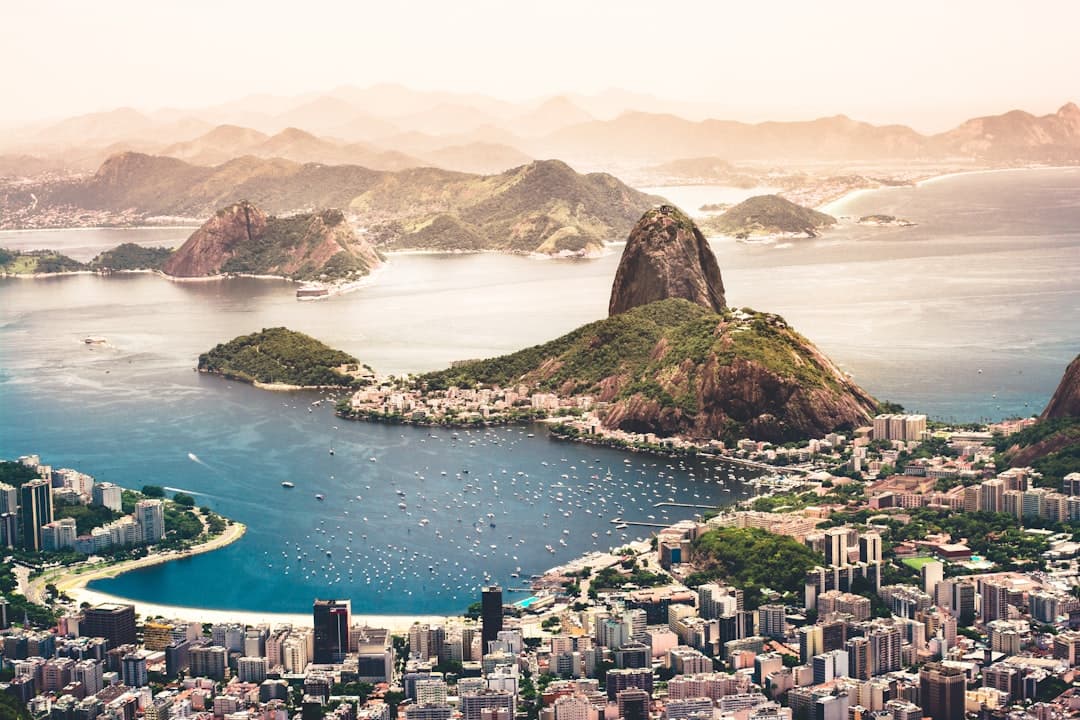
Sugarloaf Mountain
Sugarloaf Mountain — Pão de Açúcar in Portuguese — is a 396-metre granite peak rising dramatically from the edge of Guanabara Bay, and it's been the defining image of Rio de Janeiro for over a century. The name likely comes from the loaf-shaped molds used to refine sugar in colonial Brazil, though the Tupi indigenous name Pau-nh-acuqua may also have played a role. It's not just a pretty rock: this is one of the most recognizable natural landmarks in the world, and standing on top of it gives you the kind of panorama — Copacabana, Ipanema, Cristo Redentor, the bay, the mountains — that reminds you why people have been calling Rio the Cidade Maravilhosa, the Marvelous City, for so long. The experience unfolds in two stages. First, a gondola carries you up to Morro da Urca, the smaller hill midway, where there's a restaurant, a small outdoor stage (live music happens here regularly), and already-stunning views. From there, a second cable car climbs to the summit of Sugarloaf itself. The views from the top are genuinely staggering — the whole geography of Rio spreads out below you, and on clear days you can see far along the coast. There are walking paths around both stations, including some that wind through the Atlantic Forest vegetation clinging to the rock. Rock climbers tackle the sheer granite faces here too, a sport with deep roots in Rio's outdoor culture. The cable car system dates to 1912, making it one of the oldest in the world, though the cars themselves have been updated. Queues can be brutal in peak season — arriving at opening time (around 9am) is the single most effective strategy. Sunset is magical but expect serious crowds. The Urca neighborhood at the base is one of Rio's quietest and most charming, and worth a wander before or after — the Praia Vermelha beach just below the mountain is calm, local, and almost free of tourists.