Statue of Liberty
The world's most recognizable symbol of freedom, rising from New York Harbor since 1886.
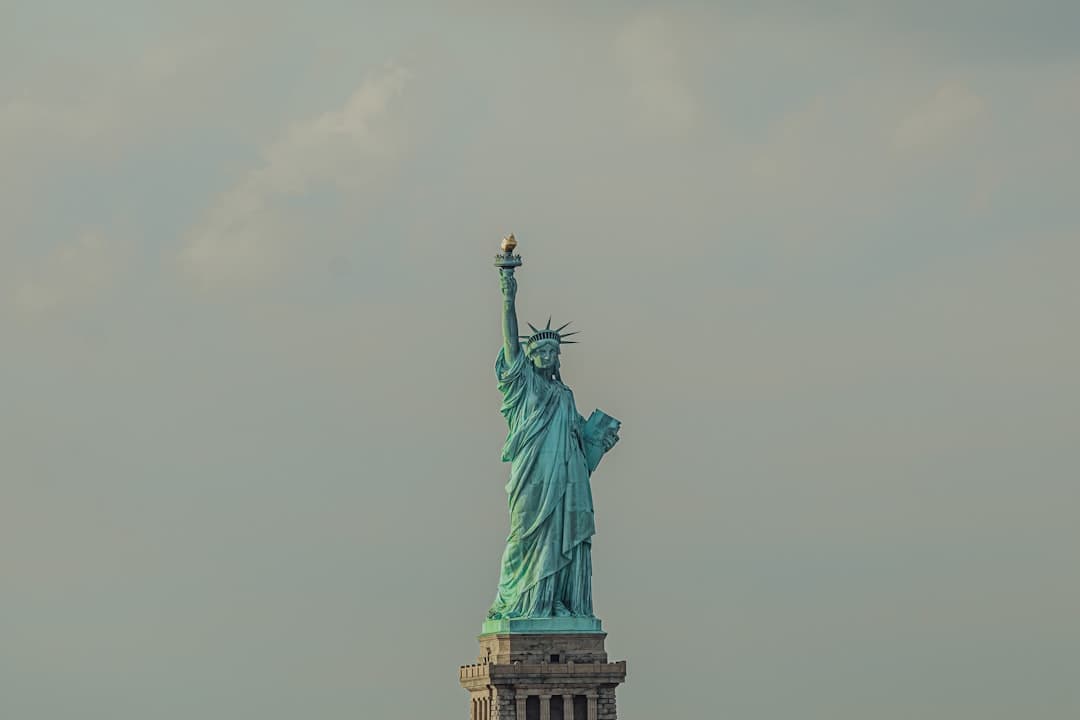
The Statue of Liberty is a colossal neoclassical sculpture standing on Liberty Island in New York Harbor, given to the United States by France as a symbol of shared democratic ideals. Designed by sculptor Frédéric Auguste Bartholdi with an iron framework engineered by Gustave Eiffel — yes, the same Eiffel of the tower — she has greeted ships entering New York since her dedication on October 28, 1886. For millions of immigrants arriving by sea in the late 19th and early 20th centuries, she was literally the first sight of America. That weight of meaning is real, and you feel it standing on the water looking up at her.
Getting there is half the experience: you take a ferry from either Battery Park in Lower Manhattan or Liberty State Park in New Jersey, and the approach across the harbor is genuinely stirring. On the island itself, you can walk the grounds and visit the Statue of Liberty Museum, which opened in 2019 and holds the original torch — the current flame is a gilded replica. Depending on your ticket level, you can access the pedestal observation deck or, with the coveted crown tickets, climb 354 steps inside the statue to the crown for jaw-dropping views of Manhattan and the harbor. Most visitors combine the trip with a stop at nearby Ellis Island, included on the same ferry ticket.
The crown tickets are the thing everyone wants and the thing most people don't plan far enough ahead to get — they routinely sell out months in advance. Pedestal access also requires advance booking. If you show up at Battery Park hoping to wing it, you'll get grounds-only access at best. The ferry is operated by Statue Cruises, and booking directly through the National Park Service website is the safest route. Go early in the day — crowds build fast, especially in summer — and budget a full half-day minimum if you're doing both islands.