American Museum of Natural History
One of the world's great natural history collections, housed in a New York institution since 1869.
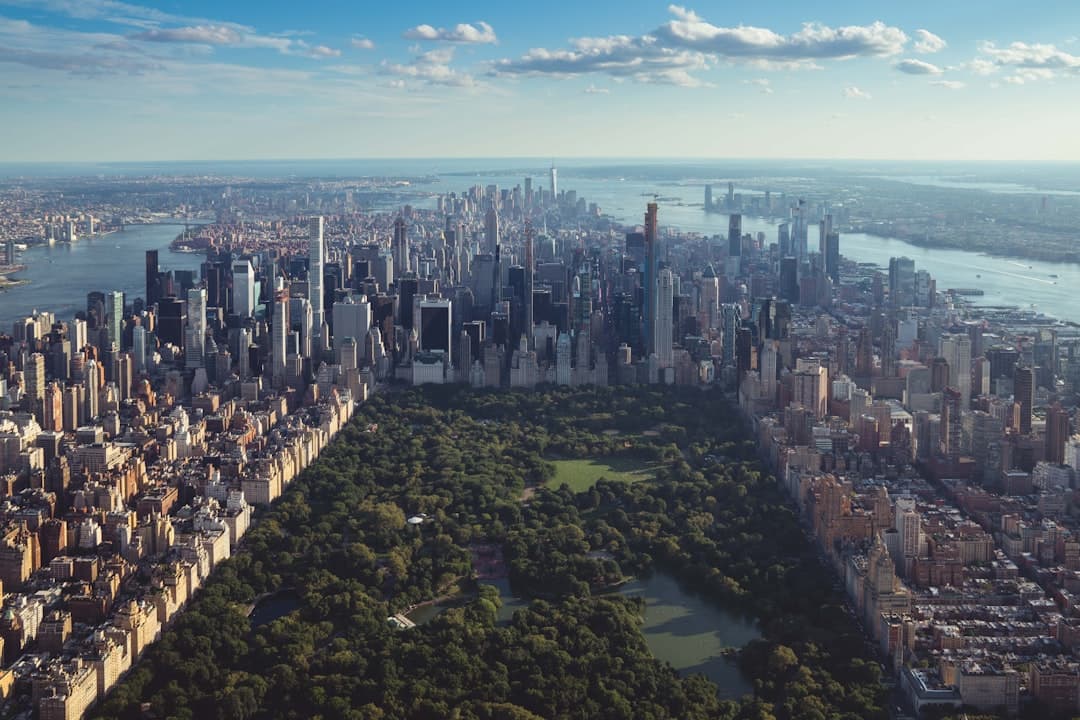
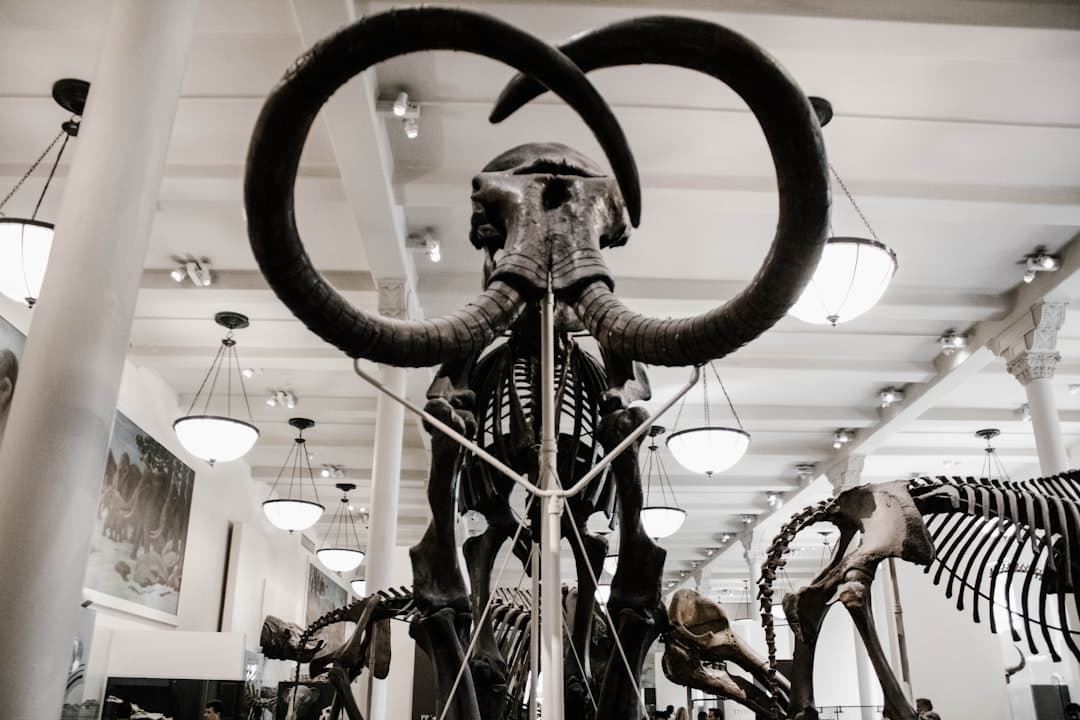
The American Museum of Natural History is a sprawling complex of 45 interconnected buildings on the western edge of Central Park, home to more than 34 million specimens and artifacts spanning the history of life on Earth. It's one of the largest natural history museums anywhere in the world, and one of New York City's most beloved cultural institutions — the kind of place that shaped the childhood of generations of New Yorkers and continues to draw millions of visitors each year. From deep-sea creatures to ancient meteorites, dinosaur bones to the cultures of indigenous peoples around the globe, the breadth here is genuinely staggering.
In practical terms, a visit means navigating a maze of spectacular halls across multiple floors. The fossil halls on the fourth floor are a highlight for almost everyone — the dinosaur skeletons, including a famously repositioned Brontosaurus and a T. rex mid-stride, are genuinely awe-inspiring. The Hall of Ocean Life with its 94-foot blue whale model hanging from the ceiling is an iconic New York moment. The Hall of Human Origins, the Butterfly Conservatory (seasonal), the gem and mineral collection featuring the 563-carat Star of India sapphire, and the Rose Center for Earth and Space — a dramatic glass cube housing a giant sphere — are all worth seeking out specifically.
The museum sits directly on Central Park West between 77th and 81st Streets, steps from the park itself. Timed-entry tickets are recommended but walk-ins are often possible, especially on weekday mornings. The suggested admission is just that — suggested — so you can technically pay what you wish, though most visitors pay the full price. Skip the main cafeteria if you can; the food is average and overpriced. A much better move is to pack in, spend the morning, then grab lunch in the park or head a few blocks to the excellent restaurant options along Columbus Avenue.