9/11 Memorial & Museum
New York / 9/11 Memorial & Museum

9/11 Memorial & Museum

Where New York honors the 2,977 lives lost on September 11, 2001.

🏛️ Sights & Landmarks🎭 Arts & Entertainment
👨‍👩‍👧 Family-friendly🎭 Cultural

The 9/11 Memorial & Museum occupies the footprint of the original World Trade Center in Lower Manhattan, built on the site where the Twin Towers once stood. It exists to remember the nearly 3,000 people killed in the September 11, 2001 attacks and the 1993 World Trade Center bombing, and to help visitors understand what happened, why it mattered, and how the world changed in its wake. The outdoor memorial — two massive reflecting pools set into the exact footprints of the fallen towers, with the names of every victim carved into their bronze parapets — is free and open to the public. The underground museum requires a ticket, and it's a far more immersive and emotionally demanding experience.

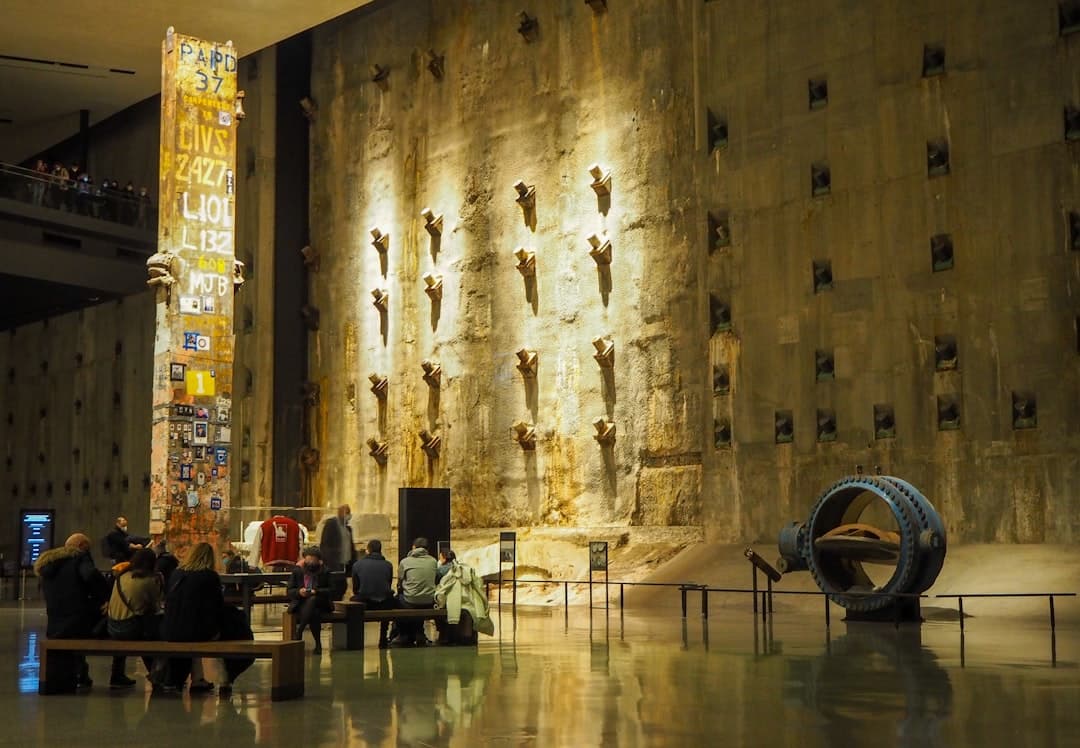
Inside the museum, you descend below street level into what was once the bedrock of the towers. The exhibitions are extensive and carefully curated: you'll see recovered artifacts including a battered fire truck, twisted steel columns, and the Last Column removed from the site in 2002. The historical exhibition walks through the events of the day with audio, video, and survivor testimony. There's also a memorial exhibition where each victim is given a dedicated space — a photograph, a recorded voice, a small biography. It's quietly devastating and genuinely important. Allow more time than you think you'll need.

Buy tickets in advance — walk-up availability exists but the museum draws large crowds, especially in summer and around September 11. Tuesday closures are common for maintenance; always check before you go. The memorial plaza is open even when the museum is closed, and on a clear day the view of One World Trade rising above the pools is remarkable in its own right. First responders and victims' family members receive free admission to the museum — it's worth knowing that the space is designed with them equally in mind.
Local Tips

  1. 1

    The outdoor memorial plaza is free and open without a ticket — if you're short on time or budget, the reflecting pools alone are worth visiting.

  2. 2

    Tuesday is a common closing day for the museum (though hours can vary seasonally) — always verify on the official website before making it your plan for the day.

  3. 3

    The museum's café, operated by Union Square Hospitality Group, is a thoughtful and well-run space — better than most museum dining and a decent spot to decompress after the exhibitions.

  4. 4

    Visitors who need a moment of quiet can find it in the memorial hall near the Slurry Wall — one of the original retaining walls from the 1970s construction, left exposed as part of the museum's structure. It's a genuinely arresting piece of living history.

When to Go

Best times
Weekday mornings (late autumn or winter)

Quieter crowds, shorter waits, and a more contemplative atmosphere in the museum. The reflecting pools are striking in winter light.

Try to avoid
September 11

The annual memorial ceremony on September 11 closes the pools and much of the plaza to the general public. If you're visiting around this date, expect significant restrictions and very high emotion in the surrounding area.

Summer (June–August)

Peak crowds and long queues, especially on weekends. The outdoor plaza has little shade and can be uncomfortably hot. Book tickets well in advance and arrive at opening.

Why Visit

01

The twin reflecting pools — built into the exact footprints of the fallen towers — are among the most powerful pieces of public memorial design in the world.

02

The underground museum holds actual recovered artifacts from the site, including steel from the towers and personal belongings of victims, presented with genuine care and historical rigor.

03

The memorial exhibition gives every one of the 2,977 victims a name, a face, and a voice — it transforms a historical event into a deeply human story.