
All Places
1,073 places around the world
1,073 places · page 37 of 45
Shimokitazawa
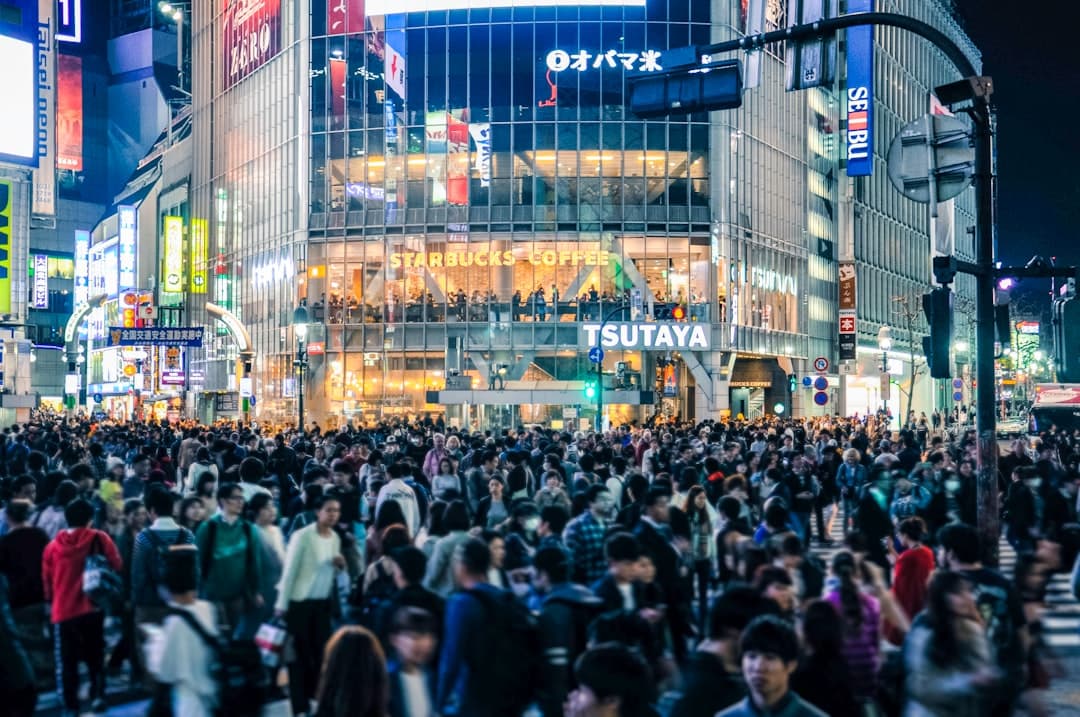
Shimokitazawa is a dense, walkable neighborhood in western Tokyo that has spent decades resisting the city's relentless modernization — and largely succeeding. Where most of Tokyo rebuilt itself into glass and efficiency after the postwar years, Shimokitazawa kept its narrow lanes, its low-slung buildings, and its culture of independent creativity. It's long been the center of Tokyo's indie music scene, its theater community, and its secondhand fashion culture, and it draws artists, students, and the chronically cool in numbers that have made it genuinely famous without making it feel like a theme park version of itself. Spending time here means wandering. The neighborhood is organized around two main areas near the train station — north and south exits — connected by a web of small streets you half-expect to dead-end but don't. You'll browse vintage clothing shops ranging from curated Americana collections to full-on costume warehouses. You'll eat well at tiny ramen counters, Japanese curry spots, and international hole-in-the-wall restaurants. When evening comes, the real Shimokitazawa reveals itself: the neighborhood has more live music venues per square meter than almost anywhere in Japan, from the storied Shelter to the newer BONUS TRACK development, which opened in 2020 along the old Odakyu railway trench and brought a fresh crop of indie bookshops and cafes with it. Come on a weekend afternoon and the streets fill up but never feel oppressive — this isn't Harajuku. The neighborhood rewards slowness: ducking into record shops, catching a coffee at Bear Pond Espresso or one of the many indie cafes, lingering over a curry. The Odakyu and Keio Inokashira lines both stop here, making it easy to reach from Shinjuku or Shibuya in about ten minutes. Most shops open around noon and run late; live music venues typically have doors at 6 or 7pm with shows starting after. Bring cash — many of the smaller independent shops still don't take cards.
Shinjuku Golden Gai
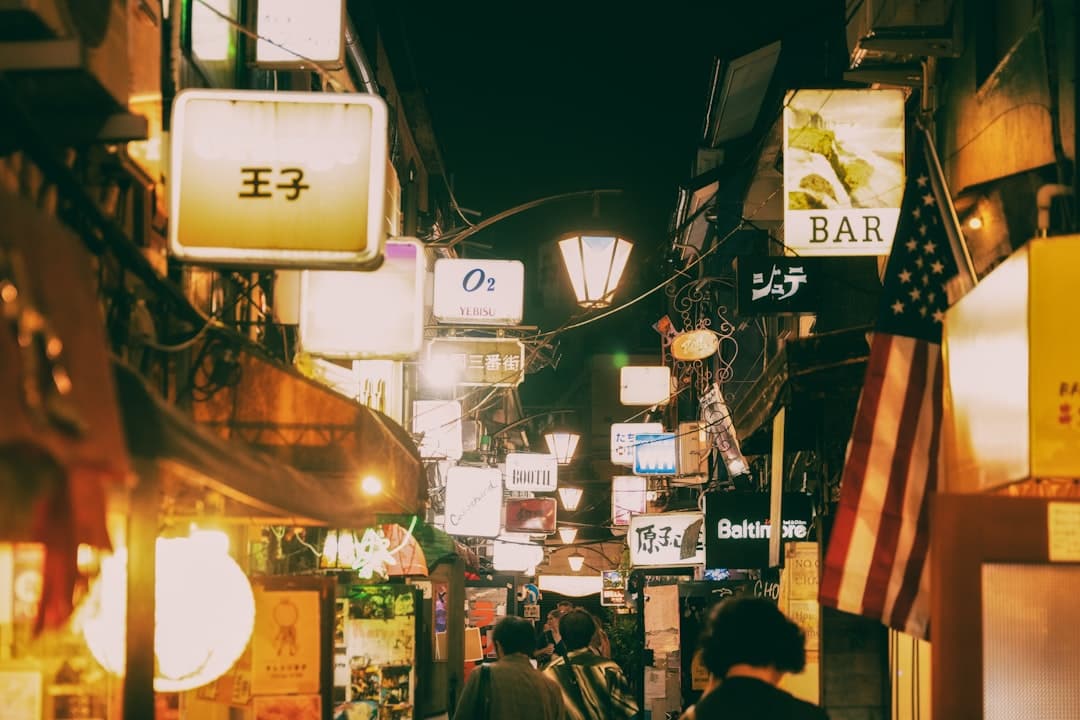
Golden Gai is a dense warren of six interconnected alleyways tucked into the Kabukichō entertainment district of Shinjuku, packed with around 200 miniature bars — most seating fewer than ten people. It survived the postwar black market era, escaped the 1980s bubble-economy redevelopment that swallowed much of old Tokyo, and has somehow held its ground against developers ever since. Each bar has its own personality: some are dedicated to jazz or film noir, others to heavy metal or manga, and a few have no theme at all beyond the singular tastes of whoever runs them. This is not a tourist attraction dressed up to look authentic — it is the real thing, a neighborhood that has been drinking and arguing and creating here for decades. Visiting Golden Gai means picking a lantern-lit alley at random, ducking through a door that barely fits two people side by side, and finding yourself perched on a stool next to a screenwriter, a retired salaryman, or a visiting novelist. Conversation happens easily here, partly because the spaces are so small there's nowhere to hide. Many bars charge a small cover fee (typically 500–1,000 yen), which covers a snack and effectively means you're a guest rather than just a customer. Walk the alleyways first to get a feel for the vibe of each place before you commit — the hand-painted signs and window decorations tell you a lot about who belongs inside. Golden Gai comes alive after dark, with most bars opening in the early evening and some running until sunrise. The Google listing says 24 hours, which reflects the area's overall hours rather than any single bar — individual spots keep their own idiosyncratic schedules. Come on a weekday if you want a quieter, more local crowd; weekends draw a younger international mix. A few bars, like Albatross with its dramatic chandelier-lit interior, have become well known enough to fill up early, so if you have a specific spot in mind, arrive before 9pm.
Shinjuku Gyoen
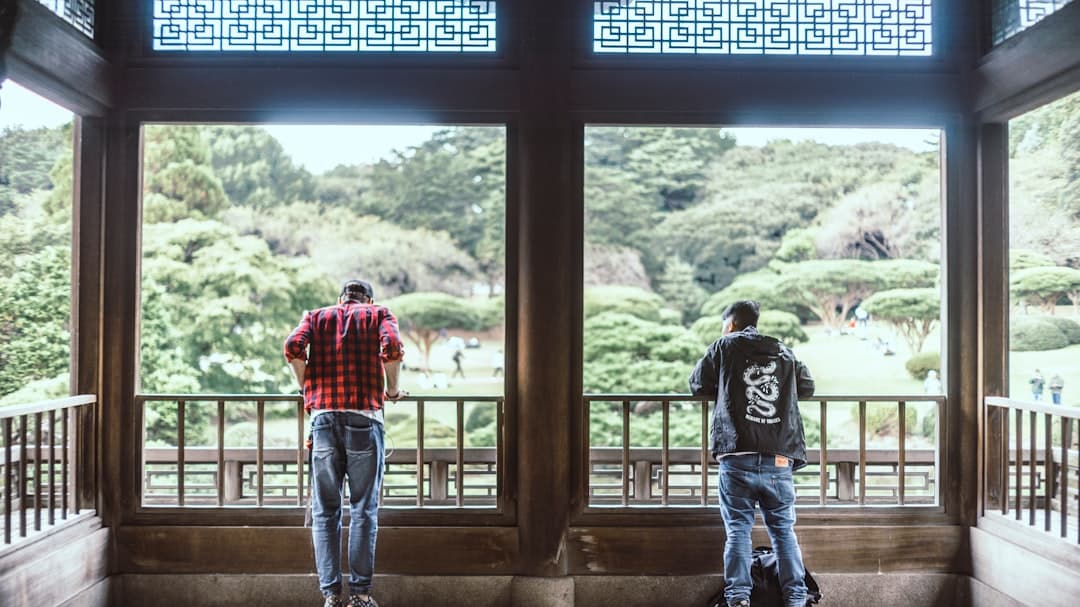
Shinjuku Gyoen is a large national garden in the heart of Tokyo, originally built as an imperial garden in 1906 and later opened to the public after World War II. It sits just a short walk from the chaos of Shinjuku Station — one of the busiest transit hubs on the planet — which makes the contrast when you step inside genuinely startling. The garden is managed by the Ministry of the Environment and covers nearly 60 hectares, blending three distinct landscape styles: a formal French garden, an English landscape garden, and a traditional Japanese garden with ponds, stone lanterns, and clipped pine trees. Most visitors spend their time moving between these three garden styles, each with its own atmosphere and sightlines. The Japanese garden section has a central pond with a small island and a lovely sense of enclosure. The French garden is open and geometric, anchored by rows of plane trees. The greenhouse near the center houses tropical plants and is worth a look even in good weather. Shinjuku Gyoen is most famous for cherry blossom season — it has over 1,000 cherry trees across multiple varieties, meaning the bloom period here stretches longer than at most Tokyo parks. It's one of the city's premier hanami (flower-viewing) spots. Alcohol is not permitted inside the garden, which is worth knowing if you're used to the beer-in-the-park hanami culture at places like Ueno. That rule actually keeps the atmosphere calmer and the crowds more manageable. There are small snack kiosks inside, but the vibe is peaceful picnic rather than party. Entry is cheap — around 500 yen for adults — and the garden closes on Mondays. Arrive through the Shinjuku gate or the Okido gate depending on where you're coming from; both are well-signposted.
Shinsaibashi
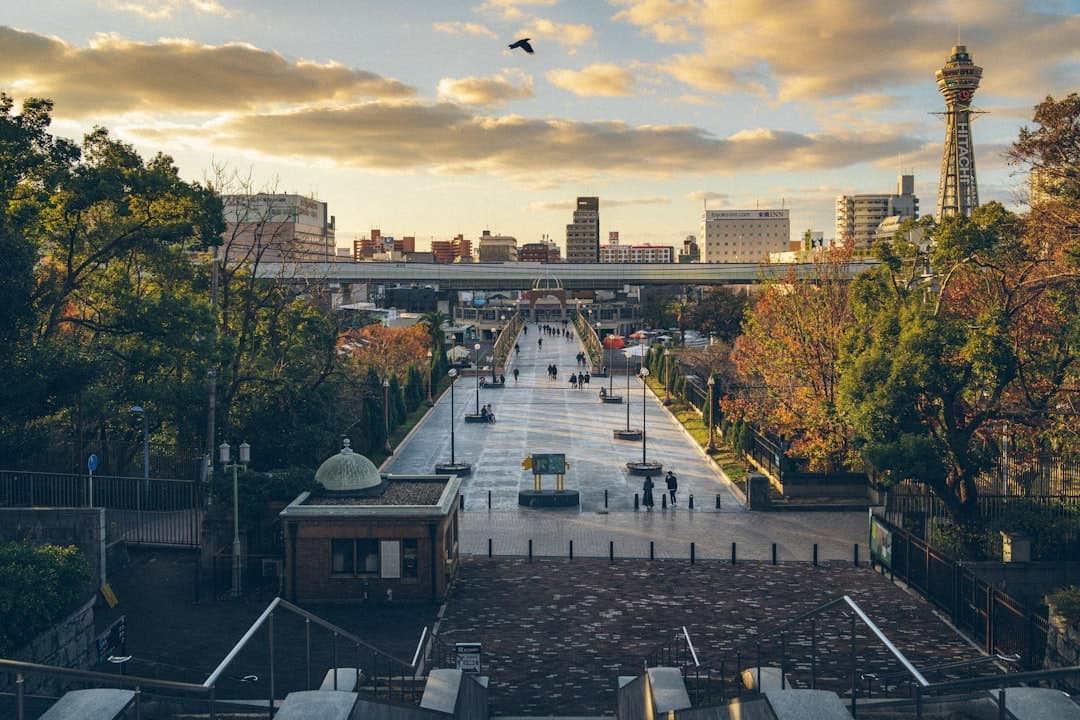
Shinsaibashi is Osaka's most famous shopping district, a sprawling network of streets and covered arcades in the Chuo Ward that has been a commercial hub for over 400 years. The centerpiece is Shinsaibashisuji, a roughly 600-meter covered shopping arcade (shotengai) running north to south, packed with everything from international luxury brands to 100-yen shops, fast fashion chains, cosmetics stores, and local Osaka snack purveyors. It connects at its southern end to Amerika-Mura, the countercultural district known as 'Amemura,' and bleeds northward toward the upscale Hondori area and Namba. This is not a curated mall experience — it's a living, breathing commercial street that has continuously reinvented itself while staying genuinely popular with locals and visitors alike. Walking Shinsaibashisuji means navigating a cheerful crush of shoppers, the smell of takoyaki drifting from nearby stalls, window displays competing loudly for your attention, and occasional street performers working the covered arcade. You'll find the flagship Daimaru department store at the northern anchor, Apple Store Japan, global chains like Zara and H&M, but also local Osaka brands, vintage clothing shops spilling into side streets, and skincare and beauty stores that draw serious shoppers from across Asia. Side streets branching off the main arcade lead into quieter pockets — indie boutiques, izakayas, coffee shops — and it's worth wandering these rather than staying purely on the main strip. The district is busiest on weekends and public holidays, and the covered arcade means rain is rarely a reason to skip it. Evenings have a different energy — the neon kicks in, the restaurant and bar density increases, and the crowd shifts younger. Shinsaibashi is also extremely well connected by subway (Shinsaibashi Station on the Midosuji and Nagahori Tsurumi-ryokuchi lines), making it a logical base or transit point for exploring nearby Namba, Dotonbori, and Amerikamura.
Shinsekai
Shinsekai is a dense, atmospheric neighborhood in southern Osaka that feels like a time capsule from the mid-20th century. Built in 1912 as a utopian entertainment district modeled on Paris and Coney Island, it fell into decline over the following decades and became one of the city's poorer, rougher areas. Rather than being demolished or gentrified into blandness, it survived largely intact — neon signs, retro pachinko parlors, old-school sento bathhouses, and all. Today it's one of the most distinctive and genuinely characterful corners of any major Japanese city, dominated by the Tsutenkaku Tower that has stood at its center since 1956. The experience here is overwhelmingly about eating, wandering, and soaking up atmosphere. The neighborhood is famous above all for kushikatsu — skewered, deep-fried meat and vegetables dunked in a communal sauce, with a strict no-double-dipping rule that every restaurant enforces with cheerful aggression. The streets are lined with kushikatsu joints, many of them tiny, standing-room affairs run by elderly Osakans who've been at it for decades. Between bites you'll pass vintage game arcades, old men playing shogi outside convenience stores, mahjong parlors, and shops selling Billiken figurines — the good-luck deity who has been Shinsekai's mascot since the early 1900s. Climbing Tsutenkaku Tower gives you a view over the whole scene and a chance to rub Billiken's feet for luck. Shinsekai sits next to Tennoji, one of Osaka's main transport hubs, so it's genuinely easy to reach — yet it still feels off the well-worn tourist trail. Come in the early evening when the neon kicks in and the kushikatsu restaurants are humming. Avoid weekends if you're claustrophobic, as the central strip around Tsutenkaku can get packed. The neighborhood has a slightly rough-and-ready edge that is absolutely part of the charm — this isn't a theme park recreation of old Osaka, it's the real thing.
Shoreditch
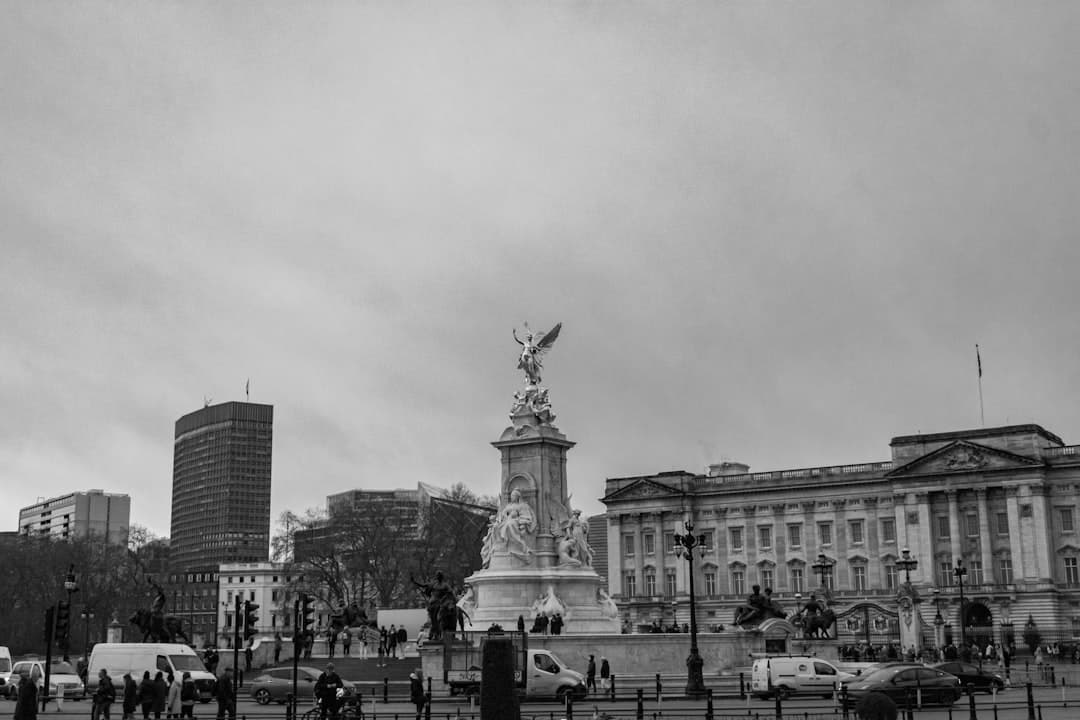
Shoreditch is a neighbourhood in East London that transformed over the past two decades from a post-industrial backwater into one of the most culturally vibrant districts in Europe. It sits just east of the City of London's financial district, and the contrast is deliberate and thrilling — gleaming bank towers give way almost instantly to painted warehouse walls, independent coffee shops, and design studios. The area became the engine room of London's tech and creative industries in the 2000s, earning the nickname 'Silicon Roundabout' for its cluster of startups around Old Street, and that entrepreneurial, experimental energy still shapes everything about it. Walking through Shoreditch is a full sensory experience. Brick Lane to the south is lined with Bangladeshi curry houses, vintage clothing markets, and some of the city's best street art — Banksy has left work here, and rotating pieces by artists from around the world cover almost every surface. Boxpark, a pop-up shopping mall built from repurposed shipping containers on Bethnal Green Road, captures the neighbourhood's knack for reinvention. The area around Shoreditch High Street and Hoxton Square fills with galleries, record shops, and design boutiques by day. Come evening, the whole district shifts gear — rooftop bars, basement clubs, and former Victorian railway arches turned cocktail venues take over. Shoreditch doesn't really have a single address — it's an experience you piece together by wandering. The Ebor Street coordinates place you squarely in the middle of the action, near Shoreditch High Street Overground station. Thursday through Saturday nights are the busiest, and the opening hours listed here reflect the neighbourhood's nightlife rhythm rather than any single venue. Come in the daytime if you want the street art and markets without the crowds; come at the weekend if you want to understand why East London has been the city's cultural centre for a generation.
Sian Ka'an Biosphere Reserve
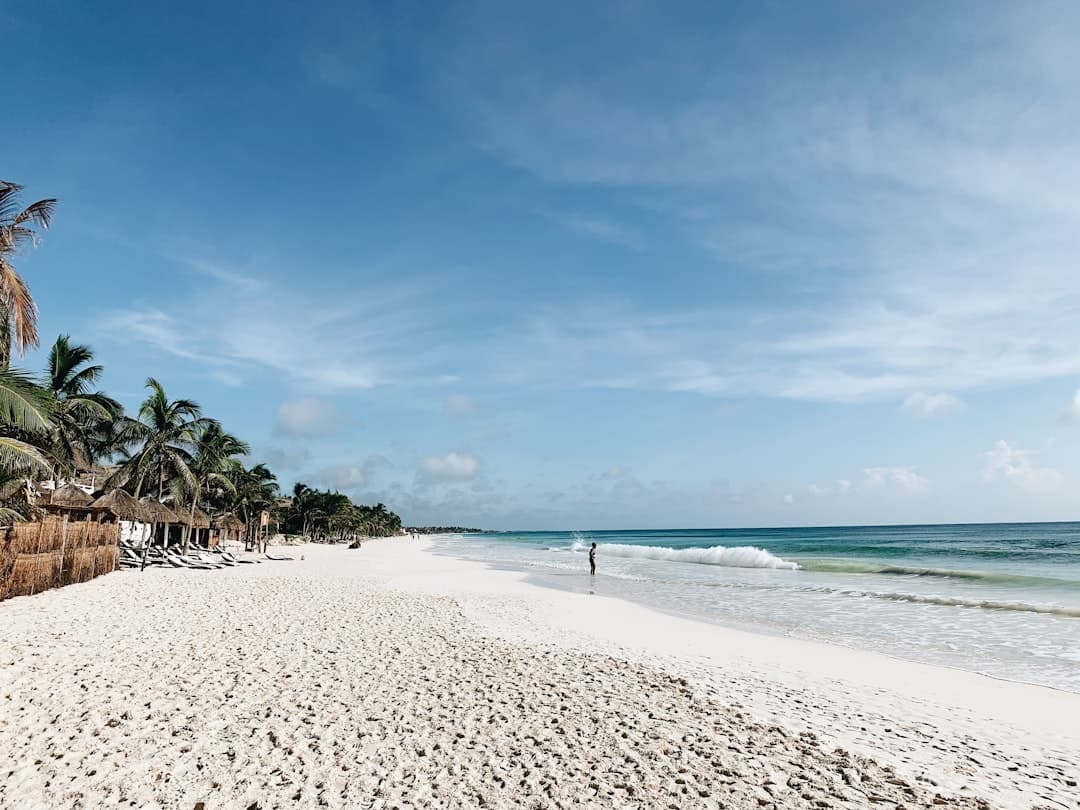
Sian Ka'an — which means 'where the sky is born' in Mayan — is one of the largest protected areas in Mexico and a UNESCO World Heritage Site. Covering roughly 1.3 million acres of the Yucatán Peninsula's Caribbean coast, it encompasses tropical forests, mangrove swamps, freshwater lagoons, marshes, and a significant stretch of the Mesoamerican Barrier Reef. It sits just south of Tulum's hotel zone, making it one of the most accessible truly wild places in the entire Caribbean region. Jaguars, manatees, crocodiles, howler monkeys, and over 300 species of birds live here — and because visitor numbers are kept deliberately low, you can actually see them. Most visitors explore Sian Ka'an on a guided boat tour through the lagoons and canals, many of which were built by the ancient Maya and still function as waterways today. The floating experience in the current — essentially drifting through a jungle canal wearing a life jacket — has become one of the signature activities. Birdwatching from a panga boat at sunrise is exceptional, and the reef access from within the reserve is far less trafficked than anything near Tulum proper. Some tours also stop at minor Mayan archaeological sites within the reserve, adding genuine historical depth to what is already a layered natural experience. Access is through the Tulum zona hotelera's southern end, along a rough road that itself forms part of the reserve boundary. Independent access by car is technically possible — the entrance checkpoint is free — but most of the reserve's interior is only reachable by boat with a licensed guide. Reputable operators like Sian Ka'an Biosphere Reserve Tours and community-run cooperatives from the town of Punta Allen work within the reserve legally and support local conservation. Book a licensed operator in advance, especially in high season, and plan to give this a full day.
Sibelius Monument
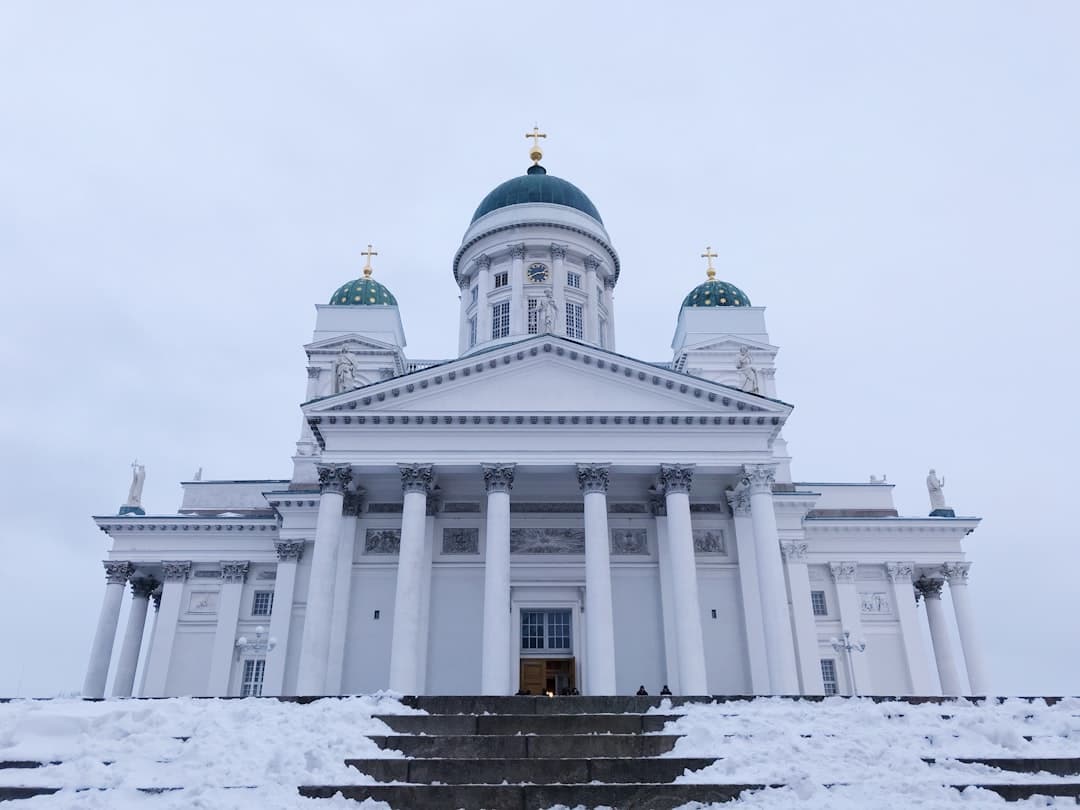
The Sibelius Monument is one of the most striking pieces of public sculpture in all of Scandinavia — a forest of 600 hollow steel pipes (often cited as 500, but closer examination puts the count higher) welded together into an undulating, organ-like wave, rising out of a quiet park in the Töölö neighbourhood. It was created by sculptor Eila Hiltunen and unveiled in 1967, dedicated to Jean Sibelius, the Finnish composer whose symphonies — particularly Finlandia — became synonymous with the Finnish national identity and the country's push for independence from Russia. The monument is abstract, which caused real controversy when it was unveiled; critics and even Sibelius's own family initially pushed back, demanding a more literal portrait. Eventually a small relief of the composer's face was added to the side, a compromise that somehow makes the whole thing more interesting rather than less. When you arrive, the sheer scale of the thing stops you short. The pipes cluster and surge like a breaking wave frozen in metal, and on a windy day you can actually hear them hum — a faint, eerie resonance that feels entirely appropriate for a monument to a composer. The park itself, Sibelius Park (Sibeliuksen puisto), is beautifully maintained, set along the waterfront of Töölönlahti Bay, and most visitors spend time circling the sculpture from multiple angles, discovering how completely different it looks from each side. The surrounding greenery makes it photogenic in every season. The monument is free, open at all hours, and easy to reach from central Helsinki — it's about a 20-minute walk from the city centre or a short tram ride on the number 4 line. Come in the morning for soft light and fewer tour groups, or in midsummer evening when the sky stays luminous until midnight and the sculpture takes on a warm golden tone. It pairs naturally with a walk along the Töölönlahti waterfront or a visit to the nearby Temppeliaukio Church, carved into solid bedrock just a few blocks away.
Sidi Mohammed Ben Abdallah Museum
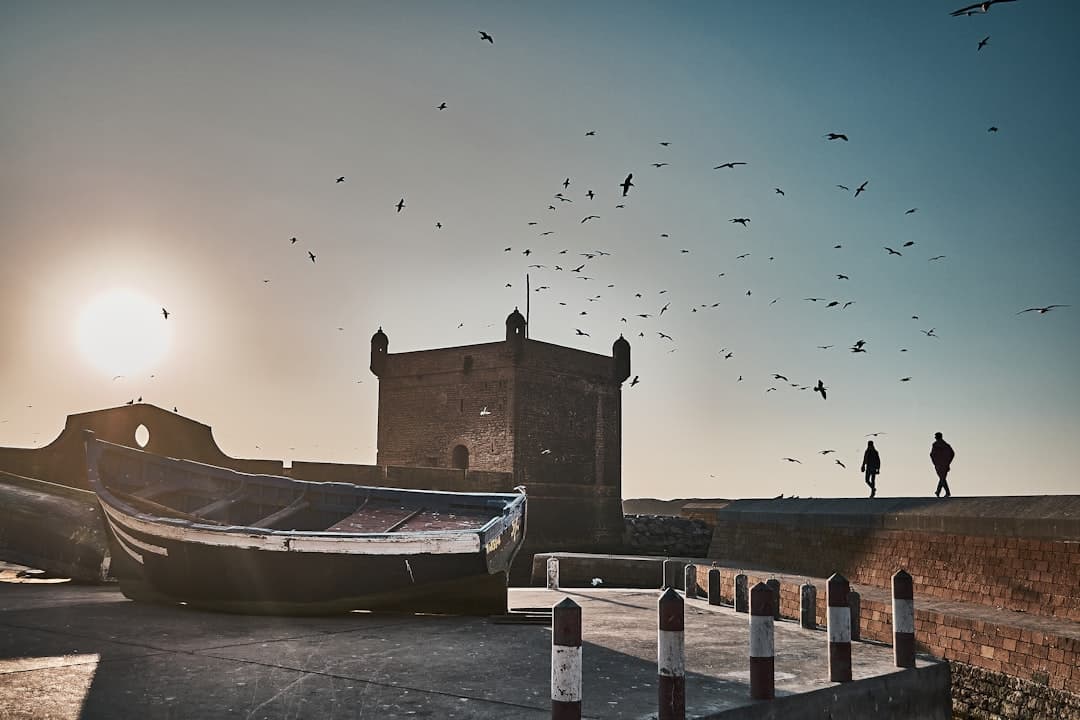
Housed in an 18th-century riad in the heart of Essaouira's medina, the Sidi Mohammed Ben Abdallah Museum is the city's primary ethnographic and cultural museum, named after the sultan who founded Essaouira in the 1760s. It's the kind of place that gives a coastal Moroccan city real depth — not just a pretty port, but a place with layers of Jewish, Berber, Arab, and Gnawa history woven together over centuries. The collection focuses on the arts, crafts, music, and daily life of the region, making it an essential stop for anyone wanting to understand what actually makes Essaouira tick. Inside, you'll move through a series of rooms arranged around a traditional courtyard, each dedicated to a different aspect of regional culture. Instruments from Gnawa musical traditions sit alongside elaborately decorated weapons, embroidered textiles, silverwork, and carved wooden pieces — all tied to the Haha and Chiadma Berber tribes of the surrounding region. There's also material relating to the Jewish community that once played a central role in Essaouira's commercial life as a trading port. It's not an enormous collection, but it's thoughtfully curated and the building itself — with its carved plasterwork, zellige tilework, and quiet courtyard — is part of the exhibit. The museum is easy to miss if you're drifting through the medina without a plan, but it's well worth seeking out. Entry is cheap, crowds are thin compared to the souks, and staff are generally happy to answer questions. Combine it with a walk along Rue Laalouj and the nearby ramparts for a morning that covers both culture and Essaouira's famous sea views.
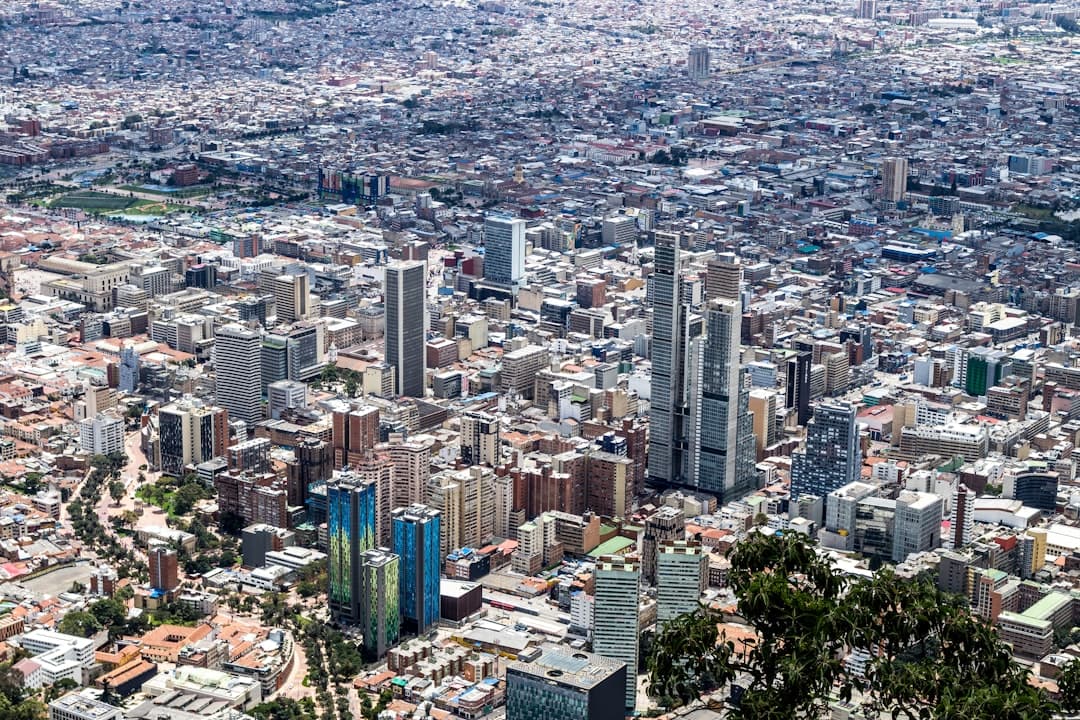
Simón Bolívar Park
Simón Bolívar Park is Bogotá's largest urban park — roughly 400 hectares of open lawns, lakes, tree-lined paths, and event grounds sitting at over 2,600 metres above sea level in the middle of the city. Named after the South American independence hero whose statue anchors the grounds, it serves as the city's de facto public living room, drawing millions of bogotanos every week for exercise, family outings, and the kind of unhurried outdoor time that can be hard to find in a city of eight million people. On any given weekend morning, the park is alive: cyclists and joggers loop the interior paths, families spread out on the wide grassy fields, kids feed ducks around the central lake, and vendors roll in with arepas, chontaduros, and cold drinks. The park also contains an open-air amphitheatre and has been the site of some of Latin America's biggest concerts — Rock al Parque, Colombia Al Parque, and major international acts have all played here. On quieter weekdays it shifts tone entirely, becoming almost contemplative, with the Andes backdrop visible on clear mornings. The park sits in the Teusaquillo district, a relatively safe and accessible part of central Bogotá, well connected by TransMilenio. Come early if you want the park at its best — bogotanos are serious about their morning exercise routines, and the atmosphere before 9am on a Sunday is genuinely special. Altitude affects visitors more than locals, so pace yourself if you're arriving from sea level.
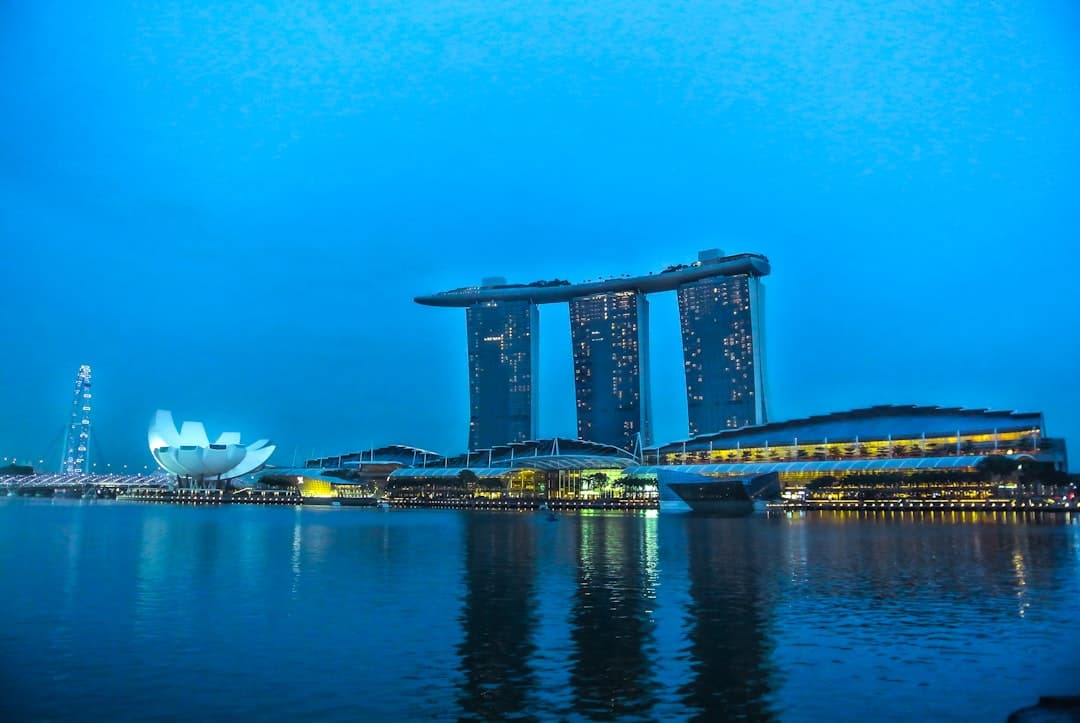
Singapore Botanic Gardens
The Singapore Botanic Gardens is a 160-year-old tropical garden spread across 82 hectares in the heart of the city, and in 2015 it became Southeast Asia's first UNESCO World Heritage Site. Founded by the British in 1859, it has played a quiet but pivotal role in global history — rubber seeds smuggled out of Brazil were cultivated and distributed here in the late 19th century, kickstarting the industry that transformed the entire Malay Peninsula. Today it functions as both a serious scientific institution and a beloved public park where Singaporeans jog, picnic, and simply breathe. The garden's centrepiece is the National Orchid Garden, a ticketed section housing over 1,000 orchid species and 2,000 hybrids — including the Vanda Miss Joaquim, Singapore's national flower. Beyond orchids, you'll wander through the misty cool of the Climate-Controlled Cooler Conservatories, gaze into the glassy Swan Lake, explore the sprawling Heritage Trees, and lose yourself in the lush Rainforest section near Bukit Timah Gate, one of the oldest surviving patches of primary rainforest in Singapore. Free outdoor concerts happen regularly on the Shaw Foundation Symphony Stage, and the lawn fills up on weekend evenings with families and friends. The main Tanglin Gate entrance off Cluny Road drops you close to the Orchid Garden and the visitor centre. Aim for early morning — the light is gorgeous, the heat is manageable, and the regulars are out doing their tai chi before the tour groups arrive. The gardens are free to enter (the Orchid Garden charges a small admission), and they stay open until midnight, making a dusk visit with the fairy lights around the lake genuinely lovely. Avoid midday on weekends from June through August when school holiday crowds peak.
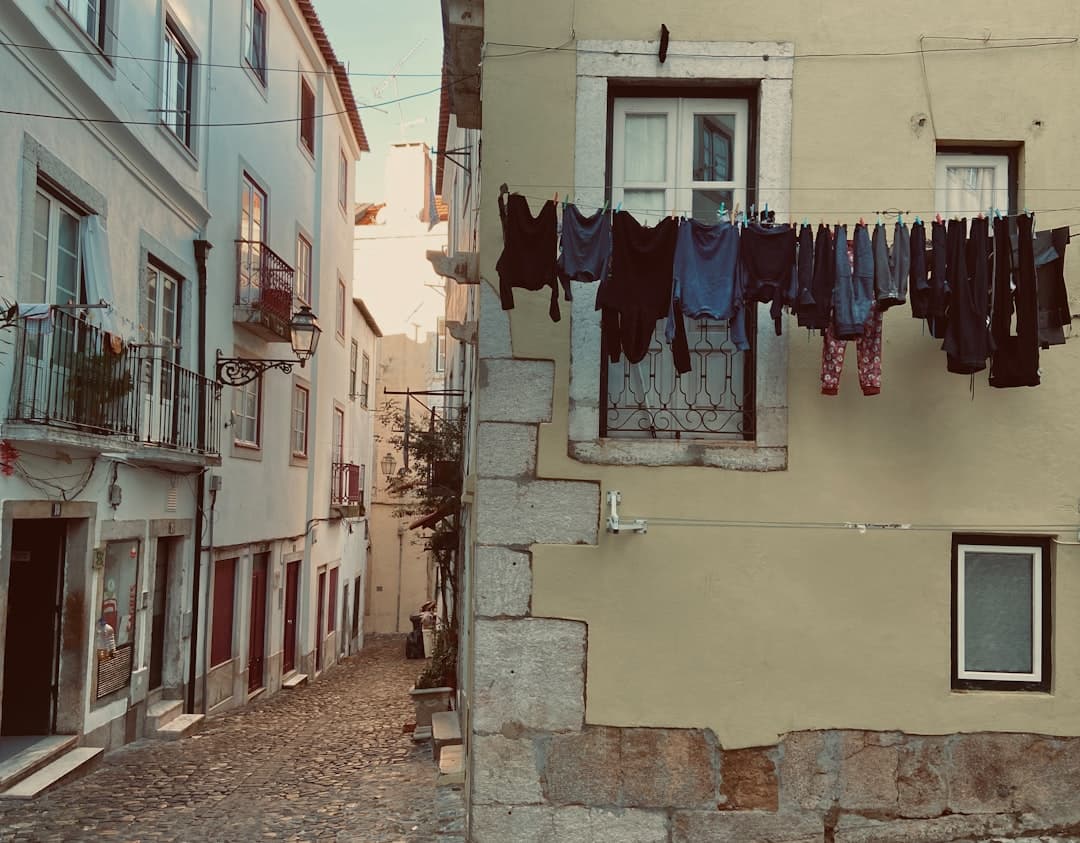
Sintra
Sintra is a small town about 30 kilometers west of Lisbon that sits inside a UNESCO World Heritage Cultural Landscape — and once you arrive, it's immediately obvious why. Backed by the cool, mist-shrouded Serra de Sintra hills and dotted with extravagant royal palaces, ornate gardens, and crumbling Moorish ruins, it looks like somewhere a fantasy novelist invented. For centuries it was the summer retreat of Portuguese royalty, and the wealth and imagination they poured into this hillside is staggering. Nothing about it feels ordinary. A visit means climbing winding cobblestone paths and forested trails between wildly different architectural fantasies. The Palácio Nacional da Pena is the showstopper — a riot of yellow and red turrets perched on a rocky peak, part neo-Manueline, part neo-Gothic, part something entirely its own. Nearby, the ruins of the Castelo dos Mouros offer panoramic views stretching to the coast on clear days. Down in the town center, the Palácio Nacional de Sintra with its twin conical chimneys dominates the main square. And if you push further west into the hills, the Quinta da Regaleira — with its secret underground initiation well and mystical gardens — rewards anyone curious enough to explore it properly. The key insider move is arriving early, before the tour buses from Lisbon unload. The first tuk-tuks start rolling up around 9am and by 11am the narrow lanes are genuinely crowded. Wear real walking shoes — the terrain is steep and the cobblestones are unforgiving. The classic pastelaria treat here is the travesseiro, a puff pastry filled with almond and egg cream, sold at Piriquita in the old town and well worth the queue. Buy a combined ticket for the palaces if you're planning a full day, and budget more time than you think you need — this place has a way of swallowing hours.
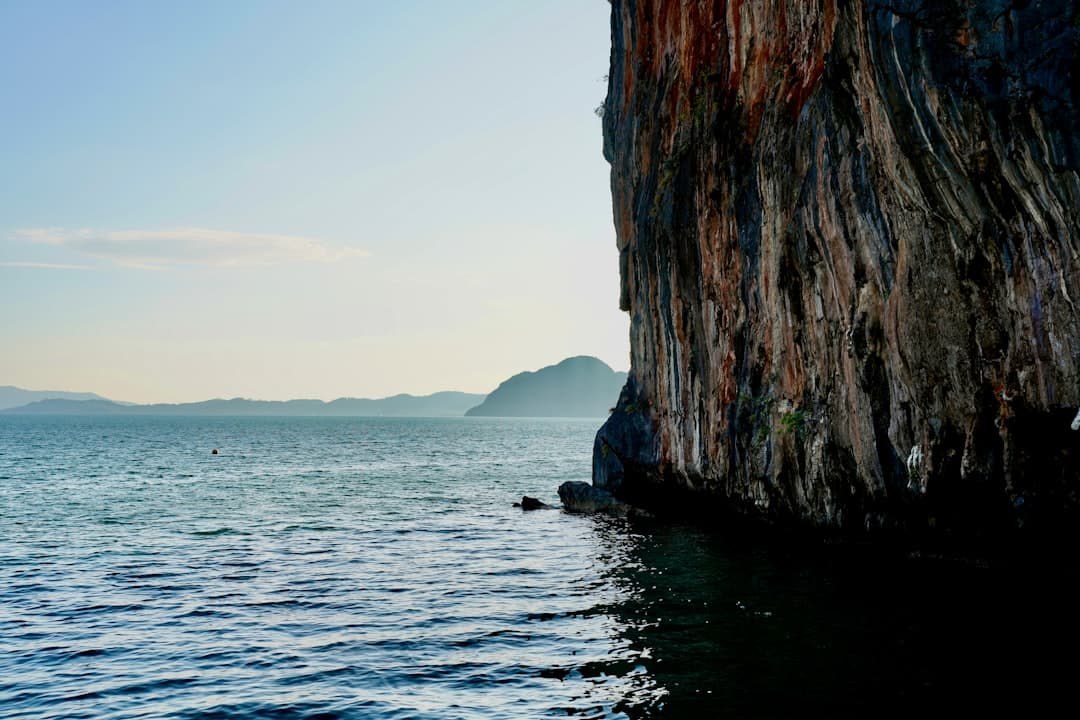
Sirinat National Park
Sirinat National Park covers roughly 90 square kilometres of northwestern Phuket, protecting a stretch of coast that includes three beaches — Nai Yang, Nai Thon, and Mai Khao — along with significant mangrove forests and coral reef. It's named after the late Princess Mother Srinagarindra and sits just minutes from Phuket International Airport, yet it feels genuinely removed from the island's resort machinery. Mai Khao is Phuket's longest beach and one of the few places in Thailand where Olive Ridley and leatherback sea turtles still come ashore to nest, typically between November and February. In practice, visiting the park means choosing your own pace. You can walk the long, wind-swept arc of Mai Khao with almost no one else around, snorkel the relatively healthy reef off Nai Yang's bay, or follow the boardwalk trail through the mangroves near the park headquarters and watch mudskippers and monitor lizards go about their business. The beaches here have no jet skis, no banana boats, and no hawkers — the national park designation keeps them that way. Nai Thon is the smallest and most sheltered of the three, popular with families for its calm water in the dry season. The listed opening hours apply to the visitor centre and park headquarters rather than beach access, which is effectively unrestricted at all hours. Entry fees are collected at checkpoints and are modest — foreign visitors pay a standard national park rate. The best practical advice is to arrive early at Nai Yang if you want shade under the casuarina trees, and to ask at the headquarters about current turtle nesting activity if you're visiting in the nesting season, as rangers sometimes run low-key guided evening walks.
Skala de la Ville
The Skala de la Ville is a grand sea-facing rampart built by the Portuguese in the 16th century and later expanded under Sultan Sidi Mohammed ben Abdallah in the 18th century, who transformed Essaouira into a major Atlantic trading port. This fortified platform runs along the northern edge of the medina, its thick stone walls and ornate battlements looking out over the wild blue of the Atlantic. It's one of the most iconic structures in Morocco, and the image of its bronze cannons lined up against the sea is practically synonymous with Essaouira itself. Walking the rampart is a genuinely dramatic experience. You stroll along a wide stone platform lined with antique European cannons — many cast in Spain, Portugal, and France in the 17th and 18th centuries, and still bearing their original markings — as the ocean crashes against the rocks far below. The views take in the whole sweep of the coastline, the medina's whitewashed rooftops, and on clear days the distant smudge of islands that make up the Îles Purpuraires. Wind is a constant companion here — Essaouira is nicknamed 'the city of winds,' and the Skala is fully exposed to it. Entry to the main rampart walkway is free and always open, making it one of the best no-cost experiences in Essaouira. Come in the late afternoon when the light turns the stone walls golden and the cannons cast long shadows. Just below the walls, on the ocean side, you'll find a cluster of small workshops where local artisans carve thuya wood — the aromatic root burl unique to this region — a craft that has been practiced in the shadow of these ramparts for generations.
Skansen Open-Air Museum
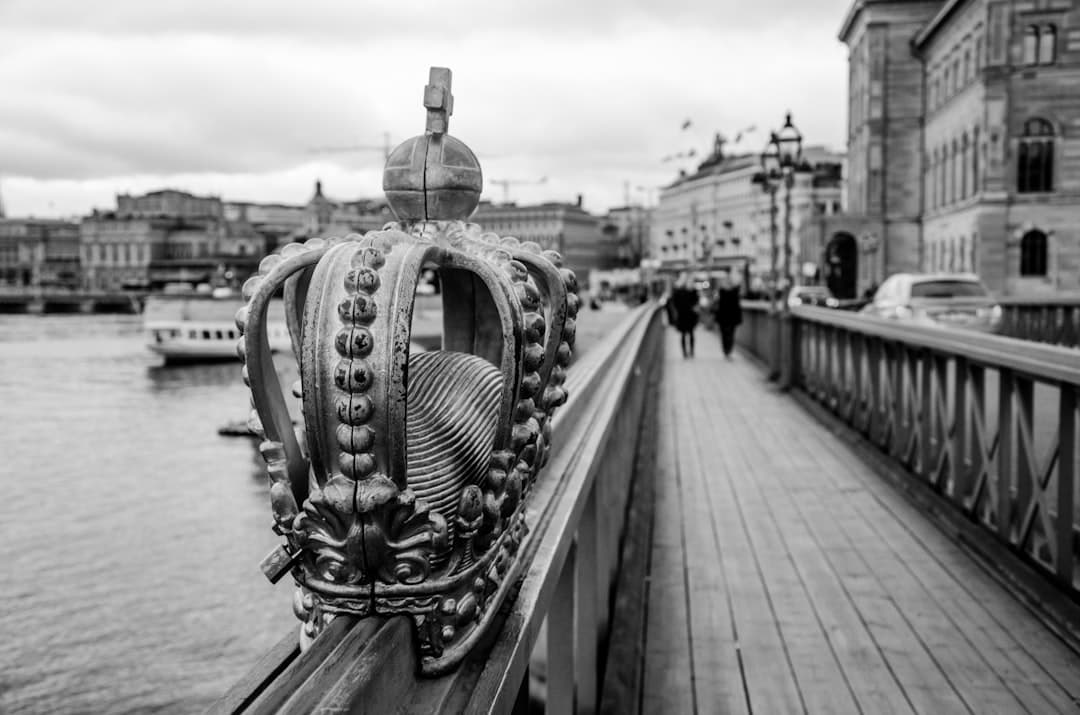
Skansen is the world's oldest open-air museum, founded in 1891 by ethnographer Artur Hazelius on the island of Djurgården in central Stockholm. Spread across 75 acres of hilly parkland, it was created to preserve Swedish folk culture at a time when industrialization was rapidly erasing traditional ways of life. The idea was radical for its time: physically relocate historic farmhouses, windmills, manor houses, churches, and workshops from across Sweden and repopulate them with craftspeople keeping old trades alive. That concept — the living museum — has since been copied around the world, but Skansen remains the original and arguably the best. On any given visit you might walk through a 19th-century Sámi camp, watch a glassblower at work in a 17th-century manor's outbuildings, peer into a fully furnished 1920s Stockholm apartment, or catch a folk dance demonstration on the open-air Bollnästorget stage. The site also has a Scandinavian zoo with moose, wolves, bears, lynx, and wolverines — animals that feel genuinely at home in the forested terrain. The hill provides sweeping views over Stockholm's waterways, and the whole place has a cheerful, unhurried pace that makes it feel less like a museum and more like a very civilized expedition. Skansen earns a full day if you want to see it properly. Come early to beat school groups and get the craftspeople before they get busy. In December, the Christmas market here is one of the most atmospheric in Scandinavia — mulled wine, traditional foods, and candlelight in genuinely old buildings. The on-site Solliden restaurant has decent traditional Swedish food and a terrace with one of the better views in the city. Entry prices vary by season and are lower in winter when some buildings close, so check the official website before you go.
Sketch London
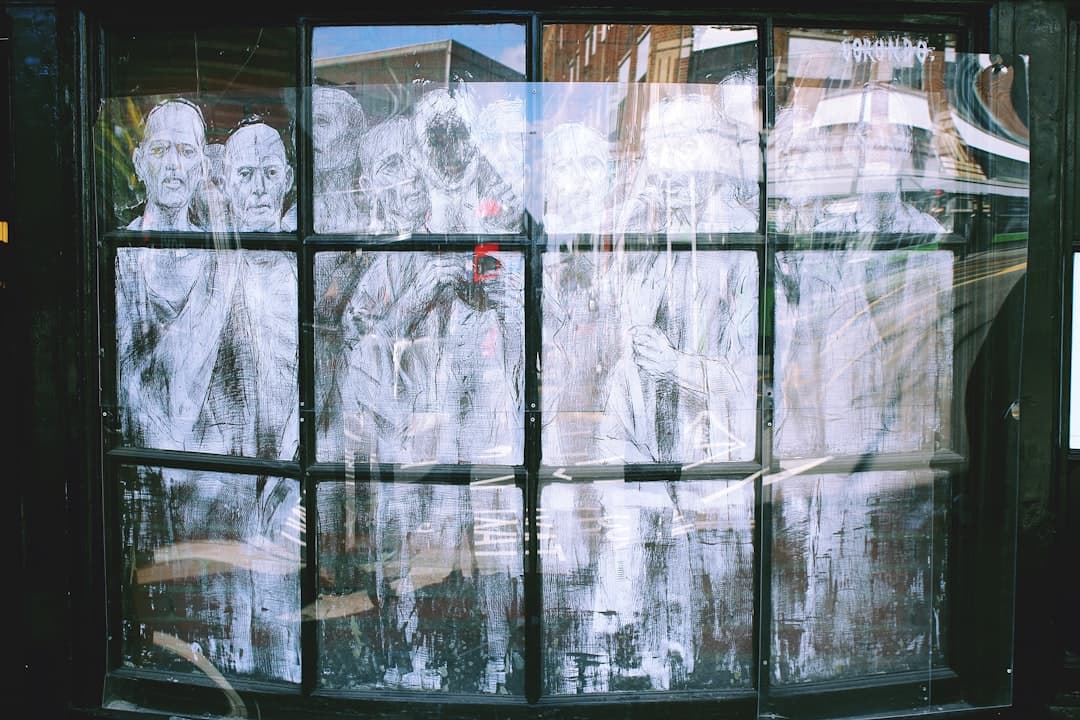
Sketch is a sprawling, multi-room restaurant and bar complex occupying an early 18th-century townhouse in Mayfair. Opened in 2002 by restaurateur Mourad Mazouz and chef Pierre Gagnaire, it has become one of London's most talked-about dining destinations — not just for the food, but for its sheer commitment to creating an environment unlike anything else in the city. Each room is a completely different world, designed by a different artist or designer, making the building feel more like an installation than a conventional restaurant. The experience depends heavily on which room you visit. The Parlour is a pink-drenched, Instagram-famous all-day dining room with cushioned banquettes and afternoon tea. The Lecture Room & Library holds two Michelin stars and delivers Pierre Gagnaire's elaborate French tasting menus in a jewel-box setting. The Gallery — the most photographed room — glows in a blush pink palette designed by India Mahdavi, with David Shrigley artworks covering every wall. The Glade feels like dining inside an enchanted forest. And then there are the toilets: egg-shaped pods in a futuristic white atrium that people genuinely queue to see. Sketch also runs late into the night on weekends, transitioning into a cocktail bar and live music venue. Practically speaking, you need to book well in advance — particularly for the Gallery and Lecture Room, which fill up fast. Afternoon tea in the Parlour is the most accessible entry point and excellent value relative to comparable London experiences. Don't go expecting a quiet, understated meal; Sketch is deliberately maximalist and performative. That's exactly the point.
Sky Garden
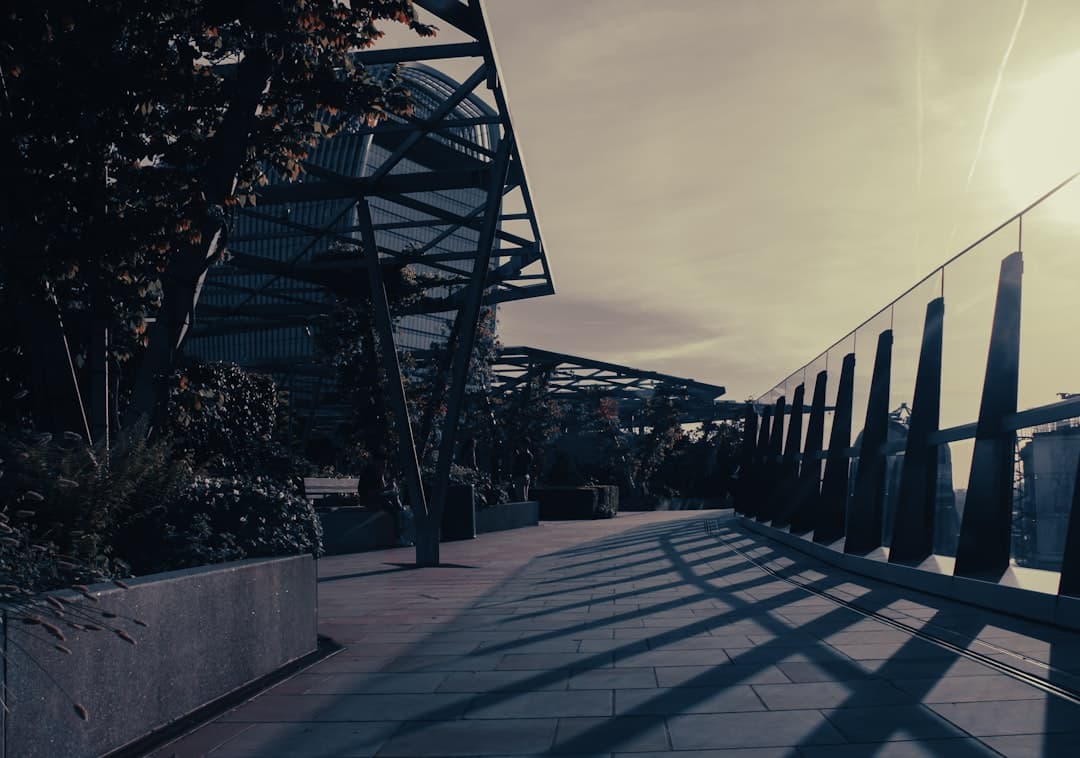
Sky Garden sits at the top of 20 Fenchurch Street — the bulbous tower Londoners have nicknamed the Walkie-Talkie — rising 35 floors above the City of London. The building was designed by Rafael Viñoly and completed in 2014, and as part of the planning permission, the developer was required to make the top three floors publicly accessible. The result is a vast glass atrium filled with landscaped gardens, restaurants and bars, and some of the most sweeping panoramic views of London available for free. Once you're up there, the space opens into a soaring botanical garden with tropical and Mediterranean planting, winding walkways, and seating at multiple levels. The views stretch in every direction: Tower Bridge and the Thames to the south, St Paul's Cathedral to the west, the Gherkin and Canary Wharf visible from different angles. There are two restaurants — Fenchurch Restaurant for sit-down dining and Darwin Brasserie for something more casual — plus the Garden Bar and a walk-up café. You can simply wander and look, grab a drink, or book a proper meal with arguably the best window tables in London. The catch is that free entry requires pre-booking a timed slot through the Sky Garden website, and slots — especially for weekend afternoons and evenings — go fast. Booking a couple of weeks out is wise. If you can't get a free garden slot, booking a table at Darwin Brasserie gets you through the door too. Morning slots on weekdays are the easiest to secure and deliver a calmer, less crowded experience than the popular early-evening rush.
Sky Tower
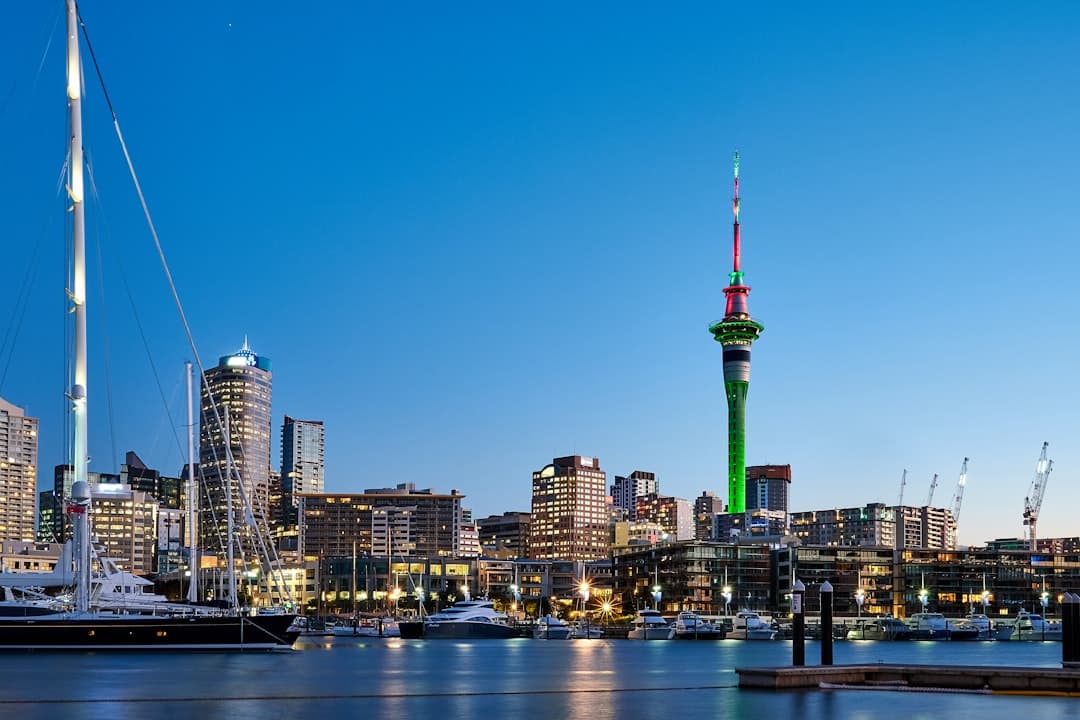
The Sky Tower is a 328-metre telecommunications and observation tower that has dominated Auckland's skyline since it opened in 1997. It's the tallest freestanding structure in the Southern Hemisphere — a title that still holds — and the single most recognisable landmark in New Zealand's largest city. Even if you never go up, it orientates you wherever you are in Auckland. If you do go up, it becomes the anchor around which the entire trip makes sense. The experience centres on three observation levels. The main observation deck at 186 metres has floor-to-ceiling windows and a section of glass floor that stops most people dead in their tracks — it takes a moment of courage to step out onto it. Above that, the outdoor Sky Deck at 220 metres gives you open air and the full roar of the wind off the Hauraki Gulf. For the genuinely fearless, the SkyWalk — a guided circuit of the outer rim with no handrails — and the SkyJump — a controlled freefall of 192 metres — are both run from here. There's also a revolving restaurant, Orbit, partway up, and the SKYCITY complex at the base. The tower sits at the corner of Victoria Street West and Federal Street in the heart of the CBD, a short walk from Queen Street and the waterfront. It's a tourist-facing attraction, no question, but the view at golden hour or after dark — when the harbour lights up and you can see as far as the Waitākere Ranges and the Coromandel Peninsula on a clear day — is genuinely earned. Buy tickets online to skip the queue at the desk, and aim for late afternoon to catch both the daylight panorama and the city at dusk.

Skyline Gondola & Luge
Skyline Queenstown is a cable car and mountaintop complex perched on Bob's Peak, rising about 450 metres above Queenstown. The gondola itself is one of the steepest in the Southern Hemisphere, and the ride takes roughly five minutes — but those five minutes reframe the entire town below you. At the top, you get a sweeping panorama of Lake Wakatipu, the Remarkables mountain range, Cecil Peak, and the town spread out like a map. It's become one of Queenstown's defining experiences, not just because the view is spectacular but because it packages that view with a range of activities that suit everyone from solo travellers to families with kids. Once you're up top, the options multiply fast. The luge is the main draw for most people — a wheeled cart on a dedicated track that winds down the hillside, ranging from a gentle scenic route to a faster, more technical descent. Most visitors do multiple runs. There's also a mountain bike park accessed from the gondola, a zipline, and the Skyline Restaurant which offers a buffet with views that make the food taste better than it probably deserves. After dark, the gondola continues running and the panorama shifts to a carpet of lights over the lake — genuinely romantic and worth the trip up again if you went earlier in the day. The gondola base is a short, steep walk up Brecon Street from Queenstown's town centre — about 10 minutes on foot, or you can take the free shuttle. Luge rides are sold in bundles, and buying at least three or four runs is the standard advice because one is never enough. Book online in advance during peak summer (December to February) when queues at the gondola can stretch significantly. The gondola-only ticket is cheaper if you're just after the views, but most people find themselves wanting to stay longer than planned.
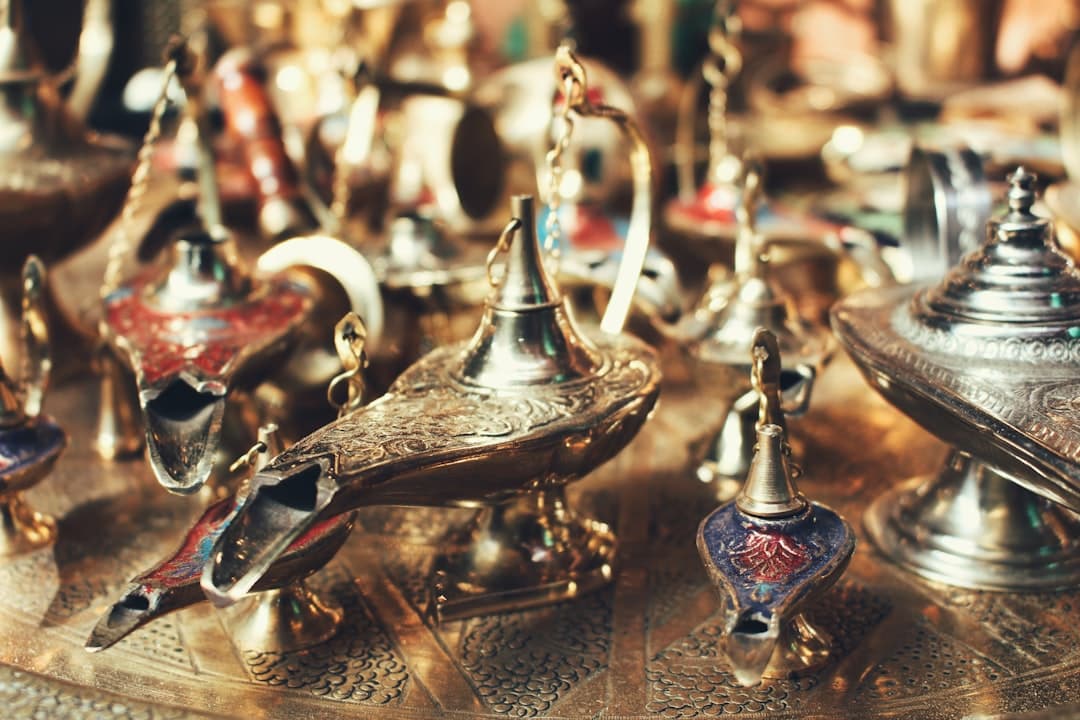
Souk Semmarine
Souk Semmarine is the main artery of Marrakech's ancient medina market, a broad, partially covered thoroughfare that funnels you deep into one of the world's most famous bazaars. It begins just off the Djemaa el-Fna, the legendary central square, and stretches northward, branching into dozens of specialized souks — one for spices, one for leather, one for lanterns, one for carpets — each a self-contained world of craft and commerce. This is not a market that was designed for tourists, though tourists flood it; it has functioned as a trading hub since the city's founding in the 11th century, and the weight of that history is tangible in the worn stone underfoot and the tangle of overhanging wares above. Walking Souk Semmarine means surrendering to sensory overload in the best possible way. The smell of cumin and ras el hanout drifts over from spice vendors; the clatter of a coppersmith echoes from a side alley; hand-dyed wool in saffron and indigo hangs overhead in curtains. Shopkeepers will call out, sometimes persistently, but that's part of the rhythm rather than a reason for alarm. You'll pass stalls selling babouche slippers, argan oil cosmetics, embroidered djellabas, hand-painted ceramics, and mountains of dates. The deeper you push from the main drag into the tributary souks, the more artisanal and authentic the goods tend to become. The souk runs most reliably in the mornings and early afternoons — by late afternoon it starts to thin. Friday is the one day when some vendors close for midday prayers, so plan accordingly. Bargaining is expected and part of the experience; a common rule of thumb is to start around a third of the asking price and meet somewhere in the middle. If you're serious about buying, having a rough idea of what handmade goods cost elsewhere will serve you better than any haggling script.
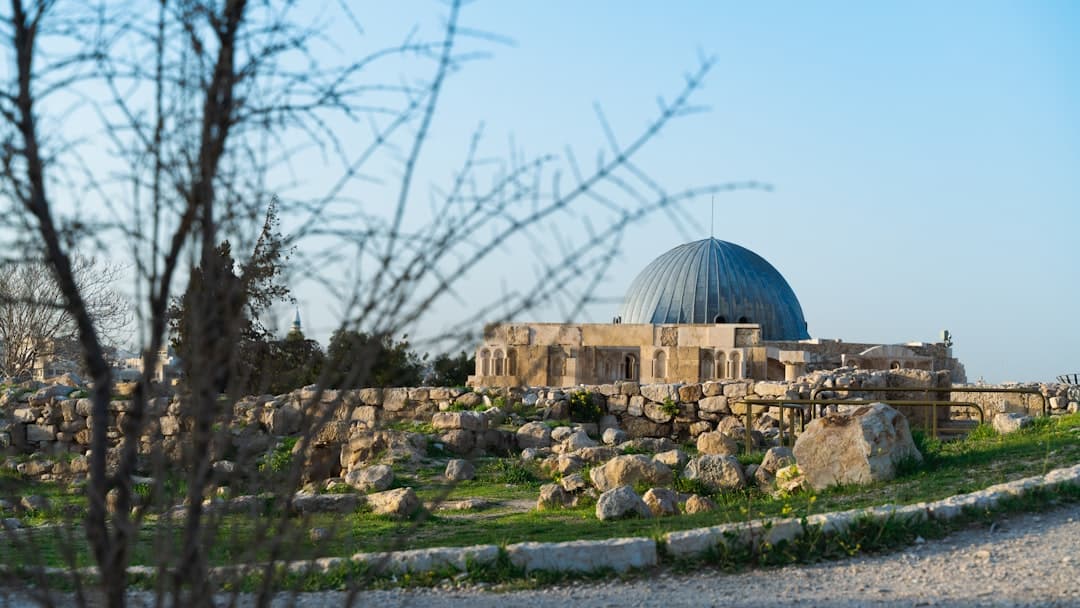
Souq Jara
Souq Jara is a beloved open-air Friday market held on Rainbow Street in the Jabal Amman district, running from late spring through early autumn. What started as a small community gathering has grown into one of the most cherished weekend rituals in the Jordanian capital — a place where local designers, craftspeople, food producers, and artists set up stalls along one of the city's most atmospheric old streets. It draws a lively mix of Ammani families, expats, and curious travelers, and it has a genuinely festive, neighborhood-party quality that's hard to manufacture. When you're there, you're weaving through dozens of stalls selling handmade jewelry, embroidered textiles, ceramics, vintage finds, artisanal olive oil and preserves, local sweets, and freshly prepared street food. Live music often floats through the air, and the surrounding cafés on Rainbow Street — a strip already beloved for its independent coffee shops and restaurants — do brisk business with market visitors. This is where you'll find Palestinian embroidery next to locally designed streetwear next to someone selling hand-poured candles. The quality is noticeably higher than a typical tourist market, because the vendors are largely selling to Jordanians who know what things are worth. Souq Jara runs on Friday mornings from roughly 10am to 2pm, typically from May through October, though exact dates can shift slightly year to year. Get there closer to opening if you want first pick of artisan goods and to beat the late-morning crowds. Rainbow Street is walkable from the Third Circle area, and the neighborhood itself — full of old stone buildings, independent cafés, and excellent views back toward downtown — is worth exploring before or after the market. Cash is your friend here, though some vendors accept cards.
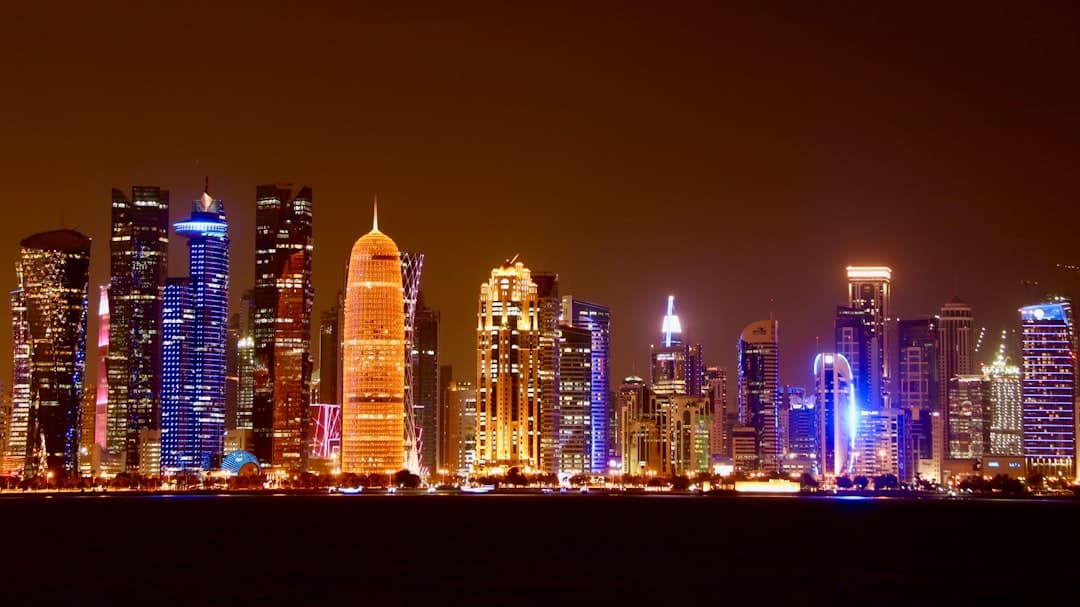
Souq Waqif
Souq Waqif is Doha's most atmospheric marketplace — a labyrinthine cluster of mud-rendered buildings and narrow alleyways in the heart of the city that has served as a trading hub for over a century. The name means 'standing market' in Arabic, a reference to the merchants who once stood to sell their goods. After falling into disrepair, Qatar restored and partially reconstructed the souq in the mid-2000s to recapture its traditional aesthetic, and the result is a rare thing in the Gulf: a place that feels genuinely lived-in rather than built for tourists. Locals come here for falconry supplies, Arabic perfumes, spices, and shisha, not just to pose for photographs. Walking through Souq Waqif, you'll find the experience shifts from block to block. The spice section fills the air with cardamom and dried rose petals. A dedicated falcon souq sells birds, hoods, and perches to Qatari falconers who treat this as a serious weekly ritual. Pet shops sell everything from exotic birds to reptiles. Dozens of restaurants line the outer edges and courtyards — Al Aker and Al Bandar are local favourites for grilled meat and mezze — and at night the whole place lights up and fills with families, couples, and the kind of cheerful chaos that makes a market feel alive. The Al Najada and Najada hotels bookend the souq and are worth a peek even if you're not staying. Come in the evening if you possibly can. The souq operates on a midday break schedule common across Qatar, and the real energy kicks in after sunset when temperatures drop and the crowds arrive. Friday mornings are quieter than you'd expect since many shops open later that day. Bargaining is not always expected the way it is in older Arab markets — many stalls have fixed prices — but asking politely never hurts. The souq sits right on the Corniche waterfront, so pairing an evening visit with a walk along the seafront is an easy and genuinely lovely combination.
Spa World
Spa World is a massive public bathhouse — technically an onsen complex — spread across multiple floors in the Shinsekai district of Osaka. It opened in 1998 and has become one of the city's most beloved and genuinely unusual attractions: a place where you can soak in elaborately themed bathing halls designed to evoke ancient Rome, Greece, Persia, and various Asian bathing traditions. It's not a luxury wellness retreat in the contemporary spa sense — it's louder, more theatrical, and far more fun than that. Think theme park energy applied to the bath house concept, with massive communal pools, steam rooms, saunas, and sculptural décor that commits fully to its historical fantasies. The complex is divided across floors, with European-themed baths (Roman columns, Ionic arches, mosaic tilework) and Asian-themed baths (Finnish-style saunas, Japanese rotenburo, Persian hammam-inspired rooms) alternating access between men and women on a monthly rotation — so which zone you get depends on when you visit. Beyond the sex-segregated bathing areas, there's also a large co-ed floor with lounging areas, restaurants, a play zone for kids, and space to simply hang out in your rental yukata. Many people end up staying for hours. Spa World sits right next to Tsutenkaku Tower in Shinsekai, one of Osaka's most characterful old neighbourhoods. Entrance fees are very reasonable by any standard — around 1,000–1,500 yen depending on the day — and towels and yukata can be rented on-site. The 24-hour operation makes it a genuine option after a night out or as an early morning wind-down. It gets busy on weekends and public holidays, particularly with Japanese domestic visitors, so weekday mornings are the calmest time to visit.
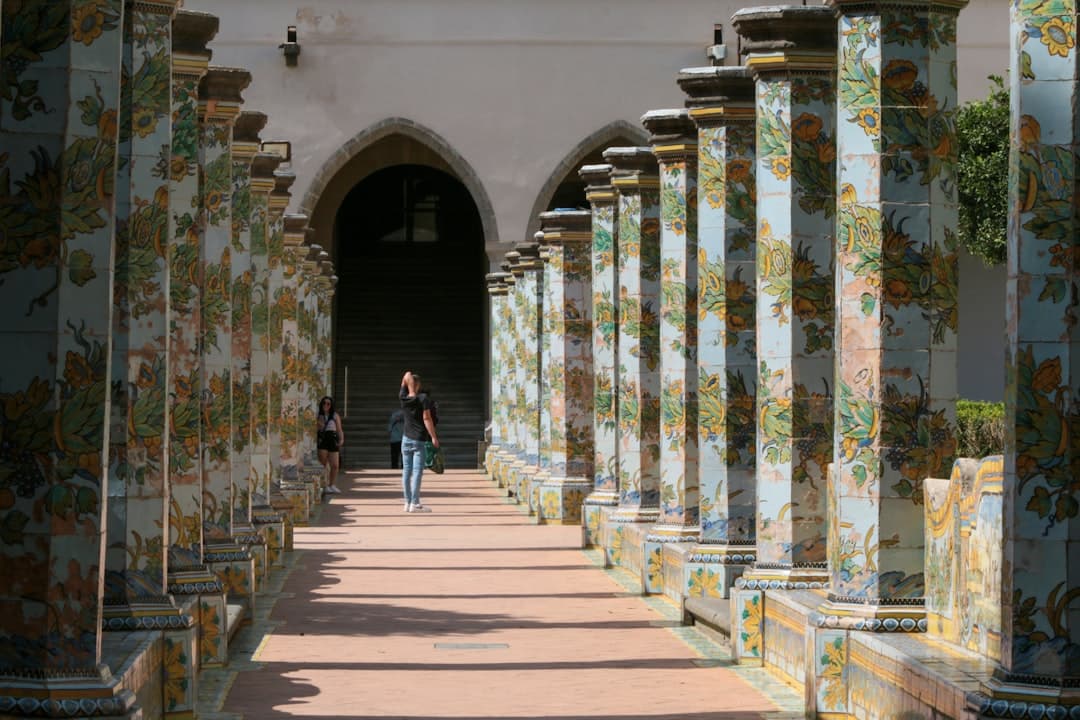
Spaccanapoli
Spaccanapoli — literally 'Naples splitter' — is a long, arrow-straight boulevard that cuts through the historic center of Naples from east to west, following the grid of the ancient Greek city of Neapolis laid down 2,500 years ago. The street changes names several times along its length (Via Benedetto Croce, Via San Biagio dei Librai, and others), but Neapolitans and visitors alike treat it as one continuous experience. From above, on the hill of San Martino, you can see exactly why it earned its name — a clean incision through the dense, layered urban fabric of the city. It's one of the most important streets in southern Italy, historically and culturally, and walking it is as close as you'll get to understanding what Naples actually is. In practice, Spaccanapoli is a full-on sensory experience. You walk past Baroque churches that open without warning onto dark, candlelit interiors; past workshops where artisans carve nativity figurines (the presepe tradition is taken seriously here); past crumbling palazzi whose courtyards hide unexpected beauty. The street is narrow enough that laundry still stretches between windows overhead, and wide enough for motorbikes to squeeze through regardless of pedestrians. Key stops along the way include the Church of Santa Chiara with its remarkable majolica-tiled cloister, the Gesù Nuovo church with its extraordinary diamond-studded facade, and the Piazza del Gesù Nuovo, a natural gathering point. Street food vendors sell cuoppo (fried seafood cones) and pizza fritta from tiny storefronts. Spacanapoli rewards slow walking and a willingness to duck into doorways. The street gets genuinely crowded on weekend afternoons, so mornings on a weekday are quieter and the light in the churches is better. This is not a cleaned-up tourist corridor — it is a lived-in street, and that's entirely the point. Keep your phone in a front pocket, be aware of motorbikes, and don't rush. The best experiences here are the ones you stumble into.