
All Places
1,073 places around the world
1,073 places · page 36 of 45
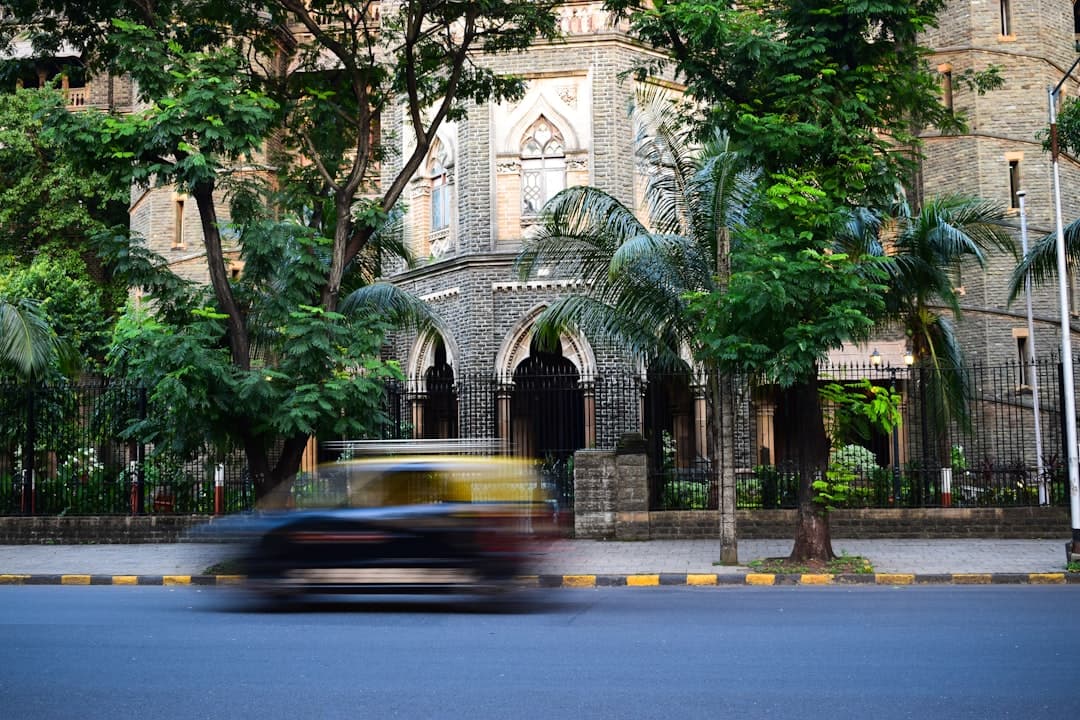
Sanjay Gandhi National Park
Sanjay Gandhi National Park is a 104-square-kilometre protected forest that sits almost entirely within the municipal limits of Mumbai — making it one of the only national parks on earth that is literally surrounded by a megacity. More than 20 million people live on its doorstep, yet inside the park you'll find leopards, spotted deer, bonnet macaques, crocodiles, and over 250 species of birds. The park was formally established in 1983 and named after Sanjay Gandhi, and it includes the ancient Kanheri Caves — a Buddhist monastic complex dating back to the 1st century BCE — giving it both ecological and historical significance that is genuinely rare in a single destination. Visitors come here to hike forested trails, take the toy train through the jungle, visit the Kanheri Caves, spot wildlife at dawn, or simply escape the noise and heat of the city. The main gate is at Borivali, in the northern suburbs, and from there you can rent cycles, board the mini train, or hire a guide for a nature walk. The cave complex alone justifies the trip — over 100 rock-cut Buddhist caves carved into a basalt hillside, with some remarkably well-preserved stupas, viharas, and inscriptions. Leopard sightings are more common than you'd expect, particularly near the forest periphery at dusk, and the park runs an official safari with open jeeps. The park is closed on Mondays, and hours run roughly 7:30 AM to 5:30 PM on open days, though these can vary by season — verify before you go. Arrive early if wildlife is your goal; by mid-morning the heat and foot traffic increase significantly. The Kanheri Caves have a separate entry fee from the main park. Avoid weekends if you want a quieter experience — Mumbaikars descend in large numbers, turning the entrance area into something of a picnic ground. A weekday morning visit is an entirely different, and far more atmospheric, proposition.
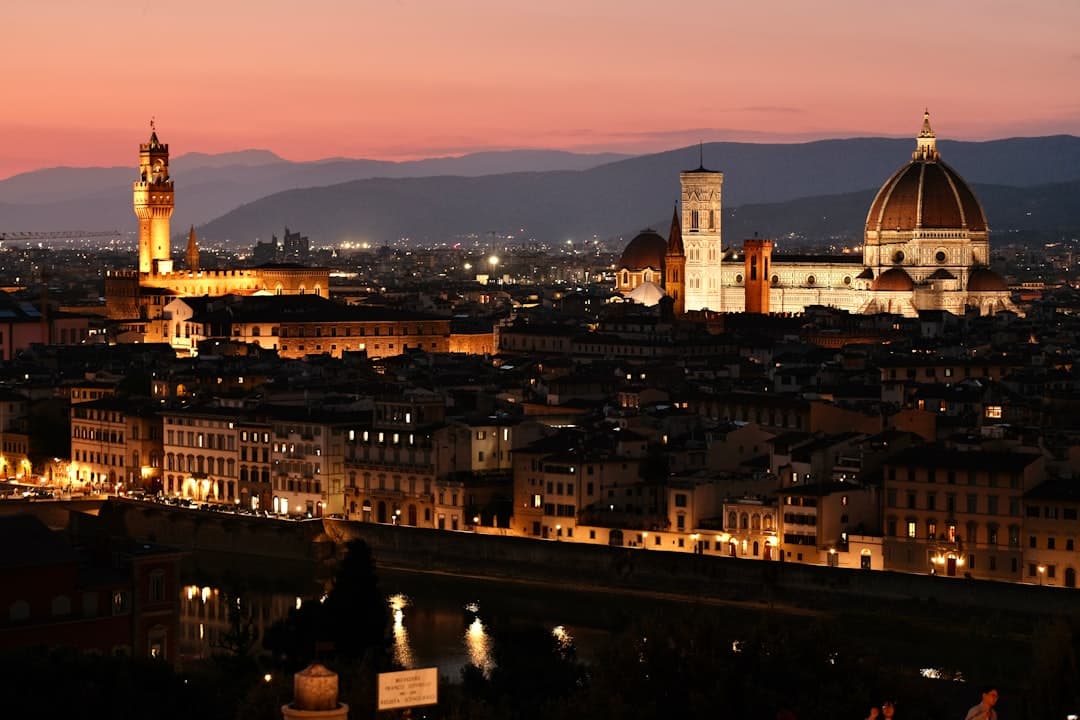
Santa Croce
Santa Croce is Florence's great Franciscan basilica, built in the 13th century and finished over the following hundred years, and it holds one of the most remarkable collections of Renaissance art and famous tombs anywhere in the world. This is the church where Michelangelo is buried, where Galileo Galilei finally received a proper tomb after the Church rehabilitated him, and where Machiavelli, Ghiberti, and Rossini also rest. It's sometimes called the 'Temple of the Italian Glories' — a national pantheon dressed in Gothic stone and marble, sitting on one of Florence's most beautiful and spacious piazzas. Inside, you're walking through centuries of extraordinary artistry. The nave is lined with funerary monuments and tombs, but it's the chapels that will stop you cold: the Bardi and Peruzzi Chapels contain Giotto's frescoes, painted in the early 14th century and considered some of the most important works in Western art history. Cimabue's dramatic Crucifix hangs in the museum — it was badly damaged in the catastrophic 1966 flood that devastated Florence and remains a symbol of what was almost lost. The Pazzi Chapel, designed by Brunelleschi and accessed through the cloister, is a masterpiece of early Renaissance architecture — cool, rational, and breathtakingly elegant. The piazza outside is worth arriving early for: it's vast, relatively uncrowded in the mornings, and flanked by the white and green marble facade of the church. A leather market operates nearby, though quality varies enormously — stick to the church and museum, where the real reward lies. Sundays have restricted morning hours due to Mass, so plan accordingly if you're visiting at the weekend.
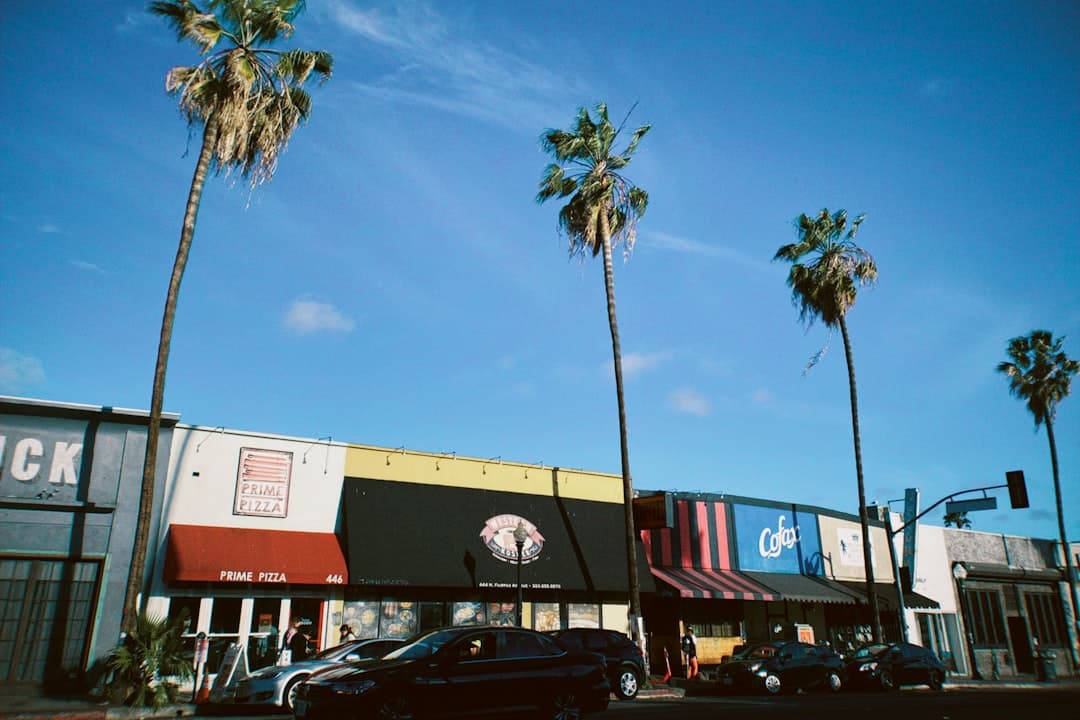
Santa Monica Pier
Santa Monica Pier is one of the most recognizable landmarks in Los Angeles — a wooden pier stretching over 1,600 feet into the Pacific Ocean, first built in 1909 and expanded in 1916. It sits at the western terminus of historic Route 66, making it arguably the most symbolic endpoint in American road-trip mythology. The pier isn't a quiet, contemplative spot — it's loud, colorful, and unapologetically touristy, with a solar-powered Ferris wheel, a vintage carousel dating to 1922, carnival games, and ocean views that stretch from Malibu to Palos Verdes on a clear day. That combination of history and spectacle is exactly what makes it worth visiting. On the pier itself, Pacific Park is the small amusement park that anchors the experience — the West Coaster roller coaster, the Pacific Wheel (one of the world's only solar-powered Ferris wheels), and a handful of midway rides give it a genuinely festive atmosphere. The Looff Hippodrome carousel, a National Historic Landmark, is one of the oldest surviving carousels in the country and still runs daily. Beyond the rides, there's fishing off the end of the pier, street performers, a trapeze school (Trapeze School New York has a Santa Monica outpost right on the pier), seafood restaurants, and — if the timing is right — some spectacular Pacific sunsets. Come early on weekday mornings if you want the pier without the crush of tourists, or arrive around sunset when the light turns golden and the Ferris wheel starts to glow. Parking in the city-owned structure beneath PCH fills up fast on summer weekends — consider taking the Metro Expo Line to the Downtown Santa Monica station and walking the three blocks down Colorado Avenue. The pier is technically free to visit; you pay only for rides and food. Budget at least two to three hours if you want to do more than just walk through.
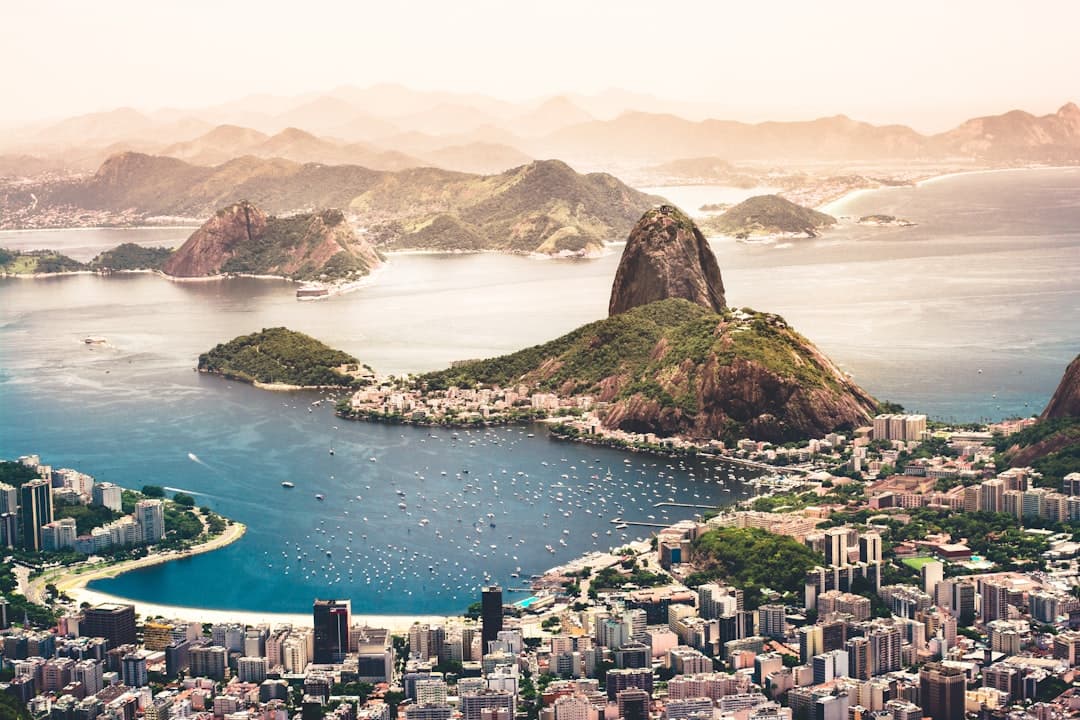
Santa Teresa
Santa Teresa is a hilly, cobblestoned neighborhood perched above downtown Rio de Janeiro, separated from the city's flat grid by its winding streets and dramatic elevation. It grew up in the 19th century as a retreat for Rio's wealthy elite, who built grand colonial mansions and neoclassical villas here to escape the heat and disease of the lower city. Over the 20th century, as the rich moved to the beach neighborhoods of Zona Sul, Santa Teresa was slowly claimed by artists, intellectuals, and bohemians who were drawn by the cheap rents, the character of the old houses, and a certain creative energy that still defines the place today. It is one of Rio's most distinctive and beloved neighborhoods — a place that feels genuinely different from the rest of the city. Visiting Santa Teresa means exploring on foot: walking up and down the steep lanes of Rua Aprazível and Rua Almirante Alexandrino, ducking into art galleries and studios, stopping at bars like Bar do Mineiro for a cold beer and a plate of feijão tropeiro, and looking out over Rio's rooftops toward the bay and the mountains beyond. The neighborhood is home to the Parque das Ruínas, a romantic ruined mansion that now functions as a cultural center with sweeping city views, and the Museu Chácara do Céu, which houses an impressive collection of Brazilian modernist art including works by Di Cavalcanti and Portinari. The famous yellow tram — the bonde — once ran from the city center up through Santa Teresa; after a long closure following a 2011 accident, a restored section reopened and riding it remains a quintessential if brief experience. The neighborhood has a reputation that requires a word of nuance: Santa Teresa is genuinely wonderful but has historically had pockets of petty crime, and wandering too far off the main streets without local guidance is worth approaching thoughtfully. That said, the area around Largo dos Guimarães and Largo das Neves — the two main squares — is lively, safe, and full of restaurants and bars that attract a local crowd. Come on a weekend afternoon when the energy is highest, eat lunch at Aprazível for some of the most beautiful outdoor dining in all of Rio, and give yourself at least half a day to wander properly.
Sanur Beach
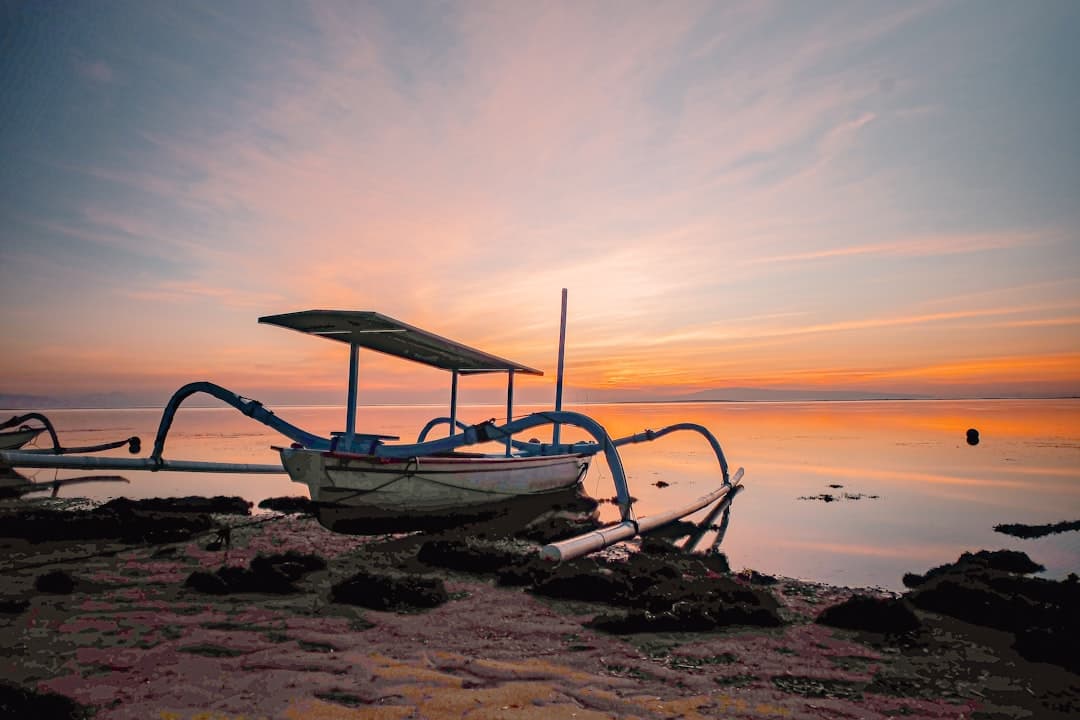
Sanur is a long, gently curving stretch of beach on Bali's southeast coast, and it's one of the island's oldest and most established resort areas. Unlike the crashing surf of Kuta or the party scene of Seminyak, Sanur faces east and sits behind a protective coral reef, which keeps the water unusually calm and shallow — perfect for swimming, paddleboarding, and just floating without getting knocked around. The beach has a quiet, unhurried character that sets it apart from most of Bali's coastal scene, and it has a loyal following of repeat visitors who prefer substance over spectacle. The experience here centers on the beach path itself — a wide, paved promenade that runs several kilometers along the seafront, lined with warung cafes, catamaran operators, and the occasional art stall. Mornings are magical: the reef creates a glassy horizon just before sunrise, and local fishermen are often already out on their jukung outriggers as the sky turns orange. You can rent a bike and ride the full path, take an outrigger sailing lesson, or catch the fast boat to Nusa Penida and Nusa Lembongan from the harbor at the northern end. The beach itself is divided into several access points, each with its own cluster of loungers, vendors, and small restaurants. Sanur also has genuine history — the Dutch first landed nearby in 1906, and the Belgian artist Jean Le Mayeur lived and worked here for decades, leaving behind a museum-home still open to visitors. The town behind the beach is walkable and low-rise, with good local warungs, a morning market, and none of the gridlocked traffic that plagues Kuta. It's particularly well-suited to families with young children and older travelers, but anyone who wants Bali without the chaos will find it deeply restorative.
Saqqara
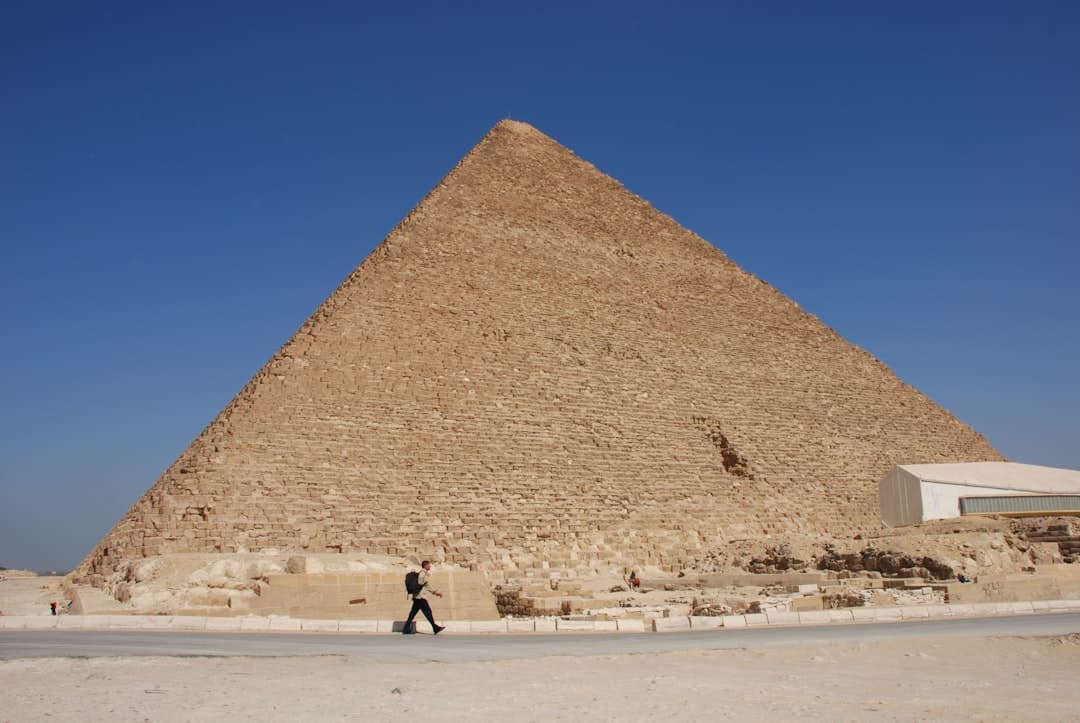
Saqqara is a vast ancient burial ground on the edge of the Western Desert, about 30 kilometres south of central Cairo, and it served as the necropolis for Memphis, Egypt's first capital. Its centrepiece is the Step Pyramid of Djoser, built around 2650 BCE by the architect Imhotep — the very first large-scale stone structure ever built by humans. This alone would make Saqqara extraordinary, but the site sprawls across several kilometres and contains dozens of other pyramids, mastabas, underground tombs, and temples spanning 3,000 years of Egyptian history. Most visitors focus on Giza and miss this place entirely, which is one of the great oversights in Egyptian tourism. A visit here typically starts with the Step Pyramid complex, where you walk through a reconstructed colonnade into an open ceremonial court — the scale and atmosphere are genuinely humbling. From there, you can explore the Pyramid of Unas, whose interior walls are covered in the Pyramid Texts, the oldest religious writings ever discovered. The tomb of Mereruka, a vizier from the Old Kingdom, contains some of the most vivid and well-preserved painted reliefs in Egypt — hunting scenes, craftsmen at work, hippo hunts — all carved with remarkable detail. Recent excavations have also opened new areas: the animal catacombs at Serapeum, where enormous granite sarcophagi once held sacred Apis bulls, are genuinely jaw-dropping in scale. The opening hours listed as 24-hour are almost certainly inaccurate — Saqqara operates on standard Egyptian heritage site hours, typically opening around 8am and closing by 5pm, though this can vary seasonally. Entry tickets are purchased on site and separate tickets are often required for specific tombs. Hiring a local guide is genuinely worth it here: the site is large, signage is sparse, and the historical layers are dense enough that context transforms the experience from a walk among old stones into something remarkable. Come early — the desert sun by midday is brutal and the best light for photography hits the monuments in the morning.
Scala du Port
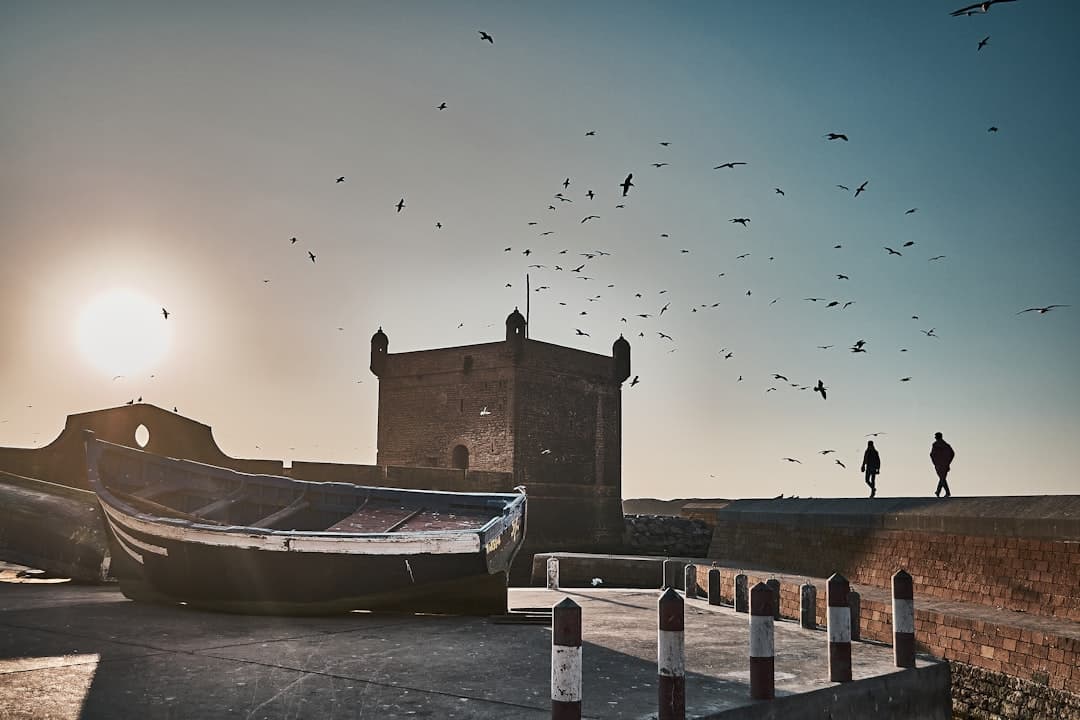
The Scala du Port is one of two great fortified sea bastions that define Essaouira's famous skyline. Built by the Alaouite sultan Sidi Mohammed Ben Abdallah in the late 18th century — with input from European military architects — it was designed to protect the city's busy trading port from naval attack. The platform runs along the southern edge of the medina, perched directly above the working harbour, and its row of bronze cannons pointed out to sea has become one of the most iconic images in all of Morocco. Visiting is genuinely atmospheric. You walk the broad stone rampart with the wind coming hard off the Atlantic — Essaouira is famously one of the windiest places in Africa, which is part of its character — and look down on the blue-painted fishing boats, the chaos of the port, and the sea breaking against the walls below. The cannons are Spanish and Portuguese, mostly dating from the 16th to 18th centuries, and they're still in remarkable condition. The views across the bay, toward the Île de Mogador and along the medina walls, are exceptional. Seagulls wheel overhead constantly. This is the spot that Orson Welles famously used as a location while filming his 1952 adaptation of Othello, and you can feel why he chose it. The Scala du Port sits at the southern entrance to the medina, just above the port gate. It's a separate site from the Scala de la Ville, the rampart on the northern side of the medina — both are worth visiting but they offer different views and feel quite different. The port bastion is generally less crowded and more dramatically positioned. Entry is cheap and straightforward. Morning visits, before the wind really picks up, tend to be the most comfortable.
Schindler's Factory Museum
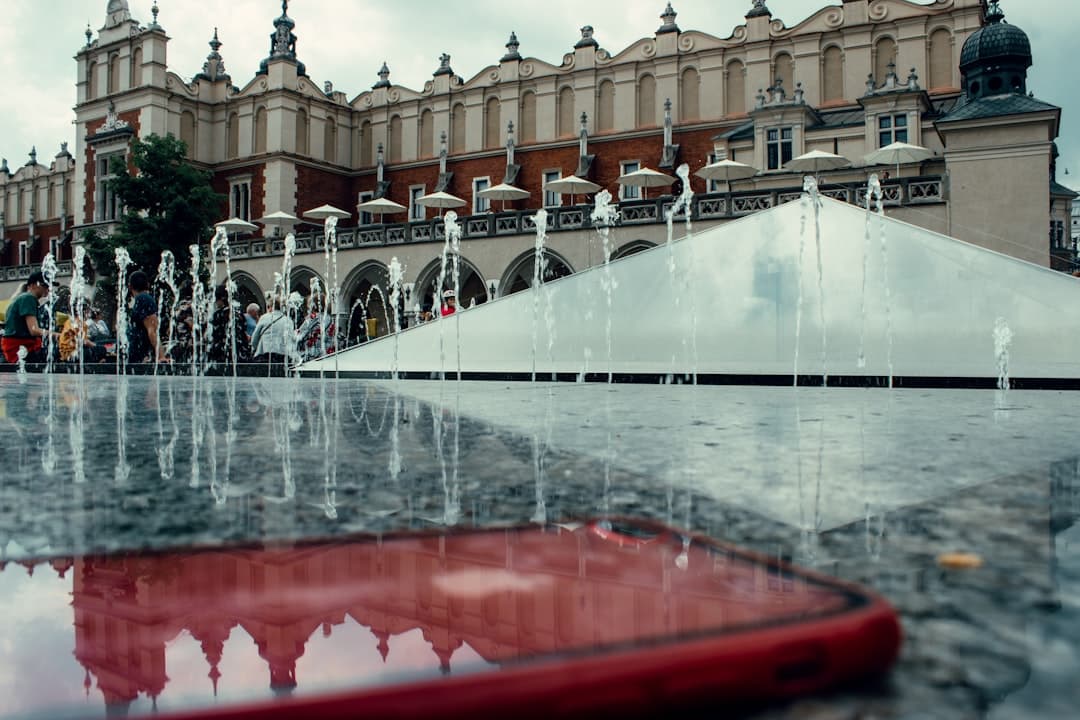
Oskar Schindler's Emalia factory in Kraków's Podgórze district is one of the most significant Holocaust memorial sites in the world. During World War II, the German industrialist Oskar Schindler ran an enamelware and munitions factory here, and through a combination of bribery, manipulation, and genuine moral courage, he protected over 1,200 Jewish workers from deportation to the Nazi death camps. The building survived the war and was eventually transformed into a museum run by the Historical Museum of the City of Kraków — opening in 2010 — that tells not just Schindler's story but the broader story of Kraków's occupation between 1939 and 1945. The permanent exhibition, called 'Kraków Under Nazi Occupation 1939–1945,' is genuinely exceptional. It's not a simple walk-through of Schindler's biography — it's an immersive, carefully curated account of how the city and its people were transformed under occupation. You move through reconstructed streets, Jewish apartments, underground resistance rooms, and chilling bureaucratic offices. Personal testimonies, photographs, and artefacts are woven together with real spatial storytelling. The factory floor itself, including Schindler's original office, is preserved and part of the route. It takes most visitors two to three hours to move through thoughtfully; rushing it would be a mistake. The museum is located across the Vistula River from the Old Town, in Podgórze — the neighbourhood where the Nazis established the Kraków Ghetto in 1941. This geographic context matters: the Apteka pod Orłem pharmacy museum, where Tadeusz Pankiewicz served ghetto residents, is a short walk away, as is the remnant of the original ghetto wall on Lwowska Street. Combine these into a half-day or full-day itinerary for the most complete picture. Book tickets well in advance — the museum is enormously popular and timed-entry slots sell out, especially in summer.
Schönbrunn Palace
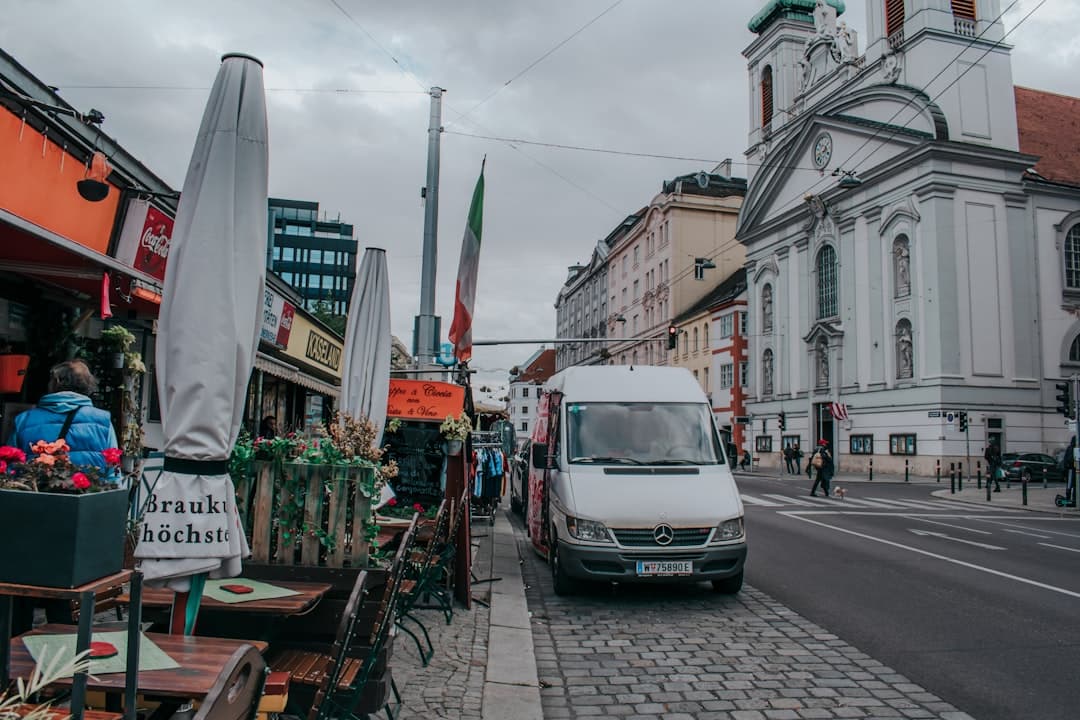
Schönbrunn Palace is the former summer residence of the Habsburg dynasty, Austria's imperial family who ruled much of Europe for over 600 years. Built and expanded in its current form largely under Empress Maria Theresa in the mid-18th century, the palace is one of the most important cultural monuments in Austria — a 1,441-room baroque masterpiece that tells the story of an empire through gilded ceilings, painted porcelain, and the accumulated ambitions of generations of rulers. It's a UNESCO World Heritage Site and consistently one of the most visited attractions in all of Europe. Visitors typically choose between ticket tiers — the Grand Tour covers 40 state rooms, while the Imperial Tour covers 22 — and work through chambers where Mozart performed as a child prodigy, where Napoleon briefly made himself at home, and where Emperor Franz Joseph I was born and eventually died. The palace interiors are genuinely stunning: the Hall of Mirrors, the Millions Room lined with Indian and Persian miniatures set in carved rosewood, and the Great Gallery with its frescoed ceiling are highlights. But Schönbrunn is as much about its gardens as its rooms. The formal French-style grounds stretch up a hill behind the palace to the Gloriette, a triumphal arch with sweeping views back over the palace and Vienna's skyline. The grounds also contain Europe's oldest zoo, the Tiergarten Schönbrunn, which has been operating since 1752. Buy tickets online in advance — the queues at the door can be long, especially in summer. The Imperial Tour is perfectly satisfying for most visitors; the Grand Tour adds rooms that are beautiful but somewhat repetitive if you're not a dedicated Habsburg enthusiast. Arrive early or come late afternoon to beat the tour groups. The gardens are free to enter and often underused by visitors who rush through — take the time to walk up to the Gloriette for the view, which is one of the best in the city.
Scott Monument
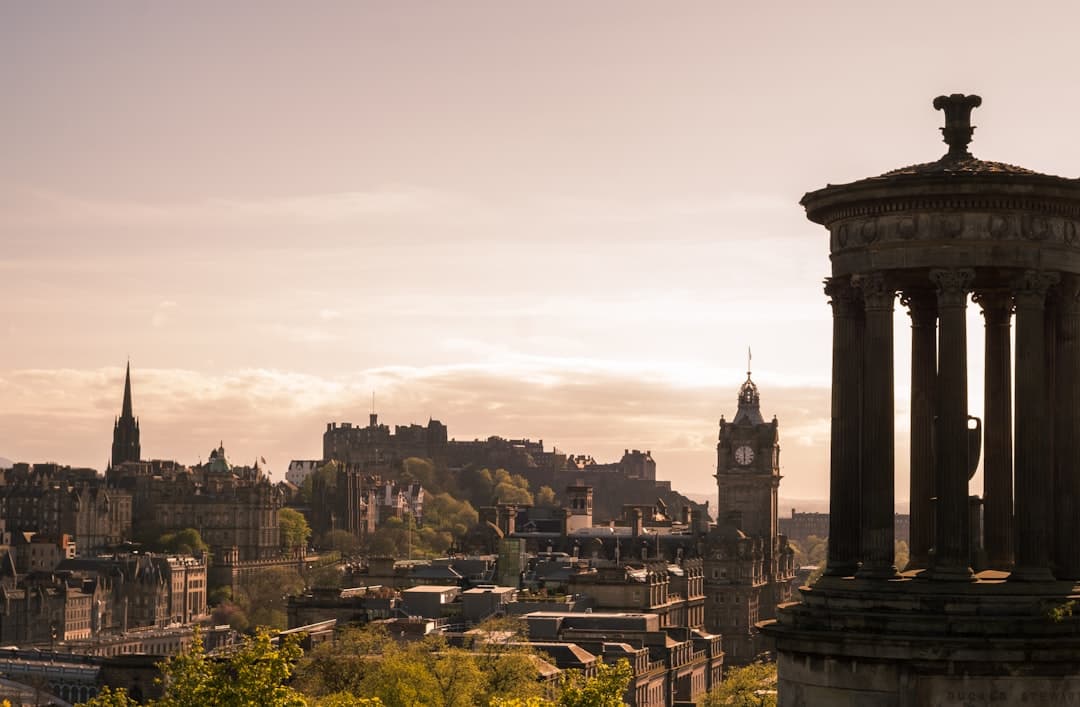
The Scott Monument is a soaring 61-metre Gothic spire in the heart of Edinburgh's Princes Street Gardens, built in honor of Sir Walter Scott — the novelist who invented the modern historical novel and, some would argue, invented the romanticized idea of Scotland itself. Completed in 1846, it's the largest monument to a writer anywhere in the world, a fact that tells you everything about how seriously 19th-century Edinburgh took its literary identity. Inside the base sits a marble statue of Scott with his deerhound Maida, carved by John Steell, and 64 figures of characters from Scott's novels are carved into the structure's exterior niches. The real experience here is the climb. Four narrow, winding staircases — 287 steps in total — spiral up through the tower's interior, opening onto four viewing platforms at different heights. Each level offers progressively more spectacular views: the rooftops of the Old Town, the castle on its volcanic crag, the Firth of Forth glittering in the distance on clear days, and Arthur's Seat rising behind the city. The stairways are genuinely tight and steep, which adds a slightly breathless, adventurous quality to what might otherwise be a purely reverential visit. The top platform, if you make it, is one of the best viewpoints in the city. The monument's blackened sandstone — darkened by decades of Victorian-era coal smoke — gives it a Gothic, almost brooding quality that suits Edinburgh perfectly. Opening hours can be limited and the lunchtime closure is real, so check before you turn up. Entry is cheap by Edinburgh standards, which makes it one of the better-value elevated viewpoints in the city. Princes Street Gardens directly below are free to stroll, so combine the climb with a wander through the gardens afterward.

SeaWorld Orlando
SeaWorld Orlando is a marine-themed park that combines animal exhibits, live shows, and roller coasters across roughly 200 acres on the southwest edge of Orlando's tourist corridor. It opened in 1973 and has long been one of Florida's biggest theme park draws, though it's gone through a significant identity shift in the years since the 2013 documentary Blackfish put its orca program under a microscope. Today the park has phased out theatrical orca performances and doubled down on its conservation messaging, rescue operations, and habitat-focused animal experiences. On any given visit you're moving between a handful of very different experiences. There are serious thrill rides — Mako is one of the tallest and fastest coasters in Orlando, Ice Breaker launches you forward and backward on a rocket-style track, and Pipeline: The Surf Coaster lets you ride standing upright on a surfboard-style vehicle. But there's also the quieter side: watching rescued sea turtles in a rehabilitation center, touching rays at a shallow pool, walking through shark tunnels, and seeing the park's dolphins and orcas in naturalistic-leaning habitats rather than performance pools. The animal encounters are genuinely impressive if you're curious and take time with them. The park sits right off I-4 near International Drive, making it easy to combine with other Orlando attractions. Crowds are typically lighter here than at Disney or Universal, which means shorter wait times on most days. The early morning hours are the sweet spot — rides have minimal queues and the animals tend to be most active. Parking is an additional cost on top of admission, so factor that in, and if you're visiting in summer, the water play areas and indoor spaces become essential refuges from the Florida heat.
Seminyak Beach
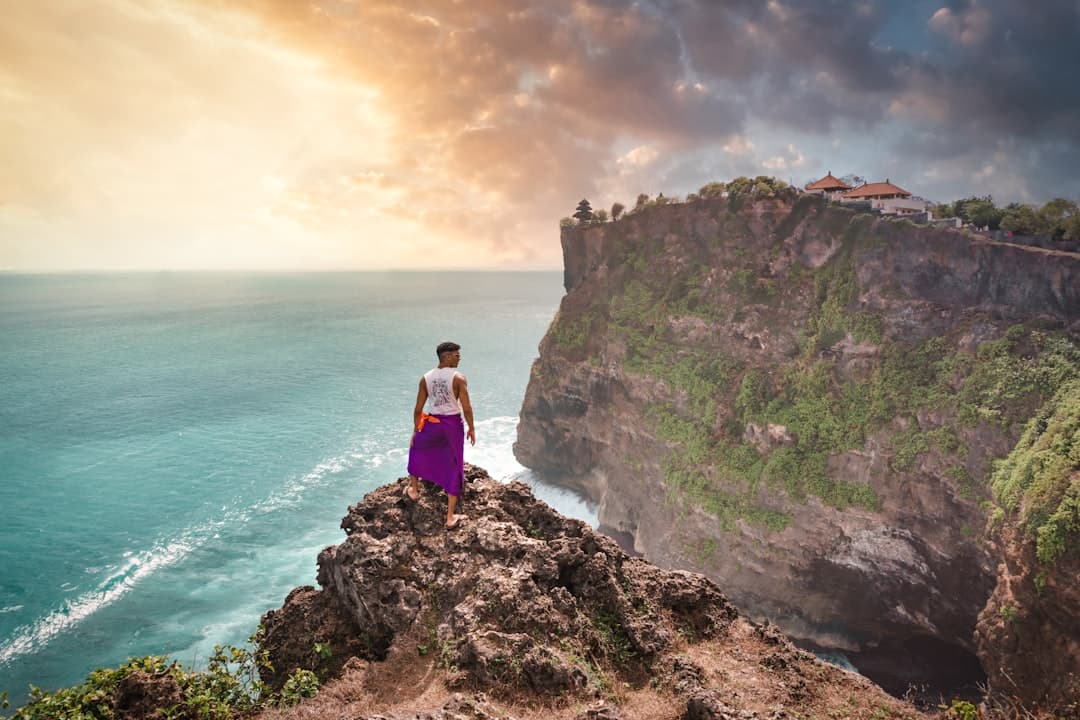
Seminyak Beach is the upmarket heart of Bali's famous southwest coast — a wide, golden-sand beach flanked by a row of chic beach clubs, boutique hotels, and casual warungs that together create one of Southeast Asia's most celebrated seaside scenes. It sits just north of the tourist chaos of Kuta and a short drive from the art galleries of Ubud, occupying a sweet spot that feels genuinely glamorous without being pretentious. The surf here is real and powerful — these are Indian Ocean waves — which gives the beach an energy that goes well beyond sunbathing. In practice, you'll spend your time here oscillating between the sand and a sun lounger at one of the beach clubs that line the shore. Ku De Ta (now rebranded as KYND Community) and Potato Head Beach Club are the two names everyone knows — Potato Head in particular is an architectural landmark, its curved amphitheatre of salvaged wooden doors facing the ocean. Sundowners here are practically obligatory. Outside the clubs, local surf instructors offer lessons on the beach, horse riders occasionally canter along the waterline, and Balinese Hindu offerings dot the sand near small shrines. The sunsets are genuinely spectacular — big, slow, and painted in shades that feel almost theatrical. The beach itself is free and public, though the prime real estate in front of the clubs can feel semi-private during peak hours. Arrive mid-morning for a quieter stretch, or head a few hundred metres north toward Petitenget to thin the crowds considerably. Strong rips and shore breaks mean swimming can be hazardous — always check the flag system and don't ignore red flags, no matter how tempting the water looks. The beach is at its most social from around 4pm onward when half of Seminyak seems to descend for the sunset ritual.
Senso-ji Temple
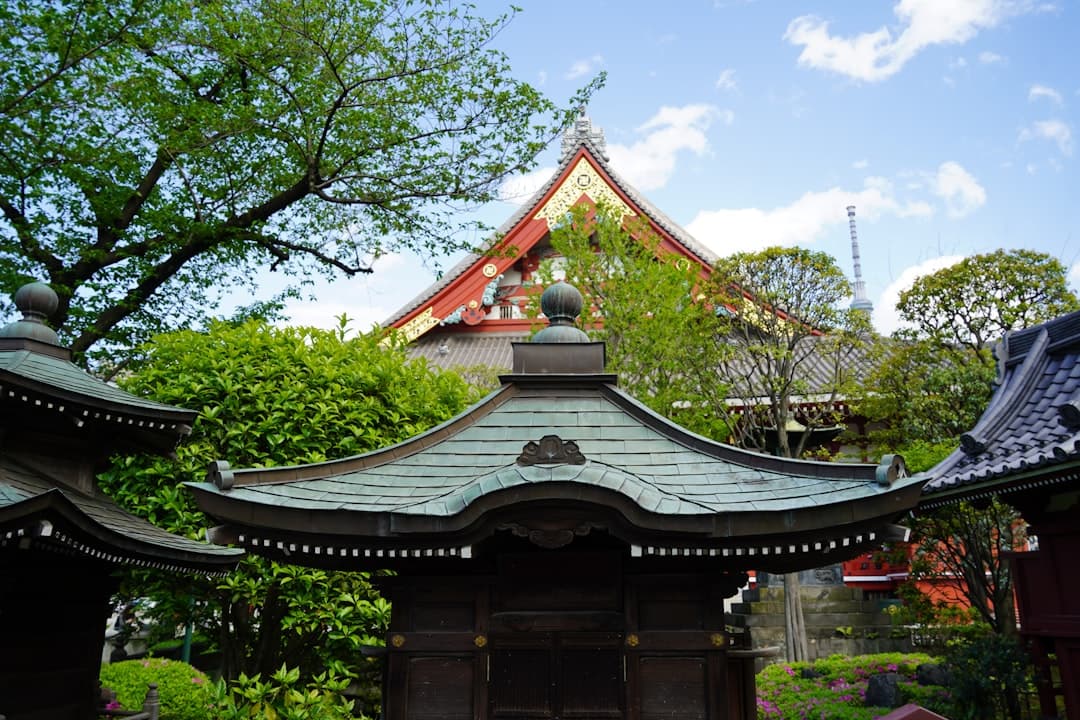
Senso-ji is a Buddhist temple in Asakusa, one of Tokyo's oldest and most atmospheric districts, and it's the single most visited religious site in Japan. Founded in 628 AD — making it over fourteen centuries old — it's dedicated to Kannon, the goddess of mercy, and draws tens of millions of visitors a year without losing its sense of genuine spiritual purpose. This isn't a relic preserved under glass; people come here to pray, to seek fortunes, and to mark the moments of their lives. You approach the temple through Kaminarimon, the iconic Thunder Gate with its enormous red lantern, then walk the length of Nakamise-dori, a covered shopping street lined with stalls selling everything from rice crackers and ningyo-yaki (small cakes shaped like the temple's five-storey pagoda) to traditional crafts and souvenirs. Past a second gate, Hozomon, the main hall opens before you — a dramatic structure rebuilt after World War II bombing, always wreathed in smoke from the giant incense burner that worshippers fan over themselves for good health. The five-storey pagoda rises to one side. At the main hall you can toss a coin, bow, and pull an omikuji fortune slip from a numbered canister — if the fortune is bad, you tie it to a rack and leave it behind. The honest practical tip: come early or come late. By 10am in peak season the crowds on Nakamise-dori are genuinely dense and the atmosphere shifts from contemplative to theme park. Arrive at 7am and you'll share the temple grounds with elderly locals doing their morning prayers and pigeons. The temple itself is open around the clock — the main hall closes at night, but the grounds never do, and the lantern-lit gate at midnight is something else entirely. Asakusa is also a great base for exploring old Tokyo — the rickshaw pullers, traditional craft shops, and nearby Sumida River are all within easy walking distance.
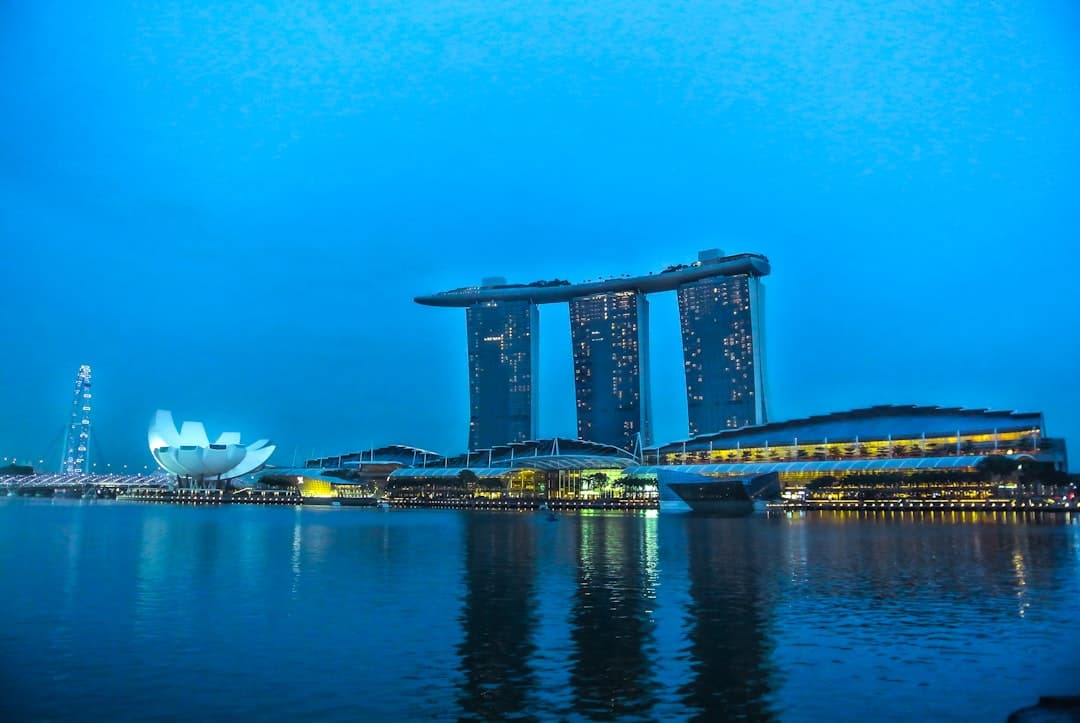
Sentosa Island
Sentosa is a 500-hectare island just off the southern tip of Singapore, connected to the main island by a causeway, cable car, and monorail. Once a British military base called Blakang Mati, it was redeveloped from the 1970s onward into Singapore's premier leisure destination. Today it's home to Universal Studios Singapore, the S.E.A. Aquarium (one of the world's largest), Adventure Cove Waterpark, Resorts World Sentosa, pristine-ish beaches, zip lines, golf courses, and more nightlife than most of Singapore combined. It's unabashedly commercial and engineered for fun — which is exactly the point. A day on Sentosa can look wildly different depending on what you're after. Families tend to anchor their time around Universal Studios or the waterpark. Couples gravitate toward the beach clubs on Siloso Beach or the quieter stretch at Palawan. The cable car ride from Mount Faber on the mainland gives you sweeping views over the strait toward Indonesia before you've even arrived. Newer additions like Madame Tussauds Singapore and iFly (an indoor skydiving facility) have added to the already staggering menu of options. The western end of the island is wilder, with Fort Siloso preserving remnants of the World War II fortifications that once made this place infamous. The honest insider take: Sentosa rewards people who plan. The island's attractions each charge separately, so costs add up fast if you haven't budgeted. Skip weekends if possible — the beach clubs and Universal Studios get genuinely crowded. The Sentosa Express monorail makes getting around easy, but walking between the main zones takes longer than maps suggest. Evenings are underrated — the Wings of Time laser and water show at Siloso Beach runs nightly and is genuinely impressive for what it is.
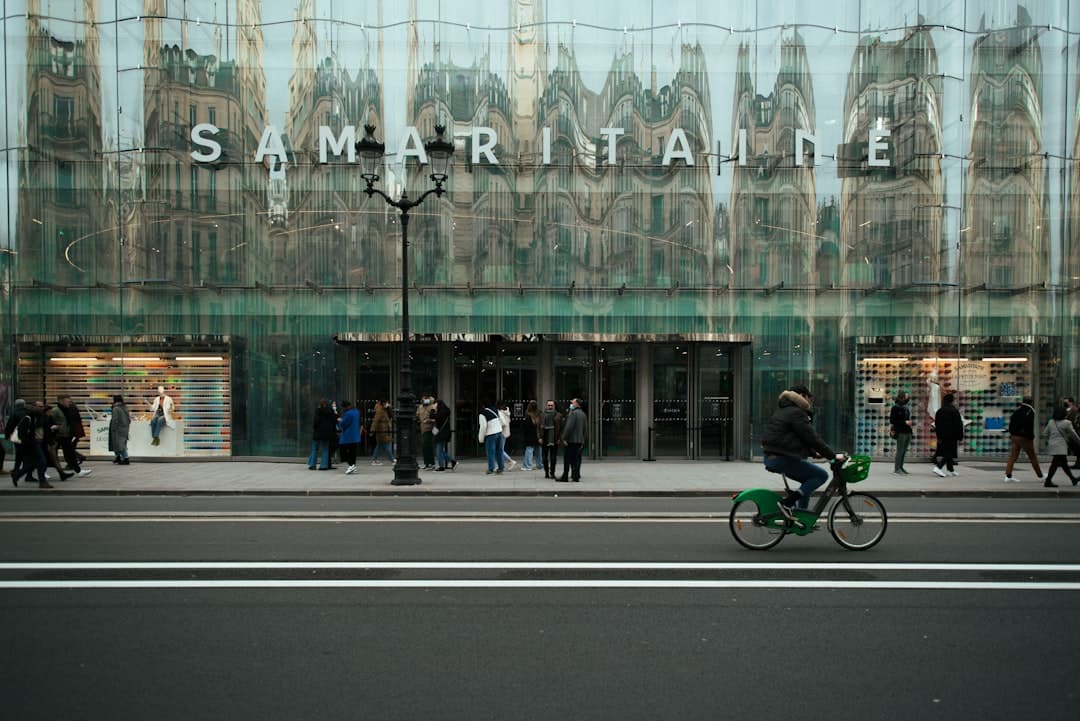
Septime
Septime is one of Paris's most celebrated modern bistros, opened in 2011 by chef Bertrand Grébaut on a quiet stretch of Rue de Charonne in the 11th arrondissement. It earned a Michelin star relatively quickly and has held a place on the World's 50 Best Restaurants list, but what keeps it talked about isn't the accolades — it's the cooking. Grébaut trained under Alain Passard at L'Arpège and brought that reverence for vegetables and seasonal produce into a room that feels nothing like a temple of haute cuisine. The vibe is relaxed, the service is warm, and the food is quietly brilliant. You eat a set tasting menu here — there's no à la carte, no choosing between the fish and the steak. The kitchen decides what's good that day and you trust them. Dishes tend to be vegetable-forward and ingredient-led, with clean, precise flavours that reward attention. Think a single leek treated with more care than most restaurants give a lobster, or a piece of fish paired with something foraged and unexpected. The room itself is unfussy — wooden tables, exposed brick, natural light — which makes the cooking feel even more confident by contrast. Getting a table is genuinely difficult. Reservations open on a rolling basis and fill almost immediately, particularly for dinner. Lunch is marginally easier to book and arguably just as good. Septime also runs a wine bar called Septime La Cave around the corner on Rue Basfroi, which takes walk-ins and offers a taste of the group's sensibility without the reservation battle. Come hungry, come curious, and don't expect to rush.
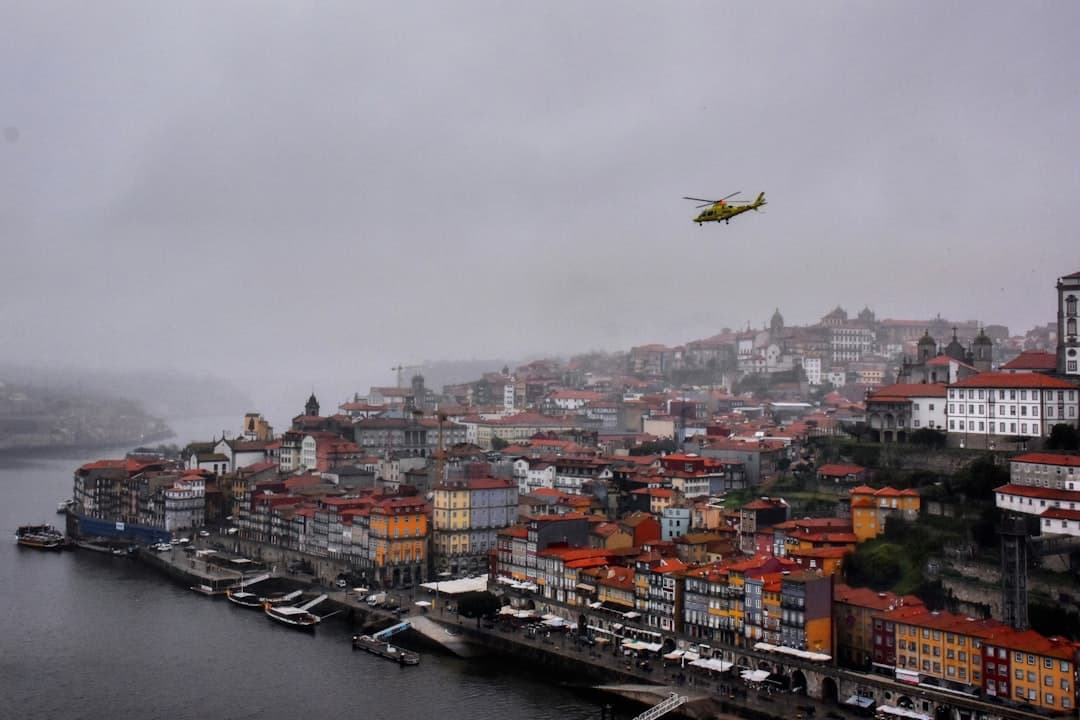
Serralves Museum
The Serralves Museum — officially the Museu de Arte Contemporânea de Serralves — is one of the most important contemporary art institutions in the Iberian Peninsula. Opened in 1999 and designed by the celebrated Portuguese architect Álvaro Siza Vieira, the brilliant-white modernist building has become an architectural landmark in its own right, recognised internationally alongside the art it houses. The Serralves Foundation that runs it also manages the extraordinary Art Deco Casa de Serralves and the surrounding estate, making this one of those rare places where the setting is as compelling as the collection. Inside the museum, you'll find rotating exhibitions of Portuguese and international contemporary art — the permanent collection is strong on post-1960s work, and the temporary shows are serious, ambitious efforts, often featuring artists with global reputations. But the real joy of Serralves is that you don't stay inside. The grounds — a vast, formally landscaped park with rose gardens, a lake, woodland walks, a farm with animals, and the pink Art Deco villa — invite you to drift between gallery and garden for hours. The Casa de Serralves itself is a gorgeous 1930s house that feels like stepping into a Agatha Christie set, all geometric plasterwork and period furniture. The museum is located in the Boavista neighbourhood, a 15-minute taxi or Uber ride from the historic centre, so most visitors combine it with a half-day. Come on a weekday morning to have the galleries largely to yourself. A combined ticket covers the museum, the Casa, and the park — don't skip any of the three. The park alone is worth the entry fee if you want a quiet escape from Porto's sometimes relentless cobblestones.
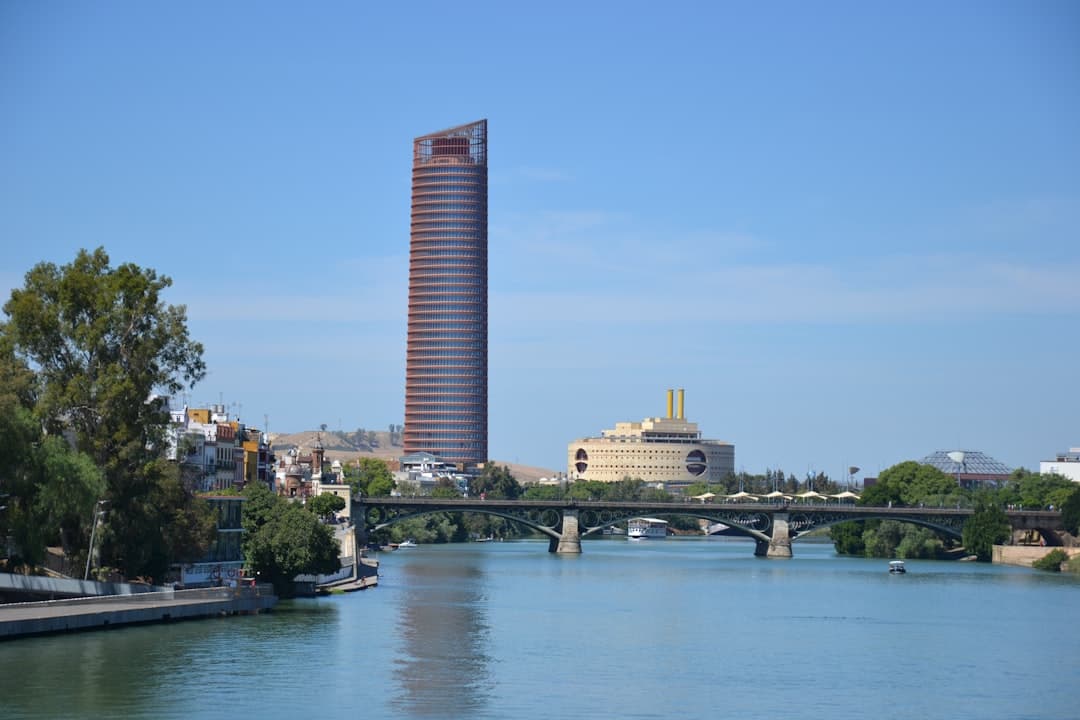
Seville Cathedral & Giralda
Seville Cathedral is a jaw-dropping monument built on the site of a great mosque, constructed between 1401 and 1528 after the Reconquista reclaimed the city from Moorish rule. It holds the title of the world's largest Gothic cathedral by volume — bigger than St. Peter's in Rome — and contains the tomb of Christopher Columbus, whose remains were brought here after a long and complicated journey through Havana. It is a UNESCO World Heritage Site, sharing that designation with the adjacent Alcázar palace and the historic Archive of the Indies next door. Inside, the scale is genuinely overwhelming — five vast naves, golden altarpieces, dim religious light filtering through stained glass, and everywhere a sense of accumulated centuries. The centrepiece is the Retablo Mayor, an enormous gilded altarpiece considered one of the finest examples of Gothic woodcarving in the world. Columbus's tomb, held aloft by four sculpted pallbearers representing the kingdoms of Castile, León, Aragón, and Navarre, sits in the south transept. Then there is the Giralda, the cathedral's bell tower — originally the minaret of the Almohad mosque, converted for Christian use in the 16th century and topped with a bronze weathervane ('giraldillo') that gives it its name. You reach the top not by stairs but by a series of 35 gently sloping ramps, originally designed so that guards could ride horses up on horseback. The views from the top over the old city are the best in Seville. Buy your tickets in advance online — this is not optional advice, it is a practical necessity, especially from spring through autumn when queues for on-the-day tickets can stretch for hours. The cathedral complex also includes the Patio de los Naranjos, a serene orange-tree courtyard that was the original ablutions space of the mosque, and the Chapter House with its Murillo ceiling painting. Arrive early in the morning to experience the space with fewer visitors and in better light. The cathedral sits right at the heart of the Barrio Santa Cruz and is the gravitational centre of Seville's old city — everything radiates out from here.
Sforza Castle
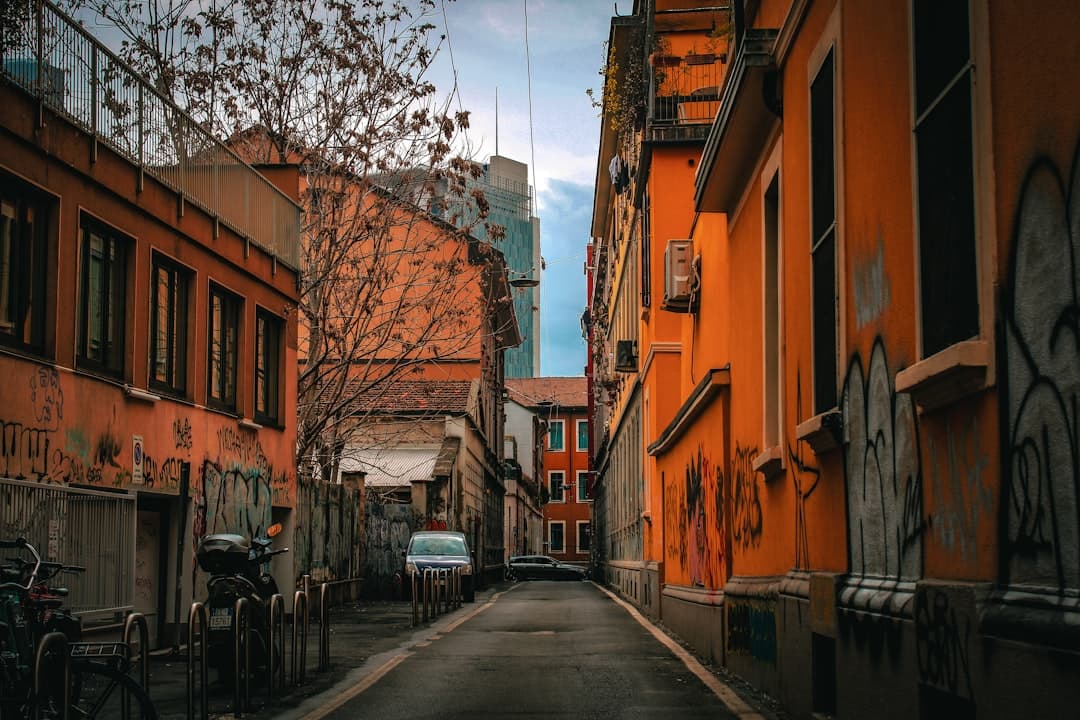
Sforza Castle — Castello Sforzesco in Italian — is one of the largest medieval fortresses in Europe, and it sits right at the top of Milan's historic center like an anchor for the whole city. Built in the 15th century by Francesco Sforza, Duke of Milan, it was later expanded and decorated under Ludovico il Moro, who employed Leonardo da Vinci and Bramante to work on its interiors. What stands today is a vast, turreted brick complex that served as a ducal palace, military stronghold, and eventually fell into disuse before being meticulously restored in the late 19th century by architect Luca Beltrami. It's not just a pretty ruin — it's a living cultural institution. Inside the castle walls, the experience splits in two directions: the courtyards and grounds, which are free to wander and genuinely beautiful, and a network of civic museums spread across the complex. The museums include the Pinacoteca del Castello with important Renaissance paintings, the Museum of Ancient Art, and — most significantly — Michelangelo's final, unfinished sculpture, the Rondanini Pietà, housed in the old Spanish hospital building. That piece alone justifies the museum admission. Beyond the castle walls, the enormous Parco Sempione stretches out behind it, Milan's answer to Central Park, giving the whole visit a relaxed, unhurried quality. The castle courtyard is free to enter and open daily — Milanese office workers eat lunch there, tourists photograph the towers, and locals cut through it on the way to the park. If you're paying for the museums, buy a combined ticket that covers all the collections. Tuesday afternoons are often quieter for the museums. The Rondanini Pietà has its own dedicated space and benefits enormously from unhurried time — don't rush past it on your way to something else.
Shakespeare's Globe Theatre
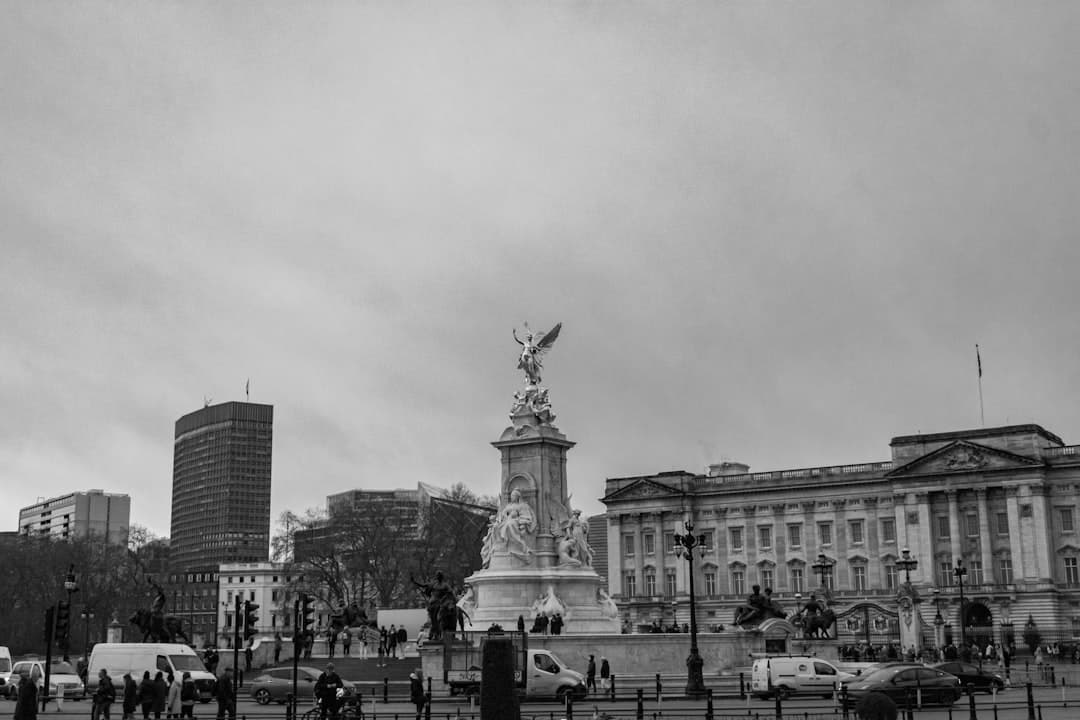
Shakespeare's Globe is a faithful reconstruction of the open-air playhouse where William Shakespeare worked and performed in the late 16th and early 17th centuries. The original Globe burned down in 1613; this version, completed in 1997 on Bankside just 230 metres from the original site, was the passion project of American actor and director Sam Wanamaker, who spent decades campaigning for its creation. Built using traditional Elizabethan construction methods — green oak, thatched roof, lime plaster — it is the only thatched building permitted in London since the Great Fire of 1666. It seats around 1,500 people and stages Shakespeare's plays in conditions close to how they were originally performed, including natural light and an open sky above the yard. A visit here falls into two distinct experiences. If you come for a performance, you can either book a seat in the covered wooden galleries or buy a standing 'groundling' ticket for the yard — the cheapest option and, many argue, the most electric, putting you right in front of the stage where Elizabethan audiences once stood. Groundlings are encouraged to react, heckle, and engage; the actors play directly to the crowd. Outside of performance season, the Globe runs guided tours that take you into the theatre itself, and the connected exhibition covers the history of Bankside, Elizabethan theatre, and the reconstruction project in genuine depth. The performance season runs roughly April through October, with a winter indoor season at the Sam Wanamaker Playhouse — a candlelit Jacobean indoor theatre within the same building, which feels like a genuinely different and often overlooked experience. For performances, groundling tickets sell for around £5 and go on sale the day of the show; they're enormously popular and worth queuing for. The Globe sits on the South Bank Thames Path, so you can combine a visit with a walk along the river, stopping at Borough Market ten minutes east or Tate Modern directly next door.
Shanghai Museum
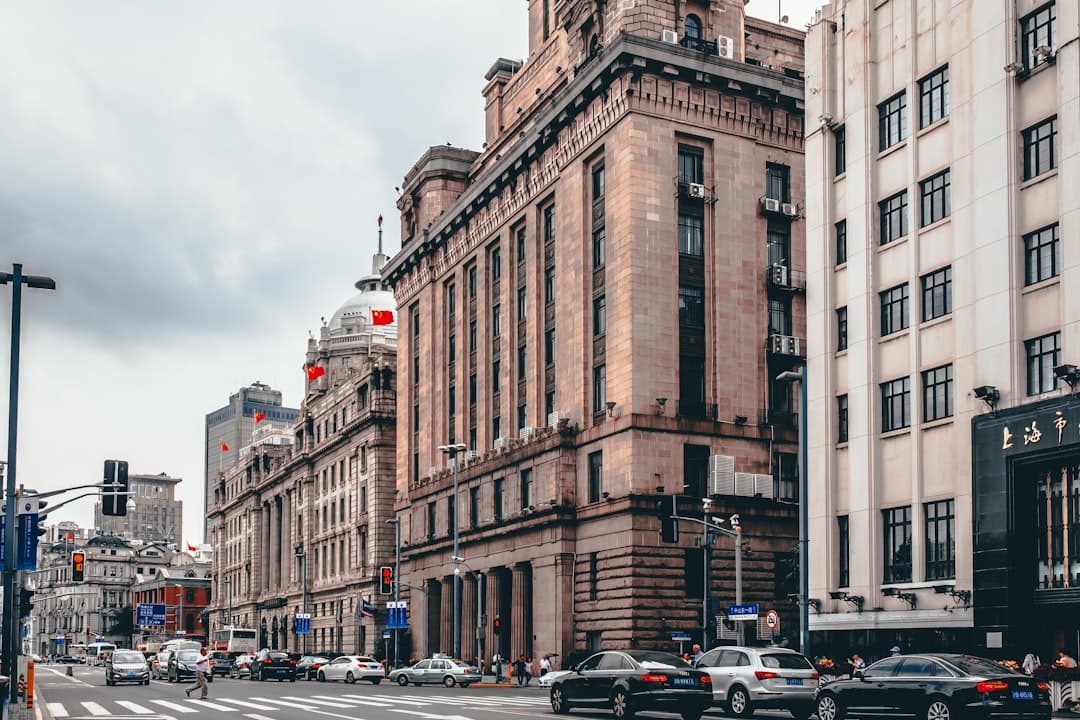
The Shanghai Museum sits at the heart of People's Square — a striking circular building designed to evoke an ancient bronze ding vessel — and holds one of the finest collections of Chinese art and antiquities in the world. Opened in its current location in 1996, it houses around 140,000 objects spanning five millennia, from Neolithic jade carvings to Song dynasty paintings to intricate Ming and Qing dynasty furniture. For anyone trying to get a handle on the sweep of Chinese civilization, this is the single best place in Shanghai to do it. The permanent galleries are organized by medium and period, and the depth is genuinely staggering. The bronzeware gallery alone — covering ritual vessels from the Shang and Zhou dynasties — could occupy a serious visitor for hours. Other highlights include the ancient ceramics gallery, tracing the evolution of Chinese pottery from earthenware to the luminous porcelain that defined the Ming period; the calligraphy and painting galleries, where hanging scrolls and handscrolls reveal centuries of artistic tradition; the coins collection; and a dedicated gallery of minority nationalities' art that often gets overlooked but is quietly one of the most rewarding rooms in the building. Labels are in both Chinese and English throughout. The museum is free to enter, which makes it one of the great bargains in any major world city — but the trade-off is that it can get crowded, especially on weekends and public holidays. Arrive early, ideally when the doors open at 9am, to have the galleries to yourself. The ground floor café is decent enough for a coffee break but don't skip the museum shop, which stocks genuinely good reproductions and books on Chinese art that are hard to find elsewhere.
Shanghai Old Town
Shanghai Old Town — known locally as Nanshi, or the Old City — is the oldest continuously inhabited part of Shanghai, a rare pocket of pre-colonial Chinese urban life in a city otherwise defined by rapid reinvention. Built around what was once a walled Ming Dynasty city, it's centered on Yu Garden (Yuyuan) and the famous Chenghuang Miao, the City God Temple, and has been a place of trade, worship, and daily life since the 1550s. While much of the area has been renovated into a tourist-facing version of itself, the bones of the place are genuinely old, and the atmosphere — incense, crowds, hawkers, dim teahouses — is unlike anything in Puxi's modern quarters. The experience here is layered and dense. The centerpiece is Yu Garden itself, a classical Ming-era garden of rockeries, koi ponds, dragon-topped walls, and pavilions, best appreciated early before crowds descend. Surrounding it is a bazaar of covered lanes packed with shops selling everything from silk fans and jade trinkets to xiaolongbao and sesame flatbreads. The Huxinting Teahouse — that distinctive zigzag-bridge pavilion over the pond — is one of the most photographed spots in China, and worth sitting in for a pot of tea despite the tourist markup. Push deeper into the back lanes south of Fuyou Road and you'll find older, less-curated streets where residents still live. The Old Town is most rewarding if you resist the urge to rush straight to the famous spots. Come early morning for the garden, linger over a breakfast of shengjianbao (pan-fried pork buns) from one of the street stalls near the temple, and then let yourself get genuinely lost in the lanes. Weekends get very crowded — Saturday and Sunday afternoons can feel genuinely overwhelming. If you're visiting during Chinese New Year or major national holidays, expect massive crowds but also spectacular decoration and atmosphere.
Shanghai Tower
Shanghai Tower is a 632-metre, 128-floor skyscraper that completed in 2015 and immediately became the defining structure of the Lujiazui financial district — and arguably of modern China's ambitions. It's the tallest building in China and the second tallest in the world, distinguished by its dramatic twisting form: the glass facade spirals upward at a 120-degree rotation, cutting wind load while creating a silhouette unlike anything else on the skyline. The observation deck on the 118th floor, called Skywalk, sits at around 546 metres — one of the highest publicly accessible viewpoints on the planet. The experience centres on that ascent. You take what is officially the world's fastest elevator — reaching speeds of around 18 metres per second — up to the observation level in less than a minute, which is disorienting in the best possible way. At the top, you're looking down at the Bund across the Huangpu River, across the full sprawl of Pudong's financial towers (including the Jin Mao Tower and the bottle-opener silhouette of the Shanghai World Financial Center directly beside you), and on clear days far into the outer districts and beyond. There's also an outdoor section, sky gardens between the building's inner and outer glass shells, and a bar at the 100th floor where you can settle in with a drink and watch the city shift from day to dusk to fully lit night. Visiting in the evening is genuinely worth prioritising — the Lujiazui light show and the Bund's illuminated colonial facades are spectacular from this altitude. That said, Shanghai's notorious haze means visibility is highly variable; the tower's own app and various weather services give visibility forecasts, and seasoned visitors check these before booking. The tower sits in a cluster with Jin Mao and the SWFC, so you can easily combine it with the neighbouring observation decks if you want to compare perspectives — though Shanghai Tower's views are the most dramatic simply because of the height.
Shibuya Crossing
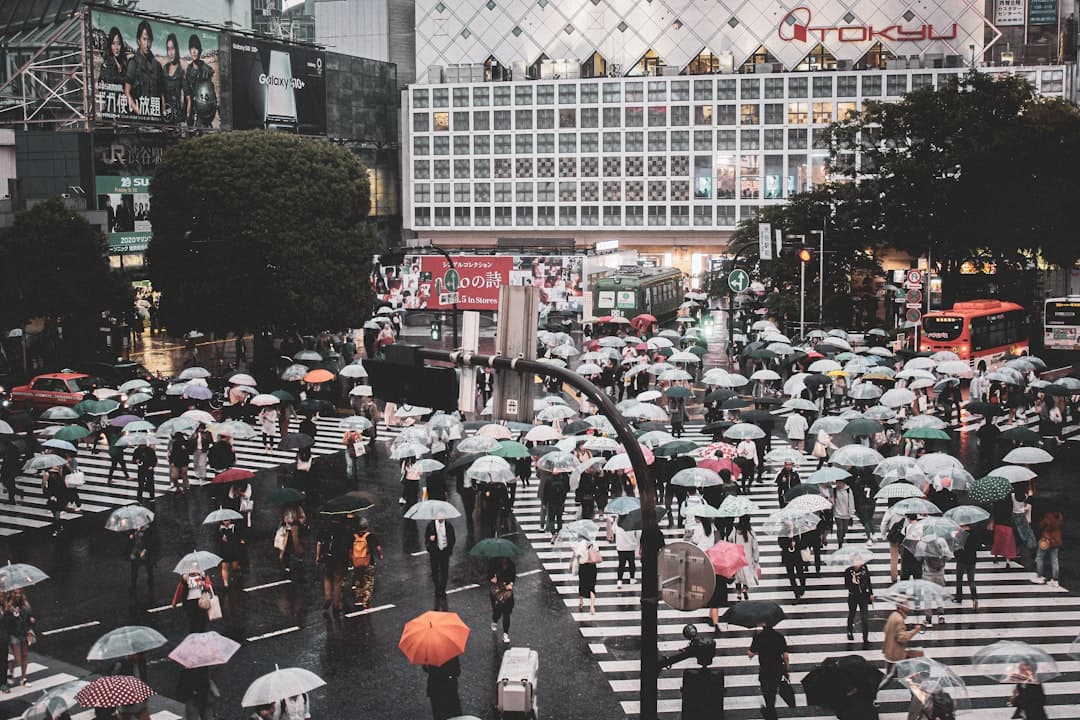
Shibuya Crossing is the world's most famous scramble intersection, sitting at the heart of one of Tokyo's busiest commercial districts. When the lights turn red in every direction, pedestrians flood in from all sides simultaneously — sometimes over 3,000 people in a single crossing cycle. It's not just a piece of infrastructure; it's a genuine spectacle, a symbol of Tokyo's organised intensity, and one of those rare places where the city's scale becomes viscerally real. The experience is twofold. Standing in the middle of it during peak hours, surrounded by umbrellas and business suits and neon reflections on wet pavement, is oddly exhilarating — chaotic on the surface but strangely fluid, because Tokyoites are extraordinarily good at navigating crowds without collision. Then there's the overhead view: from the Starbucks on the second floor of the Tsutaya building, or the observation deck at Shibuya Sky on top of Shibuya Scramble Square, you can watch the whole choreography unfold from above, which puts the scale into proper perspective. The crossing is free, open around the clock, and technically just a street corner — but it rewards time and attention. Rush hour on a weekday evening, roughly 6–9pm, delivers the densest crowds. Rain makes the scene dramatically photogenic, with umbrellas turning the intersection into an abstract canvas. The surrounding area — filled with department stores like Shibuya 109, restaurants, record shops, and izakayas — means you'll naturally spend far longer here than just crossing the street.
Shilin Night Market
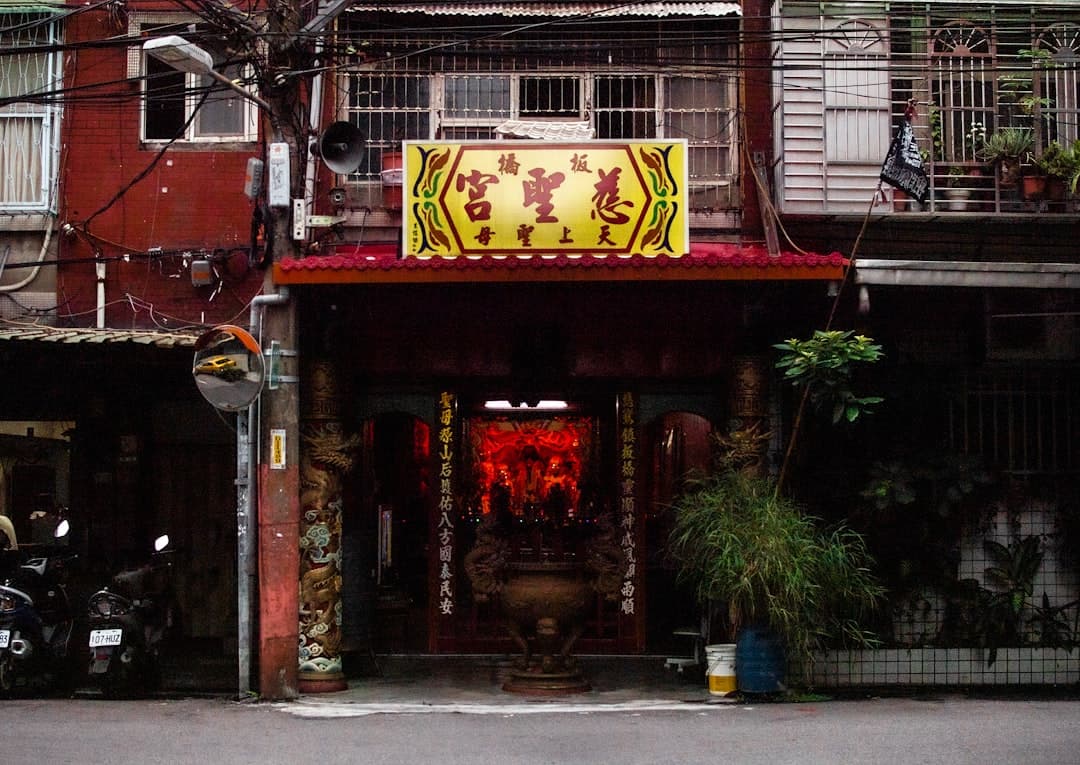
Shilin Night Market is the largest and most visited night market in Taipei, drawing millions of locals and tourists every year to a sprawling labyrinth of food stalls, games, clothing vendors, and snack shops in the northern Shilin District. It's been operating since the early 20th century and has grown into something far beyond a simple market — it's a genuine cultural institution, the place where Taiwanese street food culture is most vividly on display and where generations of Taipei residents have spent their evenings. The experience is full-sensory and wonderfully overwhelming. You weave through narrow lanes thick with the smell of grilled corn, stinky tofu, and oyster vermicelli, past stalls selling enormous fried chicken cutlets (da ji pai) bigger than your face, and vendors hawking bubble tea, fresh-cut fruit, and scallion pancakes. There's a dedicated underground food court beneath the main market building — a huge, brightly lit space where dozens of vendors operate in a more organized setting — as well as the outdoor lanes stretching through the surrounding streets where the atmosphere is livelier and more spontaneous. Beyond food, the outer market is packed with cheap fashion, accessories, carnival-style games, and beauty products. The market gets genuinely crowded on weekend evenings, and navigating it requires patience and a willingness to just follow your nose. Come hungry and graze your way through rather than sitting down for a single meal. The nearest MRT stop is Jiantan Station on the Red Line — not Shilin Station, which is a common mistake that adds unnecessary walking. Prices are low, cash is king at most stalls, and the whole thing winds down around midnight.