
All Places
1,073 places around the world
1,073 places · page 35 of 45
Royal Mile
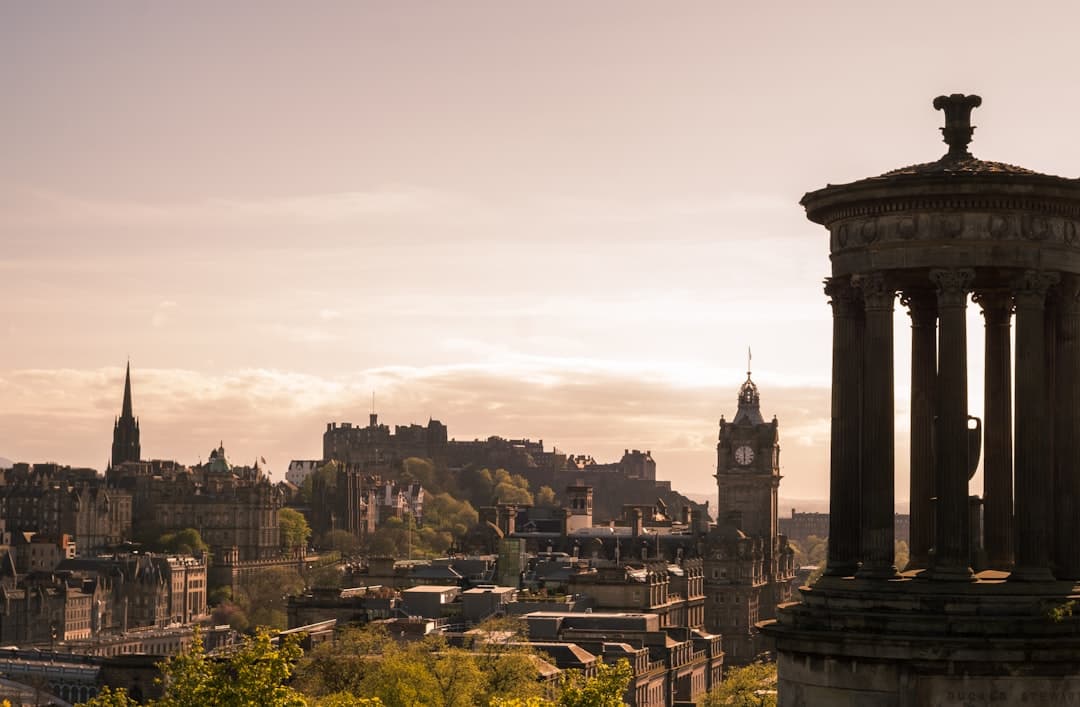
The Royal Mile is the ancient ceremonial heart of Edinburgh's Old Town, a roughly one-mile-long street running downhill from Edinburgh Castle at its upper end to the Palace of Holyroodhouse at its lower end. It's not a single street but a sequence of four connected streets — Castlehill, Lawnmarket, High Street, and Canongate — that have formed the backbone of the city since the medieval period. For centuries this was Edinburgh: every social class, from merchants to monarchs, lived and traded along this narrow, densely packed corridor. Walking the Royal Mile today means navigating a genuinely layered experience. You'll pass St Giles' Cathedral, the spiritual heart of the Church of Scotland, with its distinctive crown spire visible across the skyline. The closes — those narrow stone alleyways shooting off both sides of the street — lead to hidden courtyards, tiny museums, and atmospheric pubs. Gladstone's Land on the Lawnmarket gives you a genuine 17th-century tenement interior; the Museum of Edinburgh on Canongate digs into the city's local story. Street performers and bagpipers cluster near the castle esplanade in summer, and the whole street hums with energy during the August Festival season. The Royal Mile can be touristy — there's no point pretending otherwise. The whisky shops, tartan emporiums, and shortbread tins are relentless. The trick is to duck into the closes, slow down, and treat it as an urban exploration rather than a tick-box walk. Go early morning before the coaches arrive, or head down in the evening when the light on the stone is extraordinary and the crowds have thinned. The stretch around Canongate, closest to Holyrood, tends to be quieter and rewards proper attention.
Royal Ontario Museum
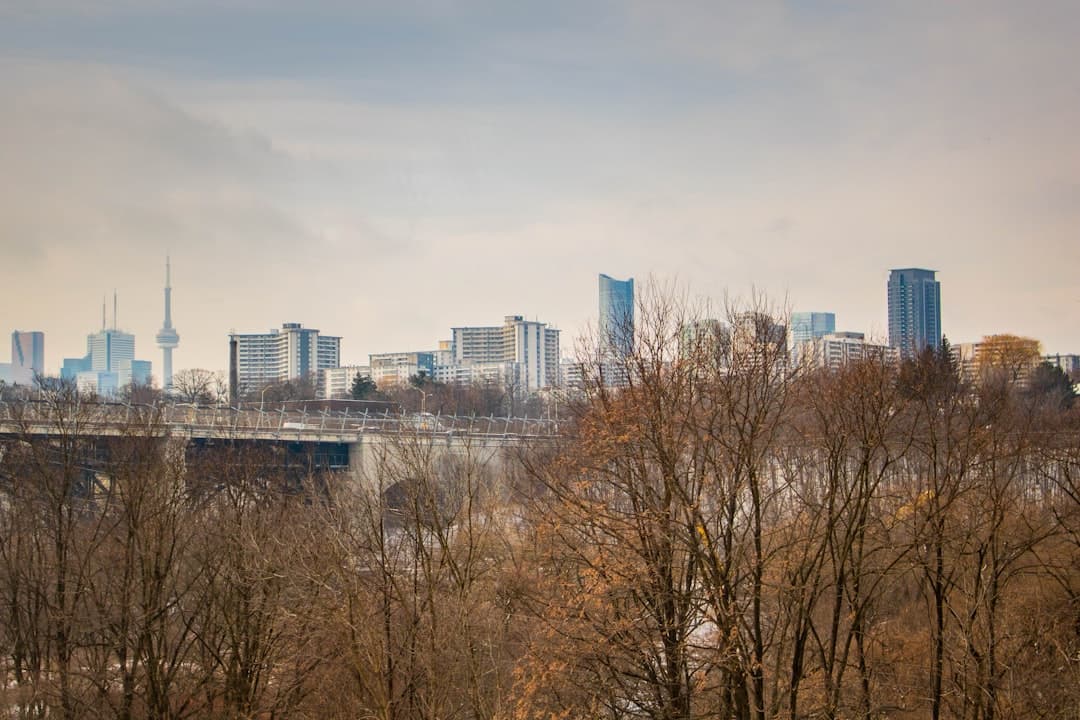
The Royal Ontario Museum — everyone calls it the ROM — is Canada's largest museum and one of the most visited in North America. It sits right on Bloor Street in the University of Toronto neighbourhood, and it covers an almost absurd range of territory: natural history, world cultures, art, and science all under one roof. The building itself is impossible to miss — in 2007, architect Daniel Libeskind added the Michael Lee-Chin Crystal, a jagged, angular glass-and-steel structure that erupts from the Victorian original like something from another dimension. Torontonians either love it or hate it, but nobody ignores it. Inside, the scale is genuinely impressive. The dinosaur galleries are a standout — the ROM has one of the finest collections of dinosaur fossils in the world, including spectacular specimens from Alberta's Badlands. The ancient Egypt galleries, the Chinese collection (one of the most significant outside China), the European decorative arts rooms, and the Indigenous Ontario exhibits all reward serious time. There's usually at least one major ticketed travelling exhibition running alongside the permanent collection, often drawing serious international attention. The ROM is right at the corner of Bloor and Avenue Road, steps from the Bloor-Museum subway station — it couldn't be easier to reach. Friday evenings occasionally feature adult-oriented programming called ROM Fridays after Dark. If you're travelling with kids, head straight to the dinosaur and bat cave galleries, which tend to be genuinely captivating rather than just dutiful. Budget at least half a day; the permanent collection alone will eat two to three hours if you're paying attention.
Royal Palace Amsterdam
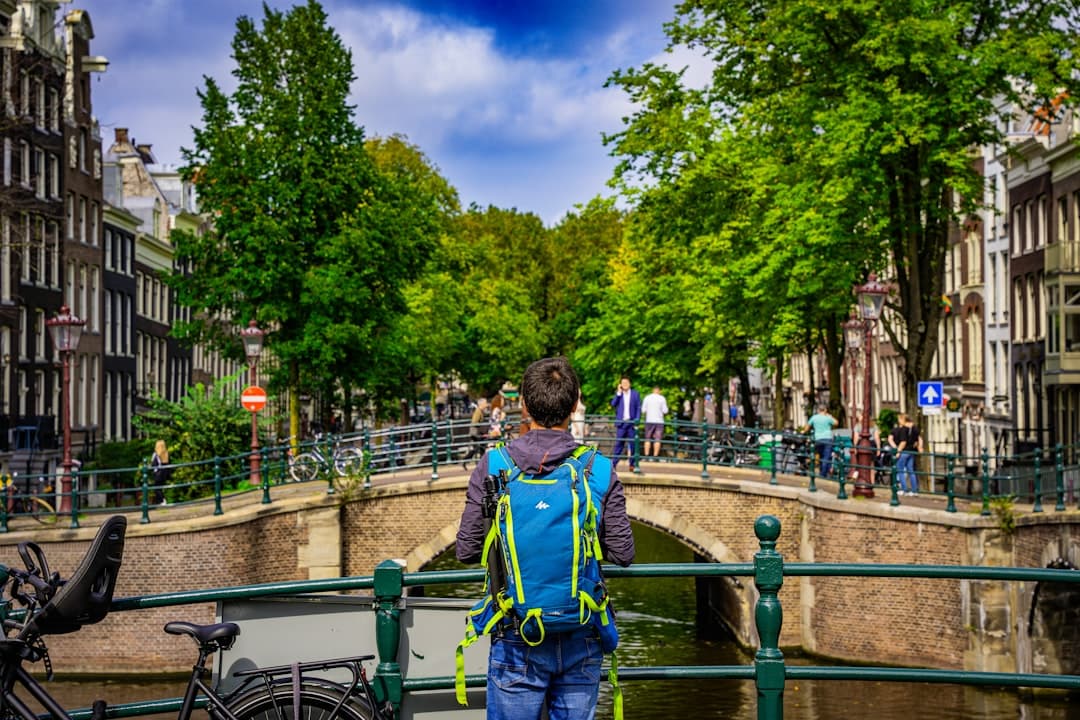
The Royal Palace on Dam Square is one of the most impressive 17th-century buildings in Europe, and it's sitting right at the geographic and historical heart of Amsterdam. Built in the 1650s as the city hall during the Dutch Golden Age — when Amsterdam was the wealthiest trading city on earth — it was later converted into a palace by Napoleon's brother Louis, who made it his royal residence in 1808. The Dutch royal family still uses it for state receptions and official ceremonies, though it's open to the public most of the year. Inside, the scale is extraordinary. The Citizen's Hall — a vast marble-floored central room running the full height of the building — was designed to represent Amsterdam as the centre of the world, complete with inlaid maps of the Eastern and Western hemispheres on the floor. The sculptures, paintings, and decorative schemes throughout were specifically commissioned to celebrate Dutch civic ideals and maritime power. Highlights include furniture from the original Napoleonic-era furnishings, Flemish and Dutch Golden Age artworks, and the extraordinary carved fireplaces in the former courtrooms. Audio guides take you through the main rooms with enough context to make the symbolism land. Tickets should be bought online in advance, especially in summer when queues on Dam Square can be long. The palace closes periodically for state functions — sometimes with little notice — so always check the official website before visiting. It pairs naturally with a walk through the Nieuwe Zijde neighbourhood and is an easy five-minute walk from the Anne Frank House or the Begijnhof.
Royal Palace of Casablanca
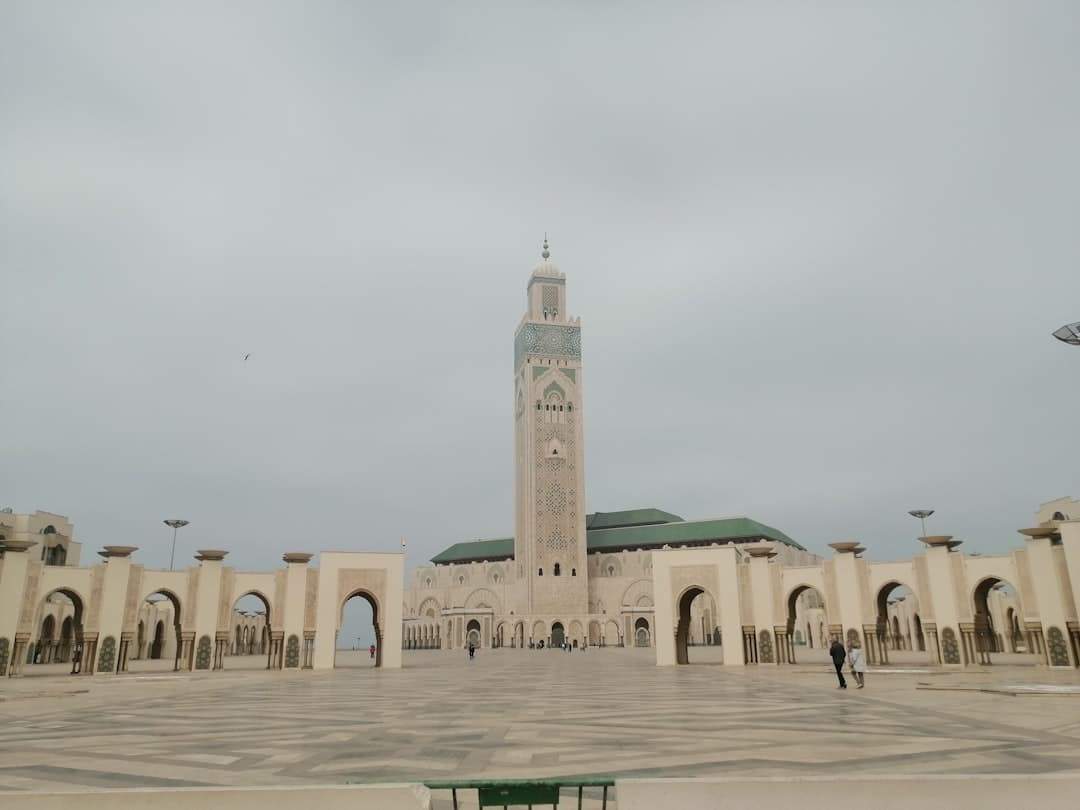
The Royal Palace of Casablanca — known in Arabic as Dar el-Makhzen — is one of several official residences used by the Moroccan royal family, and the one that sits within Morocco's largest and most commercially important city. Unlike some royal palaces that have been converted into museums or tourist attractions, this one remains genuinely in use, which means visitors experience it from the outside only. That's not a disappointment — it's actually part of what makes it interesting. The palace complex covers a large footprint in the heart of the city, and its elaborate ceremonial gates are among the finest examples of traditional Moroccan craftsmanship you'll find in Casablanca. What you actually do here is walk the perimeter and take in the architecture. The monumental entrance gates — adorned with intricate zellij tilework, carved plasterwork, and ornamental brass fittings — are genuinely spectacular, and the broad ceremonial esplanade in front gives you space to appreciate the scale. Royal Guard soldiers in traditional dress stand post at the gates, adding to the atmosphere. The surrounding neighbourhood has a slightly formal, unhurried feel compared to the city's chaotic commercial districts, and the streets nearby reward a slow wander. The opening hours listed online — including claims it's open 24 hours on certain days — almost certainly refer to the public exterior and surrounding streets, not any kind of interior access. The palace itself is never open to the public. Visit during daylight for the best photographs of the tilework and gates. Combine it with a walk to the nearby Mohammed V Square, the civic heart of colonial-era Casablanca, which is only a short distance away.
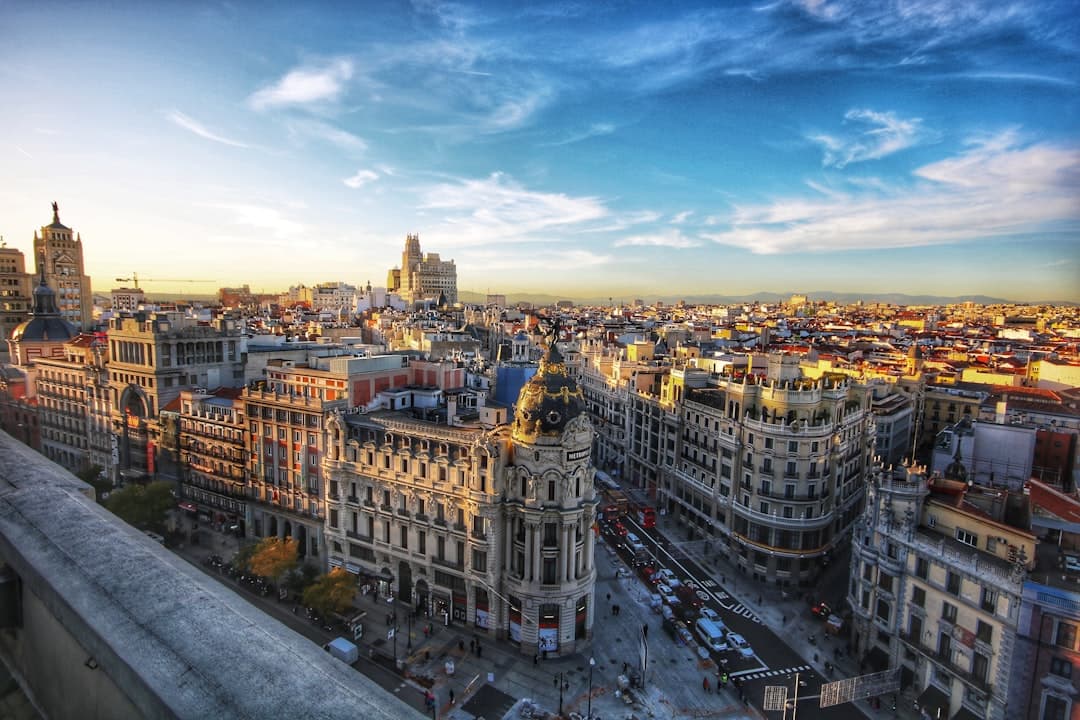
Royal Palace of Madrid
The Royal Palace of Madrid — Palacio Real — is the official residence of the Spanish royal family, though King Felipe VI and his family actually live in the more modest Palacio de la Zarzuela on the outskirts of the city. This palace is reserved for state ceremonies and official functions, which means it's open to the public the vast majority of the time. Built in the 18th century on the orders of Philip V after a fire destroyed the original Moorish-era fortress, it was designed by Italian architects Filippo Juvara and Giovanni Battista Sacchetti in the Baroque and Classical style. With 3,418 rooms — more than any other royal palace in Europe — it's an almost absurd monument to Bourbon ambition, set dramatically on a bluff above the Manzanares River with views stretching toward the Sierra de Guadarrama mountains. Inside, the experience is one of sustained, slightly overwhelming grandeur. You move through a series of state rooms — the Throne Room with its crimson velvet and crystal chandeliers, the Royal Armory (one of the finest collections of arms and armor in the world), the Gala Dining Room where Napoleon's brother once held court, and the remarkable Stradivarius Collection, which holds several instruments by the master luthier that are still occasionally played. Frescoes by Giambattista Tiepolo cover the ceilings of the main staircase hall and the Throne Room in rich, theatrical swirls. The sheer density of royal accumulation — tapestries, clocks, porcelain, paintings — can be a lot to absorb, but it's genuinely extraordinary by any standard. The palace sits at the western edge of Madrid's historic center, directly adjacent to the Sabatini Gardens and above the Campo del Moro park, both of which are worth walking through. Tickets can be purchased on the official website, and while you can join a guided tour, many visitors find that the included audio guide is more than sufficient. Arrive early — the palace can get genuinely packed by midday, especially in summer. On certain days the palace is closed to tourists for official state functions, so check ahead before making a dedicated trip.
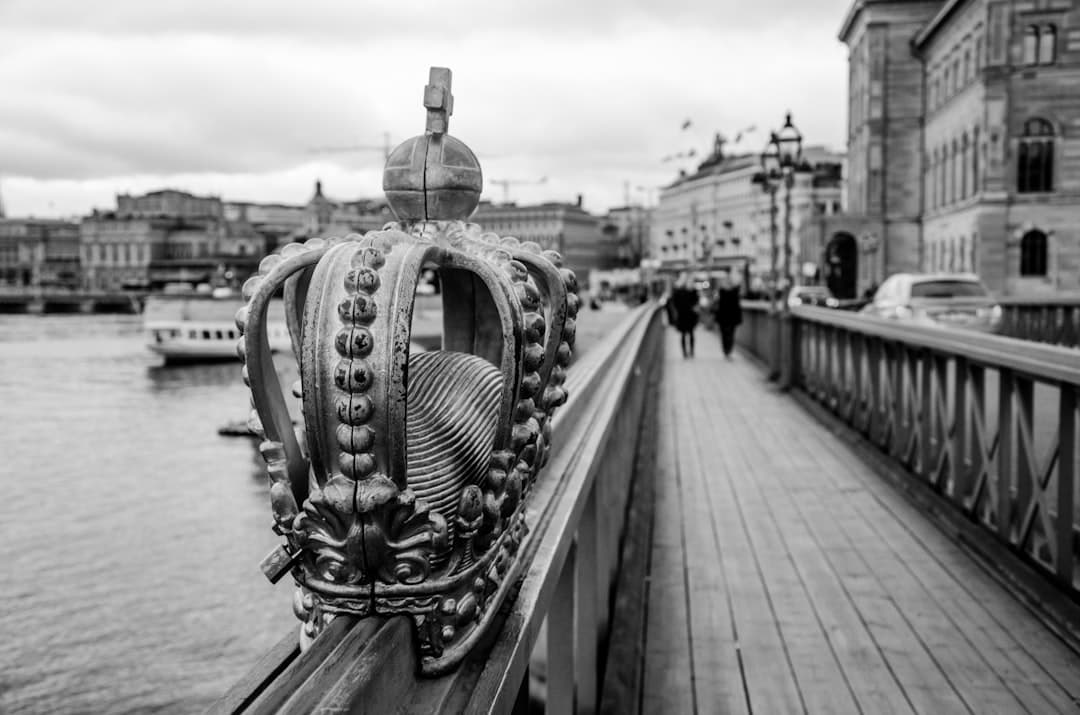
Royal Palace of Stockholm
The Royal Palace of Stockholm — Kungliga slottet — is one of the largest palaces in the world still used as an official royal residence, with over 600 rooms spread across its imposing Baroque facade on Gamla Stan, Stockholm's old town island. Built largely in the early 18th century after a fire destroyed the medieval Tre Kronor castle that stood before it, the palace was designed by architect Nicodemus Tessin the Younger and took decades to complete. Today it serves as the official workplace of King Carl XVI Gustaf, even though the royal family lives at Drottningholm Palace outside the city. Visitors can explore several distinct museums and state apartments within the same building, which makes it unusually rich for a single site. The Royal Apartments contain lavishly decorated rooms used for state ceremonies, while the Treasury holds the Swedish crown jewels — crowns, orbs, and scepters dating back to the 16th century that are genuinely dazzling up close. The Gustav III's Museum of Antiquities displays classical sculptures collected by the king on his grand tour of Italy, and the separate Tre Kronor Museum in the palace cellars traces the history of the site through archaeological remains. The famous changing of the guard ceremony happens in the outer courtyard daily in summer and on weekdays in winter, drawing big crowds. Buy a combination ticket that covers all the museums inside — it's significantly better value than individual entry and lets you move between exhibitions at your own pace. The palace sits right at the heart of Gamla Stan, so it pairs naturally with a wander through the surrounding medieval streets, but arrive early if you're visiting in peak summer, as the courtyards and popular treasury rooms get genuinely crowded by midday. Opening hours can vary seasonally and during state functions, so checking ahead before your visit is worth the thirty seconds it takes.
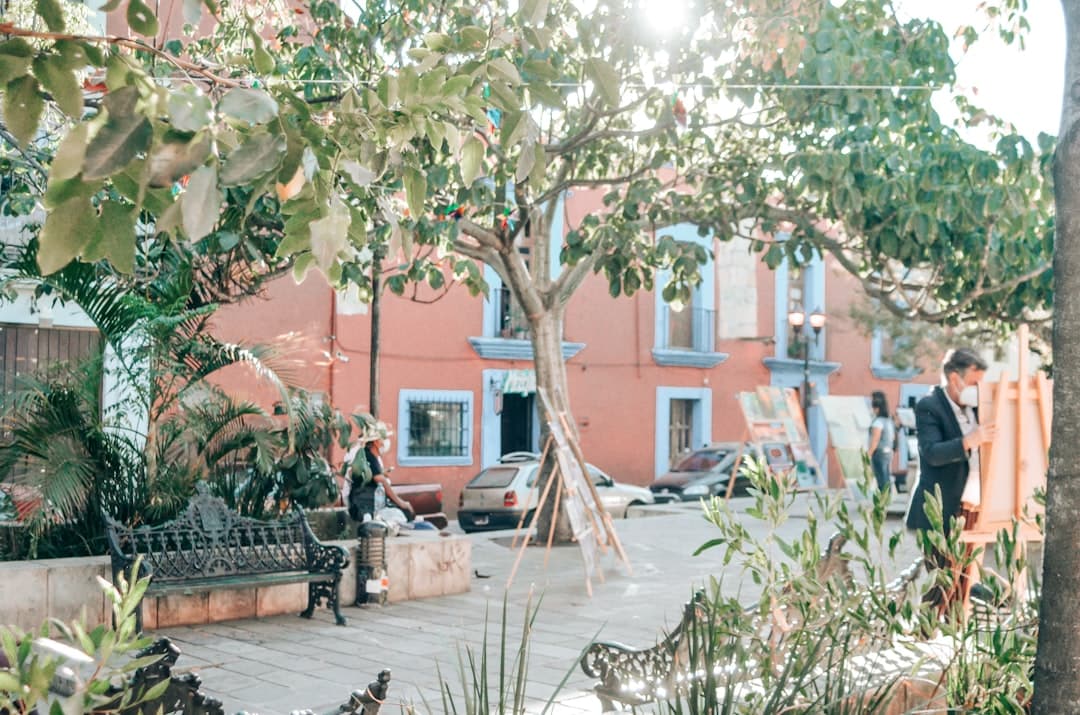
Rufino Tamayo Museum
The Rufino Tamayo Museum is one of Oaxaca's most rewarding cultural stops — a quiet, beautifully organized museum dedicated to pre-Columbian art, housed in a restored 16th-century colonial building in the heart of the city's historic center. Rufino Tamayo was one of Mexico's greatest 20th-century painters, born in Oaxaca, and over decades he assembled a remarkable private collection of ancient Mesoamerican objects — not as an academic exercise, but as an artist deeply drawn to their form, color, and spiritual weight. He donated the entire collection to the people of Oaxaca, and the museum opened in 1974 to house it. Inside, you'll find around 1,000 objects spanning cultures from across ancient Mexico — Zapotec funerary urns, Teotihuacan figures, Olmec masks, Veracruz yokes, West Mexican tomb figures — displayed not as a dry archaeological survey but with genuine aesthetic sensibility. The layout encourages you to look at these objects the way Tamayo did: as works of art first. The building itself is a pleasure — thick stone walls, shaded courtyards, cool tiled floors — and the scale is human enough that you never feel overwhelmed. The museum is a short walk from the zócalo and often gets overlooked in favor of the larger Museo de las Culturas de Oaxaca at Santo Domingo, which is a mistake. This place is smaller, calmer, and in many ways more affecting precisely because of its intimacy. Come in the late morning before tour groups filter through, and give yourself a slow hour and a half to really sit with the pieces.
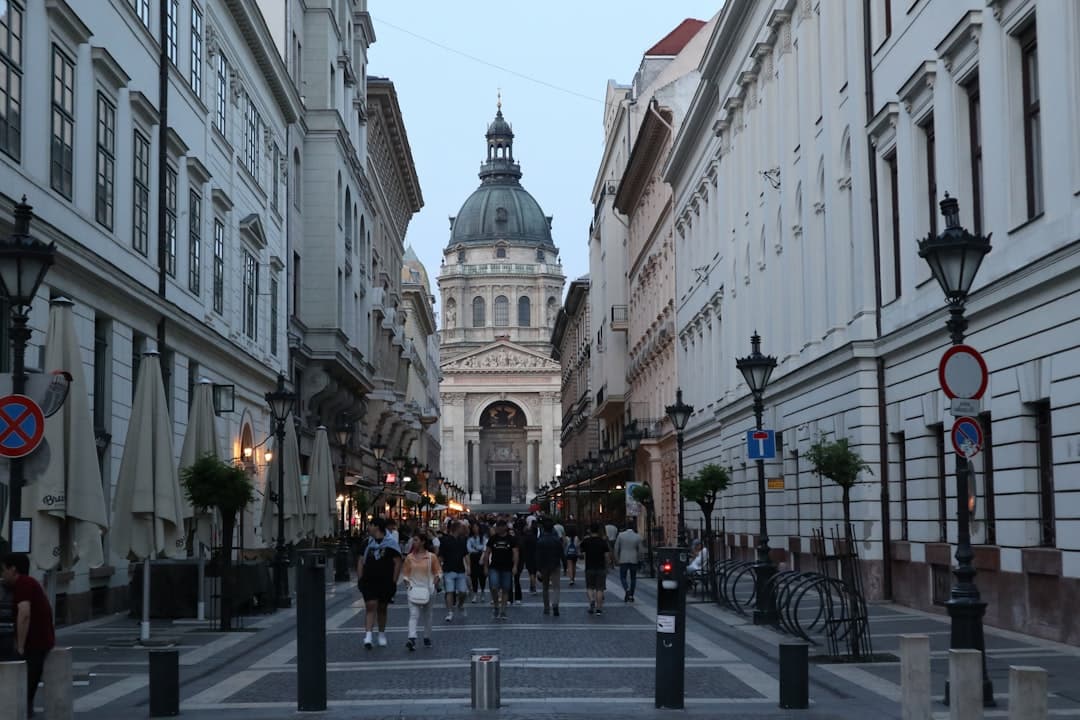
Ruin Bars of the Jewish Quarter
Ruin bars are a Budapest invention that has since been copied the world over, but nowhere does it quite like the VII District. The concept started in the early 2000s when a group of young entrepreneurs began throwing parties in the derelict courtyards and crumbling apartments of the old Jewish Quarter — buildings left empty after decades of neglect following World War II. Instead of renovating, they leaned into the decay: mismatched furniture, peeling walls, wild murals, vintage bicycles hanging from ceilings, bathtubs repurposed as seating. The result was something unlike any bar scene in Europe, and the neighbourhood was permanently transformed. Szimpla Kert, on Kazinczy utca, is the original and most famous of the ruin bars — open since 2002, sprawling across multiple rooms and an open courtyard, packed with art installations, film screenings, live music, and a Sunday farmers' market that draws locals alongside tourists. But the neighbourhood has evolved well beyond one venue. Walk a few minutes in any direction and you'll find Fogas Ház, Instant-Fogas, Élesztő, and a dozen smaller, more local spots. Each has its own personality, its own crowd, its own bizarre decorative logic. The whole district buzzes from late afternoon until the early hours, with the energy shifting from laid-back drinks at dusk to full dance-floor mode well past midnight. For first-timers, Szimpla is unmissable — but arrive before 9pm on weekends if you want to actually move around inside without queuing. The real local tip is to explore beyond it: the streets between Kazinczy, Dob, and Kertész utca are dense with smaller bars that attract more Budapestis and fewer tour groups. Drinks are cheap by Western European standards, cash is still preferred at many venues, and the whole area is extremely walkable — this is a neighbourhood best explored on foot, one courtyard at a time.
Rumeli Fortress
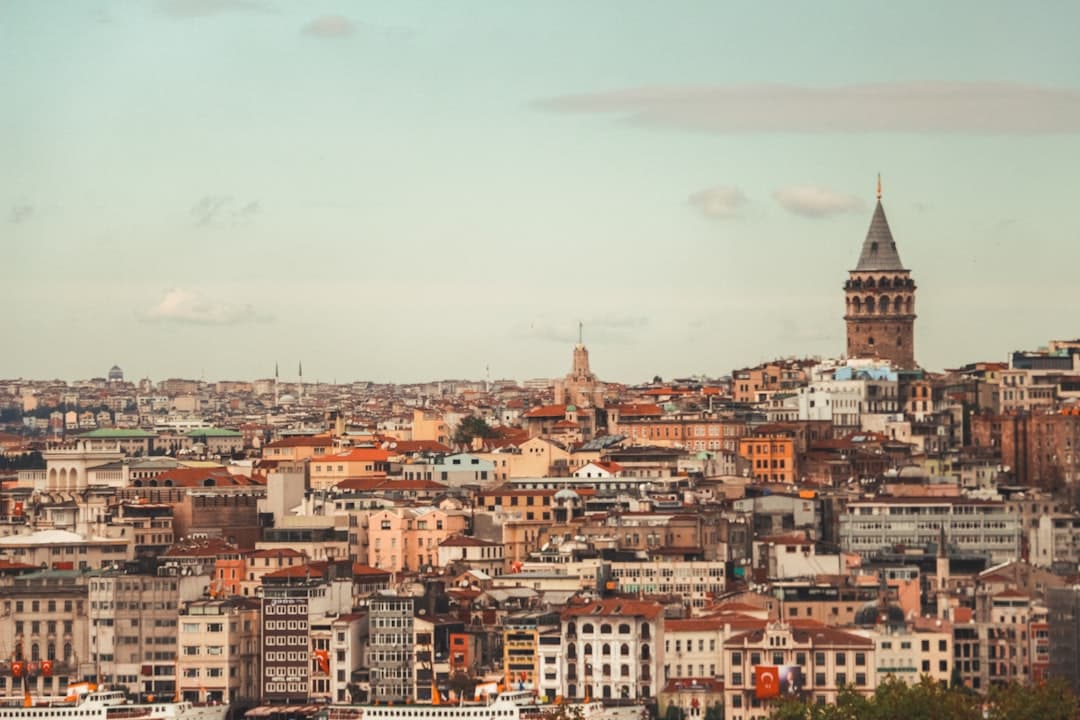
Rumeli Fortress is a massive medieval castle built directly on the European shore of the Bosphorus strait, just a few kilometers north of Istanbul's historic center. Sultan Mehmed II ordered its construction in 1452 — a breathtaking logistical feat completed in just four months — specifically to control traffic on the Bosphorus and cut off Constantinople from Black Sea supply routes. Paired with Anadolu Hisarı on the Asian shore opposite, the fortress effectively strangled the Byzantine capital before Mehmed's armies stormed it in 1453. It is one of the most consequential pieces of military architecture in world history, and standing inside its walls, you feel the weight of that. Today the fortress is an open-air museum, and the experience is genuinely physical. You walk the ramparts, climb the towers — three main ones, named Saruca Paşa, Zağanos Paşa, and Halil Paşa — and scramble up steep stone staircases with only modest handrails between you and a long drop. The views from the upper towers are extraordinary: the Bosphorus narrowed to its tightest point, container ships threading through below, and the Asian hills across the water. The interior courtyard contains the ruins of a small mosque and an open-air amphitheater that hosts concerts in summer. The scale of the walls — some sections rise over 25 meters — is genuinely impressive in person in a way photos don't convey. The fortress sits in the Rumelihisarı neighborhood, which is quieter and more residential than central Istanbul. Getting here by bus along the Bosphorus road is easy and scenic; the 22RE and 25E lines connect from Beşiktaş. Monday closures are the main practical trap for visitors. Arrive early on weekends to avoid tour groups, and pair the visit with lunch at one of the fish restaurants along the waterfront just below the walls — the neighborhood has a handful of good options steps from the entrance.
Runyon Canyon
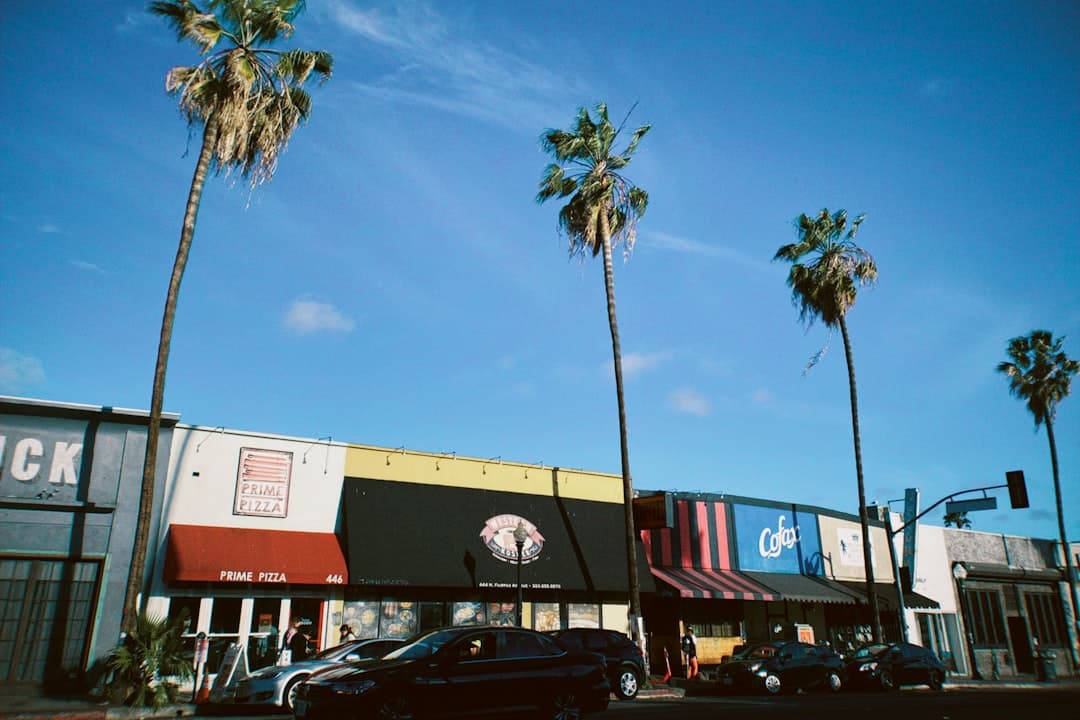
Runyon Canyon is a 160-acre public park tucked into the Santa Monica Mountains just above Hollywood, offering a network of hiking trails with sweeping views over the Los Angeles basin. It's one of the most visited urban parks in the country — not just because of the scenery, but because it's become a cultural institution in its own right, a daily ritual for a swath of Angelenos who show up before or after work to sweat it out on dusty switchbacks with their dogs in tow. The park has three main trail loops ranging from a gentle paved path along the canyon floor to the steep fire road that climbs to the ridge at roughly 1,320 feet. From the top, on a clear day, you get unobstructed panoramas stretching from downtown LA all the way to the Pacific. Most people combine trails to make a satisfying one-to-two hour loop. Dogs are welcome off-leash throughout most of the park, which makes it a magnet for pet owners — and incidentally one of the best places in LA to spot celebrities doing something mundane, since the park draws a very Hollywood crowd. The main entrance is at the top of Fuller Avenue, just off Franklin, with another entrance at the Mulholland Drive end. Come early on weekends — the parking situation is notoriously chaotic and the trailheads fill up fast. Weekday mornings are far more manageable. The trails are mostly exposed dirt and rock with some uneven terrain, so proper footwear matters more than people expect when they show up in flip-flops.
Ryoan-ji
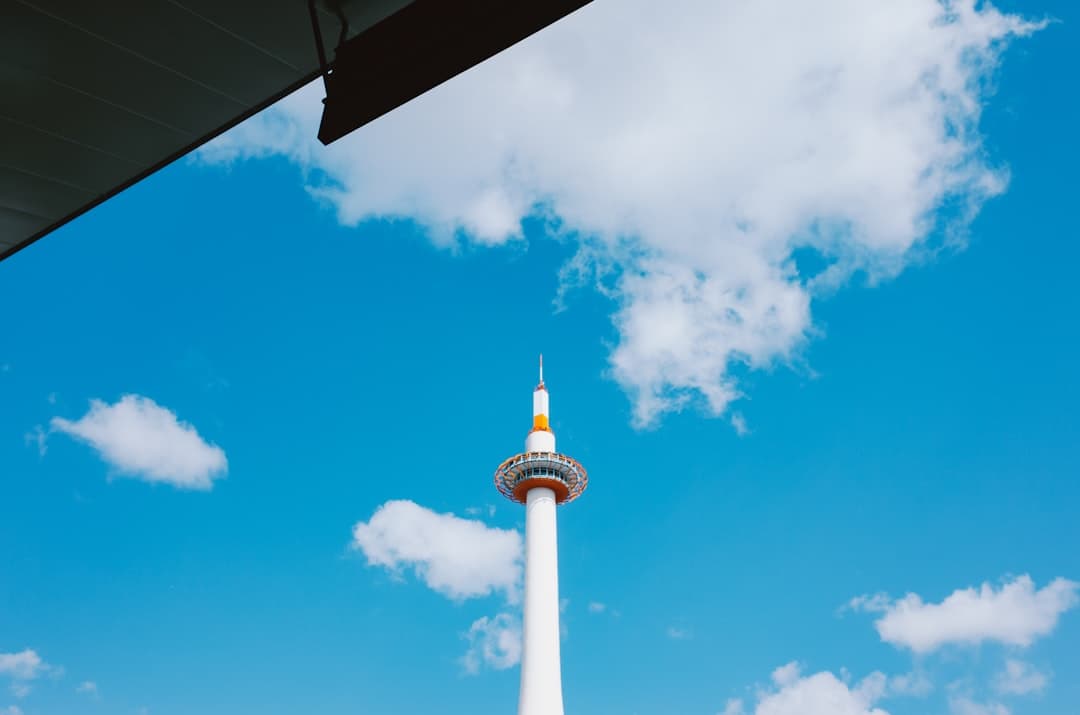
Ryoan-ji is a Zen Buddhist temple in northwestern Kyoto, home to what is widely considered the finest example of a karesansui — a dry stone garden — in all of Japan. Created in the late 15th century and belonging to the Rinzai school of Zen, the temple sits within a sprawling estate that includes a large pond, mature trees, and a serene approach path. The garden itself is deceptively small: a rectangular plot of raked white gravel containing fifteen stones arranged in five groups, enclosed by an old clay wall stained ochre and brown by centuries of oil seeping from its base. From any seated position on the temple's wooden veranda, only fourteen of the fifteen stones are visible at once — a deliberate design choice whose meaning has never been officially explained, which is rather the point. Visiting is a genuinely contemplative experience. You remove your shoes at the entrance, step up onto the wooden engawa (veranda), and sit or stand before the garden. Most visitors stay longer than they expected to. The raked gravel, the mossy stones, the weathered wall, the silence — it pulls you in. Beyond the rock garden, the temple grounds reward further exploration: the Kyoyochi Pond dates back to the Heian period (over a thousand years ago), and the stone water basin near the tea house bears a famous inscription that roughly translates as "I learn only to be content" — a Zen riddle in four characters. Arrive early, and you may have the veranda almost to yourself, which is the ideal way to experience it. By mid-morning, tour groups fill the space and the meditative quality is harder to access. The temple is part of Kyoto's UNESCO World Heritage listing and sits close to Kinkaku-ji (the Golden Pavilion), making it easy to combine both in a half-day. Entry is modest — a few hundred yen — and seasonal hours shift slightly in winter, so it's worth a quick check before you go.
SFMOMA
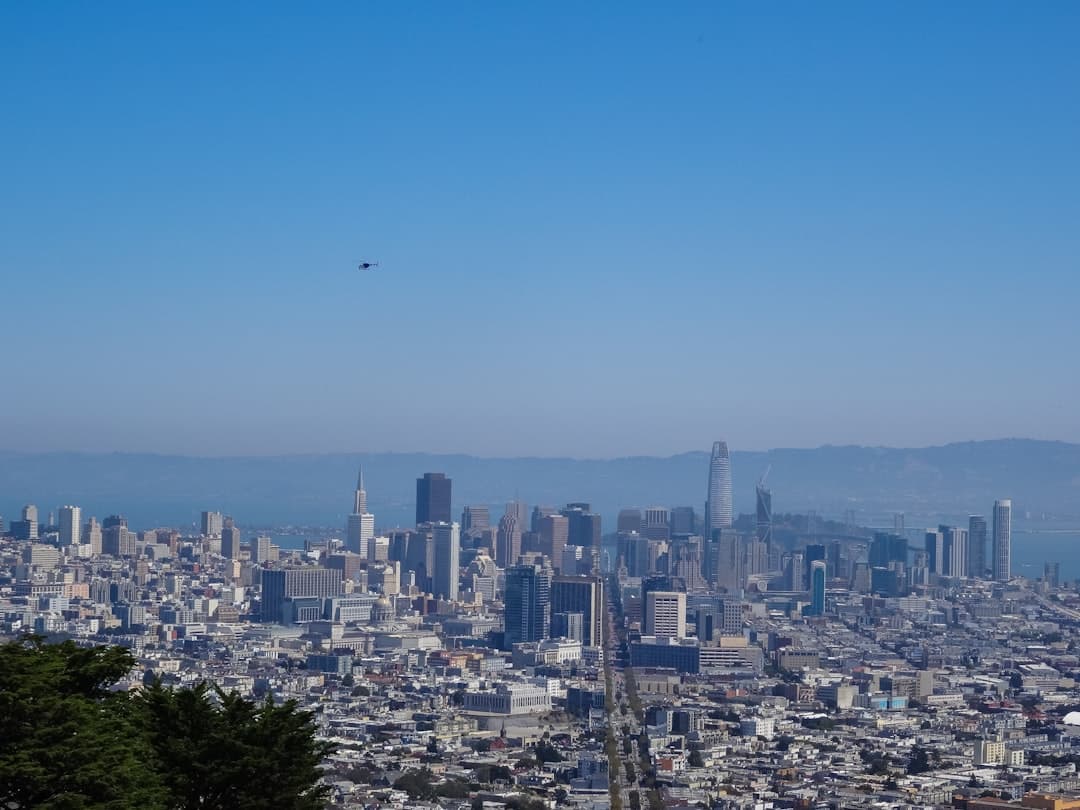
SFMOMA — the San Francisco Museum of Modern Art — is one of the largest museums of modern and contemporary art in the United States. Founded in 1935, it was the first museum on the West Coast dedicated to 20th-century art. The current building, a dramatic expansion designed by Snøhetta that opened in 2016, more than doubled the exhibition space to around 170,000 square feet, making it a genuine destination in its own right. It sits in the South of Market neighborhood, just steps from Yerba Buena Gardens, and anchors what has become one of the city's main cultural corridors. Inside, the collection spans painting, sculpture, photography, design, video, and media arts — roughly 33,000 works in total. You'll find major holdings of work by Richard Diebenkorn, Frida Kahlo, Diego Rivera, and a particularly strong photography collection that traces directly to the museum's early championing of the medium as a serious art form. The building itself rewards exploration: the undulating white façade with its textured surface references San Francisco Bay, and interior galleries spill across seven floors connected by soaring staircases and a dramatic atrium. The free-access ground floor includes works from the Doris and Donald Fisher Collection — one of the most significant private collections of contemporary art in the world — which means you can walk in off the street and see world-class art without paying a cent. Thursday evenings are the insider move: the museum stays open until 8pm and tends to be quieter than weekend afternoons. The café on the ground floor is run by In Situ, a concept by chef Corey Lee (of three-Michelin-star Benu) that reimagines dishes from celebrated chefs around the world — it's genuinely worth building a meal around, not just a pit stop.
Saadian Tombs
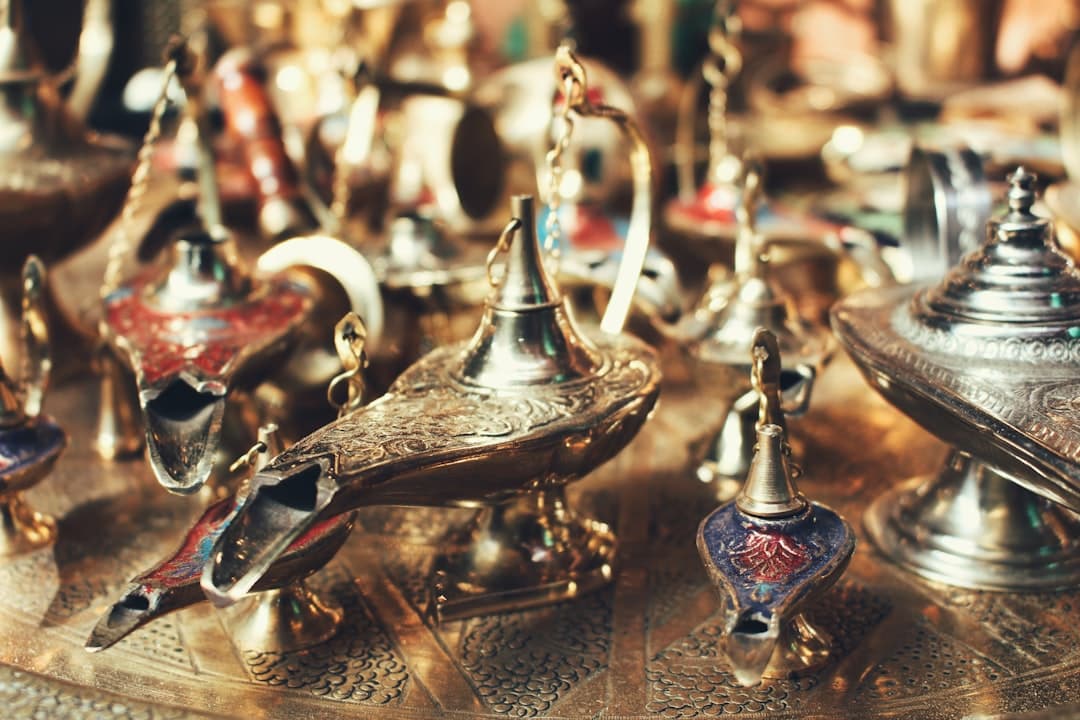
The Saadian Tombs are the mausoleum of the Saadian dynasty, the royal family that ruled Morocco through the 16th and early 17th centuries. Built during the reign of Sultan Ahmad al-Mansur — the ruler who famously sacked Timbuktu and brought back enormous wealth — the tombs were walled up by his successor Moulay Ismail, who wanted to erase the Saadian legacy without committing the sacrilege of destroying a burial site. They sat hidden and forgotten for over two centuries until French aerial surveyors spotted the complex in 1917. That story alone — a royal necropolis sealed in time, accidentally preserved by political spite — makes this one of the more extraordinary archaeological finds in North Africa. The site holds around 66 members of the Saadian royal family across two main chambers and a garden courtyard. The centrepiece is the Chamber of the Twelve Columns, a breathtaking room built for Ahmad al-Mansur himself, lined with Italian Carrara marble, intricate cedar wood carving, and some of the finest zellij tilework you'll see anywhere in Morocco. Servants and lesser royals are buried in the garden outside, their graves marked by simple stone slabs. The contrast between the opulence inside and the quiet simplicity of the garden is striking and genuinely moving. The tombs sit just off Rue de la Kasbah in the Kasbah neighbourhood, a short walk from the Bahia Palace and the southern edge of the medina. Entry is cheap but the site gets crowded fast — tour groups descend from mid-morning onwards. The chambers are small and there's no controlling the flow of visitors, so the quality of your experience is very much a function of when you arrive. Come right at opening and you may have the Chamber of the Twelve Columns almost to yourself. Wait until noon and you'll be shuffling through shoulder to shoulder.

Sacred Monkey Forest
The Sacred Monkey Forest Sanctuary — officially known as Mandala Wisata Wenara Wana — is a nature reserve and Hindu temple complex in the center of Ubud, home to around 700 Balinese long-tailed macaques living freely among moss-draped trees, stone carvings, and three functioning temples. It's not a zoo or a theme park. The monkeys are wild, the temples are active, and the forest has been sacred to the local community of Padangtegal for centuries. Proceeds from entry fees go directly to village conservation and upkeep, so visiting here genuinely supports the community that maintains it. Walking through feels like stepping into a fairy tale that occasionally turns feral. Stone pathways wind beneath enormous banyan trees hung with roots like curtains, past mossy statues of Ganesha and Rangda, while monkeys leap overhead, groom each other on temple walls, and — if you're not careful — rifle through your bag for snacks. The three temples inside (Pura Dalem Agung, Pura Beji, and Pura Prajapati) are genuinely important sites of Balinese Hinduism, still used for cremation ceremonies and religious festivals. The depth of the forest is denser and quieter than the main paths, and worth exploring. Go early — 9am when it opens — to avoid the midday tour-group rush and to catch the monkeys at their most active. Don't bring food or anything that crinkles like food packaging. The monkeys are fearless and have mastered the zip-pocket. Bags with external pockets are their specialty. Entrance for foreigners is around 80,000–100,000 IDR, which is very reasonable for what's genuinely one of Bali's most atmospheric and layered experiences.
Sacré-Cœur
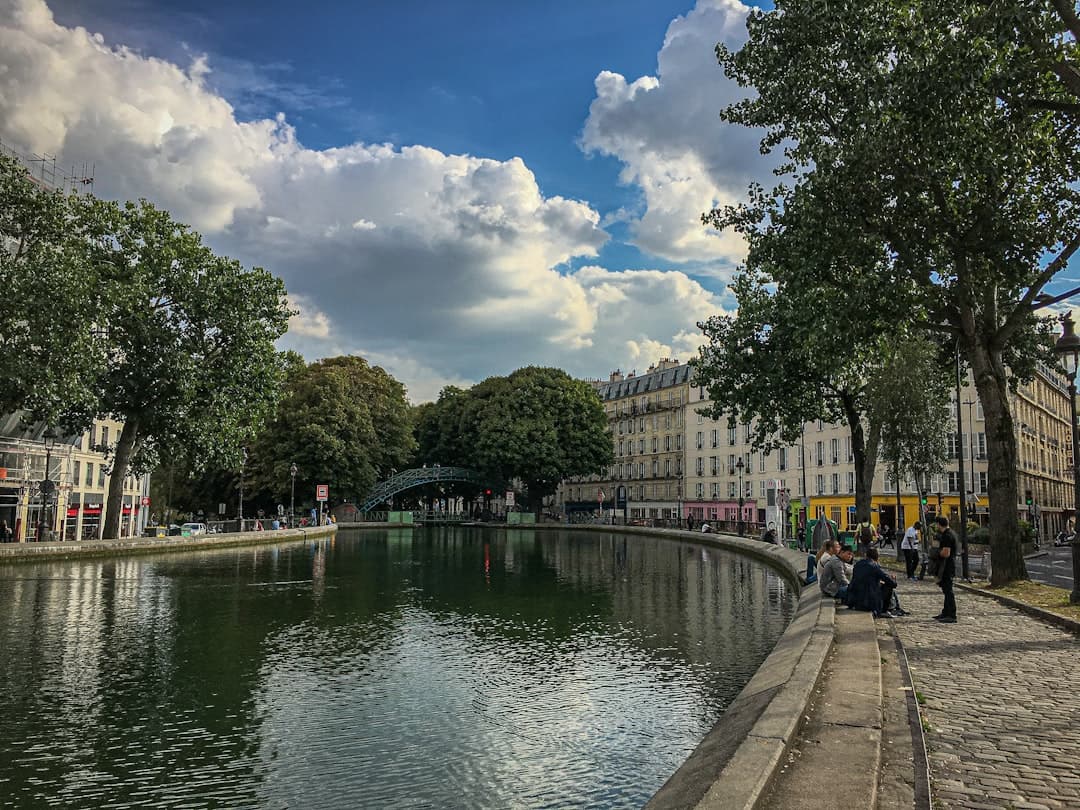
Sacré-Cœur is a vast white basilica perched at the highest point in Paris, atop the hill of Montmartre in the 18th arrondissement. Built between 1875 and 1914 and consecrated in 1919, it was constructed as a national act of penance following France's defeat in the Franco-Prussian War and the violence of the Paris Commune. Its distinctive Romano-Byzantine architecture — all ivory travertine stone that self-whitens when it rains — makes it one of the most recognizable buildings in the world, and the perpetual adoration held inside has continued uninterrupted since 1885. Visiting is a layered experience. The basilica itself is free to enter, and the interior is genuinely impressive — the enormous mosaic of Christ with outstretched arms in the apse is one of the largest in the world. You can climb the dome for elevated views, though most visitors are content with the wide terrace outside, which offers one of the finest panoramas in Paris, sweeping across the city all the way to the Eiffel Tower on a clear day. The steps leading up are as much a destination as the building itself, perpetually filled with buskers, couples, and people watching the city below. The practical reality is that Sacré-Cœur is extremely popular, and the approach through Montmartre is lined with persistent souvenir sellers and, at the bottom of the hill, notorious friendship-bracelet scammers — just keep walking and don't engage. Take the funicular from Place Saint-Pierre if your legs aren't up for the stairs. Come early morning or around sunset for the best light and thinner crowds. The surrounding neighborhood of Montmartre — with its cobbled streets, the Place du Tertre artists' square, and Amélie-famous cafés — makes for a half-day on its own.
Sacsayhuamán
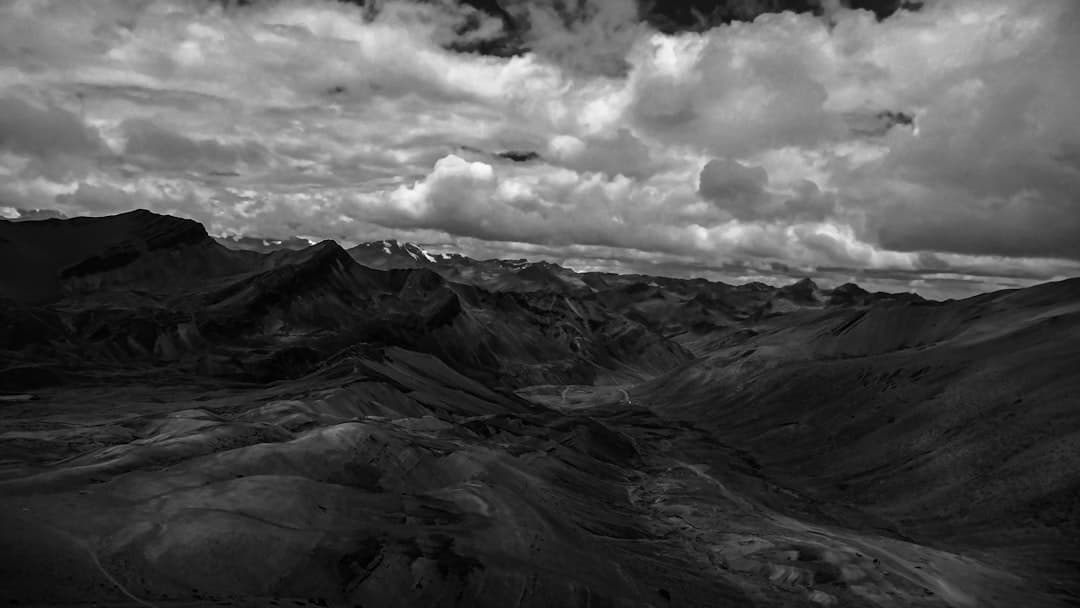
Sacsayhuamán is a monumental Inca ceremonial and military complex perched on a hill above Cusco, constructed primarily in the 15th century under the reign of Sapa Inca Pachacuti and completed by his successors. The site is famous above all for its three massive zigzagging terraced walls, built from limestone and andesite blocks — some weighing over 100 tonnes — fitted together with such precision that no mortar was needed and you still can't slide a piece of paper between the joints. For centuries, Spanish colonizers quarried it for stone to build Cusco's churches and palaces, which is why the complex is only a fraction of its original size, yet what remains is still staggering. The name is Quechua and roughly translates to 'satisfied falcon,' though the phonetic similarity to an English profanity has made it a source of awkward amusement for English-speaking visitors for decades. Visiting Sacsayhuamán is a genuinely physical experience — this is not a museum with rope barriers and explanatory panels. You walk among the stones, climb on them, sit on them, and try to reconcile what you're seeing with any rational explanation of how it was built without wheeled vehicles, iron tools, or draft animals capable of carrying these loads. The three main terrace walls stretch about 360 metres across the hillside, and beyond them the open esplanade — called the Explanada — was likely the site of the Inti Raymi festival, which is still re-enacted here every June solstice in a dramatic public ceremony drawing thousands. The hilltop gives sweeping views over the terracotta rooftops of Cusco below, with the Andes rising beyond. Sacsayhuamán is covered by the Cusco Tourist Ticket (Boleto Turístico del Cusco), a multi-site pass that's essentially mandatory for visiting most of the region's major archaeological sites — buy it in advance or in Cusco before you head up. It's roughly a 30-minute uphill walk from the Plaza de Armas, or a short taxi ride. Go early: the light on the stones in the morning is beautiful, the crowds are thinner, and the altitude — around 3,700 metres — means you'll want to take it slow regardless. If you've just arrived in Cusco, give yourself a day or two to acclimatize before making the climb on foot.
Sagrada Família
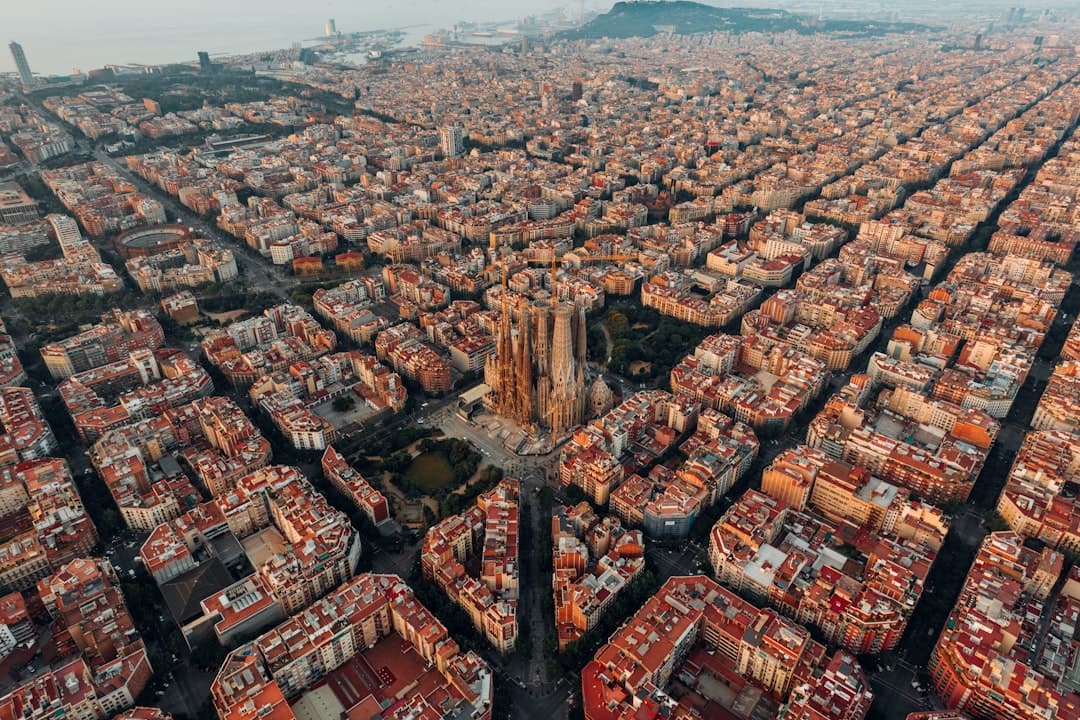
The Sagrada Família is a Roman Catholic basilica in Barcelona that has been under continuous construction since 1882 — and is still not finished. Designed by the Catalan architect Antoni Gaudí, who devoted the last 43 years of his life to the project, it is unlike any religious building on earth. The facades are encrusted with stone carvings that seem to have grown rather than been chiseled, the towers soar in clusters like organ pipes, and the interior glows with color in a way that feels closer to a forest than a church. UNESCO declared it a World Heritage Site, and it was consecrated by Pope Benedict XVI in 2010 — still incomplete. Inside, the experience is genuinely overwhelming in the best possible way. The nave is flooded with colored light from stained glass windows designed to shift from cool blues and greens on the west side to warm ambers and reds on the east — the effect changes dramatically depending on the time of day. The columns branch upward like trees, supporting a vaulted ceiling of geometric complexity that Gaudí engineered using hanging chain models. You can climb the towers on two facades: the older Nativity facade (the ornate one, facing northeast) and the Passion facade (starker, more angular, facing southwest). Both offer vertiginous views over the Eixample grid and, on clear days, out to the sea. Towers aside, the museum in the basement is worth the time — it includes Gaudí's original plaster models, reconstructed after anarchists destroyed them in 1936, and explains how his methods were so far ahead of their time that modern architects are still working out how to honor them. Construction is genuinely ongoing: the central tower of Jesus Christ is expected to be completed in the mid-2020s, which will make it the tallest church in the world. Tickets sell out days or weeks in advance, especially in summer, and timed entry is strictly enforced — buy online before you arrive.
Saint-Joseph's Oratory
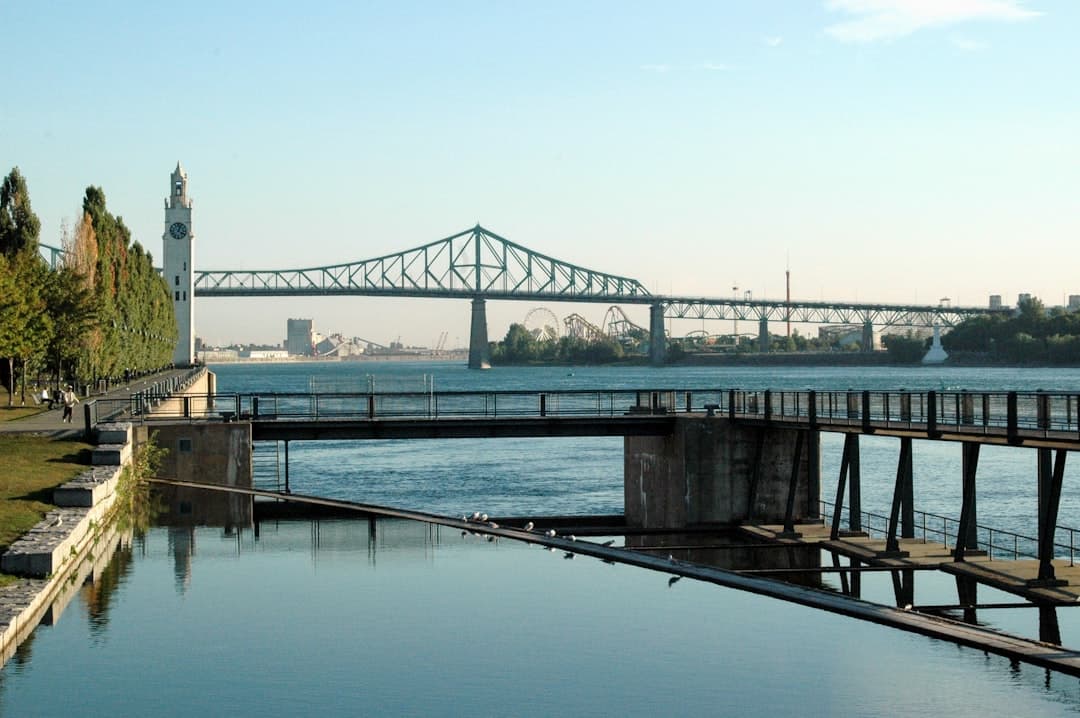
Saint Joseph's Oratory is a Roman Catholic minor basilica perched on the northern slope of Mount Royal, Montreal's defining landmark hill. It was founded by Brother André Bessette, a humble Holy Cross brother who began his mission in a tiny chapel in 1904 and became one of the most beloved religious figures in Canadian history. The dome — modeled loosely on St. Peter's in Rome — is the second-largest in the world after St. Peter's and the largest in Canada, visible from much of the city. Brother André was canonized as a saint in 2010, and his heart is preserved in a reliquary inside the oratory, which draws pilgrims and tourists alike by the millions each year. A visit here is genuinely layered. The main basilica at the top is vast and serene, with soaring ceilings, beautiful stained glass, and an organ of serious renown — the instrument was played by Marcel Dupré and has been central to the Oratory's world-class music program for decades. Below the basilica, the Crypt Church is older, more intimate, and often quieter. Between the two, you'll find a votive chapel lined with hundreds of crutches and canes left by people who believed they were healed through Brother André's intercession — it's one of the most striking and genuinely moving rooms in the city. Outside, a grotto garden with life-size Stations of the Cross winds across the hillside. Some pilgrims still climb the 99 middle steps on their knees. Practically speaking, the grounds are free to enter though donations are welcome, and parking is available on-site. The views from the esplanade at the top — over Côte-des-Neiges and across the plateau — are among the best in Montreal and often overlooked by visitors who come only for the interior. Come on a weekday morning if you want the full atmosphere without the tour bus crowds. The museum dedicated to Brother André's life is small but genuinely illuminating.
Sainte-Chapelle
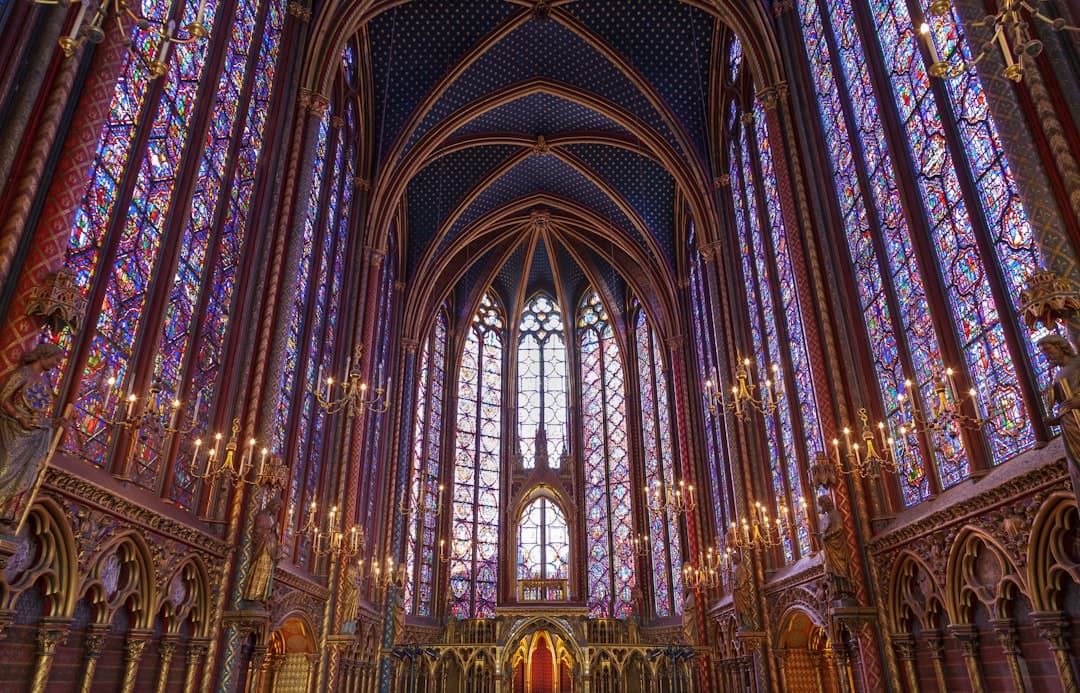
Sainte-Chapelle is a Gothic chapel built in the 1240s by King Louis IX to house what he believed were the crown of thorns and a fragment of the True Cross — relics he'd paid a fortune to acquire from the Byzantine emperor. It sits tucked inside the Palais de la Cité complex on the Île de la Cité, Paris's oldest inhabited island, surrounded by the hulking Palais de Justice and easy to miss entirely if you don't know to look for it. The building was revolutionary for its time: the architects essentially dissolved the walls and replaced them with glass, making it one of the earliest and most ambitious expressions of High Gothic architecture anywhere in the world. The experience is split between two levels. The lower chapel is modest and relatively dark — it was built for palace staff, and while it's beautiful, it's just the warm-up act. The upper chapel is the main event and one of the most genuinely arresting interior spaces in Europe. Fifteen enormous windows rise almost to the vaulted ceiling, each one densely packed with thousands of individual pieces of colored glass telling stories from both Testaments. On a clear day the light through those windows transforms the interior into something that doesn't feel entirely secular. You spend your time slowly circling the room, craning upward, getting close to individual panels, and trying to make sense of the iconography — there are illustrated guides for sale that help enormously. Sainte-Chapelle sits within a working court complex, which means security screening at the entrance can be slow, especially in high season. Skip-the-line tickets bought in advance via the official Centre des monuments nationaux website make a real difference. It's also worth knowing the chapel shares a combined ticket with the Conciergerie just across the courtyard — the former royal prison where Marie Antoinette was held before her execution — which makes for a natural half-day pairing. Go on a sunny morning if at all possible; the difference between overcast and full sun inside that upper chapel is the difference between impressive and unforgettable.
Sambódromo
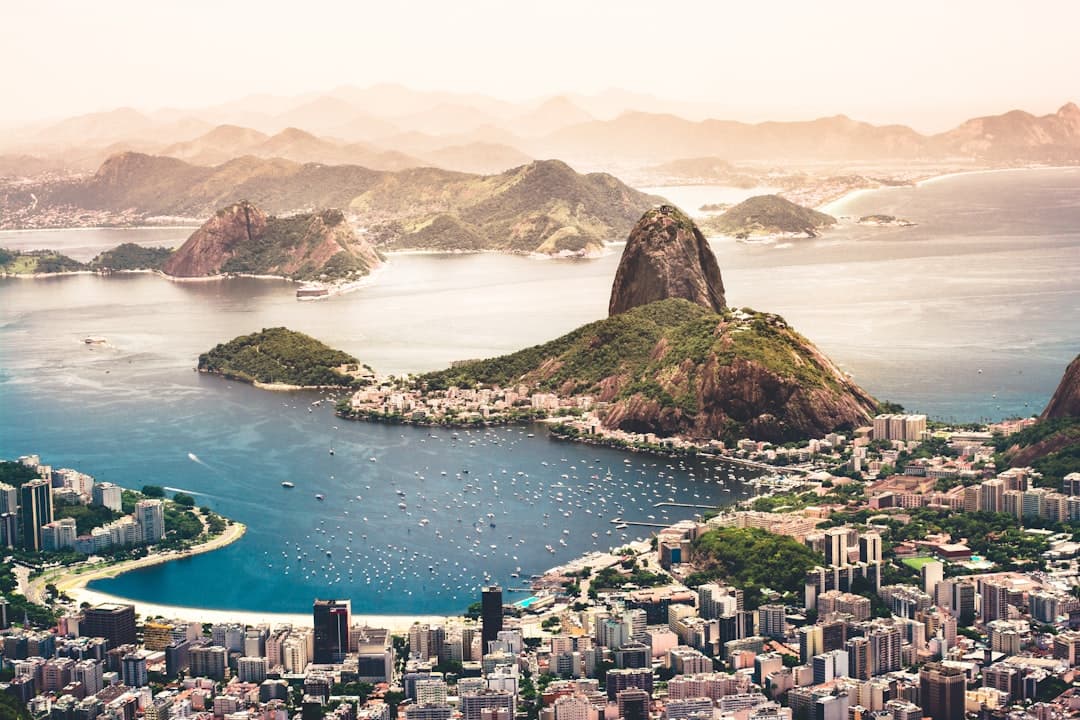
The Sambódromo — officially the Passarela do Samba — is a purpose-built parade avenue in central Rio, designed by architect Oscar Niemeyer and opened in 1984. It exists almost entirely for one thing: Carnival. Every February or early March, the city's top samba schools spend months — sometimes the entire year — preparing elaborate floats, costumes, and choreography to compete here in front of 90,000 spectators over two nights. The schools are judged on everything from drumming to flag-bearing to the quality of the costumes, and the results are taken with the seriousness of a national championship. If you've ever seen footage of Rio Carnival and thought it looked like nothing else on earth, this is where that happens. Outside of Carnival itself, the Sambódromo is both a landmark worth visiting on its own terms and a venue that occasionally hosts concerts, sporting events, and the Formula 1 fan zone. During Carnival, the experience is overwhelming in the best possible way — samba schools with thousands of members pour through the 700-metre avenue, the percussion batteries (some with 300+ drummers) hit you physically in the chest, and the floats tower several stories high. You can buy tickets to sit in the grandstands, or — if you want to be truly immersed — buy a costume and actually march with one of the schools as a participating visitor. Tickets for the main competition nights sell out months in advance, and prices vary wildly depending on sector and school. Sector 9, near the finish line, is popular with tourists for its central view. If your budget or timing doesn't work for competition nights, the Rehearsal Parades (Ensaio Geral) held in January and early February offer a taste of the spectacle at a fraction of the cost and crowd. Year-round, the structure itself is visible and walkable — the concrete bleachers and the long open avenue are strangely moving to see in quiet daylight.
San Bartolo Coyotepec
San Bartolo Coyotepec is a small Zapotec village about 12 kilometers south of Oaxaca City, and it is the birthplace of barro negro — the lustrous, jet-black pottery that has become one of the most iconic craft traditions in all of Mexico. The technique was practiced here long before the Spanish arrived, but it was a local artisan named Doña Rosa Real Mateo who, in the mid-20th century, refined the burnishing method that gives the finished pieces their distinctive metallic sheen. That discovery put this village on the map, and today barro negro is recognized as a UNESCO-associated craft and a defining symbol of Oaxacan identity. Visiting the village means walking into active family workshops where you can watch potters shape clay entirely by hand — no kick wheel is used, a distinctive feature of the tradition — and then see pieces burnished to a shine using a quartz stone before firing in a wood-burning kiln. The Museo Estatal de Arte Popular de Oaxaca has a branch here, and the family workshop of Doña Rosa's descendants remains one of the most visited stops, where her son Valente Nieto Real and later generations have continued and expanded the tradition. You'll find everything from large ceremonial urns and whimsical figurines to delicate mezcal cups — prices range from a few dollars for small pieces to several hundred for large, museum-quality works. The village is a natural add-on to the Ruta de los Artesanos, a loop south of Oaxaca City that also takes in San Marcos Tlapazola for red clay pottery, Ocotlán de Morelos for its Friday market, and Santo Tomás Jalieza for backstrap-loom textiles. Most visitors come on a half-day trip from Oaxaca City, either by colectivo (shared taxi from the second-class bus terminal) or as part of a guided craft tour. If you buy pottery, bring enough padding — barro negro is fragile, and even a small bump can crack a piece.
San Blas Neighbourhood
San Blas is the bohemian heart of Cusco — a hilltop neighbourhood of whitewashed walls, terracotta rooftops, and narrow Inca-era lanes that wind steeply upward from the city centre. It's the oldest surviving residential district in the city, home to generations of woodcarvers, weavers, silversmiths, and painters whose workshops still line the alleyways today. The neighbourhood takes its name from the small 16th-century church at its centre, which houses one of the most extraordinary pieces of colonial religious art in South America: an elaborately carved pulpit made from a single tree trunk, considered a masterpiece of mestizo baroque craftsmanship. Walking through San Blas means ducking into studios where artisans work in full view of the street, browsing hand-painted ceramics and hand-stitched textiles, and climbing to viewpoints where the red-tiled roofscape of Cusco unfolds below you and the Andes rise sharply beyond. The streets — Cuesta de San Blas, Carmen Bajo, Tandapata — reward slow, aimless wandering. There are small cafés tucked into courtyard homes, restaurants with seriously good food at prices that won't punish you, and a handful of low-key bars where travellers and locals actually mix. The neighbourhood sits about a 10-minute uphill walk from the Plaza de Armas, and the altitude makes that climb genuinely breathless if you've just arrived — take it slow. Mornings are quiet and beautiful, with soft light on the stones and locals going about their day. By late afternoon the tourist foot traffic picks up, which is also when the artisan shops are most animated and the views from the upper streets are at their photogenic best. If you're staying in Cusco for more than a day or two, San Blas deserves more than a passing visit.
San Pedro Market
Mercado San Pedro is Cusco's main public market, a vast covered hall built in the 19th century near the city's historic centre. It has been the commercial and culinary heart of the city for generations — a place where Andean women in traditional dress sell chicha, where healers offer dried herbs and ritual items, and where the full strangeness and richness of Peruvian highland life is on open display. This is not a tourist market. It's where people come to buy their vegetables, their medicine, their breakfast. Inside, the market divides roughly into zones: fresh produce at staggering variety (dozens of potato types, neon-coloured grains, whole dried chilies), butcher stalls, juice counters serving freshly blended tropical fruits, and rows of market women ladling out cheap, filling lunches — usually a soup followed by a second course of rice, meat, and salad. The juice stalls near the main entrance are a particular highlight; for a few soles you get a glass of whatever combination you want, mixed to order. Deeper in, the stalls shift toward dried herbs, dried llama foetuses used in ritual offerings, and the kind of curandera supplies that remind you this is still a deeply spiritual culture. Arrive before 10am to catch the market at its most alive — vendors setting up, locals doing their daily shop, the lunch stalls just firing up. Pickpocketing does occur here, so keep bags close and phones out of sight. The Sunday hours are shorter, closing around 4pm. Prices are in soles and almost entirely fixed; this isn't a bargaining culture for everyday goods. If you're acclimatising to altitude, the freshly squeezed juices — particularly maracuyá and lucuma — are a gentle, delicious way to ease into the day.
San Telmo Market
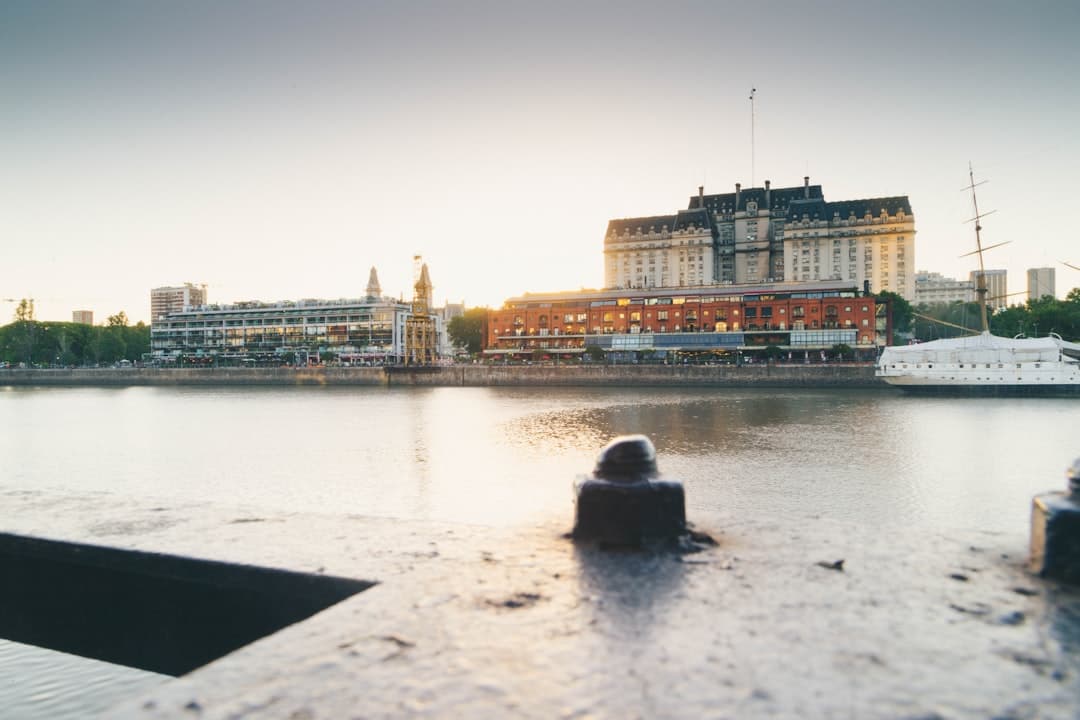
San Telmo Market — Mercado de San Telmo — is a sprawling iron-and-glass market hall that has anchored Buenos Aires's oldest neighbourhood since 1897. Built during the city's belle époque boom, the structure itself is a landmark: a soaring wrought-iron roof designed by Juan Antonio Buschiazzo shelters a full city block of stalls, vendors, and wandering visitors. It's not a tourist trap dressed up as a market — it's a living, working space that has simply evolved to welcome everyone, from locals grabbing lunch to antique hunters from across the world. Inside, the market splits roughly into two worlds. The inner ring holds food stalls, small restaurants, and juice bars where you can eat empanadas, provoleta, or a full asado cut without ever sitting at a proper table. Vendors on the perimeter and in the surrounding Defensa street stalls sell antiques, vintage silverware, old vinyl records, leather goods, and enough mid-century Argentine curiosities to fill a container ship. On weekends, the Feria de San Telmo spills out onto Calle Defensa itself, turning the whole block into a sprawling open-air market with street performers and occasional impromptu tango. The market is open daily, but Friday through Sunday is when it truly hums — weekend mornings bring the densest mix of stalls, vendors, and atmosphere. Arrive before noon if you want breathing room, or embrace the Saturday afternoon chaos. Pickpocketing is worth being aware of in crowded stretches, so keep bags in front. The market is free to enter, and you can easily spend two to three hours between eating, browsing, and watching the street performers outside.