
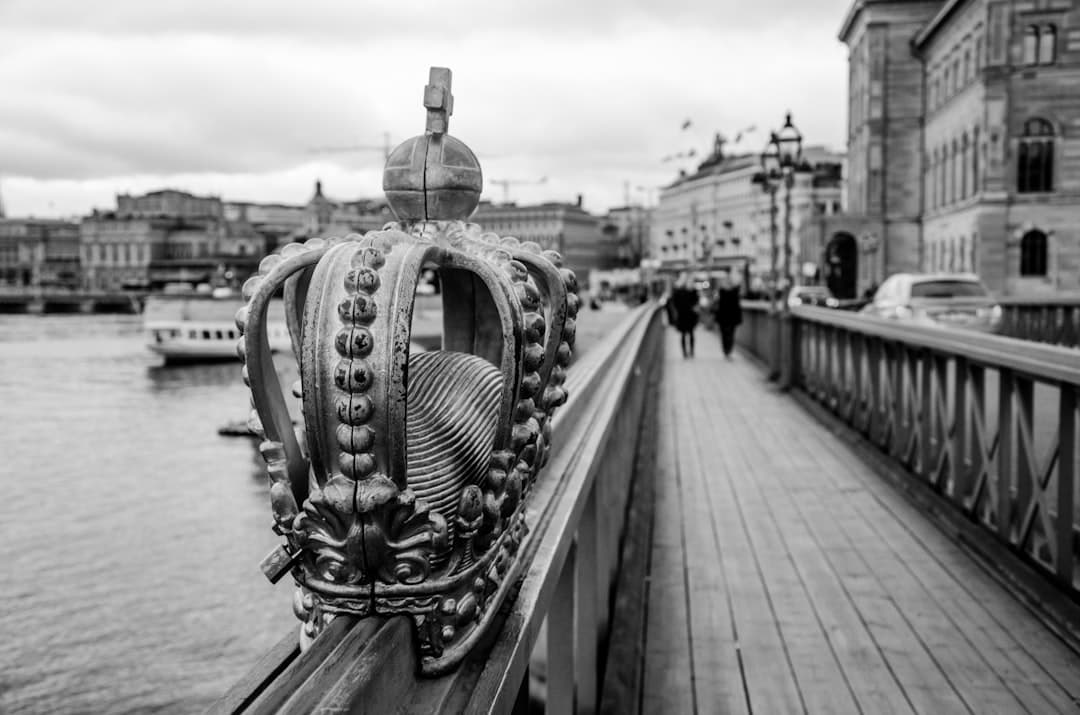
Royal Palace of Stockholm
Stockholm / Royal Palace of Stockholm

Royal Palace of Stockholm

The working royal palace where Sweden's monarchy still conducts official business.

🏛️ Sights & Landmarks🎭 Arts & Entertainment
👨‍👩‍👧 Family-friendly🎭 Cultural

The Royal Palace of Stockholm — Kungliga slottet — is one of the largest palaces in the world still used as an official royal residence, with over 600 rooms spread across its imposing Baroque facade on Gamla Stan, Stockholm's old town island. Built largely in the early 18th century after a fire destroyed the medieval Tre Kronor castle that stood before it, the palace was designed by architect Nicodemus Tessin the Younger and took decades to complete. Today it serves as the official workplace of King Carl XVI Gustaf, even though the royal family lives at Drottningholm Palace outside the city.

Visitors can explore several distinct museums and state apartments within the same building, which makes it unusually rich for a single site. The Royal Apartments contain lavishly decorated rooms used for state ceremonies, while the Treasury holds the Swedish crown jewels — crowns, orbs, and scepters dating back to the 16th century that are genuinely dazzling up close. The Gustav III's Museum of Antiquities displays classical sculptures collected by the king on his grand tour of Italy, and the separate Tre Kronor Museum in the palace cellars traces the history of the site through archaeological remains. The famous changing of the guard ceremony happens in the outer courtyard daily in summer and on weekdays in winter, drawing big crowds.

Buy a combination ticket that covers all the museums inside — it's significantly better value than individual entry and lets you move between exhibitions at your own pace. The palace sits right at the heart of Gamla Stan, so it pairs naturally with a wander through the surrounding medieval streets, but arrive early if you're visiting in peak summer, as the courtyards and popular treasury rooms get genuinely crowded by midday. Opening hours can vary seasonally and during state functions, so checking ahead before your visit is worth the thirty seconds it takes.

Local Tips

  1. 1

    Buy the combination ticket at the entrance — it covers the Royal Apartments, Treasury, Gustav III's Museum of Antiquities, and the Tre Kronor Museum, and saves money over picking individual entries.

  2. 2

    The Tre Kronor Museum in the palace cellars is the least-visited section and often nearly empty — it has some of the most genuinely interesting archaeological material on site, including remains of the medieval castle walls.

  3. 3

    The changing of the guard in summer starts at 12:15pm on weekdays and Saturdays, and 1:15pm on Sundays — arrive 20 minutes early to get a decent viewing spot in the outer courtyard.

  4. 4

    The palace sits right on the edge of Gamla Stan's main drag — after your visit, head into the tighter medieval lanes behind it (like Österlånggatan rather than the tourist-heavy Västerlånggatan) for better cafes and fewer crowds.

When to Go

Best times
Summer (June–August)

The changing of the guard ceremony runs daily including Sundays, and the palace is at its most animated — but crowds peak heavily in July, and the courtyards can feel overwhelmed by tourist groups.

Winter (November–March)

Crowds drop significantly and the palace feels more atmospheric and unhurried. The guard ceremony still happens on weekdays, though the schedule is reduced.

Try to avoid
Midday in peak season

Tour groups converge between 11am and 2pm, making the Treasury and state apartments feel cramped. Opening time is noticeably calmer.

Why Visit

01

The Treasury holds Sweden's actual crown jewels — royal regalia used at coronations and state occasions, displayed in an intimate vaulted space that makes them feel accessible rather than remote.

02

The changing of the guard is one of Stockholm's most reliable free spectacles, with a full military band and ceremony that happens right in the palace's outer courtyard.

03

The combination of five distinct museums under one roof — state apartments, antiquities, medieval archaeology, and more — means a single visit covers centuries of Swedish history without feeling repetitive.