
Rumeli Fortress
Istanbul / Rumeli Fortress

Rumeli Fortress

The Ottoman fortress that sealed Constantinople's fate in four months.

🏛️ Sights & Landmarks🎯 Activities & Experiences
🧗 Adventurous🎭 Cultural🗺 Off the beaten path

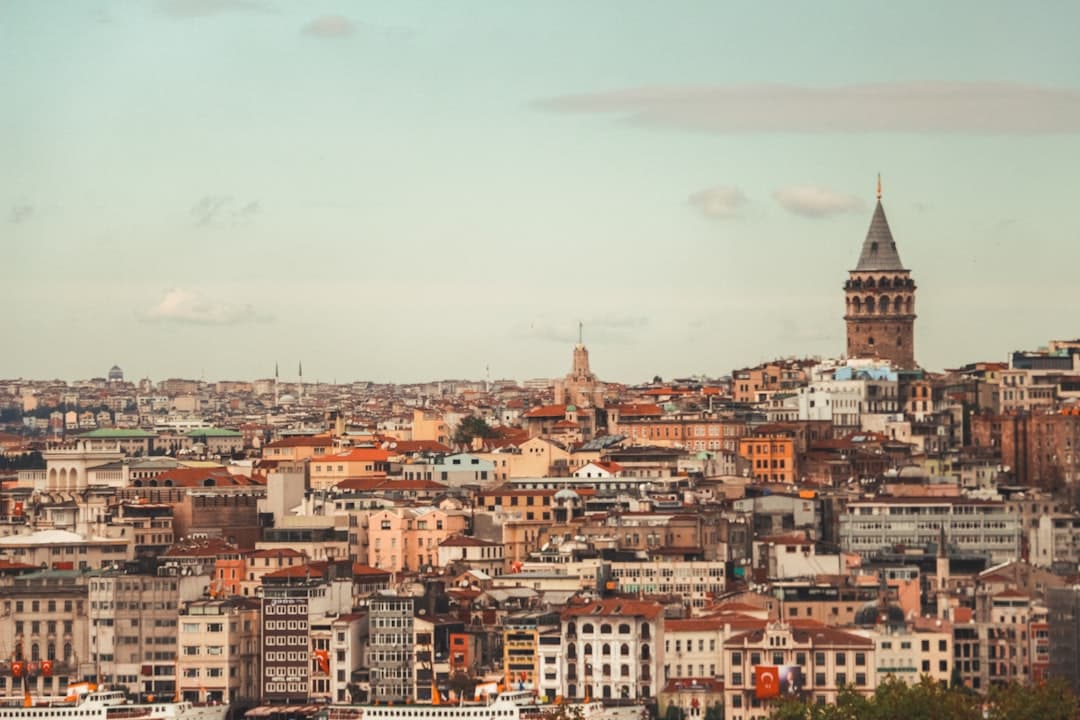
Rumeli Fortress is a massive medieval castle built directly on the European shore of the Bosphorus strait, just a few kilometers north of Istanbul's historic center. Sultan Mehmed II ordered its construction in 1452 — a breathtaking logistical feat completed in just four months — specifically to control traffic on the Bosphorus and cut off Constantinople from Black Sea supply routes. Paired with Anadolu Hisarı on the Asian shore opposite, the fortress effectively strangled the Byzantine capital before Mehmed's armies stormed it in 1453. It is one of the most consequential pieces of military architecture in world history, and standing inside its walls, you feel the weight of that.

Today the fortress is an open-air museum, and the experience is genuinely physical. You walk the ramparts, climb the towers — three main ones, named Saruca Paşa, Zağanos Paşa, and Halil Paşa — and scramble up steep stone staircases with only modest handrails between you and a long drop. The views from the upper towers are extraordinary: the Bosphorus narrowed to its tightest point, container ships threading through below, and the Asian hills across the water. The interior courtyard contains the ruins of a small mosque and an open-air amphitheater that hosts concerts in summer. The scale of the walls — some sections rise over 25 meters — is genuinely impressive in person in a way photos don't convey.

The fortress sits in the Rumelihisarı neighborhood, which is quieter and more residential than central Istanbul. Getting here by bus along the Bosphorus road is easy and scenic; the 22RE and 25E lines connect from Beşiktaş. Monday closures are the main practical trap for visitors. Arrive early on weekends to avoid tour groups, and pair the visit with lunch at one of the fish restaurants along the waterfront just below the walls — the neighborhood has a handful of good options steps from the entrance.
Local Tips

  1. 1

    The fortress is closed on Mondays — a surprisingly easy mistake to make since most Istanbul museums close on other days. Double-check before making the trip out here.

  2. 2

    The staircases in the towers are steep, uneven, and not for the faint-hearted or those with mobility issues. Wear proper shoes with grip — sandals are a genuinely bad idea.

  3. 3

    After your visit, walk downhill to the waterfront road and grab a table at one of the fish restaurants directly below the fortress walls — eating with that view costs much less than you'd expect.

  4. 4

    Take the scenic Bosphorus bus rather than a taxi — the 25E from Kabataş runs along the waterfront and the ride itself is half the fun, giving you context for the fortress's strategic position.

When to Go

Best times
Spring (April–May)

Mild temperatures and clear air make rampart-walking comfortable, and the Bosphorus light is beautiful in the late afternoon.

Summer (July–August)

The open-air amphitheater hosts concerts and events, adding a bonus to an evening visit — but midday heat on exposed stone ramparts can be punishing.

Winter (December–February)

Crowds thin dramatically and the fortress can be eerily atmospheric in cold mist, but wet stone staircases become genuinely slippery and some tower access may be restricted.

Try to avoid
Midday in July–August

The fortress offers almost no shade and the stone surfaces absorb heat badly. Early morning or late afternoon visits are much more comfortable.

Why Visit

01

Walk the original 15th-century ramparts and climb towers that directly overlook the Bosphorus at its narrowest — the views alone justify the trip.

02

The fortress was built in just four months in 1452 and played a direct role in ending the Byzantine Empire — it's living history on a dramatic scale.

03

The surrounding Rumelihisarı neighborhood feels genuinely local, with waterfront fish restaurants and Bosphorus village atmosphere far from the tourist crowds.